This Small Insect Is Ruining Ohio Tomato Plants This Season
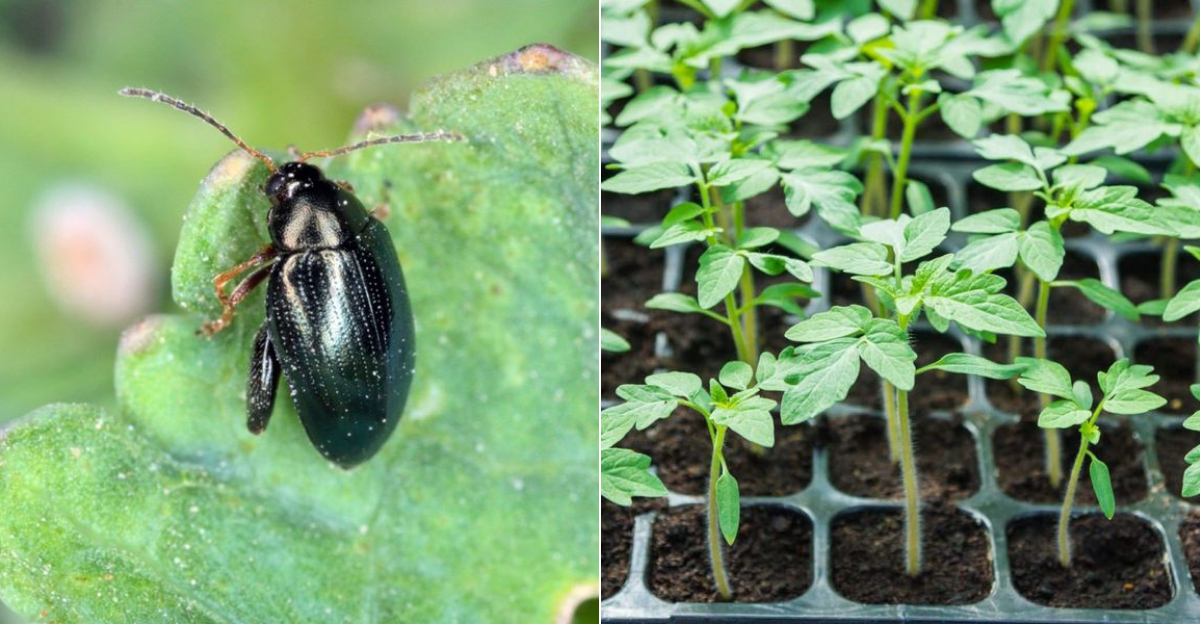
You check your tomato plants one day and everything looks fine, then suddenly the leaves start curling, yellowing, or losing their strength. It’s the kind of change that catches Ohio gardeners off guard, especially when it seems to happen so fast.
In many cases this season, a small insect is behind the damage, and it doesn’t take much for things to get out of hand.
These pests are easy to miss at first, which makes them even more frustrating to deal with as they spread.
By the time symptoms show up, they’ve often been feeding quietly for days. Spotting early warning signs can make all the difference in keeping plants healthy and your harvest on track, especially during warm stretches when pest activity tends to rise quickly.
1. Flea Beetles Are The Tiny Pests To Watch On Ohio Tomatoes
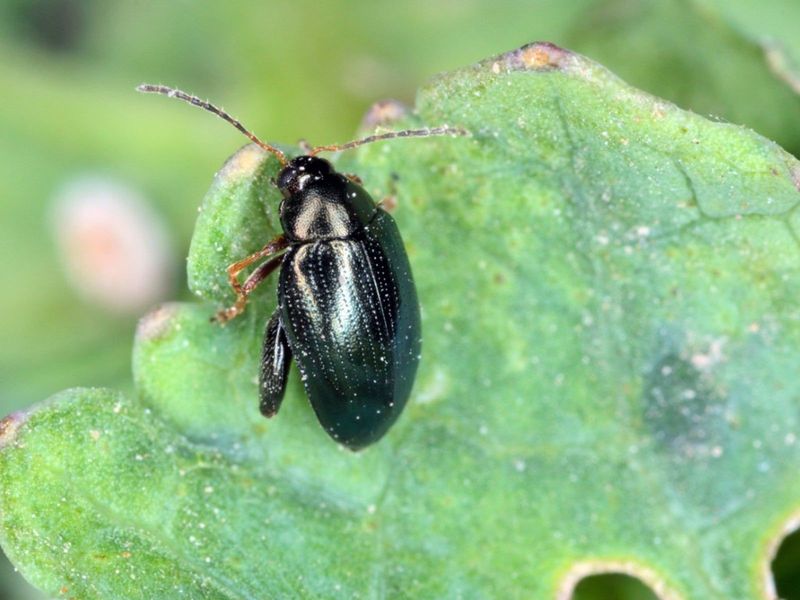
You might not see them at first, but the damage they leave behind is hard to miss. Flea beetles are small, shiny, and incredibly fast, jumping away the moment you get close, just like a flea would.
In Ohio, these insects have become a serious concern for home gardeners and commercial tomato growers alike this season.
Adult flea beetles are usually black or dark brown and measure only about one-sixteenth to one-eighth of an inch long. Despite their tiny size, they can show up in large numbers very quickly.
When a group of them settles on a tomato plant, they begin chewing small, round holes through the leaves almost immediately.
Ohio gardeners in counties across the state have reported noticing these insects on their plants as early as late spring. The beetles tend to be most active during warm, dry weather, which makes the current season especially risky.
They are drawn to young, tender plants more than mature ones.
Knowing what this pest looks like is your first line of defense. A quick search online for flea beetle images can help you confirm whether what you are seeing matches the description.
The sooner you identify them correctly, the faster you can take action to protect your tomato garden.
2. Their Shot-Hole Feeding Damages Leaves Quickly
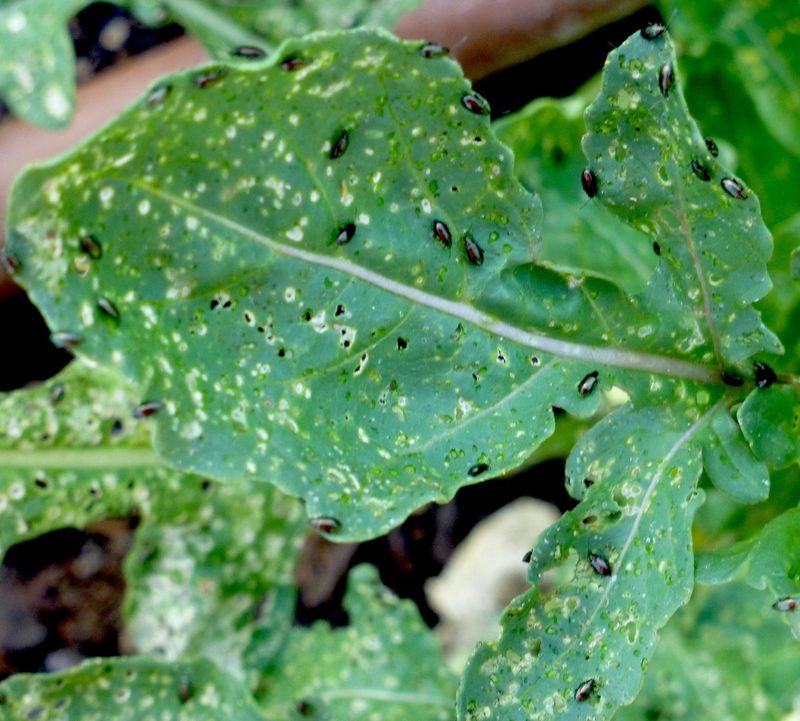
Walk up to a tomato plant with a flea beetle problem and the leaves look like someone took a hole punch to them. That scattered pattern of tiny, round openings is called shot-hole feeding, and it is one of the clearest signs that flea beetles are present in your garden.
Each small hole is where a beetle chewed through the leaf tissue to feed. On its own, one hole is not a big deal.
But when dozens or even hundreds of beetles are feeding at the same time, the damage adds up fast. A leaf that loses too much surface area cannot absorb enough sunlight to keep the plant growing strong.
In Ohio, this type of damage has been spotted on tomato plants at garden centers, community gardens, and backyard plots throughout the region. When the feeding is heavy, leaves can turn yellow and eventually dry out, reducing the plant’s ability to produce fruit later in the season.
Your Ohio Garden Changes Every Week. Your Plan Should Too.
Gardening in Ohio changes quickly throughout the season. Every Friday you’ll receive a simple weekly plan showing exactly what to plant, prune, fertilize, harvest, and protect so you never miss the right timing.
The good news is that healthy, established tomato plants can usually handle moderate flea beetle feeding without too much long-term trouble. The real risk is to younger plants that do not yet have the leaf mass to recover.
Keeping an eye on your plants every few days during the growing season is one of the smartest habits an Ohio gardener can build.
3. Young Tomato Plants Can Be Stunted Early

Seedlings are the most vulnerable stage of a tomato plant’s life, and flea beetles seem to know it. When these insects attack plants that have only a few sets of leaves, the consequences can be far more serious than when they go after a full-grown plant.
Young tomatoes simply do not have enough leaf mass to handle heavy feeding.
Stunted growth is one of the most frustrating outcomes Ohio gardeners face when flea beetles get to seedlings early. A plant that should be growing several inches per week may barely move at all.
The energy it would normally put into new growth gets redirected toward trying to repair damaged tissue instead.
Transplants that are set out in the garden during peak beetle activity are especially at risk. The first two to three weeks after transplanting are a critical window when plants need to establish roots and push out new leaves.
Flea beetle pressure during this time can set a plant back by weeks, which shortens the overall growing season and reduces your final harvest.
Gardeners in Ohio who start seeds indoors and harden them off before transplanting may have a slight advantage. Tougher, well-established transplants tend to recover from flea beetle feeding better than weak or spindly seedlings.
Still, protection during those early weeks is always a wise approach no matter how healthy your transplants look.
4. Heavy Infestations Can Destroy Small Seedlings
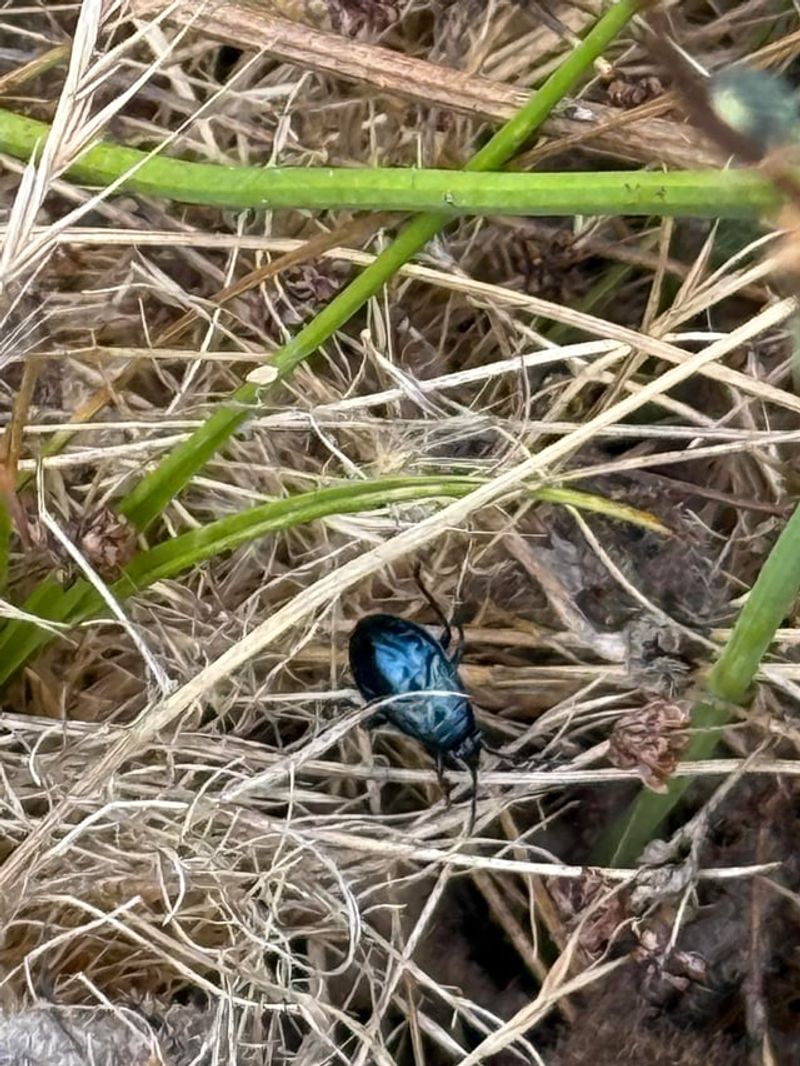
Most gardeners hear the word infestation and picture something dramatic, but with flea beetles, the threat can sneak up quietly. A few beetles here and there are manageable.
However, when populations explode, small seedlings can be overwhelmed before you even realize what is happening.
Under extreme pressure, flea beetles can strip the functional leaf area from a small tomato plant in just a few days. Without leaves to capture sunlight and produce energy, the plant struggles to sustain itself.
Seedlings that are only a couple of inches tall have almost no margin for that kind of stress.
Ohio growers who plant tomatoes in areas with heavy weed pressure or near last year’s garden beds may face higher beetle populations. Adult flea beetles overwinter in leaf litter, soil, and weedy areas near gardens.
When spring arrives and temperatures warm up, they emerge hungry and ready to feed on whatever young, tender plants are nearby.
If you notice that entire seedlings are collapsing or looking completely stripped of green tissue, it is time to act immediately. Waiting even a day or two can cost you a plant entirely.
Replacing a lost seedling late in the Ohio growing season is possible but puts you behind schedule. Prevention and early action are always more effective than trying to rescue a plant that has already taken too much damage from a heavy flea beetle attack.
5. Regular Scouting Helps Catch Them Early
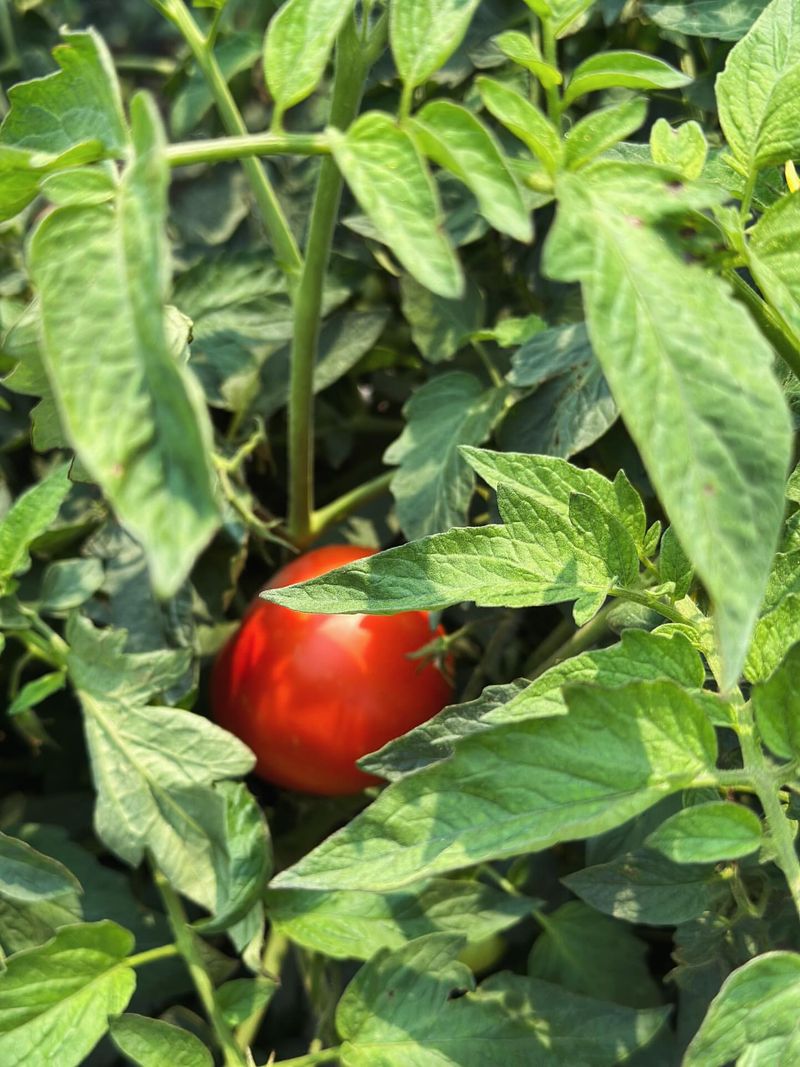
Catching flea beetles early is one of the most effective strategies available to Ohio tomato growers, and it costs nothing but a little time. Scouting, which simply means walking through your garden and checking plants closely on a regular schedule, gives you a huge advantage over any pest problem.
Plan to check your tomato plants at least two or three times each week during the early part of the growing season. Look at both the tops and undersides of leaves, and pay special attention to the newest, most tender growth.
Flea beetles tend to target the youngest tissue first because it is easier to chew through.
During your scouting visits, bring a small notebook or use your phone to record what you see. Noting the date, which plants were affected, and roughly how many beetles you spotted helps you track whether the population is growing or staying steady.
That information makes it easier to decide when and how to respond.
Ohio State University Extension recommends that gardeners pay close attention to their plants during warm, sunny stretches of weather in late spring and early summer, as that is when flea beetle activity typically peaks. Yellow sticky traps placed near your tomato plants can also help you monitor adult beetle populations between scouting visits.
Combining visual checks with traps gives you a more complete picture of what is going on in your Ohio garden.
6. Early Control Matters Most For Small Plants
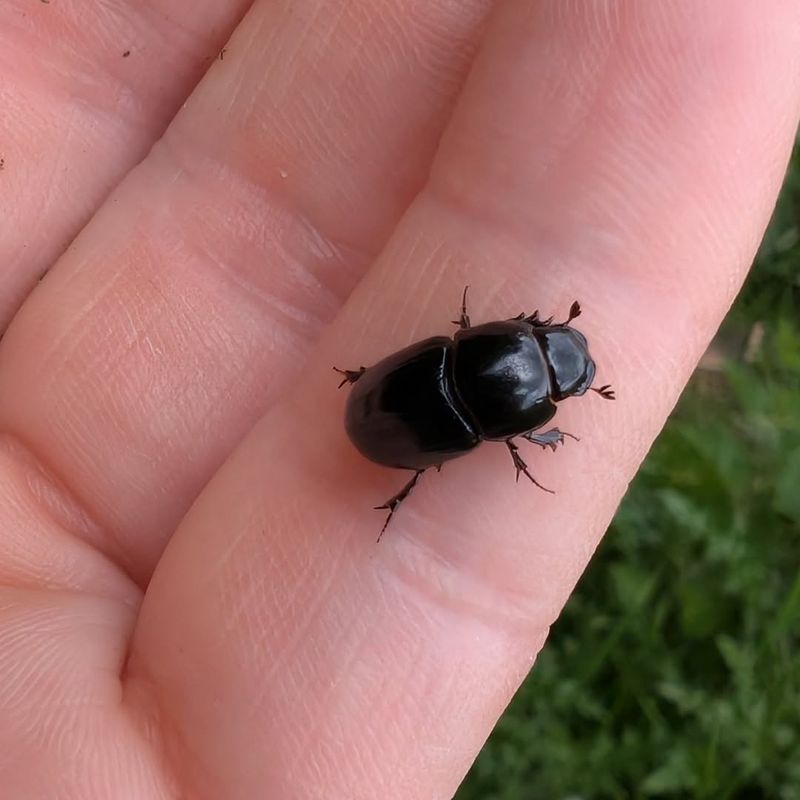
Timing is everything when it comes to managing flea beetles on tomato plants. Acting early, before populations build up and before your plants suffer serious damage, gives you the best chance of keeping your Ohio garden on track for a good harvest.
One of the simplest and most effective early control methods is using floating row covers. These lightweight fabric barriers let sunlight and rain through while keeping beetles out.
Place them over your transplants as soon as you put them in the ground, and secure the edges so beetles cannot crawl underneath. Remove the covers once plants are large enough to handle some feeding pressure on their own.
Diatomaceous earth, a natural powder made from fossilized algae, can also be sprinkled around the base of plants and on leaf surfaces. It works by damaging the outer coating of insects that crawl through it.
Reapply after rain or heavy watering since moisture reduces its effectiveness.
For gardens with serious pressure, organic-approved insecticides containing spinosad or pyrethrin can be applied directly to plants. Always follow label directions carefully and avoid spraying during the heat of the day or when pollinators are active.
In Ohio, where the growing season is relatively short, protecting your plants during those first few weeks after transplanting can make a noticeable difference in the overall health and productivity of your tomato crop by late summer.
7. Check Alongside Other Common Tomato Pests
Flea beetles are grabbing a lot of attention in Ohio gardens this season, but they are not the only insect that can cause problems for tomato growers. While you are out scouting for flea beetles, it makes good sense to check for a few other common pests at the same time.
Aphids are tiny, soft-bodied insects that cluster on stems and the undersides of leaves. They suck plant sap and can cause leaves to curl and yellow over time.
They also leave behind a sticky substance called honeydew, which can attract other problems like sooty mold. A strong spray of water from a garden hose can knock aphid colonies off plants quickly.
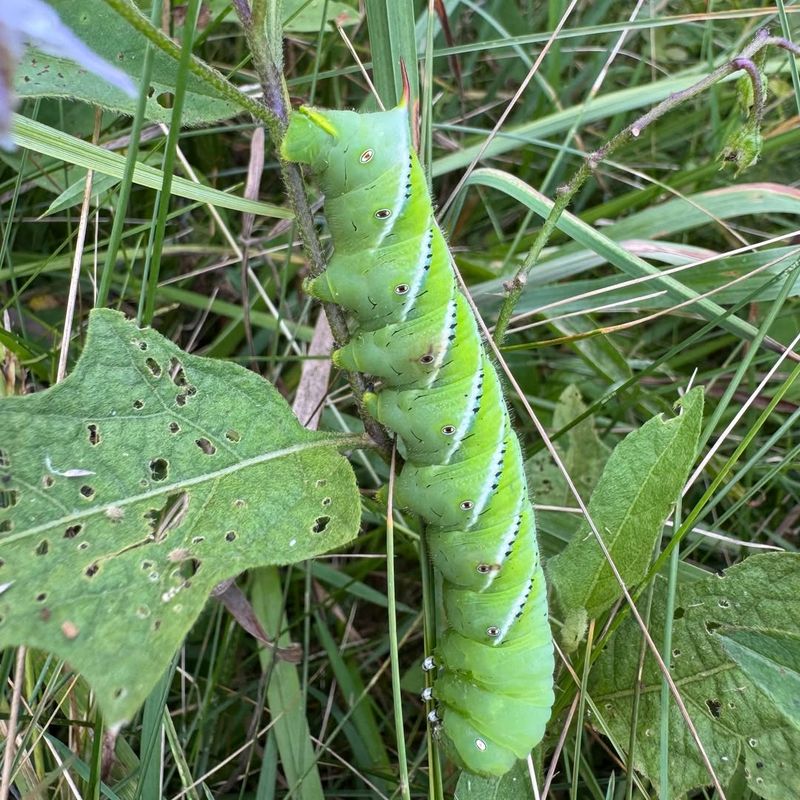
Hornworms are another pest that Ohio tomato gardeners deal with regularly. These large, green caterpillars blend in with stems and foliage, making them easy to overlook until significant defoliation has already occurred.
Checking the undersides of leaves and looking for dark droppings on the soil beneath plants can help you spot them faster.
Spider mites, though not insects, can also show up on tomato plants during hot, dry stretches of Ohio summer weather. They cause a fine, stippled appearance on leaves and sometimes leave tiny webs on plant surfaces.
Tackling multiple pest issues at once during your regular scouting rounds keeps your garden healthier overall and saves you time throughout the entire growing season.