Grow Cherry Trees In Oregon For Beautiful Blooms And Fruit
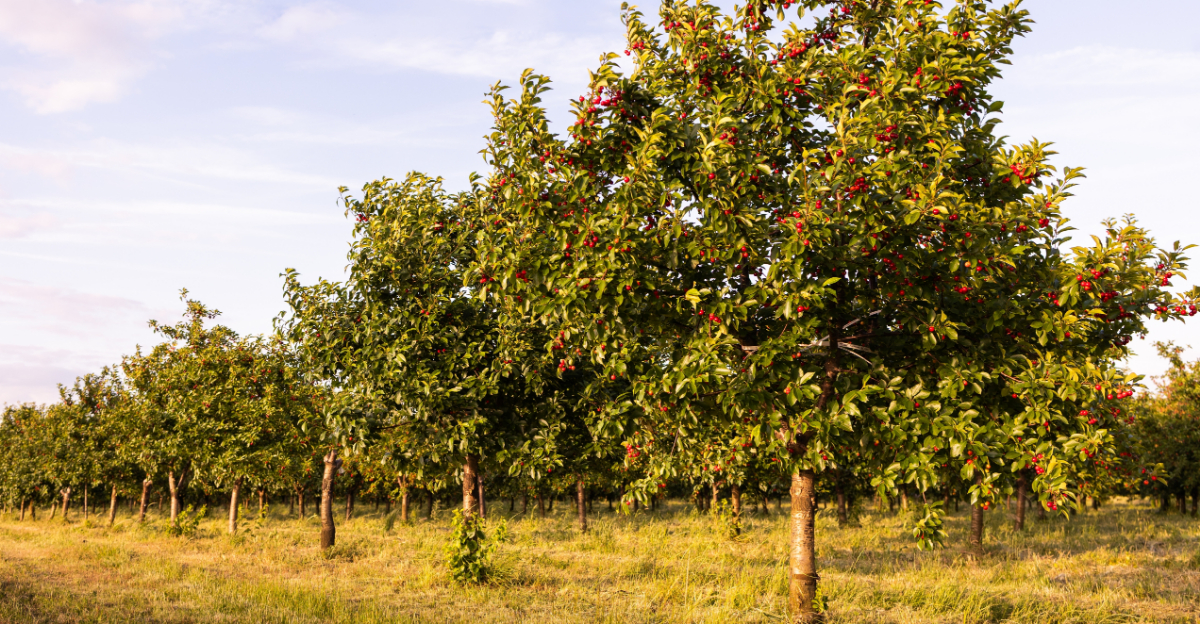
There’s something about cherry trees in bloom that stops people in their tracks. In Oregon, those soft clouds of pink and white show up just as the season starts to shift, bringing a sense that spring has really arrived.
Beyond the blossoms, though, these trees can offer more than just a few weeks of color. With the right conditions, they go on to produce fruit that’s worth the wait.
Many gardeners assume cherries are tricky or better suited for large orchards, but that’s not always the case. Some varieties adapt well to home landscapes and can settle in without constant attention.
A little planning early on can lead to stronger trees that handle Oregon’s changing conditions with ease, even through cooler springs and occasional late frosts.
1. Choose Between Sweet And Sour Cherry Types
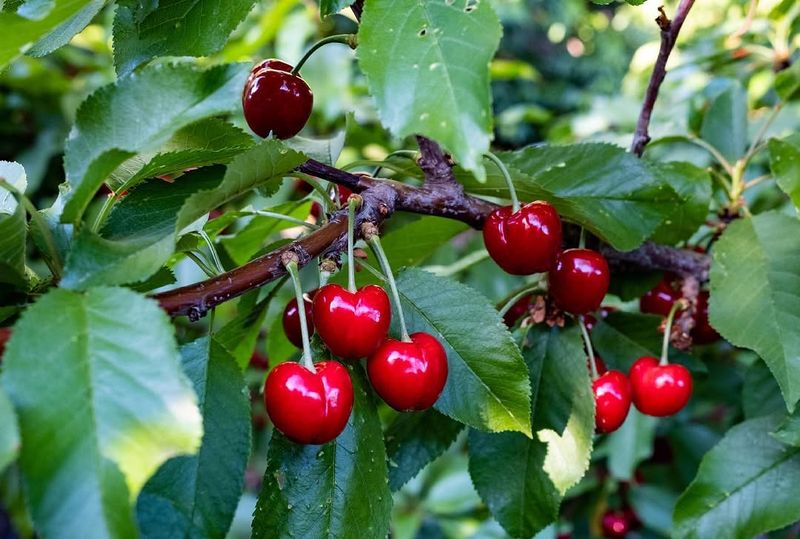
Not all cherries are created equal, and knowing the difference between sweet and sour types is the first step to growing a tree you will actually love. Sweet cherries like Bing, Rainier, and Lapins are the kind you find at the farmers market.
They are juicy, rich, and perfect for eating fresh off the branch. Sour cherries like Montmorency are smaller and tangier, but they make incredible pies, jams, and preserves.
In Oregon, both types can do well depending on your location. The Willamette Valley is especially known for sweet cherry production, while sour cherries tend to be tougher and more adaptable across different parts of the state.
If you live in Central Oregon where temperatures can swing more dramatically, cold-hardy sweet varieties like Stella and Sweetheart are smart picks recommended by Oregon State University Extension.
Think about how you plan to use your harvest before you buy a tree. If you want to eat cherries straight from the tree on a warm July afternoon, go sweet.
If you love baking or making homemade preserves, a sour cherry tree might be your best friend. Many Oregon gardeners plant one of each to get the best of both worlds and extend their harvest season by a few extra weeks.
2. Full Sun And Good Drainage Are Essential
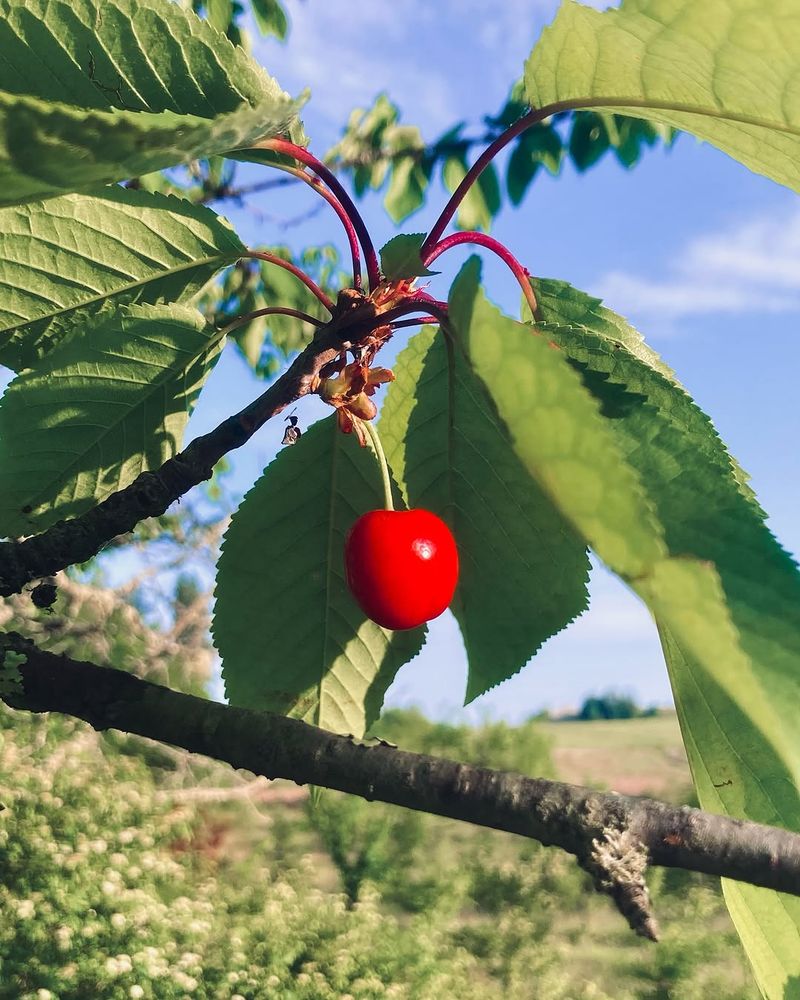
Cherry trees are sun-lovers through and through. To grow strong, bloom reliably, and produce a solid crop of fruit, they need at least six to eight hours of direct sunlight every day.
Shady spots under larger trees or along the north side of a fence just will not cut it. When shopping for a planting location in your Oregon yard, look for the brightest, most open spot available.
Good soil drainage is just as critical as sunshine. Cherry tree roots are sensitive to standing water, and soggy soil can cause serious problems over time, including root rot and reduced fruit production.
Oregon gets a fair amount of rainfall, especially from fall through spring, so choosing a spot where water drains away quickly is a real advantage. Sandy loam or loamy soil with a slightly acidic pH between 6.0 and 6.5 is ideal.
Elevated planting sites are a great option in Oregon because they tend to drain faster and also benefit from better air circulation. Good airflow around the tree helps reduce the chance of fungal diseases, which can be a challenge in wetter parts of the state like the coast range foothills.
Your Oregon Garden Changes Every Week. Your Plan Should Too.
Gardening in Oregon changes quickly throughout the season. Every Friday you’ll receive a simple weekly plan showing exactly what to plant, prune, fertilize, harvest, and protect so you never miss the right timing.
Raised beds or gentle slopes are excellent choices for home gardeners who want to give their cherry trees the best possible start from day one.
3. Poor Drainage Can Limit Tree Growth
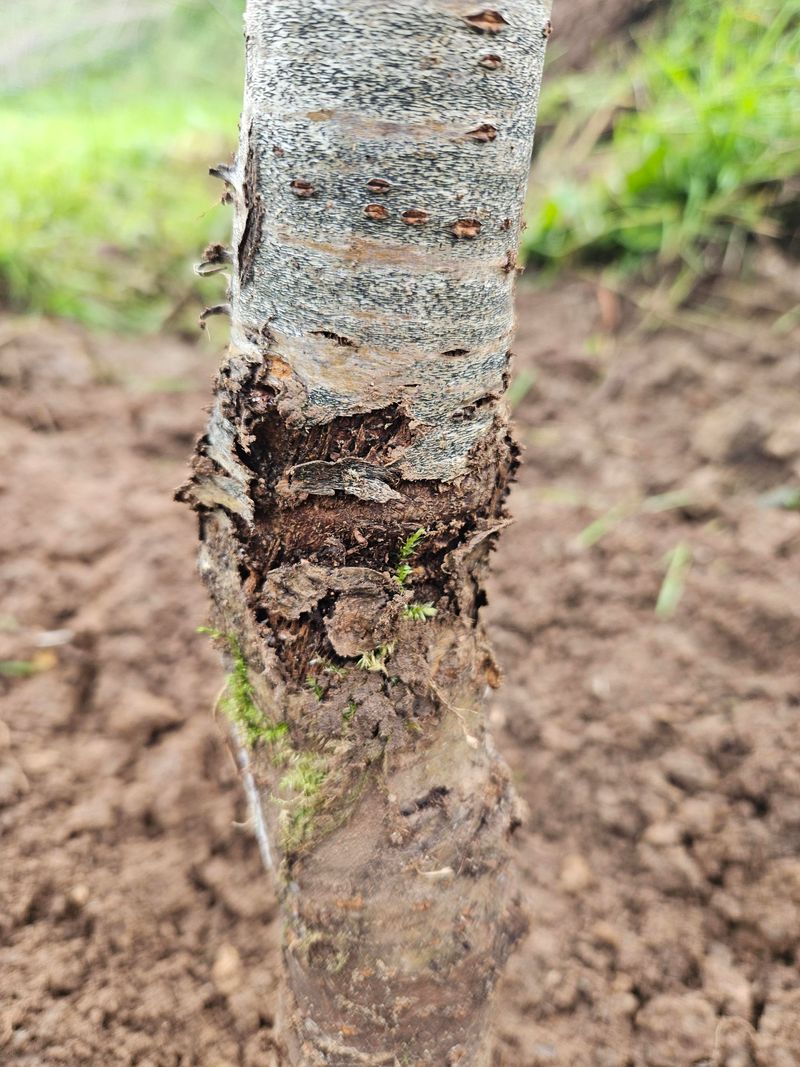
Here is something many first-time cherry growers learn the hard way: soggy roots are a cherry tree’s worst enemy. Oregon’s rainy season can dump several inches of water on the ground over just a few weeks, and if your soil does not drain well, that moisture sits around the roots for far too long.
Over time, this creates conditions where the tree struggles to absorb oxygen and nutrients properly.
Clay-heavy soils are common in parts of Oregon, especially in low-lying valley areas. While clay holds moisture well for some plants, it can be a real challenge for cherry trees.
If your yard has clay soil, consider amending it with compost, perlite, or coarse sand before planting. Another option is to build a raised mound or berm to plant your tree slightly above the surrounding ground level, which helps water move away from the root zone more efficiently.
Watch for warning signs that drainage may be an issue. Yellowing leaves during the growing season, slow growth, or a tree that just never seems to perk up after a wet winter are all clues that the roots may be sitting in too much moisture.
Testing your soil drainage before you plant is a smart move. Simply dig a hole about twelve inches deep, fill it with water, and see how long it takes to drain.
If water is still sitting there after several hours, you need to improve drainage before planting your cherry tree in Oregon.
4. Some Varieties Need Cross-Pollination
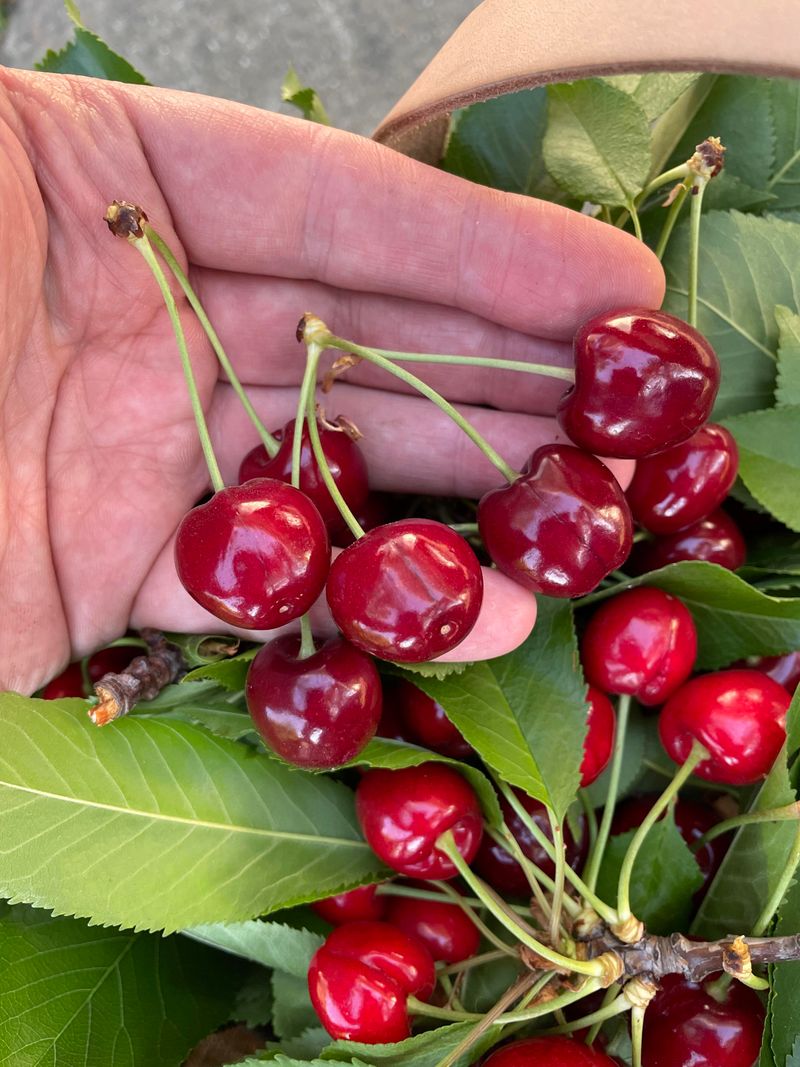
Planting a cherry tree and waiting years for fruit only to get almost nothing can be a frustrating experience. One of the most common reasons this happens is a lack of cross-pollination.
Some cherry varieties simply cannot pollinate themselves and need a second, compatible tree nearby to produce a full crop. Understanding this before you plant can save a lot of time and disappointment.
Popular sweet cherries like Bing are not self-fertile, meaning they depend on pollen from another cherry variety to set fruit. A good pollinating partner for Bing in Oregon is Rainier or Black Tartarian.
On the other hand, varieties like Stella and Lapins are self-pollinating, so they can produce fruit even if they are the only cherry tree in your yard. Portland-area nurseries like Portland Nursery often carry helpful pairing guides to match compatible varieties.
If space is limited in your Oregon garden, self-fertile varieties are a practical choice. But if you have room for two trees, planting a pollinating pair almost always results in a heavier, more consistent fruit set.
Place the two trees within about 50 to 100 feet of each other so bees and other pollinators can easily move between them during bloom time. Keeping the area around your trees free of pesticides during flowering is also a great way to support the pollinators that do the important work of connecting your trees.
5. Sour Cherries Handle Tougher Conditions Better
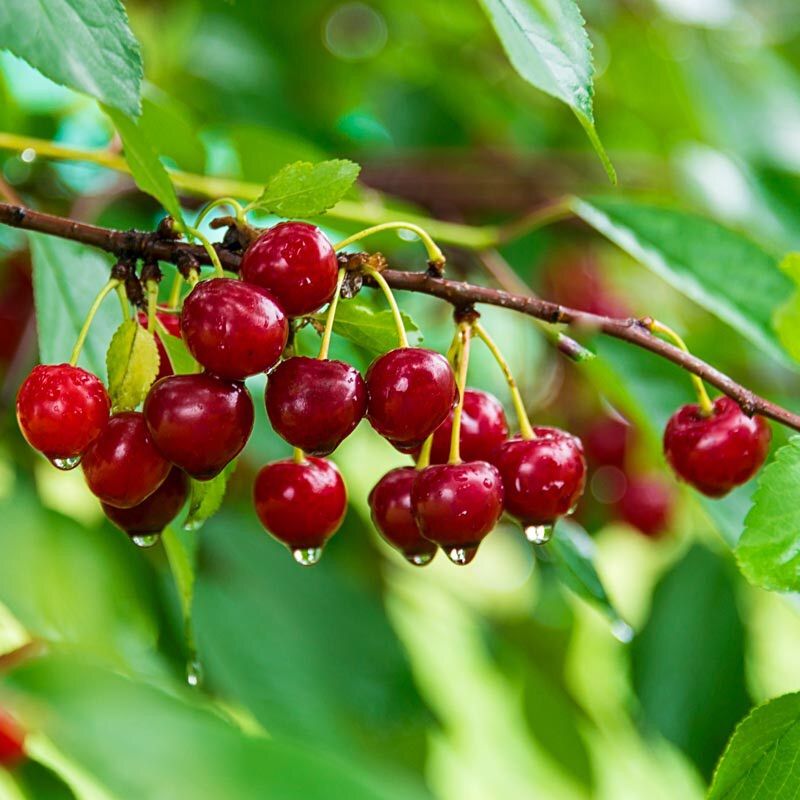
Sour cherries have a reputation for being tough, and that reputation is well earned. While sweet cherries can be a bit fussy about climate and soil, sour varieties like Montmorency are much more forgiving.
They tolerate colder winters, bounce back from late frosts more easily, and tend to be less affected by common cherry diseases. For gardeners in parts of Oregon that see harsher conditions, sour cherries are often the more dependable choice.
Central Oregon and higher-elevation areas of the state can experience cold snaps that would stress a sweet cherry tree. Sour cherries are generally rated to survive temperatures well below zero, making them a smart option for growers in Bend, Redmond, or other inland Oregon communities where winter temperatures can be unpredictable.
They also tend to be smaller trees overall, which makes them easier to manage, net, and harvest.
One thing many people do not expect is just how productive a sour cherry tree can be. A mature Montmorency can produce 15 to 20 quarts of fruit in a single season.
That is a lot of cherries, and since sour varieties are ideal for cooking, you will never run short of ideas for using them. Think cherry pie, cherry sauce for pork, cherry jam, or even homemade cherry wine.
Growing sour cherries in Oregon opens up a surprisingly wide world of kitchen creativity that goes far beyond just snacking straight from the tree.
6. Birds Can Strip Fruit Without Protection
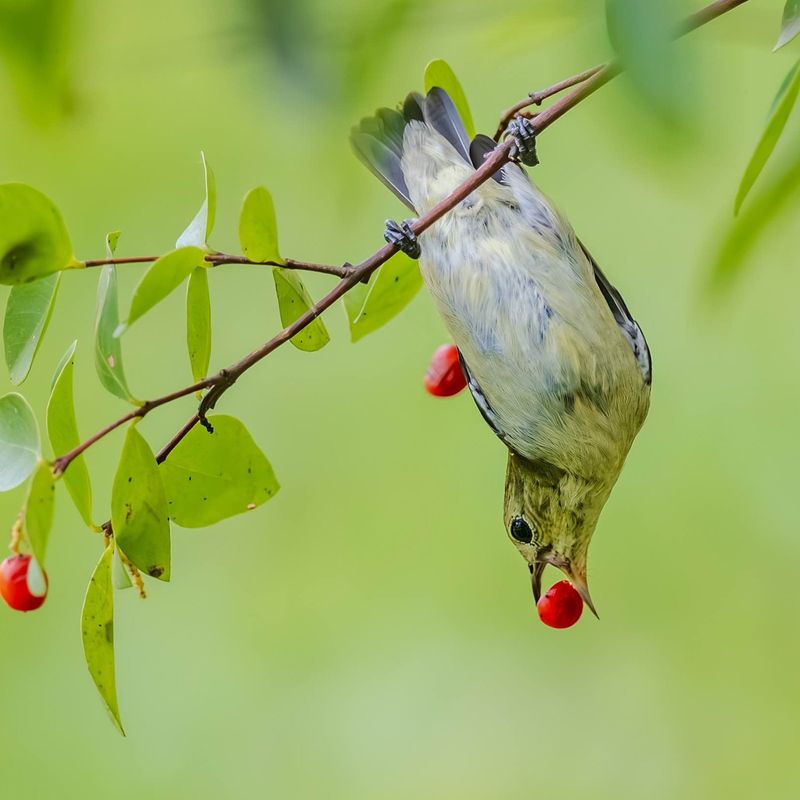
Ask any Oregon cherry grower about their biggest harvest challenge and there is a very good chance birds will come up immediately. Robins, starlings, cedar waxwings, and other fruit-loving birds can descend on a cherry tree and strip it nearly bare in just a day or two.
It is genuinely impressive how fast a flock can work through a loaded tree, and it can feel pretty discouraging after months of careful growing.
The most effective solution is bird netting. Draping a fine mesh net over the entire tree before the cherries begin to ripen creates a physical barrier that keeps birds out.
Look for nets with holes no larger than half an inch to block even small birds. Lightweight netting is easy to find at Oregon garden centers and most home improvement stores.
Make sure the net reaches all the way to the ground or is secured at the base so birds cannot sneak in from below.
Some growers also use reflective tape, fake owls, or noise-making devices as deterrents, but these tend to lose their effectiveness after birds figure out they are harmless. Netting remains the gold standard.
Timing matters too. Start monitoring your cherries as they change color from green to yellow or red, and get your netting in place a week or two before full ripeness.
Acting early gives you the best chance of protecting your full Oregon cherry harvest before the birds catch on.
7. Pruning Early Improves Structure And Yield
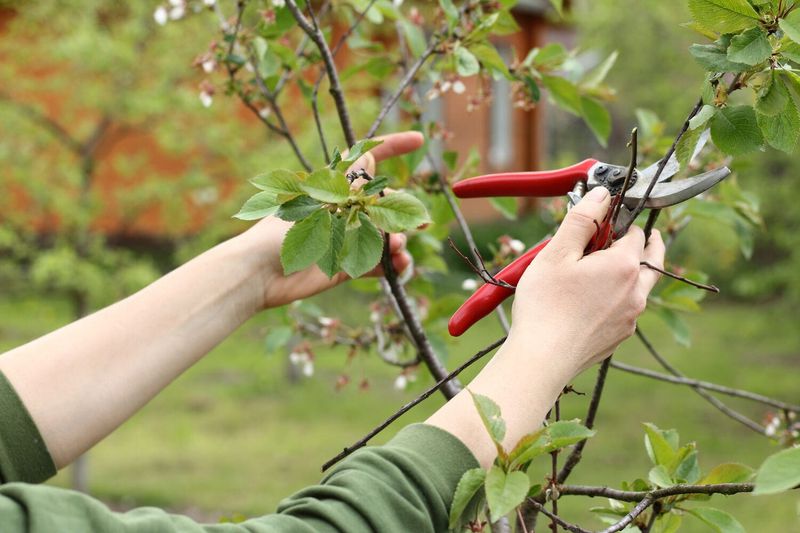
Few things you do for a cherry tree will pay off as consistently as regular pruning. Starting early, while the tree is still young, helps you shape a strong framework of main branches that will support heavy fruit loads for many years to come.
A well-structured tree is also easier to manage, harvest, and protect with netting, which is a real bonus for home growers in Oregon.
The best time to prune cherry trees in Oregon is during the dormant season, typically in late winter just before new growth begins. Pruning during this window reduces the risk of disease entering through fresh cuts.
Remove any branches that cross or rub against each other, and clear out growth that points inward toward the center of the tree. The goal is an open canopy that allows sunlight and air to reach all parts of the tree evenly.
As the tree matures, annual pruning keeps fruit production strong. Trees that go several years without pruning often put energy into excessive leafy growth rather than fruit.
Summer pruning right after harvest can also help control tree size and encourage the development of new fruiting spurs for the following season. Sharp, clean tools are a must to make smooth cuts that heal quickly.
Oregon State University Extension has excellent free guides on cherry tree pruning techniques that are well worth bookmarking for your seasonal garden routine.