After A Louisiana Freeze, Don’t Make These 7 Mistakes If Your Plant Is Leafing Out
Freeze damage can fool you.
Fresh leaves may look like a full recovery, but that first flush of growth is often the most fragile stage. In Louisiana, plants tend to wake up fast after a cold snap, and that quick rebound makes it easy to step in too soon.
That is where gardeners get into trouble. A hard prune, too much water, or one rushed decision can do more damage than the freeze itself.
This stage calls for patience, not panic. If your plants are leafing out after a freeze, these are the mistakes that can set them back just when they are trying to recover.
1. Pruning Too Soon And Too Aggressively
Grab the pruning shears and step away from that plant. Seriously, one of the most common mistakes gardeners make after a freeze is rushing to cut back all the brown, dead-looking branches the moment they see new leaves appearing.
It feels productive, but it can actually hurt your plant’s recovery in a big way.
When a plant starts leafing out after a freeze, those new leaves are drawing energy from the entire root system and the remaining woody tissue.
Even branches that look completely brown and lifeless on the outside might still be carrying nutrients and moisture from the roots upward.
Cutting them off too early can interrupt that process and stress the plant even more right when it’s trying to heal.
The smarter move is to wait. Give the plant a few more weeks to fully push out its new growth before you make any major cuts.
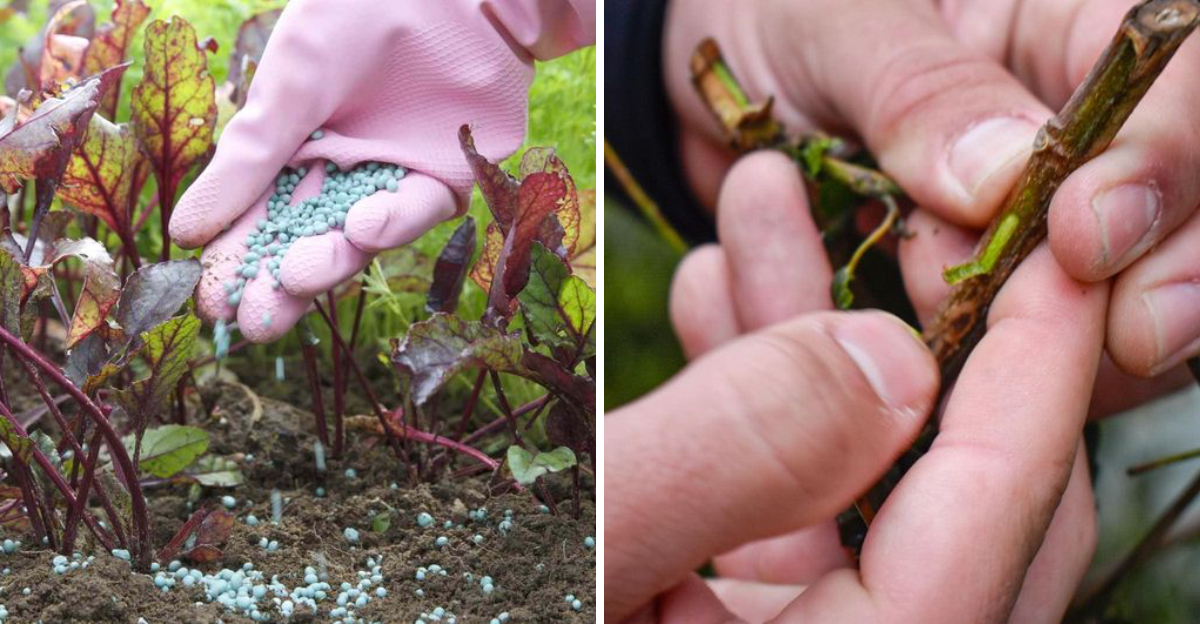
You can do a simple scratch test on a branch by lightly scratching the outer bark with your fingernail. If the tissue underneath is green or white and moist, that branch is still alive and working for your plant.
Only cut where the tissue underneath is completely dry and brown.
Another reason to hold back is that in Louisiana, late cold snaps can still happen even after plants start growing again. Keeping some of that older wood in place gives the fresh new growth a small amount of protection from unexpected temperature drops.
Patience is genuinely the best tool in your gardening kit right now. Pruning can always happen later, but you cannot undo a premature cut that removes branches your plant was depending on to fully recover.
2. Watering Way Too Much Right Away
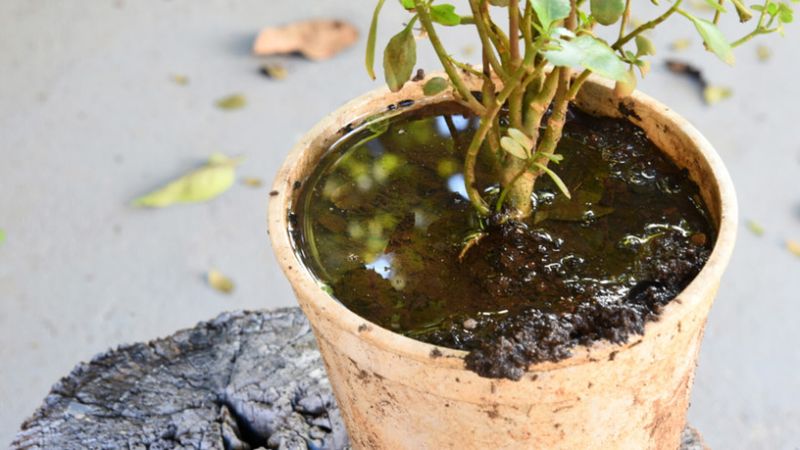
More water sounds like the caring thing to do, right? Wrong.
Over-watering a freeze-stressed plant that is just beginning to leaf out is one of the fastest ways to make a bad situation worse. Roots that have been through cold stress are already weakened, and soggy soil makes it even harder for them to function properly.
When soil stays too wet for too long, oxygen cannot reach the roots. Without oxygen, roots struggle to absorb nutrients, and they become more vulnerable to fungal diseases and rot.
Your plant might look like it needs more water because its leaves appear limp or droopy, but that same look can also be a sign of root stress, not drought.
Your Louisiana Garden Changes Every Week. Your Plan Should Too.
Gardening in Louisiana changes quickly throughout the season. Every Friday you’ll receive a simple weekly plan showing exactly what to plant, prune, fertilize, harvest, and protect so you never miss the right timing.
Before you water, always check the soil first. Stick your finger about two inches into the ground near the base of the plant.
If the soil still feels moist at that depth, hold off on watering for another day or two. Louisiana’s naturally humid climate means the soil often retains moisture longer than you might expect, especially in late winter and early spring when evaporation rates are lower.
The goal is to keep the soil consistently moist but never waterlogged. Think of it like a wrung-out sponge: damp throughout but not dripping.
Adjust your watering schedule based on rainfall, temperature, and how quickly your specific soil type drains. Sandy soils drain faster and may need more frequent watering, while clay-heavy soils hold moisture much longer.
Getting this balance right gives your plant the steady, calm environment it needs to push through recovery without adding extra stress on top of what it has already been through.
3. Fertilizing Before The Plant Is Ready
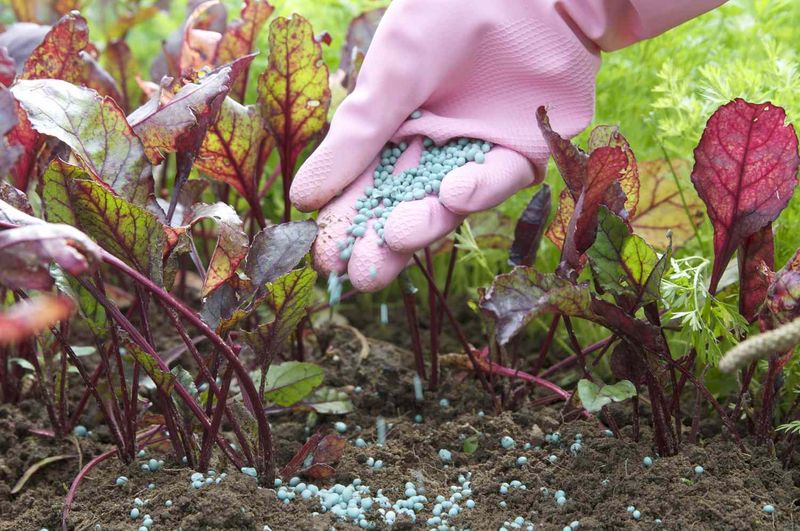
Fertilizer feels like plant food, so loading up on it after a freeze seems like a logical way to help your plant bounce back fast. But timing is everything, and fertilizing too early after a freeze can actually cause real damage to a plant that is still in a fragile state.
Here is what happens when you fertilize too soon. Fertilizer, especially nitrogen-heavy formulas, pushes plants to produce new growth rapidly.
That sounds great, but rapid new growth right after a freeze is extremely soft and tender. That kind of growth is highly vulnerable to any additional cold snaps, pests, and environmental stress.
You are essentially forcing your plant to sprint before it has fully caught its breath.
Roots that were damaged by the freeze also cannot absorb fertilizer efficiently. When nutrients sit in soil that weakened roots cannot take up, they can actually build up to toxic levels and burn the roots even further.
This is called fertilizer burn, and it is surprisingly common after freeze events when gardeners try to rush recovery.
Wait until you see solid, consistent new growth across multiple branches before you even think about feeding. Once the plant shows strong, steady growth, you can introduce a gentle, balanced fertilizer at half the recommended dose to start.
Slow-release fertilizers are a great option at this stage because they deliver nutrients gradually and are far less likely to overwhelm already-stressed root systems. Your plant will thank you for the patience by growing stronger and more resilient over time.
4. Ignoring Root Damage That You Cannot See
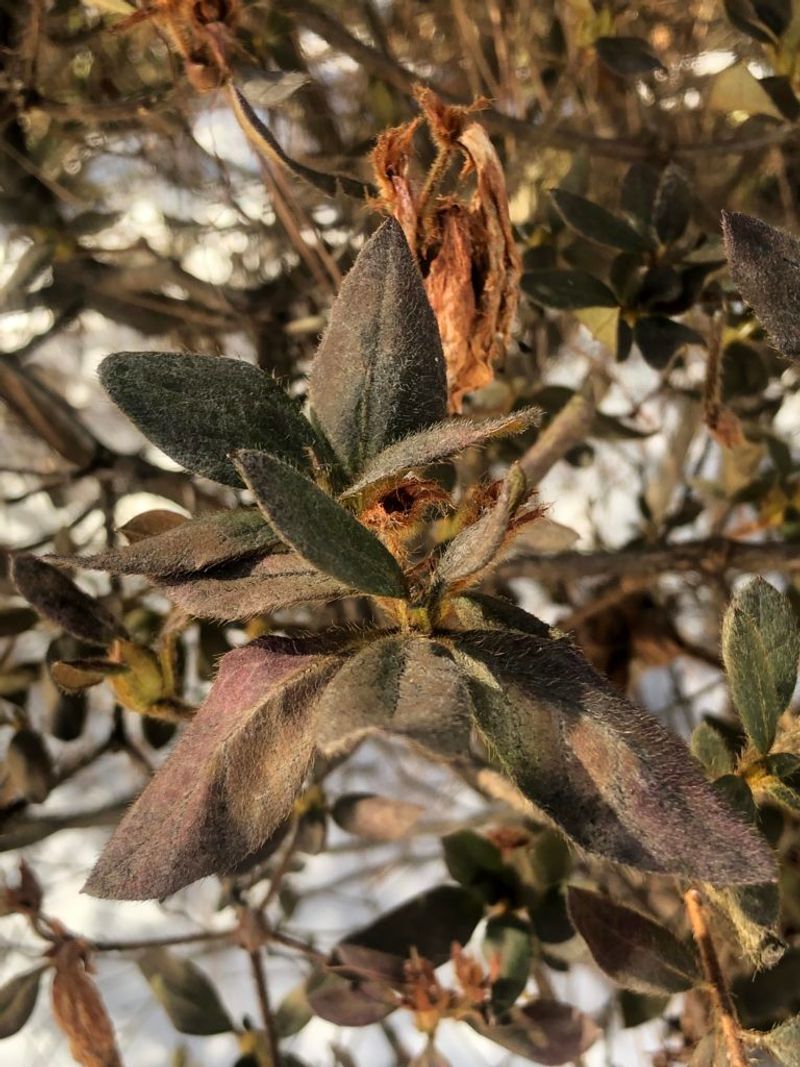
What you see above ground after a freeze tells only part of the story. One of the sneakiest mistakes gardeners make is focusing entirely on the visible damage to leaves and branches while completely overlooking what might be happening underground where the real action is.
Root systems can suffer significant damage from freezing temperatures, especially in plants that are not native to cold climates. Louisiana is home to many tropical and subtropical plants that simply were not designed to handle hard freezes.
When the ground freezes, even partially, roots can be damaged, disrupted, or killed off in patches. A plant with compromised roots will struggle to support new leaf growth no matter how good conditions are above ground.
Signs of root damage are not always obvious right away. You might notice that new leaves appear and then suddenly wilt or turn yellow even when the weather has warmed up nicely.
The plant might push out a few leaves and then stall completely. These are clues that the root system is not functioning at full capacity and needs extra support.
To help roots recover, avoid compacting the soil around the base of the plant. Foot traffic and heavy equipment near the root zone can make things worse.
Adding a light layer of organic mulch around the base of the plant, about two to three inches deep, can help regulate soil temperature and moisture while roots heal. Keep the mulch a few inches away from the stem itself to prevent rot.
Give the roots time, and resist the urge to dig around the base to check on them. Disturbing the soil too much can interrupt the delicate recovery process that is happening quietly just beneath the surface.
5. Removing The Mulch Layer Too Early
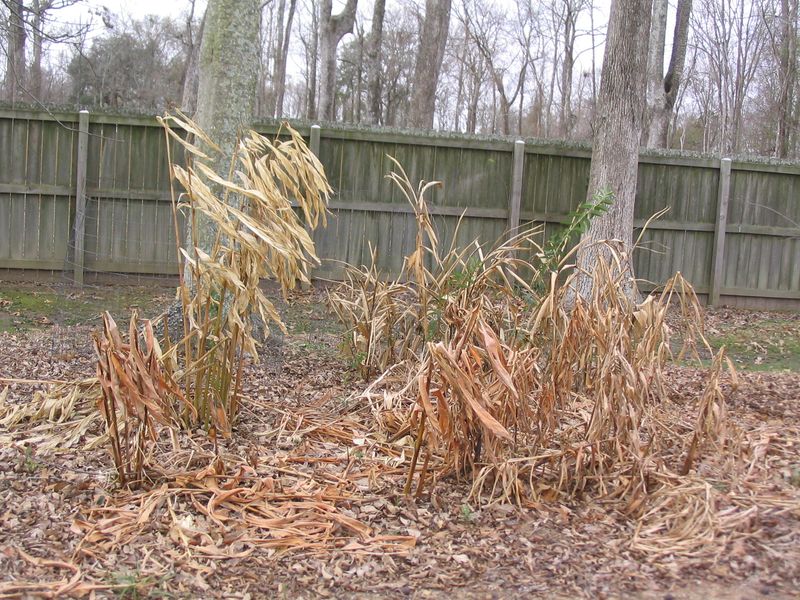
Mulch is one of the most underrated tools in any gardener’s recovery plan after a freeze, and pulling it away too early is a mistake that can cost you big.
Many people remove mulch as soon as temperatures warm up because they think the plant needs air and sunlight to reach the soil. But that layer of mulch is still doing important work even after the freeze has passed.
Soil temperature swings can be brutal in early spring, especially in the South. Days can be warm and sunny while nights still dip into the low 40s or even the upper 30s.
Mulch acts as a buffer, keeping the soil temperature more stable and preventing the kind of freeze-thaw cycles that can heave roots and damage tender new growth at the base of the plant.
At that point, you can gently pull some of the mulch back to allow the soil to warm up more evenly during the day. Do not remove it all at once, though.
Gradual changes are always easier on recovering plants than sudden shifts in their environment.
Fresh organic mulch like wood chips, pine straw, or shredded bark is also a great way to support soil health during recovery. As it breaks down slowly, it adds nutrients back into the soil in a gentle, natural way that will not overwhelm stressed roots.
Pine straw is particularly popular across Louisiana gardens and works beautifully as a protective and nutrient-contributing mulch layer. A little extra care with mulch now sets the stage for a much stronger growing season ahead.
6. Panicking And Pulling Out Plants That Look Gone
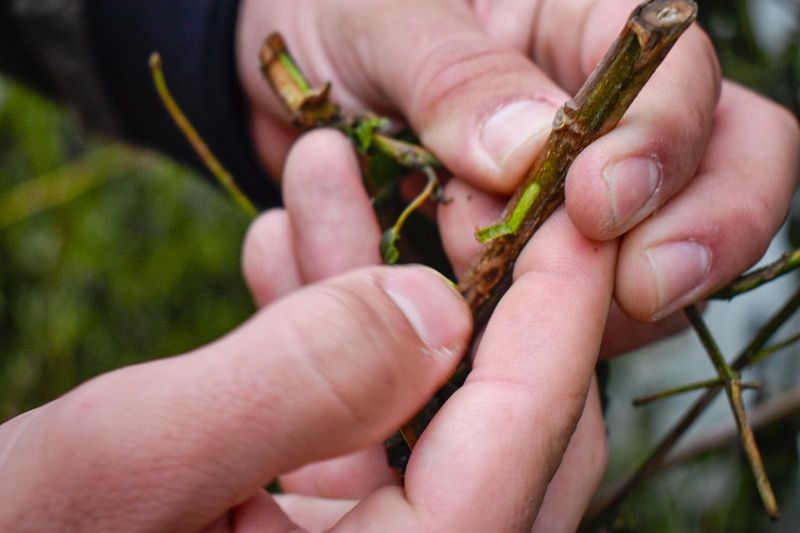
Patience is not always easy when your favorite plant looks like a pile of brown sticks, but pulling it out too soon is one of the most heartbreaking mistakes a gardener can make.
Plants are tougher than they look, and many that appear completely finished after a freeze are actually very much alive at the root level.
Tropical plants, ornamental shrubs, and even some fruit trees common across Louisiana can look completely devastated above ground while their root systems remain perfectly intact below the soil.
Those roots are quietly storing energy and waiting for the right moment to push out new growth. That moment often comes weeks after the freeze, sometimes even a full month or more later than you might expect.
Before you give up on any plant, do the scratch test on several branches in different parts of the plant. Look for green or white moist tissue under the bark.
Check the base of the plant near the soil line, since many plants will push new growth from the very base even when all the upper branches are lost. New sprouts at ground level are a very encouraging sign that the root system survived and the plant is ready to regrow.
Give every plant at least six to eight weeks after the last freeze before making any final decisions.
Some plants, like bananas and gingers, which are popular in southern gardens, can look completely gone and still come roaring back from their underground rhizomes once soil temperatures warm up enough.
Rushing that process by pulling the plant out means losing all that potential recovery. Trust the process, keep the soil moist and mulched, and let the plant show you what it is capable of before you decide it is finished.
7. Skipping The Watch For Pests And Disease
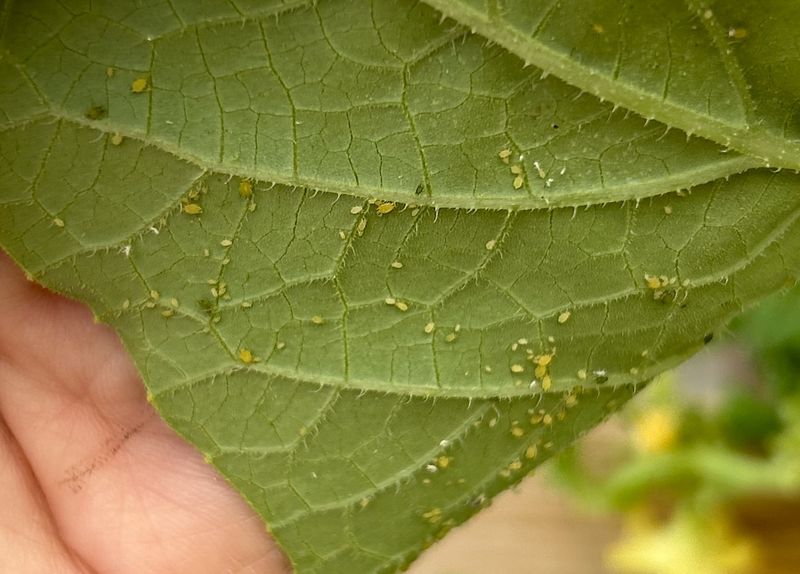
Fresh new growth after a freeze is basically an open invitation for pests and disease, and ignoring regular check-ins during recovery is a mistake that can spiral out of control faster than you think.
The tender new leaves pushing out on your recovering plant are soft, lush, and full of moisture, which makes them absolutely irresistible to a whole range of insects and fungal pathogens.
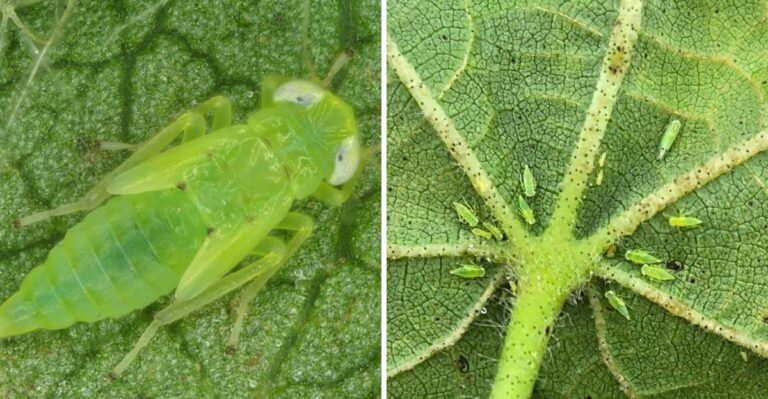
Aphids, scale insects, spider mites, and whiteflies all tend to show up in force when plants push out vulnerable new growth. These pests reproduce quickly, especially in Louisiana’s warm and humid early spring conditions.
A small infestation that goes unnoticed for just a week or two can grow into a serious problem that puts even more stress on a plant that is already working hard to recover.
Fungal diseases are another major concern. When new leaves emerge on a plant that has freeze damage, some of that damaged tissue creates entry points for fungal spores.
Powdery mildew, leaf spot, and botrytis are all common culprits that show up during this recovery window. Humid conditions make the problem worse, and Louisiana’s climate is about as humid as it gets.
Make it a habit to inspect your recovering plants at least two to three times per week during the first month after a freeze. Look at the undersides of leaves, check along stems, and scan for any discoloration or unusual spots.
Catching problems early means you can treat them with gentle, targeted solutions like neem oil or insecticidal soap without resorting to harsh chemicals that could stress an already recovering plant.
Staying observant and proactive right now is one of the most powerful things you can do to protect your plant’s comeback and set it up for a healthy, productive growing season.