The Best Companion Plants For Healthier Onions In North Carolina Gardens
Growing onions in North Carolina can be rewarding, but the right companions can make a big difference in how well they perform. Onions are fairly easy to grow, yet they benefit from nearby plants that help improve soil, reduce pests, and support steady growth.
In a warm, humid climate, choosing the right plant partners can also help prevent common garden problems before they start. Some companions naturally repel insects, while others make better use of space or improve the overall health of your garden bed.
Pairing onions with the right plants can lead to stronger bulbs, better flavor, and a more productive harvest.
Whether you’re working with a small garden or larger rows, these smart combinations can help your onions thrive. A well planned garden layout can turn a good crop into a great one.
1. Carrots (Daucus carota subsp. sativus)
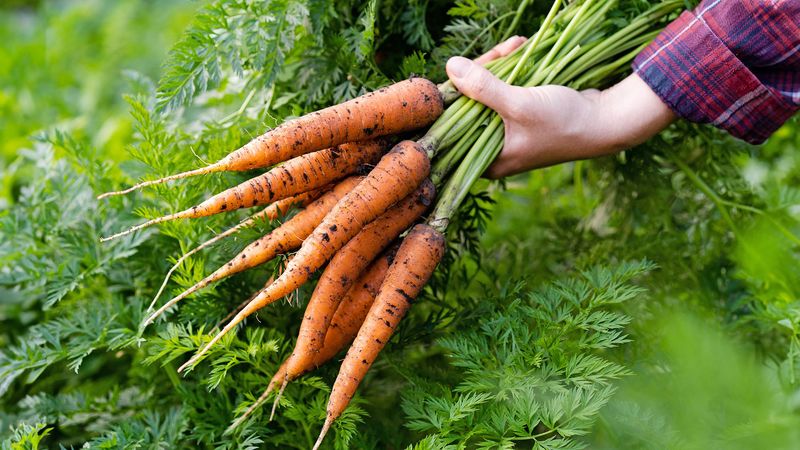
Few plant friendships in the garden world are as clever as the one between carrots and onions. These two crops have been grown together for generations, and for very good reason.
Carrots send their roots deep into the soil, while onion roots stay closer to the surface, so neither one crowds the other out.
The real magic happens above and below ground at the same time. Onions produce a strong, pungent scent that naturally confuses and deters carrot rust flies, which are one of the most common threats to carrot crops.
In return, carrots help mask the scent of onions from insects that might otherwise target them.
North Carolina’s spring weather is ideal for planting both crops together. The cooler temperatures from February through April give carrots and onions plenty of time to establish before summer heat arrives.
Plant them in loose, well-amended soil in alternating rows for the best results. Sandy loam soils, which are common across many parts of North Carolina, work especially well for this pairing. Both crops prefer good drainage and consistent moisture.
Adding compost before planting helps both crops thrive without extra fertilizer. Gardeners who try this combination often say they notice fewer pest problems and healthier-looking plants overall, making it one of the most practical pairings you can try this season.
2. Lettuce (Lactuca sativa)
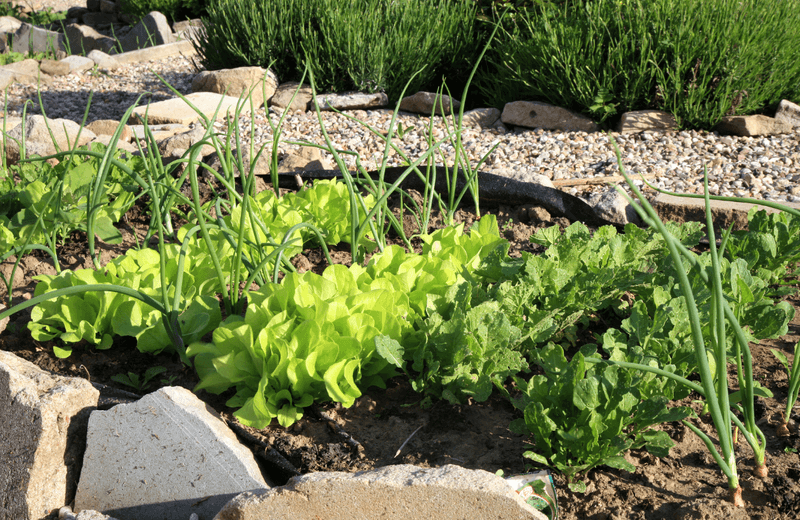
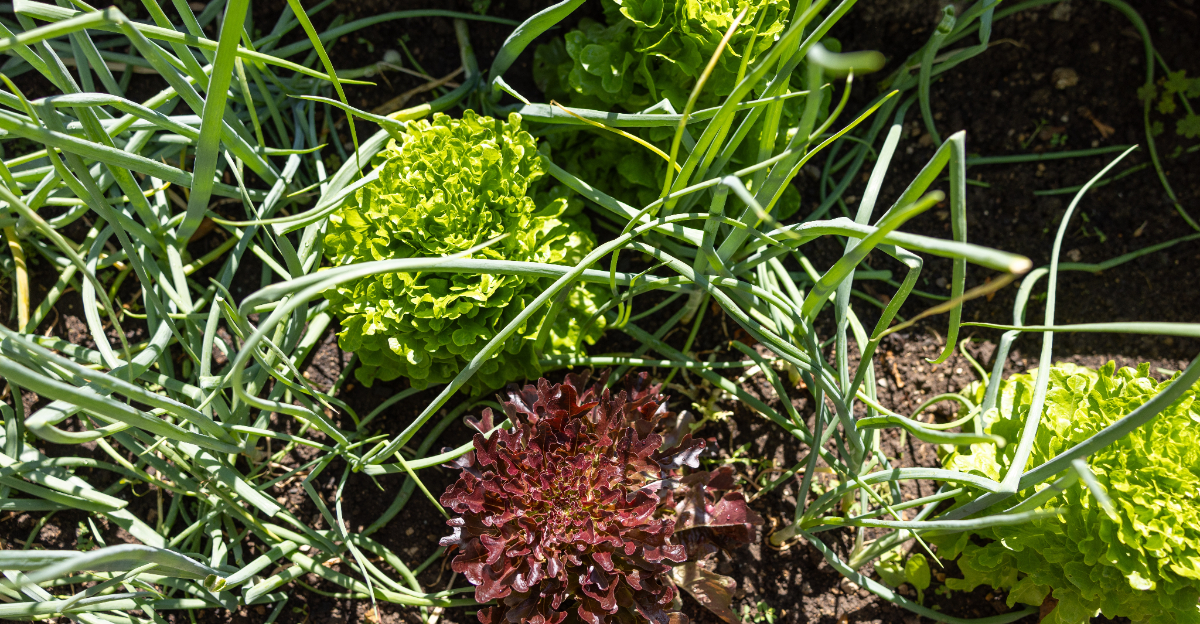
Lettuce might seem like a simple salad green, but it plays a surprisingly useful role when planted near onions. Its shallow roots never compete with onion bulbs, and its broad, leafy canopy does something really helpful for the soil beneath it.
By shading the ground between rows, lettuce naturally slows weed growth and keeps soil moisture from evaporating too quickly on warm days.
North Carolina gardeners can take full advantage of this pairing during the cool spring season. Both lettuce and onions prefer temperatures between 45 and 75 degrees Fahrenheit, which makes them a natural match for early spring beds across the state.
You can plant lettuce between your onion rows and harvest it well before the onions need more space to finish bulbing.
Another bonus is that onions release a subtle scent that tends to confuse aphids and other soft-bodied pests that love lettuce leaves. This natural pest deterrence helps reduce the need for sprays or other interventions.
Your North Carolina Garden Changes Every Week. Your Plan Should Too.
Gardening in North Carolina changes quickly throughout the season. Every Friday you’ll receive a simple weekly plan showing exactly what to plant, prune, fertilize, harvest, and protect so you never miss the right timing.
It is a win for both crops without any extra effort on your part. Try planting a fast-maturing lettuce variety like Black-Seeded Simpson or Buttercrunch alongside your onion sets in February or March.
You will likely harvest your lettuce within 45 to 60 days, giving your onions plenty of room to grow big and strong through the rest of the season.
3. Beets (Beta vulgaris)
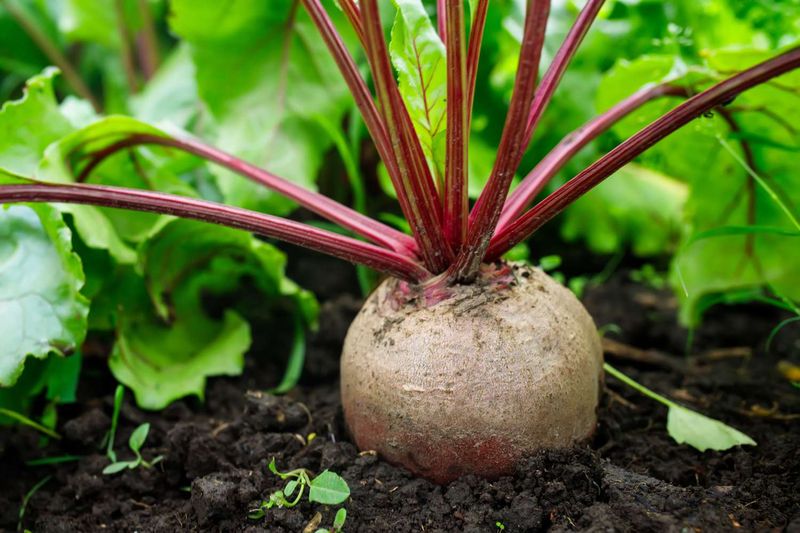
Beets are one of those underrated garden companions that do not get nearly enough credit. Planted alongside onions, they create a productive, space-efficient combination that works especially well in smaller North Carolina gardens where every square foot counts.
Both crops mature within similar timeframes, which makes planning and harvesting straightforward and satisfying.
One of the biggest advantages of this pairing is how well these two crops share soil space. Beet roots grow at a moderate depth that does not interfere with onion bulb development, so neither plant feels crowded.
Beet leaves also provide light ground coverage that helps reduce soil erosion during heavy spring rains, which are common across much of North Carolina.
Onions contribute to this partnership too. Their sharp scent naturally discourages certain pests that might otherwise chew on beet greens or damage young seedlings.
Gardeners across the Piedmont region have found that mixing these two crops in alternating rows leads to noticeably cleaner plants with fewer pest-related issues through the growing season.
For best results in North Carolina, start beet seeds directly in the ground around late February or early March alongside your onion transplants or sets. Both crops enjoy full sun and well-drained, fertile soil.
Thin your beets to about three inches apart as they sprout, giving each plant room to form a full, healthy root. You will love seeing both crops flourish together in the same bed.
4. Spinach (Spinacia oleracea)
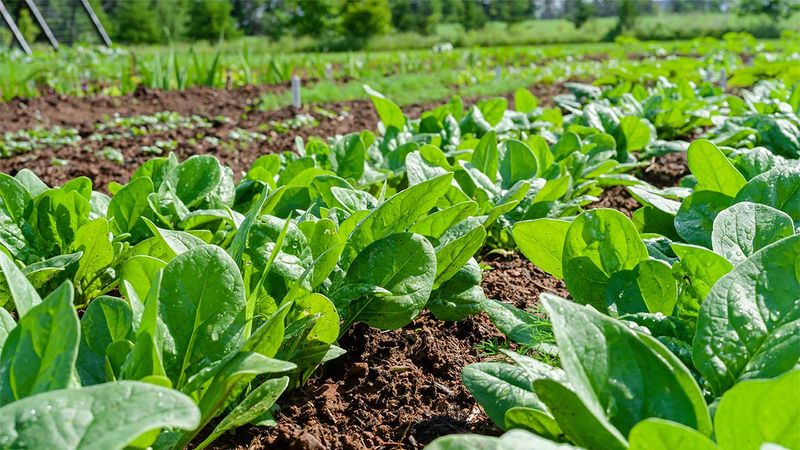
Spinach is a fast-moving, cool-season superstar that fits beautifully into a garden bed with onions. It germinates quickly, fills in gaps between onion rows, and starts suppressing weeds almost immediately.
For North Carolina gardeners who want to maximize their spring planting space, this combination is one of the smartest moves you can make.
The two crops share a similar preference for cooler soil temperatures and moderate moisture, which makes them naturally compatible from the start. Spinach roots stay very shallow, so they never compete with the developing onion bulbs below the surface.
Meanwhile, the dense spinach leaves create a living mulch effect that keeps the ground cool and reduces water loss between watering sessions.
Spinach also matures in as little as 40 to 50 days, which means you can harvest it and clear the space well before your onions need extra room in late spring.
That quick turnaround makes this pairing especially efficient for gardeners who like to keep their beds productive from the very first warm day of February all the way through June.
Across North Carolina, where spring can shift quickly from cool to warm, spinach varieties like Bloomsdale Long Standing or Tyee hold up well in changing temperatures.
Plant seeds about half an inch deep between your onion rows, water consistently, and watch both crops fill in beautifully. Few combinations offer this much productivity with so little extra effort from the gardener.
5. Strawberries (Fragaria x ananassa)
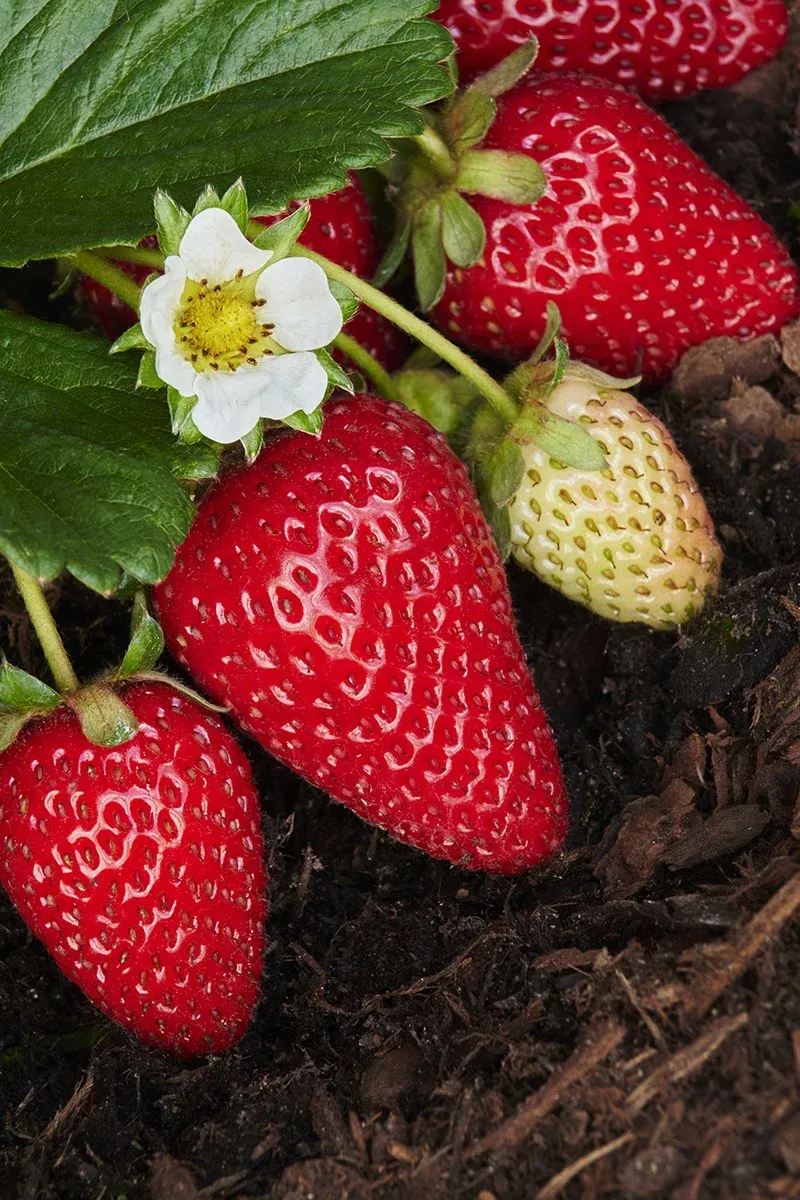
Pairing strawberries with onions might sound unusual at first, but experienced gardeners across North Carolina have discovered just how well these two plants get along.
Strawberries are susceptible to a range of insects and fungal issues, and having onions planted nearby can naturally reduce some of that pressure in a simple, chemical-free way.
Onions release sulfur compounds through their roots and foliage, and those compounds are known to deter certain insects that target strawberry plants.
Planting onions along the edges or in between strawberry rows creates a natural buffer zone that many gardeners find genuinely helpful.
You are essentially using one plant to protect the other without spending anything extra on pest control products.
Both crops establish really well during North Carolina’s spring planting season, which typically runs from late February through April depending on your region.
Strawberries planted in raised beds or garden rows benefit from the well-drained conditions that onions also prefer, making soil preparation straightforward for both plants at once.
For a practical setup, try planting onion sets every few feet along the border of your strawberry patch. This arrangement keeps the two crops close enough to benefit from each other without crowding the strawberry runners as they spread.
Gardeners in the Piedmont and Coastal Plain areas of North Carolina have used this method with great results, reporting cleaner fruit and healthier plants throughout the growing season.
6. Chamomile (Matricaria chamomilla)
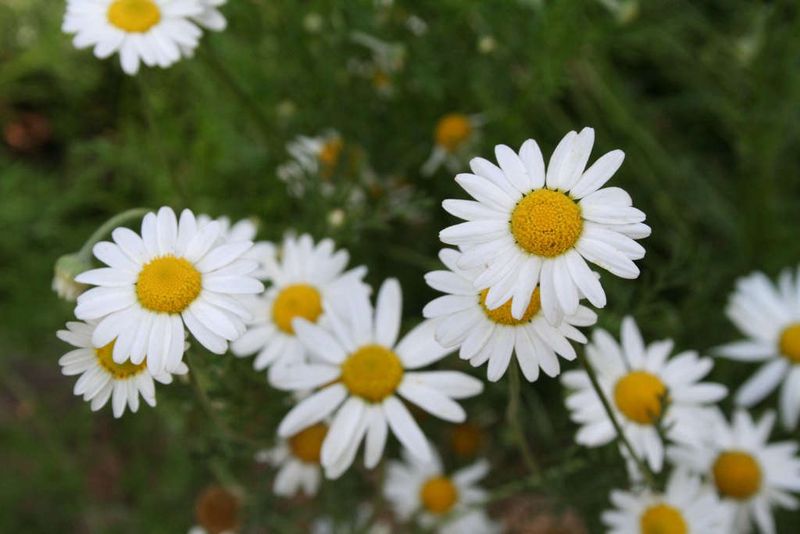
Chamomile is one of those garden plants that quietly does a lot of good without asking for much in return.
Its cheerful white-and-yellow flowers attract a steady stream of beneficial insects, including hoverflies and parasitic wasps, that naturally help keep pest populations under control near your onion beds.
Gardeners who grow chamomile nearby often notice a healthier, more balanced garden ecosystem overall.
Beyond pest management, chamomile has a long history of being called a plant physician in traditional gardening circles.
Some gardeners believe it improves the vigor of nearby plants, and while research is still ongoing, many North Carolina growers swear by planting chamomile near their vegetables for stronger, more resilient crops throughout the season.
Chamomile grows quickly from seed and does not demand much attention once established. It prefers full sun and well-drained soil, which are the same conditions your onions need, so caring for both plants at once is easy.
Plant chamomile a foot or two away from your onion rows rather than right on top of them, giving both plants comfortable room to grow.
North Carolina’s warm spring and summer temperatures support strong chamomile growth and long bloom periods, which means more time for beneficial insects to visit your garden.
As an added bonus, you can harvest the flowers and dry them for homemade chamomile tea. Few companion plants offer this combination of garden benefits and personal enjoyment all in one cheerful package.
7. Dill (Anethum graveolens)
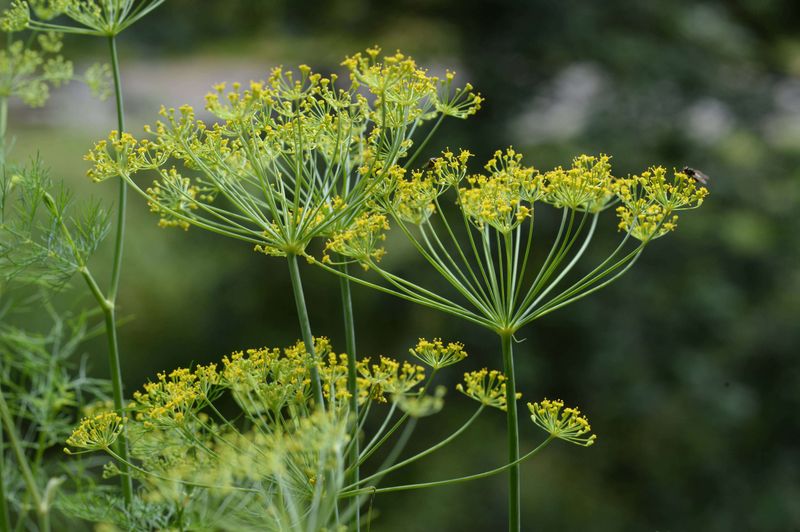
Dill has a reputation for being a bit of a wild card in the garden, but when placed near onions, it earns its spot quickly. This feathery herb is a magnet for beneficial insects, particularly predatory wasps, hoverflies, and lacewings.
Those insects actively hunt aphids, thrips, and other small pests that can damage onion plants if their populations go unchecked.
The airy, umbrella-shaped flower clusters that dill produces in late spring and summer are specifically attractive to these helpful insects.
By planting dill a few feet from your onion beds, you are essentially setting up a welcome station for natural pest controllers that will patrol your entire garden.
North Carolina’s warm spring and early summer conditions are ideal for dill to establish and bloom at just the right time.
Dill is also wonderfully easy to grow from seed. Sow it directly in the ground after your last frost date, which ranges from late March in the Piedmont to mid-April in the mountains of North Carolina.
It grows quickly, often reaching two to four feet tall, and requires very little maintenance once it gets going in full sun.
One helpful tip is to stagger your dill plantings every few weeks so you have a continuous supply of flowers throughout the season. This keeps beneficial insects coming back consistently rather than disappearing after one bloom cycle.
Dill also smells amazing in the garden, making your outdoor space a genuinely pleasant place to spend time while your onions grow strong and healthy.
8. Cabbage (Brassica oleracea var. capitata)
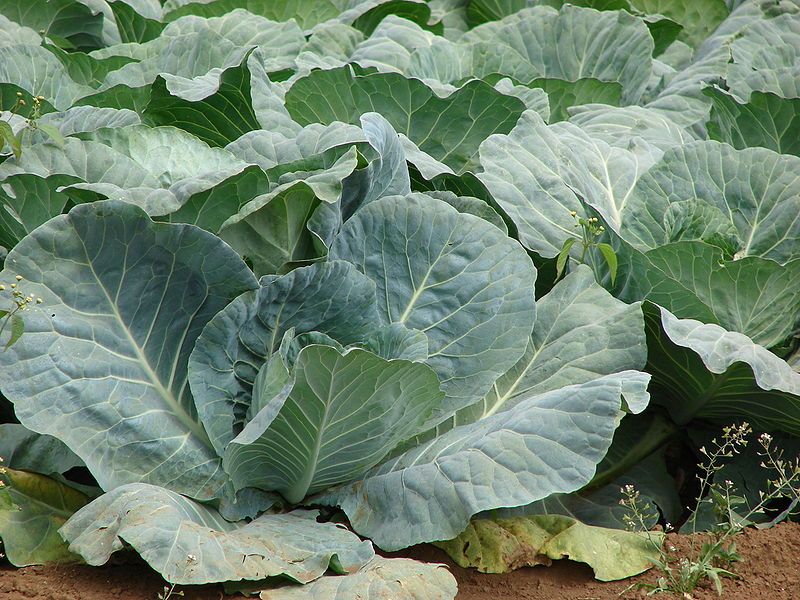
Cabbage and onions might seem like an odd couple in the garden, but they actually make a surprisingly effective team. Cabbage belongs to the brassica family, which is notoriously attractive to pests like cabbage worms, aphids, and imported cabbageworms.
Planting onions nearby gives cabbage a natural layer of protection thanks to the strong sulfur-based scent that onions release throughout the growing season.
That sharp onion aroma confuses and repels many of the insects that would otherwise zero in on cabbage plants.
Gardeners across North Carolina have found that interplanting onions around their cabbage reduces pest pressure noticeably, often without needing any additional sprays or barriers.
It is one of those companion planting combinations that feels almost too simple to be this effective.
Both crops also thrive in similar conditions, which makes managing them together straightforward. Cabbage and onions prefer cool weather, full sun, and fertile, well-drained soil with a slightly acidic pH.
North Carolina’s spring planting window, which runs roughly from late February through April depending on your region, suits both crops beautifully before summer heat sets in.
For the best setup, plant onion sets or transplants around the perimeter of your cabbage patch or in rows between your cabbage plants. Keep spacing generous enough so both crops get plenty of airflow, which helps reduce fungal issues during wet spring weather.
When both crops are harvested, you will have fresh ingredients ready for some seriously satisfying home cooking straight from your North Carolina garden.