These 8 Flowering Trees In North Carolina Should Be Pruned Right After Blooming
Timing can make all the difference when it comes to pruning flowering trees in North Carolina.
Many of these trees set their buds for next year shortly after they finish blooming, which means pruning at the wrong time can reduce or even prevent future flowers.
That’s why knowing which trees should be pruned right after blooming is so important. In North Carolina’s mild climate, these trees often grow quickly, and a well-timed trim helps keep their shape, encourages healthy growth, and supports better blooms the following season.
Waiting too long can lead to missed opportunities and fewer flowers when you want them most. With the right approach, pruning becomes a simple step that keeps your landscape looking full, balanced, and vibrant year after year.
These flowering trees are perfect examples of how timing really matters in the garden.
1. Eastern Redbud (Cercis canadensis)
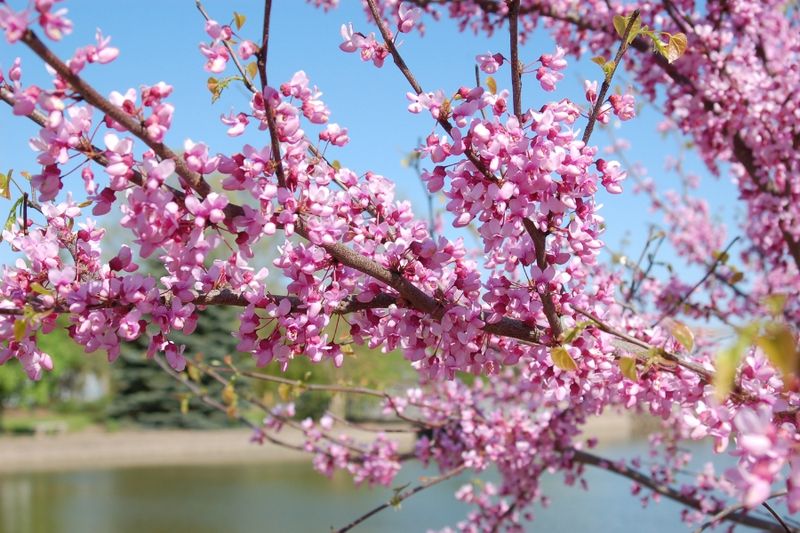
Few trees announce spring in North Carolina quite like the Eastern Redbud. Those vivid magenta-pink flowers burst straight from the bare branches before a single leaf appears, turning every Piedmont roadside and backyard into something worth stopping for.
The color is bold, cheerful, and almost impossible to ignore on a sunny March morning.
Here is the key thing every North Carolina gardener needs to know: Eastern Redbud blooms on old wood. That means the flower buds you see in spring actually formed on last year’s branches.
If you prune before or during bloom, you are cutting away all those carefully developed buds, and the show is over before it starts.
The smart move is to wait until the flowers have fully faded, then pick up your pruning shears. Right after blooming is the ideal window to remove crossing branches, shape the canopy, or trim back any awkward growth.
The tree still has the whole growing season ahead to set new buds for next spring.
Redbuds across the Coastal Plain and Piedmont tend to bloom early, so keep a close eye on them in late February through March. A little patience goes a long way.
Prune at the right moment and your Eastern Redbud will reward you with an even more impressive display the following year.
2. Flowering Dogwood (Cornus florida)
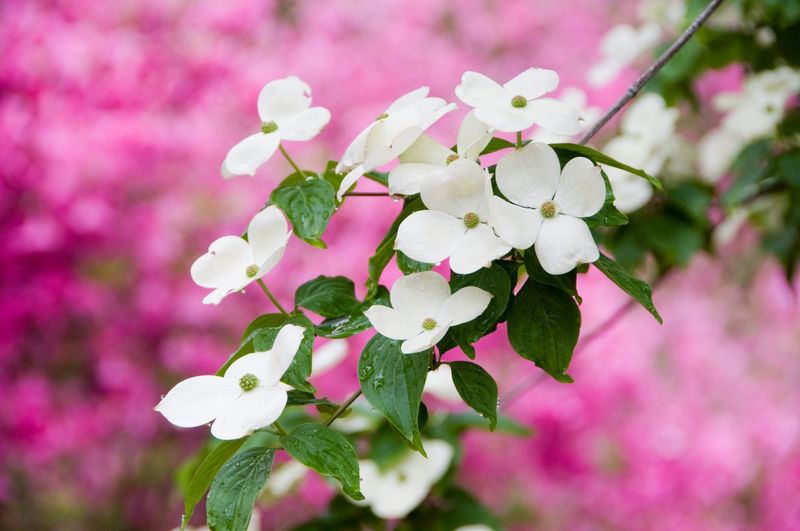
The Flowering Dogwood might just be the most iconic tree in North Carolina. Those wide, creamy white or soft pink bracts open up in early spring and instantly make any yard look like it belongs on a postcard.
Gardeners across the state have loved this tree for generations, and it is easy to understand why.
What makes dogwood pruning so important is the fact that it sets its flower buds the season before bloom.
Pruning too early in the year, or worse, during the winter, removes those precious buds and leaves you with a tree full of green leaves but zero flowers come spring.
That is a frustrating outcome that is completely avoidable with smart timing.
Right after the flowers fade is your window. Light pruning immediately after blooming allows you to clean up the shape, remove any rubbing branches, and encourage strong new growth without sacrificing next year’s flower show.
Your North Carolina Garden Changes Every Week. Your Plan Should Too.
Gardening in North Carolina changes quickly throughout the season. Every Friday you’ll receive a simple weekly plan showing exactly what to plant, prune, fertilize, harvest, and protect so you never miss the right timing.
Dogwoods are also sensitive trees, so less is always more when it comes to how much you remove at once.
North Carolina’s dogwoods tend to bloom in late March through April depending on the region. Mountain areas bloom a bit later than the Piedmont or Coastal Plain.
Watch your tree closely, wait for the petals to drop, and then prune with confidence. Your dogwood will look gorgeous again next spring.
3. American Fringetree (Chionanthus virginicus)
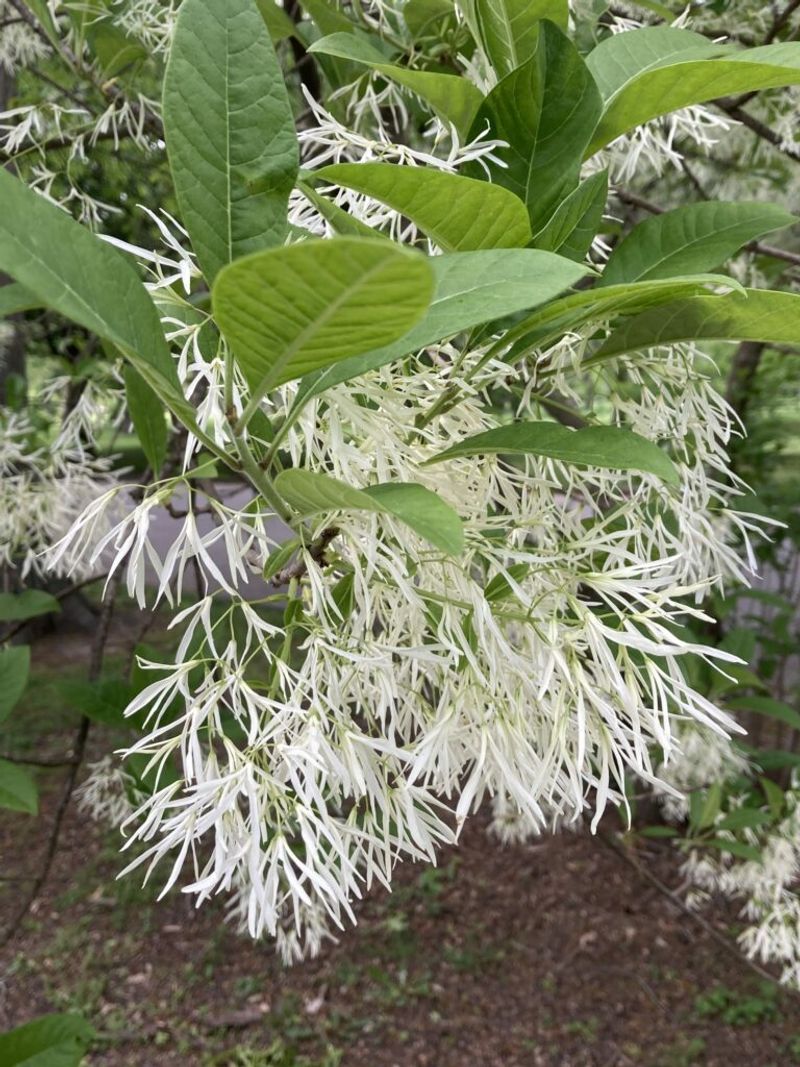
There is something almost magical about the American Fringetree in full bloom. The flowers look like soft white fringe hanging delicately from every branch, which gives the whole tree a dreamy, cloud-like appearance in late spring.
It is a native North Carolina beauty that deserves far more attention in home landscapes.
Fringetree blooms on old wood, meaning those spectacular white flower clusters develop on branches from the previous growing season. Pruning before the tree blooms means cutting away exactly what you have been waiting all year to see.
The flowers would simply not appear on wood that was removed too early.
Waiting until after the blooms fade completely is the right approach for North Carolina gardeners. Once the white fringe drops and the tree shifts its energy toward leaf and branch growth, that is your moment to prune.
You can shape the canopy, remove any crowded stems, and tidy up the overall structure without any impact on next year’s flowers.
One fun fact worth knowing: American Fringetree is dioecious, meaning male and female flowers appear on separate trees. Male trees tend to put on a showier floral display, though female trees produce attractive blue-black berries that birds absolutely love.
Whether you have one or both in your North Carolina yard, the post-bloom pruning rule stays the same. Prune after the show, and the tree will keep thriving beautifully.
4. Downy Serviceberry (Amelanchier arborea)
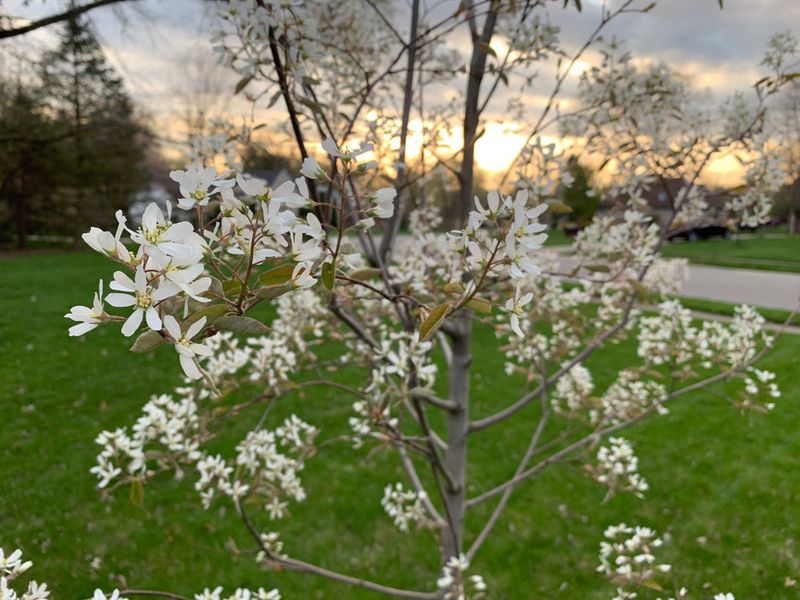
Serviceberry is one of those trees that makes you do a double take in early spring. Those delicate white flowers open up so early in the season that most other trees are still completely bare, making the Downy Serviceberry look like it belongs in a fairy tale.
North Carolina gardeners who grow one quickly fall in love with its quiet, understated charm.
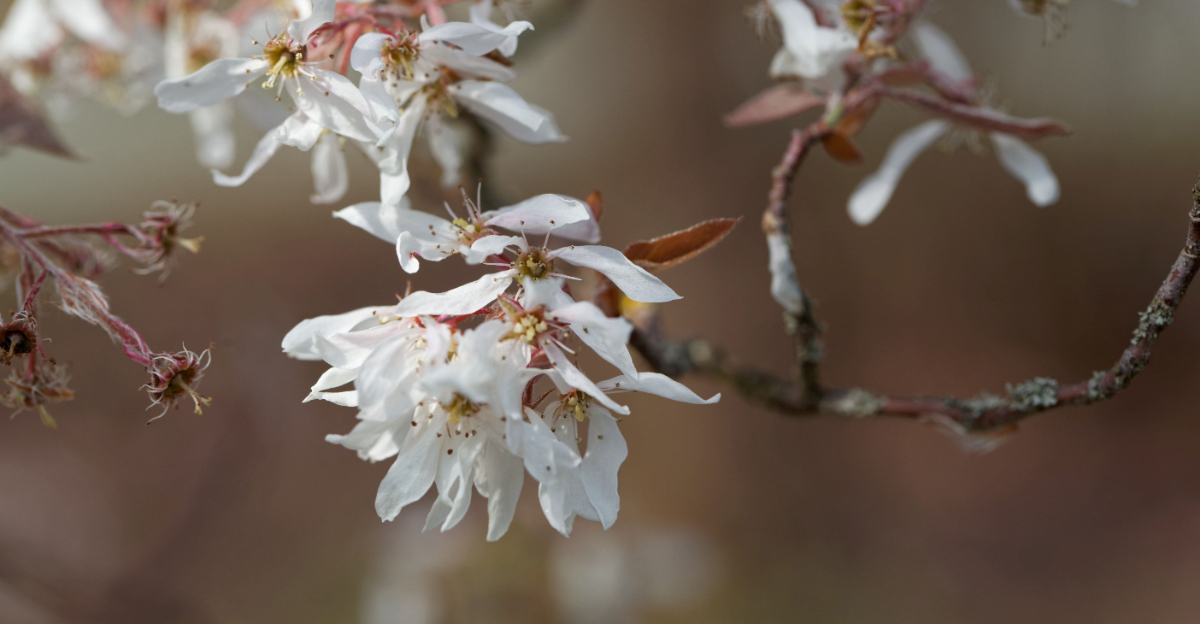
Like many spring-blooming favorites, Serviceberry flowers on old wood. The buds that produce those beautiful white clusters formed on last year’s branches during the previous growing season.
Pruning before bloom strips away all of that potential, leaving the tree unable to flower until the following year at the earliest.
The post-bloom window is short but important. Once the flowers fade in early spring, usually by late March across much of North Carolina, that is the time to act.
Remove any crossing or crowded branches, clean up the shape, and let the tree focus its energy on healthy new growth for the rest of the season.
Serviceberries also produce small, sweet, edible berries after flowering that wildlife absolutely adores. Birds tend to find them before most gardeners do, which is part of the tree’s charm as a native planting.
Pruning right after bloom protects both the floral display and the berry crop that follows. It is a simple timing habit that pays off in multiple ways throughout the growing season.
5. Star Magnolia (Magnolia stellata)
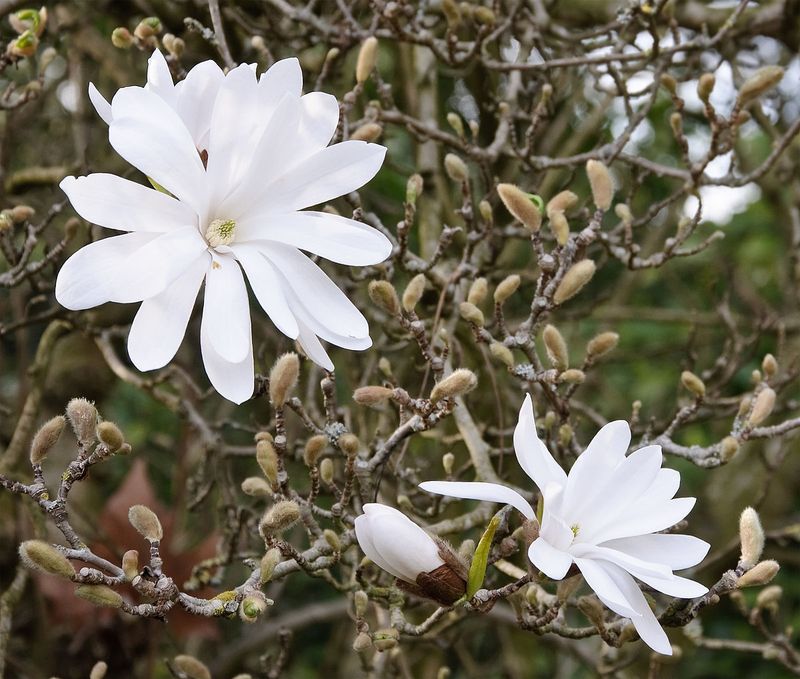
Star Magnolia is the overachiever of the magnolia family. It blooms earlier than almost any other magnolia, pushing out those stunning star-shaped white flowers before the leaves even think about opening.
On a clear February or early March morning in North Carolina, a Star Magnolia in full bloom is a genuinely breathtaking sight.
Pruning timing matters enormously with this tree because it blooms entirely on old wood. Every one of those star-shaped flowers developed from buds that were set during the previous growing season.
Cut the branches too early in winter or spring and you remove the buds, and the flowers simply will not appear. It is a mistake that is easy to avoid once you understand how the tree works.
The ideal pruning window opens right after the last flower drops. In North Carolina, that often happens in late February or early March, depending on the year and the region.
Once blooming wraps up, light shaping and removal of any damaged or crossing branches helps the tree stay tidy and strong without sacrificing next year’s flower show.
One thing to watch in North Carolina is late frost. Star Magnolia blooms so early that a surprise cold snap can nip the flowers.
That is not a pruning issue, just a weather reality. Regardless of frost, always wait until after bloom to prune.
The tree responds well to careful post-bloom attention and will continue performing beautifully for many years.
6. Saucer Magnolia (Magnolia x soulangeana)
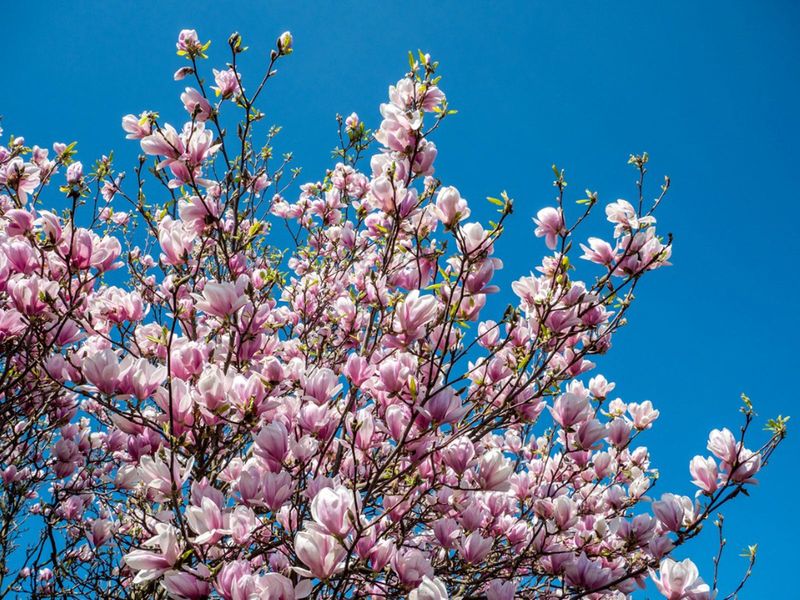
Walk past a Saucer Magnolia in full bloom and it is nearly impossible not to stop and stare. Those huge, goblet-shaped flowers in shades of deep pink, lavender, and creamy white are genuinely dramatic, and they appear before the leaves emerge, which makes the display even more striking.
North Carolina neighborhoods with mature Saucer Magnolias are lucky places to be in early spring.
Saucer Magnolia is another old-wood bloomer, which puts it firmly on the post-bloom pruning list. The flower buds form on last season’s wood, so any pruning done before the tree flowers removes those buds entirely.
Winter pruning might seem convenient, but it comes at the cost of the entire spring display, and that is too high a price to pay.
Right after the petals fall is the correct time to prune in North Carolina. The tree transitions quickly from bloom to leafing out, so you have a relatively narrow window to work with.
Light shaping, removal of awkward branches, and any corrective cuts should happen in that brief post-bloom phase for the best results.
Late frosts are a real concern for Saucer Magnolia in North Carolina, especially in the Piedmont and mountain regions where cold snaps can arrive unexpectedly in early spring. Frost-damaged flowers look brown and sad, but that does not change the pruning rule.
Wait for bloom to finish, then prune, and the tree will recover and set fresh buds for a beautiful show next year.
7. Carolina Silverbell (Halesia tetraptera)
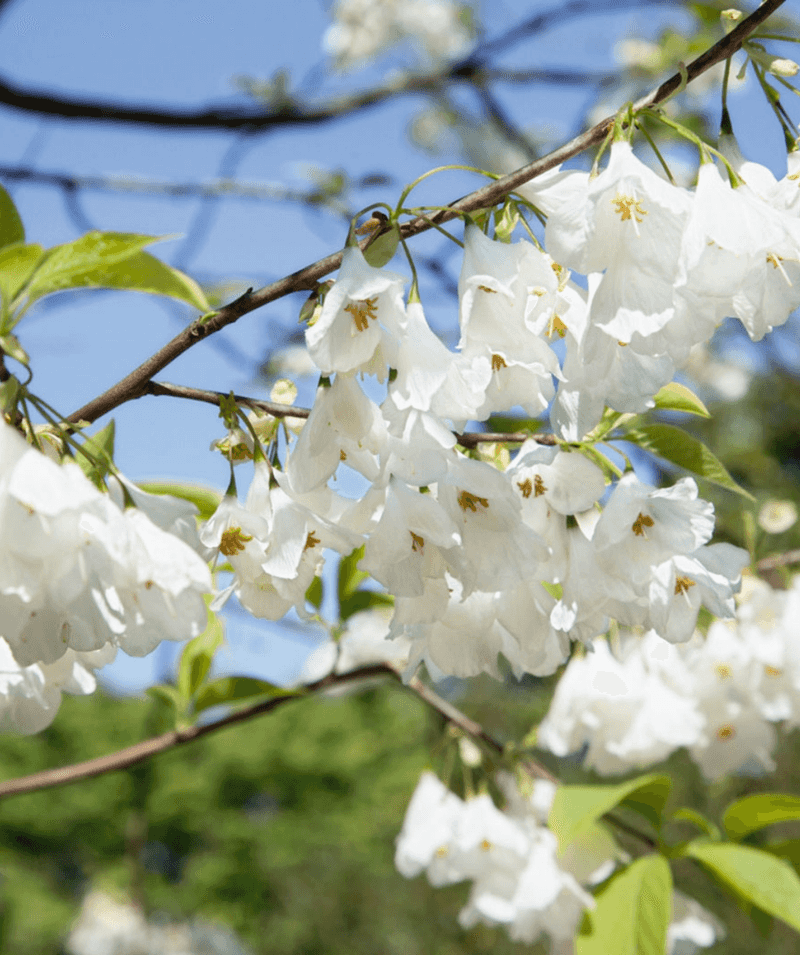
Carolina Silverbell is one of those native trees that feels like a well-kept secret among North Carolina gardeners. The small, bell-shaped white flowers hang in delicate clusters from the branches in mid-spring, swaying gently in the breeze like tiny wind chimes.
It is graceful, charming, and perfectly suited to the shaded woodland gardens found throughout the state.
As a spring-flowering tree that blooms on old wood, Silverbell follows the same pruning rules as its seasonal companions. The flowers you see in spring grew from buds that formed the previous year.
Pruning before bloom removes those buds, reducing or eliminating the floral display that makes this tree so worth growing in the first place.
Pruning right after flowering is the approach that keeps Silverbell looking its best. Once the white bells drop and the leaves fill in fully, the tree enters its active growing phase and sets new buds for next spring.
Any shaping, thinning, or removal of crossing branches should happen in that post-bloom window to stay aligned with the tree’s natural cycle.
Carolina Silverbell thrives in moist, well-drained soils and partial shade, which makes it a natural fit for woodland edges and stream banks across North Carolina. It tends to grow as a multi-stemmed small tree or large shrub, and thoughtful post-bloom pruning helps maintain an open, attractive form.
This is one native tree that truly rewards the gardeners who take the time to understand it and treat it well.
8. Sweetbay Magnolia (Magnolia virginiana)
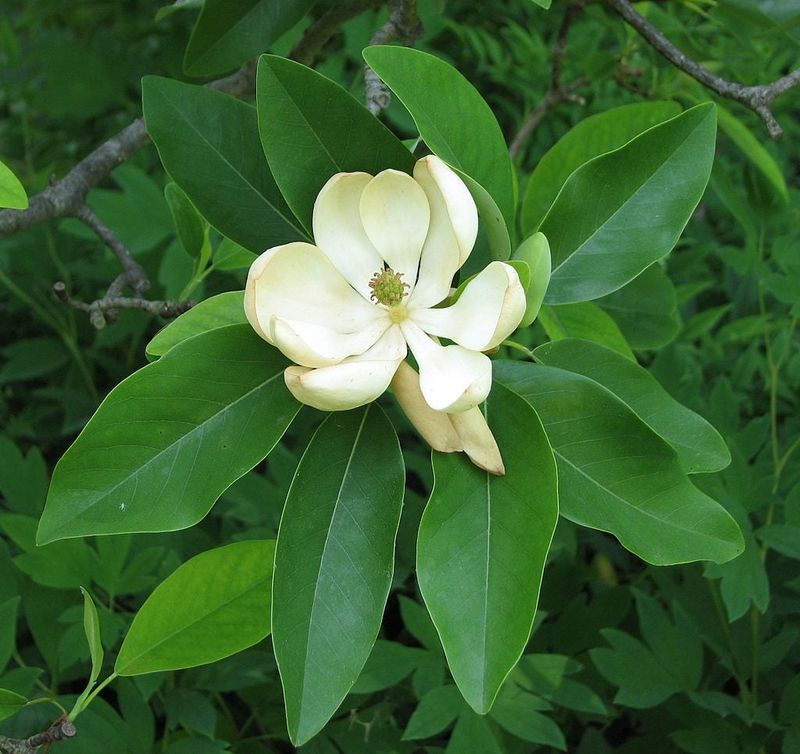
Sweetbay Magnolia brings something a little different to the North Carolina garden. Unlike its early-blooming magnolia relatives, Sweetbay tends to flower later in spring and sometimes continues into early summer, filling the air with a light, lemony fragrance that is genuinely hard to forget.
In the coastal and moist lowland areas of North Carolina, this tree is practically at home.
Sweetbay is a bit of a hybrid when it comes to bloom wood. It can flower on both older wood and current season growth, which makes it slightly more flexible than other magnolias.
However, heavy pruning early in the season can still reduce flowering significantly, especially on established trees that rely on older wood for a large portion of their blooms.
The safest and most reliable approach is light pruning right after the main bloom period winds down. Removing crossing branches, trimming back overly long shoots, and cleaning up the overall shape after flowering protects both current blooms and future ones.
North Carolina’s long growing season gives the tree plenty of time to recover and develop new buds before the year ends.
Sweetbay Magnolia is also notably adaptable, handling wet soils far better than most ornamental trees. In coastal North Carolina, where drainage can be a challenge, this tree is a practical and beautiful choice.
Post-bloom pruning keeps it tidy without disrupting its natural growth rhythm, and with minimal care, it will reward you with fragrant white flowers for many years to come.