What North Carolina Rhododendrons Need After Blooming To Stay Full And Healthy
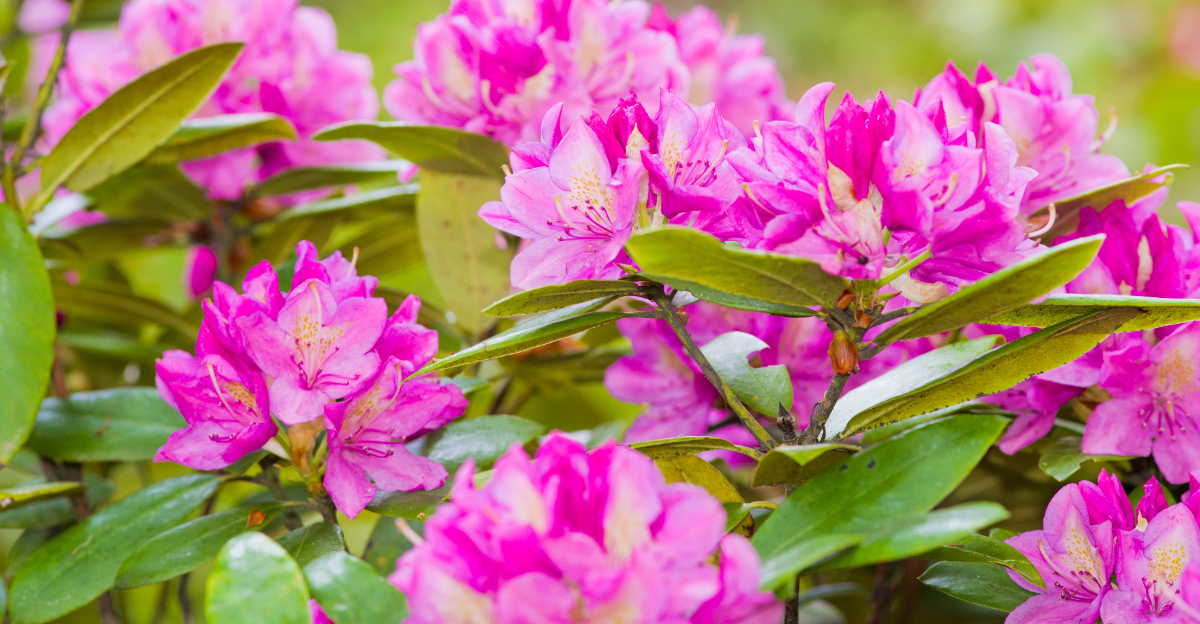
Rhododendrons put on a beautiful show in North Carolina, but what you do after they finish blooming matters just as much as the flowers themselves. Once the blooms fade, the plant shifts its energy toward new growth and setting buds for next year.
This is a key window when a little care can make a big difference in how full and healthy your shrubs look. In North Carolina’s warm and often humid conditions, rhododendrons benefit from simple steps that support strong growth without adding stress.
Cleaning up spent blooms, checking soil conditions, and making small adjustments now can lead to better shape and more flowers later on. It’s not about doing more work, but about doing the right things at the right time.
With a bit of attention after blooming, your rhododendrons can stay lush, balanced, and ready for another great season.
1. Removing Spent Flowers Carefully
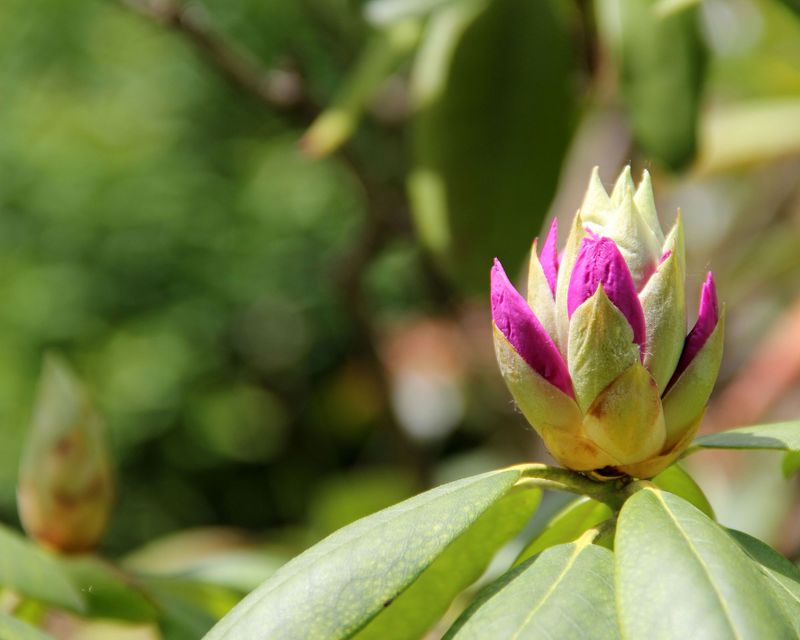
Most gardeners admire rhododendrons in full bloom but forget that what happens right after flowering is just as important. When the flowers fade and turn brown, the plant naturally shifts its energy toward producing seeds.
That seed production process pulls a surprising amount of energy away from where you actually want it to go.
Removing spent flower clusters redirects that energy straight into developing new shoots and next season’s flower buds. You simply snap or pinch the faded cluster off just above the fresh new growth emerging right below it.
The key is to be gentle and precise, because those tiny new buds are fragile and easy to damage if you rush.
In North Carolina, especially in the mountain areas around Asheville and the Blue Ridge Parkway, rhododendrons often begin their post-bloom growth surge quickly due to warm spring temperatures.
Getting in there early with removal makes a noticeable difference in plant fullness over time. It takes just a few minutes per shrub and pays off all season long.
You do not need any special tools for this task. Your fingers work perfectly well for snapping off the clusters cleanly.
Just work your way around the plant systematically, removing every faded bloom you can find, and your rhododendron will reward you with stronger, healthier growth all summer.
2. Prune Immediately After Bloom If Needed
Timing is everything when it comes to pruning rhododendrons, and missing the window can cost you an entire season of blooms. Rhododendrons begin setting next year’s flower buds surprisingly soon after the current blooms finish, sometimes within just a few weeks.
Pruning too late means cutting off those developing buds before they ever get a chance to open.
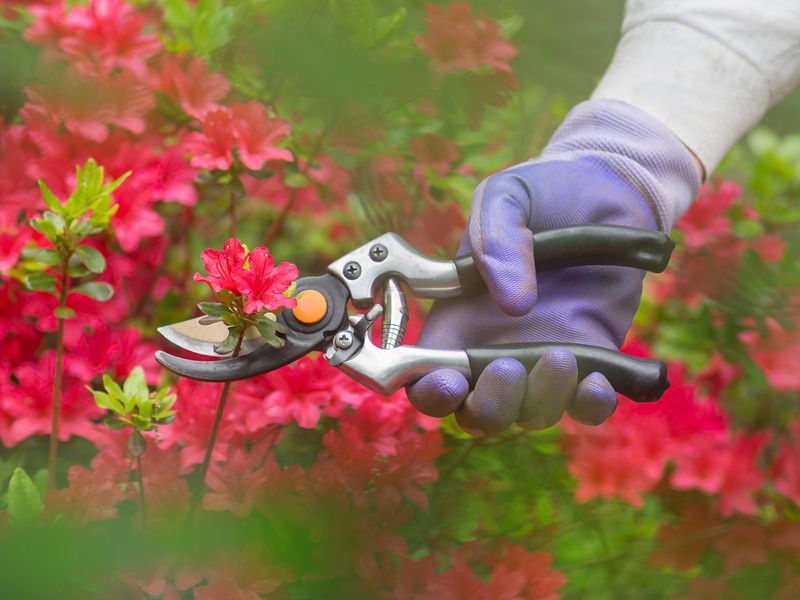
Right after the flowers drop is your best and only ideal window for shaping. Keep it light, focusing on removing crossing branches, leggy stems, or any wood that looks weak or unhealthy.
Heavy cutting is rarely necessary and can stress the plant, especially during North Carolina’s warm and humid summer months that follow quickly after spring bloom.
Shaping your rhododendron at the right time also encourages a fuller, more compact growth habit. When you cut just above a set of leaves or a visible bud, the plant branches out below that cut and creates a denser canopy over time.
Your North Carolina Garden Changes Every Week. Your Plan Should Too.
Gardening in North Carolina changes quickly throughout the season. Every Friday you’ll receive a simple weekly plan showing exactly what to plant, prune, fertilize, harvest, and protect so you never miss the right timing.
That dense structure is exactly what gives mature rhododendrons their signature lush, rounded look.
For gardeners in the North Carolina Piedmont or coastal areas where heat arrives early, acting fast after bloom is especially critical. Keep your pruning shears clean and sharp before you start.
Sharp cuts heal faster and reduce the risk of introducing disease into fresh wounds on your plants.
3. Apply Mulch To Keep Roots Cool
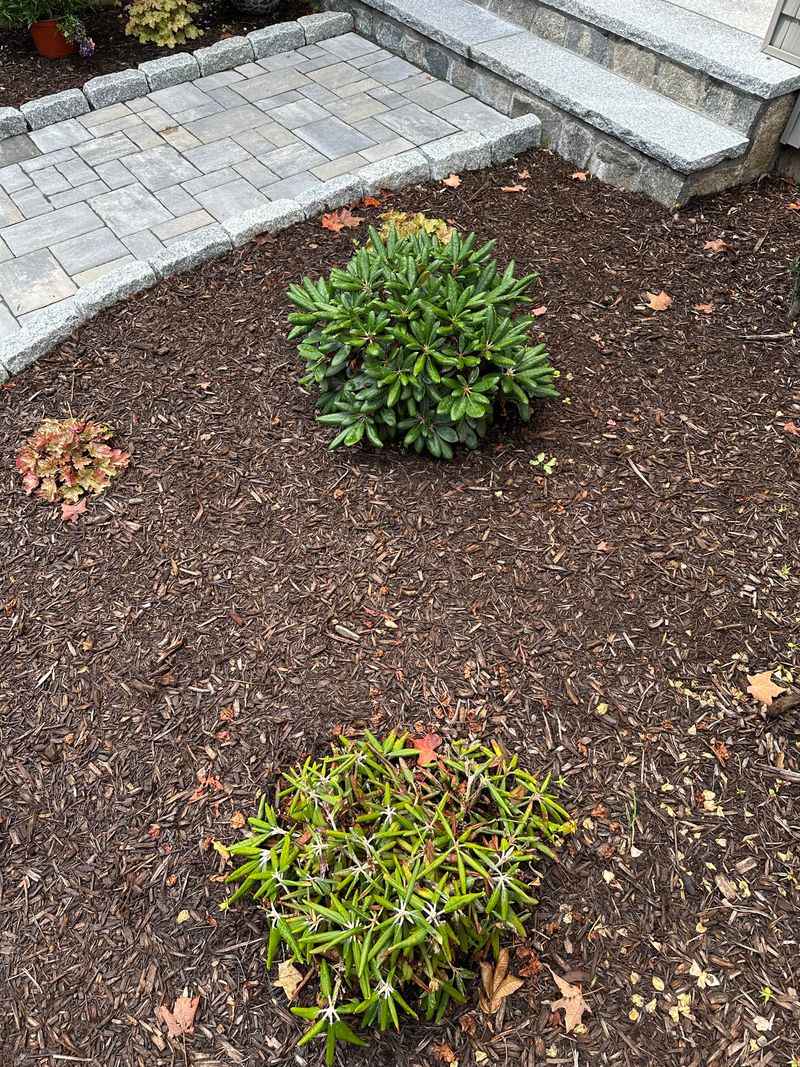
Rhododendrons have some of the shallowest root systems of any large flowering shrub, which makes them surprisingly vulnerable to heat and drought. Their roots sit just inches below the soil surface, soaking up moisture and nutrients from the top layer of earth.
When summer heat bakes that layer dry, the whole plant can suffer quickly and visibly.
A fresh layer of mulch applied right after blooming is one of the most protective things you can do for your plant. Pine bark mulch or pine straw, spread two to three inches deep around the base, insulates the soil beautifully.
It holds moisture in, keeps soil temperatures steady, and even breaks down slowly to slightly acidify the soil over time, which rhododendrons absolutely love.
North Carolina summers can get intensely hot and dry, particularly in the Piedmont and foothills regions. Even in the cooler mountain areas, summer dry spells can stress shallow-rooted plants fast.
Mulching creates a buffer that gives your rhododendron a fighting chance through those tough stretches without constant watering intervention.
Always keep the mulch a few inches away from the main stem of the plant to prevent moisture buildup against the bark. Piling mulch directly against the trunk can trap humidity and encourage rot over time.
A neat, even ring of mulch extending out to the drip line of the plant is the most effective and visually clean approach.
4. Maintain Acidic Soil Conditions
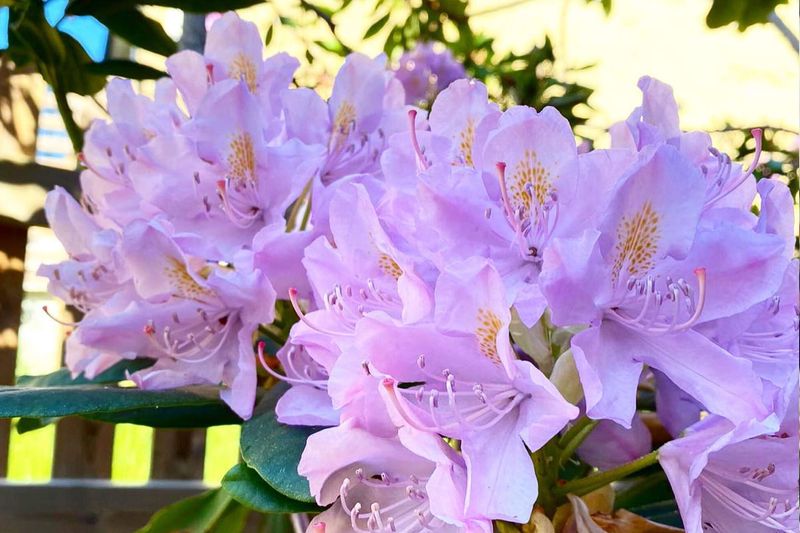
Soil chemistry might sound complicated, but for rhododendrons it really comes down to one number: pH. Rhododendrons are acid-loving plants that thrive when soil pH sits somewhere between 4.5 and 6.0.
Outside that range, the plant struggles to absorb key nutrients even when those nutrients are physically present in the soil.
North Carolina is fortunate because many of its native soils, especially in the mountain and Piedmont regions, are naturally on the acidic side.
However, soils can vary a lot even within a single yard, and factors like concrete foundations, lime applications from previous owners, or irrigation water can raise pH unexpectedly over time.
Testing your soil every couple of years is a smart habit. If your pH is too high, sulfur amendments can bring it down gradually and safely. Aluminum sulfate works faster but should be used carefully to avoid overdoing it.
Organic matter like composted pine bark also helps maintain acidity naturally over the long term without the risk of swinging pH too far in either direction.
After blooming, when the plant is actively pushing out new growth, proper pH directly affects how well it can fuel that growth. Yellowing leaves with green veins, a condition called chlorosis, is a classic sign that pH is off and iron absorption is being blocked.
Catching and correcting that issue early in the post-bloom season keeps your North Carolina rhododendrons growing strong and green all summer long.
5. Water Deeply During Dry Periods
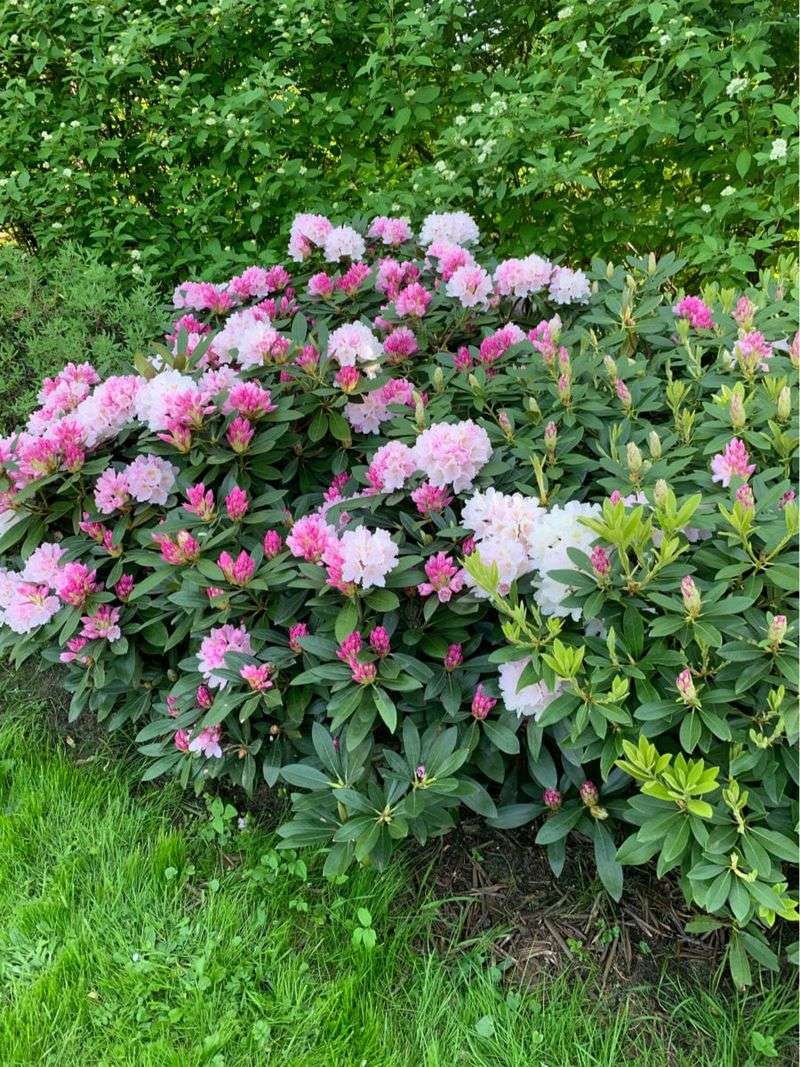
Spring rainfall in North Carolina can feel generous while rhododendrons are blooming, but conditions often shift dramatically once summer arrives.
The months following bloom are actually some of the most water-critical for these plants because they are simultaneously pushing new growth and forming next year’s flower buds underground.
Both of those processes demand a consistent and steady supply of moisture.
Deep, infrequent watering works far better than shallow, frequent watering for rhododendrons. When you water deeply, moisture penetrates down to where the roots actually are, encouraging them to grow downward and anchor more firmly.
Shallow watering keeps moisture near the surface and trains roots to stay up high, making the plant more vulnerable to heat and drought stress.
A good rule of thumb is to water slowly and thoroughly once or twice a week during dry spells, allowing the water to soak in rather than run off. Drip irrigation or a soaker hose laid around the drip line of the plant works beautifully for this.
It delivers moisture right where roots can use it without wetting the foliage, which helps reduce fungal disease pressure in North Carolina’s humid climate.
Watch your plants for early signs of drought stress, like slightly rolled or drooping leaves, especially in western North Carolina mountain gardens where summer rain can become unpredictable.
Acting early with deep watering during those dry stretches protects both current growth and the buds forming for next spring’s big bloom.
6. Use Light, Targeted Fertilization
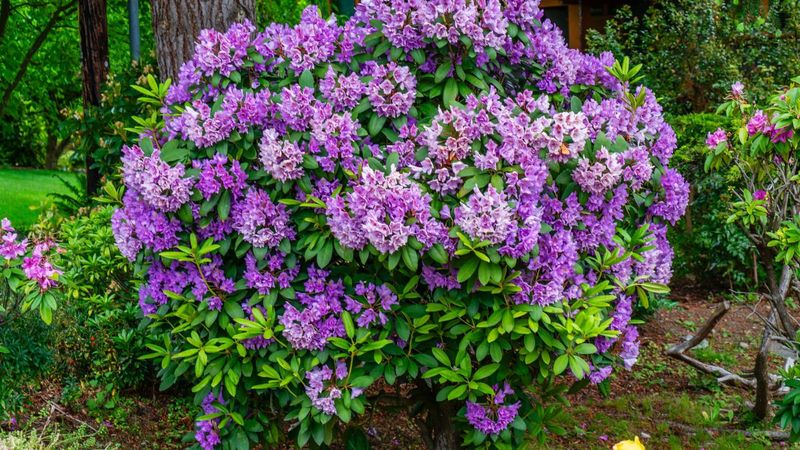
Fertilizing rhododendrons after blooming sounds straightforward, but it is surprisingly easy to overdo it with bad results.
Too much fertilizer, especially nitrogen-heavy products, pushes the plant into producing lots of soft, leafy growth at the expense of flower bud development. The result is a plant that looks full but blooms poorly the following spring.
A light application of a granular, acid-forming fertilizer formulated for azaleas and rhododendrons is all most plants need after their bloom cycle ends.
Products containing ammonium sulfate or slow-release formulas work well because they feed gradually without overwhelming the root system.
Always follow the package instructions and avoid applying more than recommended, especially in North Carolina’s warm climate where plants are already growing actively.
Interestingly, many well-established rhododendrons growing in organically rich soils under pine trees actually need very little added fertilizer at all. The decomposing organic mulch and natural leaf litter supply a slow, steady stream of nutrients on their own.
If your plant is growing vigorously and has good leaf color, skipping fertilizer entirely after bloom is a perfectly reasonable choice.
Timing matters too. Fertilizing too late in the season, past midsummer, can stimulate new growth that does not harden off before cooler temperatures arrive in the North Carolina mountains.
That tender late growth is vulnerable to cold damage. Stick to a single, modest application shortly after bloom ends and let the plant settle into its natural summer rhythm from there.
7. Protect From Afternoon Sun Stress
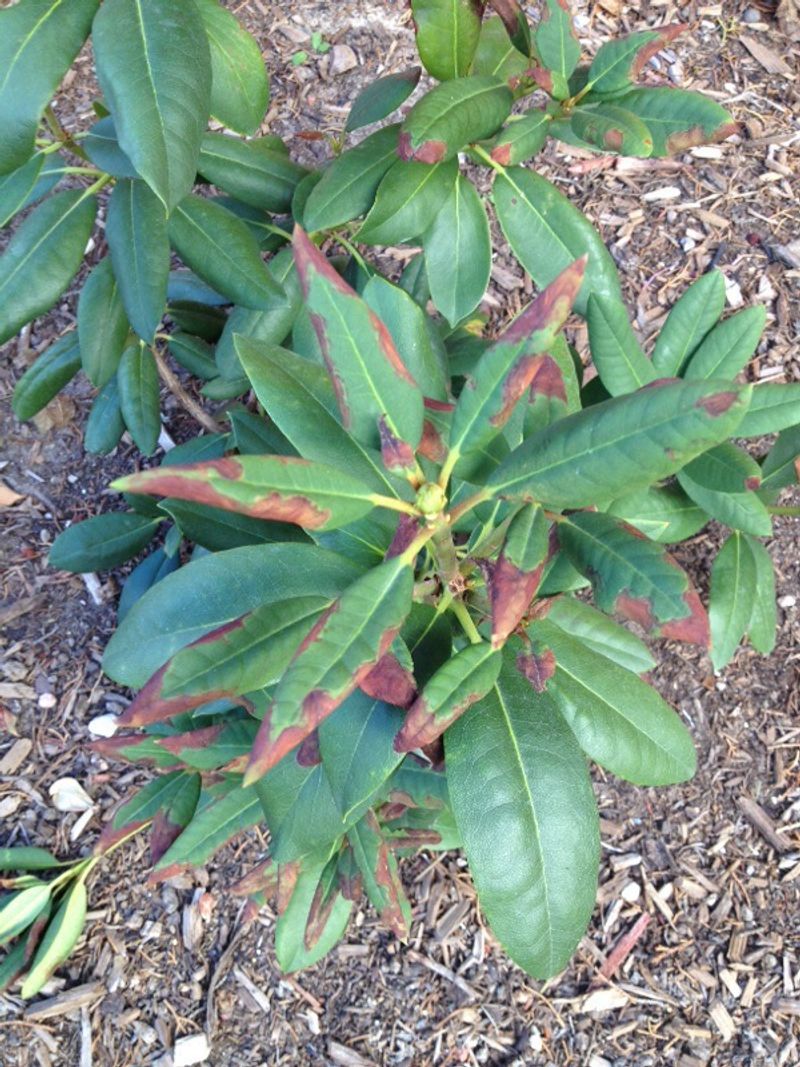
Rhododendrons are woodland plants at heart, and they evolved growing under the filtered canopy of tall trees where light is soft and indirect.
Intense afternoon sun, especially the kind that hits hard in North Carolina’s Piedmont and coastal plain regions from June onward, can scorch leaves and seriously stress the plant during its most vulnerable post-bloom growth period.
Sunburned rhododendron leaves turn a bleached tan or grayish color and never recover their green color once damaged. Beyond the cosmetic issue, sun-stressed plants put energy into recovering from that damage instead of building new growth and flower buds.
Protecting your plant from harsh afternoon rays is one of the simplest ways to keep post-bloom energy flowing in the right direction.
Planting rhododendrons on the north or east side of structures, or beneath the canopy of tall hardwood trees, provides natural afternoon shade. In North Carolina mountain gardens, the tree canopy often handles this naturally.
But in sunnier locations across the Piedmont or foothills, you may need to add shade cloth during the hottest weeks of summer to give plants some relief.
Even established rhododendrons that have grown in a sunny spot for years can benefit from added shade as summers grow hotter.
A shade sail or temporary shade structure during July and August can make a real difference in plant vigor and bloom quality the following spring.
Small adjustments to light exposure often produce surprisingly big improvements in overall plant health and fullness.
8. Monitor For Lace Bugs And Other Pests
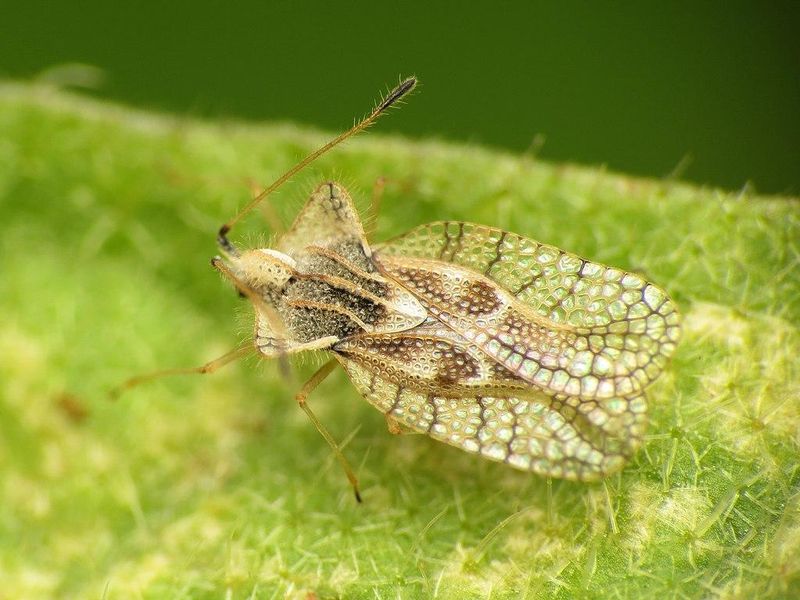
Flip over a rhododendron leaf and you might be surprised by what you find hiding there. Lace bugs are small, delicate-looking insects with lacy wings, but the damage they cause is anything but delicate.
They pierce leaf tissue and feed on plant fluids, leaving behind a characteristic silvery or bleached stippling pattern on the upper leaf surface that signals a problem worth addressing quickly.
North Carolina’s warm, humid conditions after spring bloom create ideal circumstances for lace bug populations to build up fast. By the time visible damage appears across much of the foliage, populations can already be quite large.
Checking leaf undersides every week or two starting right after bloom gives you the best chance of catching an infestation early when it is much easier to manage.
Horticultural oil or insecticidal soap sprays applied directly to the undersides of leaves work effectively against lace bugs without harsh chemical impacts on surrounding plants and beneficial insects.
Repeat applications are usually necessary because eggs and newly hatched nymphs emerge in waves.
Always spray in the cooler parts of the day, early morning or evening, to avoid leaf burn in North Carolina’s summer heat.
Spider mites and root weevils are also worth watching for during the post-bloom season. Root weevils leave distinctive notched edges on leaves and can damage roots over time.
Keeping plants healthy through proper watering, mulching, and soil care is your first line of defense because vigorous plants naturally resist pest pressure far better than stressed ones do.