When To Stop Pruning Hydrangeas In North Carolina For Better Blooms
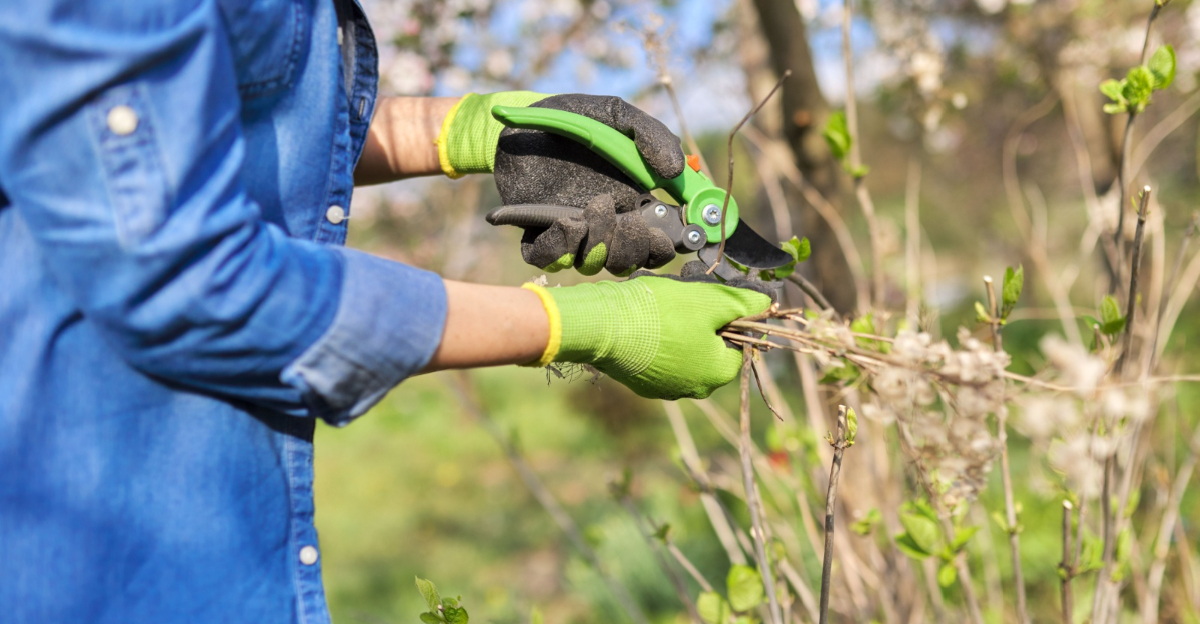
It only takes one spring pruning session at the wrong time to leave a hydrangea full of leaves but short on blooms.
Across North Carolina, many gardeners get caught by early warm spells that make it feel safe to keep cutting into April.
The challenge is that hydrangeas often begin setting buds sooner than expected, and timing can shift depending on whether you are gardening along the coast, in the Piedmont, or in the mountains.
Knowing when to stop pruning matters just as much as knowing when to start. With the right timing, you give your shrubs a better chance to put on a full, colorful display in the months ahead.
1. April Marks A Key Pruning Cutoff In North Carolina
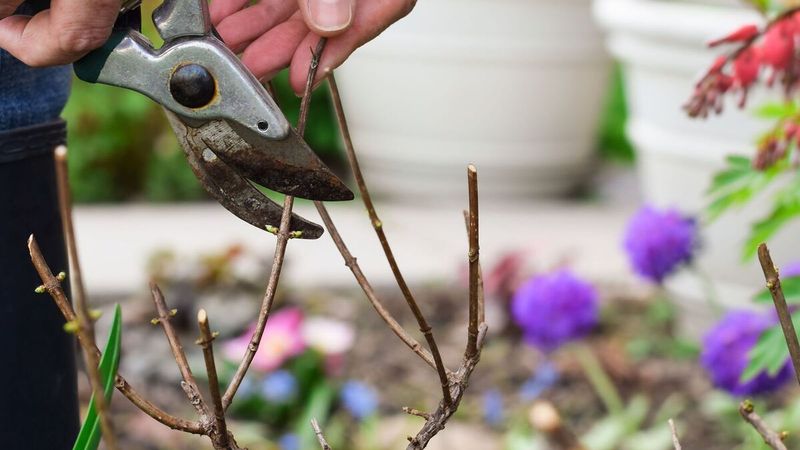
Warm afternoons in early April can fool even experienced North Carolina gardeners into thinking there is still plenty of time left to prune.
The truth is, April is widely considered the practical cutoff month for most hydrangea pruning across the state.
Once you move past the first couple of weeks in April, the risk of cutting away developing flower buds increases significantly.
For old wood bloomers like bigleaf and oakleaf hydrangeas, bud development often begins earlier than most people realize.
These plants set their buds on last year’s stems, so any pruning after the buds have started forming will remove what could have been your summer flowers.
In North Carolina’s Piedmont region, that process can get underway as early as late March in a mild year.
Panicle and smooth hydrangeas, which bloom on new wood, are more forgiving and can handle light pruning a little later.
Still, wrapping up major cuts before mid-April gives all varieties the best opportunity to channel energy into flowering rather than recovery.
Think of April as a soft deadline, not a rigid rule, but one worth respecting if summer blooms are your goal.
Paying attention to your specific plants each year will help you read the signals better over time.
2. Old Wood Vs New Wood Affects Spring Timing
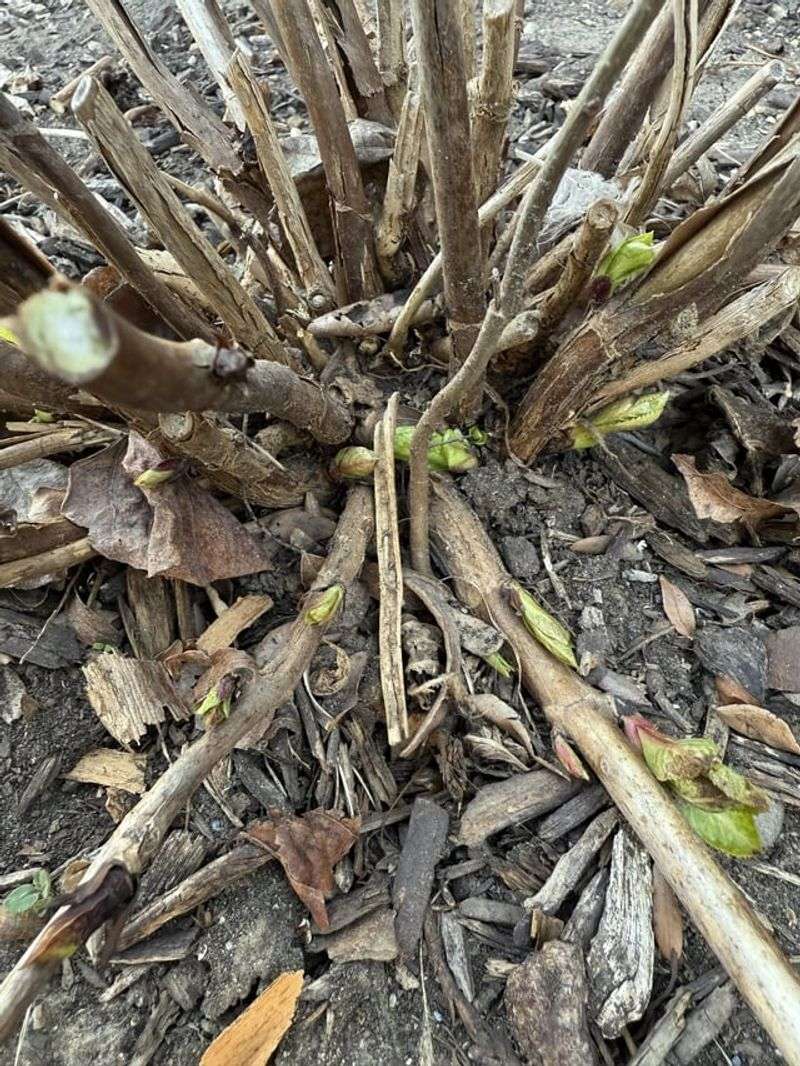
Knowing whether your hydrangea blooms on old wood or new wood is probably the single most useful piece of information you can have before picking up your pruning shears.
Bigleaf hydrangeas, which are the classic mophead and lacecap types so popular in North Carolina yards, bloom on old wood.
That means the flower buds for this summer were actually formed on last year’s stems during late summer and fall.
Cut those stems back in spring, and you are removing the very buds that would have opened into blooms by June or July.
Oakleaf hydrangeas follow the same pattern, making spring pruning a risky move for both types.
The safest window for pruning old wood varieties is right after they finish flowering in summer, giving them the rest of the season to grow new stems and set fresh buds. Smooth hydrangeas like Annabelle and panicle types like Limelight operate differently.
They push out flower buds on the current season’s new growth, so pruning them in late winter or very early spring actually encourages stronger stems and bigger blooms. In North Carolina, that window typically runs from late January through early March.
Your North Carolina Garden Changes Every Week. Your Plan Should Too.
Gardening in North Carolina changes quickly throughout the season. Every Friday you’ll receive a simple weekly plan showing exactly what to plant, prune, fertilize, harvest, and protect so you never miss the right timing.
Identifying which type you have before pruning could save you a whole season’s worth of blooms and a lot of frustration.
3. Late April Pruning Can Reduce Summer Blooms
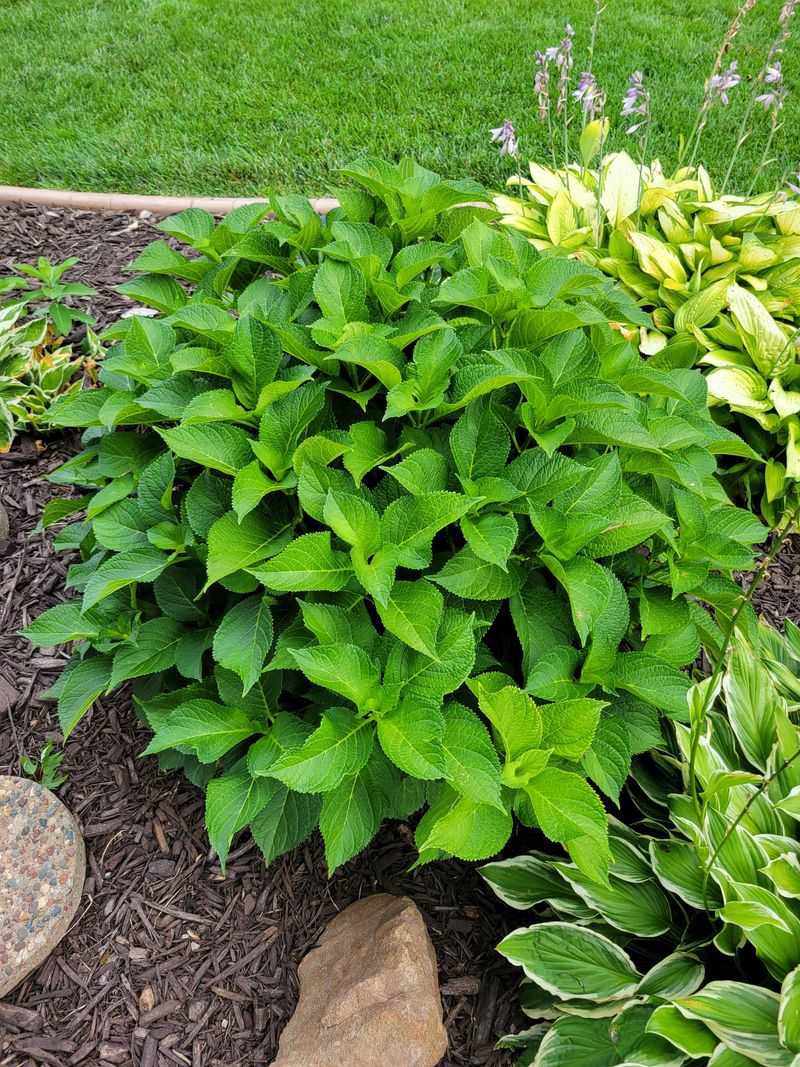
Pruning hydrangeas after late April in North Carolina is one of the most common reasons gardeners end up staring at a shrub full of leaves but almost no flowers come July.
By the time April winds down, bigleaf and oakleaf hydrangeas have typically pushed well past the safe pruning window.
Any cuts made at that point are likely removing buds that were already preparing to open. The frustrating part is that the plants often look perfectly healthy after a late pruning.
They will leaf out normally, grow vigorously, and show no obvious signs of stress. The problem only becomes clear mid-summer when neighboring hydrangeas are bursting with color and yours sits quietly green.
That gap between pruning and blooming makes it easy to overlook the connection until it has already happened a few times.
Late April pruning also stresses the plant during a period when it is actively pushing energy toward flower development.
Even on new wood varieties, heavy cuts this late can slow the plant down enough to reduce bloom size or delay flowering noticeably.
A light cleanup, like removing clearly damaged stems or trimming a wayward branch, is generally acceptable.
However, any significant reshaping or size reduction is better left until after flowering wraps up for the season. Patience at this stage almost always pays off come bloom time.
4. Some Hydrangeas Tolerate Pruning Beyond April
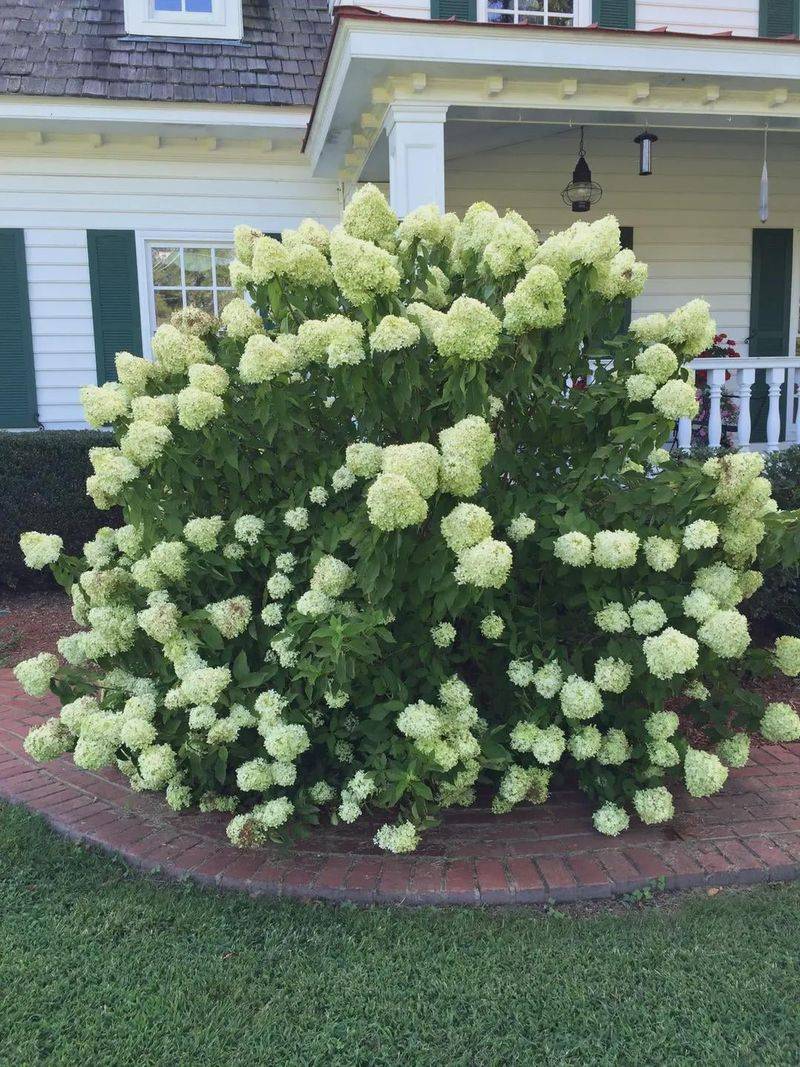
Not every hydrangea in your North Carolina garden follows the same strict spring pruning rules, and understanding which varieties have more flexibility can take some of the pressure off your spring gardening schedule.
Panicle hydrangeas, including popular cultivars like Limelight and Pinky Winky, bloom on new wood produced during the current growing season.
Because of this, they can handle pruning a bit later than old wood types without the same bloom sacrifice.
Smooth hydrangeas, like the well-known Annabelle, share this trait. Even if you trim them back in early to mid-April, they will often push out strong new growth and still deliver a solid flower display by midsummer.
That said, pushing the pruning window too far even with these varieties can reduce bloom size and delay the show, so earlier is still the better choice when possible. The key distinction is that new wood bloomers are not building on last year’s stems.
Every spring, they essentially start fresh, which gives gardeners a wider margin for error. In North Carolina’s warmer coastal counties, spring arrives earlier, and new growth may already be underway by early March.
Watching for that new growth to emerge is your clearest signal that the pruning window is narrowing, regardless of what the calendar says.
Variety knowledge combined with observation makes timing decisions much more reliable than following a fixed date alone.
5. Bud Formation Signals It Is Time To Stop
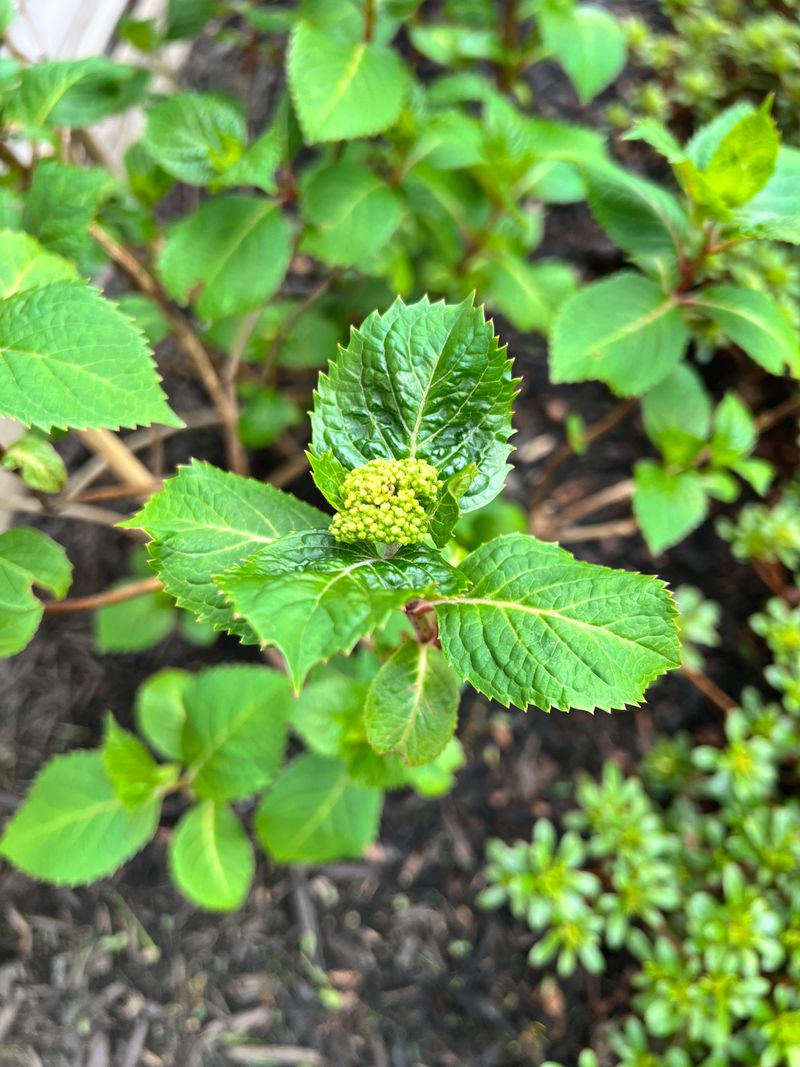
One of the most reliable ways to know when to stop pruning hydrangeas is to let the plant itself tell you.
As temperatures begin climbing in North Carolina, hydrangeas start showing small, rounded buds along their stems.
On old wood varieties, these buds appear directly on the woody canes that survived winter, often looking like tiny green or reddish swellings clustered near stem joints.
Spotting those buds is your clearest signal to put the shears away. Once visible bud development is underway, every cut you make on an old wood hydrangea carries real risk of removing future flowers.
The earlier you can train yourself to check for buds rather than relying on calendar dates, the better your bloom results will tend to be year after year.
Bud visibility varies depending on the variety and location in North Carolina. In the warmer Piedmont and coastal areas, buds may appear noticeably earlier than in the mountains, sometimes as early as mid-March during a mild winter.
Cooler mountain regions might not show visible bud development until April. Checking your plants every week or two as winter fades is a simple habit that can prevent costly pruning mistakes.
A quick look at the stem nodes before each pruning session takes only a moment and can save an entire season of flowers from being accidentally removed.
6. Regional Climate Shifts Timing Across North Carolina
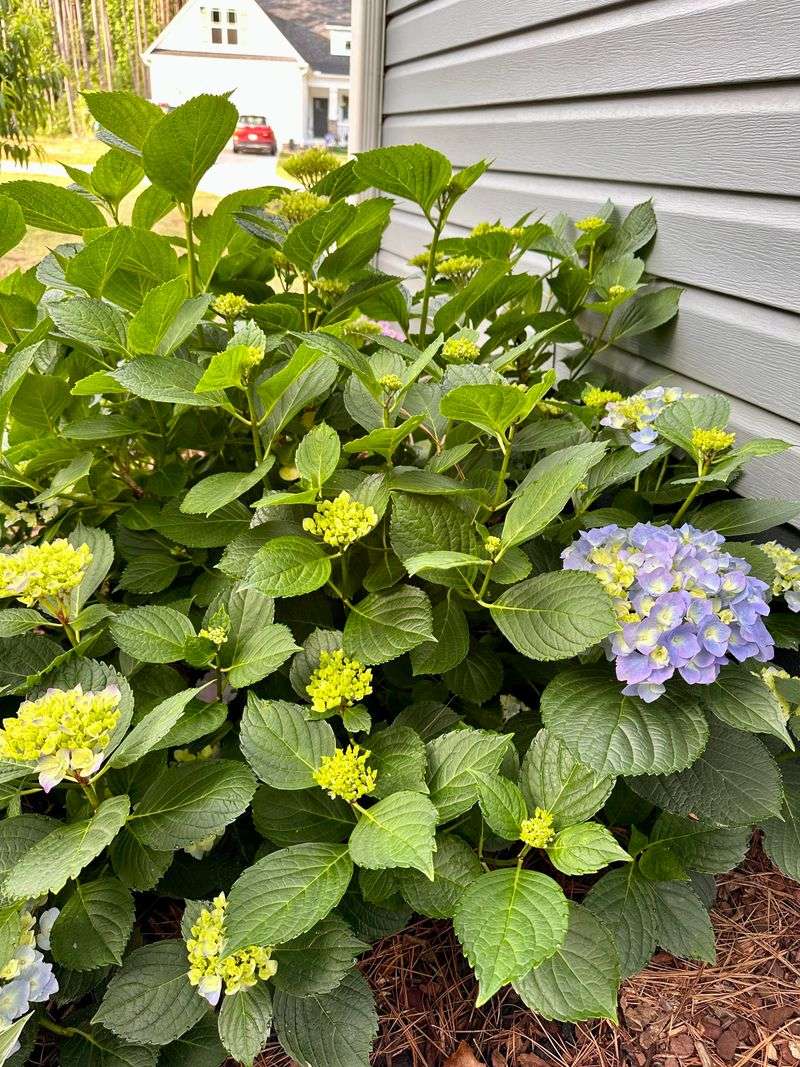
North Carolina stretches across three distinct climate regions, and that geographic diversity has a meaningful effect on when hydrangeas begin their seasonal growth cycle.
Along the coastal plain, winters are milder and spring arrives earlier, often pushing hydrangeas into active growth several weeks ahead of plants growing in the Piedmont or mountain regions.
Gardeners in Wilmington or the Outer Banks area may need to wrap up pruning by late March to stay safely ahead of bud development.
In the Piedmont, which includes cities like Raleigh, Charlotte, and Greensboro, spring temperatures are more moderate.
Early April is typically the practical cutoff for most old wood hydrangea pruning in this region, though a late cold snap can occasionally slow bud development just enough to extend that window by a week or so.
Watching local weather patterns and checking plants individually remains more reliable than following a statewide rule.
Mountain communities in western North Carolina experience later springs and occasionally see frost well into April.
That cooler timeline can push bud development back, giving mountain gardeners slightly more pruning flexibility in early April compared to their coastal counterparts.
However, that same late frost risk means old wood hydrangeas in the mountains already face challenges producing blooms, making careful pruning all the more critical.
Tailoring your pruning habits to your specific region within North Carolina is one of the most practical adjustments any hydrangea grower can make.
7. Light Care Replaces Pruning After April
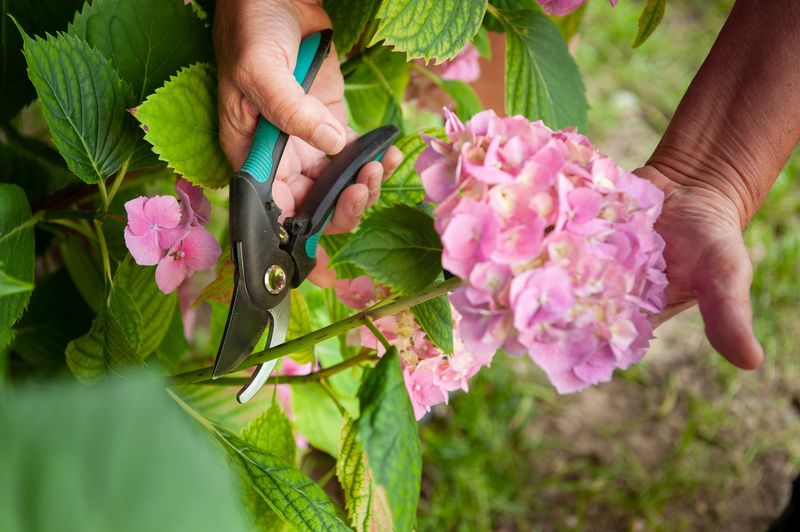
Once the April pruning window has closed, the focus in your North Carolina hydrangea garden shifts from cutting back to light, supportive care.
Removing spent flowers from the previous season is one task that remains appropriate even after pruning season ends.
Removing those dried, papery blooms tidies up the plant and can redirect a small amount of energy toward new growth without threatening developing buds.
Watering consistently becomes especially important as spring temperatures rise across North Carolina.
Hydrangeas are thirsty plants, and keeping the soil evenly moist during the bud development phase supports stronger, more abundant blooms.
A layer of mulch around the base of each shrub helps retain soil moisture and keeps roots cool as summer approaches.
Feeding hydrangeas with a balanced, slow-release fertilizer in spring can also encourage healthy growth without pushing excessive leafy stems at the expense of flowers.
Avoid heavy nitrogen applications late in spring, as those can stimulate lush foliage while reducing bloom production.
Light maintenance tasks like checking for pests, removing visibly damaged stems, or adjusting a plant’s support structure are all reasonable after April without disrupting flower development.
Shifting your mindset from pruning mode to nurturing mode once the cutoff passes helps set your hydrangeas up for the kind of summer display that makes all the careful timing worthwhile.
8. Proper Timing Supports Better Future Blooms
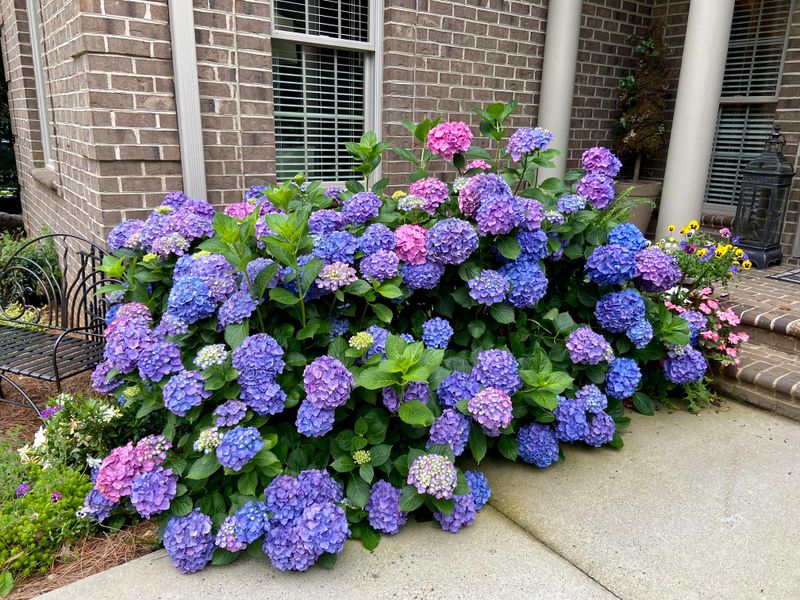
Getting the pruning timing right this year does more than just protect this summer’s flowers – it sets up a healthier, more productive plant for seasons to come.
Hydrangeas that are pruned at appropriate times tend to develop stronger stem structures, more vigorous bud sets, and greater overall resilience.
Plants that are repeatedly cut at the wrong time can become weakened, producing fewer and smaller blooms with each passing year.
Building a consistent pruning routine around your specific hydrangea varieties and your location within North Carolina is one of the most straightforward ways to improve your garden results over time.
Keeping brief notes about when you pruned, what the weather was doing, and how the blooms responded that summer can reveal useful patterns after just a couple of growing seasons.
Many experienced North Carolina gardeners swear by this kind of simple seasonal journaling.
Understanding that pruning is only one piece of the bloom puzzle also helps. Soil health, sunlight, drainage, and variety selection all play supporting roles.
A bigleaf hydrangea planted in too much shade or in poorly draining soil will struggle to bloom regardless of how carefully you time your pruning.
Treating timing as part of a broader care approach, rather than a single fix, gives your hydrangeas the most balanced foundation for producing the lush, colorful blooms that make them such a rewarding plant to grow across North Carolina.