This Native Groundcover Is Replacing Grass In Georgia Front Yards
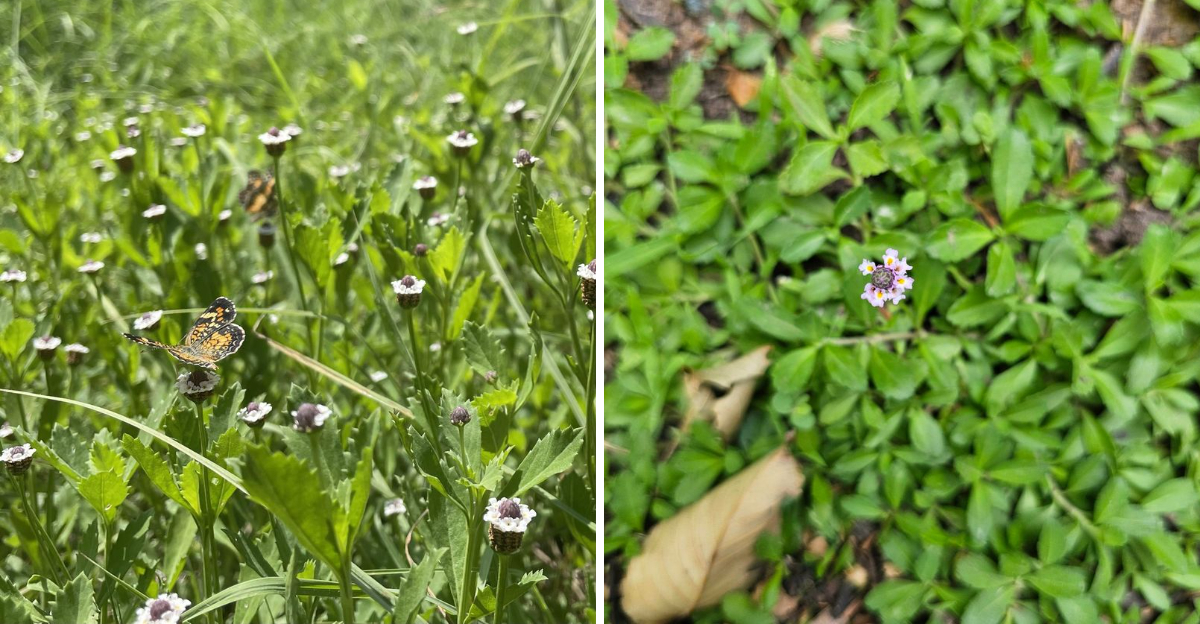
Georgia front yards have started to show the same problem in different ways. Grass looks fine for a while, then thins out, turns uneven, and demands more care than it gives back.
Water, mowing, patching, and still the results never quite hold for long.
Then there are those yards that seem to stay put without all that effort. The surface looks full, the color holds steady, and the usual trouble spots never take over.
It catches attention because the difference is clear even from the street.
That kind of change does not come from routine lawn care or another quick fix. It comes from choosing something that fits the conditions instead of fighting them.
More homeowners across Georgia have started to lean in that direction, and once that choice settles in, the yard stops feeling like a constant project and starts looking the way it should.
1. Frogfruit Forms A Dense Low Growing Mat That Spreads Quickly
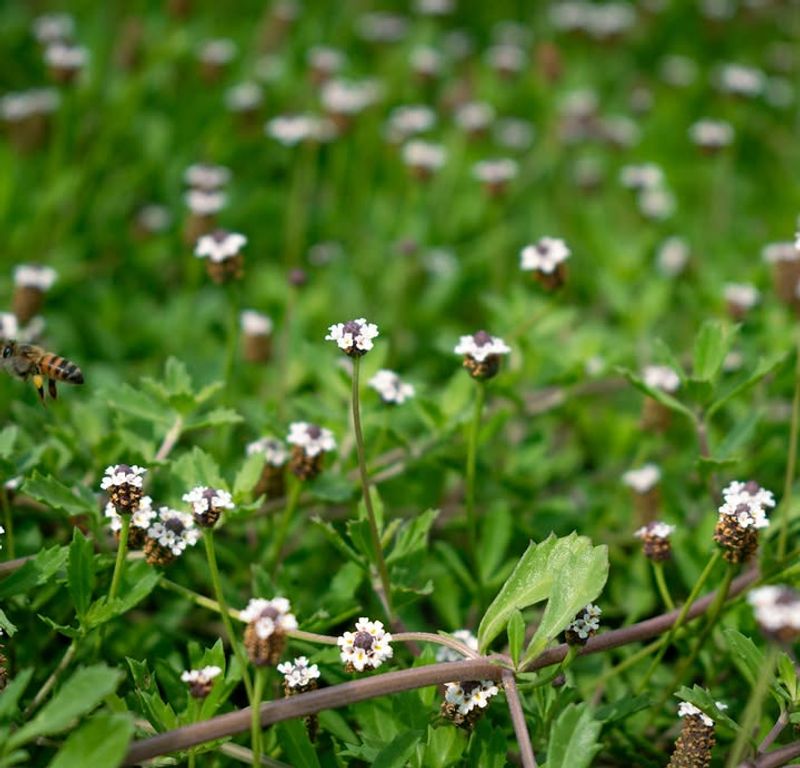
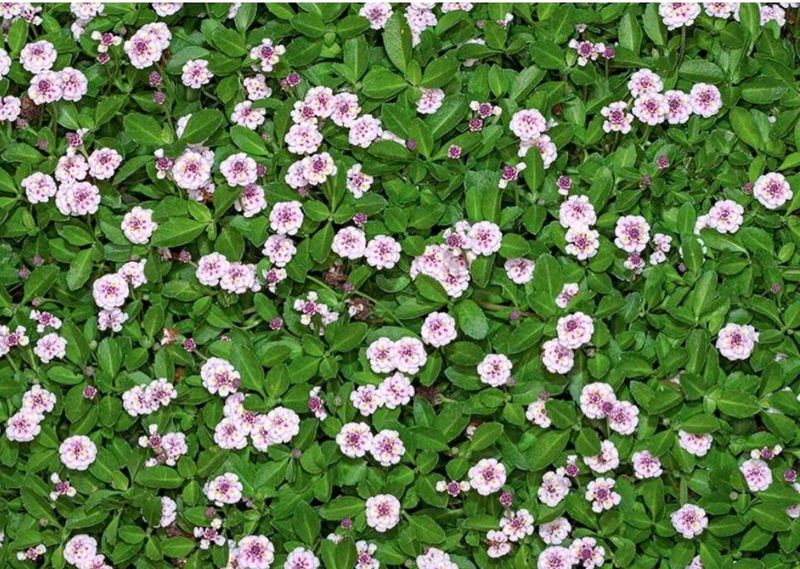
Frogfruit does not ask for much before it starts taking over in the best possible way. Planted in a Georgia front yard, it begins spreading sideways through runners that root wherever they touch soil.
Within a single growing season, bare patches that once looked rough and patchy can fill in with a tight, green surface.
What makes this spreading habit useful is that it stays low. Unlike grass that shoots up and demands weekly cutting, frogfruit creeps along at just a few inches tall.
It weaves between itself to create a mat that actually holds together under normal conditions.
Runners extend outward steadily through spring and summer. You do not need to replant sections or babysit the spread.
Drop a few plugs into prepared soil, water them in for the first couple of weeks, and then step back.
Georgia gardeners who have tried it on slopes report that the mat holds soil in place better than bare ground ever did. The roots are not deep, but the dense surface coverage reduces runoff during heavy rains, which Georgia gets plenty of between May and September.
2. Heat And Humidity Do Not Limit Growth Once Established
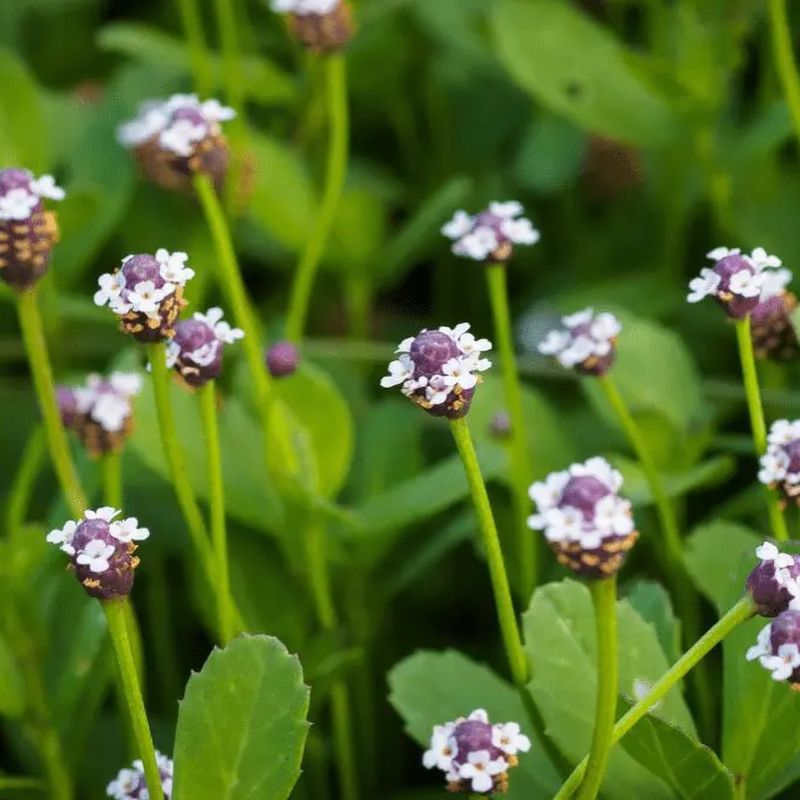
August in Georgia is not kind to most plants. Temperatures push into the upper nineties, humidity makes everything feel worse, and traditional grass lawns turn brown or demand constant irrigation just to survive.
Frogfruit handles those same conditions without the drama.
It is built for this kind of weather. The plant grows naturally across the southeastern United States, including Georgia, where hot and sticky summers are the norm rather than the exception.
Its leaves are small and tough, which helps reduce water loss during the hottest stretches of the season.
That said, newly planted plugs do need some watering during their first few weeks. Established plants are far more capable of handling dry spells on their own, though an occasional deep watering during extreme drought can prevent stress.
Expecting zero care ever is not realistic, but the demands drop significantly after the first season.
Full sun exposure does not slow frogfruit down. It actually seems to spread faster in open, sunny spots than in shadier areas.
Your Georgia Garden Changes Every Week. Your Plan Should Too.
Gardening in Georgia changes quickly throughout the season. Every Friday you’ll receive a simple weekly plan showing exactly what to plant, prune, fertilize, harvest, and protect so you never miss the right timing.
Georgia front yards that face south or west, where afternoon sun bakes the ground, tend to be ideal conditions for this plant.
3. Small White Flowers Appear Repeatedly Through The Warm Season
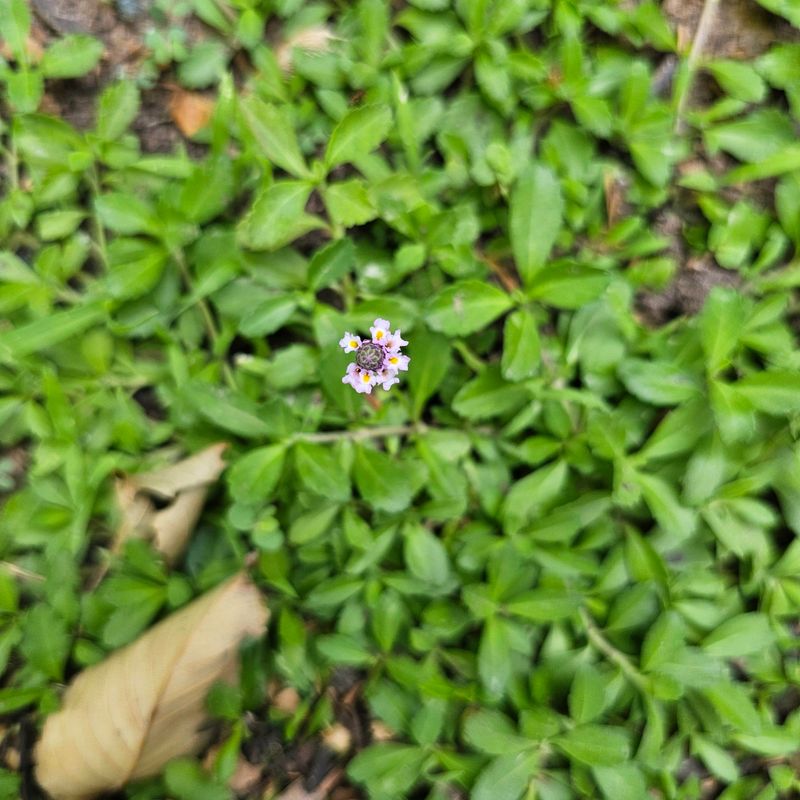
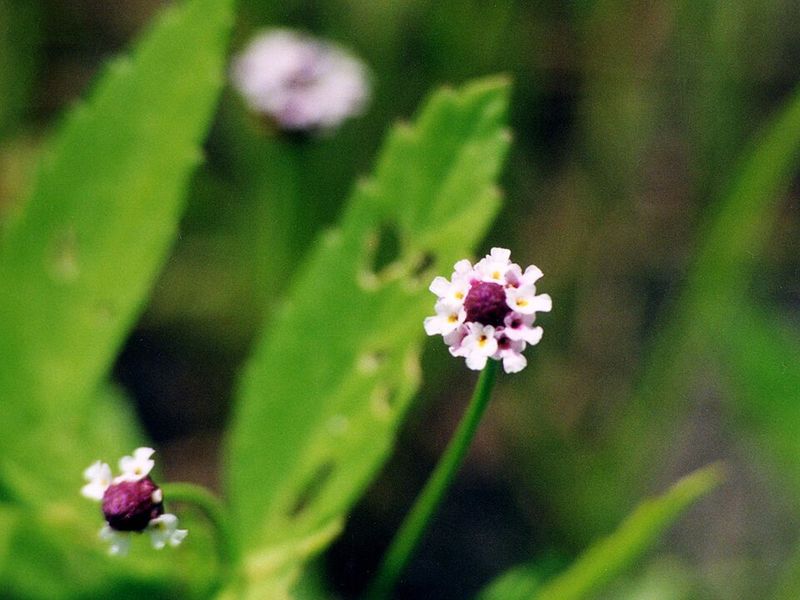
Frogfruit does not save its blooms for one big spring show and then call it done. Starting in late spring and continuing well into fall, small clusters of white flowers pop up across the mat in repeated cycles.
Each flower is tiny, barely the size of a pencil eraser, but there are enough of them at any given time to give the planting a soft, textured look.
Georgia’s warm season runs long, sometimes stretching from April all the way to October depending on the year. Frogfruit takes advantage of that extended window.
Rather than one flush of flowers, it blooms in waves, with new flowers appearing every few weeks throughout the season.
The flowers are not showy in the traditional sense. You are not getting the big, dramatic blooms of a coneflower or black-eyed Susan.
What you get instead is a quiet, consistent presence of white that works well against the green mat, especially when viewed from the street.
For homeowners who want their front yard to look like something other than a plain green carpet, these repeated blooms add enough visual interest to keep things from looking flat. They photograph well in the morning light, which matters if curb appeal is part of the goal.
4. Pollinators Stay Active Around The Plant During Peak Months
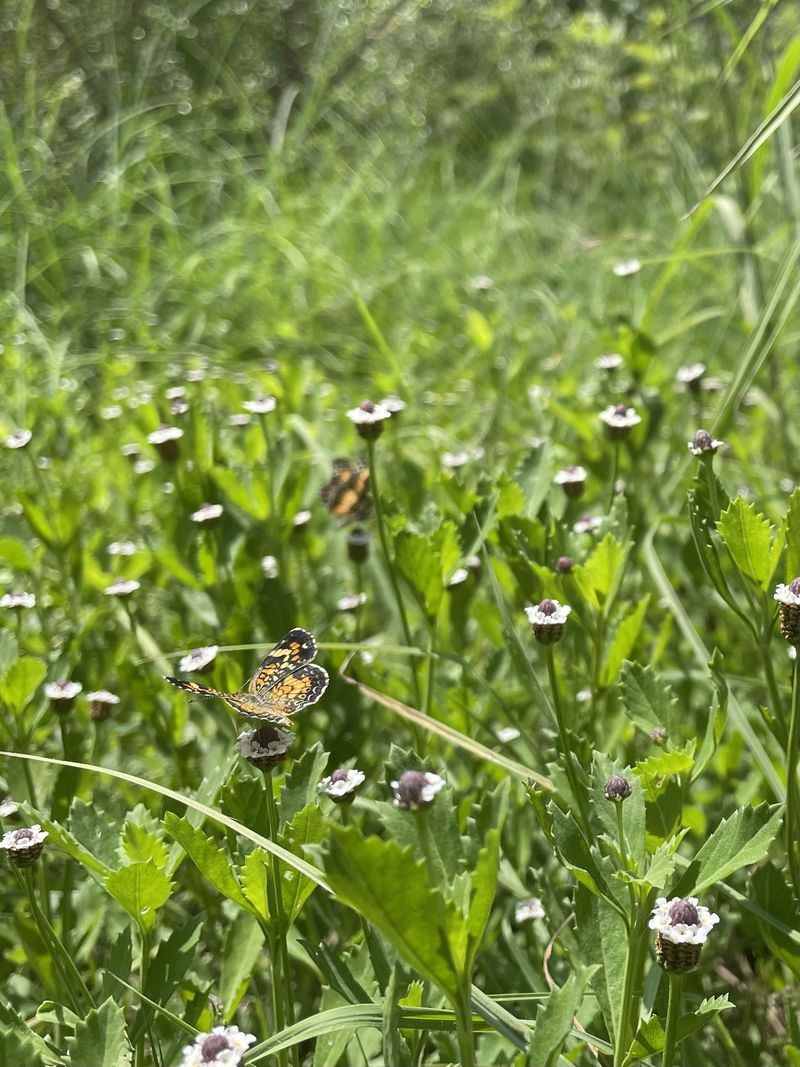
Bees find frogfruit fast. Within days of the first flowers opening, small native bees start working the blooms, moving from cluster to cluster across the mat.
Butterflies show up too, particularly smaller species like the common checkered skipper, which reportedly uses frogfruit as a larval host plant in the Southeast.
Georgia has a strong population of native pollinators, and most of them are active from spring through early fall. Frogfruit’s repeated bloom cycle means there is a consistent food source available during those peak months rather than just a brief window.
That consistency matters more to pollinators than a single large flush of flowers that fades quickly.
Watching the activity on a warm Georgia afternoon is genuinely interesting. You might count five or six different bee species on a small patch without trying hard.
Some are tiny, barely visible, while others are more recognizable bumblebees working methodically across the mat.
Neighbors who have never paid much attention to their yard’s wildlife often notice the change after switching to frogfruit. The front yard becomes more alive in a way that feels different from a plain grass lawn.
Kids notice it too, which can be a good entry point for talking about why native plants matter locally.
5. Poor Soil Conditions Do Not Prevent Steady Ground Coverage
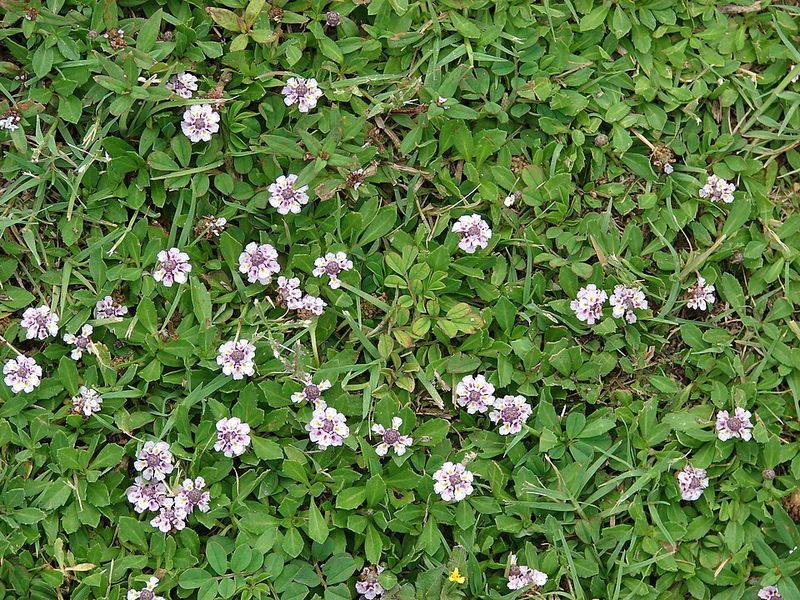
Georgia soil is famously difficult. Red clay that drains poorly, sandy soil that dries out fast, compacted soil under old lawns that feels more like concrete than dirt.
Frogfruit grows in all of these conditions, though it does better in some than others.
Clay soil is actually where frogfruit tends to surprise people most. Plenty of plants struggle and stall in heavy clay, but frogfruit pushes through it.
Its shallow root system spreads horizontally rather than trying to force deep into compacted ground, which means it does not fight the soil the way deeper-rooted plants do.
Sandy soil presents a different challenge. It dries out fast, especially during Georgia’s summer dry spells.
Frogfruit handles this better than grass does, but plants in very sandy conditions may need occasional watering during extended dry stretches in July and August. Adding a thin layer of compost before planting helps sandy soil retain some moisture.
Compacted soil under an old lawn is worth loosening before planting plugs. A simple pass with a garden fork or a core aerator breaks up the surface enough to let roots establish.
You do not need to till deeply or bring in large amounts of amendment. Just breaking the surface crust makes a measurable difference in how quickly the plugs take hold.
6. Light Foot Traffic Does Not Damage The Low Growing Surface Easily
One concern homeowners raise about replacing grass is whether a groundcover can handle foot traffic. Grass, for all its faults, bounces back from being walked on regularly.
Frogfruit holds up reasonably well under light to moderate foot traffic, though it is not going to survive a path that gets used heavily every single day.
For a typical front yard in Georgia, where foot traffic usually means walking from the driveway to the front door a few times a day, frogfruit handles the pressure without much visible damage. The mat compresses slightly underfoot and then springs back.
It does not crush permanently the way some more delicate groundcovers do.
Areas that get walked on constantly, like a direct line between two frequently used doors, will eventually show wear. Placing stepping stones along those routes protects the plant and keeps the path looking intentional rather than worn.
Most Georgia yards benefit from this approach anyway, since it adds structure to the planting.
Children playing in the yard is a different situation. Regular, unpredictable foot traffic from kids running and playing is harder on any groundcover.
Setting aside a defined area with a different surface for active play and letting frogfruit cover the less-trafficked sections of the yard tends to work better than expecting it to handle everything.
7. Minimal Mowing Is Needed Due To Naturally Compact Growth
Skipping the weekly mow is one of the most immediate and practical reasons Georgia homeowners are making the switch to frogfruit. Grass lawns in Georgia require mowing every five to ten days during peak growing season, which runs from late spring through early fall.
Frogfruit stays compact on its own, rarely exceeding three to four inches in height even without any cutting.
That height stays consistent throughout the growing season without intervention. Some homeowners do a single trim in late winter or early spring to clean up the appearance before new growth starts.
Beyond that, the plant maintains its own compact form through the warm months without needing regular cutting.
The time savings add up quickly. A standard suburban front yard in Georgia might take thirty to forty-five minutes to mow each week during summer.
Across a full season, that is dozens of hours spent pushing or riding a mower. Replacing that lawn with frogfruit reclaims that time without sacrificing a neat appearance.
Fuel, maintenance costs, and the noise of regular mowing also drop significantly. Mowers need oil changes, blade sharpening, and occasional repairs.
Removing the mowing requirement from the yard care routine eliminates those recurring costs over time.