This Disease Is The Reason Why Boxwoods In Georgia Don’t Work
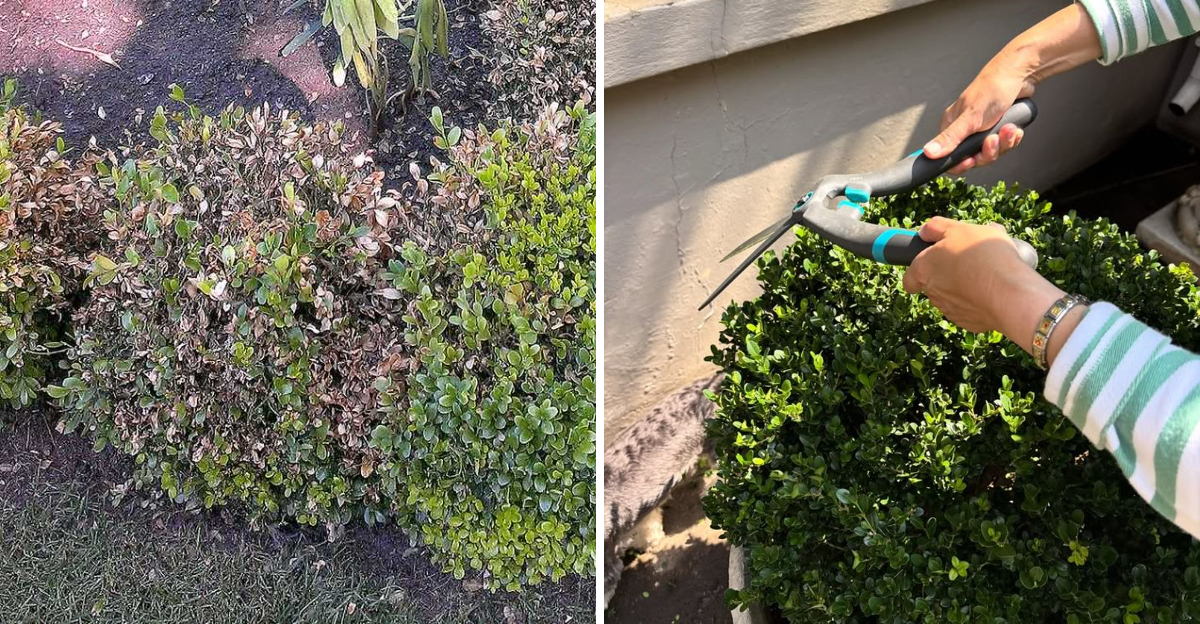
Boxwoods once felt like a safe choice in Georgia, yet more yards now show the same slow decline that seems to come out of nowhere.
Leaves lose color, sections thin out, and entire shrubs begin to look uneven even with regular care in place.
At first, it can seem like a watering issue or poor soil, but those fixes rarely solve what is actually happening. The problem runs deeper, and it tends to spread in ways that catch people off guard once it takes hold.
What makes it worse is how quickly a healthy planting can shift once early signs go unnoticed. One season looks fine, then the next tells a very different story.
Understanding what causes that change explains why so many boxwoods struggle in Georgia and why the same pattern keeps showing up in yard after yard.
1. Boxwood Blight Causes Rapid Leaf Loss And Decline In Humid Conditions
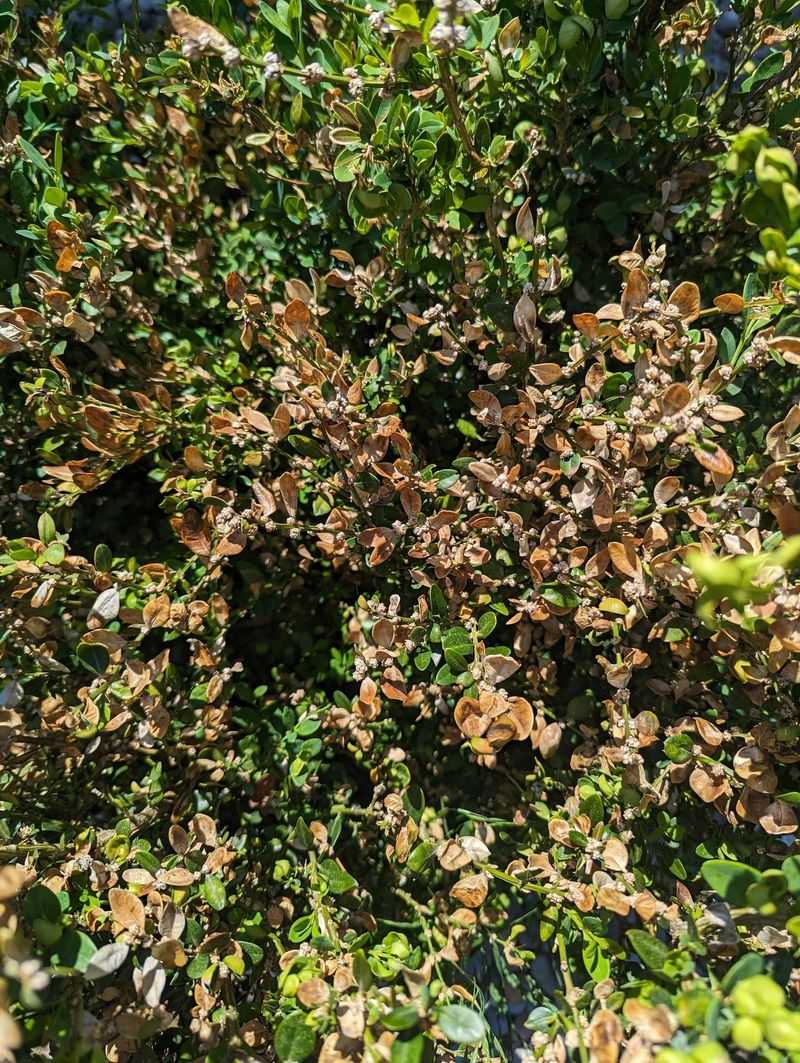
Boxwood blight doesn’t give you much warning. One week your shrubs look fine, and the next you’re staring at bare stems and a pile of brown leaves on the ground.
That kind of speed is what makes this disease so frustrating for Georgia gardeners.
Caused by the fungus Calonectria pseudonaviculata, boxwood blight first shows up as small, circular tan spots with dark brown or purple borders on the leaves. Those spots spread quickly, and before long the leaves start dropping from the bottom branches upward.
Stems develop black streaks and cankers that cut off water and nutrients moving through the plant.
Georgia’s climate is practically a welcome mat for this fungus. Warm temperatures combined with high summer humidity create conditions where the disease can move through an entire planting in a matter of days.
Once the leaves are gone, the shrub struggles to recover even with ideal care afterward.
The damage isn’t just cosmetic. Repeated defoliation weakens the plant over multiple seasons, and recovery becomes less likely each time.
In metro-Atlanta neighborhoods where boxwoods are commonly used along walkways and foundations, the disease has caused widespread decline in residential and commercial landscapes alike.
2. Fungal Spores Spread Easily Through Moist Leaves And Poor Airflow
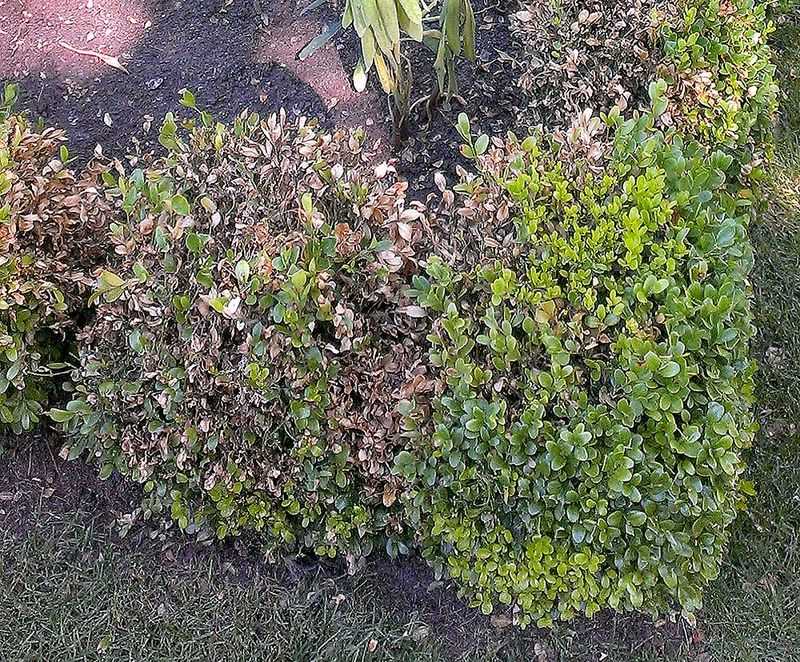
Water is the main highway for boxwood blight spores. When rain or irrigation hits infected leaves, the spores splash onto nearby plants and fresh foliage almost instantly.
In Georgia, where afternoon thunderstorms are common from spring through fall, that splash-and-spread cycle happens constantly.
Boxwoods planted too close together make the problem significantly worse. When branches overlap and leaves stay wet for hours at a time, the fungus has everything it needs to establish and move.
Poor airflow between plants keeps moisture sitting on leaf surfaces long after a rain event, extending the window for infection.
Spores also hitch rides on tools, shoes, gloves, and even animals moving through the garden. A pair of pruning shears used on an infected shrub and then used on a healthy one nearby can transfer the fungus without any visible sign of contamination.
Deer and birds moving through landscapes in Georgia have also been identified as potential carriers.
Your Georgia Garden Changes Every Week. Your Plan Should Too.
Gardening in Georgia changes quickly throughout the season. Every Friday you’ll receive a simple weekly plan showing exactly what to plant, prune, fertilize, harvest, and protect so you never miss the right timing.
Fallen leaves on the ground beneath infected plants carry viable spores that can persist in the soil for several years. That means even after removing a sick shrub, the disease can come back if new boxwoods are planted in the same spot without proper cleanup and waiting time.
3. Avoid Overhead Watering To Reduce Leaf Wetness And Infection Risk
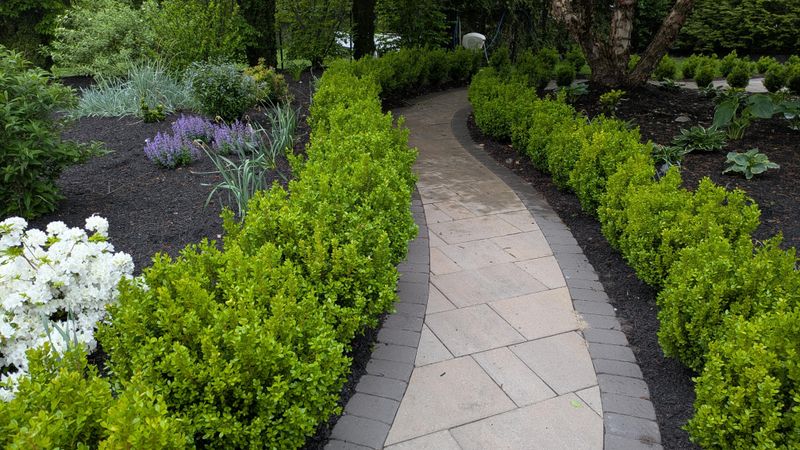
Sprinklers aimed at boxwood foliage are one of the fastest ways to encourage blight in Georgia’s already humid conditions. Wet leaves create the exact environment the fungus needs to germinate and spread, so keeping water off the foliage in the first place is one of the most practical steps you can take.
Switching to drip irrigation or soaker hoses delivers water directly to the root zone without splashing leaves or stems. Roots still get what they need, but the foliage stays dry.
That single change can meaningfully reduce infection pressure, especially during the warmer months when blight is most active.
Timing matters too. Watering early in the morning gives soil moisture time to absorb while any accidental leaf contact has hours to dry before evening.
Watering late in the day leaves plants wet overnight, which stretches the infection window and raises risk considerably in Georgia’s warm, muggy summers.
Even natural rainfall is enough to trigger spread when conditions are right. You can’t control the weather, but you can control what you add on top of it.
Cutting out overhead irrigation removes one consistent source of leaf wetness that makes the disease harder to manage.
4. Improve Air Circulation By Spacing Plants And Thinning Growth

Tight spacing might look tidy at planting time, but it creates serious problems as boxwoods mature. When branches press against each other and foliage forms a solid wall, moisture gets trapped inside the canopy and stays there.
In Georgia, where humidity is already high for much of the year, that trapped moisture becomes a breeding ground for blight.
Giving boxwoods enough room to breathe is one of the most straightforward preventive steps available. Most varieties benefit from at least 18 to 24 inches of space between plants, though specific recommendations vary by cultivar and intended use.
That gap allows air to move through freely and lets foliage dry out faster after rain or morning dew.
Thinning out the interior growth of established shrubs also helps. Over time, boxwoods develop dense inner branches that block airflow and hold moisture.
Selectively removing some of that congested interior growth opens the canopy and lets sunlight and air reach deeper into the plant. It doesn’t have to be a major pruning job, just enough to reduce that packed, closed-off feeling inside the shrub.
Avoid shearing boxwoods into perfectly tight geometric shapes if blight is a concern. Hard shearing encourages dense outer growth that seals the interior off from airflow entirely.
A slightly looser form is less visually precise but far more practical in Georgia’s climate.
5. Remove Infected Plant Material Promptly To Limit Spread
Leaving infected leaves on the ground is one of the quickest ways to guarantee the disease sticks around. Fallen leaves from blighted boxwoods carry viable spores that can survive in the soil for multiple years.
Every rain event after that becomes another opportunity for those spores to splash onto healthy plants nearby.
As soon as you spot the tan spots, black stem streaks, or unusual leaf drop that signal blight, start removing the affected material right away. Don’t wait to see if it gets worse or improves on its own.
Speed matters here because the fungus spreads faster than most people expect, especially during Georgia’s warm and humid growing season.
Bag everything in sealed plastic bags before moving it through the yard. Carrying loose infected branches across the garden spreads spores to areas that weren’t yet affected.
Don’t add any of that material to a compost pile either, since the fungus can survive composting conditions and reintroduce itself later.
Once you’ve removed infected material, clean up the soil surface beneath the shrubs as thoroughly as possible. Raking out fallen leaves and disposing of them the same way reduces the spore load sitting at the base of your plants.
A layer of fresh mulch applied afterward can help physically separate remaining spores in the soil from the foliage above.
6. Sanitize Tools And Avoid Working With Wet Plants
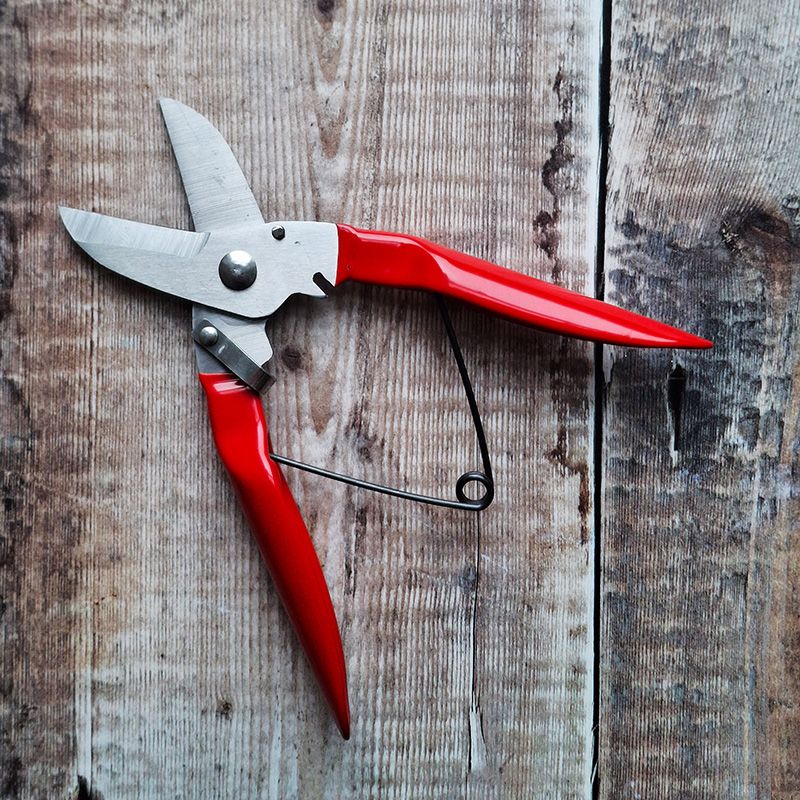
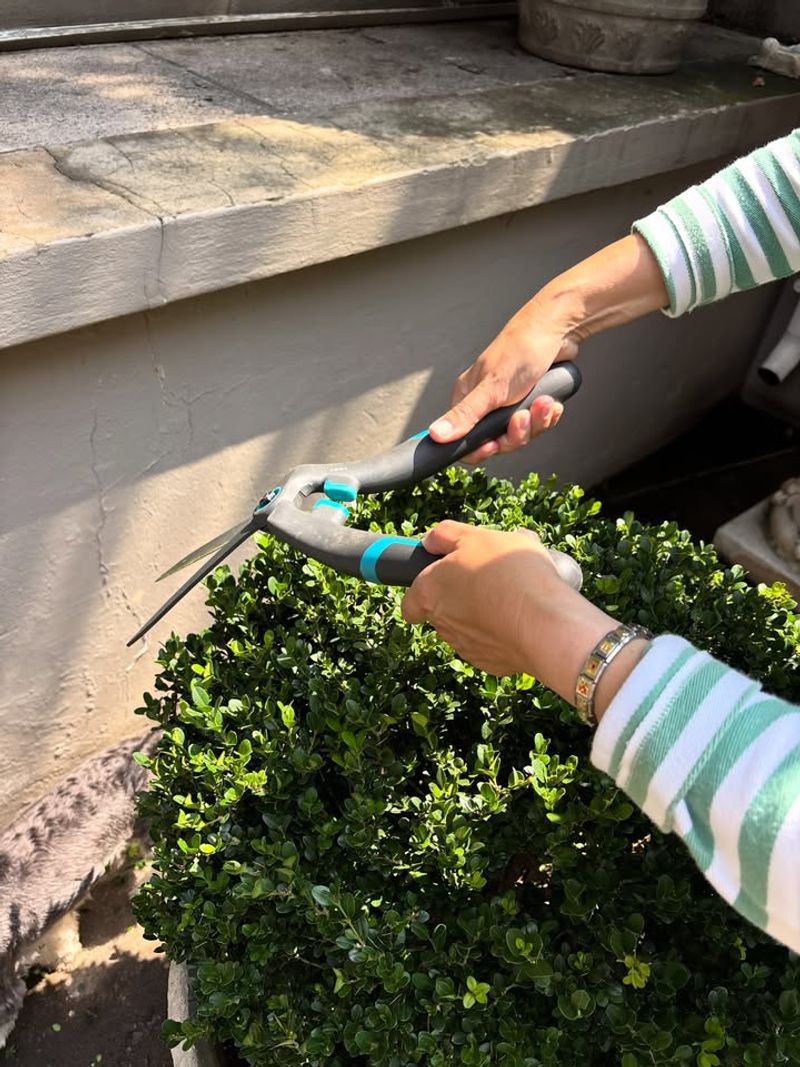
Pruning shears, loppers, and even gardening gloves can carry boxwood blight spores from one plant to the next without you realizing it.
A tool used on an infected shrub and then set down in the soil or used on a healthy plant nearby is enough to extend the disease further into your yard.
It happens fast and without any visible clue.
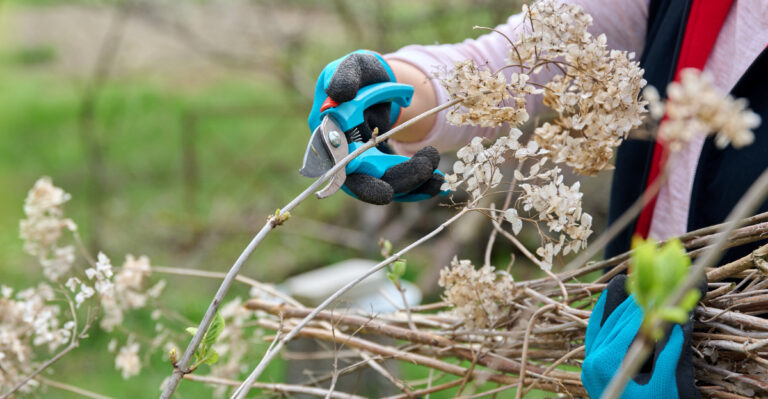
Wiping tools with a disinfectant solution between cuts is a habit worth building, especially when working around plants that have shown any signs of blight. A diluted bleach solution or a commercial disinfectant registered for horticultural use both work reasonably well.
Let tools air dry before using them again so the solution has time to do its job.
Working with wet plants is another practice to avoid. When leaves and stems are damp from rain or morning dew, spores are more mobile and more likely to transfer during handling.
Waiting until foliage has dried before pruning or inspecting plants reduces how much you inadvertently move the fungus around your Georgia garden.
Shoes and gloves deserve attention too. Walking through an area with infected fallen leaves and then moving to a healthy section of the garden can transfer spores on the soles of boots or the fabric of work gloves.
Washing gloves and brushing off footwear before moving between planting areas is a small habit that makes a noticeable difference over time.
7. Resistant Varieties And Fungicides Help Control Spread
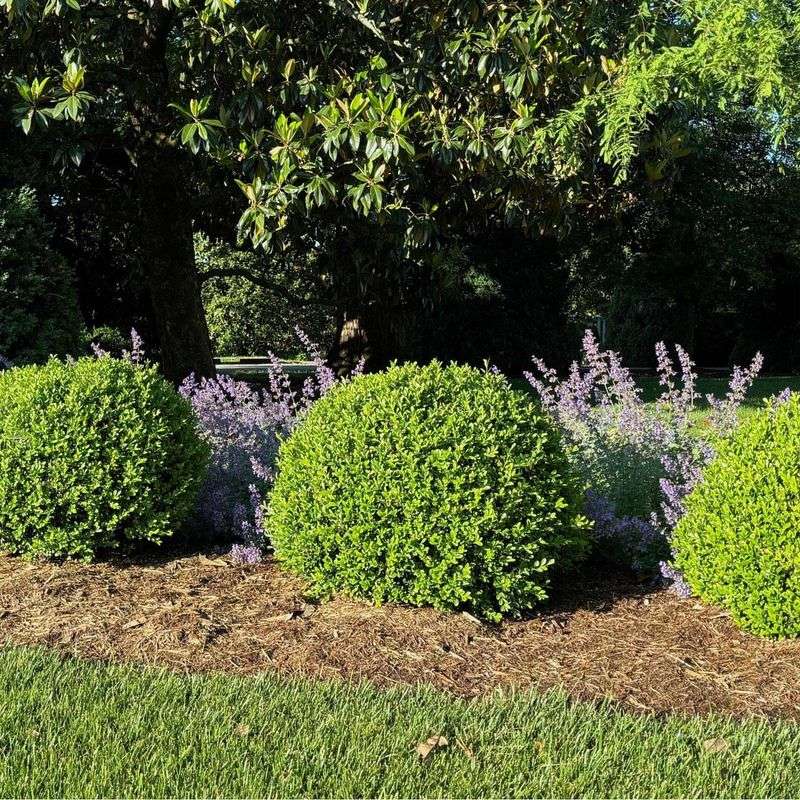
Not all boxwoods respond to blight the same way. Some varieties show noticeably more resistance than others, and choosing the right one from the start can save a lot of headaches down the road.
In Georgia, where the disease pressure is real and consistent, variety selection is worth researching before you plant.
Varieties like ‘NewGen Independence,’ ‘NewGen Freedom,’ and ‘SB 108’ (sold as Sprinter) have shown improved tolerance to boxwood blight in university trials compared to more commonly planted types like English or American boxwood.
Resistance doesn’t mean immunity, but these varieties tend to hold up better under moderate disease pressure with proper care.
Results still depend on local conditions, care practices, and how heavy the blight pressure is in your specific area.
Fungicides can play a supporting role in managing blight, particularly as a preventive measure rather than a cure. Products containing chlorothalonil, thiophanate-methyl, or tebuconazole have shown effectiveness in reducing infection when applied before disease pressure builds.
Timing applications around Georgia’s warm, wet periods in late spring and summer tends to be most practical.
Fungicides applied after heavy infection has already set in are far less effective. Using them as a protective tool during high-risk weather windows makes more sense than waiting for symptoms to appear first.