What Your Arizona Bougainvillea Needs This April For Strong Growth
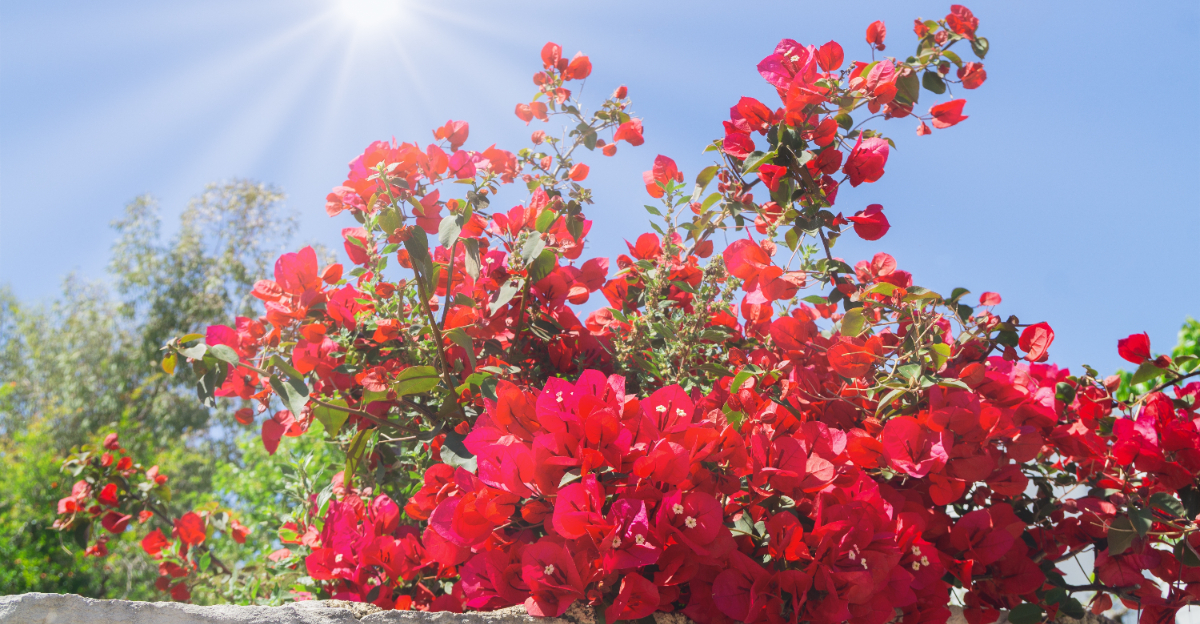
Arizona bougainvillea can shift fast in April once the weather settles into a steady warm pattern, and that is when growth either takes off or falls behind without much warning.
Vines that looked quiet not long ago can start to push new shoots, yet the way they respond depends on what they receive at this stage.
Many plants show uneven growth early on, with some areas filling out while others stay sparse, which often leads to confusion about what the plant actually needs.
It is easy to assume more water or extra feeding will fix it, but that approach does not always lead to stronger results.
The difference shows up in how the plant develops over the next few weeks. When conditions line up correctly, growth becomes fuller, color comes in stronger, and the plant begins to take on a more balanced shape without constant correction.
1. Full Sun Exposure Supports Strong Growth As Temperatures Rise
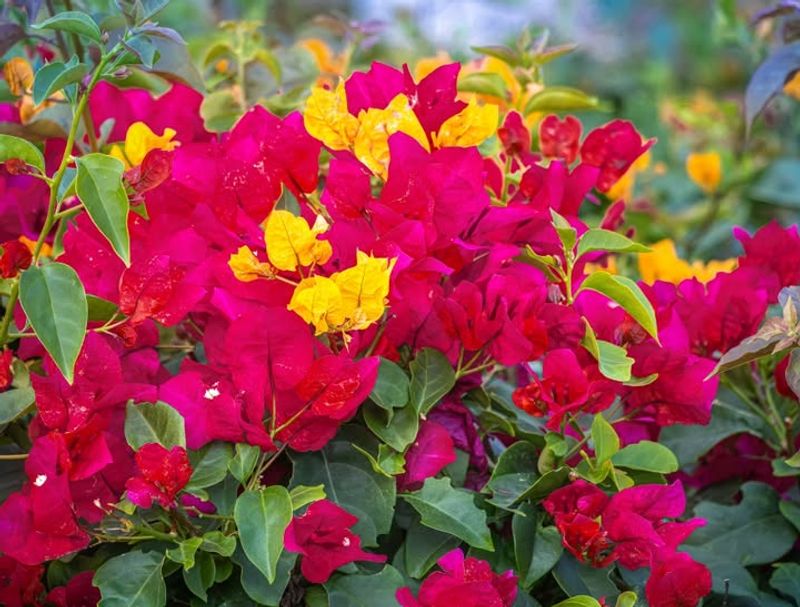
Bougainvillea planted in a shaded Arizona yard almost always underperforms compared to one sitting in open, direct sun. April is the month when sunlight hours really start stacking up across the state, and your plant will respond noticeably when it gets full exposure.
At least six hours of direct sun daily is the baseline, but more is usually better for bougainvillea.
Positioning matters more than most people realize. A south or west-facing wall in Phoenix or Tucson can act like a heat radiator, bouncing warmth back onto the plant and encouraging faster bract development.
If your bougainvillea is tucked beside a large tree or blocked by a structure, consider whether a transplant or aggressive trimming of nearby obstacles might help.
Shade from neighboring plants is one of the most common reasons bougainvillea stays green but never really blooms well. Leaf growth will continue in lower light, but the colorful bracts that make this plant worth growing need direct sun to develop properly.
Pulling back any overhanging branches or repositioning potted plants can make a noticeable difference without much effort.
2. Deep Watering Helps Roots Establish Before Intense Heat Arrives
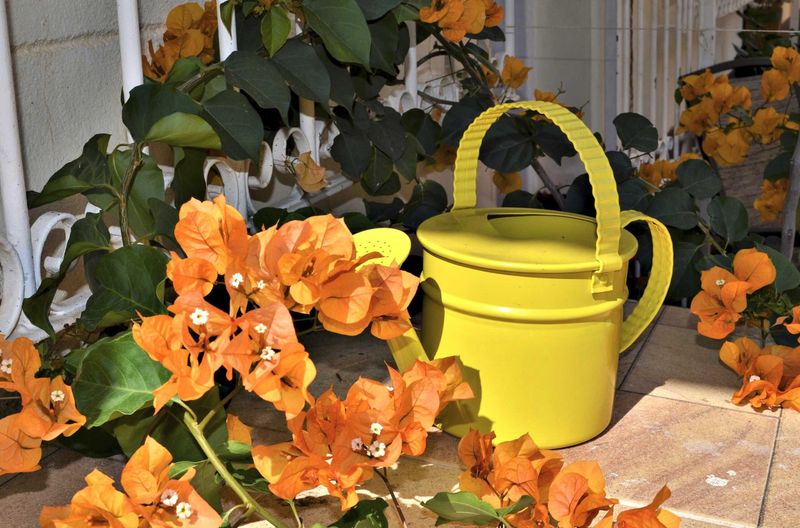
Shallow, frequent watering is probably the most common mistake Arizona gardeners make with bougainvillea in spring. Roots follow moisture, and if water only reaches the top two inches of soil, that is exactly where your roots will stay.
Come June and July, that shallow root zone dries out fast and the plant struggles.
Deep watering in April means soaking the soil slowly until moisture reaches eight to twelve inches down. A slow drip for an extended period works much better than a quick blast from a hose.
Let the soil dry out significantly between sessions. Bougainvillea actually performs better with some dry periods between waterings, and consistent overwatering tends to push leafy green growth instead of the colorful bracts most people are after.
Sandy soils common in parts of the Phoenix and Tucson areas drain quickly, which means water moves down fast but also dries out fast. Clay-heavy soils hold moisture longer but can become waterlogged if watered too often.
Your Arizona Garden Changes Every Week. Your Plan Should Too.
Gardening in Arizona changes quickly throughout the season. Every Friday you’ll receive a simple weekly plan showing exactly what to plant, prune, fertilize, harvest, and protect so you never miss the right timing.
Knowing what type of soil you are working with helps you figure out a watering schedule that makes sense for your specific yard.
A simple finger test works well enough. Push two fingers into the soil near the base of the plant.
If it feels damp past the first knuckle, hold off watering. If it feels bone dry several inches down, it is time to water thoroughly.
3. Well Drained Soil Prevents Root Stress In Desert Conditions
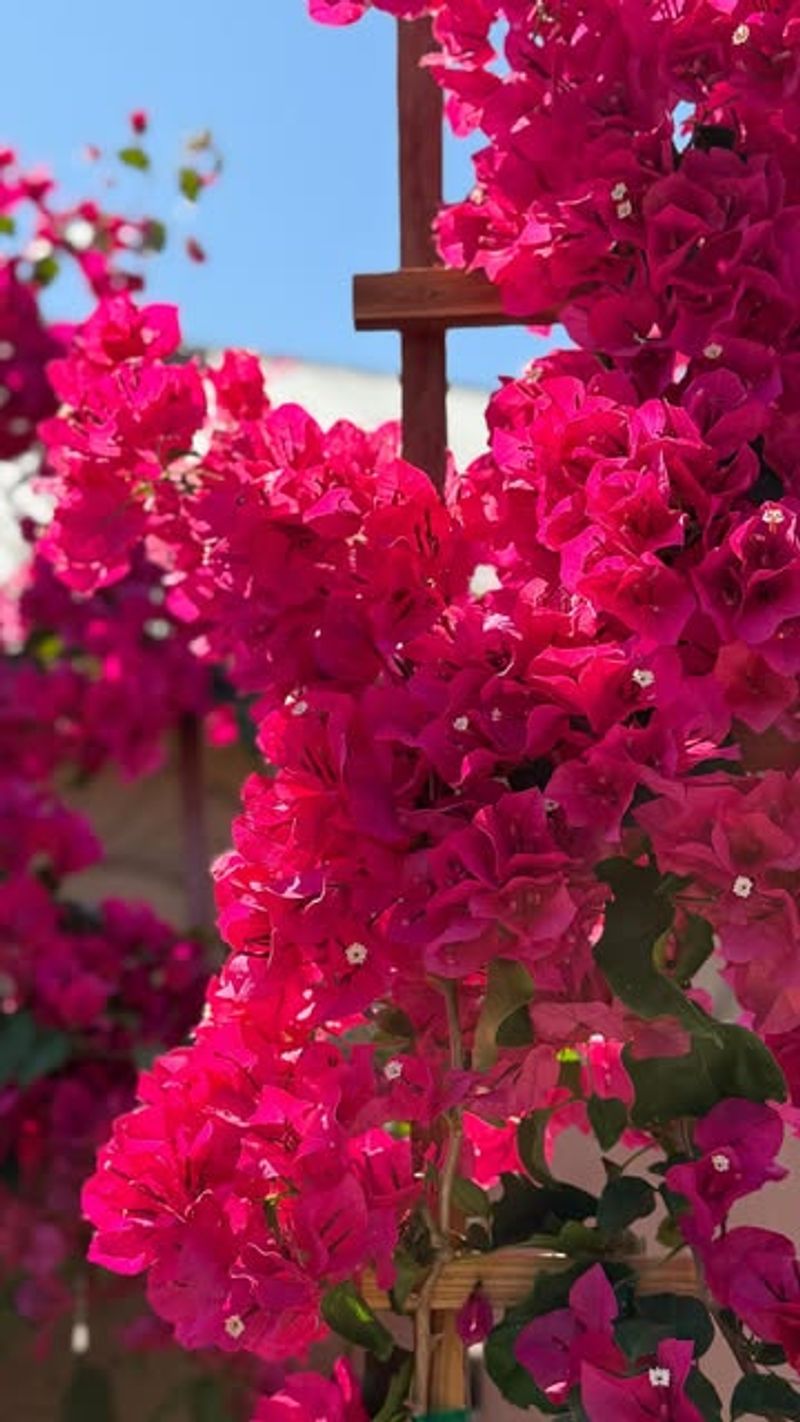
Soggy roots are a serious problem for bougainvillea, and Arizona’s soil diversity means drainage quality varies a lot from one yard to the next. Some areas around Scottsdale and Mesa have fast-draining sandy loam that bougainvillea loves.
Others have heavier caliche layers just below the surface that trap water and keep roots sitting in moisture far longer than is healthy.
Before April growth picks up speed, it is worth checking whether your planting area drains well. Dig a hole about twelve inches deep, fill it with water, and watch how quickly it disappears.
If the water is still sitting there after an hour, you likely have a drainage issue worth addressing before new roots push deeper into that zone.
Amending the soil with coarse sand, perlite, or decomposed granite can improve drainage in heavy or compacted areas. Raised planting beds are another practical option in yards where drainage is a consistent problem.
Bougainvillea roots need air as much as they need water, and compacted or waterlogged soil restricts both.
Container growers should check that drainage holes are fully clear and not blocked by roots or debris. A mix of potting soil, perlite, and a small amount of coarse sand works well in pots across Arizona.
Replacing old, compacted container soil every couple of years also helps.
4. Light Feeding Encourages New Growth Without Overstimulating Plants
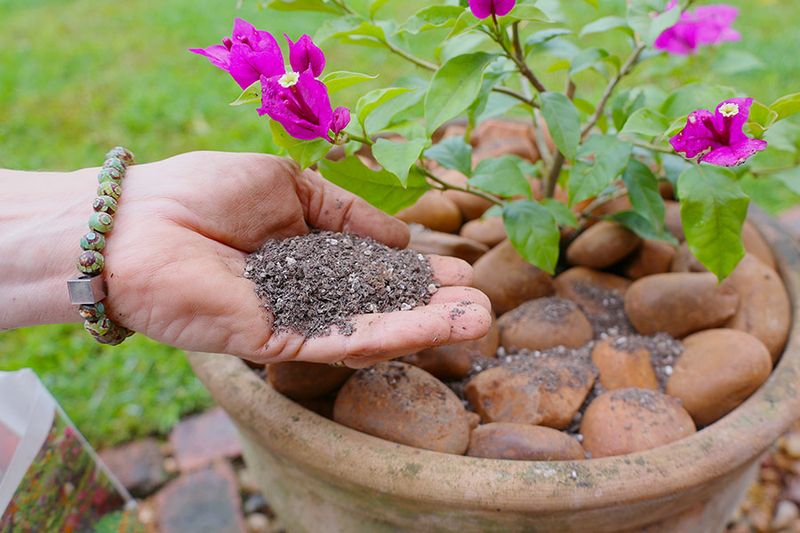
Grab a bag of high-nitrogen fertilizer and your bougainvillea will reward you with a flush of deep green leaves and almost no color. Nitrogen pushes vegetative growth hard, which sounds good in theory but works against what most people want from this plant.
April feeding should focus on phosphorus-forward formulas that support root development and flowering.
A 5-10-10 or similar low-nitrogen blend applied lightly as new growth emerges in early April gives the plant something to work with without pushing it into overdrive.
Bougainvillea responds well to consistent, moderate feeding rather than heavy doses applied all at once.
Too much fertilizer at once can stress roots and sometimes triggers excessive leafy growth that shades out developing bracts.
Slow-release granular fertilizers work particularly well for Arizona gardeners who do not want to think about feeding every two weeks. Scatter the granules around the drip line of the plant, water them in gently, and let the formula do its job gradually.
Liquid fertilizers are effective too but require more frequent application to stay consistent through spring.
Bougainvillea growing in containers tends to need slightly more frequent feeding than those planted in the ground, simply because nutrients leach out of pots faster with regular watering.
Starting with a half-strength application in early April and gradually increasing is a safer approach than going full strength immediately.
5. Pruning Before Active Growth Keeps Shape Controlled And Balanced
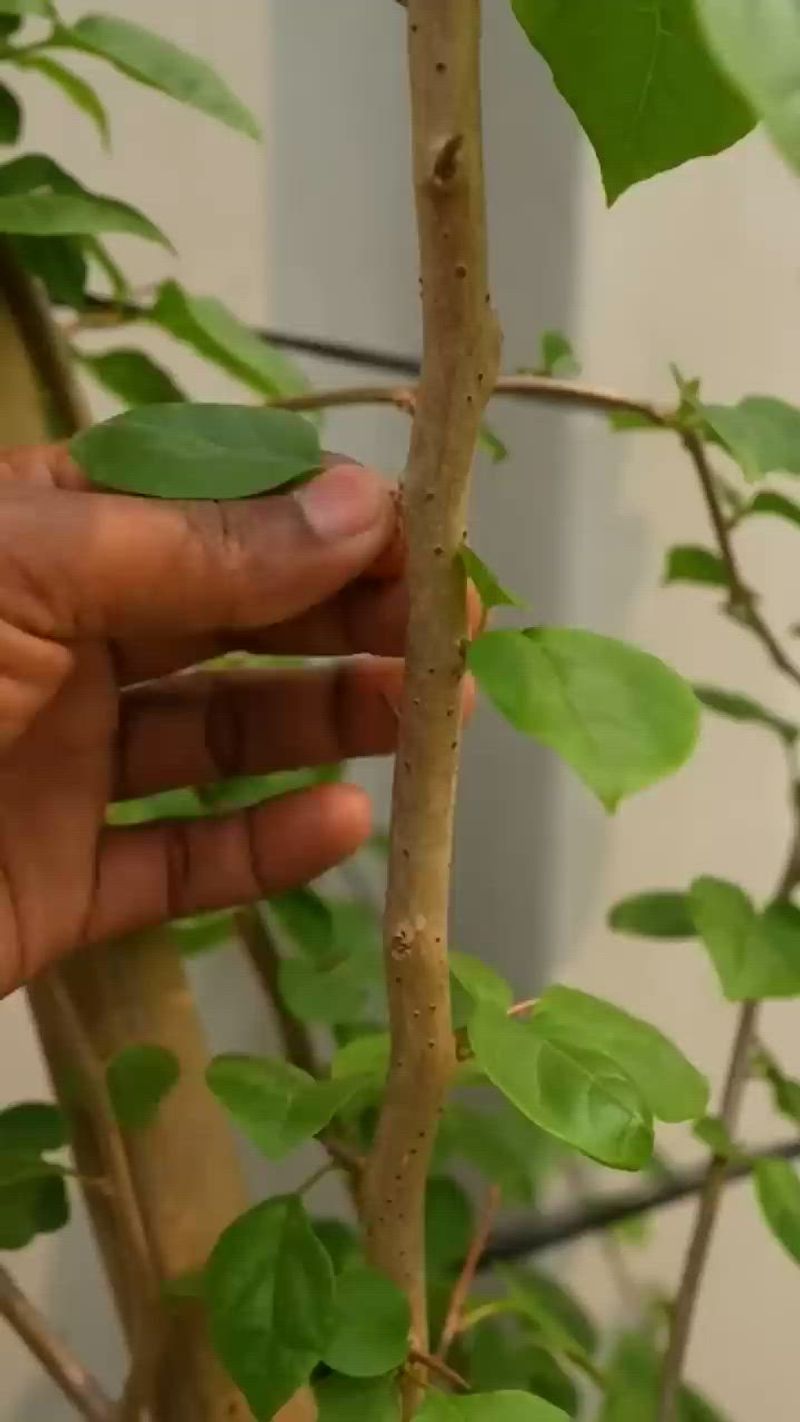
Bougainvillea left unpruned for a season or two in Arizona can turn into a sprawling, tangled mass that is harder to manage with every passing month.
Early April, before strong active growth begins, is a solid window to clean things up without interrupting the plants momentum.
Pruning now means the new growth that follows will be directed and manageable rather than chaotic.
Focus first on removing any branches that look woody, crossing, or pointing in directions you do not want the plant to grow. Damaged stems from winter should come off cleanly.
Bougainvillea has thorns, so thick gloves are not optional. Long sleeves are also a smart call before you reach into the center of the plant.
Cutting back longer canes by about one-third encourages branching, which directly translates to more flowering tips.
Each cut end has the potential to push out two or three new shoots, so thoughtful pruning actually increases the number of bloom sites rather than reducing them.
Avoid cutting everything back severely all at once, as that can set the plant back significantly heading into the warm season.
Tucson and Phoenix gardeners dealing with bougainvillea trained along fences or over arbors should check tie points while pruning.
6. Protecting New Growth From Late Cold Nights Prevents Damage
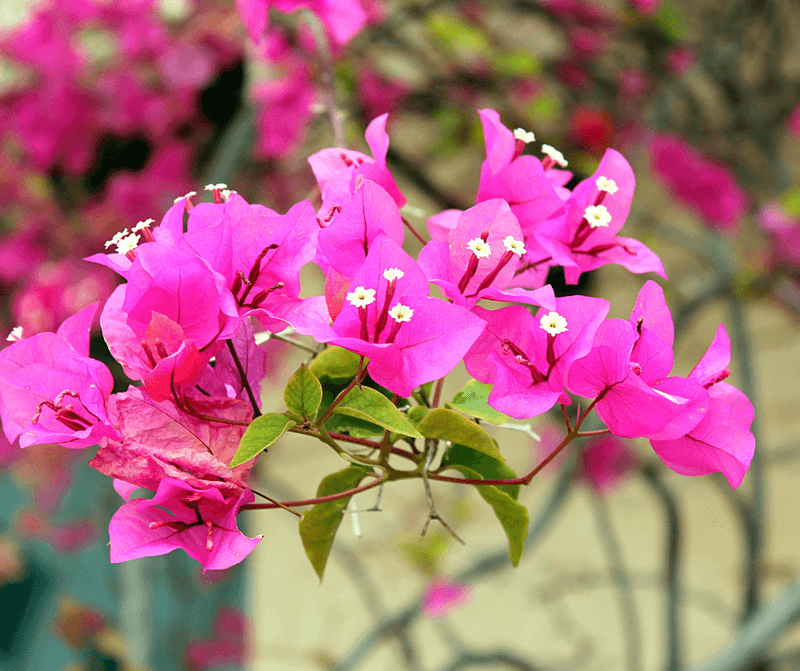
April in Arizona feels warm most days, but nighttime temperatures can still drop unexpectedly, especially in higher elevation areas like Flagstaff, Prescott, and parts of the White Mountains.
Even in the Phoenix valley, a late cold snap in early April is not unheard of, and tender new growth is far more vulnerable to cold than established woody stems.
Watch the forecast during the first two weeks of April in particular. If temperatures are heading below 40 degrees Fahrenheit overnight, covering new growth with a lightweight frost cloth or breathable fabric is a reasonable precaution.
Plastic sheeting works in a pinch but should be removed early in the morning before the sun heats it up and creates a heat trap against the plant.
Container bougainvillea has a clear advantage here. Moving a potted plant to a covered patio, garage, or against a warm south-facing wall on cold nights is far simpler than trying to cover a large in-ground plant.
Even a few nights of protection during a late cold spell can prevent setbacks that would otherwise slow your plant down for several weeks.
New leaves and emerging bracts are the most susceptible parts. If you notice wilting, darkening, or a mushy texture on new growth after a cold night, remove the affected material cleanly rather than leaving it on the plant.
7. Checking For Early Pest Activity Helps Maintain Healthy Growth
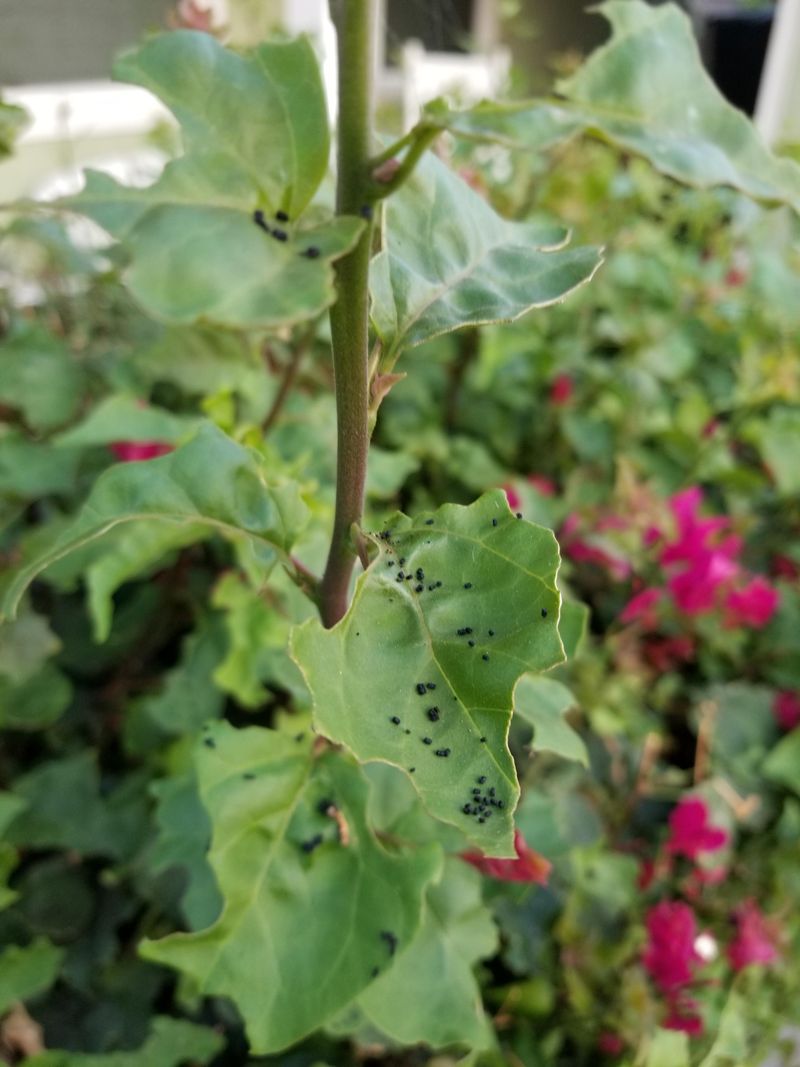
Pest populations in Arizona tend to build quietly in early spring before most gardeners start paying close attention.
Aphids, mealybugs, and spider mites are the three most common problems on bougainvillea, and catching any of them in April while numbers are still low is significantly easier than dealing with a full infestation in June.
Aphids cluster on new growth and tender shoot tips, so check those areas first when you are out in the yard. A strong spray of water from a hose knocks them off effectively and does not require any chemical products for light infestations.
Mealybugs look like small cotton tufts and tend to hide in branch joints and leaf axils where they are easy to miss on a quick glance.
Spider mites are harder to spot with the naked eye but leave behind a telltale fine webbing on leaf undersides, especially during warm, dry stretches. In Arizona, dry spring conditions can accelerate spider mite activity faster than in more humid climates.
Increasing humidity around the plant slightly by misting in the morning can discourage them, though good airflow around the plant matters too.
Keeping the area around your bougainvillea tidy also helps. Fallen leaves and debris near the base of the plant create shelter for pests and fungal spores.