The Welcome Plant That Handles Arizona Heat (And Looks Good In Pots All Year)
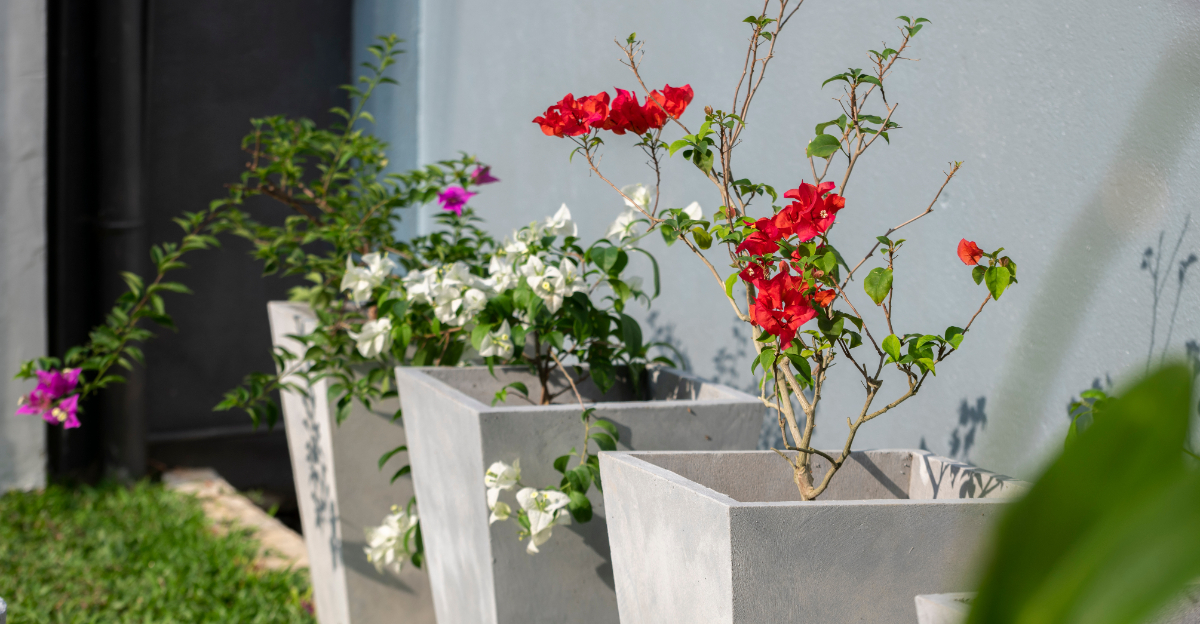
Arizona heat can wear down most potted plants faster than expected, especially once the sun settles in day after day without relief. Leaves fade, growth slows, and containers that looked full at first can start to look tired before the season really gets going.
Still, there are plants that hold up through that pressure without losing their shape or color. One in particular stands out for how well it handles both intense sun and long stretches of dry conditions, all while staying consistent in a container.
That kind of reliability makes a big difference for patios, entryways, and any spot where pots need to look good without constant replacement. When the right plant goes in, the look stays steady and the effort drops off in a way that is easy to notice.
It becomes clear why this choice keeps showing up in Arizona setups year after year.
1. Bougainvillea Thrives In Extreme Heat And Bright Sun Conditions
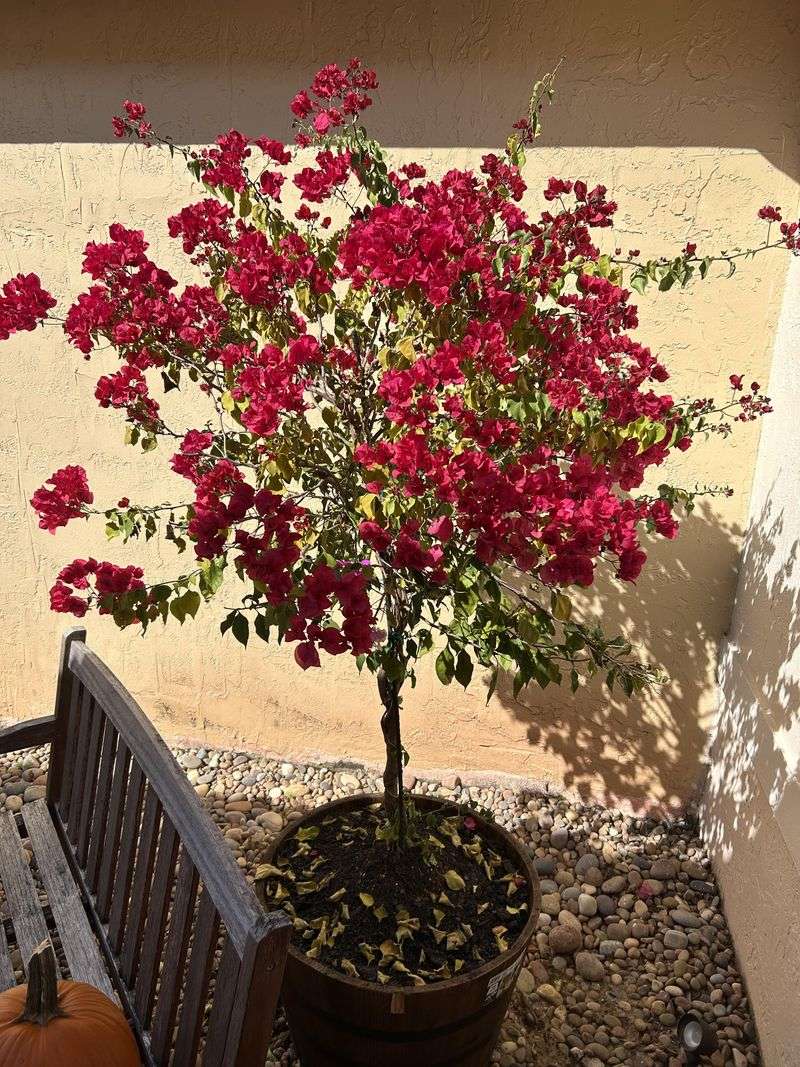
Bougainvillea was practically built for places like Arizona. When summer temperatures climb past 110 degrees in Phoenix or Tucson, most flowering plants tap out.
Bougainvillea leans in harder, pushing out more of those papery bracts in shades of magenta, coral, red, and deep orange.
The plant’s natural habitat is tropical South America, where heat and sun are constants. Arizona’s desert conditions are surprisingly close to what bougainvillea prefers.
Dry air, intense sunlight, and warm nights all work in its favor rather than against it.
In a container, bougainvillea stays more compact than it would planted directly in the ground, but it still produces a serious amount of color. A pot positioned on a south or west-facing porch in Arizona gets the kind of exposure this plant genuinely wants.
Shade is actually the enemy here. Bougainvillea sitting in partial shade will grow leggy and produce far fewer bracts.
Full sun for at least six to eight hours daily is what keeps it blooming consistently through the hottest months.
One thing worth knowing: the colorful parts people call flowers are technically bracts, which are modified leaves. The actual flowers are tiny white tubes tucked inside.
It’s the bracts that carry all that visual punch and they hold their color longer in dry heat than in humid climates.
2. Full Sun Exposure Keeps Growth Strong And Blooming Consistently
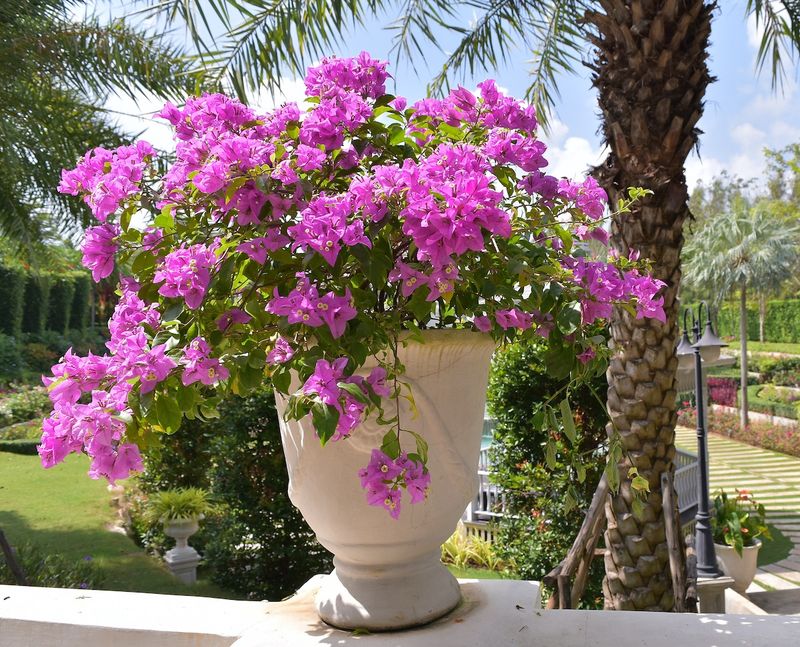
Placement is everything with bougainvillea, and Arizona gardeners have a real advantage here. Most of the state gets over 300 days of sunshine per year, which means the plant rarely has to struggle for the light it needs to perform.
South-facing and west-facing spots are usually the strongest choices for container placement.
These positions capture the longest arc of sunlight through the day, which is exactly what bougainvillea needs to stay in active bloom rather than just maintaining green growth.
Moving a pot to chase better light is one of the real benefits of container gardening. If you notice your bougainvillea producing mostly leaves with fewer bracts, that’s often a sign it needs more direct sun.
Your Arizona Garden Changes Every Week. Your Plan Should Too.
Gardening in Arizona changes quickly throughout the season. Every Friday you’ll receive a simple weekly plan showing exactly what to plant, prune, fertilize, harvest, and protect so you never miss the right timing.
Shifting the pot by even a few feet can make a noticeable difference within a few weeks.
Reflected heat from stucco walls, concrete patios, and light-colored pavers actually helps rather than hurts. Arizona homes often have south-facing walls that radiate warmth even after the sun goes down, and bougainvillea responds well to that extra ambient heat during summer evenings.
Containers placed on elevated surfaces like deck railings or raised platforms tend to get slightly better air circulation, which reduces the risk of fungal issues during Arizona’s brief monsoon season in July and August.
3. Deep Watering Encourages Strong Roots In Dry Desert Soil
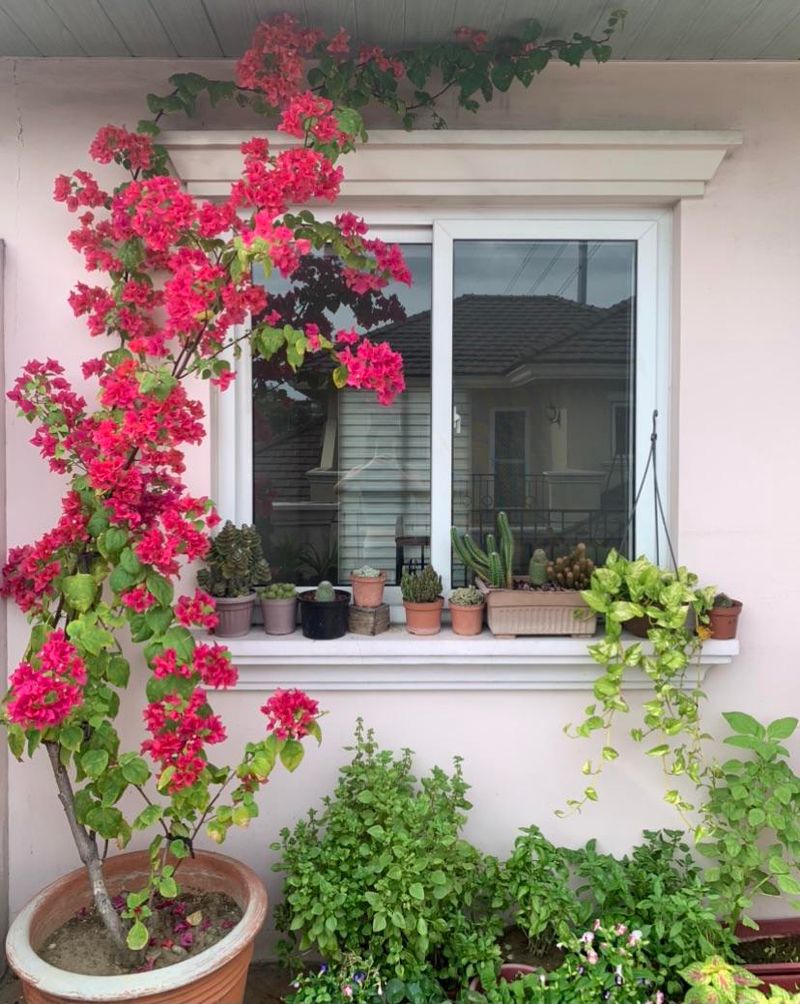
Watering bougainvillea in Arizona containers takes a bit of adjustment if you’re used to caring for other flowering plants. More water doesn’t mean more blooms with this one.
Actually, the opposite tends to be true.
Deep, infrequent watering is the approach that works best. Soaking the soil thoroughly and then letting it dry out almost completely before watering again pushes the roots to grow deeper and stronger.
Shallow, frequent watering keeps roots near the surface where they’re more vulnerable to Arizona’s intense surface heat.
During the hottest weeks of summer, containers can dry out faster than expected. Checking the soil every few days by pressing a finger two inches into the mix gives you a more accurate read than just looking at the surface.
If it still feels damp at that depth, hold off.
Bougainvillea actually tends to bloom more aggressively when it experiences mild water stress between waterings. That slight dry period triggers a blooming response that many Arizona gardeners notice once they ease back on irrigation frequency.
Clay or ceramic pots hold moisture longer than plastic, which can be helpful during the driest spring months.
In July and August when monsoon humidity arrives in southern Arizona, clay pots help prevent waterlogging by allowing some evaporation through the walls.
4. Well Drained Soil Prevents Root Issues In Containers
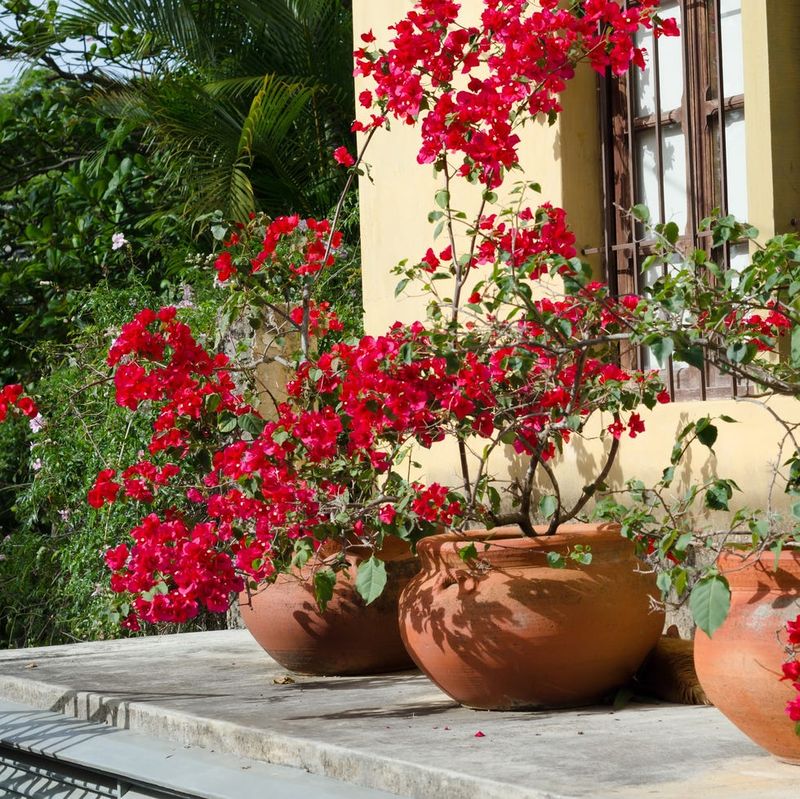
Soggy roots and bougainvillea don’t get along. In Arizona container gardening, the potting mix you choose matters just as much as how often you water.
Standard all-purpose potting soil tends to hold too much moisture for this plant, especially during monsoon season when humidity spikes briefly.
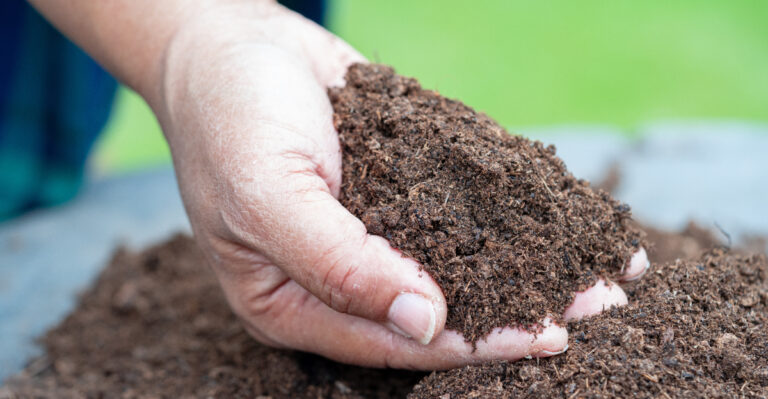
A cactus and succulent mix blended with a small amount of perlite creates a faster-draining environment that bougainvillea handles well.
Some Arizona gardeners mix in coarse sand to improve drainage further, particularly for pots that sit in areas with limited airflow underneath.
Drainage holes are non-negotiable. A pot without them traps water at the bottom, and bougainvillea roots sitting in standing water will show stress signs within a week or two.
Multiple drainage holes are better than a single one, especially in larger containers.
Elevating pots slightly off the ground using pot feet or small risers helps water drain completely rather than pooling under the container. This simple step also prevents the drainage holes from getting blocked by debris over time.
Repotting is something to consider every two to three years. Bougainvillea roots can become quite dense inside a container, and compacted roots reduce drainage efficiency even in a good soil mix.
Gently loosening the root ball when repotting and refreshing the mix helps restore drainage and gives the plant fresh nutrients to work with.
In Arizona’s alkaline soil environment, using a slightly acidic potting mix can also improve nutrient uptake, which supports healthier root development and more consistent bract production throughout the growing season.
5. Light Feeding Supports Continuous Flower Production
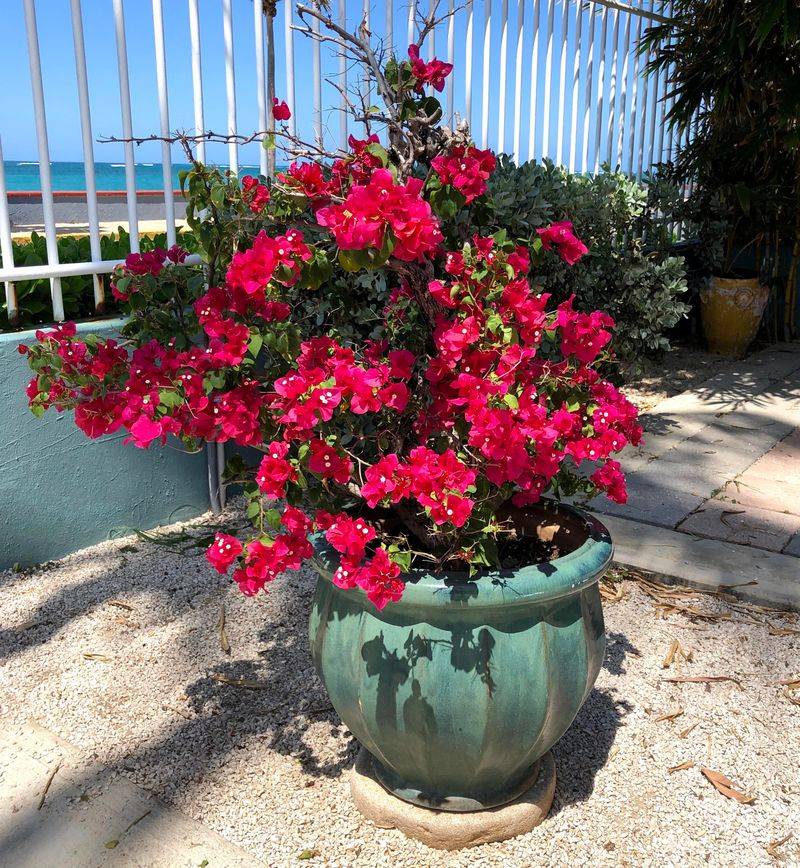
Fertilizing bougainvillea is one area where restraint pays off more than generosity. Heavy feeding, especially with high-nitrogen fertilizers, pushes the plant toward lush green leaf growth at the expense of those colorful bracts people actually want to see.
A fertilizer with a lower nitrogen number and higher phosphorus and potassium levels works better for encouraging bloom production.
Look for formulas labeled for flowering plants or specifically for bougainvillea, and follow the label directions closely rather than doubling up for faster results.
In Arizona, the active growing season runs roughly from March through October, with the most vigorous growth happening between April and September.
Feeding every four to six weeks during this window is generally enough to support steady bract production without pushing excessive vegetative growth.
Slow-release granular fertilizers are a practical choice for container-grown plants because they reduce the risk of fertilizer burn and require less frequent application.
Scratching a small amount into the top inch of soil at the start of spring gets things moving without overwhelming the plant.
Liquid fertilizers work faster and give you more control over timing, which can be useful if you notice the plant looking a bit pale or sluggish mid-season. Diluting to half the recommended strength is a reasonable starting point for bougainvillea in containers.
6. Pruning Helps Maintain Shape And Encourages New Growth
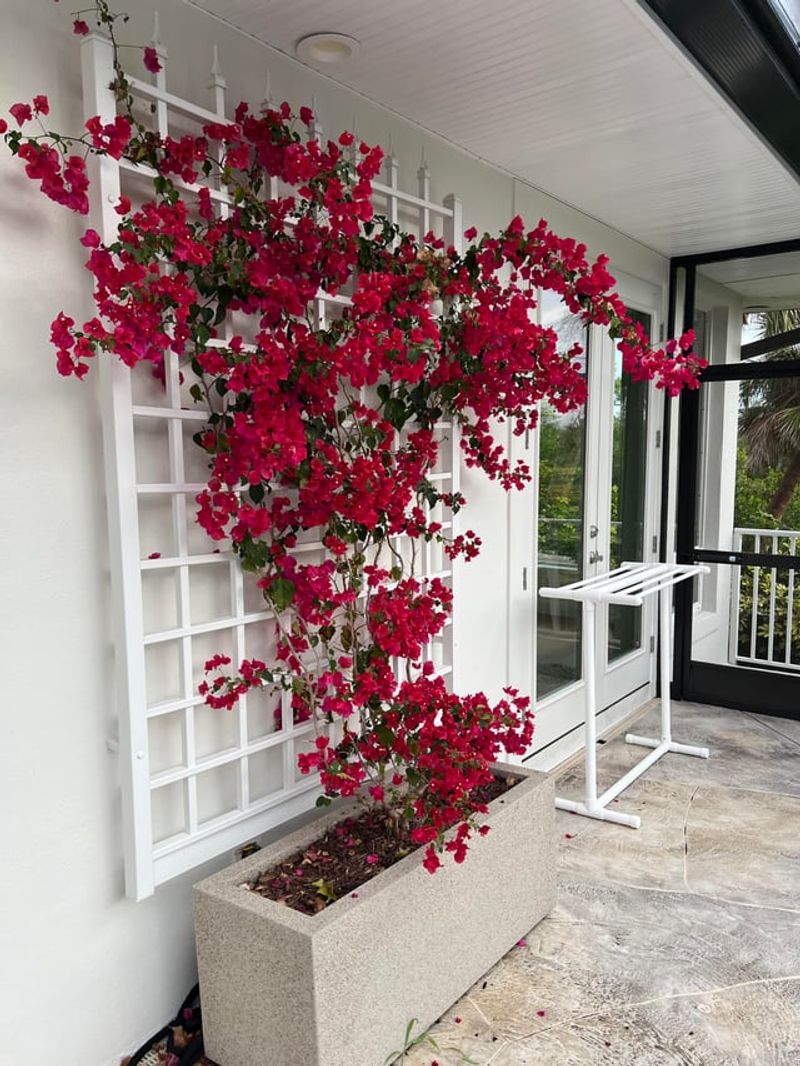
Left completely unchecked, bougainvillea in a container can get surprisingly unruly. Pruning isn’t just about keeping the plant looking tidy.
It’s one of the most reliable ways to trigger fresh bract production and keep the overall shape manageable for a patio or entryway setting.
Timing matters quite a bit in Arizona. The best window for a significant pruning is late winter, usually February, just before the main spring growth flush begins.
Cutting back long, woody stems at that point redirects the plant’s energy into producing new growth covered in colorful bracts rather than extending old wood.
Lighter shaping cuts can happen after each bloom cycle throughout the growing season. Snipping back spent stems by about a third encourages the plant to push out new lateral growth, which is where the next round of bracts will appear.
Thick gloves are a practical necessity. Bougainvillea stems have sharp thorns that are easy to underestimate, especially on older, woodier growth.
Long sleeves are worth wearing too if you’re doing a more substantial pruning session.
Avoid heavy pruning in the middle of summer heat. Cutting back large amounts of growth when temperatures are above 105 degrees can stress the plant more than it needs.
Stick to light shaping during peak heat and save harder cuts for cooler seasons.
In container growing, regular pruning also prevents the plant from becoming too top-heavy, which can tip pots over in Arizona’s strong monsoon winds during July and August. Keeping the growth balanced and compact reduces that risk considerably.
7. Protection From Cold Nights Helps Prevent Seasonal Stress
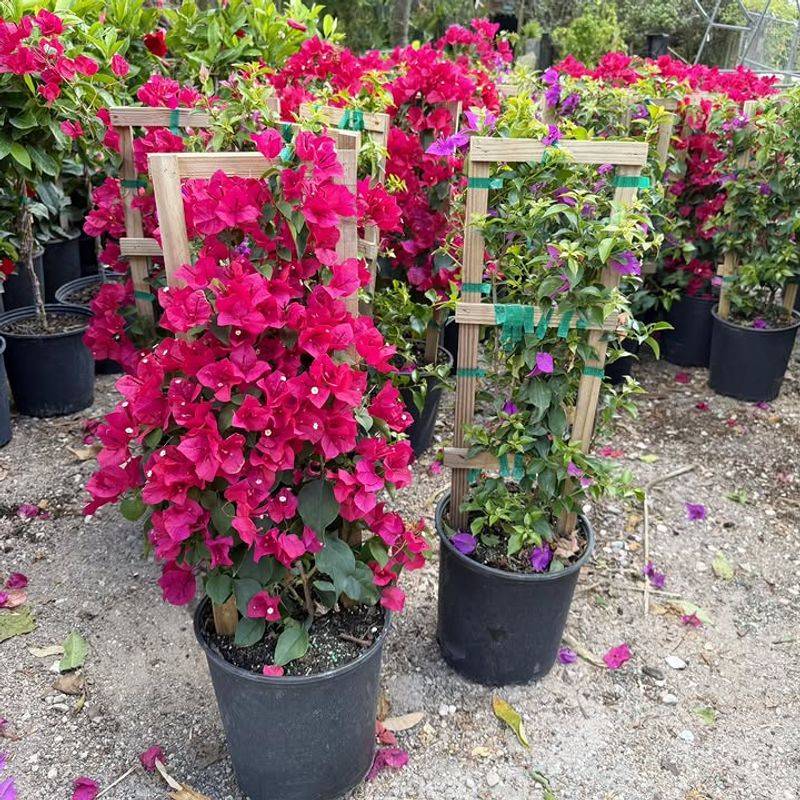
Arizona’s reputation as a year-round warm state can be misleading when it comes to overnight temperatures. In the Phoenix metro area, nights from December through February regularly dip into the low 40s and occasionally into the 30s.
Flagstaff and higher-elevation communities can see hard freezes that last for days.
Bougainvillea can handle brief cool spells, but sustained temperatures below 32 degrees Fahrenheit will damage tender new growth and can cause leaf drop. A hard freeze lasting more than a few hours poses a more serious risk to the plant’s overall health.
One of the clearest advantages of growing bougainvillea in containers is the ability to move it. When cold nights are in the forecast, rolling or carrying the pot into a garage, covered patio, or indoors near a bright window protects it without much effort.
Even a covered porch provides meaningful frost protection compared to an open yard.
Frost cloth draped loosely over the plant on cold nights is another option when moving the pot isn’t practical. It traps radiant heat from the soil and slows temperature drops around the foliage.
Remove the cloth during the day so the plant still gets adequate sunlight.
After a cold snap, give the plant a few weeks before assessing any damage. Brown or wilted growth doesn’t always mean the whole plant is struggling.
New growth often emerges from lower stems once temperatures stabilize and warmer days return in late February or March.