7 Easy Ways To Get Fishbone Cactus To Bloom In Arizona Homes
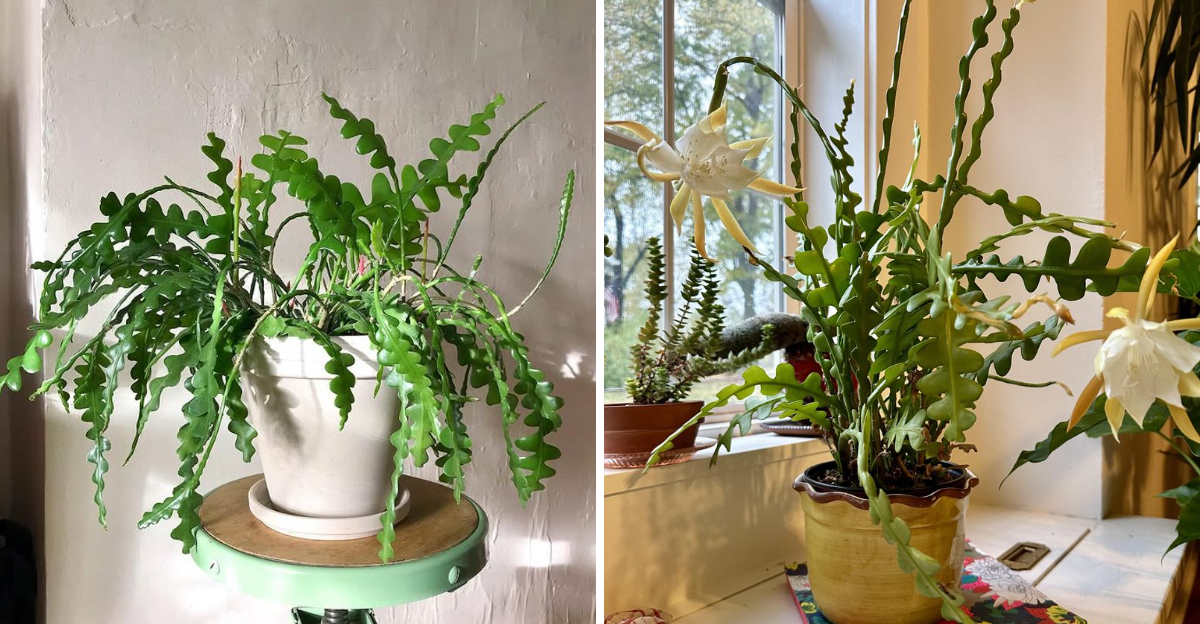
Fishbone cactus can sit in an Arizona home looking full and healthy, yet refuse to produce a single bloom no matter how long it has been there.
The plant grows, the shape looks right, and everything seems in place, which makes the lack of flowers even more frustrating.
Many assume it just needs more time, but blooming depends on a few specific conditions that are easy to miss indoors. Light, timing, and small care adjustments all play a role, and when one piece is off, the plant holds back.
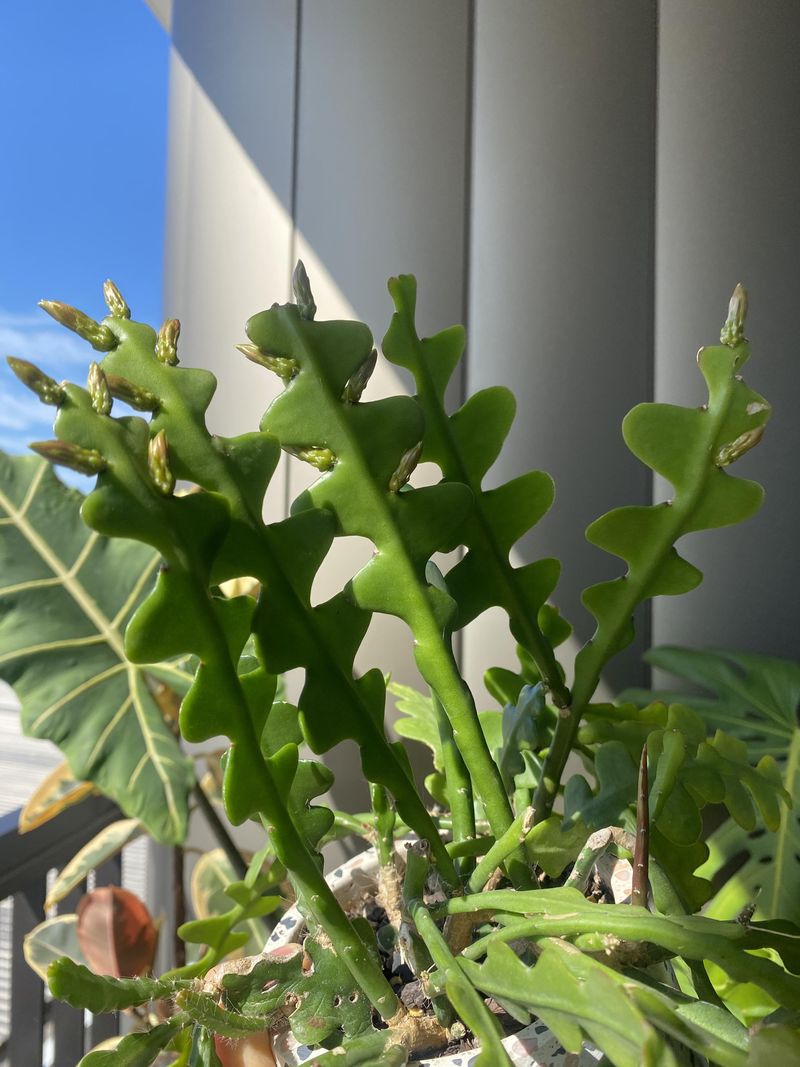
Once those details fall into place, the change can be surprising. Buds begin to form, and the plant shifts from simple greenery to something far more eye catching without needing constant attention.
Knowing what triggers that response makes all the difference for anyone trying to get real blooms instead of just steady growth.
1. Fishbone Cactus Needs Bright Indirect Light To Support Flowering
Light placement makes or breaks your chances of seeing blooms on a Fishbone Cactus. In Arizona, where the sun hits hard from mid-morning onward, putting this plant directly in a south or west window usually does more harm than good.
East-facing windows are your best bet because the morning light is softer and much easier for the plant to handle.
Watch the stems closely after you find a spot. Pale, thin, or stretched-out growth usually signals the plant is not getting enough light.
On the flip side, stems turning reddish or yellowish often mean too much direct exposure, which is easy to do in Arizona homes during summer.
Sheer curtains work well if you only have south or west-facing windows available. Positioning the plant three to five feet back from the glass also helps reduce intensity without cutting out too much brightness.
Bright, filtered light throughout the day tends to support stronger stem growth, which is what the plant needs before it can put energy toward bud production.
Consistency matters more than perfection here. A spot that gets steady, indirect brightness most of the day will outperform a location with occasional bursts of harsh sun.
Once you find a good position in your Arizona home, stick with it. Fishbone Cacti respond well to stable light conditions, and frequent moves between spots can slow down the progress toward flowering significantly.
2. Stable Indoor Temperatures Help Encourage Bud Formation
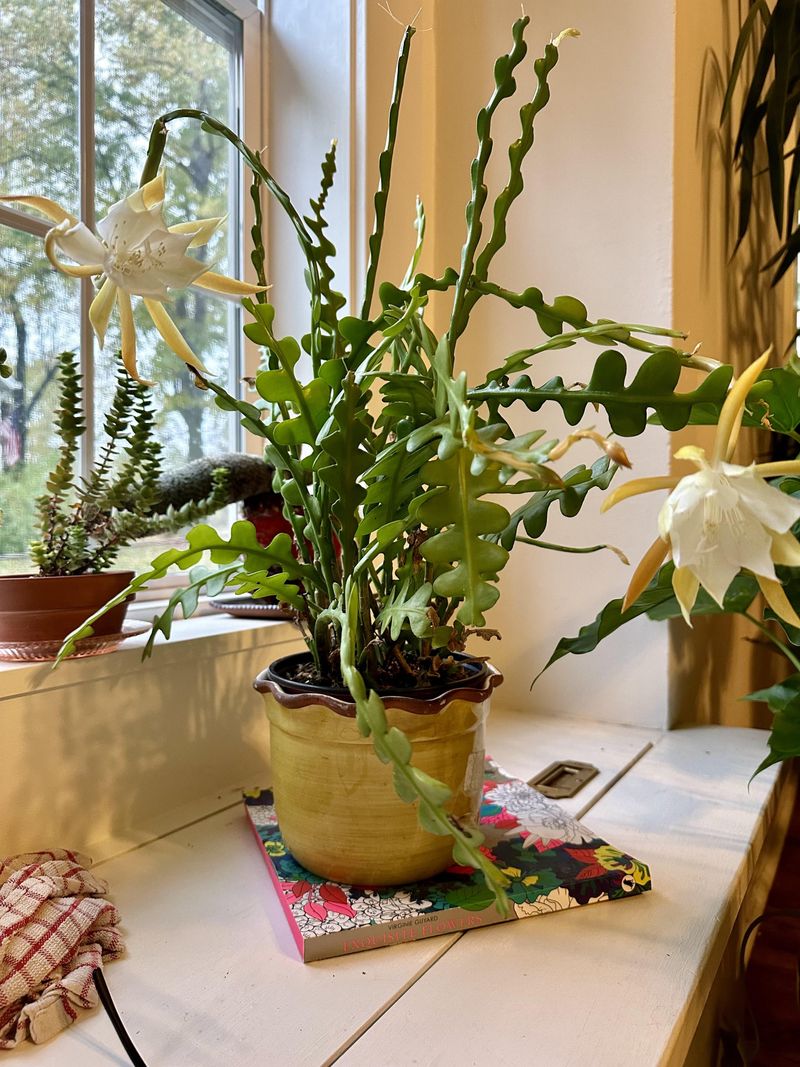
Temperature swings are something Fishbone Cacti notice more than most people expect. In Arizona homes, air conditioning runs hard through summer and heating kicks in during winter nights, which can create conditions that confuse the plant’s internal rhythm.
Keeping temperatures reasonably stable helps the plant stay on track toward blooming.
Bud formation in Fishbone Cactus is often triggered by a cooler rest period during fall and into early winter. Temperatures somewhere between 50 and 60 degrees Fahrenheit during this window can help signal the plant that it is time to prepare for flowering.
Placing the cactus in a room that naturally stays a bit cooler at night, without being drafty, works well in most Arizona homes.
Your Arizona Garden Changes Every Week. Your Plan Should Too.
Gardening in Arizona changes quickly throughout the season. Every Friday you’ll receive a simple weekly plan showing exactly what to plant, prune, fertilize, harvest, and protect so you never miss the right timing.
Avoid positioning the plant near heating vents, air conditioning units, or exterior doors that open frequently. Those spots create irregular temperature patterns that can interrupt bud development before it even gets started.
A slightly cooler bedroom or a hallway away from direct airflow tends to be more stable.
During spring when active growth picks back up, warmer indoor temperatures are fine and actually support healthy stem development. The key is managing that cooler fall-to-winter period intentionally rather than leaving it to chance.
Arizona’s mild winters can actually work in your favor here, since indoor temperatures often drop naturally to that ideal range without much effort on your part.
3. Allowing Soil To Dry Slightly Between Watering Prevents Stress
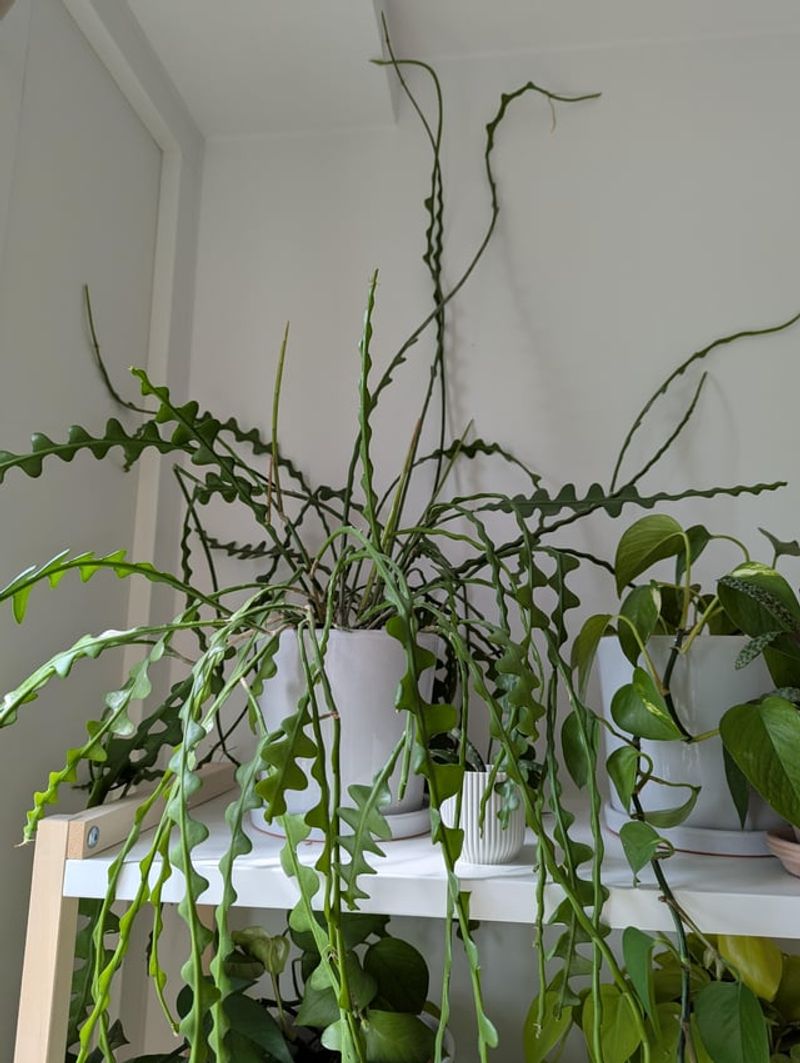
Watering habits are one of the most common reasons a Fishbone Cactus fails to bloom. Soggy roots create stress that pulls the plant’s energy away from flower production entirely.
In Arizona’s dry air, it can feel tempting to water more often, but the soil actually needs a chance to partially dry out between sessions.
A reliable method is to press your finger about two inches into the soil. If it still feels damp, wait another day or two before watering.
When the top layer feels dry and slightly crumbly, that is usually the right time to water thoroughly until it drains out the bottom of the pot. Letting water sit in the saucer underneath is something worth avoiding.
During Arizona’s hot summer months, you might find yourself watering every five to seven days. In cooler months, that interval stretches out noticeably, sometimes to every ten days or longer.
Adjusting your schedule based on the season rather than following a fixed calendar keeps the roots in better shape overall.
Overwatering is harder to spot than underwatering because the damage happens underground first. Yellowing stems or a soft, mushy feel at the base are signs that roots may be struggling.
Cutting back on water and improving drainage usually helps the plant recover, but prevention is far easier than correction. Getting the watering rhythm right is one of the most practical steps toward encouraging blooms in an Arizona home.
4. Using Well Drained Soil Keeps Roots Healthy And Active
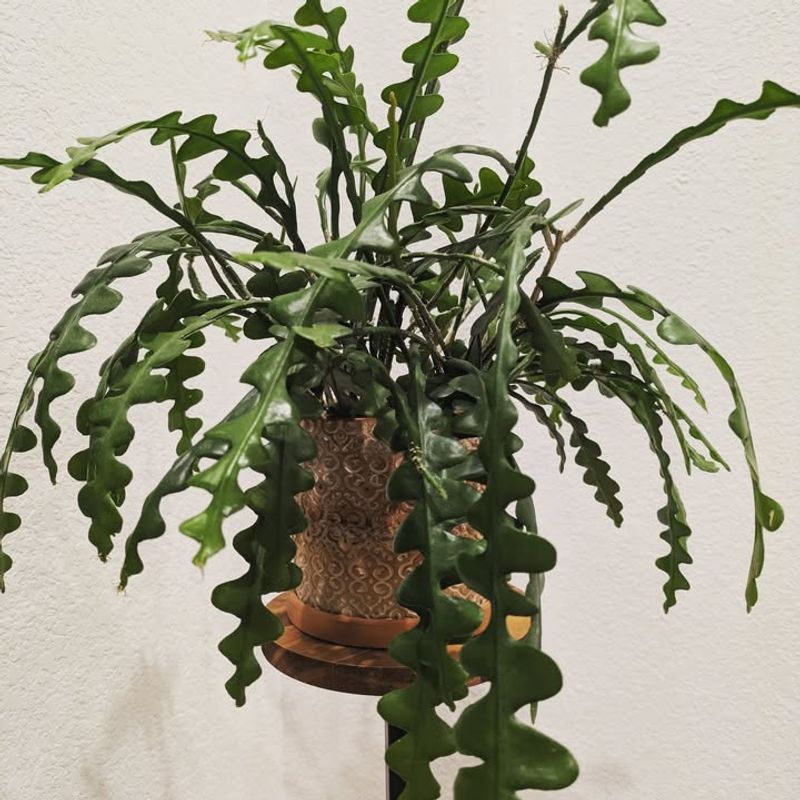
Soil choice has a direct effect on root health, and healthy roots are what give a Fishbone Cactus the foundation it needs to eventually produce flowers.
Standard potting mix holds too much moisture for this plant, especially in Arizona where humidity is already low and watering schedules can vary.
A mix designed to drain quickly is a much better starting point.
Combining cactus or succulent soil with added perlite or pumice works well for most growers. A ratio of roughly two parts cactus mix to one part perlite gives roots access to both moisture and airflow.
Pumice can be used in place of perlite and tends to hold its structure a bit longer without breaking down in the pot.
Root rot is a real risk when drainage is poor, and it tends to develop quietly before you notice anything wrong above the soil line. Choosing a pot with at least one drainage hole is just as important as the soil mix itself.
Terracotta pots are worth considering because they allow moisture to evaporate through the walls, which suits Arizona’s dry indoor conditions well.
Repotting every two to three years also helps refresh the growing medium before it becomes compacted and water-resistant. When roots start poking out of the drainage holes or circling the bottom of the pot, that is a reasonable sign it is time for a size up.
Fresh, well-draining soil gives the plant a better shot at channeling energy toward blooms when the right season arrives.
5. Light Feeding Supports Bud Development During Active Growth
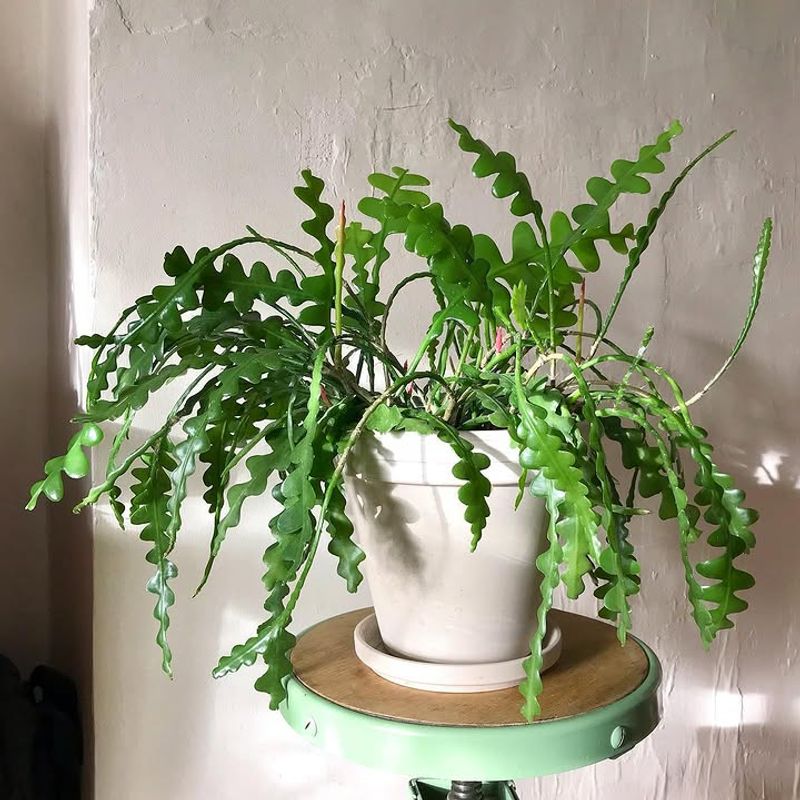
Fertilizing a Fishbone Cactus is not about pushing aggressive growth. It is more about giving the plant a steady, modest supply of nutrients during the months when it is actively growing.
Spring and early summer are the windows when feeding makes the most difference for bud development later in the season.
A low-nitrogen, higher-phosphorus fertilizer tends to support flowering better than a balanced all-purpose option. Phosphorus plays a role in flower production, while too much nitrogen pushes leafy stem growth instead.
Liquid fertilizers diluted to half the recommended strength and applied every four to six weeks during spring and summer is a reasonable approach for most Arizona households.
Avoid feeding during late summer and fall. That period is when the plant should be slowing down and preparing for its cooler rest phase, not being pushed to produce new growth.
Fertilizing too late in the season can actually work against bud formation by keeping the plant in active mode when it needs to wind down.
Organic options like diluted worm castings or fish emulsion are gentler and less likely to cause fertilizer burn, which can happen with concentrated synthetic products on a plant that is already slightly stressed from Arizona’s heat.
Whatever product you use, less is usually better than more.
Consistent, light feeding over several months tends to produce better results than a single heavy dose, and it keeps the root zone healthier heading into the blooming season.
6. Avoid Moving The Plant Once Buds Begin Forming
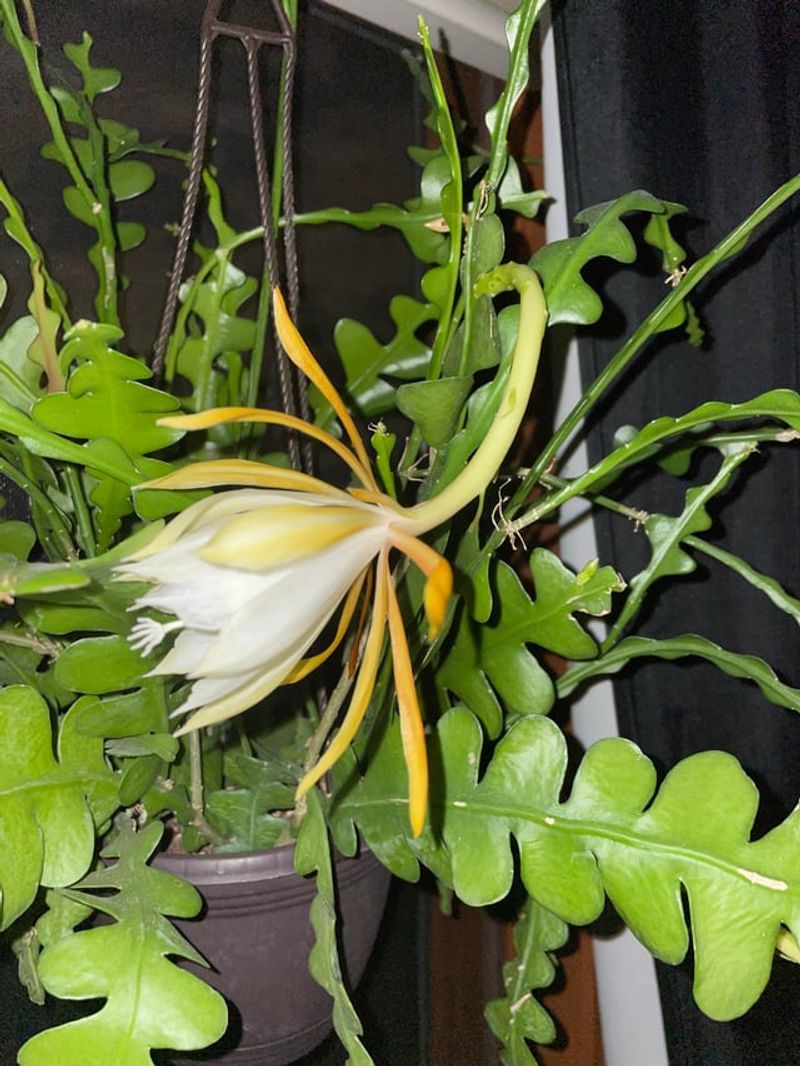
Bud drop is one of the more frustrating things that can happen after weeks of careful care.
Fishbone Cacti are sensitive to sudden changes in environment, and moving the plant once buds have formed is one of the most common triggers for losing those buds before they ever open.
It does not take a dramatic relocation to cause a problem either.
Even rotating the pot to face a different direction can stress the plant enough to cause bud drop in some cases. Buds that have been developing in response to a specific light angle are disrupted when that angle changes suddenly.
Keeping the plant exactly where it is, from the moment you spot buds forming until after the flowers have opened and faded, gives you the best chance of a successful bloom.
In Arizona homes, this also means being mindful of seasonal air conditioning changes. If you crank up the AC in late spring and the airflow pattern in the room shifts, that cold draft hitting the plant unexpectedly can be enough to cause problems.
Checking that vents are not blowing directly toward the plant before buds appear is a smart preventive step.
Guests, curious kids, and even cleaning routines can accidentally jostle the plant at the wrong time. Putting it somewhere slightly out of the main traffic flow during bud development is a practical move.
Once the flowers open, they are usually worth the wait. Protecting that process from unnecessary disturbance is one of the simpler things you can do to improve your results.
7. Consistent Care Helps Maintain Strong Bloom Cycles In Spring
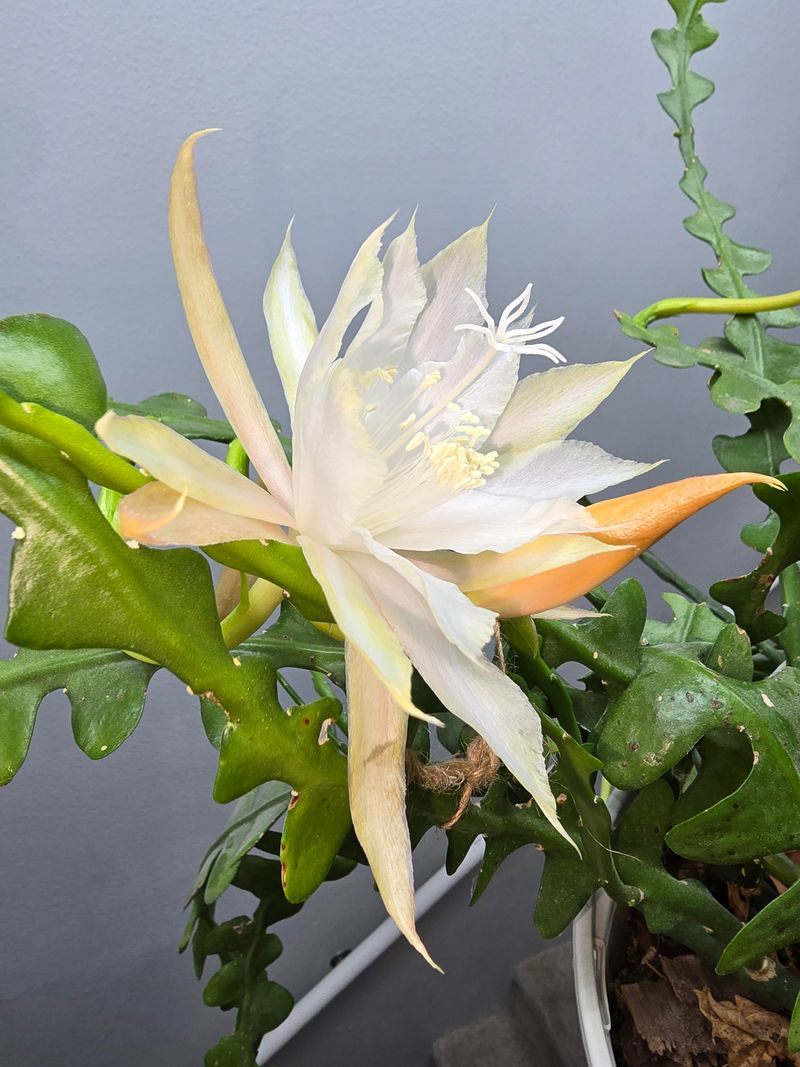
Blooming does not happen by accident with a Fishbone Cactus. It is the result of steady, reliable care over months, and sometimes over a couple of years before the plant is mature enough to flower at all.
Most plants need to be at least two to three years old before they are ready to produce buds, so patience is genuinely part of the process.
Spring is the most common time for Fishbone Cacti to bloom in Arizona homes, typically following the cooler indoor temperatures of winter.
If you have kept up with consistent watering, light management, and the cool rest period through fall and winter, the plant often responds with bud formation as temperatures start climbing again in March and April.
It is not a guaranteed outcome every single year, but steady care improves the odds considerably.
Keeping a loose record of what you do each season is surprisingly helpful. Noting when you last repotted, what fertilizer schedule you followed, and how cool the plant got over winter gives you something to reference if a bloom cycle does not go as expected.
Adjusting one variable at a time makes it easier to figure out what works in your specific Arizona home environment.
Stress from inconsistent care, whether that is irregular watering, frequent moves, or skipped rest periods, tends to reset the plant’s progress toward flowering. Staying consistent does not mean being rigid, but it does mean paying attention.
A Fishbone Cactus that gets reliable, thoughtful care through all four seasons has a much stronger chance of rewarding you with blooms come spring.