Trees To Plant Instead Of Crape Myrtle In Ohio
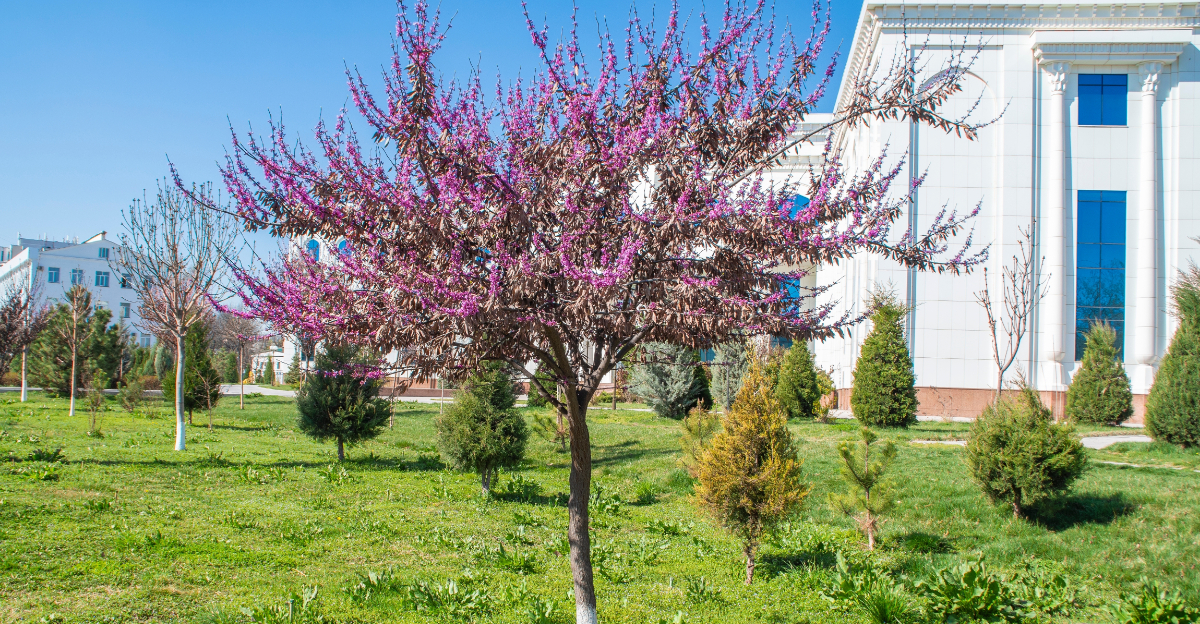
Crape myrtles look great in photos, so it’s easy to see why people try them in Ohio yards. Then winter shows up, and things don’t go quite as planned.
Branch decline, slow recovery, uneven growth the next season. Sound familiar?
A lot of homeowners end up frustrated, wondering why a tree that thrives in the South keeps struggling here. Ohio’s winters, soil conditions, and temperature swings tell a different story, and not every popular choice keeps up.
The good news is you’re not stuck with a disappointing tree. There are options that handle Ohio conditions far better and still give you that same sense of color, structure, or shade.
Some even bring extra benefits you might not expect, especially once you see how they perform through a full season.
1. Eastern Redbud With Early Pink Blooms That Steal The Show
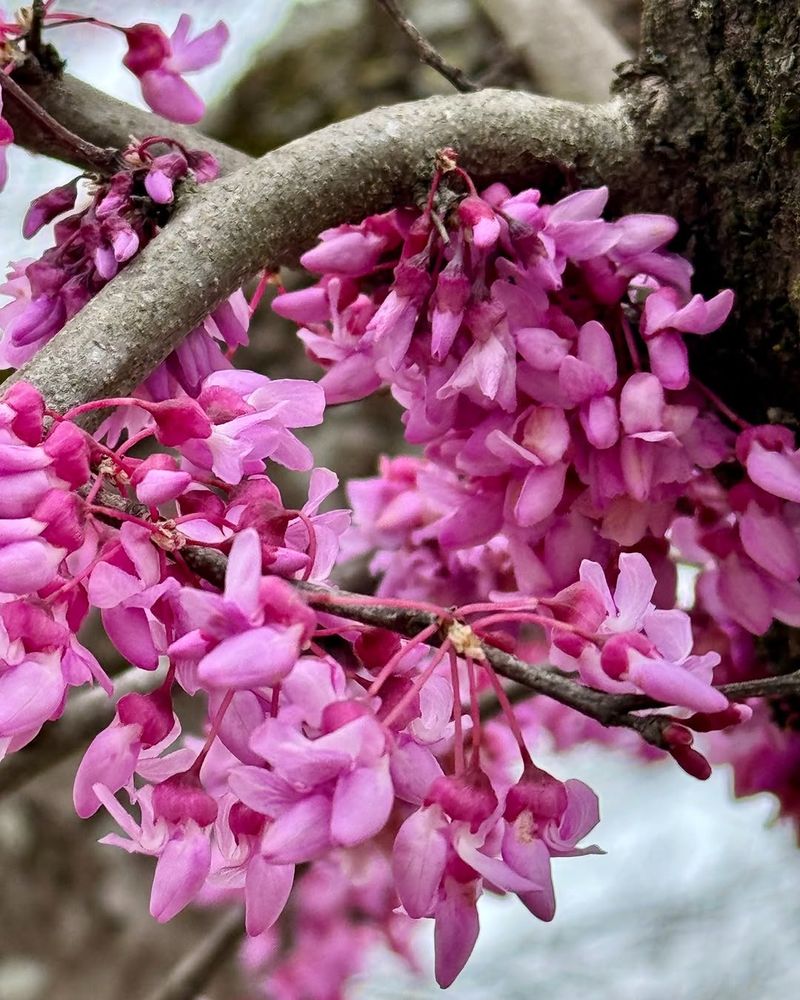
Before a single leaf appears, the Eastern Redbud puts on one of the most breathtaking flower shows you will ever see in an Ohio landscape. Tiny magenta-pink blossoms burst directly from the branches and trunk in early spring, creating a cloud of color that stops neighbors in their tracks.
Few trees announce the end of winter quite so dramatically.
Native to much of the eastern United States, including Ohio, this small deciduous tree typically grows between 20 and 30 feet tall with a graceful, spreading canopy. It handles Ohio’s winters with ease and adapts well to a range of soil types, though it really shines in well-drained soil with full sun to partial shade.
Planting it near a patio or along a walkway lets you enjoy those blooms up close every single spring.
Beyond the flowers, the Eastern Redbud keeps giving all season long. The heart-shaped leaves emerge with a reddish tint before turning rich green through summer, then shifting to a warm golden yellow in fall.
That multi-season interest makes it a standout choice for Ohio homeowners who want year-round beauty without a lot of fuss.
Birds and pollinators absolutely love this tree. Bees flock to the early blooms when not much else is flowering, making it a valuable food source right when it matters most.
Gardeners across Ohio have used it as a focal point in mixed borders, as a lawn specimen, or even planted in small groupings for a woodland effect. If you have been searching for a crape myrtle alternative that truly belongs in Ohio, the Eastern Redbud should be at the very top of your list.
2. Serviceberry Offering Spring Flowers And Edible Berries
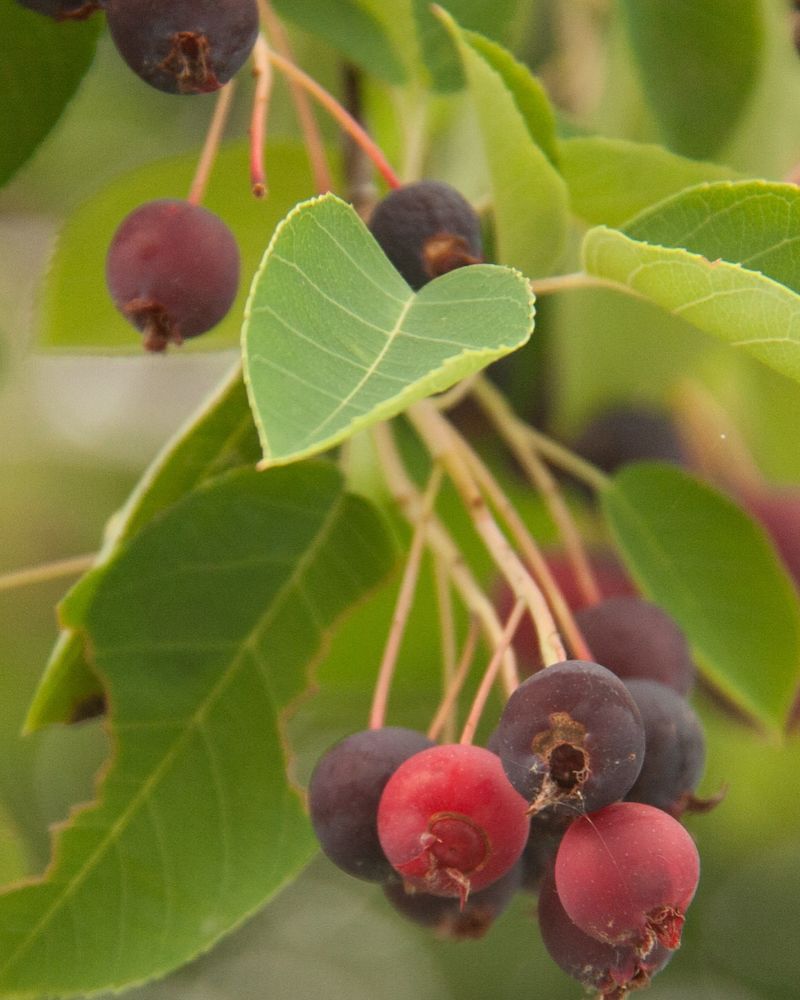
Walk past a Serviceberry in early spring and you might do a double take. The tree erupts in clusters of delicate white flowers just as the weather starts to warm, often beating most other trees to the bloom by weeks.
In Ohio, where spring can feel like it takes forever to arrive, that early burst of white blossoms feels like a genuine celebration.
Growing between 15 and 25 feet tall, Serviceberry fits comfortably in most Ohio yards without overwhelming the space. It tolerates a wide range of soil conditions, handles both sun and partial shade, and shrugs off Ohio’s cold winters without missing a beat.
Your Ohio Garden Changes Every Week. Your Plan Should Too.
Gardening in Ohio changes quickly throughout the season. Every Friday you’ll receive a simple weekly plan showing exactly what to plant, prune, fertilize, harvest, and protect so you never miss the right timing.
Whether you are working with a smaller suburban lot or a larger rural property, this tree slots in beautifully as a specimen plant or as part of a naturalized planting area.
What really sets Serviceberry apart is how much it gives back throughout the year. After the spring flowers fade, small purplish-red berries ripen in early summer.
Those berries are edible and taste somewhat like blueberries, making them popular with both people and wildlife. Robins, cedar waxwings, and other Ohio birds go absolutely wild for them.
Come autumn, the foliage transforms into brilliant shades of orange, red, and gold, rivaling even the most celebrated fall trees in the region. The smooth gray bark adds quiet winter interest when the leaves have dropped.
For Ohio gardeners who want a tree that earns its keep in every single season, Serviceberry is a remarkably rewarding choice. It offers the ornamental charm of crape myrtle with the added bonus of being perfectly at home in Ohio’s climate year after year.
3. Flowering Dogwood With Classic White Blooms And Fall Color
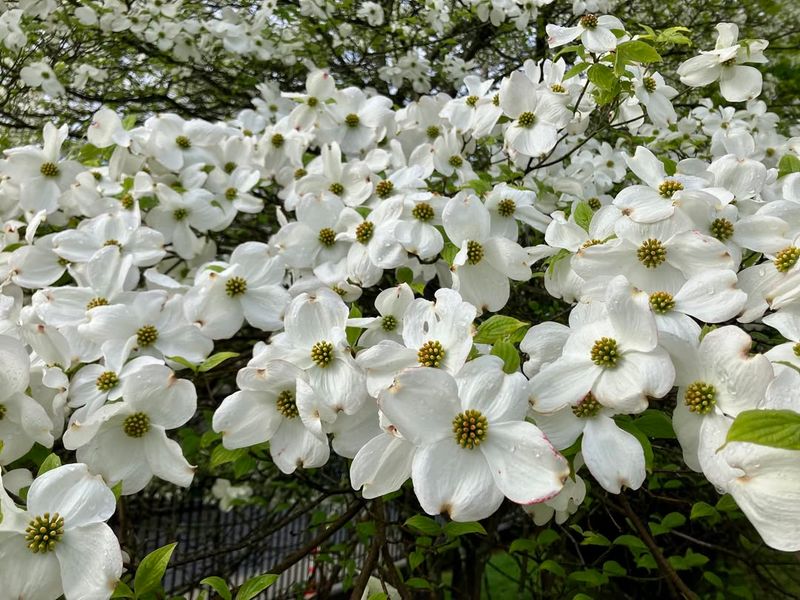
There is something almost magical about a Flowering Dogwood in full bloom. The large white to soft pink bracts that surround the tiny central flowers look like something out of a fairy tale, hovering against bare branches in mid-spring like a constellation of butterflies.
It is no surprise that this tree has been a beloved landscape choice across the eastern United States for generations.
In Ohio, the Flowering Dogwood thrives in partial shade, making it an ideal understory tree beneath taller oaks or maples. It prefers well-drained, slightly acidic soil and grows at a moderate pace to reach between 15 and 30 feet tall.
Planting it where it gets morning sun and afternoon shade tends to produce the best bloom performance and helps protect it during Ohio’s occasional late spring cold snaps.
The seasonal show does not stop at spring flowers. Through summer, the glossy green foliage creates a dense, layered canopy that provides welcome shade.
As temperatures drop in fall, the leaves shift to a rich burgundy-red that looks absolutely stunning against Ohio’s autumn skies. Bright red berries follow, clinging to the branches well into winter and providing food for more than a dozen bird species.
One practical tip for Ohio gardeners: choose disease-resistant cultivars like ‘Appalachian Spring’ or ‘Cherokee Brave’ to sidestep the dogwood anthracnose fungus that can affect some trees in humid conditions. With the right variety and a good planting spot, Flowering Dogwood rewards you with decades of ornamental beauty.
As a crape myrtle alternative in Ohio, it checks every box, seasonal color, wildlife value, manageable size, and genuine elegance.
4. Fringe Tree Covered In Soft, Fringe-Like Spring Flowers
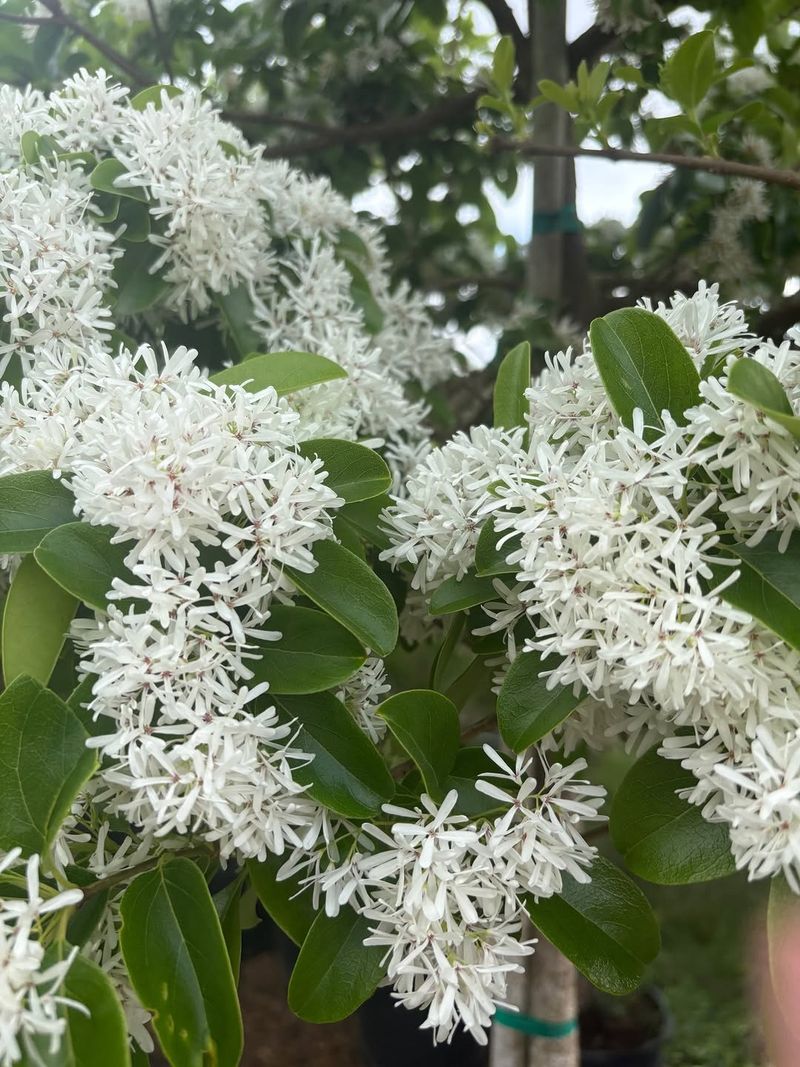
If you have never seen a Fringe Tree in bloom, prepare yourself for something genuinely unforgettable. In late spring, the entire tree becomes draped in long, wispy white flower clusters that hang like soft fringe from every branch.
The effect is so ethereal and cloud-like that it earned the nickname “old man’s beard” in some parts of the country. For Ohio gardeners looking for drama without the fuss, this tree delivers in a big way.
Fringe Tree is native to the eastern United States and handles Ohio’s winters without complaint. It is a slow to moderate grower, typically reaching 12 to 20 feet tall, which makes it a fantastic choice for smaller yards or as a layered addition to a mixed border.
It adapts to full sun or partial shade and tolerates a range of soil types, though it does best with consistent moisture and good drainage.
Male and female trees are separate plants, and both are worth growing. Male trees tend to produce more showy flowers, while female trees follow up the bloom with clusters of dark blue, olive-like fruits that birds find irresistible.
Planting one of each near each other maximizes both the flower display and the wildlife benefit, making your Ohio yard a more active and lively outdoor space.
Fall color on the Fringe Tree is a solid golden yellow, adding one more season of interest before winter arrives. Because it blooms later than most spring trees, it extends the flowering season in the landscape nicely.
Few crape myrtle alternatives in Ohio combine such showstopping blooms with such reliable cold hardiness, and the Fringe Tree does it all with understated, graceful style.
5. Red Buckeye That Hummingbirds Absolutely Love
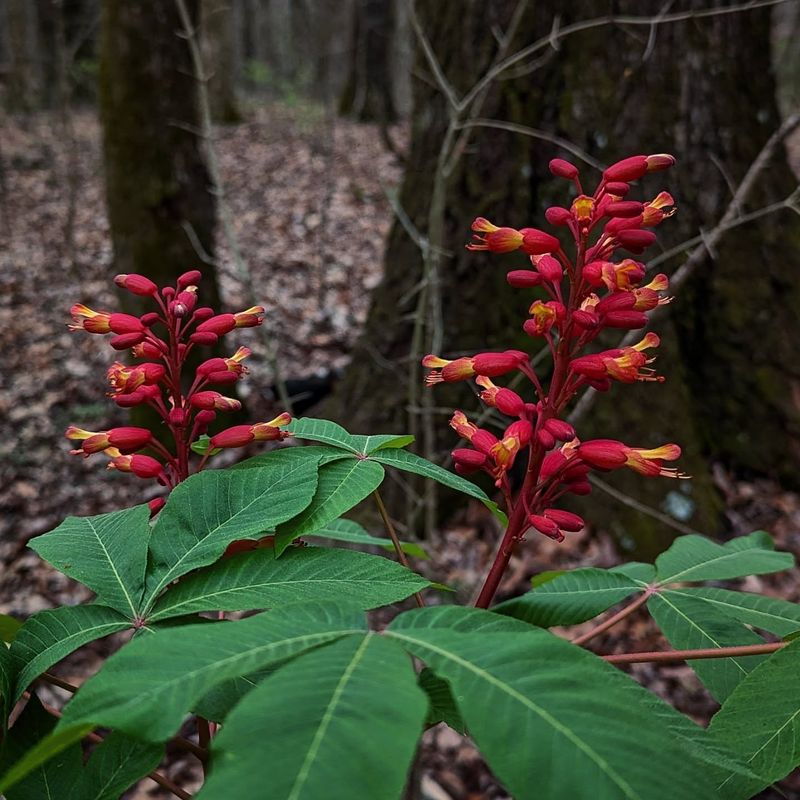
Hummingbirds practically line up for the Red Buckeye. The upright clusters of bright red tubular flowers that appear in late spring are perfectly designed for ruby-throated hummingbirds, which migrate through Ohio right around blooming time.
Watching those tiny birds hover around this tree is one of the genuine joys of having it in your yard, and it is a scene that plays out reliably every single year.
Red Buckeye is a smaller tree, usually topping out between 10 and 20 feet, which makes it very manageable for typical Ohio residential landscapes. It prefers partial shade and moist, well-drained soil, and it is naturally found along stream banks and woodland edges throughout the eastern United States.
In Ohio, it fits beautifully as an understory planting beneath larger deciduous trees or as a standalone specimen near a shaded patio.
One interesting quirk of this tree is that it goes summer dormant in hot, dry conditions, meaning the leaves may yellow and drop by midsummer. This is completely normal behavior and not a sign of trouble.
Planting it in a spot with consistent moisture and afternoon shade in Ohio will help it hold its foliage longer through the warmer months.
The glossy brown seeds, or buckeyes, ripen in fall and add a bit of novelty to the tree’s seasonal story. While the seeds are not edible for people, the tree’s overall wildlife value is outstanding.
Butterflies and long-tongued bees also visit the flowers alongside the hummingbirds. For Ohio homeowners who want a small, wildlife-friendly flowering tree that stands out from the crowd, Red Buckeye is a wonderfully distinctive and rewarding alternative to crape myrtle.
6. Kentucky Yellowwood With Elegant Hanging Flower Clusters
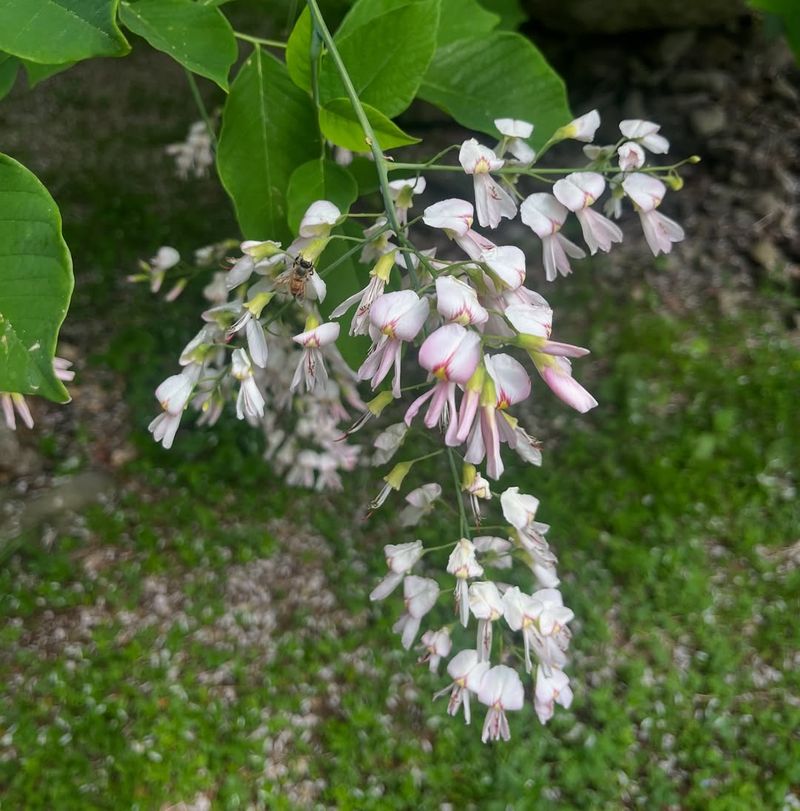
Not enough Ohio gardeners know about Kentucky Yellowwood, and that is honestly a shame. This underused native tree produces long, pendulous clusters of fragrant white flowers in late spring that look remarkably similar to wisteria, but without any of the invasive headaches.
The scent is sweet and noticeable from several feet away, making it a wonderful tree to plant near an outdoor seating area where you can actually enjoy the fragrance.
Kentucky Yellowwood grows at a moderate pace and typically reaches 30 to 50 feet tall at maturity, making it one of the larger options on this list. It thrives in Ohio’s climate and adapts well to a variety of well-drained soil types.
Full sun brings out the best bloom performance, and the tree is notably tolerant of urban conditions, including compacted soils and air pollution, which makes it a smart pick for Ohio neighborhoods and streetscapes.
The common name comes from the bright yellow color of the freshly cut heartwood, which was historically used as a natural dye. The smooth gray bark has a beech-like appearance that adds quiet elegance to the winter landscape.
In fall, the compound leaves turn a clear, warm yellow before dropping, giving the tree a final seasonal flourish before the cold sets in.
One thing to keep in mind is that Kentucky Yellowwood tends to bloom heavily every other year rather than annually, so do not be alarmed if one spring feels less showy than the last. The off years still produce a beautiful tree with lovely foliage.
As a standout crape myrtle replacement in Ohio, it brings size, fragrance, and native credentials that few other trees can match, all while thriving naturally in the Ohio climate.
7. Northern Catalpa With Bold Leaves And Showy Blooms
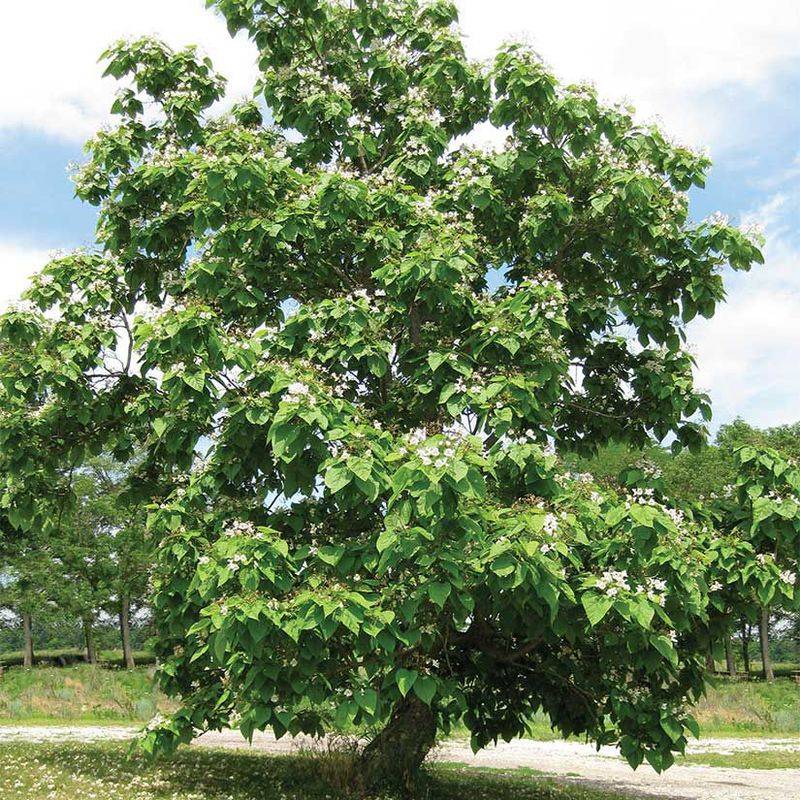
Bold, tropical-looking, and surprisingly cold-hardy, the Northern Catalpa is a tree that makes people stop and stare. In early summer, it produces large, upright clusters of white orchid-like flowers with purple and yellow markings inside, a display that is as exotic-looking as anything you will find growing in an Ohio yard.
For gardeners who want something genuinely different, this tree delivers a personality all its own.
Northern Catalpa is native to a region that includes parts of the Ohio Valley, so it is well adapted to Ohio’s climate and soil conditions. It grows vigorously, reaching 40 to 60 feet tall, and develops a broad, open canopy that casts generous shade.
The enormous heart-shaped leaves, sometimes stretching up to a foot across, give it a lush, almost tropical look that is completely unexpected in a Midwestern landscape.
After the flowers fade, long slender seed pods develop and hang from the branches through fall and into winter. These pods, sometimes called Indian beans or cigars, add a quirky structural element to the winter silhouette.
Wildlife, especially catalpa sphinx moth caterpillars and various birds, make good use of the tree throughout the growing season, adding ecological value to your Ohio property.
Northern Catalpa is a fast grower, which means you will not be waiting years to enjoy its benefits. It tolerates a wide range of soil conditions, including wet or dry spells, and handles Ohio’s temperature swings without any drama.
If you have the space for a large, statement-making tree and want something that blooms beautifully in early summer when most spring bloomers have finished, Northern Catalpa is an outstanding and often overlooked alternative to crape myrtle in Ohio.