The Best California Native Plants For Dry Shade Under Trees
That tricky spot under your trees can feel like a lost cause. You plant something, it struggles. You try again, same result.
Dry shade in California has a reputation for being one of the hardest areas to work with, especially once tree roots start competing for every bit of moisture. It’s the kind of space many people give up on or cover with mulch just to avoid the hassle.
But it doesn’t have to stay that way. Native plants that evolved in these exact conditions know how to handle low light and limited water without constant attention.
They settle in, spread naturally, and start filling in those bare patches in a way that actually looks intentional.
Some of these choices might surprise you, especially once they start establishing themselves.
1. Creeping Mahonia Spreading Through Dry Shade With Ease
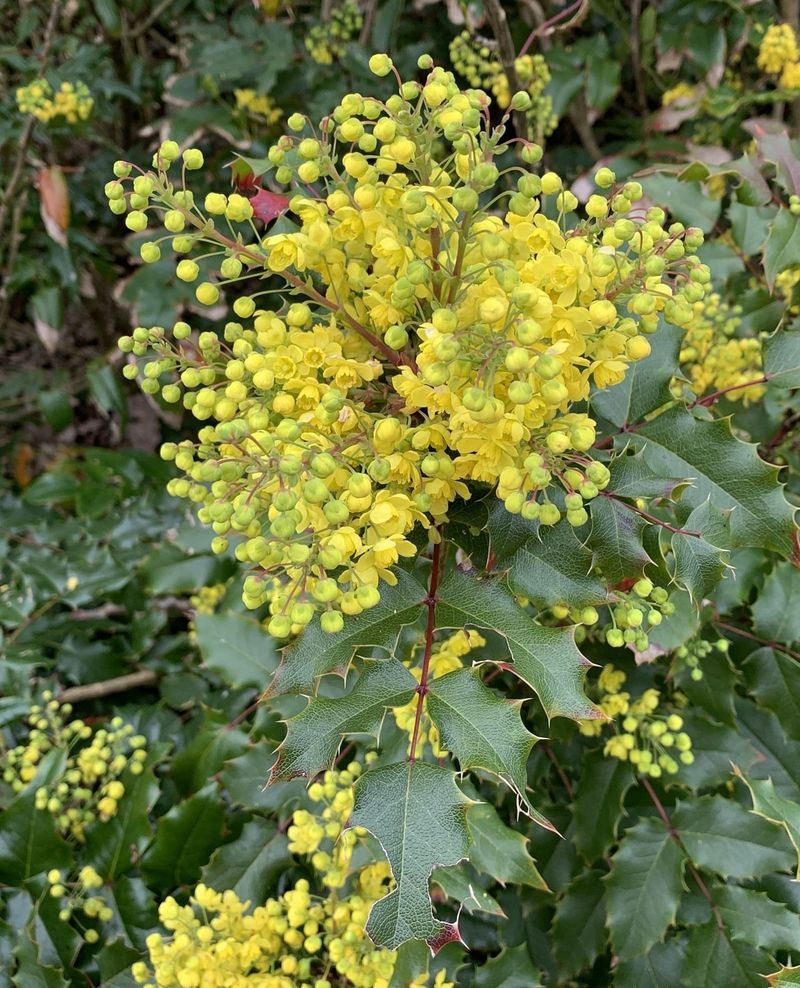
Growing only about one to two feet tall, it spreads slowly into a dense, weed-smothering groundcover that looks polished year-round. The glossy, holly-like leaves turn attractive shades of bronze and purple in cooler months, adding unexpected color to shaded winter gardens across California.
Bright yellow flower clusters appear in late winter to early spring, often when very little else is blooming. These are followed by blue-purple berries that birds absolutely love.
If you want to support local wildlife while keeping your garden low-maintenance, Creeping Mahonia is a strong contender for the dry shade spots beneath your native trees.
One of its standout qualities is its ability to handle deep, dry shade with grace. Once established, it needs almost no supplemental water during California’s long, dry summers.
It also tolerates heavy clay soils and compacted root zones, which are common challenges under mature trees. Space plants about two to three feet apart for good coverage, and enjoy the fact that this tough little plant asks for very little in return for so much beauty.
It also works beautifully on slopes where erosion can be a concern, helping stabilize soil with its spreading roots. Minimal pruning is needed, and deer tend to leave it alone, making it an easy, reliable choice for low-effort landscapes.
2. Evergreen Currant With Glossy Leaves And Subtle Charm
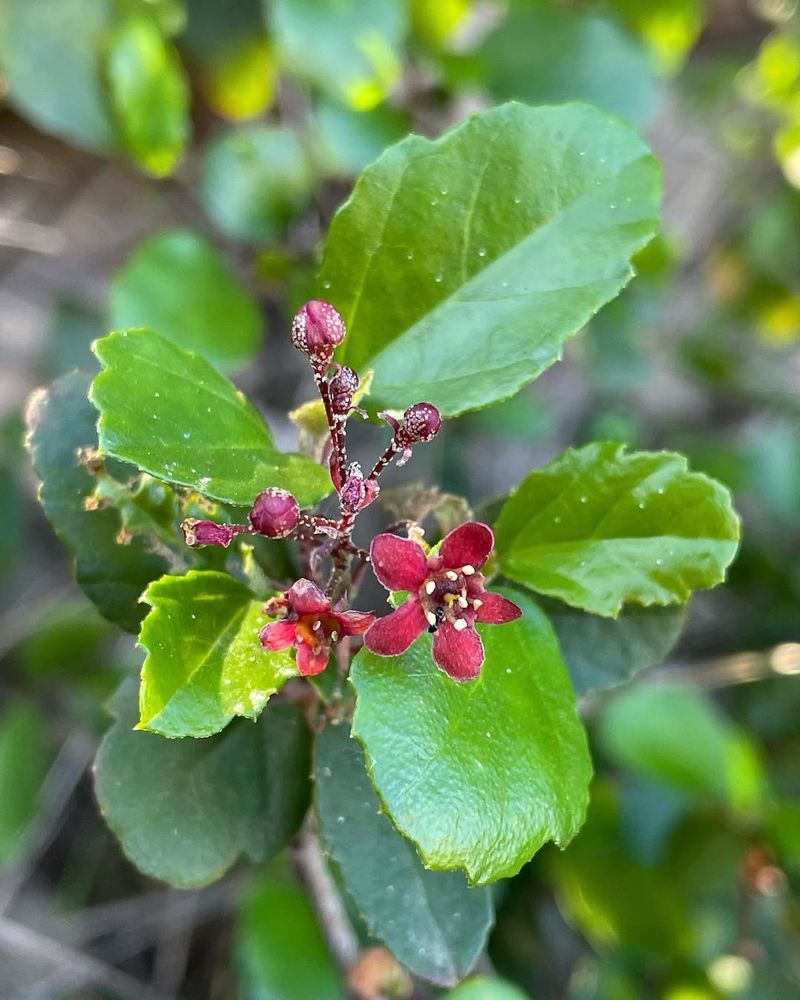
Walk past Evergreen Currant on a warm day and you might catch its pleasant, spicy fragrance drifting through the air. The dark green, rounded leaves release a subtle resinous scent when brushed, making this plant a sensory treat as well as a visual one.
Native to the Channel Islands and coastal areas of Southern California, it has adapted perfectly to the dry shade found under oak and other native trees.
Evergreen Currant grows as a sprawling, arching shrub that can spread six feet or more, forming a lush, weed-blocking layer beneath tree canopies. Small pinkish-red flowers appear from late winter through spring, attracting hummingbirds and native bees.
The small red berries that follow are loved by birds, adding another layer of wildlife value to your California garden.
One of the best things about this plant is how little it demands once settled in. It thrives on minimal irrigation and actually prefers the dry, shaded conditions that challenge most other plants.
Your California Garden Changes Every Week. Your Plan Should Too.
Gardening in California changes quickly throughout the season. Every Friday you’ll receive a simple weekly plan showing exactly what to plant, prune, fertilize, harvest, and protect so you never miss the right timing.
Avoid planting it in areas with summer irrigation, as too much water can cause root problems. Give it room to spread naturally, and it will reward you with year-round greenery and seasonal color without much fuss at all.
It also pairs beautifully with other California natives, blending into naturalistic plantings with ease. Its arching branches soften hard edges in the landscape, while its dense growth helps protect soil from erosion and keeps invasive weeds from gaining a foothold.
3. Hummingbird Sage Bursting With Fragrance And Color
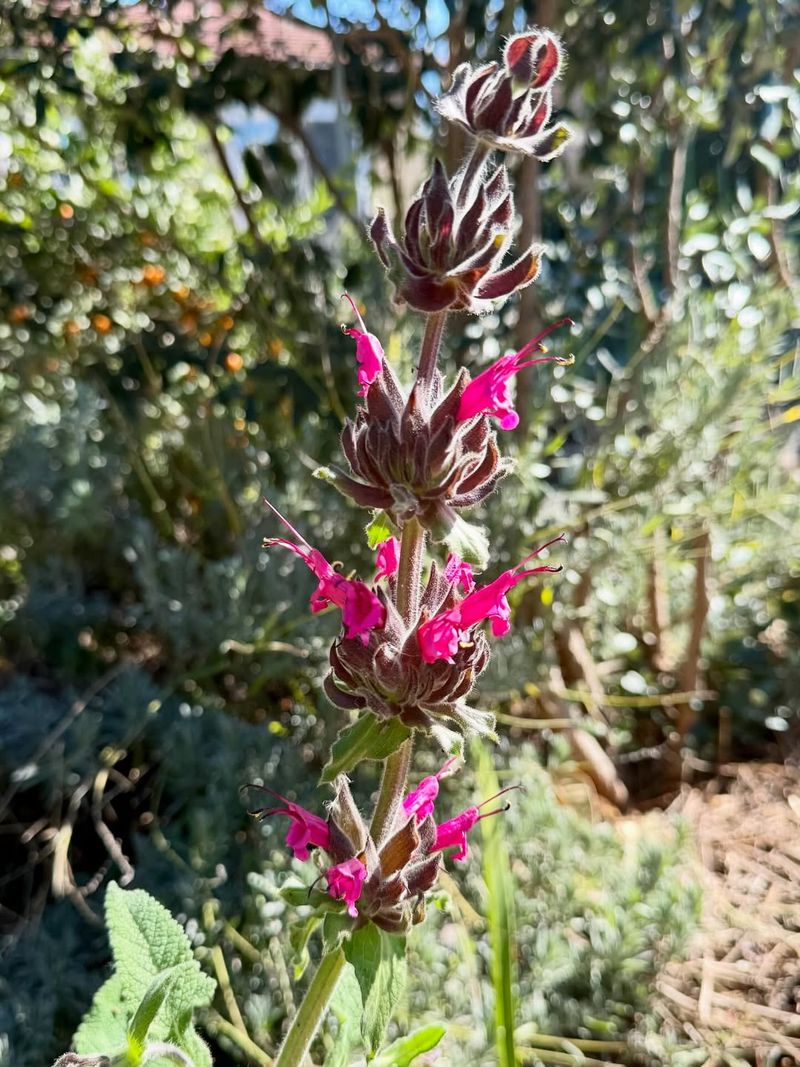
If you want to attract hummingbirds to your California garden, look no further than Hummingbird Sage. This bold, fragrant native perennial produces tall spikes of deep magenta-pink flowers that hummingbirds simply cannot resist.
The large, wrinkled leaves are strongly aromatic, releasing a rich, fruity-sage scent when touched, which makes wandering through the garden a genuinely enjoyable experience.
What makes Hummingbird Sage especially valuable is its ability to thrive in the tough conditions found under trees. It spreads by underground runners, slowly filling in dry, shaded areas where other plants give up.
Once established, it handles California’s summer drought with ease and rarely needs any supplemental water at all. In fact, it often looks its best when left to its own devices.
Hummingbird Sage works well as a large-scale groundcover under oaks, pines, or other native trees throughout California. It pairs beautifully with other shade-tolerant natives like Coral Bells and Wild Strawberry for a layered, naturalistic look.
Cut the flower stalks back after blooming to keep the plant tidy and encourage fresh foliage. With its wildlife value, fragrance, and resilience, this plant earns a permanent spot in any California native garden.
It also benefits from occasional division every few years to keep it vigorous and prevent overcrowding. Good air circulation helps reduce issues in humid pockets, and planting on slight slopes can further improve drainage in heavier soils.
4. Coral Bells Adding Texture In Shady Corners
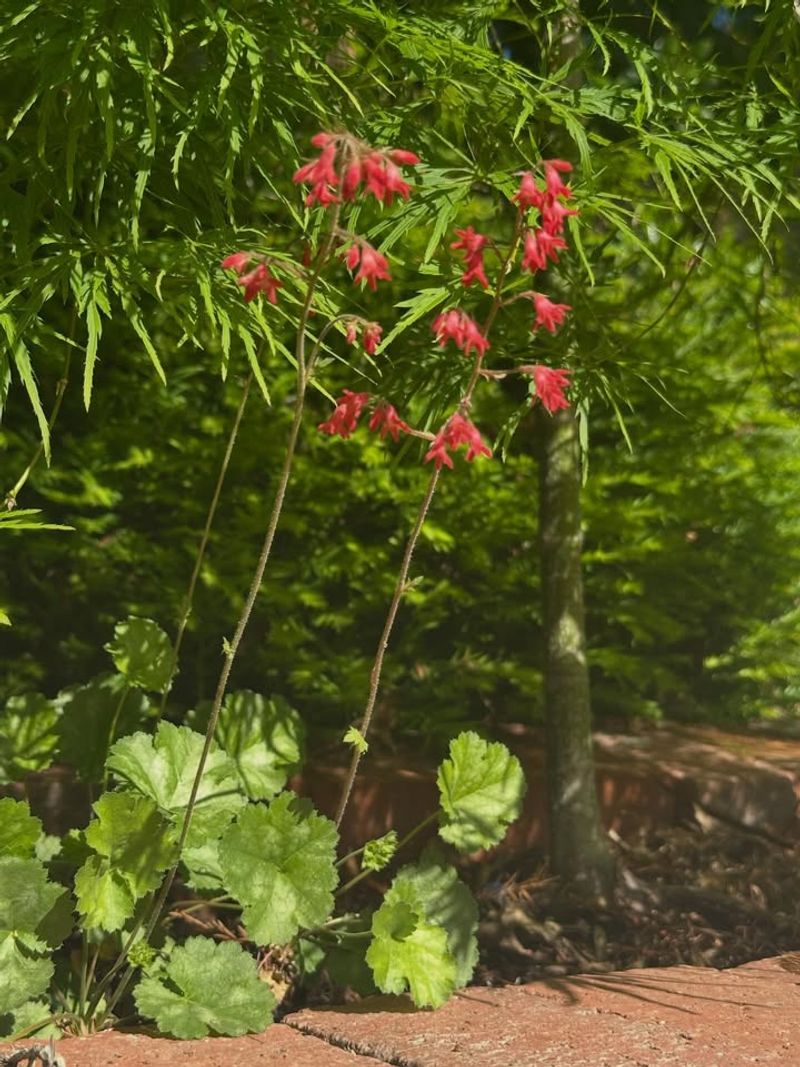
Coral Bells are the jewels of the shade garden. California is home to several native Heuchera species, and they have given rise to countless garden varieties prized for their stunning foliage in shades of deep burgundy, copper, silver, and lime green.
Even in the absence of their delicate flower spikes, the leaves alone make a striking statement under tree canopies across California.
Slender wands of tiny bell-shaped flowers rise above the foliage in spring and early summer, drawing hummingbirds and native bees. The blooms are dainty but plentiful, adding a soft, airy texture to shaded garden beds.
Coral Bells grow in compact mounds about one to two feet wide, making them easy to use as edging plants or to fill gaps between larger shrubs.
For best results in California gardens, plant Coral Bells in well-drained soil with good organic matter and water occasionally during the first summer. Once established, most native species handle dry shade remarkably well.
Avoid heavy clay that stays wet, as this can cause crown rot over time. Divide clumps every few years to keep plants vigorous and to multiply your collection.
Their year-round foliage interest makes them one of the most versatile native plants available for shaded landscapes.
5. Blue-Eyed Grass Lighting Up Spring With Soft Color
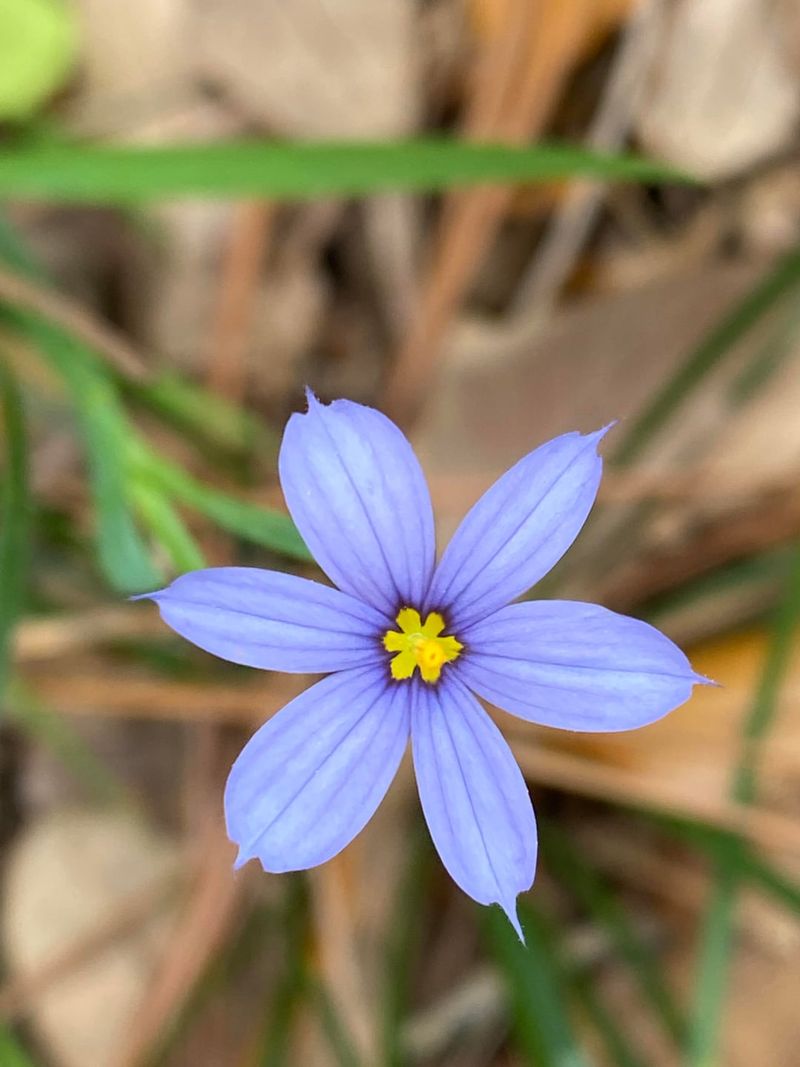
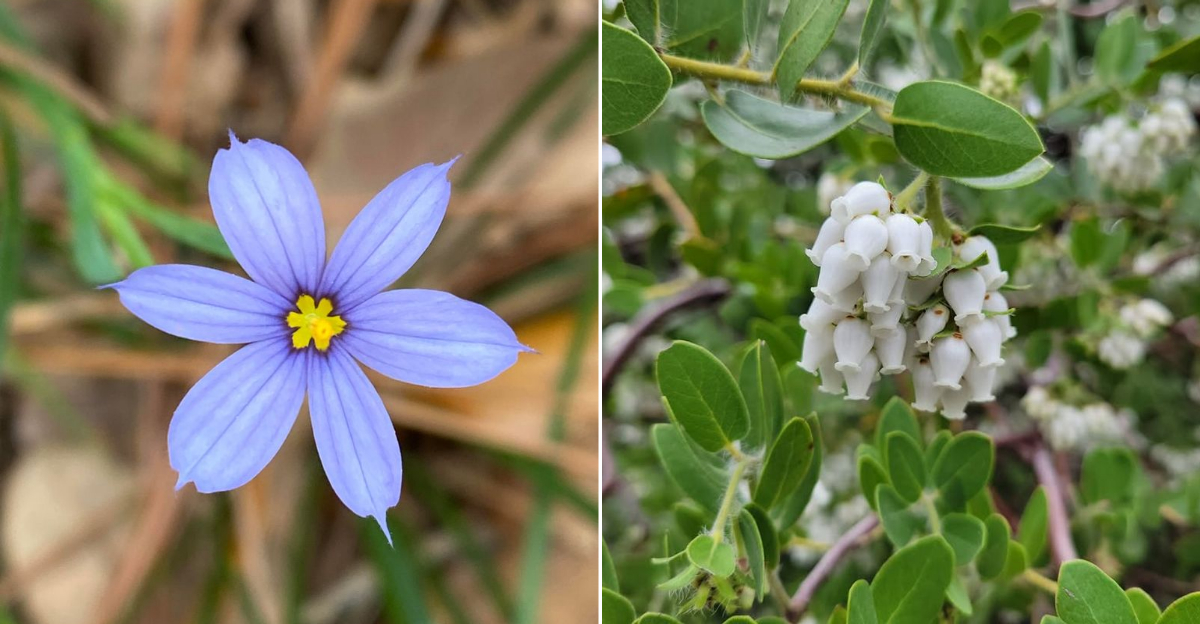
Do not let the name fool you: Blue-Eyed Grass is not actually a grass at all. It belongs to the iris family, and its small but vivid blue-purple flowers with bright yellow centers are genuinely eye-catching.
Blooming from late winter through spring, this California native brings a cheerful burst of color to spots that might otherwise feel dull and forgotten under tree shade.
The plant forms neat, upright clumps of slender, grass-like leaves that stay attractive even when not in flower. It works wonderfully as a filler plant between larger natives or as a charming groundcover when planted in drifts.
Blue-Eyed Grass self-seeds gently, meaning it will gradually spread and naturalize in your California garden without becoming aggressive or invasive.
Caring for Blue-Eyed Grass is refreshingly simple. It prefers well-drained soil and tolerates both partial shade and light dry conditions once established.
Water it occasionally during its first season, then step back and let it thrive on its own. It pairs well with Wild Strawberry and Yarrow for a meadow-like feel beneath trees.
Fun fact: Native Californians historically used related species for various medicinal purposes, showing just how deeply these plants are woven into the region’s natural heritage.
It also performs well along pathways and garden edges, where its compact size keeps it tidy without crowding neighboring plants. Occasional cleanup of spent foliage helps maintain a fresh look, especially after the main spring bloom cycle winds down.
6. Wild Strawberry Forming A Lush, Edible Groundcover
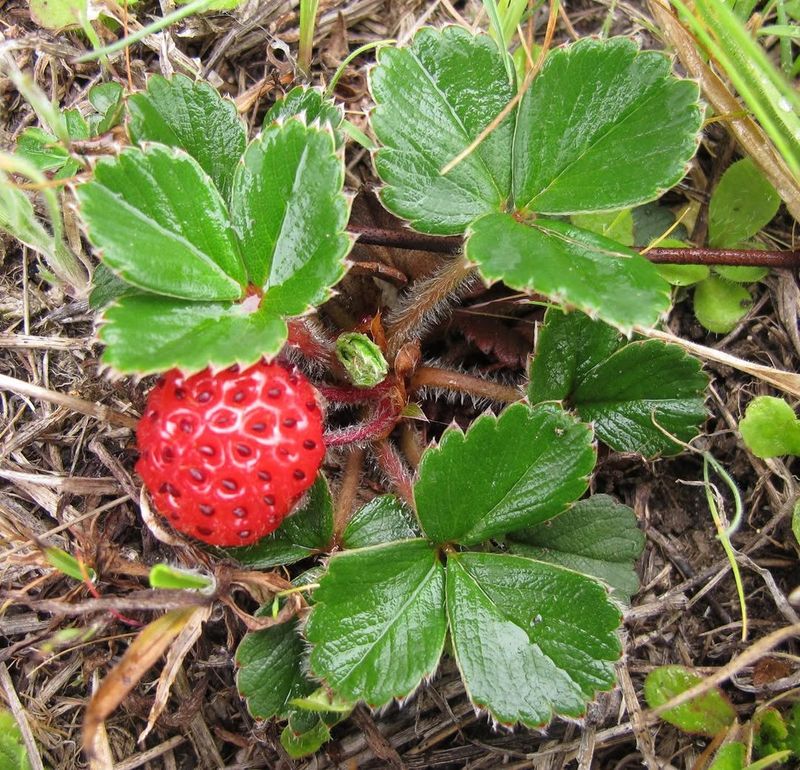
There is something undeniably charming about a plant that covers the ground in lush green leaves and rewards you with tiny, sweet strawberries. California Wild Strawberry does exactly that, making it one of the most beloved native groundcovers for shaded spots throughout the state.
The trifoliate leaves stay green and attractive through most of the year, and small white flowers appear in spring, followed by pea-sized red fruits that are surprisingly flavorful.
Wild Strawberry spreads by runners, similar to its cultivated cousins, slowly weaving together to create a dense, weed-suppressing carpet under trees. It handles dry shade better than many groundcovers and only needs occasional watering once established.
Birds and small mammals enjoy the fruit, making this plant a wonderful addition to a wildlife-friendly California garden.
Plant Wild Strawberry in groups for faster coverage, spacing runners about a foot apart. It does well under oaks, pines, and other native California trees where the soil stays fairly dry in summer.
Avoid overwatering, as this can promote fungal issues. Trim back older runners in late fall to keep the planting looking tidy and to encourage vigorous new growth in spring.
For a low-maintenance, high-reward groundcover, it is hard to beat this California classic.
7. Manzanita Groundcovers Built For Dry, Difficult Spots
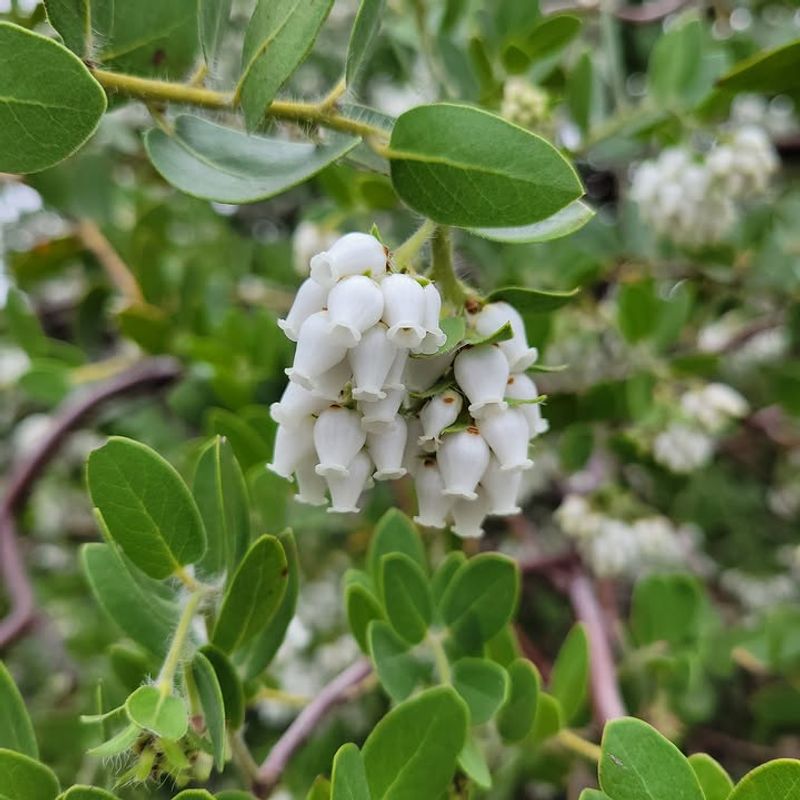
Icons of the California landscape, manzanitas bring that rugged beauty down to a manageable scale in groundcover form. Species like Arctostaphylos uva-ursi and Arctostaphylos edmundsii hug the ground tightly, spreading several feet wide while staying just inches tall.
Their small, glossy leaves and smooth, reddish-brown stems give them a sculptural quality that looks stunning year-round in California gardens.
Tiny white or pink urn-shaped flowers appear in late winter, drawing early-season bees and hummingbirds before most other plants have even woken up. Small red berries follow, providing food for birds and other wildlife.
Few plants match the Manzanita groundcovers for sheer ecological value in a California native garden under trees.
The key to success with these plants is excellent drainage and minimal summer water once established. They are built for California’s Mediterranean climate, with its wet winters and bone-dry summers, so treating them like drought-tolerant natives from day one is the right approach.
Avoid planting near lawn sprinklers or drip systems that run through summer. Give them room to spread naturally without competition from aggressive plants.
Once settled in, Manzanita groundcovers are among the most low-maintenance and visually rewarding plants you can grow in dry shade across California.
They also perform especially well on slopes and banks, where their spreading habit helps hold soil in place. With little need for pruning, they maintain a naturally tidy shape while adding year-round structure to shaded garden spaces.
8. Sticky Monkeyflower Bringing Bright Color To Dry Shade
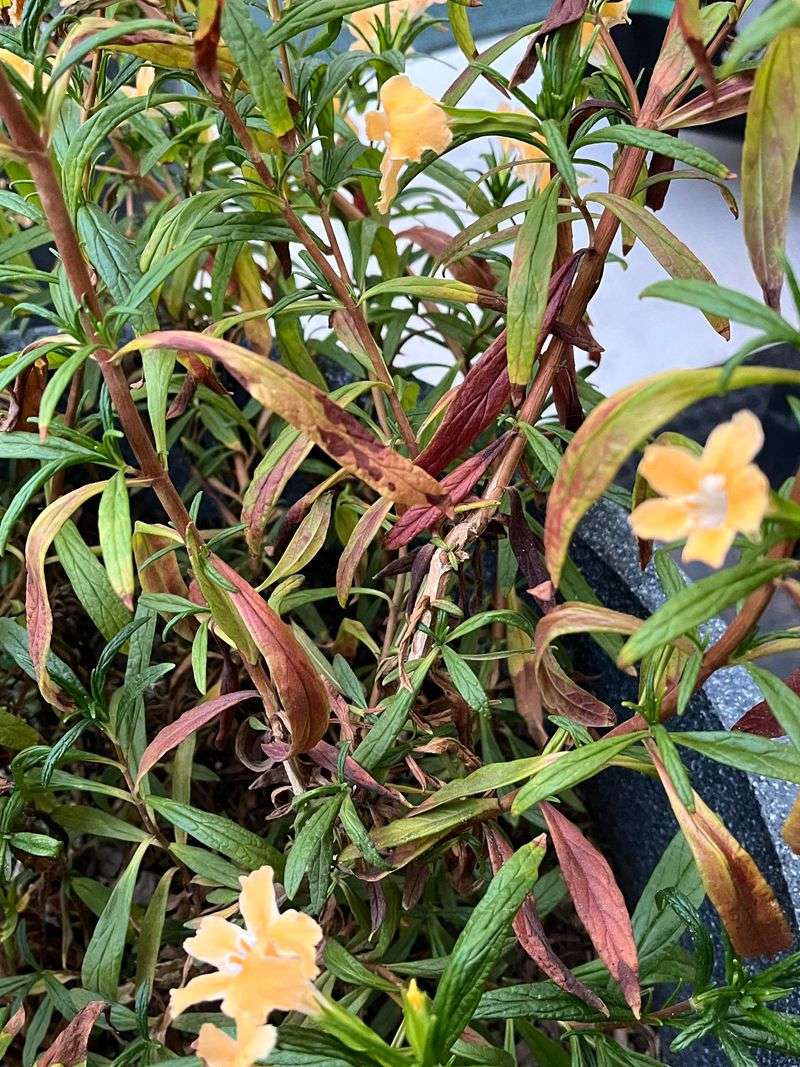
Sticky monkeyflower brings a welcome burst of color to spots where many plants struggle to perform, especially in dry shade under trees or along lightly shaded slopes. Native to California, Diplacus aurantiacus naturally grows along coastal scrub and woodland edges, which is exactly why it adapts so well to those tricky in-between light conditions in home landscapes.
Unlike many shade-tolerant plants that stay subtle, this one stands out. Its tubular flowers range from soft yellow to deep orange, often with slightly darker throats, and they appear over a long stretch from spring into summer.
Hummingbirds are frequent visitors, drawn to the flower shape and steady nectar supply, while native bees also benefit from its extended bloom time.
Growth habit is where sticky monkeyflower really earns its place. It forms a loose, shrubby groundcover that can spread a few feet wide, filling gaps and softening bare soil without becoming invasive.
The slightly sticky, aromatic leaves help reduce moisture loss, giving the plant a natural edge in dry conditions once it’s established.
For best results, plant it in well-drained soil and avoid heavy summer watering. Like many California natives, it prefers to dry out between occasional deep soakings.
Too much water or overly rich soil can shorten its lifespan, so a lighter touch goes a long way.
Give it space, decent airflow, and a bit of neglect, and sticky monkeyflower settles in as a colorful, low-maintenance performer that brightens dry shade without demanding constant care.