How To Grow Peppers In California Successfully
Peppers seem easy at first. You plant them, give them sun, water them regularly, and expect a steady harvest. Then something feels off.
Maybe the plants stay small, maybe the fruit doesn’t develop well, or maybe production slows down just when you expect it to pick up.
California’s climate can be a great match for peppers, but it also comes with a few quirks that catch people off guard. Temperature swings, coastal influence, and even soil conditions can shift how these plants behave.
Getting strong, productive plants isn’t about doing more, it’s about doing the right things at the right time. A few small adjustments can completely change how your pepper plants grow, and the difference shows up faster than you might think.
1. Choose Warm-Season Pepper Varieties Suited To California Climates
Not every pepper variety is created equal, and choosing the right one for California makes a huge difference in how well your garden performs. The Golden State has a wide range of microclimates, from the dry heat of the Central Valley to the cooler, foggy conditions along the coast.
Picking a variety that matches your local weather will set you up for a much more productive season.
Popular choices for California gardens include California Wonder bell peppers, which are mild and meaty, and Serrano chiles, which bring a satisfying kick and handle warm temperatures like a champ. Anaheim peppers are another fantastic option, especially popular in Southern California cooking.
For gardeners near the Bay Area or other coastal zones, look for varieties labeled as cool-tolerant or early-maturing, since those spots tend to run cooler than inland areas.
Heirloom varieties like Jimmy Nardello or Pimento are also worth trying if you want something a little different and flavorful. Local nurseries in California often stock regionally tested varieties that are already proven performers in your area.
Talking to staff at a nearby garden center can give you a real head start when selecting seeds or transplants for the season ahead.
2. Wait Until Soil Temperatures Reach At Least 60°F Before Planting
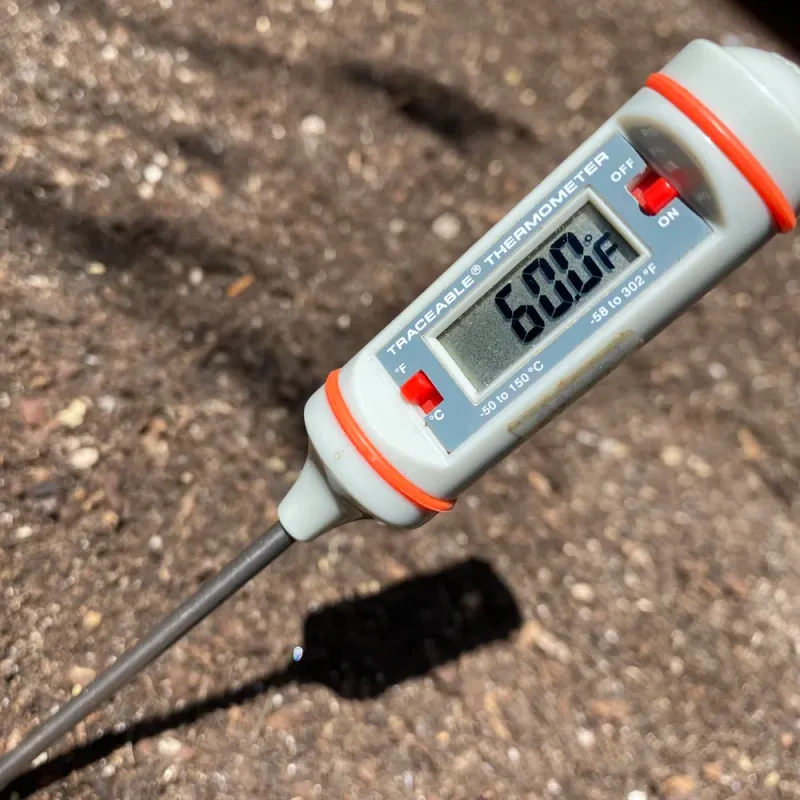
Peppers are warm-weather plants through and through, and they will stubbornly refuse to grow well if the soil is too cold. Many eager California gardeners make the mistake of planting too early in spring, then wonder why their seedlings just sit there looking sad.
Waiting until soil temperatures hit at least 60 degrees Fahrenheit is one of the simplest and most effective things you can do for your pepper crop.
A basic soil thermometer, available at most garden supply stores, takes the guesswork out of planting time. Push it a few inches into the ground and check the reading in the morning before the sun has had a chance to warm things up.
In most inland California areas, soil temperatures typically reach 60 degrees by late March or April, while coastal regions may need to wait until May or even early June.
Planting into warm soil encourages faster root development, better nutrient uptake, and stronger overall plant growth. Cold soil can also make young pepper plants more vulnerable to fungal issues and stunted development.
Your California Garden Changes Every Week. Your Plan Should Too.
Gardening in California changes quickly throughout the season. Every Friday you’ll receive a simple weekly plan showing exactly what to plant, prune, fertilize, harvest, and protect so you never miss the right timing.
If you are eager to get started a little earlier, using black plastic mulch over your beds can help warm the soil faster and extend your effective growing season in California.
3. Start Seeds Indoors 6 To 8 Weeks Before Transplanting
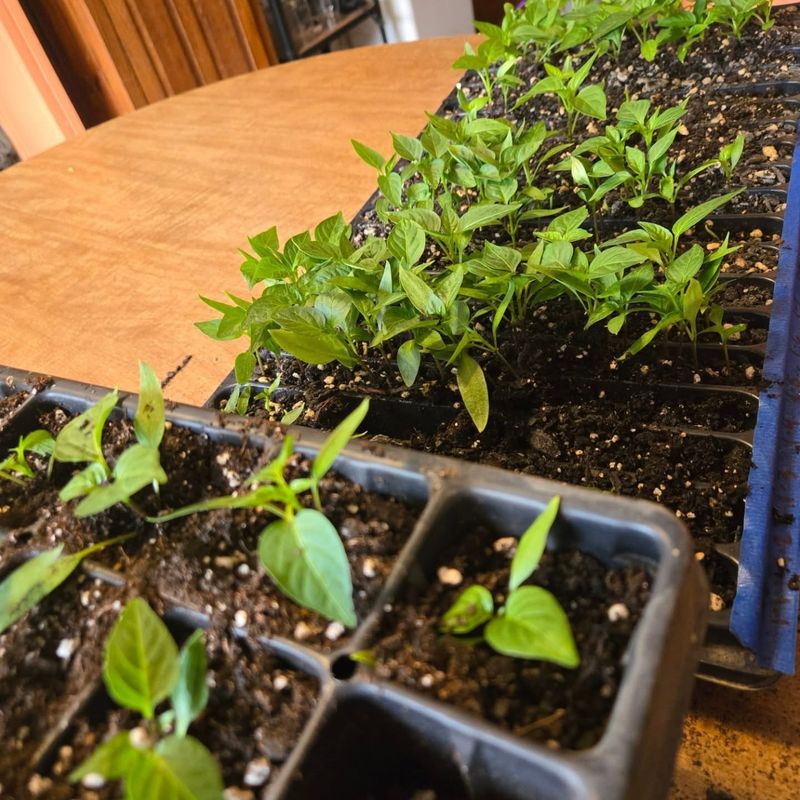
Getting a head start indoors is one of the smartest moves a California pepper grower can make. Pepper seeds need warmth to sprout well, and starting them inside gives you complete control over temperature and moisture before the unpredictable outdoor weather gets involved.
Most gardeners aim to start seeds about six to eight weeks before they plan to move transplants outside.
Fill small seed-starting trays or pots with a quality seed-starting mix, plant seeds about a quarter inch deep, and keep the soil consistently moist but not waterlogged. Pepper seeds germinate best when temperatures stay between 75 and 85 degrees Fahrenheit, so placing trays on a heat mat can speed things up noticeably.
Expect germination to take anywhere from seven to twenty-one days depending on the variety.
Once seedlings emerge and grow their first true leaves, move them somewhere bright, like a sunny south-facing window or under grow lights for at least 14 to 16 hours a day. About a week before transplanting outdoors, begin hardening off your seedlings by setting them outside for a few hours each day in a sheltered spot.
This gradual exposure to California outdoor conditions helps prevent transplant shock and gives your young pepper plants the best possible start in the garden.
4. Provide Full Sun For Strong Growth And Fruit Production
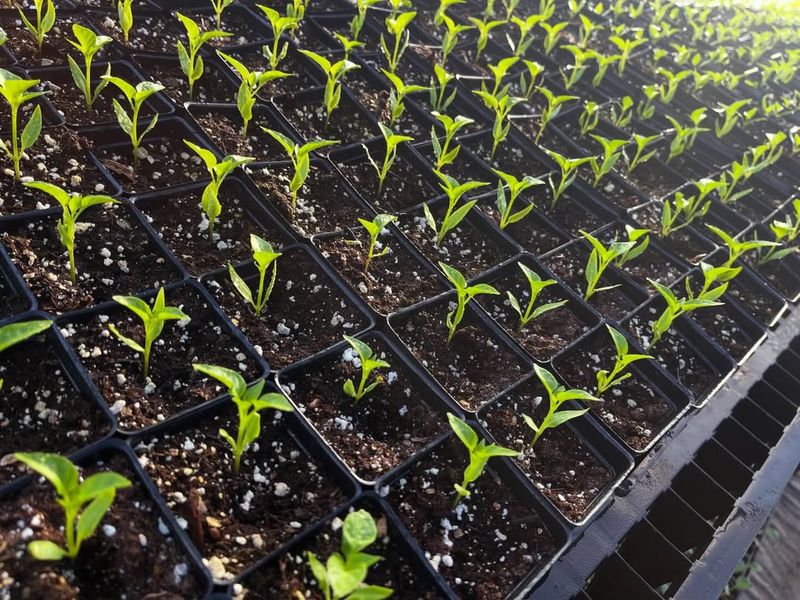
Sunshine is basically a pepper plant’s best friend, and California has plenty of it to go around. Peppers need at least six to eight hours of direct sunlight every single day to grow strong stems, develop healthy foliage, and produce an impressive load of fruit.
Shady spots might seem tempting during hot summers, but too much shade will result in leggy plants with far fewer peppers.
When scouting locations in your California garden, pay attention to where the sun hits throughout the day. South-facing beds or spots that open up to the sky without obstruction from trees, fences, or buildings tend to be ideal.
In the scorching heat of the Central Valley, some light afternoon shade during peak summer can actually protect plants from heat stress, but morning and midday sun should remain unobstructed.
Full sun also helps the soil warm up faster, which peppers appreciate from planting through harvest. Gardeners in Northern California or coastal communities should be especially strategic about sun placement since those areas naturally receive fewer intense sunlight hours.
Raised beds are a great way to position plants in the sunniest part of your yard, and they also improve drainage, which peppers need just as much as light to really thrive throughout the California growing season.
5. Use Well-Drained Soil Rich In Organic Matter
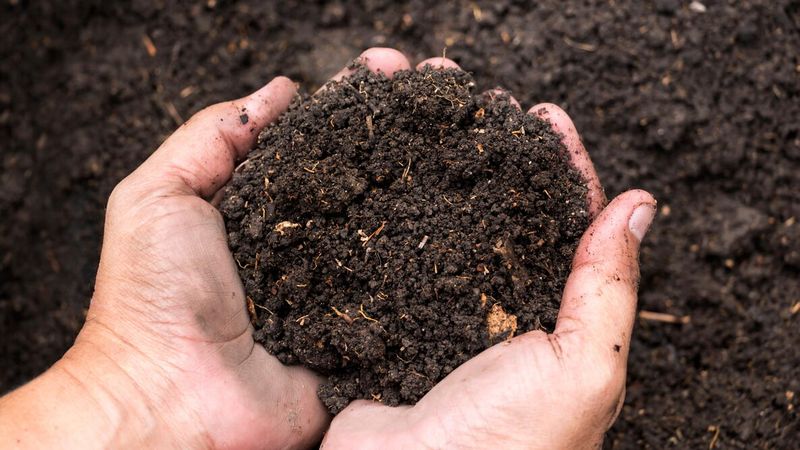
Soil quality can make or break a pepper harvest, and California gardens vary wildly in their native soil conditions. Clay-heavy soils in parts of the state hold too much moisture and can suffocate pepper roots, while sandy soils drain so fast that nutrients wash away before plants can use them.
The sweet spot is well-draining soil that still holds enough moisture and nutrients to keep plants happy all season long.
Working in generous amounts of compost before planting is one of the best investments you can make. Compost improves drainage in clay soils, helps sandy soils retain moisture, and adds a slow-release supply of nutrients that peppers love.
Aim to mix in two to three inches of compost into the top eight to ten inches of your garden bed before transplanting your seedlings.
Peppers prefer a soil pH between 6.0 and 6.8, which is slightly acidic to neutral. A simple soil test kit, available at most California garden centers, can tell you where your soil currently stands and what amendments you might need.
Adding aged compost, worm castings, or well-rotted manure each season will gradually improve your soil structure over time, making every future pepper planting in your California garden even more productive than the last.
6. Water Deeply But Allow Soil To Dry Slightly Between Watering
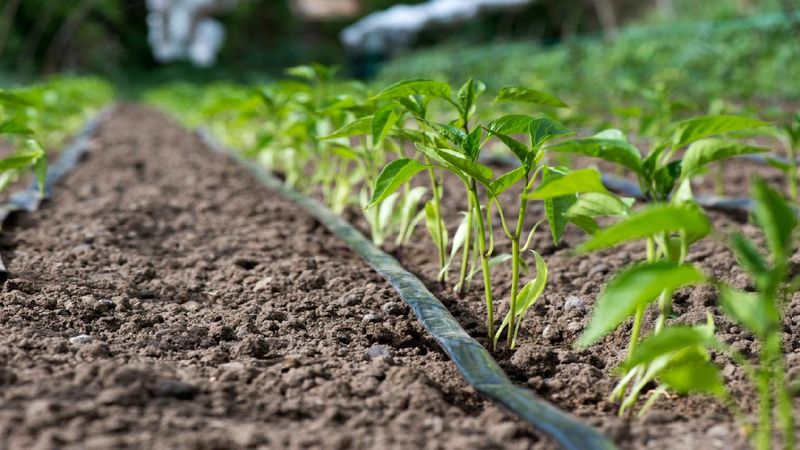
Watering peppers correctly is a skill that pays off big time come harvest season. Too much water drowns roots and encourages fungal problems, while too little causes blossom drop and shriveled fruit.
The goal is to water deeply so moisture reaches the root zone, then allow the top inch or two of soil to dry out slightly before watering again.
Drip irrigation is widely used by California gardeners and is an excellent choice for peppers. It delivers water directly to the root zone, keeps foliage dry to reduce disease risk, and conserves water in a state where conservation genuinely matters.
Soaker hoses are another budget-friendly option that works on the same principle and is easy to set up in a raised bed or in-ground plot.
During California’s hot summer months, peppers may need watering every two to three days, while cooler coastal conditions might call for watering just once or twice a week. Stick your finger about two inches into the soil to check moisture levels before reaching for the hose.
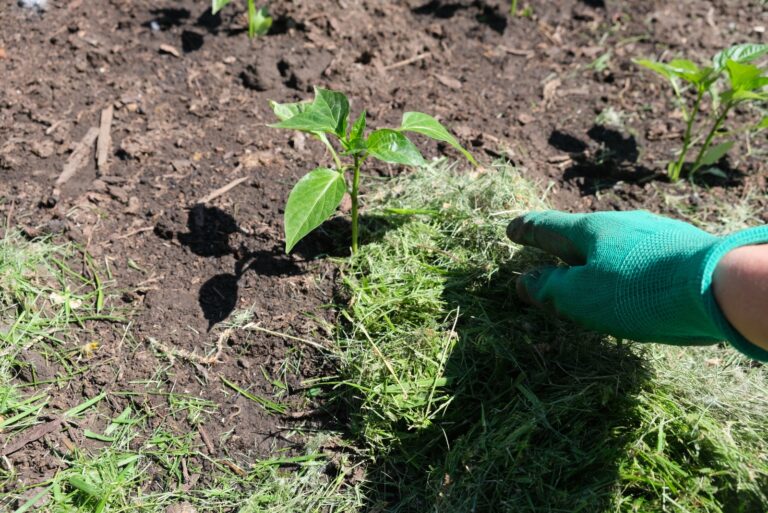
Mulching around plants with straw or wood chips also helps retain soil moisture, reduce evaporation, and keep roots cool during the intense heat that many parts of California experience from June through September.
7. Avoid Over-Fertilizing To Prevent Excess Leaf Growth
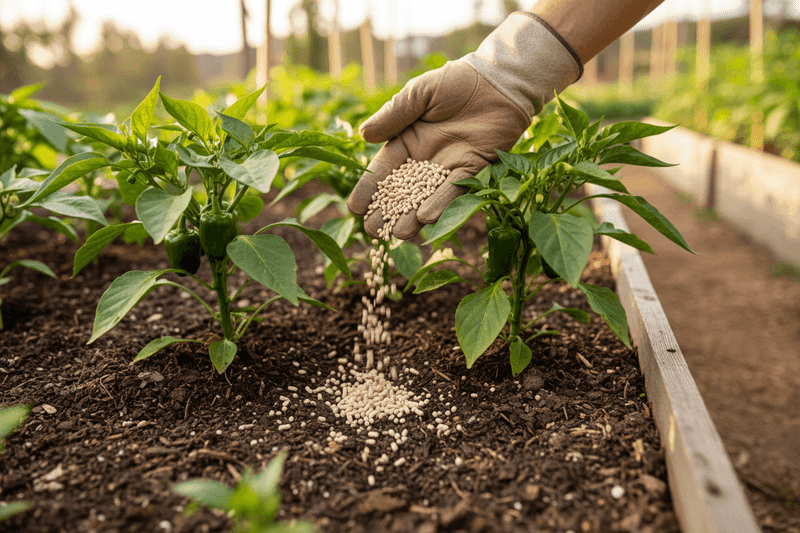
Fertilizing peppers feels like a great idea, but going overboard can actually work against you. Dumping too much nitrogen-rich fertilizer into your garden beds pushes plants to grow loads of lush, dark green leaves while completely neglecting the whole point of the operation: producing peppers.
Keeping fertilization balanced and measured is the key to getting both healthy plants and a solid fruit harvest.
A fertilizer with a balanced or slightly lower nitrogen ratio works well for peppers. Look for products labeled something like 5-10-10 or 8-16-16, which provide more phosphorus and potassium relative to nitrogen.
Phosphorus supports strong root development and flower formation, while potassium helps with fruit quality and disease resistance. Apply fertilizer at planting time and then again when flowers start to appear.
California gardeners who amend their soil with plenty of compost before planting often find they need very little additional fertilizer throughout the season. Compost releases nutrients slowly and steadily, reducing the risk of the sudden nitrogen spikes that push plants toward leafy growth at the expense of fruiting.
If you notice your plants are producing lots of foliage but very few flowers or fruits, ease back on feeding and let the plant redirect its energy where it counts most for your California pepper harvest.
8. Protect Plants From Cool Nights And Coastal Temperature Swings
California might be famous for sunshine and warmth, but plenty of parts of the state experience surprisingly cool nights, especially near the coast. Peppers are tropical plants at heart and genuinely dislike temperatures below 55 degrees Fahrenheit.
When nights consistently dip that low, plant growth slows down, blossoms may drop, and fruit set can suffer noticeably.
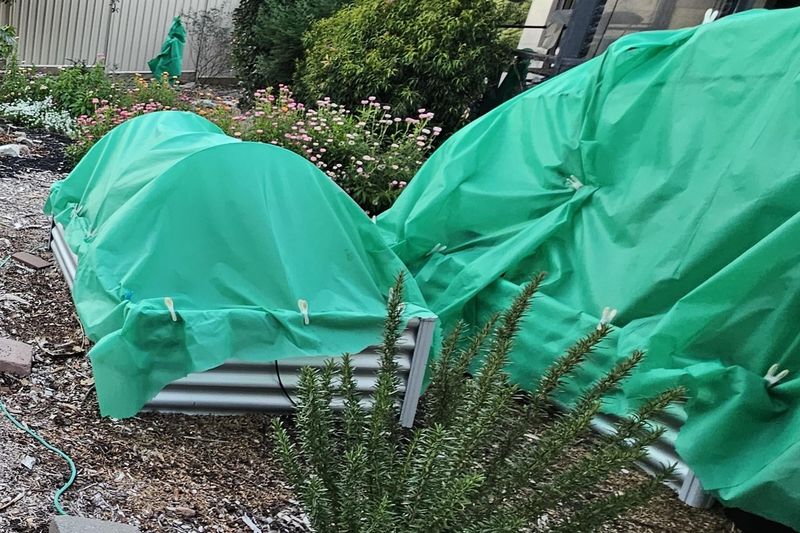
Gardeners in places like San Francisco, Santa Cruz, or the coastal parts of Los Angeles County know all too well how quickly temperatures can swing once the marine layer rolls in. Using floating row covers or frost cloth on cool nights can make a meaningful difference, trapping heat around plants and protecting them from chilly air.
Simply drape the fabric over plants in the evening and remove it in the morning once temperatures rise.
Wall-o-Waters and similar season-extension tools are also popular in California for protecting young pepper plants during early spring planting. Placing plants near a south-facing wall or fence can create a microclimate that stays several degrees warmer than the open garden, which is a clever trick many experienced California gardeners swear by.
Choosing cold-tolerant varieties when gardening in coastal zones adds an extra layer of protection and helps ensure your pepper plants keep growing strong even when the Pacific breeze turns unexpectedly chilly at night.
9. Harvest Regularly To Encourage Continued Production
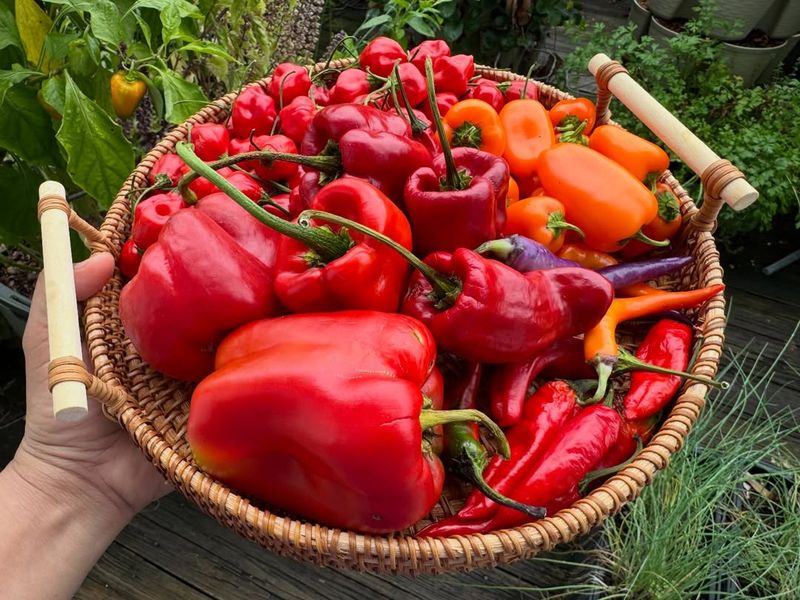
One of the most satisfying parts of growing peppers in California is walking out to the garden and picking a fresh, colorful harvest. But regular picking is not just enjoyable, it is actually essential for keeping plants productive throughout the season.
When ripe peppers are left on the plant too long, the plant signals that its job is done and slows down flower and fruit production.
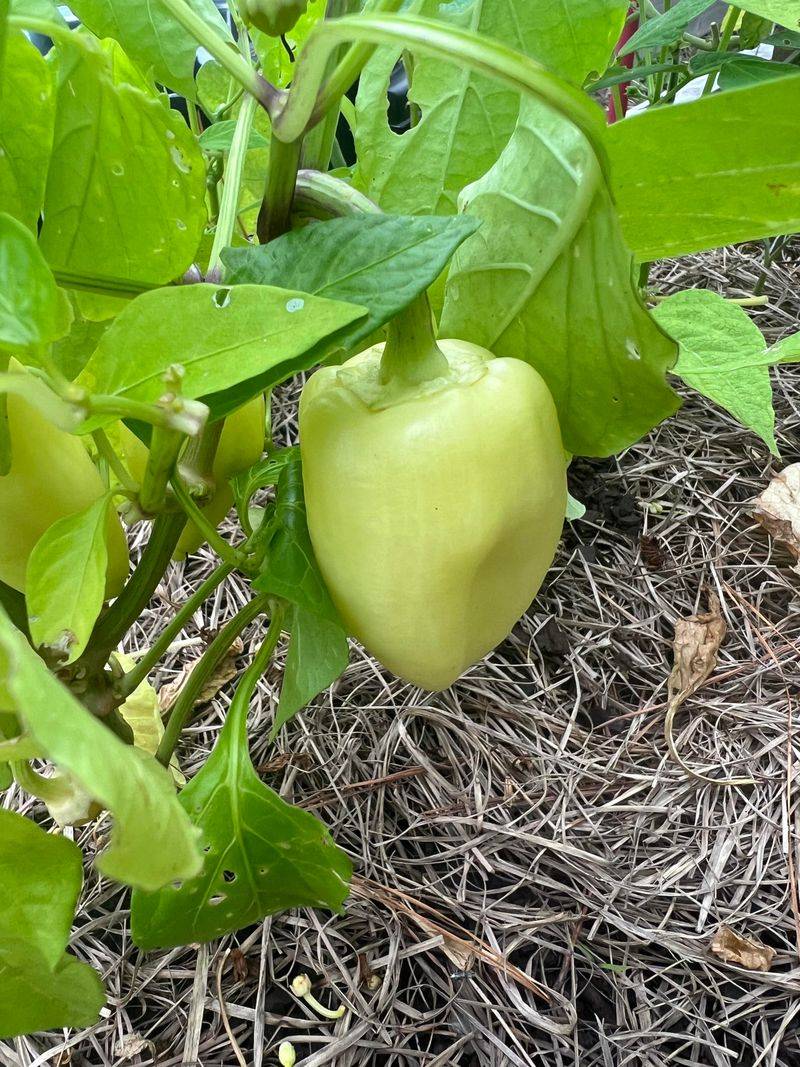
Most pepper varieties are ready to harvest when they reach full size and firm texture. Bell peppers can be picked green for a crisp flavor or left to ripen to red, yellow, or orange for a sweeter taste.
Hot peppers like jalapenos and serranos can be harvested at any stage, though their heat intensity increases as they ripen and change color.
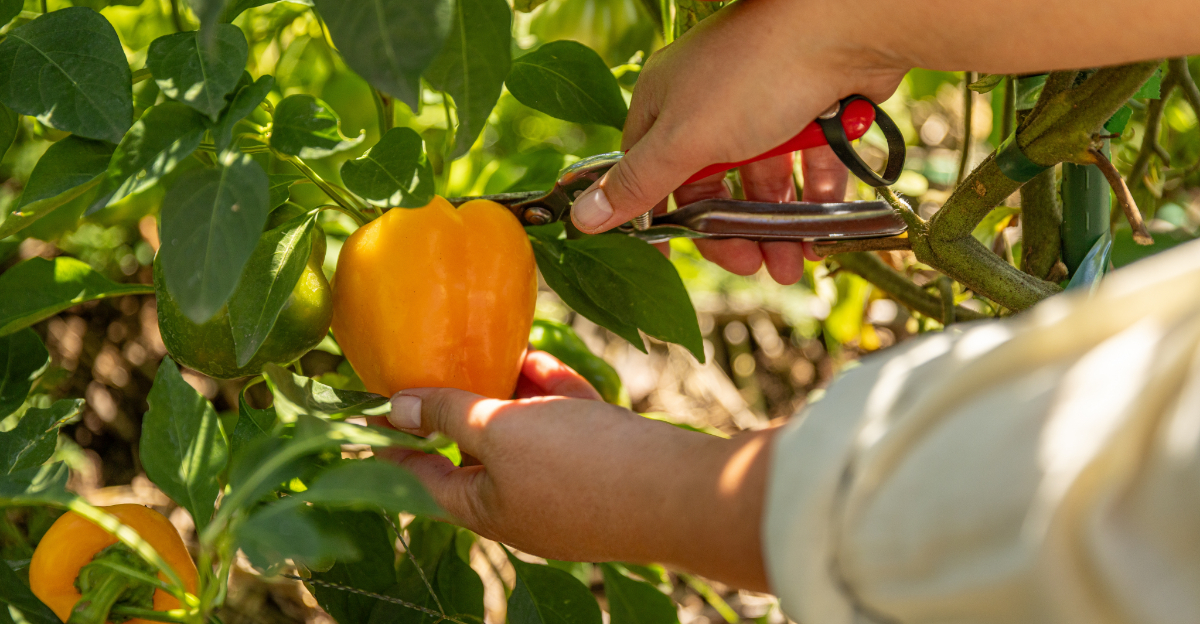
Always use a clean pair of scissors or pruning shears to cut peppers from the plant rather than pulling them off by hand. Pulling can snap branches and stress the plant unnecessarily.
In California, the long growing season means that with consistent harvesting, a single pepper plant can keep producing from early summer all the way through fall. Staying on top of your harvest every few days is one of the easiest and most rewarding ways to maximize the total output of your California pepper garden all season long.