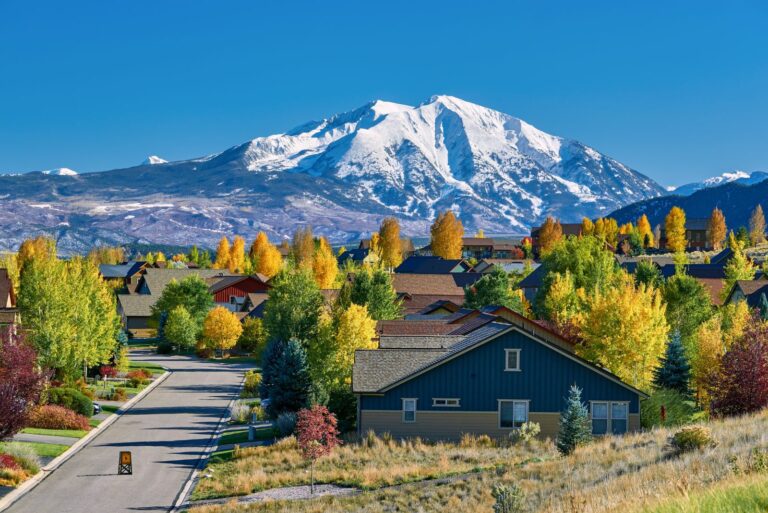
10 Easy Perennial Grasses For Long-Lasting Beauty In Colorado
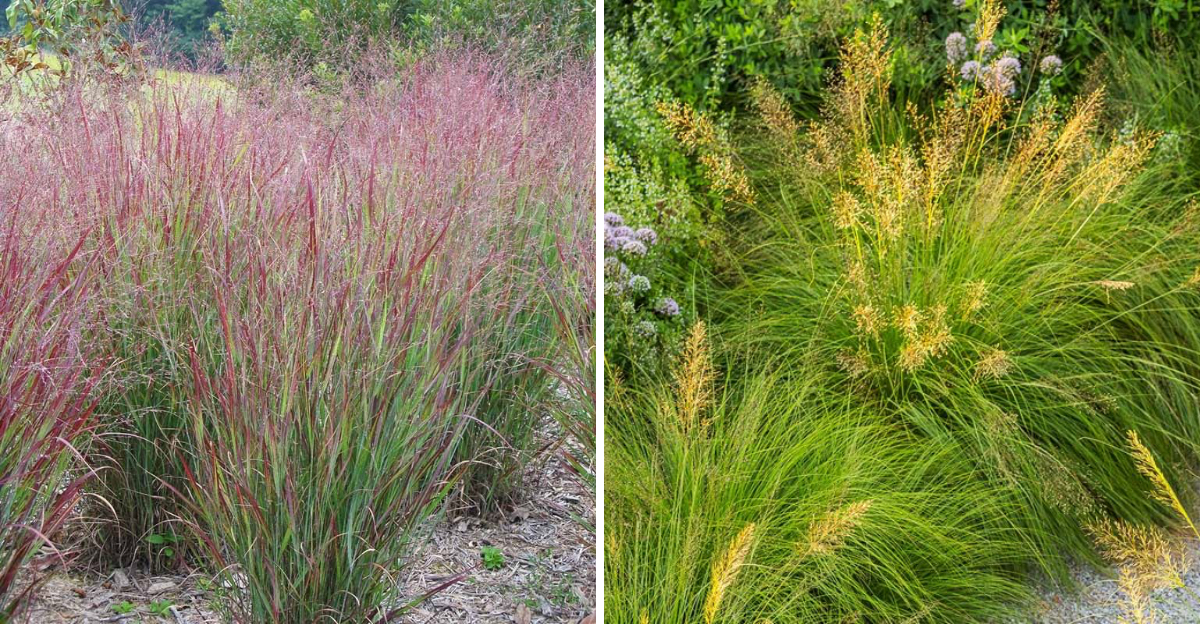
A beautiful Colorado yard does not have to mean constant work. Perennial grasses are one of the easiest ways to bring texture, movement, and year-round character into the landscape without turning gardening into a full-time job.
These tough, reliable plants come back season after season and handle Colorado’s challenges with far less fuss than many flowering perennials.
Dry summers, cold winters, strong sun, rocky soil, ornamental grasses take it all in stride while still putting on a show.
Some add soft, flowing movement in the breeze. Others light up the garden with feathery seedheads, rich gold tones, and striking texture that looks good long after summer fades.
If you want plants that work hard and still look effortlessly beautiful, perennial grasses are hard to beat.
1. Blue Grama Grass
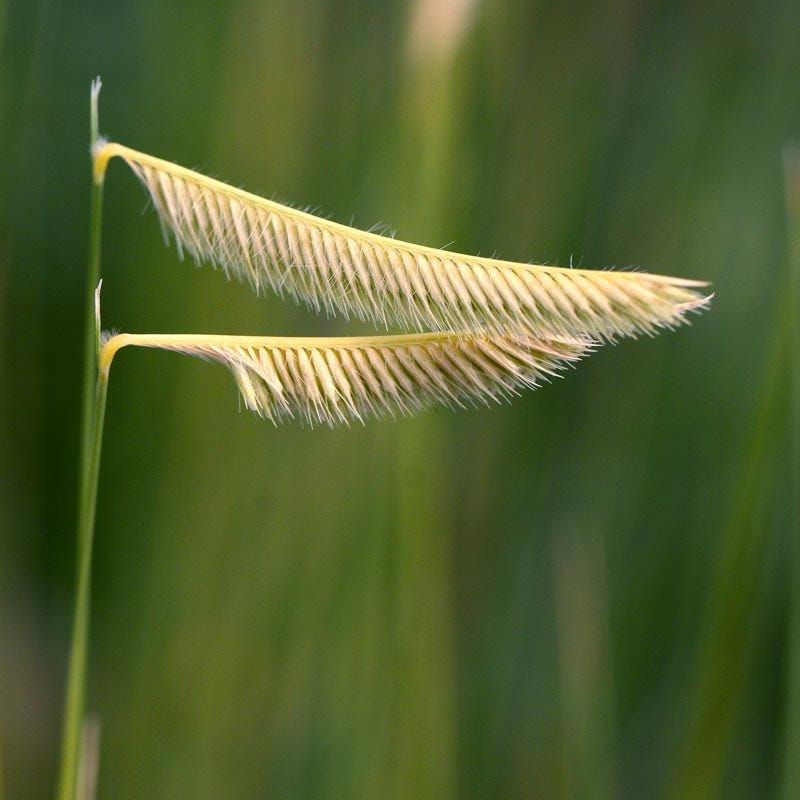
Few grasses have as much personality as Blue Grama. Those tiny, eyelash-shaped seedheads give it a playful look, bobbing and shifting in the breeze like little flags strung across the garden.
It may look delicate, but this is one tough plant. Native to the Great Plains, Blue Grama has been handling dry weather, poor soil, and harsh growing conditions long before gardeners started using it as an ornamental grass.
That natural resilience makes it an especially smart fit for Colorado landscapes, where water can be limited and the climate often asks a lot from every plant.
Blue Grama grows in neat, tidy clumps that usually reach around 12 to 18 inches tall, so it never feels bulky or overwhelming. It brings a soft texture to the yard while still holding a clear shape, which makes it easy to work into all kinds of designs.
The seedheads begin showing up in mid to late summer and keep their charm well into fall, giving the garden months of movement and visual interest without needing much in return.
Once established, Blue Grama asks for very little water, which is one of the reasons it has become such a favorite in low-maintenance and drought-conscious gardens. Full sun suits it best, and it has no problem growing in lean, rocky, or sandy soil where fussier plants tend to struggle.
It looks especially good tucked into rock gardens, planted along walkways, woven through prairie-style beds, or even used as a lawn alternative in dry areas.
Because it is a native grass, it also brings ecological value to the landscape. Birds and pollinators are naturally drawn to it, adding even more life to the yard.
Blue Grama is quirky, hardy, water-wise, and full of character, which makes it one of the most rewarding grasses you can plant in Colorado.
2. Little Bluestem
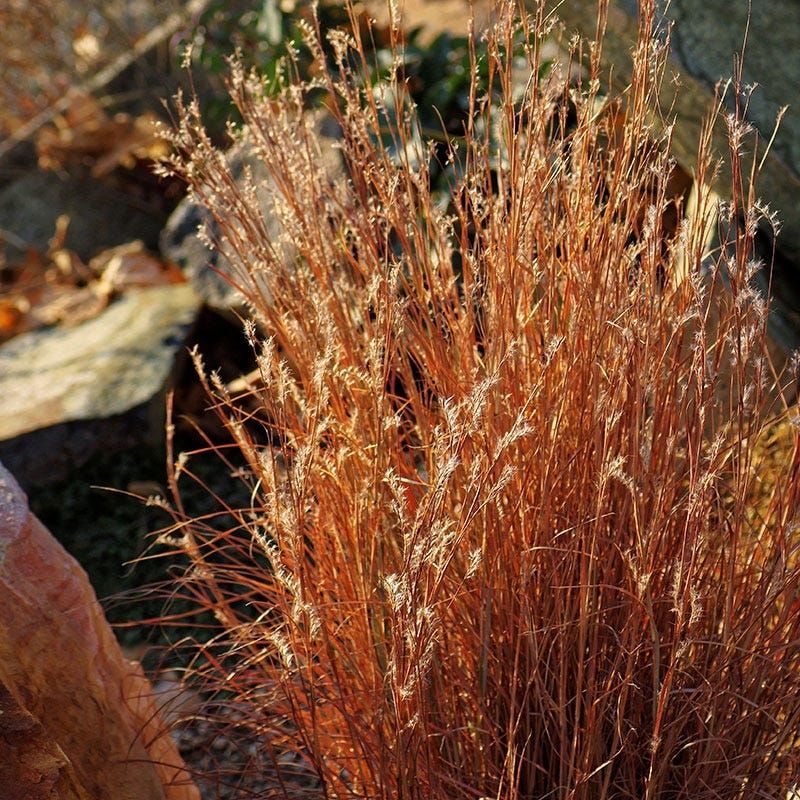
Little Bluestem really earns its moment in autumn. All summer, it stays relatively understated with blue-green foliage and an upright, tidy shape.
Then the temperatures begin to drop, and suddenly the whole plant shifts into glowing shades of copper, rust, orange, and red. In the right light, it almost looks lit from within.
That dramatic color change is one of the reasons gardeners love it so much. Few ornamental grasses put on such a vivid seasonal display while asking for so little in return.
Your Colorado Garden Changes Every Week. Your Plan Should Too.
Gardening in Colorado changes quickly throughout the season. Every Friday you’ll receive a simple weekly plan showing exactly what to plant, prune, fertilize, harvest, and protect so you never miss the right timing.
It brings warmth, movement, and structure to the landscape at exactly the time many other plants are starting to fade. The effect is especially striking in Colorado, where golden autumn light makes those fiery tones stand out even more.
Little Bluestem is a native prairie grass, so it is naturally well suited to Colorado’s dry climate and wide temperature swings. Once established, it is extremely drought-tolerant and requires very little upkeep.
It grows in upright, well-behaved clumps, usually reaching around 2 to 4 feet tall, which makes it easy to place in all kinds of garden designs without worrying about it looking messy or taking over.
In late summer and fall, fluffy white seedheads appear above the foliage and add a soft, airy texture that contrasts beautifully with the plant’s rich coloring. Those seedheads do more than look pretty, too.
Birds often rely on them through the colder months, which gives the plant extra value beyond its ornamental appeal.
Little Bluestem looks beautiful planted in sweeping drifts, tucked into mixed borders, or used as a standout focal point in smaller spaces. It handles full sun and well-drained soil with ease and keeps the garden interesting long after summer has passed.
Once it settles in, it becomes the kind of plant you end up appreciating more with every season.
3. Feather Reed Grass
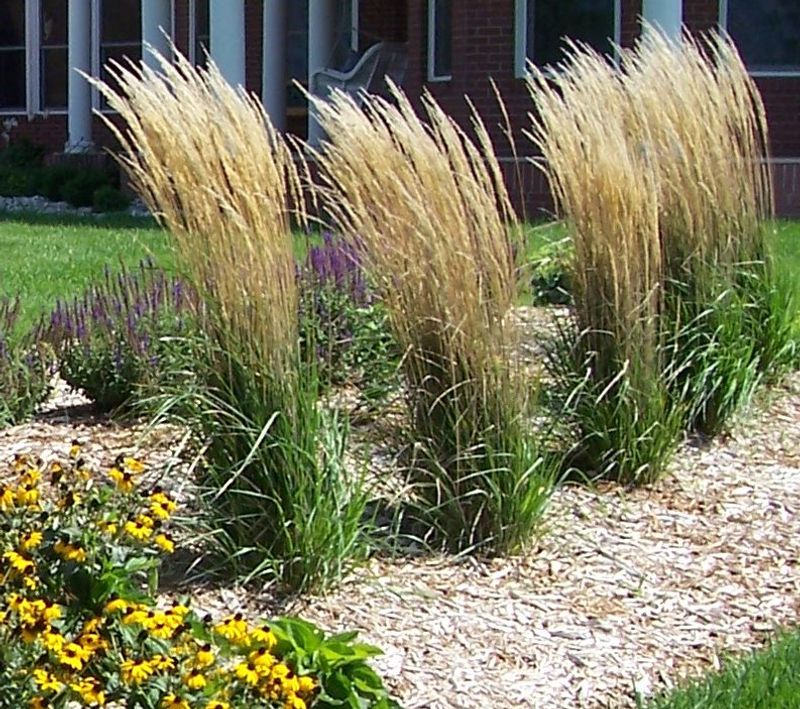
Tall, elegant, and impossibly easy to grow, Feather Reed Grass is the overachiever of the ornamental grass world. The variety Karl Foerster is especially popular, sending up stunning golden plumes that can reach 5 to 6 feet in height.
Those feathery seedheads catch the light in the most magical way during late afternoon sun.
Unlike many ornamental grasses, Feather Reed Grass is a cool-season grower, meaning it gets going early in spring. It stays upright and tidy even through Colorado’s heavy snowfalls, which is a huge bonus.
The structure it provides in a winter garden is genuinely impressive.
This grass thrives in full sun to partial shade and tolerates clay soils better than most ornamental grasses. It rarely needs dividing and stays looking great for many years with minimal attention.
Use it as a vertical accent near fences, in mixed borders, or as a dramatic backdrop for shorter flowering plants. Gardeners who want big impact with little effort always end up loving this one.
4. Prairie Dropseed
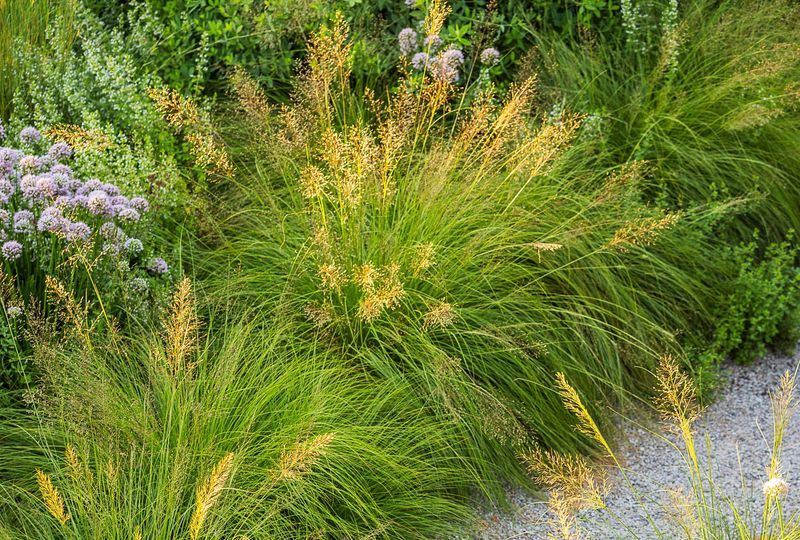
Prairie Dropseed is the kind of grass that makes experienced gardeners smile knowingly when they see it. Its incredibly fine, arching blades create a soft, fountain-like mound that looks almost too good to be real.
When it flowers in late summer, a sweet, almost popcorn-like fragrance drifts through the air around it.
Growing about 2 to 3 feet tall and wide, Prairie Dropseed forms graceful clumps that turn a warm golden color in fall. It is native to the central prairies of North America, so Colorado’s climate suits it just fine.
Established plants are very drought-tolerant and rarely need supplemental watering after the first season.
Full sun is ideal, and well-drained soil keeps it happiest. Prairie Dropseed is slow to establish but rewards your patience with decades of reliable beauty.
It works beautifully as an edging plant, a ground cover for slopes, or a textural contrast among bold-leaved perennials. Planting a mass of it creates a flowing, meadow-like effect that looks completely natural and effortlessly stylish.
5. Blue Oat Grass
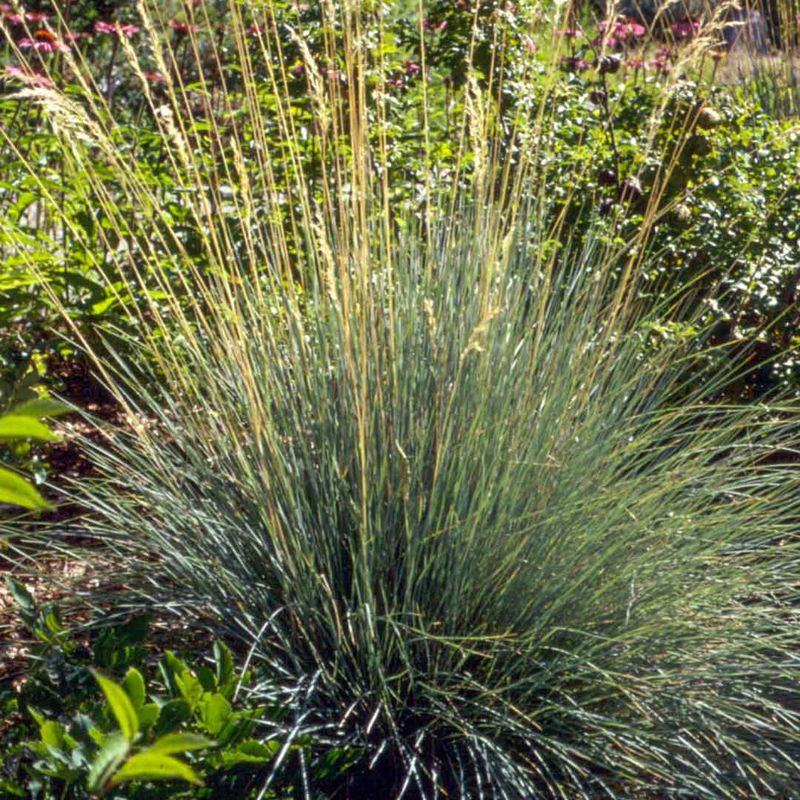
Imagine a grass so blue it looks like it belongs on another planet. Blue Oat Grass has that exact effect, with its striking steel-blue foliage that holds its color all season long.
Gardeners often use it as a focal point because it simply demands attention wherever it is planted.
This grass forms tight, spiky clumps about 18 to 24 inches tall. The oat-like seedheads that appear in early summer are a lovely bonus, adding even more visual interest to an already eye-catching plant.
Once the seeds ripen, they turn a warm tan color that complements the blue blades beautifully.
Blue Oat Grass is a cool-season plant that prefers full sun and excellent drainage. It handles Colorado’s dry summers and cold winters with impressive ease.
Rock gardens and xeriscapes are natural homes for this grass, but it also looks stunning when paired with bright yellow or orange flowering plants for a bold color contrast. Dividing clumps every few years keeps the center fresh and the plant looking its absolute best.
6. Switchgrass
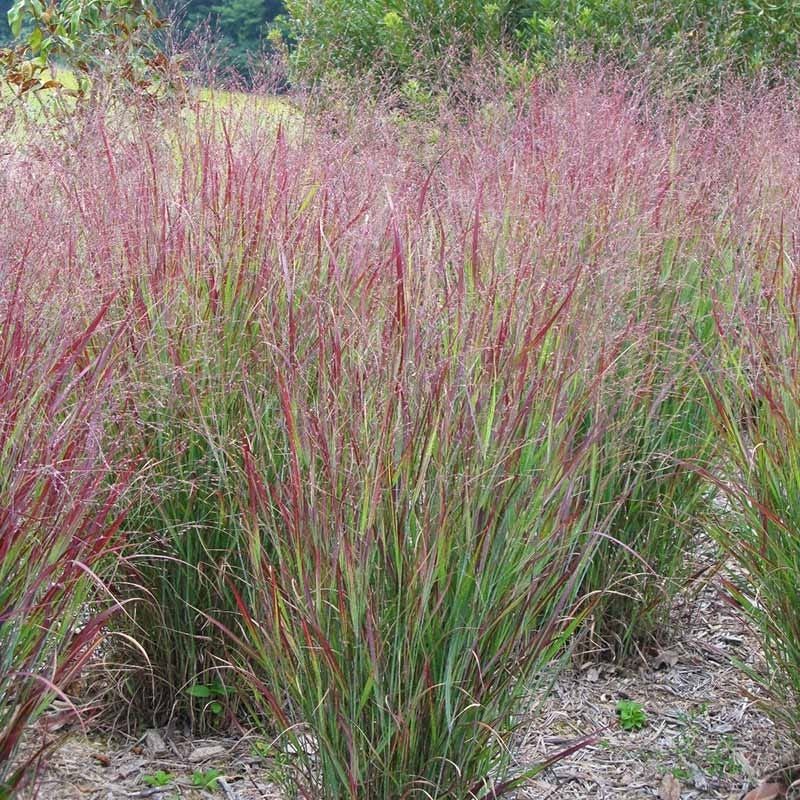
Switchgrass has a wild, windswept beauty that makes a garden feel alive and full of energy. The Shenandoah variety is especially beloved for its brilliant red fall color, which practically glows in the autumn sunlight.
Few grasses make as dramatic a statement as this one does from September through November.
Growing 3 to 5 feet tall depending on the variety, Switchgrass produces airy, cloud-like seedheads in late summer that sway gracefully in the slightest breeze. Birds flock to those seeds during winter, so you get the bonus of a built-in bird feeder right in your garden.
The upright habit makes it perfect for screening or adding privacy.
Switchgrass is a native prairie plant that handles Colorado’s weather extremes without breaking a sweat. It tolerates drought, wet soils, heat, and cold with equal ease, which is rare among ornamental grasses.
Full sun brings out the best color, though it manages fine in light shade. Plant it in groups for a bold prairie-inspired look, or use single plants as dramatic garden anchors throughout the landscape.
7. Mexican Feather Grass
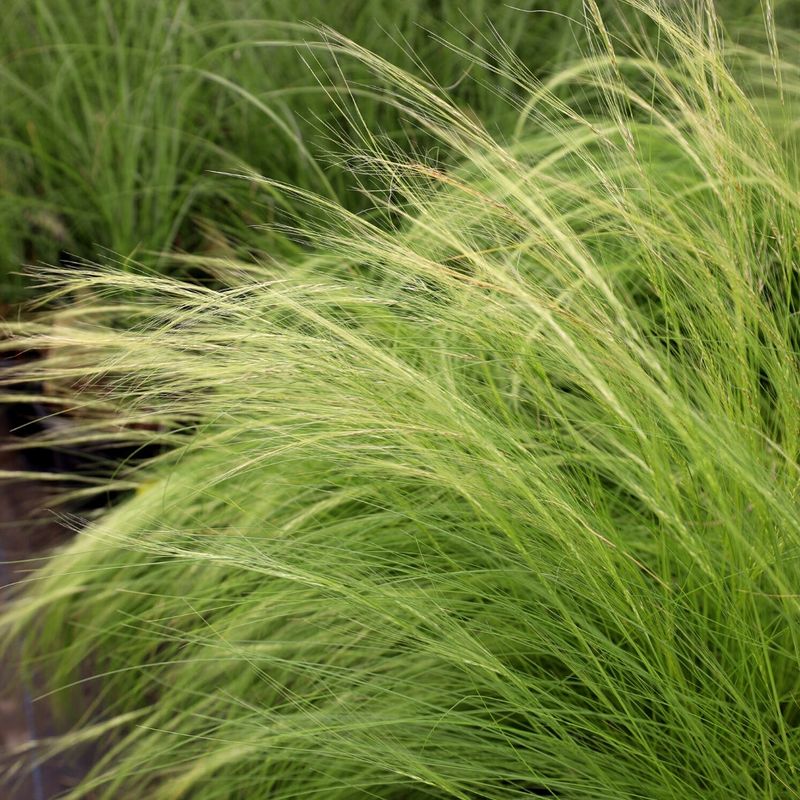
There is something almost magical about the way Mexican Feather Grass catches the light. The ultra-fine, silky blades shimmer and ripple with every passing breeze, creating a living, breathing texture that feels more like water than grass.
It is genuinely one of the most beautiful plants you can grow in a dry garden.
This grass stays relatively compact, growing about 1 to 2 feet tall and wide. It thrives in full sun and poor, well-drained soil, making it a natural fit for rock gardens, gravel gardens, and dry slopes.
The golden seedheads that appear in summer add a warm, sun-kissed glow to the entire planting area.
Mexican Feather Grass self-seeds moderately, so deadheading after flowering can help manage spreading if needed. Despite that, most gardeners find it easy to keep in check with a little seasonal tidying.
It pairs beautifully with succulents, lavender, and other drought-tolerant perennials. For anyone wanting effortless, year-round texture in a low-water garden, this grass delivers results that consistently impress neighbors and visitors alike.
8. Sideoats Grama
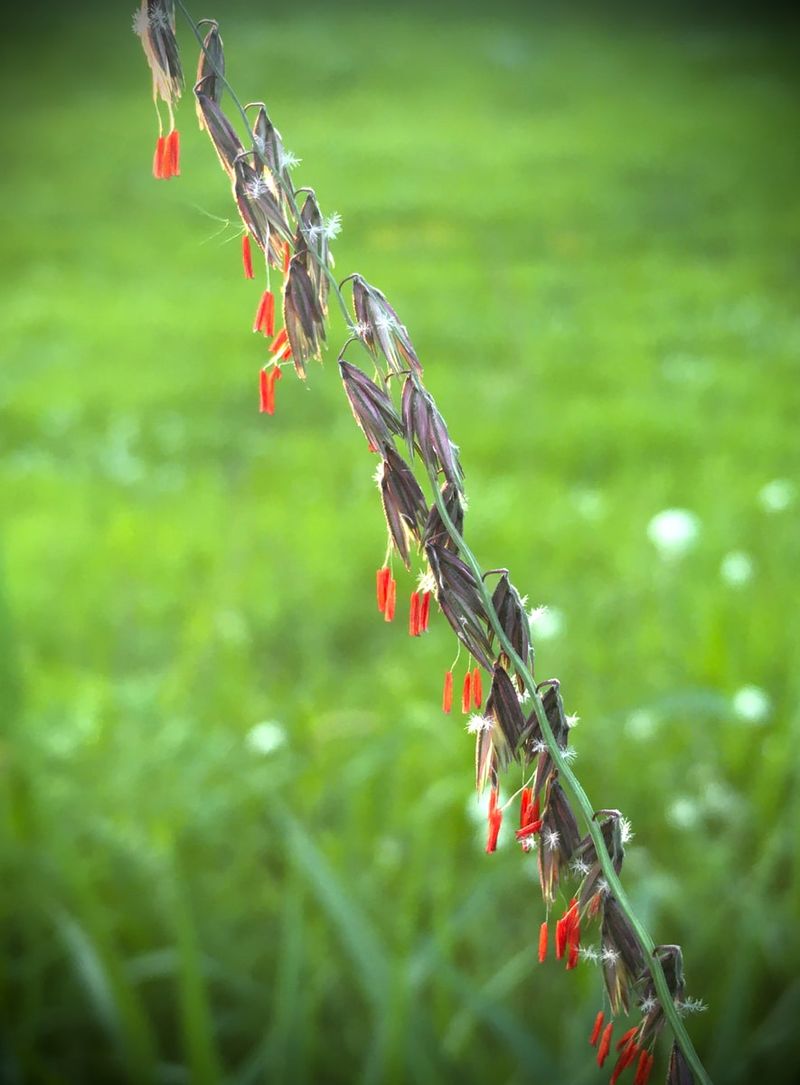
Sideoats Grama is actually the official state grass of Texas, but do not let that fool you because it absolutely thrives in Colorado too.
The most charming thing about this grass is its unique seed arrangement, where tiny oat-like seeds dangle in a neat row along just one side of each stem. It looks like nature’s own beaded curtain.
Growing 1 to 3 feet tall, Sideoats Grama is a warm-season native grass that stays tidy and manageable throughout the growing season. The foliage takes on beautiful reddish-purple tints in fall before fading to a soft tan in winter.
Those winter seedheads provide excellent texture and food for birds during colder months.
Full sun and dry to medium soils are ideal for this grass. Once established, it needs almost no supplemental watering, which makes it a genuinely smart choice for water-conscious gardening.
It works well as a meadow grass, a lawn alternative for sunny areas, or mixed into native plant gardens. Sideoats Grama is low-fuss, wildlife-friendly, and genuinely beautiful in every season of the year.
9. Autumn Moor Grass
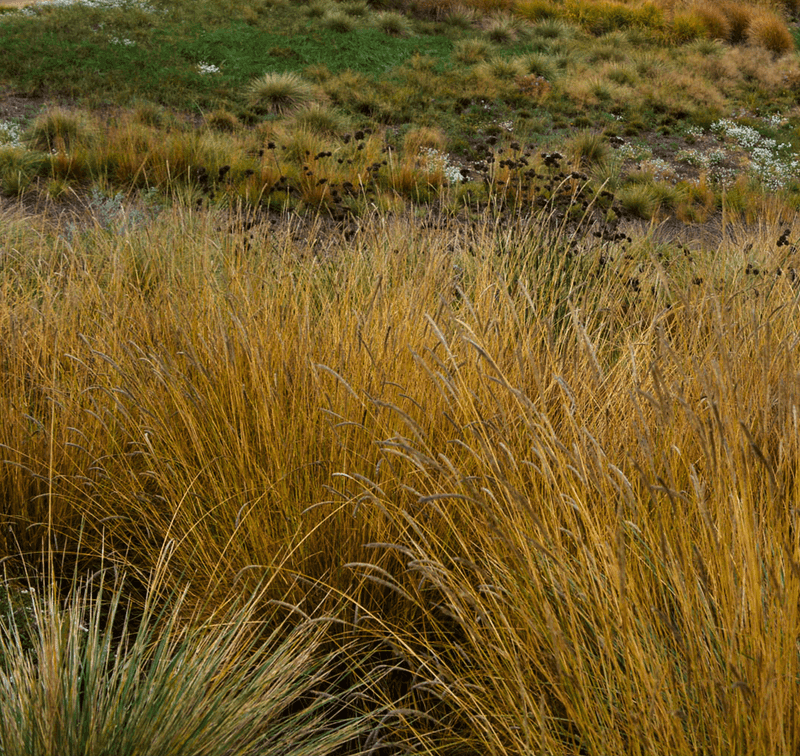
Not every garden gets full blazing sun all day, and that is exactly where Autumn Moor Grass steps in to save the day. This underrated gem thrives in partial shade, which is something most ornamental grasses simply cannot claim.
It brings warmth, texture, and color to spots that other grasses would struggle in.
Autumn Moor Grass grows in neat, arching clumps about 18 to 24 inches tall. The narrow blades are often striped with golden yellow, especially as the season progresses into fall when the entire plant takes on a rich amber hue.
That autumn color is genuinely stunning and lasts for weeks.
It prefers moist, well-drained soil and performs best in areas with some afternoon shade, particularly during Colorado’s hottest summer months. Once established, it is quite tough and requires minimal maintenance.
Trim it back in late winter before new growth emerges to keep it looking fresh and tidy. Autumn Moor Grass is a wonderful choice for woodland-edge gardens, shaded borders, or any spot where you want a reliable, beautiful grass without the full-sun requirement.
10. Sand Lovegrass
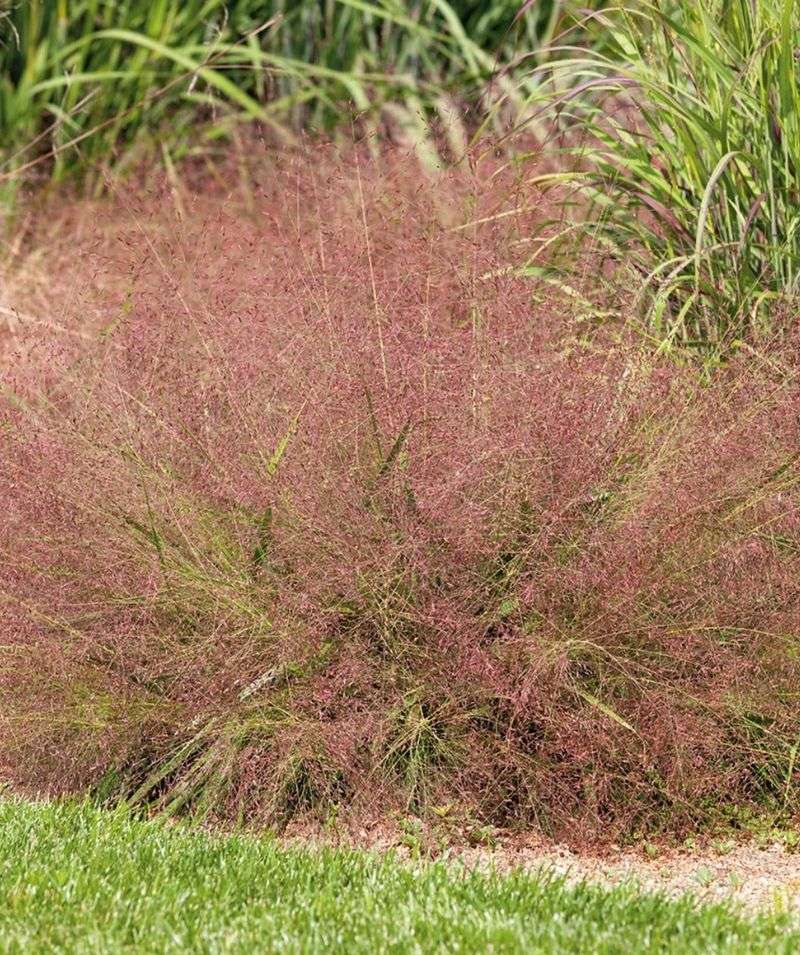
Sand Lovegrass earns its place in any garden the moment its seedheads appear. In late summer, clouds of delicate, purple-pink flower clusters float above the fine green blades like a soft mist, creating an effect that stops people in their tracks.
It is one of those plants that photographs beautifully from every angle.
This warm-season native grass grows about 2 to 3 feet tall and spreads gradually to form loose, flowing colonies. The seedheads persist well into winter, providing months of airy texture even after the growing season ends.
Come fall, the foliage transitions to a warm copper-orange that complements the lingering seedheads perfectly.
Sand Lovegrass is built for tough, dry conditions and poor soils, which makes it especially well-suited to Colorado’s more arid regions. Full sun is a must, and established plants are remarkably drought-tolerant.
It works beautifully in naturalized areas, along dry stream beds, or mixed into prairie-style plantings. Pair it with bold perennials like black-eyed Susans or coneflowers for a wildflower garden that looks effortlessly stunning all season long.