Why Mushrooms Growing In Your Washington Lawn Can Actually Be A Healthy Sign
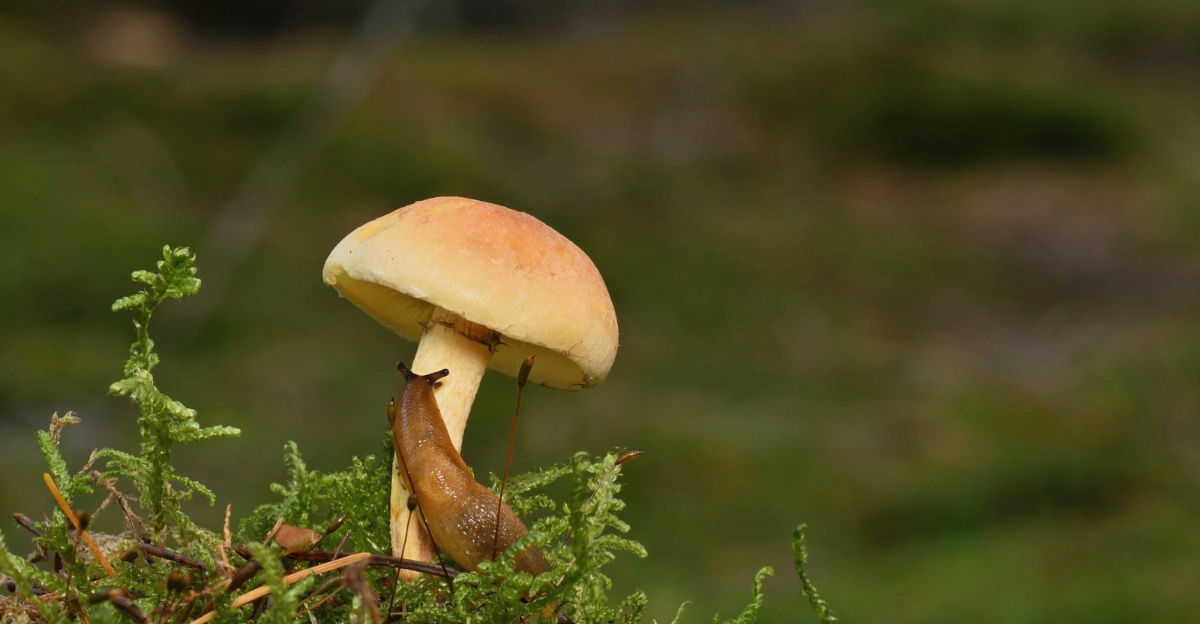
Mushrooms in the lawn? Most people panic too fast.
Those little caps popping up in the grass may look like a problem, but they often point to something surprisingly positive happening below ground.
In Washington, where moisture, mild weather, and rich soil create ideal conditions for fungal growth, lawn mushrooms are a common sight and not always a bad one. In many cases, they are a sign that your soil is full of life.
Instead of ruining your yard, they can hint at healthy organic activity, active decomposition, and a lawn ecosystem doing exactly what it is supposed to do.
Before you rush out with a shovel, it helps to know what they really mean. These eight reasons explain why mushrooms showing up in your Washington lawn may be better news than you think.
1. Mushrooms Signal Healthy Soil Full Of Life
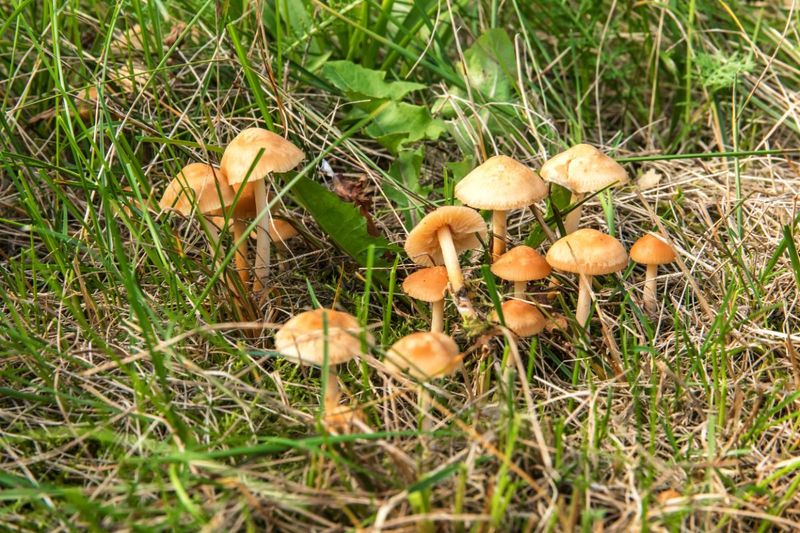
Your soil is basically throwing a party, and mushrooms are the guests of honor. When fungi appear in your lawn, it often means the underground ecosystem is thriving with activity.
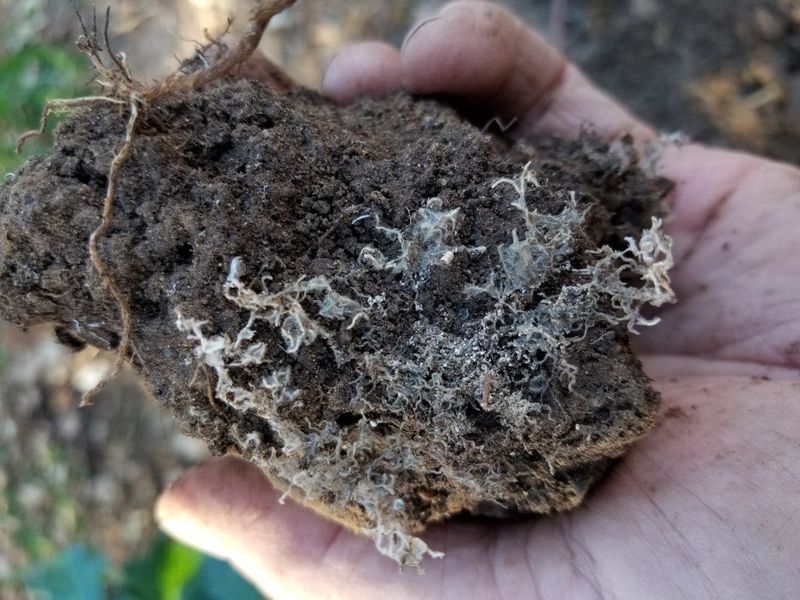
Mushrooms are the visible part of a much larger network called mycelium, which spreads through the soil like a web of tiny threads.
That underground web is constantly breaking down organic material, recycling nutrients, and feeding your grass the good stuff it needs to stay green and strong. Healthy soil is full of microorganisms, and fungi are one of the most important players in keeping that balance right.
Without them, organic matter would just sit there and slowly build up without breaking down properly.
In Washington, where lawns deal with everything from clay-heavy soil to heavy rainfall, having active fungal networks underground is a real advantage.
It means your soil has the biological muscle to handle stress, recover from drought, and support deep grass root growth. So instead of seeing mushrooms as a problem, think of them as a report card showing your soil is doing exactly what it should be doing.
2. They Show Your Lawn Is Breaking Down Organic Matter
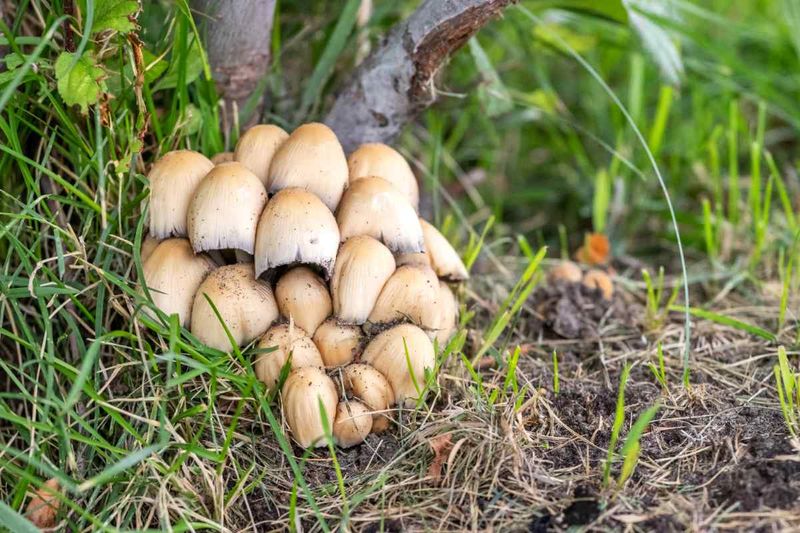
Fungi are nature’s cleanup crew, and they are incredibly good at their job.
When mushrooms pop up near a stump, old tree roots, or a patch where wood chips were buried, they are doing the hard work of breaking that material down into nutrients your lawn can actually use.
It is a slow process, but an incredibly important one.
Organic matter like fallen leaves, dead roots, and old mulch does not just vanish on its own. It needs decomposers, and fungi are among the most efficient ones out there.
As they break down this material, they release nitrogen, phosphorus, and other minerals back into the soil, essentially feeding your grass for free.
Homeowners who notice mushrooms appearing in a specific spot should look for buried wood, old roots, or decomposing organic material just below the surface. That is almost always what is fueling the fungal growth.
Rather than treating it as a problem, consider it a sign that your yard is recycling its own resources naturally. Over time, once that buried material fully breaks down, the mushrooms will stop appearing on their own without any extra effort from you.
Your Washington Garden Changes Every Week. Your Plan Should Too.
Gardening in Washington changes quickly throughout the season. Every Friday you’ll receive a simple weekly plan showing exactly what to plant, prune, fertilize, harvest, and protect so you never miss the right timing.
3. Fungal Networks Feed Your Grass Roots Directly
Not many people realize that fungi and grass roots can actually work together like teammates.
Certain types of fungi form what scientists call mycorrhizal relationships with grass, where the fungal threads wrap around or enter the roots and help them pull in water and nutrients far more efficiently than they could on their own.
Think of it like upgrading your grass roots with a built-in extension cord. The mycelium reaches into tiny pockets of soil that roots cannot access, pulling out minerals like phosphorus and delivering them straight to the plant.
In return, the grass shares some of its sugars with the fungi. It is a fair trade that benefits both sides.
Lawns with active mycorrhizal networks tend to be more resilient during dry spells and bounce back faster after stress. For Washington lawns that face hot, humid summers and occasional drought conditions, this underground partnership is especially valuable.
Encouraging fungal activity rather than fighting it could mean spending less on fertilizer and watering less often. It is one of the simplest ways nature supports a healthier, lower-maintenance lawn without any extra products or effort on your part.
4. Mushrooms Mean Your Lawn Has Good Moisture Retention
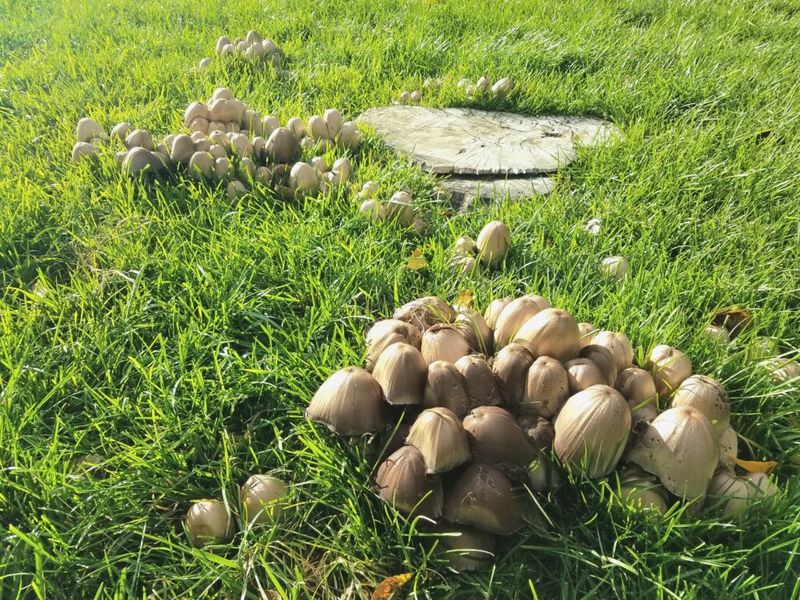
Moisture is everything when it comes to a thriving lawn, and mushrooms are a surprisingly good indicator that your soil is holding water well.
Fungi thrive in damp environments, and their presence usually means the soil beneath your grass has enough moisture content to support biological life at a deeper level.
Good moisture retention in soil is not just about watering more often. It comes from having the right balance of organic matter, soil structure, and microbial activity.
When these elements are working together, the soil acts like a sponge, soaking up rainfall and releasing it slowly to grass roots over time rather than letting it run off or evaporate too quickly.
Seeing mushrooms after a rainy stretch in Washington is totally normal and actually reassuring. It means your lawn absorbed that moisture and is putting it to work underground.
If your neighbors are dealing with dry, cracked soil while yours stays green, the fungal network beneath your feet might deserve some of the credit.
Rather than disrupting that moisture balance with heavy chemical treatments, working with the natural biology of your soil is a smarter long-term approach for any Washington homeowner.
5. Fairy Rings Are A Natural Fungal Phenomenon Worth Knowing About
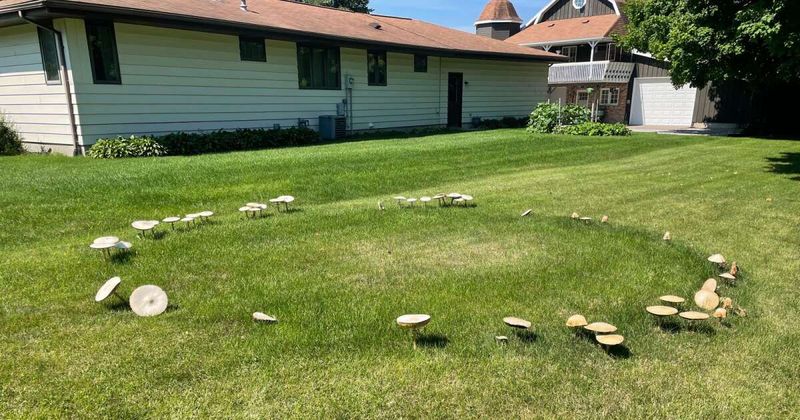
Circles of mushrooms appearing in your yard might look mysterious, but there is actually a fascinating science behind them.
Known as fairy rings, these circular patterns form when a single fungal organism grows outward from a central point underground, spreading its mycelium evenly in all directions over time.
Fairy rings are one of the oldest recorded natural phenomena in lawn care history, and people have been puzzled by them for centuries. In folklore, they were thought to be magical circles where fairies danced at night.
The reality is equally interesting, just a little less magical. The fungi at the center of the ring have usually exhausted the nutrients there, while the outer edge is where active growth and nutrient cycling are still happening.
Some fairy rings can actually make the grass inside or along the ring grow darker and greener than the surrounding lawn, thanks to the nitrogen being released by the decomposing fungal material.
In Washington, where lawns often struggle with patchy growth, a fairy ring might actually improve the look of certain areas over time.
Understanding what these rings are doing helps you make smarter decisions about whether to leave them alone or gently manage their spread.
6. Most Lawn Mushrooms Are Harmless To Your Grass
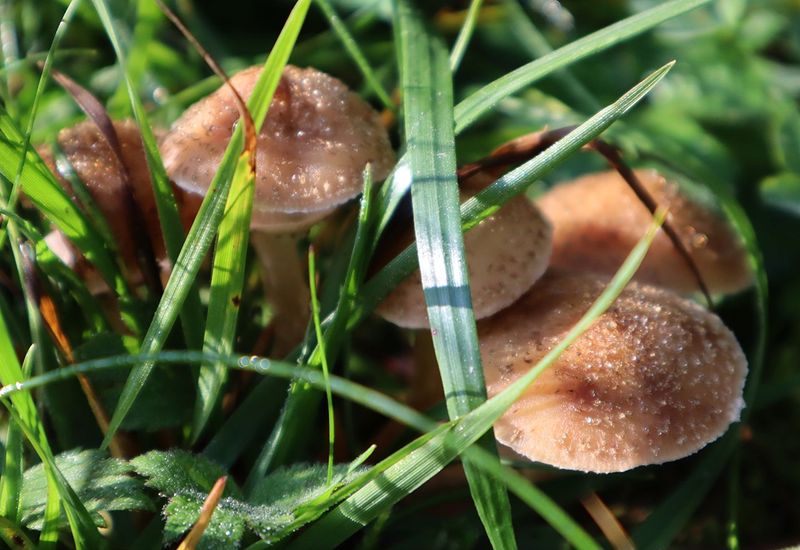
A lot of homeowners panic when they see mushrooms, assuming the worst for their lawn. The truth is, the vast majority of mushrooms that pop up in residential lawns are completely harmless to the grass itself.
They are not competing with your turf for nutrients or attacking the roots in any way.
Mushrooms are the fruiting bodies of fungi, meaning they are just the reproductive part that appears above ground temporarily. The real fungal activity is happening underground, and most of the time that activity is neutral or even beneficial for your lawn.
The mushrooms themselves will typically shrink and vanish within a few days, especially after the weather dries out.
The only real concern with lawn mushrooms is if young children or pets might try to eat them, since some species can cause stomach discomfort if consumed. For that reason, it is worth removing them by hand if safety is a concern at your home.
But from a lawn health standpoint, most mushrooms are simply doing their thing without causing any damage at all.
Treating them with fungicide is usually unnecessary and can actually harm the beneficial organisms already working hard to keep your Washington lawn in great shape.
7. Mushrooms Indicate Low Chemical Interference In Your Soil
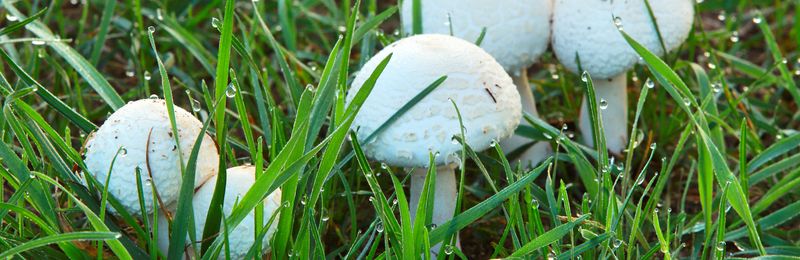
Here is something most people never consider: the presence of mushrooms can actually mean your soil has not been over-treated with harsh chemicals.
Fungi are sensitive organisms, and they tend to disappear from lawns that have been heavily treated with synthetic pesticides, herbicides, or high-nitrogen fertilizers over long periods of time.
When mushrooms show up naturally, it is often a sign that the soil biology is intact and functioning without chemical disruption. That is actually a good thing, especially for homeowners who are trying to maintain a more natural or organic approach to lawn care.
It suggests the microbial community underground is diverse and active, which is exactly what you want for long-term lawn health.
Many Washington residents are moving toward greener lawn care practices, and mushrooms can serve as a simple, free indicator of how well that approach is working.
A lawn that supports fungal growth is a lawn that has living, breathing soil full of organisms all working together.
Keeping that balance by reducing chemical inputs where possible is not just better for your grass, it is better for local waterways, pollinators, and the broader environment around your home and neighborhood.
8. You Can Work With Mushrooms Instead Of Fighting Them
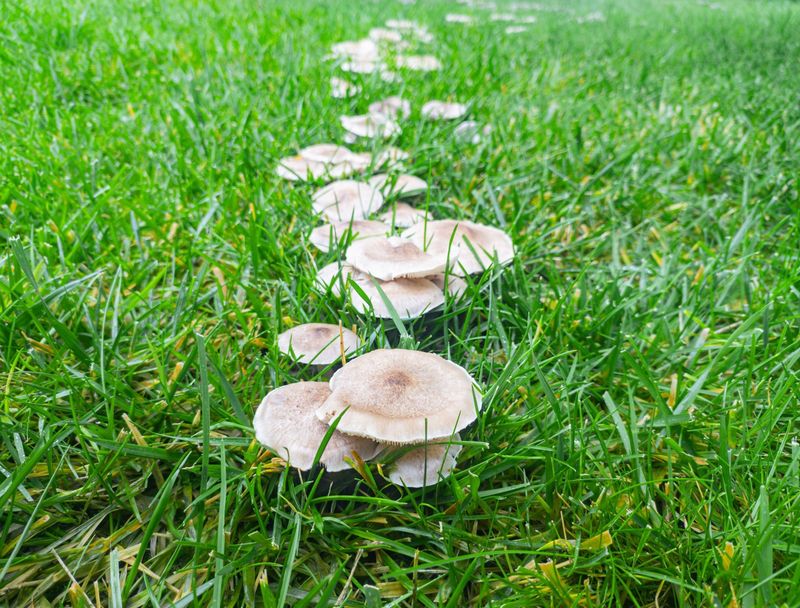
Fighting mushrooms in your lawn is often a losing battle, and honestly, it does not need to be a battle at all. Since mushrooms are the result of underground fungal activity, removing what you see above ground does almost nothing to stop new ones from appearing.
The mycelium network below keeps growing regardless of what you do on the surface.
A smarter approach is to understand why mushrooms are appearing and work with that information.
If they are showing up near buried wood or old roots, you can speed up the decomposition process by aerating the area and adding compost to help break things down faster.
If they are appearing after heavy rain, improving drainage in that part of your yard can reduce the frequency of mushroom growth over time.
For Washington homeowners dealing with persistent mushroom patches, focusing on overall lawn health is the most effective long-term strategy.
Mowing regularly, aerating compacted soil, and reducing thatch buildup all help create a lawn environment that is balanced and resilient.
Mushrooms will naturally become less frequent as the conditions that attract them change. Working with your lawn rather than against it always produces better results, and understanding fungi is a big part of that smarter approach.