The Best Michigan Road Trip For Exploring Trees And Natural Forests
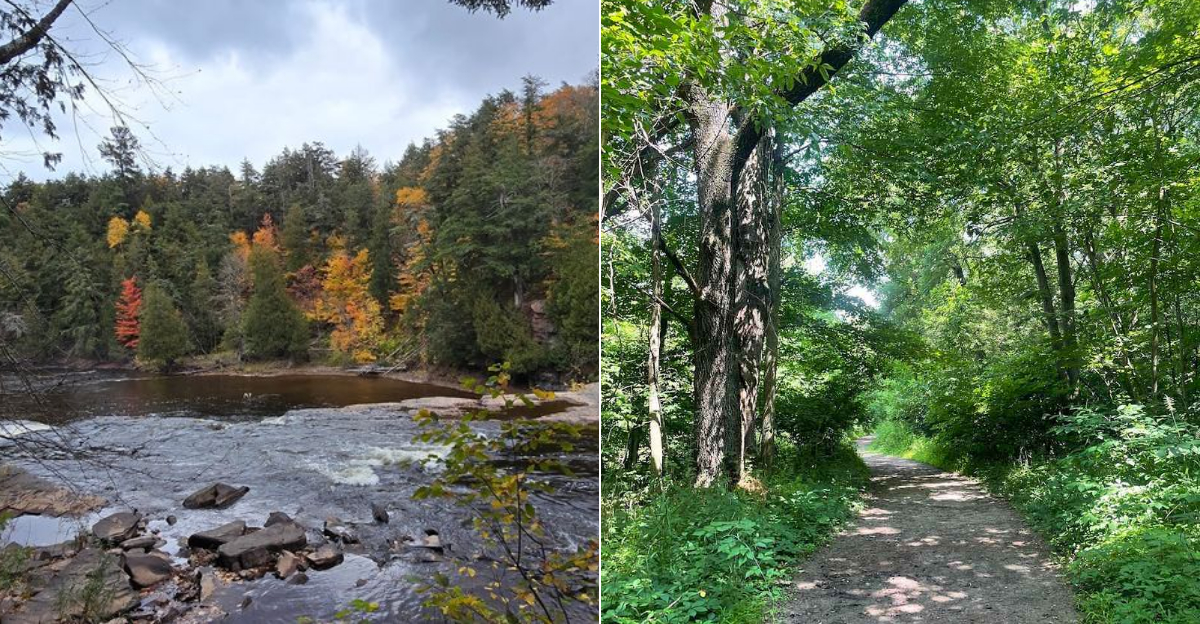
Some road trips are built around food or small towns, but in Michigan, there is another kind of stop that leaves a lasting impression. Scattered across the state are trees that have been standing for generations, each with its own story tied to the landscape around it.
You might pass one without realizing it, or you might plan a whole day just to see it up close. These trees are not just big or old.
They carry history, local pride, and a sense of place that feels different from anything else on the road.
For anyone who enjoys a slower drive with meaningful stops along the way, this kind of trip offers something unexpected at every turn, with a few standout destinations worth mapping out first.
1. Tunnel Of Trees On M-119
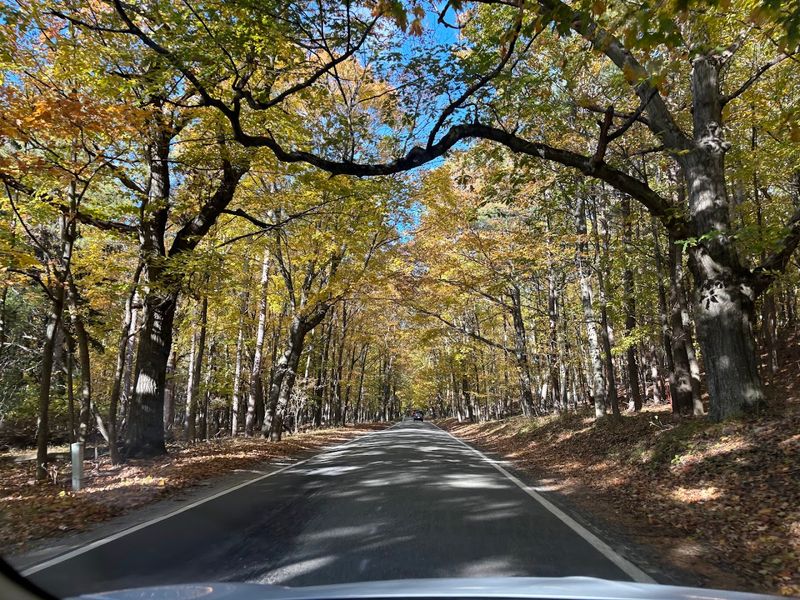
Picture yourself cruising along a winding road at 1100–3148 M-119 in Harbor Springs, Michigan, where towering maples, beeches, and birches begin forming a natural cathedral overhead.
This stretch is part of the famous Tunnel of Trees, which continues for about 20 breathtaking miles all the way to Cross Village, offering one of the most enchanting drives in the Midwest.
During fall, this corridor transforms into an explosion of oranges, reds, and yellows that seem almost too vibrant to be real.
What makes this route special for tree enthusiasts is the incredible density and diversity of the forest canopy.
The trees arch over the road so completely that you feel like you’re traveling through a living tunnel, with branches intertwining above to filter sunlight into dancing patterns on the pavement.
Spring brings fresh green leaves that create a cool, shaded retreat, while summer offers lush foliage that keeps the road pleasantly temperate even on hot days.
The historic highway follows the shoreline of Lake Michigan, and many spots allow you to glimpse the sparkling water through breaks in the trees.
Local conservation efforts have protected these forests for decades, ensuring that future generations can enjoy this natural wonder.
The trees here aren’t just beautiful – they represent an important ecosystem that provides habitat for countless bird species and wildlife.
Plan to drive slowly and stop frequently at the scenic overlooks scattered along the route. Early morning or late afternoon light creates the most magical atmosphere, especially when mist rises from the lake.
Bring your camera, because every curve reveals a new perspective on these magnificent trees that have made M-119 famous throughout the region.
2. Hartwick Pines State Park
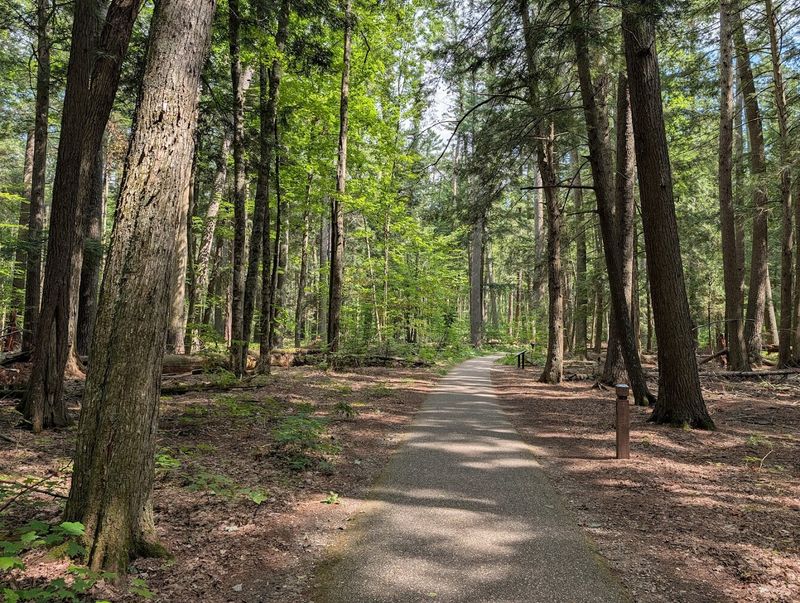
Walking among the old-growth white pines at Hartwick Pines State Park on State Park Drive in Grayling, Michigan, feels like stepping back in time to when Michigan’s forests stretched across much of the landscape.
This 9,762-acre park near Grayling protects one of the largest remaining stands of old-growth forest in the Lower Peninsula, with some trees reaching heights of over 150 feet.
These towering giants survived the logging era that transformed Michigan in the late 1800s, making them living witnesses to centuries of history.
The park’s Old Growth Forest Trail takes visitors on an easy one-mile loop through this cathedral of trees. Interpretive signs explain the ecology of these ancient pines, which can live for several hundred years.
Your Michigan Garden Changes Every Week. Your Plan Should Too.
Gardening in Michigan changes quickly throughout the season. Every Friday you’ll receive a simple weekly plan showing exactly what to plant, prune, fertilize, harvest, and protect so you never miss the right timing.
The forest floor stays cool and dim even on sunny days, creating a peaceful atmosphere that invites quiet contemplation. Massive trunks rise like columns, their lowest branches often 50 feet above the ground.
Beyond the old-growth area, the park features a logging museum that tells the story of Michigan’s timber industry. You’ll see historic logging equipment and learn how these forests were once harvested at an astonishing rate.
The contrast between the preserved old-growth section and the younger forests that have regrown elsewhere in the park really drives home the importance of conservation.
Visit during different seasons to see how the forest changes throughout the year. Winter brings cross-country skiing opportunities through the pines, while summer offers ranger-led programs that teach visitors about forest ecology.
The Hartwick Pines Visitor Center provides additional context about these remarkable trees and why protecting them matters so much for Michigan’s natural heritage.
3. Porcupine Mountains Wilderness State Park
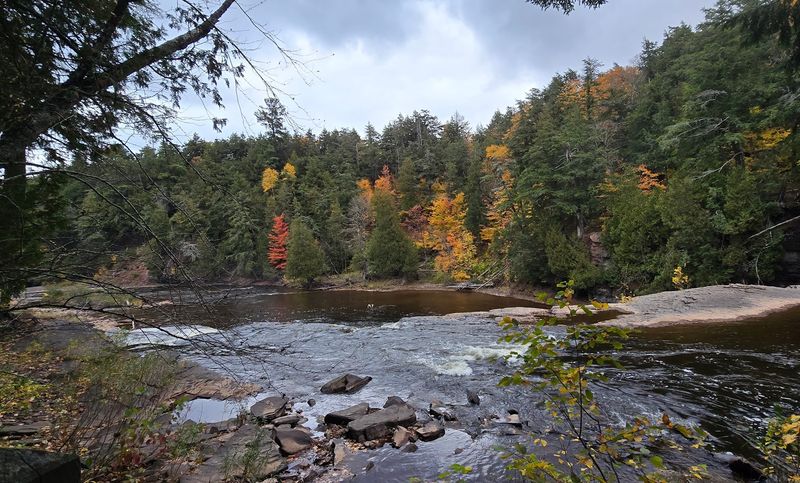
Porcupine Mountains Wilderness State Park, often called “the Porkies,” offers one of the most immersive forest experiences you can find anywhere in Michigan.
Located in the western Upper Peninsula, this massive park spans more than 60,000 acres and protects one of the largest remaining areas of old-growth northern hardwood forest in the Midwest.
What makes this stop stand out is the scale. You are not just walking through a small preserved grove.
You are stepping into miles of forest where sugar maples, eastern hemlocks, and yellow birch have been growing for centuries.
Some of these trees reach impressive heights and sizes, creating a dense canopy that filters sunlight and keeps the forest floor cool even in summer.
One of the most memorable areas is the Presque Isle River corridor, where trails wind through thick forest before opening up to dramatic views of waterfalls and rocky riverbanks.
The contrast between moving water and towering trees gives this section a powerful, untouched feel.
Another must-see spot is the Lake of the Clouds overlook, where forested ridges stretch out in layers, showing just how vast this landscape really is.
The park’s trail system includes over 90 miles of hiking routes, ranging from short scenic walks to longer backcountry treks.
Along the way, you will pass through different forest types, from dense hardwood stands to pockets of conifers, each with its own character.
Seasonal changes bring new highlights, from fresh green leaves in spring to deep shade in summer and vivid fall color that draws visitors from across the region.
You can explore this destination at 33303 Headquarters Rd, Ontonagon, MI 49953, United States.
4. W.J. Beal Tree Plantation
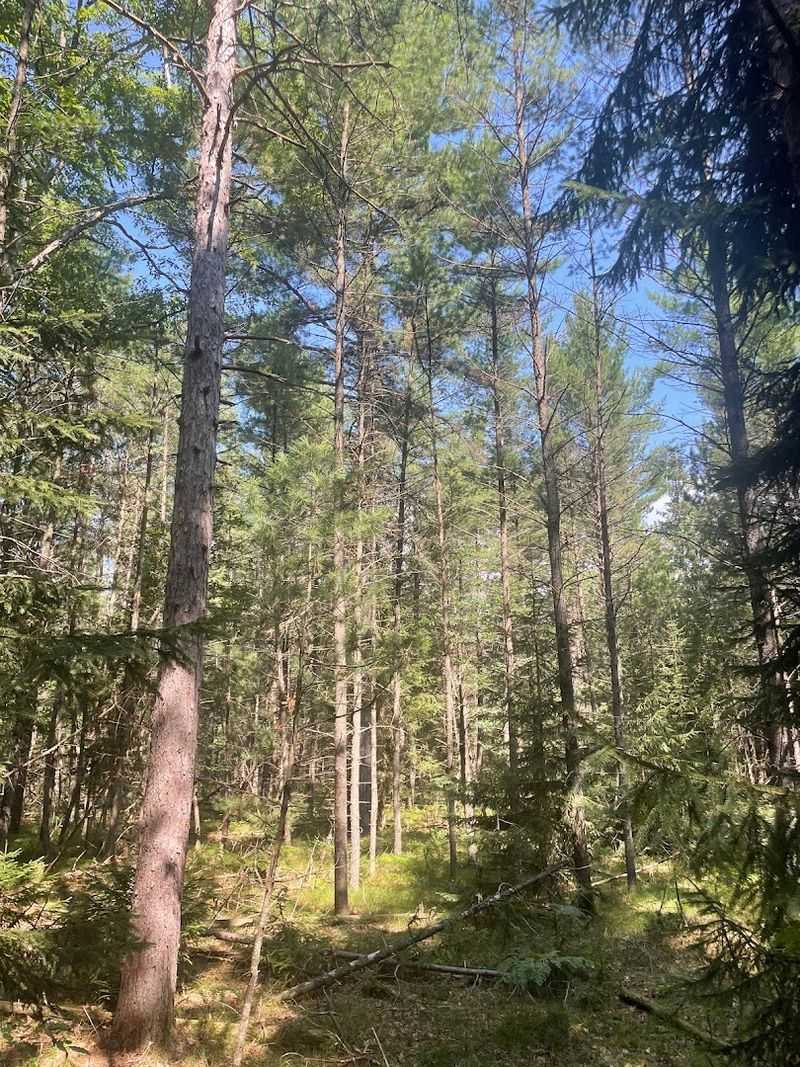
Most people don’t realize that one of Michigan’s most important tree collections sits right on the Michigan State University campus in East Lansing. The W.J.
Beal Botanical Garden, established in 1873, includes the historic Beal Plantation – an experimental forest that has taught generations of students and researchers about tree growth, adaptation, and forestry practices.
Professor William James Beal started this living laboratory to study how different tree species perform in Michigan’s climate.
The plantation contains dozens of tree species arranged in organized plots that make it easy to compare different varieties side by side.
You’ll find native Michigan species like oaks, maples, and hickories growing alongside trees from other regions that Beal wanted to test for potential timber production.
Walking through these groves gives you a unique perspective on tree identification, because the organized layout helps you spot the differences between similar species.
What makes this location particularly valuable for gardening and plant enthusiasts is its educational mission. Labels throughout the plantation provide scientific names, common names, and information about each tree’s characteristics and uses.
The garden staff maintains detailed records of growth rates, disease resistance, and survival rates that have contributed to forestry science for over 150 years.
Spring brings beautiful blooming ornamental trees to the garden, while fall showcases spectacular color changes across the different species.
The plantation is free to visit year-round, making it an accessible destination for anyone interested in learning more about trees.
Students often use the area for outdoor classes, and families enjoy the peaceful paths that wind through this historic collection of carefully curated specimens.
5. Warren Woods Forest Primeval
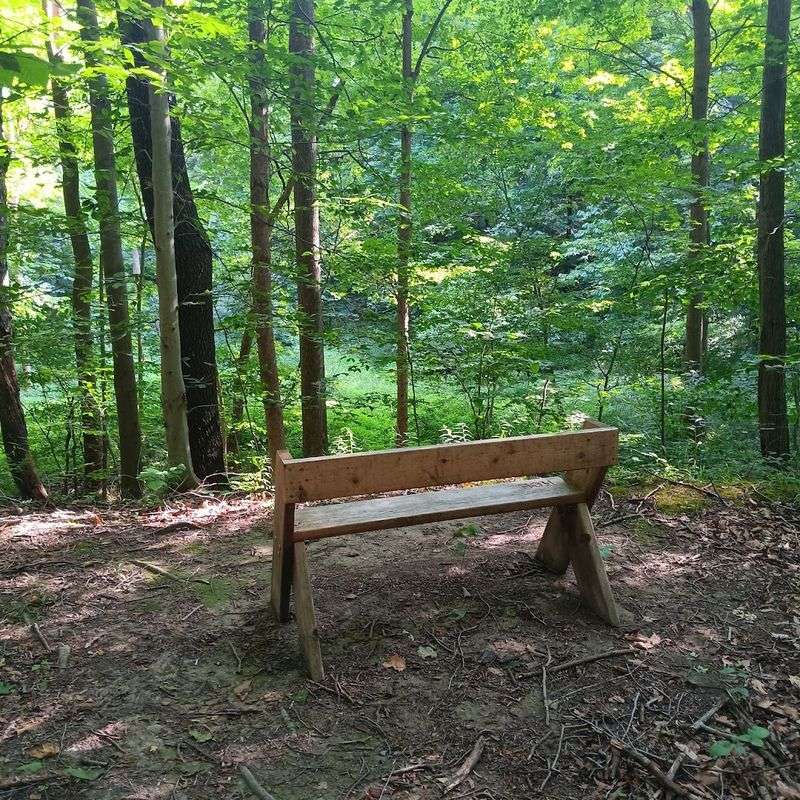
Hidden away in the southwestern corner of Michigan, Warren Woods Forest Primeval represents a rare surviving tract of virgin beech-maple forest that escaped the axes and saws of 19th-century loggers.
This small but incredibly important area near the Indiana border protects trees that have stood for several hundred years, creating one of the most ecologically significant old-growth forests in the entire Great Lakes region.
The forest here closely reflects what much of Michigan once looked like before European settlement, offering a true glimpse into the state’s natural heritage.
A network of trails winds through this forest, guiding visitors past enormous beech trees with smooth gray bark and towering maples that blaze with color each autumn.
The canopy is so dense that little sunlight reaches the ground, creating a cool, shaded environment where ferns and wildflowers thrive.
Because this forest has remained largely undisturbed, complex ecological relationships have developed over centuries, supporting a rich diversity of plant and animal life.
Warren Woods Forest Primeval is often used to describe a classic example of what ecologists call a climax forest, a stable, mature ecosystem where trees regenerate naturally without major disturbance.
Fallen logs slowly break down, returning nutrients to the soil, while young trees rise in the gaps left behind by older giants.
This continuous cycle has been unfolding here for generations, shaping a forest that feels both timeless and deeply alive.
Spring brings a wave of wildflowers before the canopy fully leafs out, while summer offers a cool escape from the heat beneath the dense foliage.
In October, the maples turn brilliant shades of red and orange, creating a striking contrast against the pale trunks of the beech trees.
If you plan to visit, you can find this remarkable forest at 7098–7298 Warren Woods Rd, Three Oaks, MI 49128, United States, where one of Michigan’s last true examples of a forest primeval still stands.
6. Kleinstuck Preserve
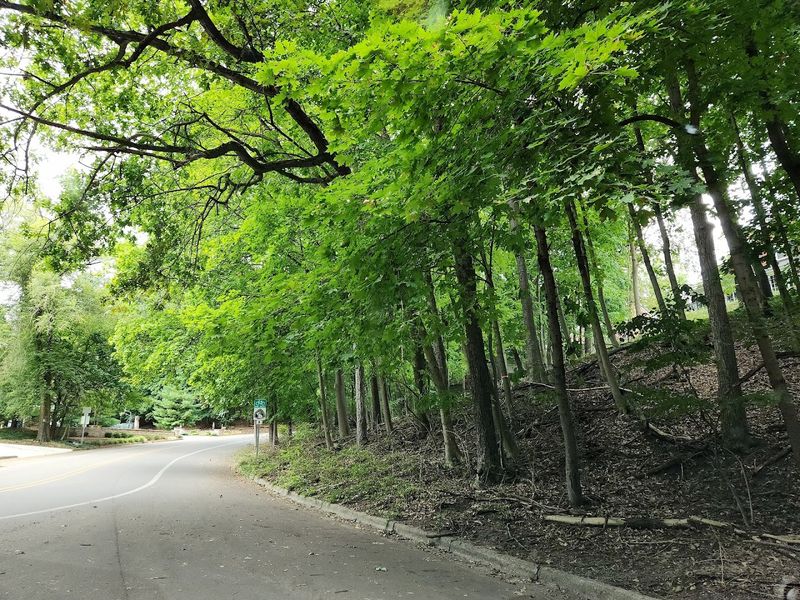
Kleinstuck Preserve offers one of the most rewarding stops for anyone interested in Michigan’s largest and most impressive trees.
Tucked into a quiet part of Kalamazoo, this preserve protects a rich mix of mature hardwood forest, wetlands, and open areas that support an incredible variety of plant life.
It’s the kind of place where you can slow down, look up, and truly appreciate the scale and presence of trees that have been growing undisturbed for decades.
As part of the spirit behind the Michigan Big Tree Program, Kleinstuck Preserve is known for hosting notable large specimens, including trees that stand out for their height, trunk size, or canopy spread.
Walking through the preserve, you’ll notice how different species compete for light, creating a layered forest with towering canopy trees, smaller understory growth, and a diverse ground layer.
Oaks, maples, and other native species dominate here, giving visitors a strong sense of what a healthy Michigan woodland can look like.
The trail system is easy to follow and suitable for a relaxed visit, with paths that wind through shaded forest sections and edge along wetter areas where wildlife is often active.
Birdsong is constant during warmer months, and the mix of habitats makes this a great spot for both casual walks and more focused nature observation.
Seasonal changes bring new highlights, from fresh green growth in spring to rich fall color that transforms the entire preserve.
You can visit Kleinstuck Preserve at 1700 Chevy Chase Blvd, Kalamazoo, MI 49008, United States, where a simple walk turns into a chance to experience some of Michigan’s most impressive trees up close.
For anyone building a tree-focused road trip, this stop adds both ecological depth and a quiet, memorable atmosphere.
7. Fred Russ Forest
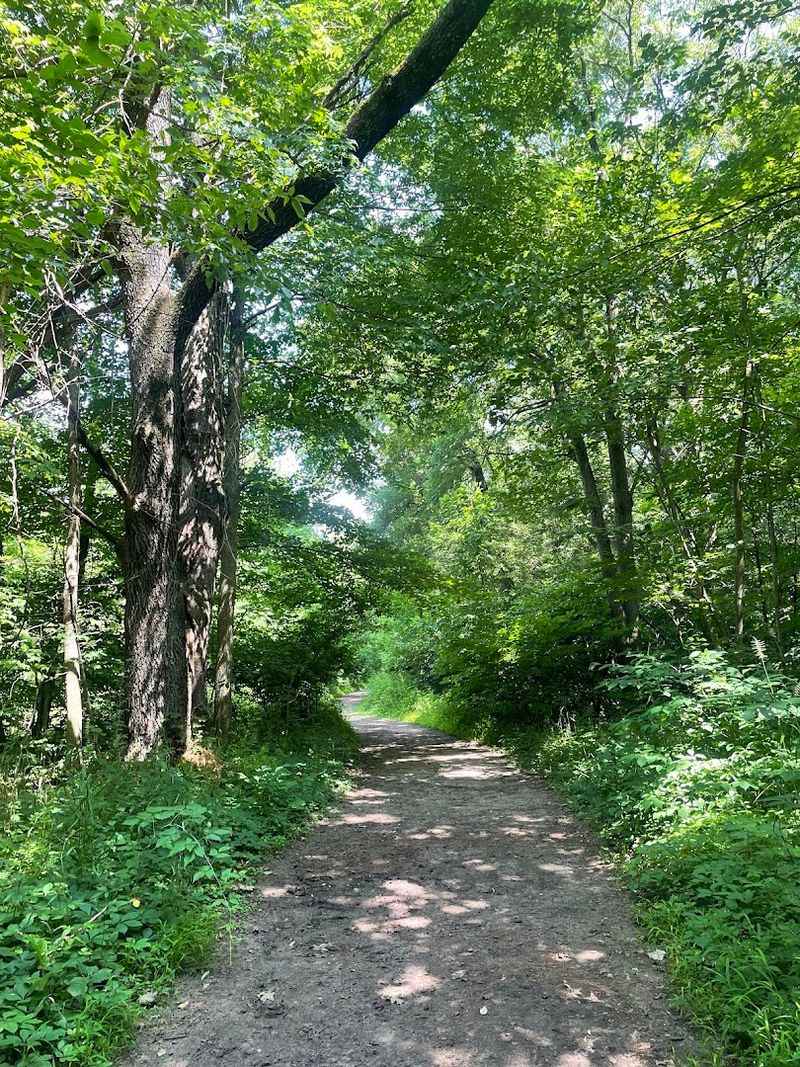
Tucked away in southwest Michigan, Fred Russ Forest offers one of the most rewarding stops on a tree-focused road trip, especially for anyone who wants to see both towering specimens and a truly natural forest setting in one place.
This 580-acre preserve, managed by Michigan State University, feels quiet and expansive, with a mix of mature hardwoods, open fields, and well-maintained trails that make it easy to explore at your own pace.
The real highlight here is Newton Woods, a designated old-growth forest that has been left largely undisturbed for centuries. Walking into this section feels noticeably different from younger forests.
The trees are taller, the canopy is denser, and the atmosphere is cooler and more shaded. Massive trunks rise overhead, and the forest floor shows the natural cycle of growth and decay, with fallen logs slowly breaking down and feeding new life.
Right in the middle of your visit, you can find the main access point at 20419 Marcellus Hwy, Decatur, MI 49045, United States, where trails lead you deeper into the preserve and toward some of its most impressive trees.
One of the standout features of Fred Russ Forest is its reputation for large, mature specimens, including an exceptionally tall tulip tree that ranks among the biggest of its kind in Michigan.
Seeing a tree of that scale in person gives you a new appreciation for how powerful the right growing conditions can be over time.
The trail system is easy to follow and ideal for a relaxed walk, with a mix of shaded paths and more open stretches.
Seasonal changes bring something new each time, from fresh spring growth to deep summer shade and vibrant fall color.
For a road trip centered on trees and natural forests, this stop delivers both scale and authenticity in a way that feels memorable long after you leave.