9 Native Plants Every Michigan Gardener Should Be Growing
Michigan’s diverse landscapes are teeming with native plants that not only add beauty to gardens but also support local ecosystems.
Whether you’re a seasoned gardener or just starting out, growing native plants is a great way to enhance your landscape while helping to preserve the environment.
These plants are perfectly adapted to Michigan’s climate, requiring less water, maintenance, and chemicals than non-native species.
From vibrant wildflowers to hardy shrubs, native plants attract pollinators like bees and butterflies, contributing to a healthier garden.
If you’re looking to create a thriving, low-maintenance garden that reflects the natural beauty of Michigan, these nine native plants should be at the top of your list.
Explore the plants that will thrive in your garden and make a lasting impact on both the beauty and health of your landscape.
1. Butterfly Weed
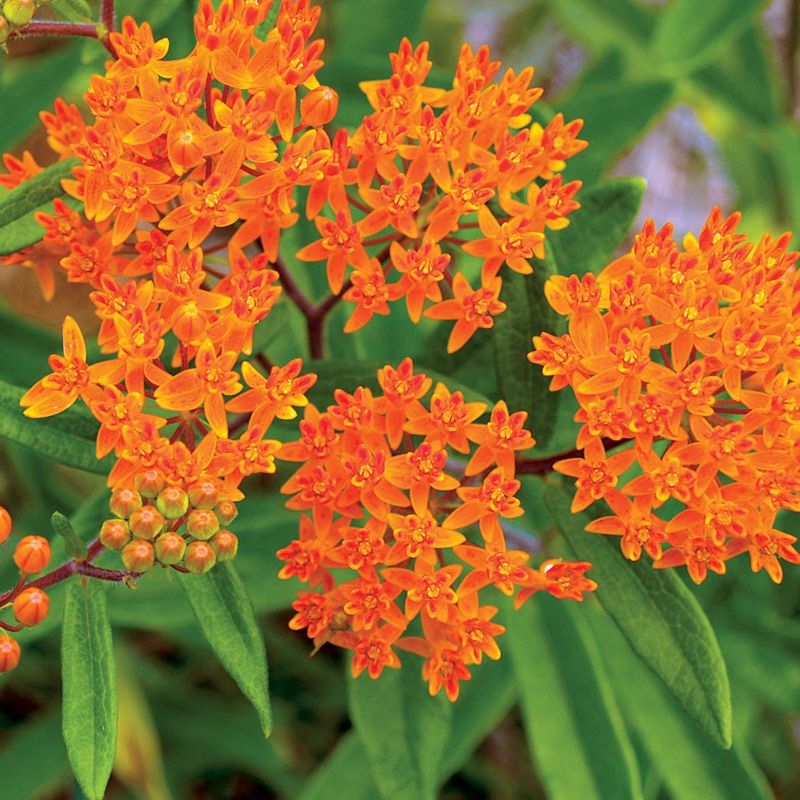
Bright orange and buzzing with life, Butterfly Weed is one of the most visually striking native plants you can add to a Michigan garden.
A member of the milkweed family, it produces vivid clusters of orange flowers from late spring through midsummer that practically glow in the sunlight.
Unlike many of its milkweed relatives, it does not spread aggressively, making it a tidy and manageable choice for home gardens.
Butterfly Weed thrives in full sun and well-drained soil, which means it is perfectly suited to the sandy, dry areas found in many parts of Michigan, especially in the Lower Peninsula. Poor soil does not discourage it at all.
In fact, overly rich or wet soil can cause more problems than dry conditions ever would. Once established, this plant is remarkably drought-tolerant and needs very little maintenance to look its best.
For monarch butterflies, Butterfly Weed is not just a food source but a lifeline. It serves as a host plant, meaning monarch caterpillars feed exclusively on its leaves during their development.
Without plants like this one, monarch populations would struggle to survive their long migration routes.
Planting even a small patch in your Michigan garden contributes directly to supporting one of North America’s most beloved butterfly species.
Other pollinators, including bees and swallowtail butterflies, also visit the blooms regularly throughout the season.
2. Black-Eyed Susan
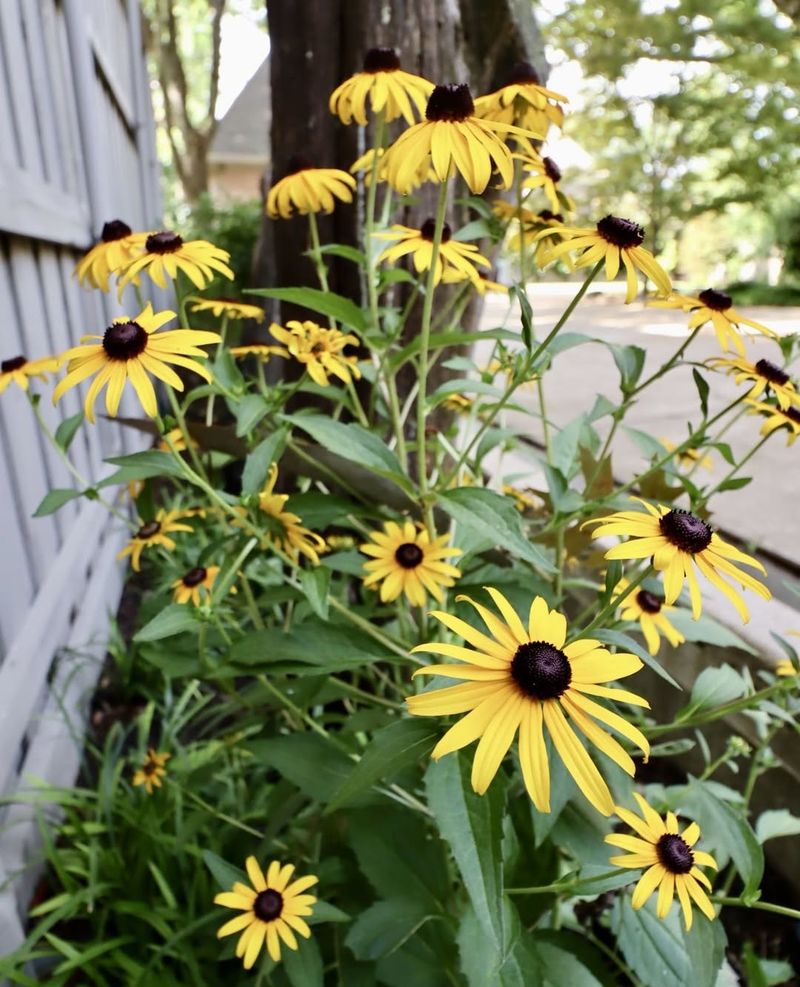
Few flowers say “Michigan summer” quite like the cheerful Black-Eyed Susan. With its bold yellow petals and rich dark centers, this native perennial lights up gardens from early summer all the way into early fall.
It is one of those plants that works hard without asking for much in return, making it a favorite for both beginner and experienced gardeners across the state.
Black-Eyed Susan handles a wide range of soil types, from average garden soil to slightly dry, sandy conditions. Full sun is where it truly shines, though it can manage in light shade without losing too much of its bright character.
Once established, it handles dry spells well, which is great news for Michigan gardeners who do not always get consistent rainfall during summer months.
Pollinators absolutely love this plant. Bees and butterflies flock to the blooms throughout the season, making it a powerful addition to any pollinator garden.
Your Michigan Garden Changes Every Week. Your Plan Should Too.
Gardening in Michigan changes quickly throughout the season. Every Friday you’ll receive a simple weekly plan showing exactly what to plant, prune, fertilize, harvest, and protect so you never miss the right timing.
Birds also enjoy the seed heads once the flowers fade, so leaving them standing through winter gives wildlife an extra food source.
Black-Eyed Susan grows well across both the Lower and Upper Peninsula, adapting comfortably to Michigan’s varied climate zones.
Plant it in drifts for a stunning visual impact, or mix it with other native perennials for a naturalized look that feels right at home in any Michigan yard.
3. Wild Bergamot
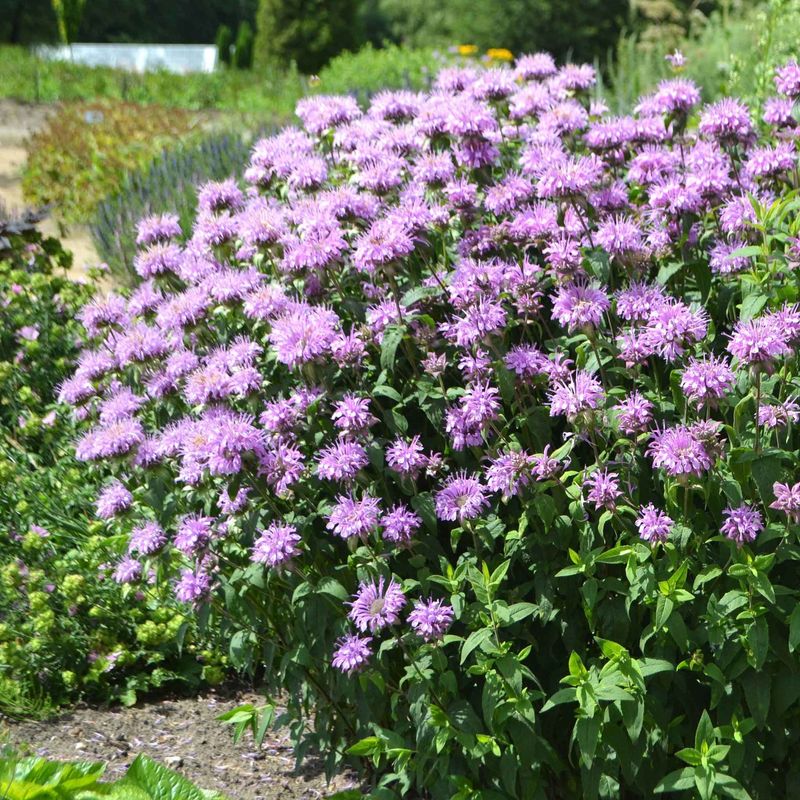
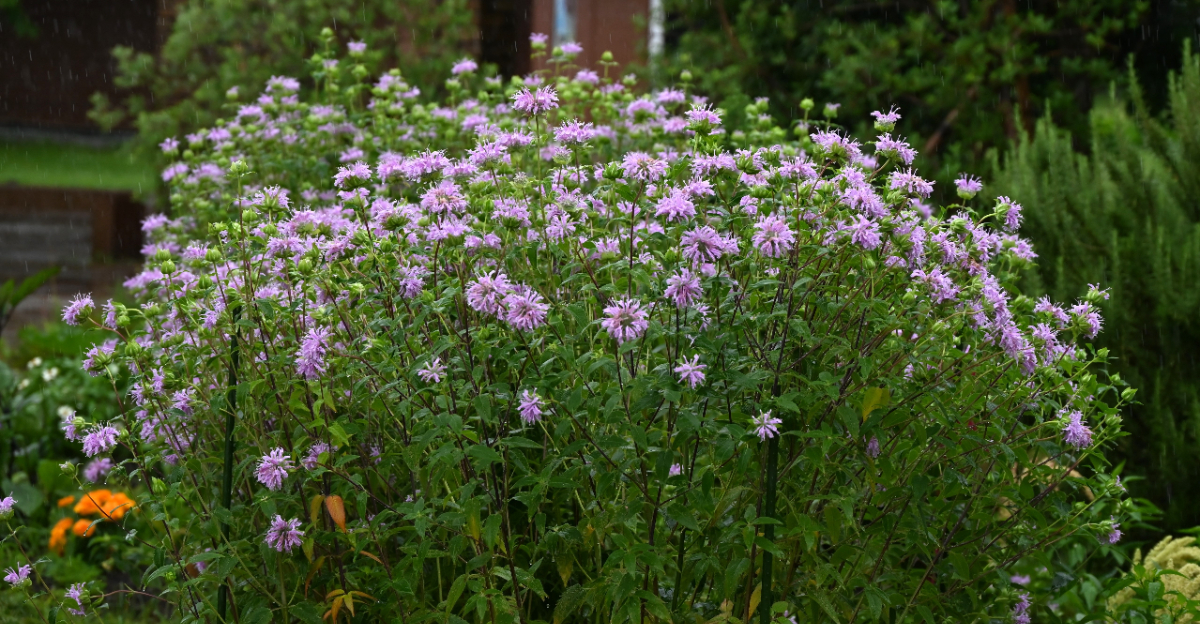
Wild Bergamot brings a relaxed, meadow-like energy to any Michigan garden.
Also known as Monarda fistulosa, this native perennial produces soft lavender flower clusters that bloom from midsummer into late summer, creating a hazy, beautiful effect when planted in groups.
It also carries a light minty fragrance that makes walking past a patch of it a genuinely pleasant experience.
One of the best things about Wild Bergamot is how adaptable it is. It grows in a range of soil types, from loamy to somewhat dry and sandy ground, and it handles drought conditions surprisingly well once it gets established.
Full sun is ideal, but it also tolerates partial shade without losing too much vigor. Across Michigan’s varied landscape, from the Upper Peninsula to the southern counties, this plant consistently performs without a lot of fuss.
Pollinators go absolutely wild for Wild Bergamot, especially native bees. Bumblebees, sweat bees, and several specialist bee species rely heavily on this plant for nectar and pollen during the summer months.
Hummingbirds and butterflies also visit regularly. Because it spreads naturally through both seeds and rhizomes, it works beautifully in naturalized plantings or meadow-style gardens where you want a full, flowing look.
Pair it with Black-Eyed Susan or Little Bluestem for a classic Michigan native plant combination that is both practical and visually striking throughout the growing season.
4. Purple Coneflower
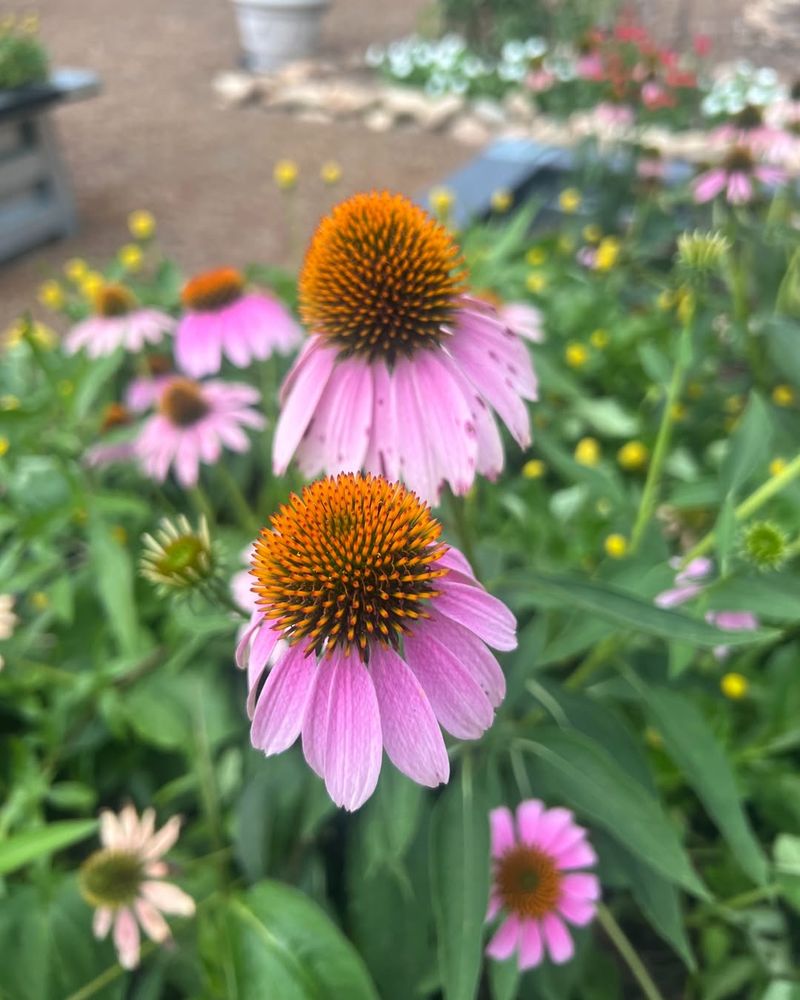
Purple Coneflower has earned its reputation as one of the most dependable native perennials a Michigan gardener can grow.
Known scientifically as Echinacea purpurea, this tough and beautiful plant has been a staple in Great Lakes gardens for good reason.
It blooms from midsummer into fall, producing rosy-purple petals that surround a raised, spiky center cone that is impossible to miss.
Heat? Not a problem. Drought? It handles it with ease.
Purple Coneflower tolerates a wide range of soil types, from clay-heavy ground to sandy, well-drained beds, which makes it incredibly versatile across different regions of Michigan.
Full sun brings out the best blooms, but it can manage with a bit of afternoon shade without much complaint.
Established plants rarely need extra watering once they settle in.
The ecological value of this plant is genuinely impressive. Bees and butterflies swarm the blooms all season long, feeding on the generous nectar supply.
Once the petals drop and the seed heads mature, goldfinches and other seed-eating birds move in for a feast. Leaving the seed heads standing through winter adds structure to the garden and keeps wildlife well fed during colder months.
Purple Coneflower spreads gradually over time, filling in gaps and creating a fuller, more natural look that Michigan landscapes are perfectly suited for.
5. Little Bluestem
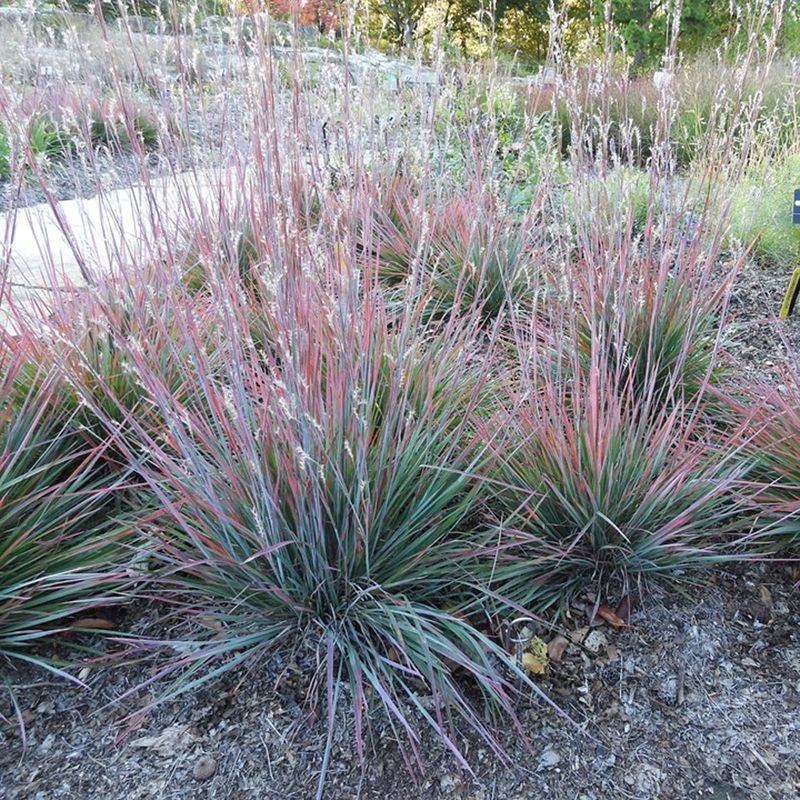
Not every garden hero has flowers. Little Bluestem is a native grass that proves structure, texture, and seasonal color can be just as exciting as any bloom.
During summer, its upright clumps display a striking blue-green color that catches the eye. As autumn arrives, the foliage transforms into warm shades of reddish-copper and bronze, making it one of the most colorful plants in the fall Michigan garden.
Poor, dry soils are actually where Little Bluestem does best. Rich, moist soils can cause it to flop over or grow too loosely, so this is a plant that rewards gardeners who have tough spots to fill.
Sandy or rocky ground, slopes, or areas with low fertility are perfect candidates. It is also highly drought-tolerant once established, which makes it a smart, low-maintenance choice for Michigan landscapes that experience dry summers.
Beyond its good looks, Little Bluestem provides real habitat value throughout the year. Birds use the fluffy seed heads as a winter food source, and the dense clumps offer shelter for small insects and ground-nesting species.
The upright structure adds height and movement to the garden even in winter, long after most other plants have faded.
Whether used as a mass planting along a slope or mixed into a prairie-inspired garden, Little Bluestem brings four-season interest to Michigan yards in a way that few other plants can match.
6. Serviceberry
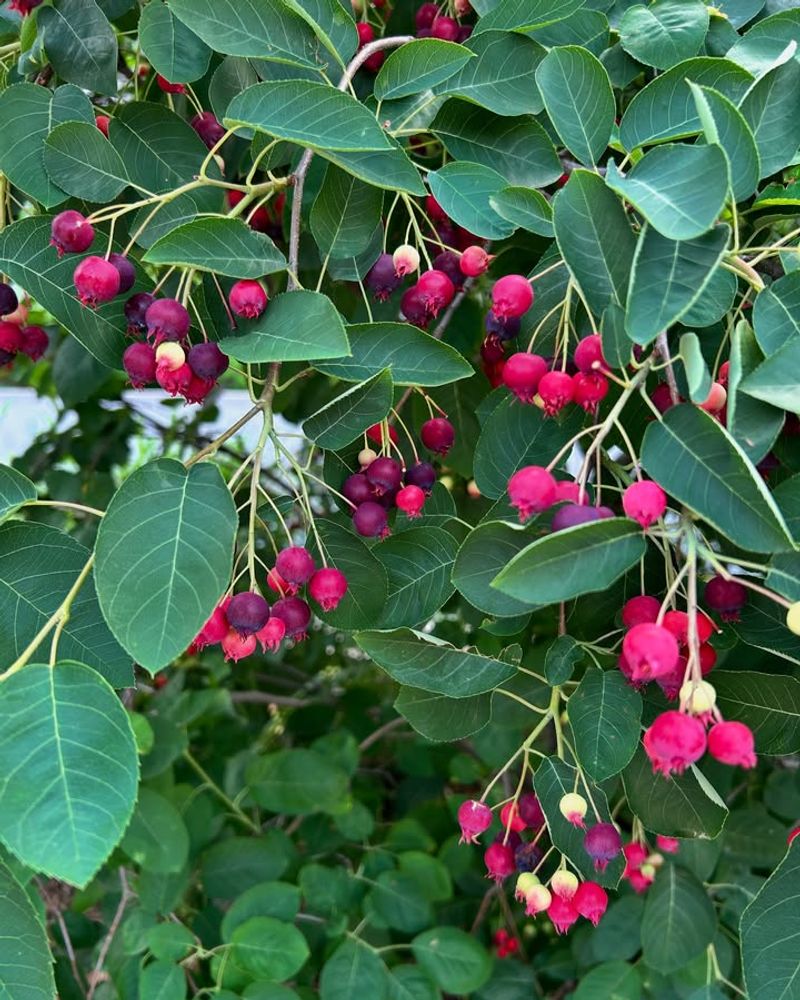
Serviceberry might just be the most underrated native plant in Michigan. This small tree or large multi-stemmed shrub puts on a stunning show of white flowers every spring, often blooming before most other trees have even begun to bud.
That early burst of blossoms makes it one of the first nectar sources available for pollinators coming out after a long Michigan winter, which is a genuinely important role in the local ecosystem.
After the flowers come the berries, small and blueberry-like, ripening in early summer to a deep purplish-red. They are edible and sweet, popular with both birds and people who know to pick them before the robins do.
The wildlife value of Serviceberry is hard to overstate. More than 40 species of birds have been recorded feeding on the fruit, making it one of the most productive native plants you can add to a Michigan yard.
Serviceberry adapts well to a wide range of soil conditions, from moist streamside soils to average well-drained garden beds. It grows naturally across both the Upper and Lower Peninsula, proving its reliability in Michigan’s climate.
In fall, the foliage turns brilliant shades of orange and red, adding yet another season of visual interest.
Whether planted as a specimen tree, a screen, or part of a naturalized border, Serviceberry earns its place in any Michigan garden with very little effort required.
7. Red Osier Dogwood
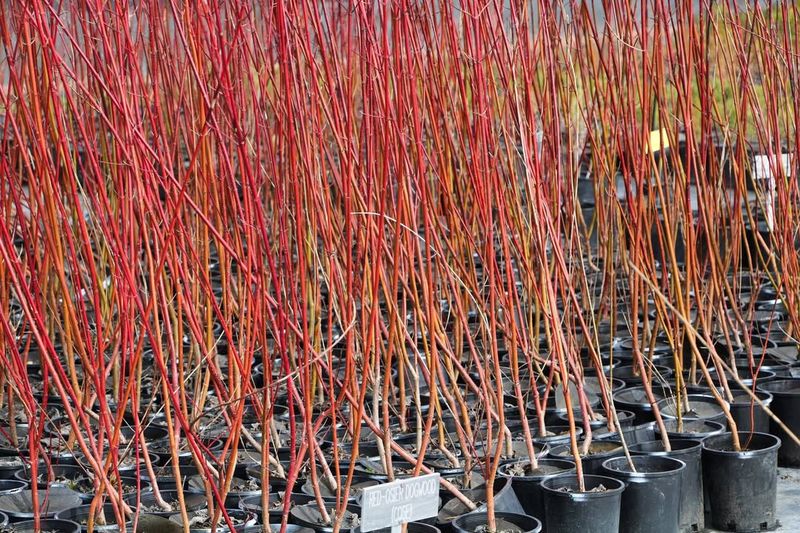
When everything else in the garden has gone quiet for winter, Red Osier Dogwood steals the show.
The bare stems of this native shrub turn a vivid, fire-engine red as temperatures drop, creating a bold and beautiful contrast against snow-covered Michigan landscapes.
It is one of those plants that actually looks better in winter than most plants look in summer, which makes it a genuinely smart year-round choice.
Red Osier Dogwood is built for wet conditions, which makes it ideal for the low-lying, moist, or poorly drained areas that are common across Michigan. It thrives along stream banks, pond edges, and in rain gardens where other shrubs might struggle.
Its root system is strong and spreading, which makes it excellent for stabilizing soil and preventing erosion along slopes or waterways. Few native shrubs handle wet feet as gracefully as this one does.
Wildlife value is another major reason to grow Red Osier Dogwood in Michigan. The white berries that appear in late summer attract dozens of bird species, including waxwings, woodpeckers, and thrushes.
Deer, rabbits, and other small mammals also browse the stems and foliage throughout the year. In summer, the flat-topped clusters of small white flowers support a wide range of native bees and other pollinators.
Plant it in groups for maximum visual impact and the strongest wildlife habitat, and watch your Michigan garden come alive in every season.
8. Wild Columbine
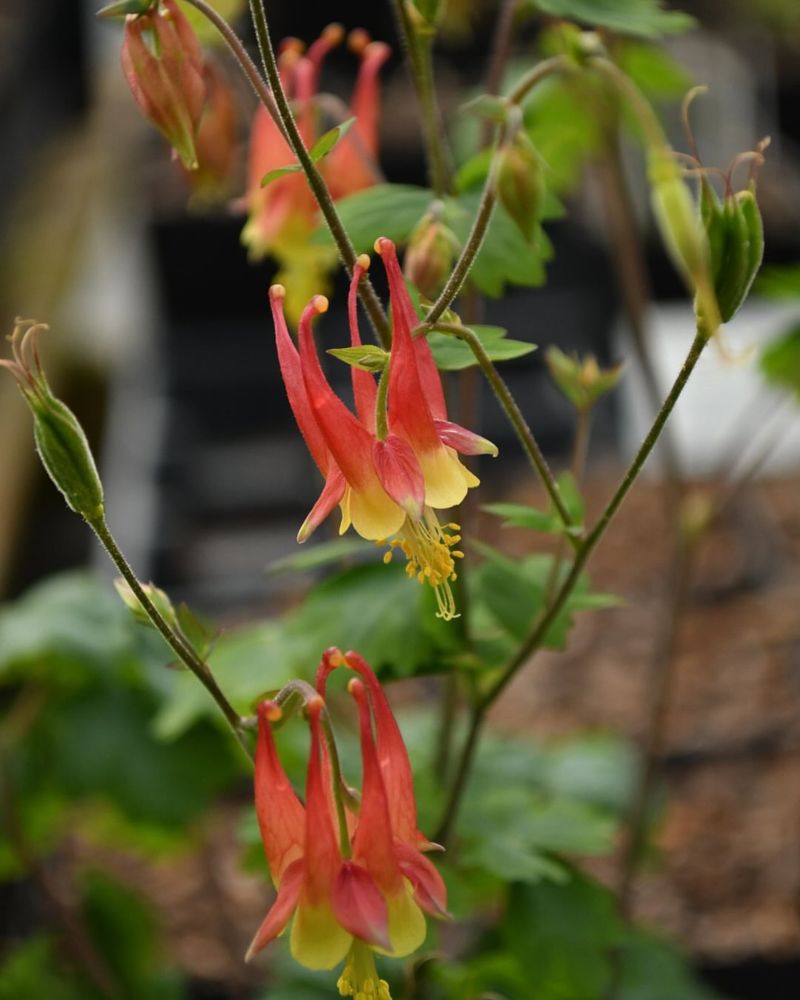
Wild Columbine has a charm that is hard to describe until you see it in person. The nodding, red-and-yellow flowers dangle like little lanterns from slender stems, swaying gently in any breeze.
It is one of the earliest native perennials to bloom in Michigan, often flowering in April and May when the rest of the garden is still waking up. That early bloom time makes it incredibly valuable for pollinators that are active in spring.
Hummingbirds are especially drawn to Wild Columbine.
The long, tubular spurs of the flowers are perfectly shaped for a hummingbird’s beak, and in Michigan, ruby-throated hummingbirds returning from migration often arrive just as the blooms open.
Native bumblebees also visit frequently, making it a double win for early-season wildlife support. Few plants create that kind of excitement so early in the growing season.
Partial shade and well-drained soil are the keys to growing Wild Columbine successfully. It fits naturally into woodland gardens, shaded borders, and areas beneath deciduous trees where dappled light filters through in spring.
Rocky or thin soils do not discourage it at all. Once established, it self-seeds lightly, slowly spreading into natural-looking colonies over time.
In Michigan, where wooded lots and shaded backyards are common, Wild Columbine fills a niche that very few other native plants can match. It brings color, movement, and wildlife activity to spots that often feel overlooked in the garden.
9. New England Aster
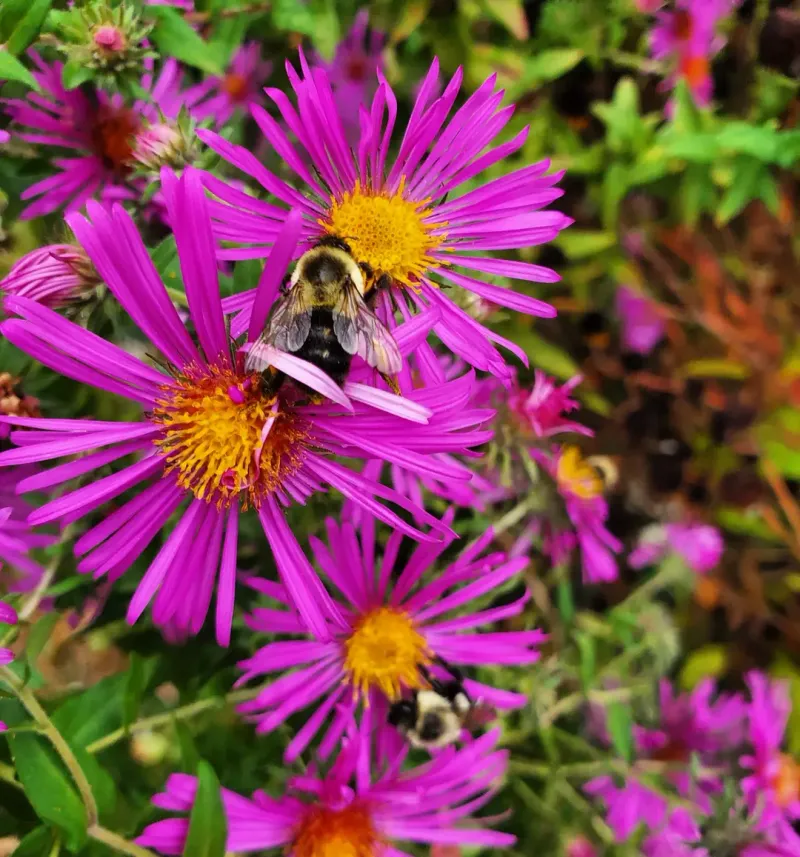
When most of the garden is winding down for the year, New England Aster is just getting started.
This native perennial bursts into bloom in late summer and carries its vivid purple, pink, and violet flowers all the way through fall, often continuing until the first hard frost.
For Michigan gardeners, that late-season color is genuinely exciting, especially when most other plants have already faded.
New England Aster is not just pretty. It plays a critical role in supporting pollinators as they prepare for the seasonal shift.
Monarch butterflies rely on late-blooming flowers like this one to fuel their long migration south. Native bees, including bumblebees that are active well into October in Michigan, depend heavily on the nectar and pollen that New England Aster provides.
Planting it is one of the most impactful things a Michigan gardener can do for local pollinator populations.
Growing it is straightforward. New England Aster prefers full sun and tolerates a range of soil types, from moist garden beds to average, slightly dry conditions.
It grows naturally across Michigan in meadows, roadsides, and open woodland edges, which tells you a lot about its adaptability.
Tall varieties can get leggy by midsummer, but pinching them back in June encourages bushier growth and more flowers.
Pair it with Little Bluestem or Serviceberry for a stunning native plant combination that brings the Michigan garden season to a colorful, wildlife-friendly close.