The Plants That Secretly Struggle In Oregon’s Rainy Climate
Rain is part of life in Oregon, and most gardeners learn to work around it without thinking twice.
You plan planting days between showers, keep an eye on soggy soil, and expect everything to bounce back once the sun returns. But not every plant handles that steady moisture as well as it seems.
Some look perfectly fine at first, putting out new growth and blending right into the garden. Then little issues start to show up.
Leaves yellow sooner than expected, roots stay too wet, and growth slows in ways that are easy to miss until the damage is done.
It can be frustrating when a plant that looked promising never quite settles in. A closer look at which plants struggle in Oregon’s damp conditions can explain a lot of those disappointments and help you spot the early signs before they turn into bigger problems.
1. Lavender Struggling With Oregon’s Wet Winters
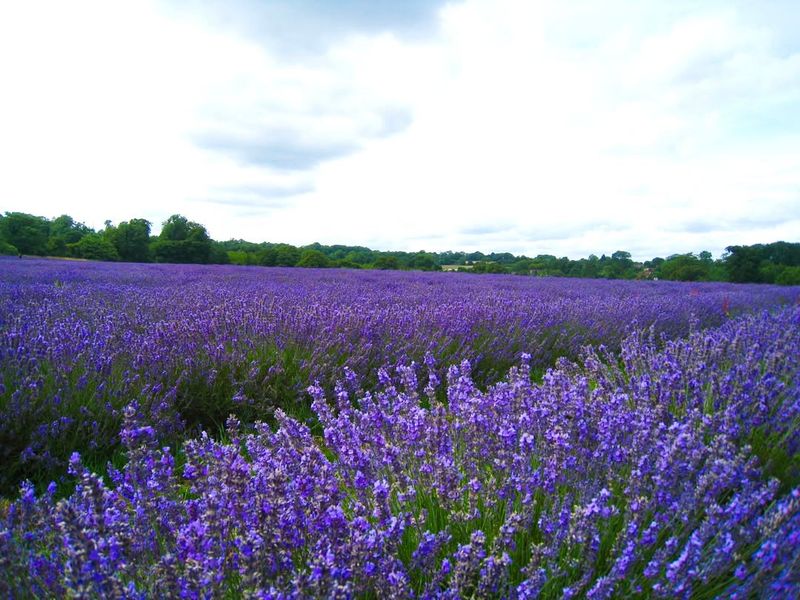
Think of a warm, dry hillside in southern France, where lavender grows in full sun with excellent drainage and steady heat. That is the kind of environment it was built for, and it is very different from what Oregon typically provides.
Native to Mediterranean regions, lavender thrives in sandy, fast-draining soil with plenty of sunshine and very little water. Oregon’s wet winters are basically the opposite of everything this plant needs to stay healthy.
When lavender sits in waterlogged soil for weeks or months, its roots begin to rot. The plant may look okay at first, but beneath the surface, the damage is already happening.
By the time you notice yellowing leaves or mushy stems, the root system may already be beyond saving. Gardeners in Portland, Eugene, and other wet parts of Oregon often lose lavender plants during the rainy season without even realizing moisture is the culprit.
If you are set on growing lavender in Oregon, there are a few things you can do to improve its chances. Planting it in raised beds or on slopes helps water drain away from the roots.
Adding gravel or coarse sand to the soil also improves drainage significantly. Choosing more moisture-tolerant varieties like Lavandula x intermedia can make a real difference too.
However, even with these adjustments, lavender will always be fighting uphill against Oregon’s climate. Choosing a sheltered south-facing spot with maximum sun exposure gives your lavender the best shot at surviving the rainy Pacific Northwest winters.
2. Rosemary Facing Root Issues In Constant Moisture
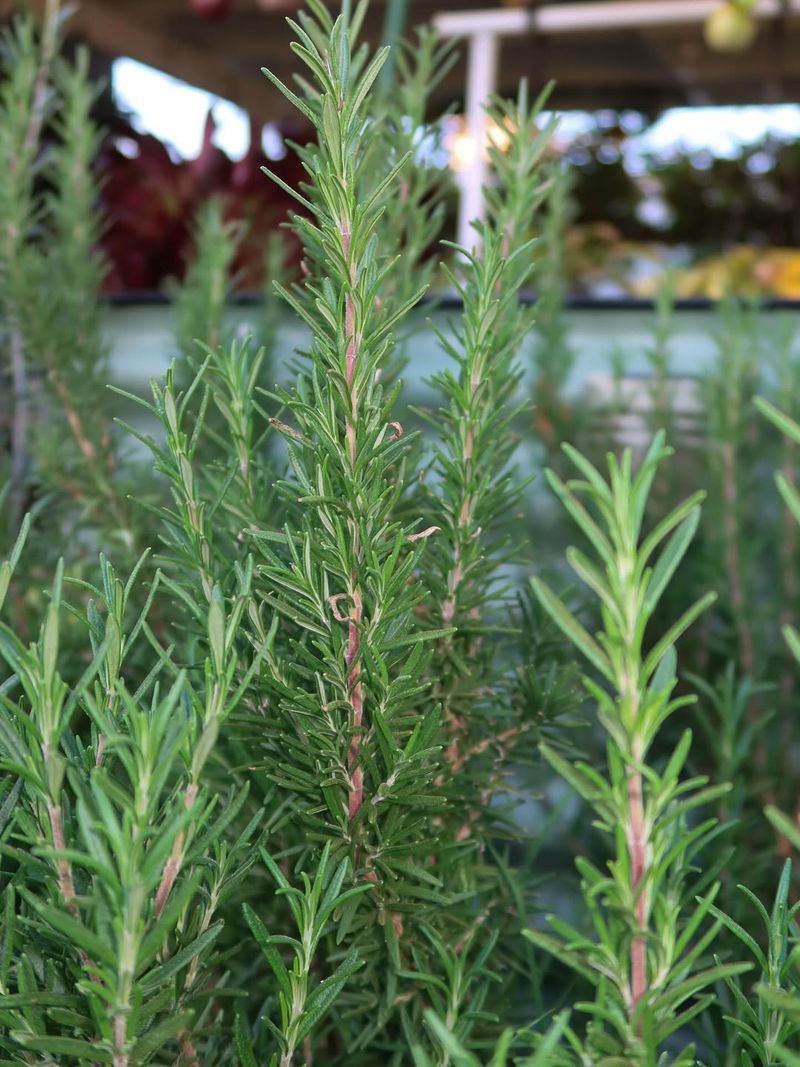
With its tough, no-nonsense reputation, rosemary is often seen as an easy, resilient plant. It survives heat, drought, and poor soil without much fuss, which makes it seem like an easy plant to grow anywhere.
However, bring it to Oregon, and that tough reputation starts to fade quickly. Like lavender, rosemary is a Mediterranean native that genuinely struggles when its roots stay wet for long stretches of time.
Oregon’s rainy season, which can last from October through May in many areas, puts rosemary under serious stress. The constant moisture around the roots can encourage root rot, which gradually breaks down the plant’s root system.
Your Oregon Garden Changes Every Week. Your Plan Should Too.
Gardening in Oregon changes quickly throughout the season. Every Friday you’ll receive a simple weekly plan showing exactly what to plant, prune, fertilize, harvest, and protect so you never miss the right timing.
Gardeners often notice the symptoms too late: branches turn brown, leaves drop off, and the whole plant starts looking crispy even though the soil is soaking wet. It seems backwards, but that is exactly what happens when rosemary gets too much water.
Growing rosemary successfully in Oregon requires some clever planning. Raised beds are one of the best solutions because they keep the roots above the wet ground level.
Mixing plenty of perlite or coarse grit into the planting soil helps water move through faster. In western Oregon especially, placing rosemary near a south-facing wall can provide extra warmth and shelter from rain.
Some gardeners in the Willamette Valley have success growing rosemary in large containers that can be moved under cover during the wettest months. Picking hardier varieties like Arp or Hill Hardy also gives rosemary a fighting chance against Oregon’s notoriously damp winters.
3. Russian Sage Losing Strength In Damp Soil
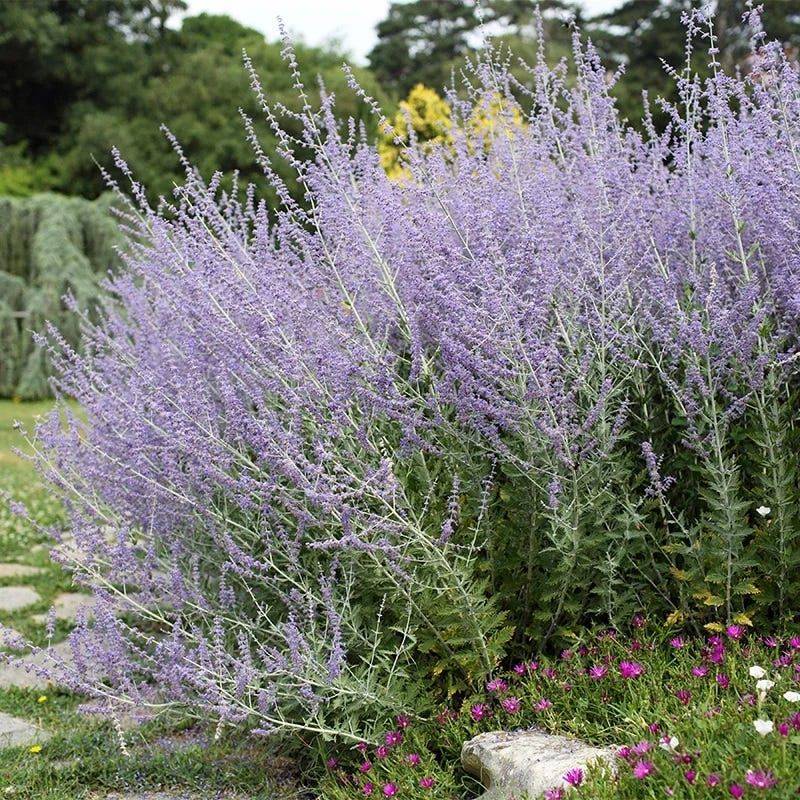
With its silvery stems and soft purple-blue flowers, Russian sage looks like it belongs in a dreamy cottage garden. And in the right conditions, it truly shines.
The problem is that those right conditions include well-drained, even somewhat dry soil, which is hard to come by in most parts of Oregon during the long rainy season. Russian sage originally comes from the dry, rocky hillsides of Central Asia, so it is wired for toughness in drought, not floods.
In Oregon, Russian sage faces a double challenge. The combination of heavy rainfall and clay-heavy soils that are common throughout the Willamette Valley traps moisture right where the plant’s crown and roots sit.
This leads to crown rot, a condition where the base of the plant softens and collapses. Many gardeners plant Russian sage expecting a carefree, drought-tolerant shrub, only to watch it slowly decline through the wet winter months.
By spring, what is left is often a severely damaged plant that may not recover.
Despite these challenges, Russian sage is not completely off the table for Oregon gardeners willing to put in extra effort. Amending heavy clay soil with large amounts of compost and coarse grit dramatically improves drainage.
Planting on a gentle slope or in a raised bed keeps excess water moving away from the crown. Avoiding any overhead watering during the dry season also helps the plant stay as dry as possible when nature is not already doing the watering.
In eastern Oregon, where the climate is much drier, Russian sage actually performs quite well and needs minimal extra care.
4. Agave Breaking Down In Prolonged Rain
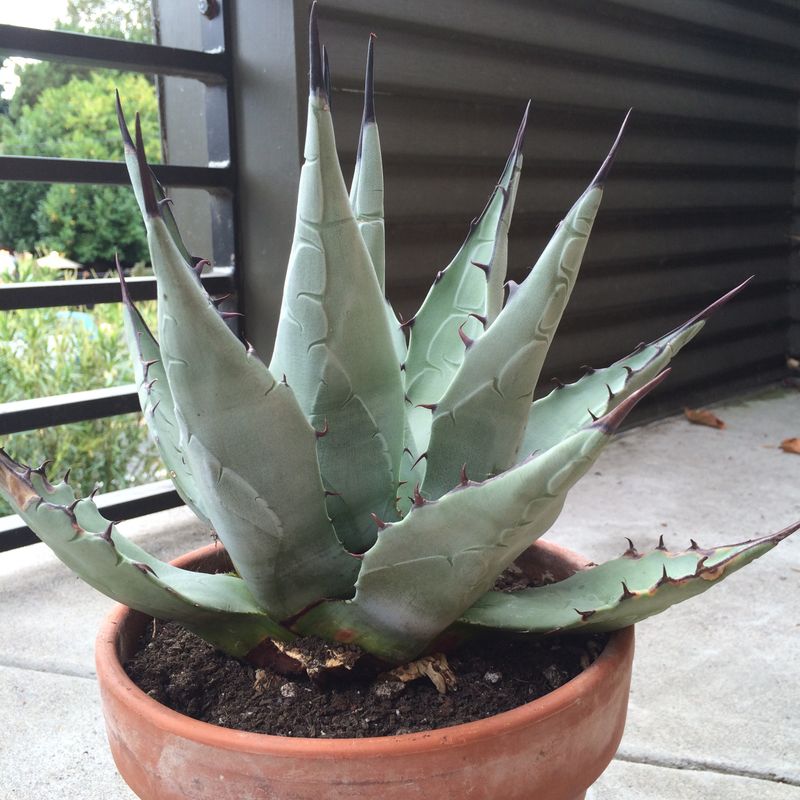
Agave is one of those plants that looks almost indestructible. Its thick, spiky leaves store water, its roots handle drought like a champion, and it can survive in rocky desert conditions that would finish off most other plants.
So why does it struggle in Oregon? The answer is simple: agave is built for dry, fast-draining environments, and Oregon’s persistent rainfall is the one thing it genuinely cannot handle.
When agave sits in wet soil for extended periods, the base of the plant and its root system begin to break down. The rot often starts at the center of the rosette, which is the tightest, most vulnerable part of the plant.
Water collects there, stays there, and creates perfect conditions for fungal and bacterial problems to take hold. In Oregon’s rainy season, this process can happen surprisingly fast, even with plants that seemed completely healthy just a few weeks earlier.
Agave can survive in Oregon, but only with careful management. Container growing is probably the best option because pots can be moved under a covered patio or into a garage when the rain gets heavy.
If planting in the ground, choosing a spot with exceptionally fast-draining soil and full sun is essential. Raised rock gardens or gravel beds work well for agave because they mimic the plant’s natural desert habitat.
In central and eastern Oregon, where rainfall is significantly lower than on the wet western side of the Cascades, agave actually does quite well with minimal intervention from the gardener.
5. Yucca Declining In Poorly Drained Conditions
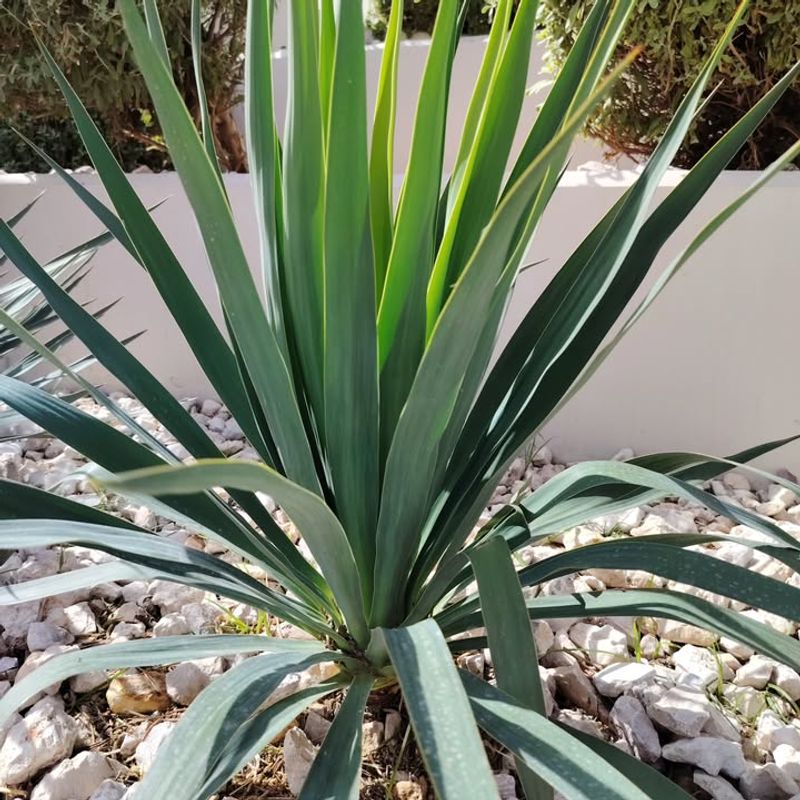
Those stiff, sword-shaped leaves and tall flower spikes make a real statement in any garden. In the right environment, yucca is almost bulletproof.
But Oregon’s wet climate throws a wrench into that toughness, especially for gardeners on the western side of the Cascades where rainfall is heaviest and most consistent throughout the year.
The biggest enemy for yucca in Oregon is not cold temperatures but persistent soil moisture. Yucca roots need air pockets in the soil to stay healthy, and when those pockets fill with water for weeks on end, the roots suffocate and begin to rot.
The crown of the plant, where the leaves emerge from the base, is especially vulnerable. Once crown rot sets in, the damage can spread quickly and the plant may not recover.
Many Oregon gardeners have planted yucca expecting a low-maintenance, tough specimen only to lose it by the following spring.
To give yucca a real chance in Oregon, drainage is everything. Planting in a raised bed filled with sandy, gritty soil gives the roots the airy environment they need.
Adding a layer of gravel around the base of the plant helps keep moisture away from the crown during rainy spells. South-facing slopes are ideal planting spots because they dry out faster after rain.
Yucca filamentosa and its relatives tend to be slightly more tolerant of moisture than other species, making them a smarter choice for Oregon gardeners who are determined to include this dramatic plant in their landscape.
6. Sedum (Upright Types) Rotting In Wet Seasons
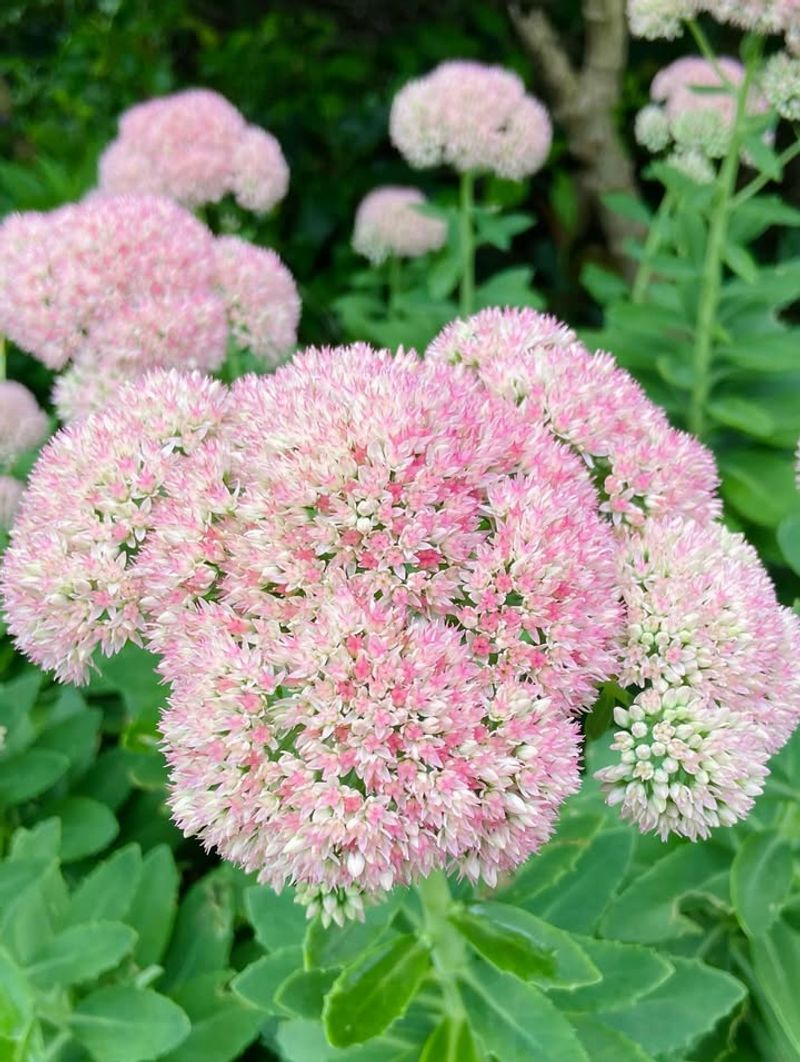
Most gardeners know sedum as a tough, reliable plant that handles drought, poor soil, and neglect without complaint. Low-growing ground cover types of sedum are indeed quite adaptable, but the taller, upright varieties like Sedum spectabile, commonly called stonecrop, have a well-known weakness in Oregon’s rainy climate.
These upright types tend to flop over, develop mushy stems, and rot at the base when they receive too much water over long periods.
In Oregon, the combination of heavy fall and winter rain plus cool temperatures creates conditions that upright sedum simply was not designed to handle. The thick, water-storing stems that make sedum so drought-resistant become a liability in wet climates because they hold onto excess moisture rather than releasing it.
This leads to a soggy, rotting base that collapses under the weight of the plant. Gardeners in the Willamette Valley often see their once-beautiful sedum clumps turn into a mushy, flat mess by midwinter.
Improving drainage is the single most effective way to help upright sedum survive Oregon winters. Planting in raised beds or mounds keeps the crown above standing water.
Cutting the stems back in late autumn reduces the amount of plant tissue that can absorb and hold moisture during the wet season. Dividing sedum clumps every two to three years also keeps the plants healthier and more compact, which reduces flopping.
Selecting varieties like Sedum Matrona or Sedum Herbstfreude, which tend to have stronger stems, also helps these plants stand up better through Oregon’s notoriously wet fall and winter months.
7. Bougainvillea Failing In Cool, Damp Weather
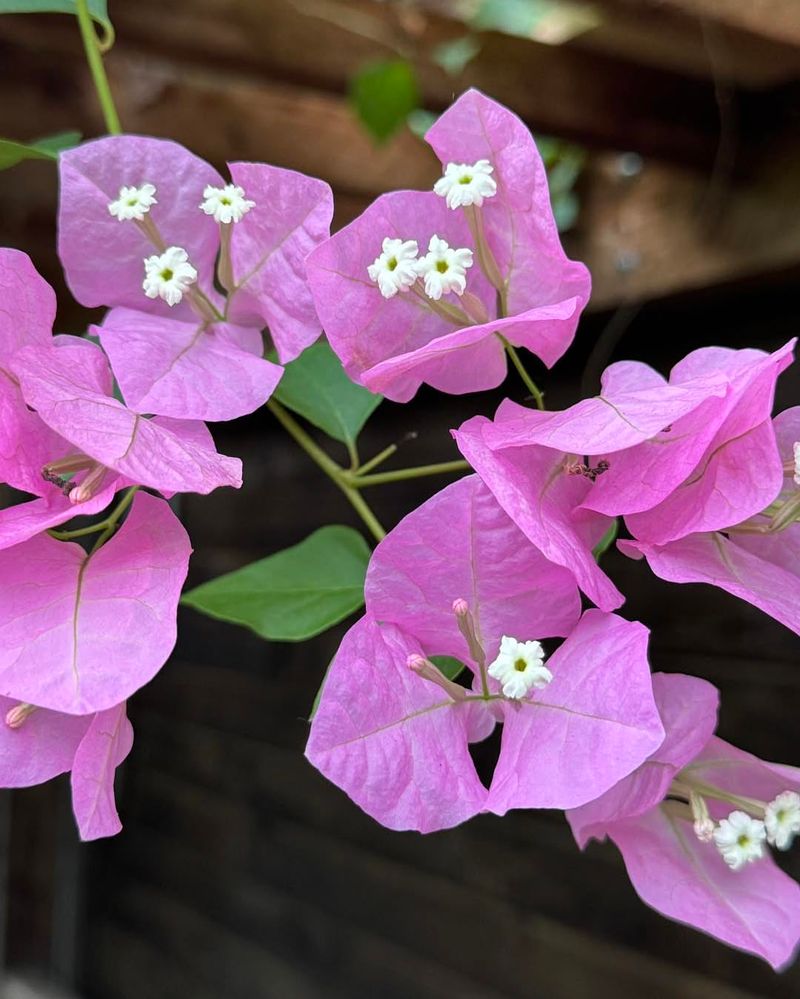
Few plants bring as much color and tropical flair as bougainvillea. Those brilliant magenta, orange, and red bracts cascading over walls and fences look absolutely stunning, and it is easy to understand why gardeners everywhere want to grow them.
Unfortunately for Oregon gardeners, bougainvillea is about as far from Oregon-friendly as a plant can get. It loves heat, it loves dry conditions, and it absolutely cannot stand cold, wet winters.
Bougainvillea is native to South America and thrives in climates similar to coastal California or the Mediterranean, where summers are long, hot, and dry. Oregon’s mild but persistently damp and cool climate is a tough match for this sun-worshipping vine.
Even a brief frost can cause damage to the stems and foliage, and the combination of cold and wet soil can severely stress the plant. In cities like Portland and Salem, outdoor bougainvillea often struggles to survive winter without protection.
Some determined Oregon gardeners do manage to keep bougainvillea alive by growing it in large containers that can be brought indoors before the first frost. Inside a bright, warm sunroom or greenhouse, bougainvillea can continue to thrive through the rainy season and be moved back outside once temperatures warm up in late spring.
Keeping the pot on the dry side during winter also helps prevent root problems. However, growing bougainvillea outdoors year-round in most parts of Oregon is a real challenge, and gardeners should go into it with realistic expectations about what this tropical beauty can handle.
8. Olive Tree Struggling Without Heat And Dryness
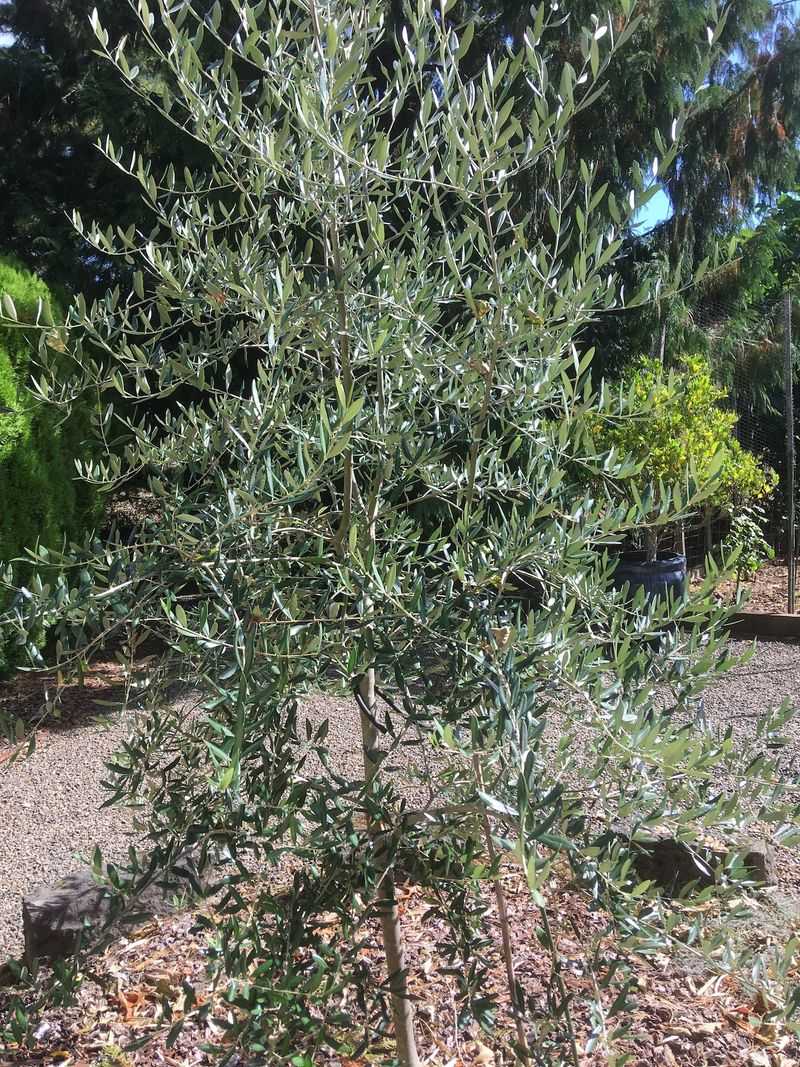
There is something undeniably romantic about an olive tree. Those silvery-green leaves, gnarled trunks, and ancient Mediterranean character make olive trees one of the most sought-after ornamental trees around.
Plenty of Oregon gardeners have tried their luck with olive trees, drawn in by their beauty and the appeal of growing their own olives. However, Oregon’s climate throws up some serious roadblocks for these sun-loving trees.
Olive trees are adapted to long, hot, dry summers and mild, relatively dry winters. Oregon flips that script entirely, offering cool, wet winters and summers that, while warm, do not come close to the intense heat olives prefer.
Prolonged wet soil during winter causes root stress and can lead to fungal issues that slowly weaken the tree. In particularly rainy years, even established olive trees in western Oregon can show signs of decline, with yellowing leaves and reduced vigor that signal waterlogging stress.
Eastern Oregon offers a somewhat better environment for olive trees because the climate east of the Cascades is considerably drier, though the colder winters there bring their own challenges. In western Oregon, success with olive trees depends heavily on soil preparation and site selection.
Planting on a south-facing slope with excellent drainage and amending the soil with gravel or coarse sand improves conditions significantly. Arbequina and Picual are among the more cold-tolerant and adaptable olive varieties that tend to perform better in Oregon’s tricky climate.
Even so, olive growers in Oregon should be prepared to provide extra care and protection during the wettest and coldest months of the year.