10 Plants You Can Grow Year-Round In South Oregon
Gardening in South Oregon comes with a mix of surprises. Winters are milder than many people expect, summers bring plenty of sun, and the growing season can stretch longer than it does in other parts of the state.
That opens the door to more year-round growing than many gardeners realize.
Instead of packing everything up at the end of fall, some plants keep going through cooler months and pick right back up as temperatures shift. With the right choices, your garden does not have to take a break just because the season changes.
That steady rhythm can make gardening feel less rushed and more enjoyable throughout the year. It also means there is always something happening outside, even when most yards start to slow down.
1. Kale Thriving Through Cool South Oregon Seasons
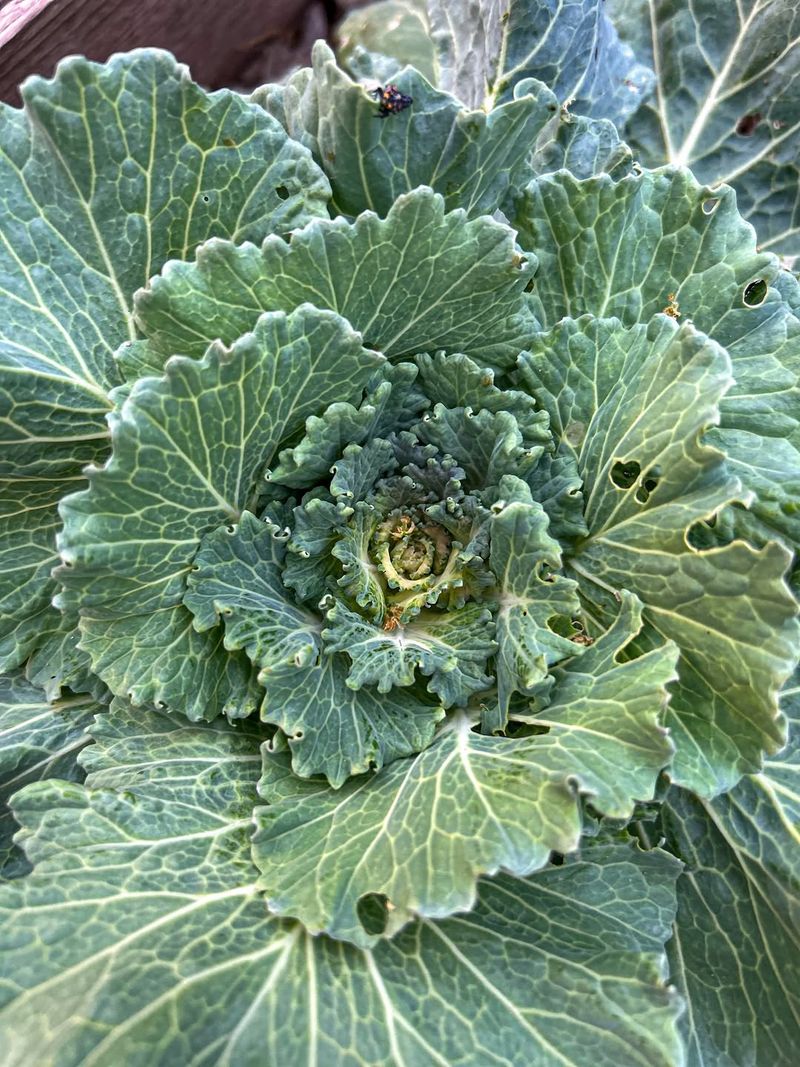
One of the toughest and most reliable crops you can grow in South Oregon is kale. Gardeners across the Rogue Valley love it because it actually gets sweeter after a light frost, making those cool winter months work in your favor.
It is one of the few vegetables that keeps producing even when temperatures drop, which is a huge win for year-round gardeners.
Planting kale is simple. You can start seeds indoors about six weeks before your last frost date, or direct sow them in the garden during late summer for a fall and winter harvest.
South Oregon’s mild winters mean your kale plants can survive outside without much protection at all. Just make sure they get at least six hours of sunlight each day.
Kale is loaded with vitamins A, C, and K, making it one of the most nutritious vegetables you can grow. Try adding it to soups, smoothies, or roasted as crispy chips.
Water your plants regularly but avoid soggy soil, and watch out for cabbage worms. With a little attention, your kale patch can produce tender leaves for months on end, giving you a steady supply of healthy greens right from your own backyard.
2. Swiss Chard Producing Colorful Leaves Year-Round
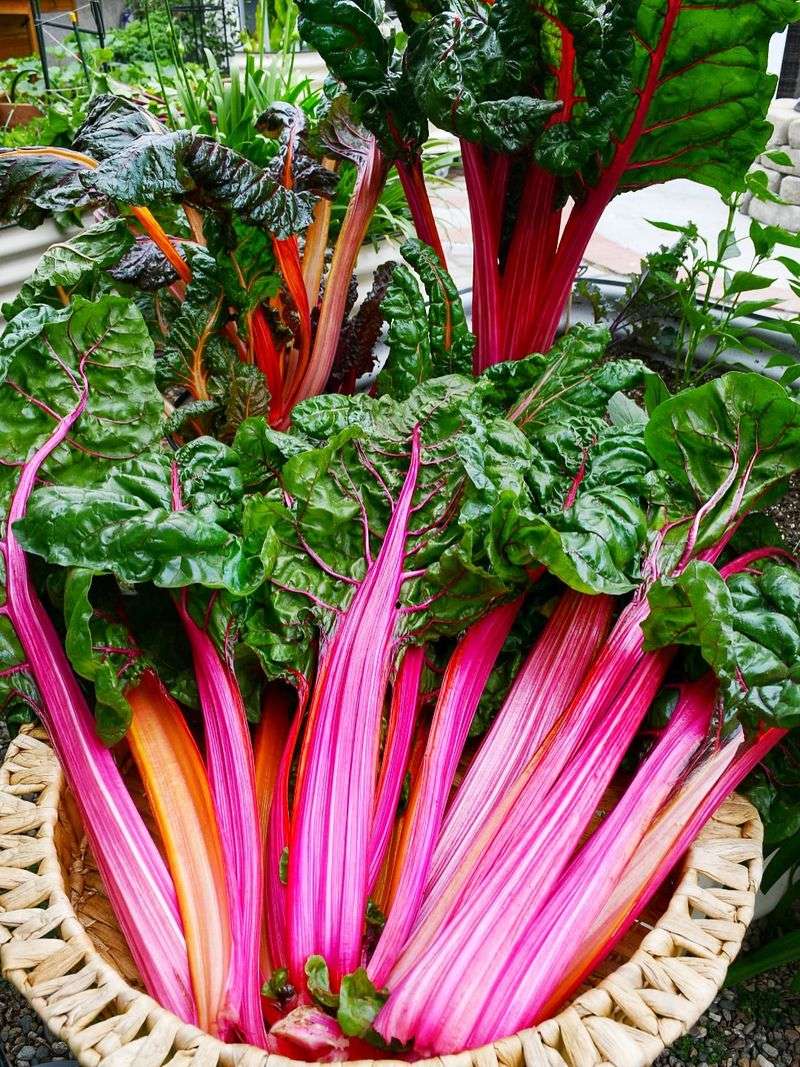
Walk through any thriving garden in South Oregon and you are likely to spot Swiss chard showing off its rainbow of stem colors. This plant is almost too pretty to eat, with stems that come in brilliant shades of red, yellow, orange, and white.
Beyond its good looks, Swiss chard is incredibly productive and can handle both the warm summers and the mild winters that Southern Oregon is known for.
One of the best things about Swiss chard is that you can harvest it as a cut-and-come-again crop. Simply snip the outer leaves and let the center keep growing.
This means one planting can feed your family for many months without needing to replant. Gardeners in the Rogue Valley often sow seeds in both spring and late summer to keep a continuous supply going all year.
Swiss chard thrives in full sun but will also tolerate partial shade, which makes it flexible for different garden setups. It prefers well-drained, fertile soil and regular watering.
Your Oregon Garden Changes Every Week. Your Plan Should Too.
Gardening in Oregon changes quickly throughout the season. Every Friday you’ll receive a simple weekly plan showing exactly what to plant, prune, fertilize, harvest, and protect so you never miss the right timing.
Rich in iron, magnesium, and vitamins, it is a powerhouse in the kitchen too. Saute it with garlic, toss it into pasta, or use the large leaves as a wrap.
Few plants offer this much beauty and usefulness in one package.
3. Collard Greens Holding Strong In Chilly Weather
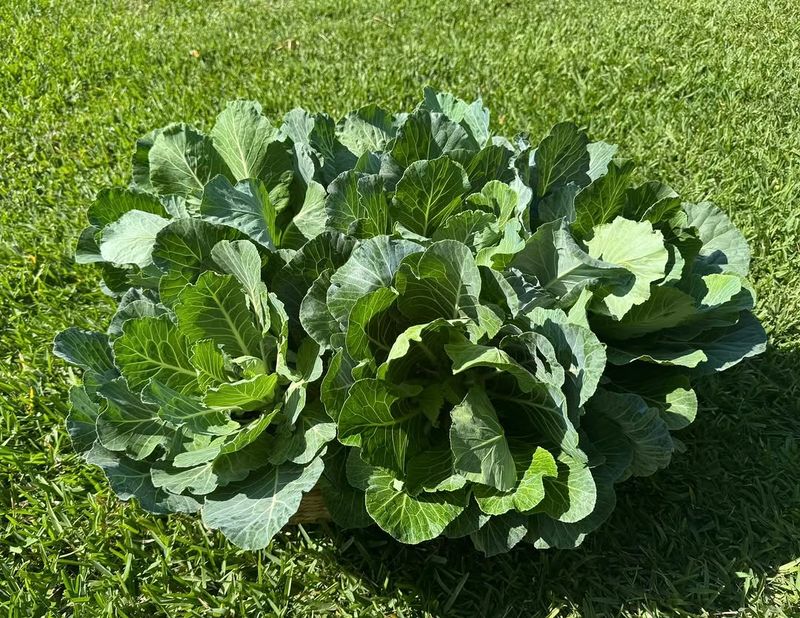
For centuries, collard greens have been a dependable staple, and there is a very good reason they have remained so popular. They are tough, dependable, and absolutely packed with nutrition.
In South Oregon, collards are a star performer because they can handle both the summer heat of the Rogue Valley and the cool, damp days of winter without skipping a beat.
Unlike some vegetables that struggle when the weather changes, collard greens actually improve in flavor after exposure to cooler temperatures. The leaves become more tender and slightly sweeter after a light frost, which makes fall and winter harvests especially rewarding.
Plant them in early spring or late summer, and they will reward you with big, broad leaves for months at a time.
Collards grow best in full sun with consistently moist, well-drained soil. They can reach up to three feet tall, so give them plenty of room to spread out.
These greens are an excellent source of calcium, fiber, and vitamins C and K. Southern-style braised collards with a splash of apple cider vinegar are a classic, but they also work great in stir-fries and soups.
For South Oregon gardeners looking for a low-maintenance, high-reward crop, collard greens are an easy choice.
4. Spinach Growing Fast In Mild Conditions
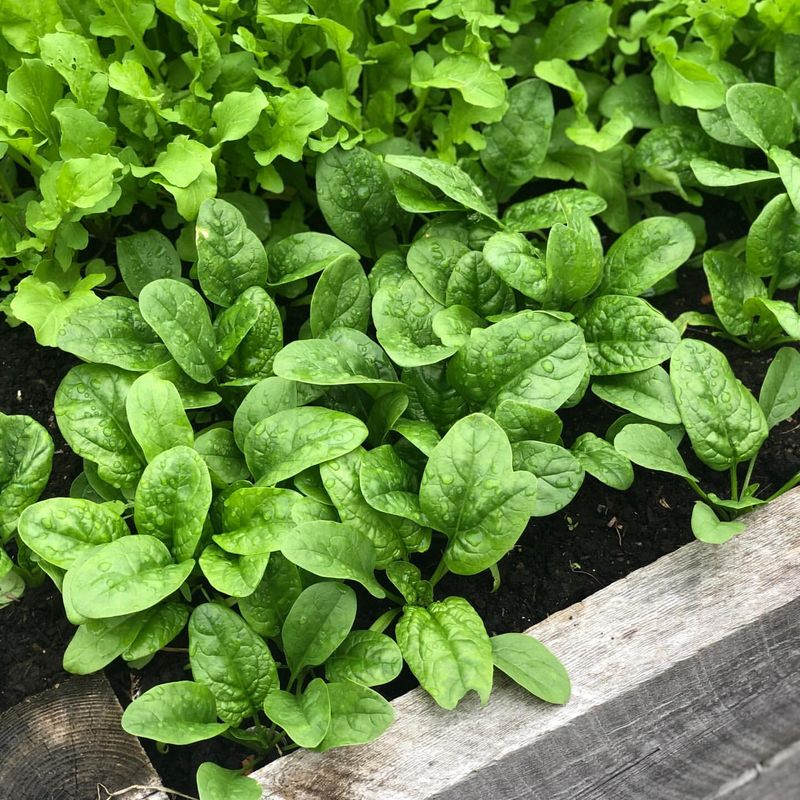
Cool weather and spinach go together like peanut butter and jelly. Luckily for gardeners in South Oregon, the region offers plenty of those ideal cool growing conditions, especially in fall, winter, and early spring.
Spinach is one of the fastest-growing vegetables you can plant, often ready to harvest in as little as 40 days from seed. That quick turnaround makes it perfect for keeping your garden productive all year long.
In the Rogue Valley, spinach does especially well when planted in late summer for a fall harvest, or in early spring as soon as the soil can be worked. It can even survive light frosts, which means you can often harvest fresh leaves well into winter.
Use row covers or a simple cold frame to protect plants during harder freezes and extend your season even further.
Spinach prefers rich, moist soil and partial to full sun. Avoid letting the soil dry out completely, as dry conditions can cause the plant to bolt, or go to seed too quickly.
Rich in iron, folate, and antioxidants, spinach is one of the most nutritious greens around. Toss it fresh into salads, blend it into smoothies, or wilt it into scrambled eggs.
Growing spinach in South Oregon is one of the smartest, easiest gardening choices you can make.
5. Arugula Delivering Quick, Peppery Harvests
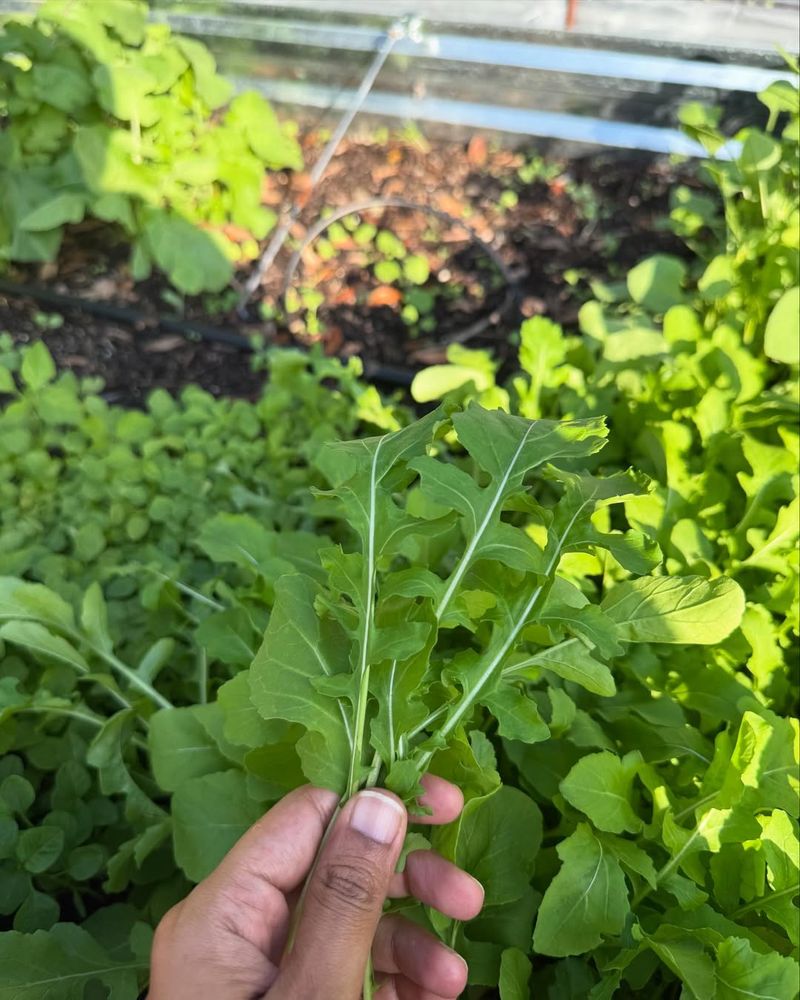
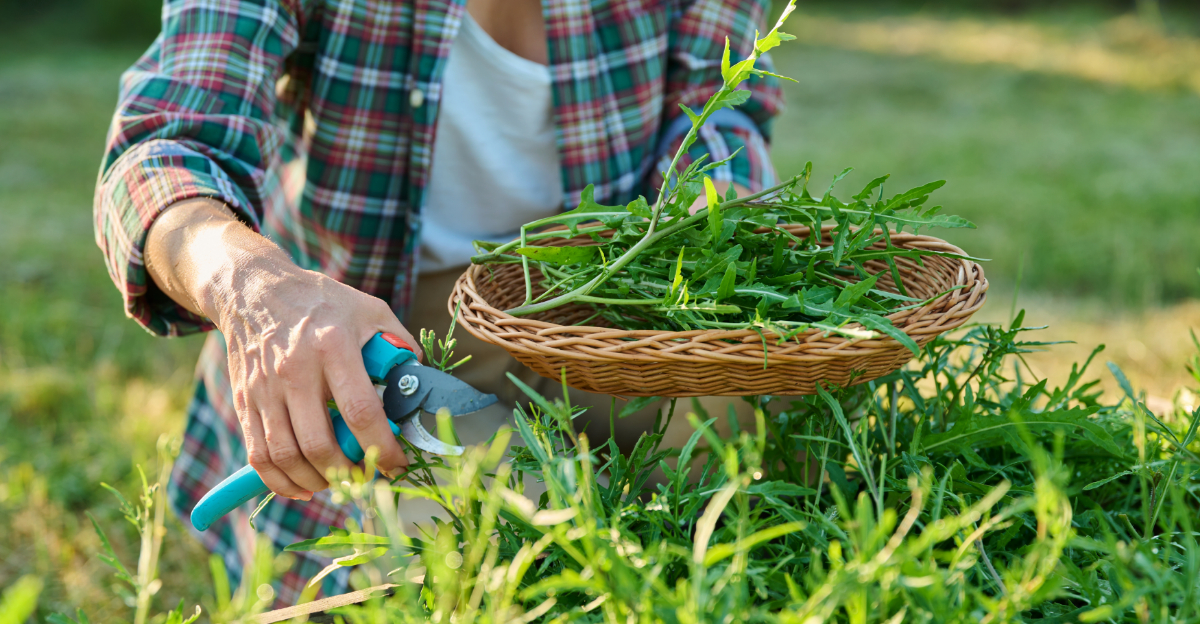
If your salads have been feeling a little boring lately, arugula is here to change that. This peppery, slightly nutty green adds bold flavor to everything it touches, and it grows surprisingly fast in South Oregon’s climate.
Gardeners in the Rogue Valley appreciate arugula because it is one of the easiest greens to grow and one of the first to show up in spring when other vegetables are still getting started.
Arugula is a cool-season crop that does best in temperatures between 45 and 65 degrees Fahrenheit, which aligns perfectly with South Oregon’s fall, winter, and spring conditions. You can sow seeds directly into the garden every few weeks for a continuous harvest.
When summer heats up, arugula tends to bolt quickly, but planting in a slightly shaded spot can help slow that process down.
Harvest arugula when the leaves are young and tender, about three to four inches long, for the best flavor. Older leaves can become quite spicy, which some people love but others find overpowering.
Mix it with milder greens, layer it on pizza, or use it as a base for a simple salad with lemon and olive oil. Arugula grows so quickly that you can go from seed to salad bowl in under a month, making it an incredibly satisfying plant to grow.
6. Garlic Building Strong Bulbs Over Time
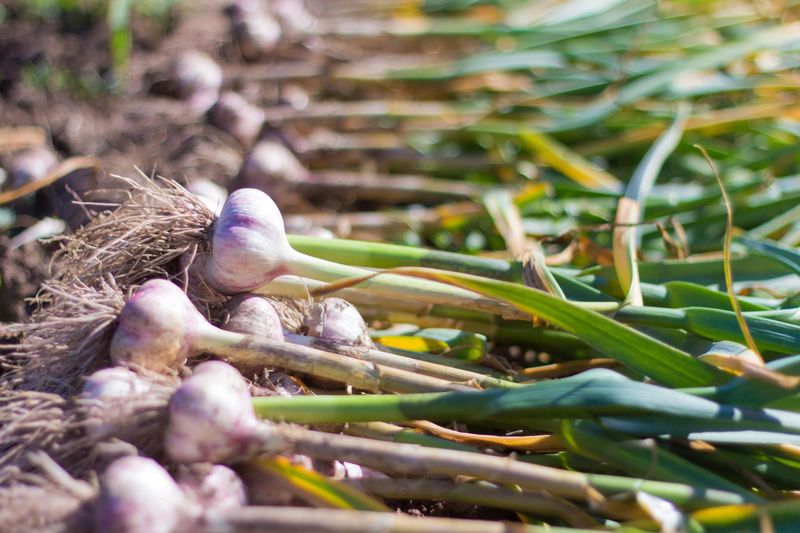
There is something almost magical about planting garlic in the fall and watching it slowly transform into plump, flavorful bulbs ready to harvest the following summer. Garlic is one of the most rewarding crops you can grow in South Oregon, and it fits perfectly into the region’s gardening calendar.
The Rogue Valley’s cool winters provide exactly the cold period garlic needs to develop strong, full bulbs.
Plant individual garlic cloves about two inches deep and six inches apart in October or November, just as the weather starts to cool down. The cloves will sprout roots and small green shoots before going dormant through the coldest months.
Come spring, they wake back up and begin pushing toward a summer harvest. South Oregon’s warm, dry summers are ideal for curing and storing garlic after harvest.
Hardneck varieties like Rocambole and Purple Stripe tend to do especially well in Southern Oregon’s climate. They produce bold, complex flavors and also give you garlic scapes in early summer, which are the curly green tops you can use just like garlic in cooking.
Garlic is a natural pest repellent in the garden and pairs well with almost every vegetable. Once you grow your own, buying garlic from the store will feel like a thing of the past.
7. Onions Growing Steadily Through The Seasons
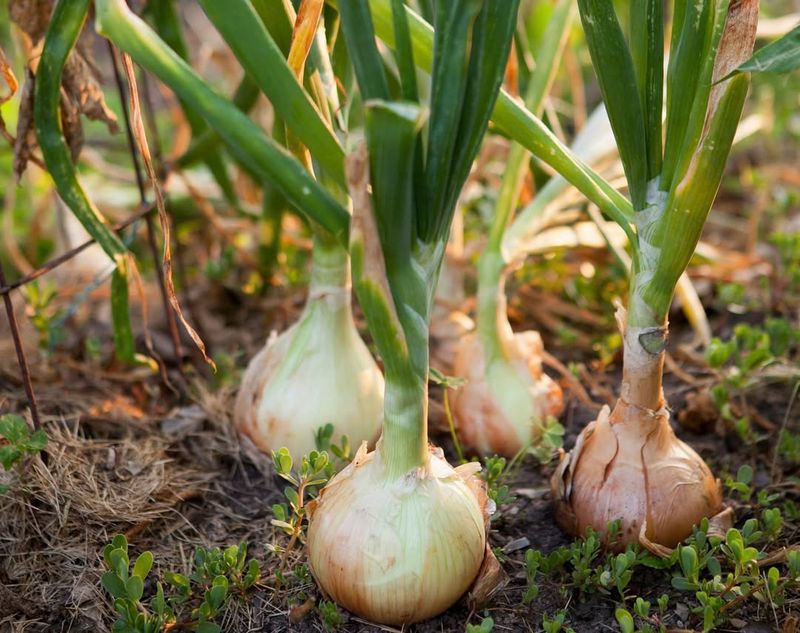
A reliable staple in the vegetable garden, onions are easy to grow and widely useful. They take a little patience, but the payoff is absolutely worth it.
In South Oregon, onions can be grown across multiple seasons depending on the variety you choose, though bulb production follows a seasonal cycle. Long-day onion varieties work best in the Pacific Northwest because they need plenty of daylight hours to form big, round bulbs, and Southern Oregon’s long summer days deliver exactly that.
Start onions from transplants or sets in early spring, around February or March in the Rogue Valley. They grow slowly at first but pick up speed as the days get longer and warmer.
Keep the soil consistently moist and weed-free, since onions have shallow roots and do not compete well with weeds. Once the tops start to flop over on their own, your onions are ready to harvest.
For a continuous supply, try growing green onions, also called scallions, alongside your bulbing onions. Green onions can be ready in a few weeks and may regrow after cutting, depending on growing conditions.
Both types thrive in South Oregon’s well-drained, fertile soil. Onions are also natural companions for carrots, as they help deter pests from each other.
Few pantry staples are as satisfying to grow yourself as a big bag of homegrown onions.
8. Parsley Staying Fresh In Cooler Weather
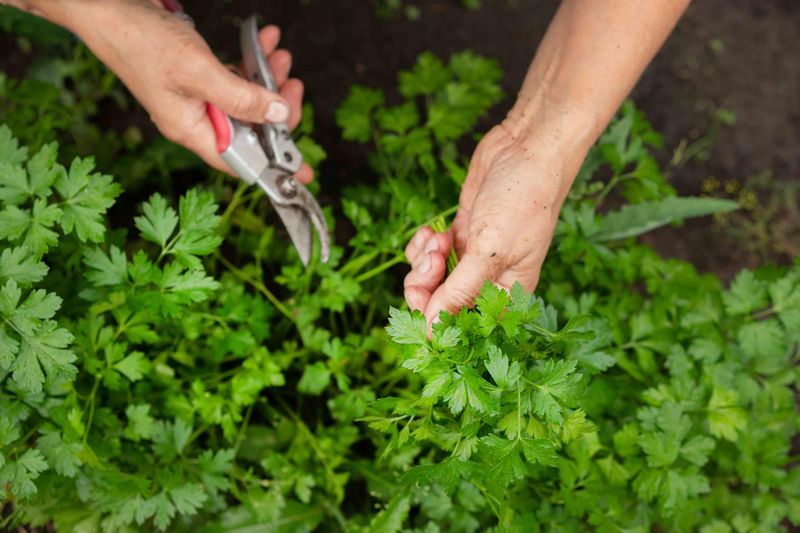
Parsley is one of those herbs that quietly does everything right. It grows steadily, it looks great in the garden, and it makes almost every dish taste fresher and more vibrant.
In South Oregon, parsley can be grown outdoors for most of the year thanks to the region’s mild winters and warm, sunny summers. Even when temperatures dip, parsley holds on like a champ and keeps producing usable leaves.
There are two main types to consider: curly parsley and flat-leaf, or Italian, parsley. Flat-leaf parsley tends to have stronger flavor and is preferred by most cooks, while curly parsley is great for garnishing and looks beautiful in the garden.
Both types grow well in South Oregon and can be planted in early spring or late summer for a fall crop.
One thing to keep in mind is that parsley seeds are notoriously slow to germinate, sometimes taking up to three weeks. Soaking the seeds in warm water overnight before planting can help speed things up.
Once established, parsley is a biennial, meaning it lives for two years before going to seed. Plant it in a spot with full sun to partial shade and rich, moist soil.
Snip stems regularly to encourage bushy, full growth and keep the plant productive all season long.
9. Thyme Thriving With Minimal Care
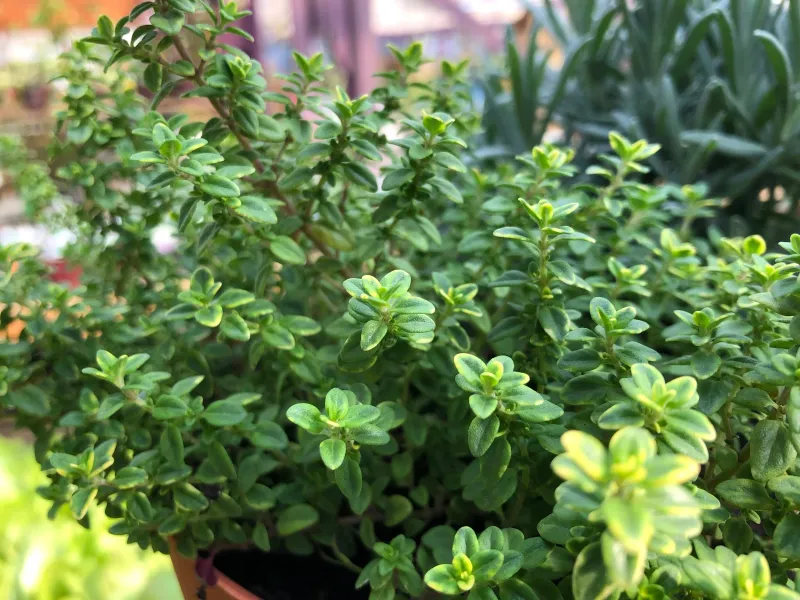
Once established in your garden, it practically takes care of itself, making it a perfect plant for busy gardeners in South Oregon. With the region’s warm, dry summers and mild winters, thyme feels right at home.
In fact, it closely resembles the Mediterranean climate where thyme originally comes from, which means it thrives here naturally.
Plant thyme in a sunny spot with well-drained soil. It does not like wet feet, so avoid areas where water tends to pool.
Sandy or rocky soil is perfectly fine for thyme, and it actually prefers slightly lean soil over rich, fertilized beds. In South Oregon, you can plant thyme in spring and it will establish quickly, spreading into a fragrant, low-growing mat of tiny leaves.
Thyme is often evergreen in South Oregon, meaning it can stay green and usable through much of the winter in the Rogue Valley. You can snip fresh sprigs any time of year for cooking.
It pairs beautifully with roasted meats, soups, and roasted vegetables. Thyme also produces delicate purple flowers in summer that attract bees and other pollinators to your garden.
With its year-round usefulness and nearly zero maintenance requirements, thyme is one of the smartest herbs you can plant in Southern Oregon.
10. Oregano Spreading Easily And Producing Nonstop
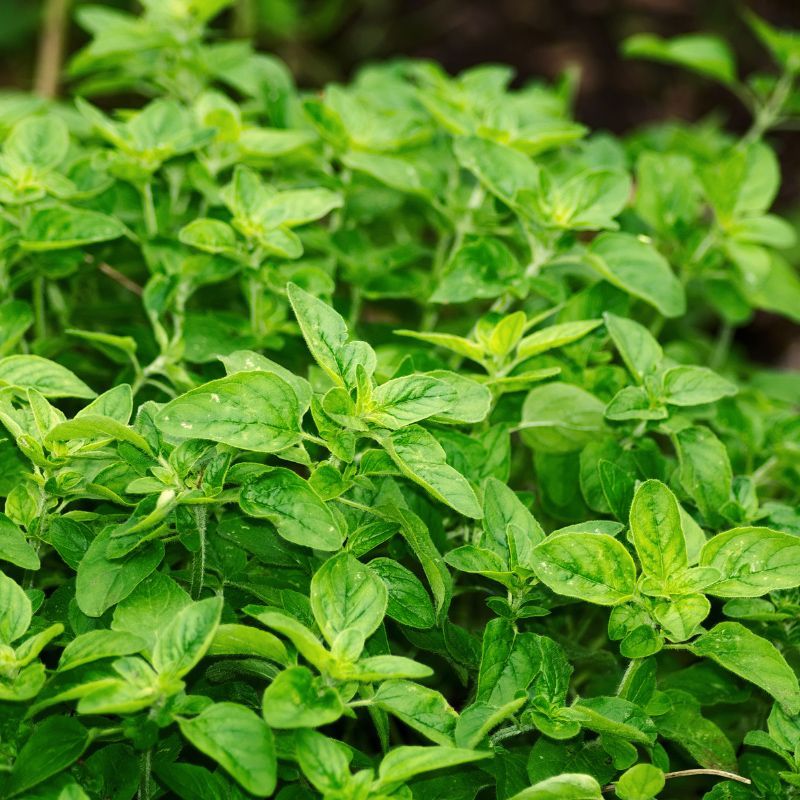
Named after the very state it grows so well in, oregano is practically made for South Oregon gardens. Okay, the name actually comes from the Greek words for mountain and joy, but this herb truly does bring joy to any garden it grows in.
Oregano is a hardy perennial, meaning it comes back year after year without needing to be replanted. Once you get it established in your Rogue Valley garden, it will be with you for a long time.
Oregano loves full sun and thrives in the warm, dry conditions that Southern Oregon summers are famous for. Plant it in well-drained soil and give it space to spread, because it can grow into a wide, bushy plant over time.
It handles drought surprisingly well once established, which makes it a low-effort choice for gardeners who want reliable results without constant watering.
In milder winters common in South Oregon, oregano often stays semi-evergreen, allowing for occasional harvests even in January and February. Cut the plant back in early spring to encourage fresh, vigorous growth.
Oregano is essential in Italian and Greek cooking, but it also adds depth to marinades, grilled vegetables, and homemade sauces. Growing your own means you always have the freshest, most flavorful oregano right outside your door.