This Is Why Oregon Gardeners Should Add Rocks To Birdbaths
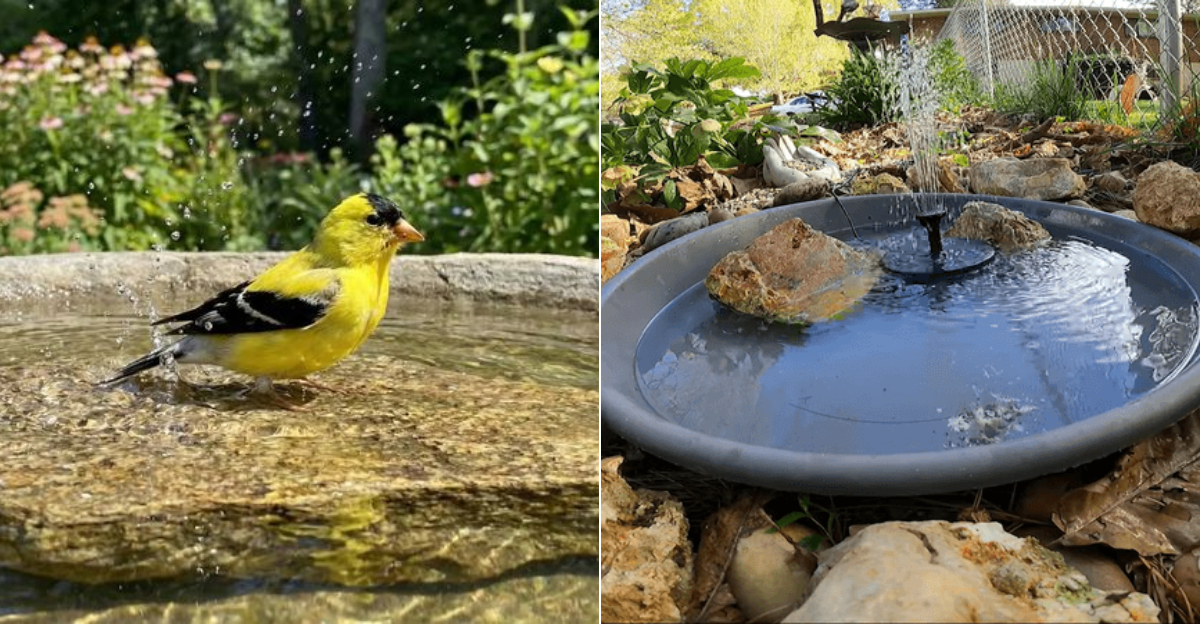
A birdbath can bring a yard to life in a quiet, steady way. You might notice a few birds stopping by in the morning or catching quick splashes during the day, especially when the weather warms up.
It is a simple feature, but small changes can make a big difference in how often it gets used.
In Oregon, where rain is common, birdbaths sometimes end up deeper or more slippery than they should be.
That can make birds hesitant, even when water is available. It is not always obvious why activity drops off.
Adding something as simple as a few rocks can completely change how birds interact with the space. It creates a safer, more natural setup that encourages more visits and longer stops, turning a basic birdbath into something far more active.
1. Safe Perches For Small Birds
Picture a tiny chickadee trying to balance on the slick edge of a birdbath while reaching for a sip of water. It is not easy, and for small birds, that struggle can be genuinely stressful.
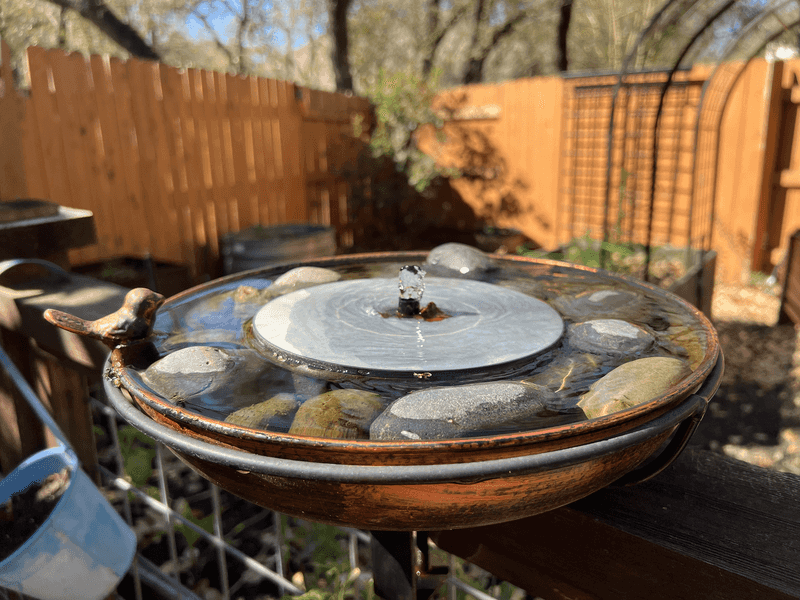
Rocks placed inside the basin give little birds a solid, stable surface to stand on while they drink and clean their feathers.
Oregon gardens attract many small bird species, including bushtits, wrens, and goldfinches. Most of these birds weigh less than an ounce, which means even a slight wobble can send them tumbling into deeper water.
A few well-placed rocks eliminate that problem completely by creating reliable footing right where they need it most.
You do not need fancy stones for this. Smooth river rocks from a local Oregon garden center work perfectly, and if collecting locally, be sure it is allowed and done responsibly.
Aim for rocks that sit just at or slightly above the waterline so birds can grip them easily. When small birds feel safe and comfortable at your birdbath, they will return again and again, turning your yard into a lively, feathered gathering spot all year long.
2. Rocks Make Deep Water Safer To Use
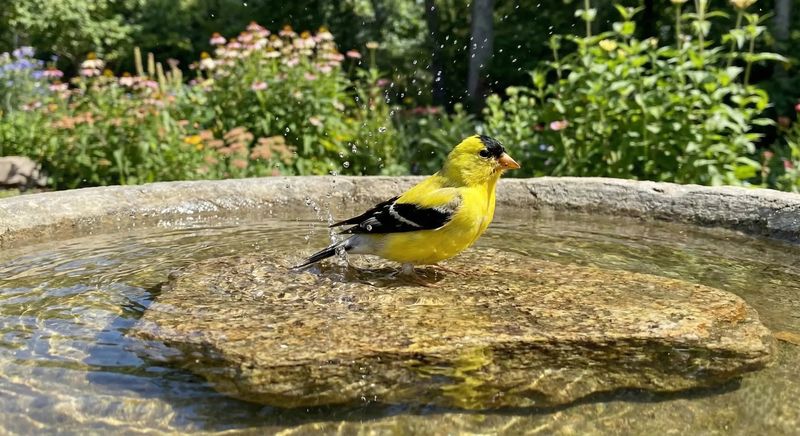
Most standard birdbaths are designed with humans in mind, not birds. They often hold two to three inches of water, which sounds shallow to us but can actually be dangerous for smaller or younger birds that have not yet mastered their swimming skills.
Rocks help solve this problem in a smart and simple way.
When you place rocks in the basin, they take up space and naturally reduce how deep the water gets in different areas. A bird can step onto a rock and have the water come only up to its belly, making bathing and drinking much more manageable.
Wildlife experts and gardeners often recommend this approach because it can reduce risks without requiring a new birdbath.
Flat stones work especially well for this purpose because they create broad, stable platforms throughout the basin. Stack a few of different heights to create a range of water levels across the birdbath.
Smaller birds will gravitate toward the shallowest spots, while larger visitors like robins or jays will use the deeper sections comfortably. It is an easy adjustment that makes a big difference for the safety of every bird that visits your Oregon garden throughout the seasons.
Your Oregon Garden Changes Every Week. Your Plan Should Too.
Gardening in Oregon changes quickly throughout the season. Every Friday you’ll receive a simple weekly plan showing exactly what to plant, prune, fertilize, harvest, and protect so you never miss the right timing.
3. Gradual Water Depth Birds Prefer
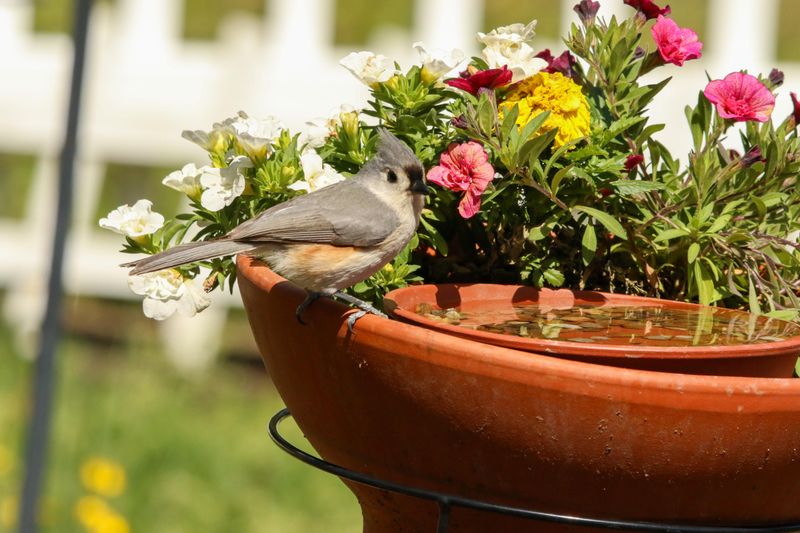
Birds are surprisingly picky about water depth, and for good reason. In nature, they seek out puddles, stream edges, and shallow pools where the water gradually gets deeper as you move toward the center.
A flat-bottomed birdbath with uniform depth does not mimic that natural experience, which can make some birds hesitant to use it at all.
Arranging rocks of different sizes inside your birdbath recreates that gradual slope birds instinctively prefer. Place larger, taller rocks near the center and shorter, flatter ones near the edges.
This creates a natural-looking gradient where birds can choose exactly the water level that feels right for their size and comfort. Oregon gardeners who have tried this setup often notice a big jump in the variety of birds visiting their yards.
Species that tend to be shy around birdbaths, like certain sparrows and warblers that pass through Oregon during migration, are more likely to stop and bathe when the water depth feels familiar and safe. Think of it as designing a tiny, personalized beach for your backyard visitors.
The gradual depth also makes it easier for birds to wade in slowly rather than jumping straight into water, which helps them feel more relaxed and confident during their visit.
4. Landing Spots For Pollinators
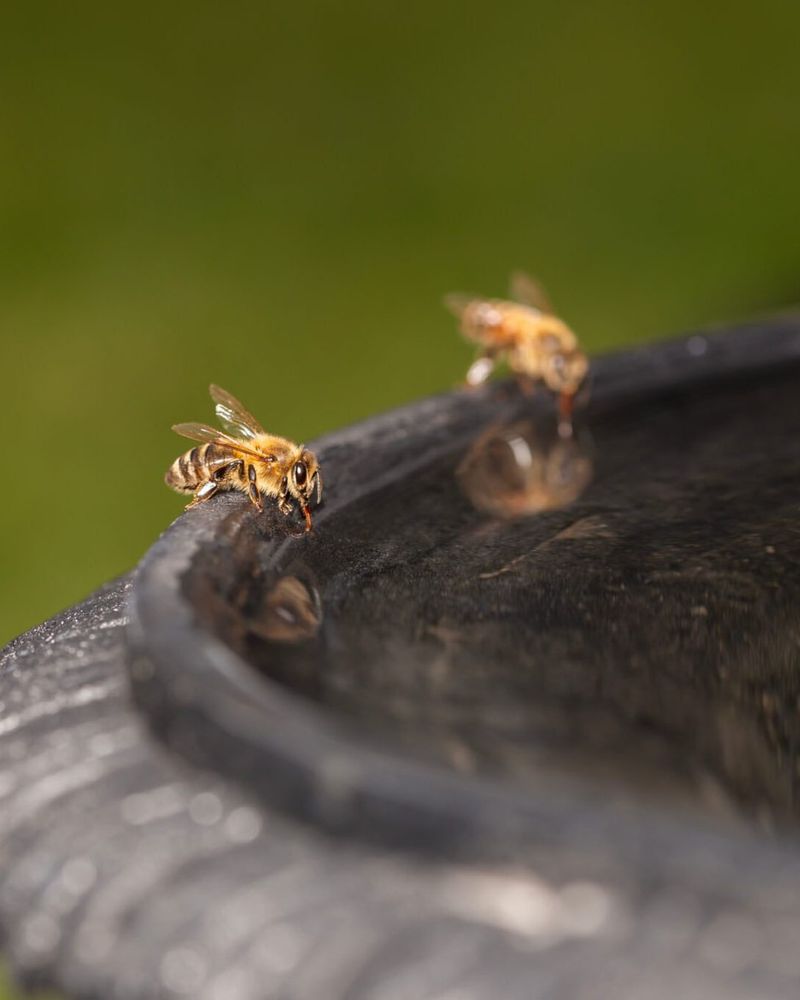
Here is something that surprises a lot of Oregon gardeners: birdbaths are not just for birds. Pollinators like bees, butterflies, and even dragonflies need fresh water too, especially during Oregon’s dry summer months.
The problem is that most birdbaths are too deep and slippery for these tiny creatures to use safely.
Rocks that stick up above the waterline create the perfect landing pad for pollinators. A honeybee can perch on a dry rock surface and lean down to drink from the water just below without any risk of falling in.
Butterflies, which are drawn to moist surfaces, will rest on rocks and sip water from the damp stone edges. Adding this feature to your birdbath essentially doubles its usefulness in your garden ecosystem.
Oregon is home to over 500 species of native bees, many of which are important pollinators for local plants and crops. Supporting them with a safe water source is one of the kindest things a gardener can do.
Place a few rocks so they rise clearly above the water level, and you will likely start noticing bees and butterflies visiting your birdbath within just a few days. It is a rewarding sight that shows how even a small change can support a much bigger community of living things in your yard.
5. Reduce Slippery Surfaces In The Basin
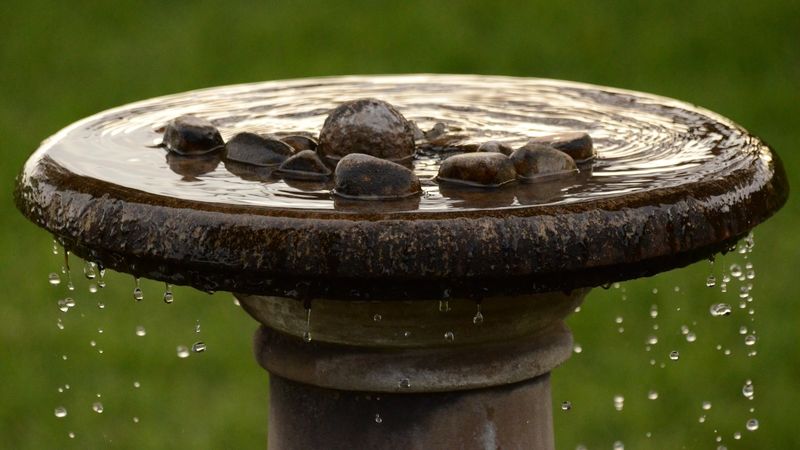
Wet ceramic and concrete birdbath surfaces can get incredibly slippery, almost like ice for a bird trying to grip with tiny feet. When birds cannot get a solid footing, they may avoid the birdbath entirely or struggle to bathe safely.
This is one of the most overlooked problems with standard birdbath designs, and it is especially common in Oregon where moss and algae grow quickly in the moist climate.
Rocks with a rough or textured surface give birds something real to grip. Even smooth river rocks provide more traction than a wet ceramic bowl because they have natural irregularities that tiny bird talons can hold onto.
Placing several rocks throughout the basin means birds always have a safe spot to land, no matter where they enter the water.
You can also look for locally sourced lava rocks at Oregon garden stores, which have a naturally porous and grippy surface that works wonderfully in birdbaths. As an added bonus, the rough texture of certain rocks may help reduce slippery buildup compared to a plain smooth basin.
Cleaning the birdbath regularly is still important, but having rocks inside gives birds consistent footing even when the basin walls start to get slick. It is a practical, low-cost solution that makes your birdbath more functional and far more bird-friendly every single day.
6. Keep Birdbaths Stable In Wind
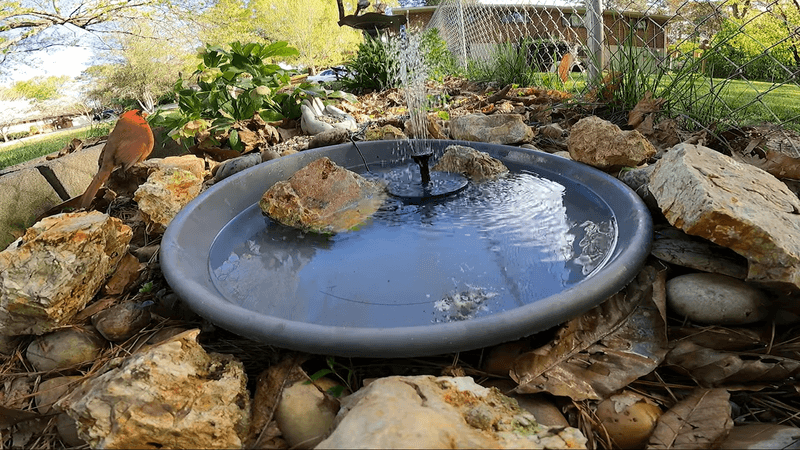
Oregon weather has a personality all its own. Coastal winds, Willamette Valley gusts, and the unpredictable storms that blow in from the Pacific can easily tip over a lightweight birdbath, spilling water and potentially cracking the basin.
Adding rocks to the bottom of your birdbath is a surprisingly effective way to lower its center of gravity and keep it steady.
The extra weight from rocks makes the whole structure more resistant to tipping, especially for pedestal-style birdbaths that can wobble in strong gusts. Gardeners in windier parts of Oregon, like along the coast near Lincoln City or in the Columbia River Gorge, will notice a real difference when rocks are added to the basin.
A birdbath that stays upright means birds always have access to water, even after a blustery afternoon.
You do not need massive boulders to get this benefit. Even a few medium-sized rocks weighing a couple of pounds each can add meaningful stability.
For extra security, you can also place a large flat rock under the base of the birdbath pedestal to anchor it further. Keeping your birdbath reliably in place means less cleanup for you and a more consistent water source for the birds and other wildlife that depend on your Oregon garden throughout the year.
7. Reduce Splashing And Water Loss
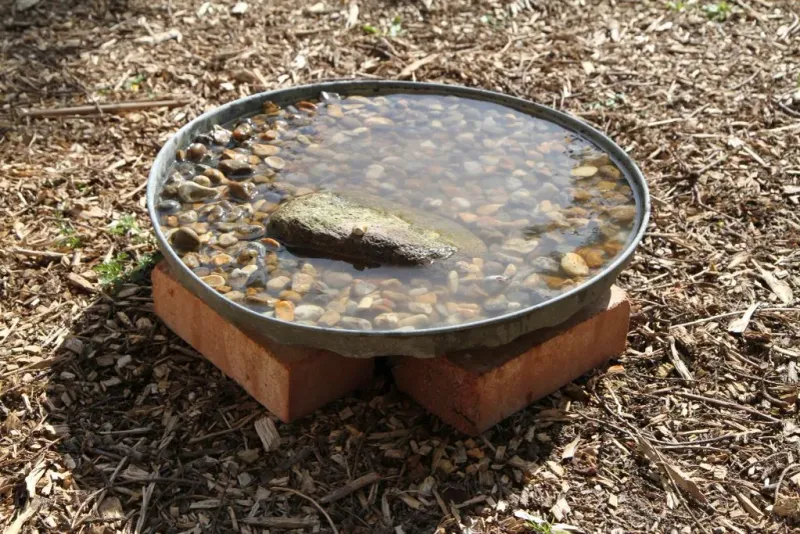
Anyone who has watched a robin take a bath knows just how enthusiastic birds can be about the process. They flap, splash, and shake with total abandon, which is great for their feathers but not so great for keeping water in the basin.
In a rock-free birdbath, a single energetic bather can splash out a significant amount of water in just a minute or two.
Rocks placed throughout the basin act as natural baffles that slow down and absorb some of that splashing energy. The water still moves, but it has less room to slosh out over the edges.
This means your birdbath stays fuller for longer, which is especially helpful during Oregon’s warmer summer months when water evaporates faster and birds need reliable hydration more than ever.
Less water loss also means you spend less time refilling the birdbath every day. For busy gardeners in Oregon, that is a real time-saver.
Rocks also help keep the water cooler by shading parts of the basin from direct sunlight, which slows evaporation even further. When you combine reduced splashing with slower evaporation, you end up with a birdbath that stays cleaner and fuller between maintenance sessions.
It is one of those small tweaks that quietly makes your whole garden routine a little easier and more enjoyable.
8. Make Birdbaths Feel More Natural To Wildlife
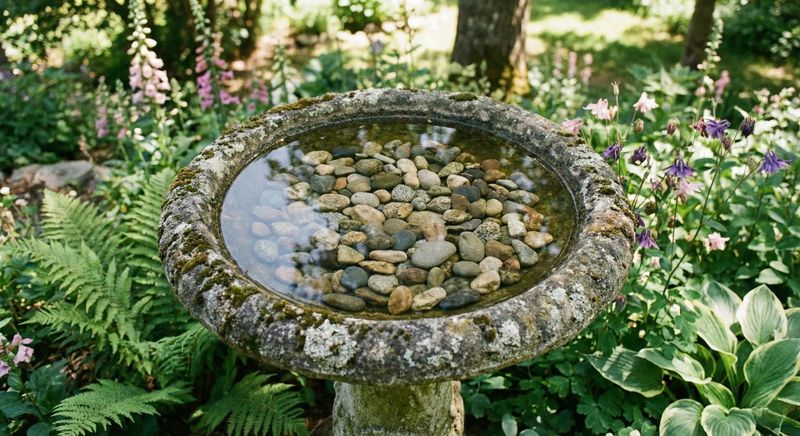
Wild birds did not evolve to use smooth ceramic bowls sitting on pedestals. They are used to drinking from stream banks, puddle edges, and rocky creek beds where the environment feels familiar and unthreatening.
When a birdbath looks too plain or artificial, some birds, especially shyer native species, will give it a wide pass even if they are thirsty.
Adding rocks transforms a basic birdbath into something that looks and feels much closer to a natural water source. The irregular shapes, varied textures, and earthy tones of real stones create an environment that feels safe and inviting to Oregon wildlife.
Birds that might normally be cautious, like the Hermit Thrush or Varied Thrush that visit Oregon forests and gardens, are more likely to approach a birdbath that resembles their natural habitat.
You can take this even further by choosing rocks that match the natural landscape of your region. Basalt, which is common throughout Oregon, looks especially at home in a Pacific Northwest garden setting.
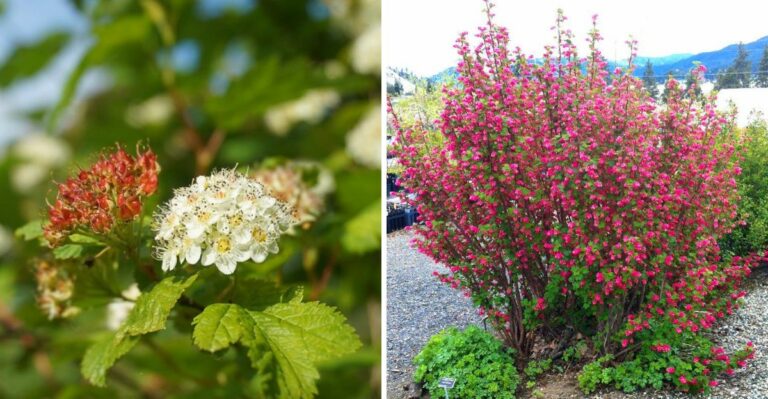
Surround your birdbath with native plants like sword ferns, Oregon grape, or red flowering currant, and the whole setup will blend beautifully into the landscape. When wildlife feels at ease in your garden, they stay longer, visit more often, and bring the kind of lively energy that makes gardening in Oregon such a deeply rewarding experience.