The Reasons Why You Should Grow Nasturtium In Your Pennsylvania Garden
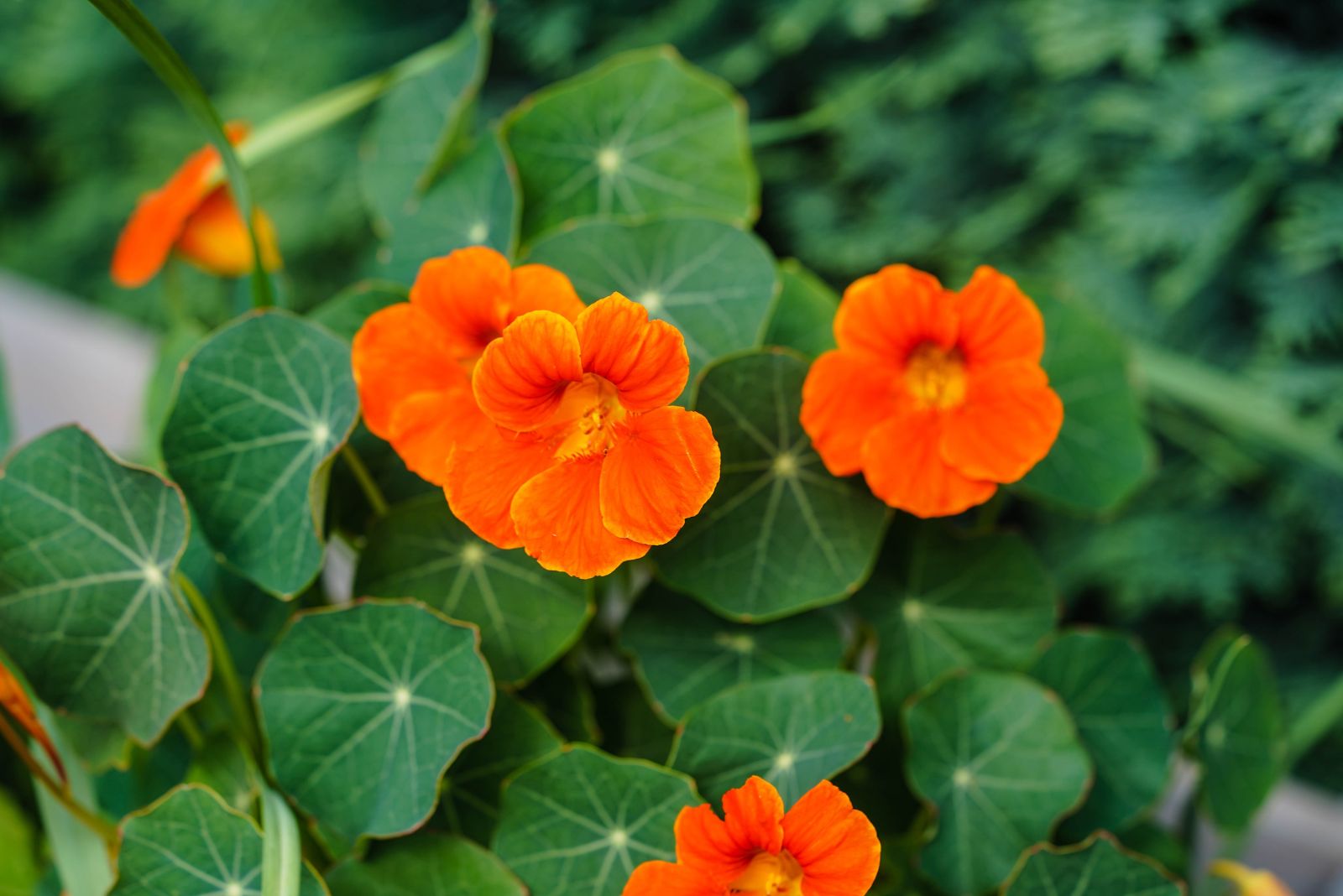
Some flowers do a lot more than sit there and look pretty, and that is a big reason nasturtiums are so easy to love.
In a Pennsylvania garden, they bring bright color, a slightly wild charm, and the kind of cheerful personality that makes beds, borders, and containers feel more lively right away.
They have a relaxed, almost old-fashioned appeal, but they also earn their keep in ways that go beyond appearance. That is where they start to get really interesting.
Nasturtiums are one of those plants that make gardening feel a little more rewarding and a lot less fussy. They are easy to grow, quick to bloom, and flexible enough to work in different kinds of spaces, from vegetable gardens to front porch pots.
On top of that, they can attract pollinators, pair well with edible plantings, and add a burst of color when other parts of the garden need a lift. For Pennsylvania gardeners who want something simple, useful, and full of character, nasturtiums have a lot going for them.
1. Nasturtium Is Extremely Easy To Grow
Some plants demand constant attention, special soil, and a degree in horticulture just to survive. Nasturtium is not one of them.
In fact, it almost seems to prefer being left alone. If you are new to gardening or just want something low-fuss in your Pennsylvania yard, nasturtium is one of the best choices you can make.
All you need to do is press a seed into the ground after the last frost, and nature takes care of the rest. Nasturtium actually grows better in poor or average soil.
Rich, fertilized soil causes the plant to grow lots of leaves but fewer flowers. So skipping the fancy fertilizer is not laziness. It is actually the smarter move.
Direct sowing is the easiest method. Nasturtium does not transplant well because it has a taproot that does not like being disturbed.
Just drop seeds about half an inch into the soil, water lightly, and wait. Germination usually happens within seven to ten days. Once the seedlings appear, they grow fast and fill in quickly.
Pennsylvania gardens can have unpredictable springs, but nasturtium handles that well. It just needs the soil to warm up a bit before planting, usually around mid-May in most parts of the state.
After that, it practically grows itself. Even kids can successfully grow nasturtium, making it a wonderful first plant for young gardeners.
There is something genuinely satisfying about watching a plant thrive with so little effort on your part.
2. It Handles Pennsylvania Summers Well
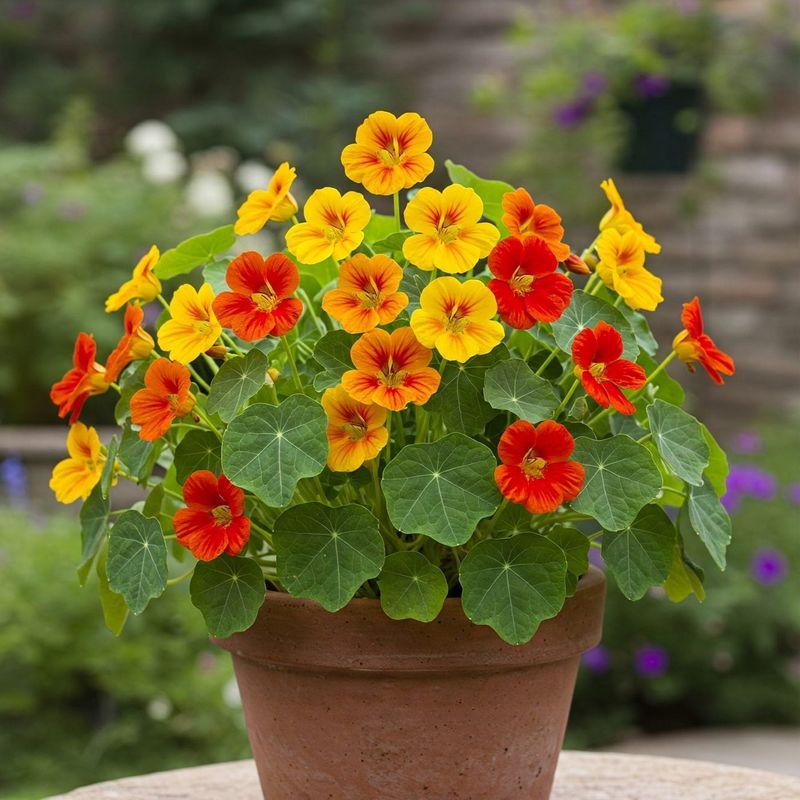
Pennsylvania summers can be a mixed bag. Some years bring weeks of dry heat, while others dump rain every other afternoon.
Growing plants that can roll with those changes is key to having a garden that actually looks good all season long. Nasturtium handles Pennsylvania’s warm summers surprisingly well, and it keeps on blooming even when the heat cranks up.
Once established, nasturtium is fairly drought-tolerant. Its roots dig down to find moisture, so it can handle stretches of dry weather without falling apart.
Your Pennsylvania Garden Changes Every Week. Your Plan Should Too.
Gardening in Pennsylvania changes quickly throughout the season. Every Friday you’ll receive a simple weekly plan showing exactly what to plant, prune, fertilize, harvest, and protect so you never miss the right timing.
That said, a good watering during the hottest and driest weeks of July and August will keep the blooms coming in strong. You do not need to water daily. Once or twice a week during dry spells is usually enough to keep things looking fresh.
Nasturtium grows best in full sun, which Pennsylvania gardens get plenty of during the summer months. Six or more hours of direct sunlight per day is ideal.
The plant will tolerate partial shade, but flowering may slow down a bit in shadier spots. If you want the most blooms, plant it where it gets the most sun.
One thing to keep in mind is that nasturtium is a warm-season annual in Pennsylvania. It will not survive a frost.
But from late spring through early fall, it performs beautifully. The blooms just keep coming, adding weeks of color to your garden beds, containers, and borders without demanding much in return. That kind of reliability is hard to beat.
3. It Produces Bright, Cheerful Blooms
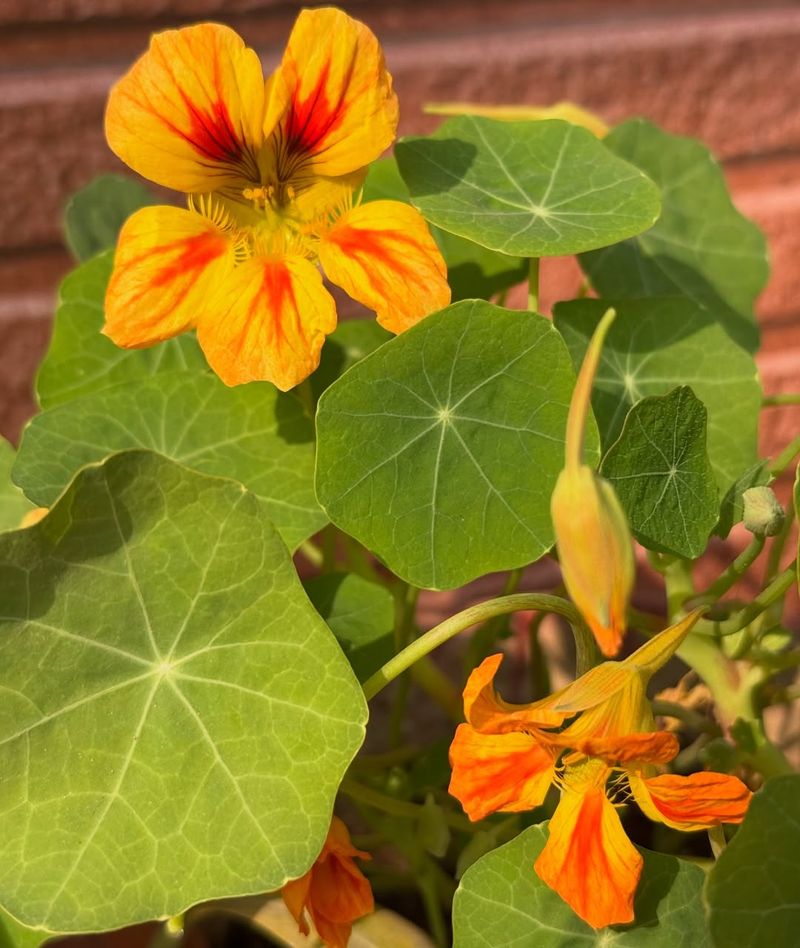
There is a reason nasturtium has been a garden favorite for centuries. Those flowers are impossible to ignore.
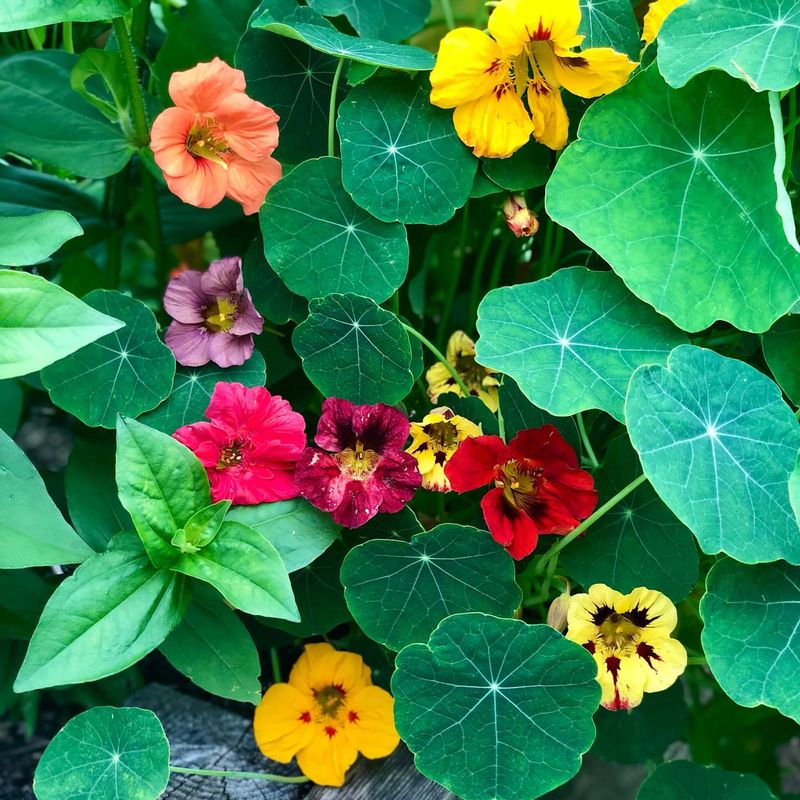
Bold shades of orange, red, and yellow light up any space they occupy, and the round, lily-pad-like leaves make the whole plant look like something out of a storybook. If your Pennsylvania garden feels a little dull, nasturtium is the fastest fix you will find.
The blooms are trumpet-shaped and have a slightly ruffled look that gives them a lot of character. They come in single and double varieties, so there is something for every taste.
Trailing varieties like Alaska Mix or Jewel of Africa look stunning spilling over the edges of raised beds or hanging baskets. Compact bush types like Tom Thumb are perfect for borders and containers on patios or front porches.
Color combinations can be surprisingly rich. Some varieties produce deep burgundy and mahogany tones alongside the classic warm shades.
Variegated leaf types add even more visual interest, with creamy white and green marbled foliage that looks beautiful even before the flowers open. The overall effect is lush, layered, and full of life.
Nasturtium blooms from late spring all the way through the first frost in Pennsylvania, which means months of color without needing to replant.
Compare that to many annual flowers that fizzle out by midsummer, and you start to see what a great deal nasturtium really is.
For gardeners who want maximum visual impact with minimal investment, nasturtium delivers every single time.
4. It Helps Attract Pollinators
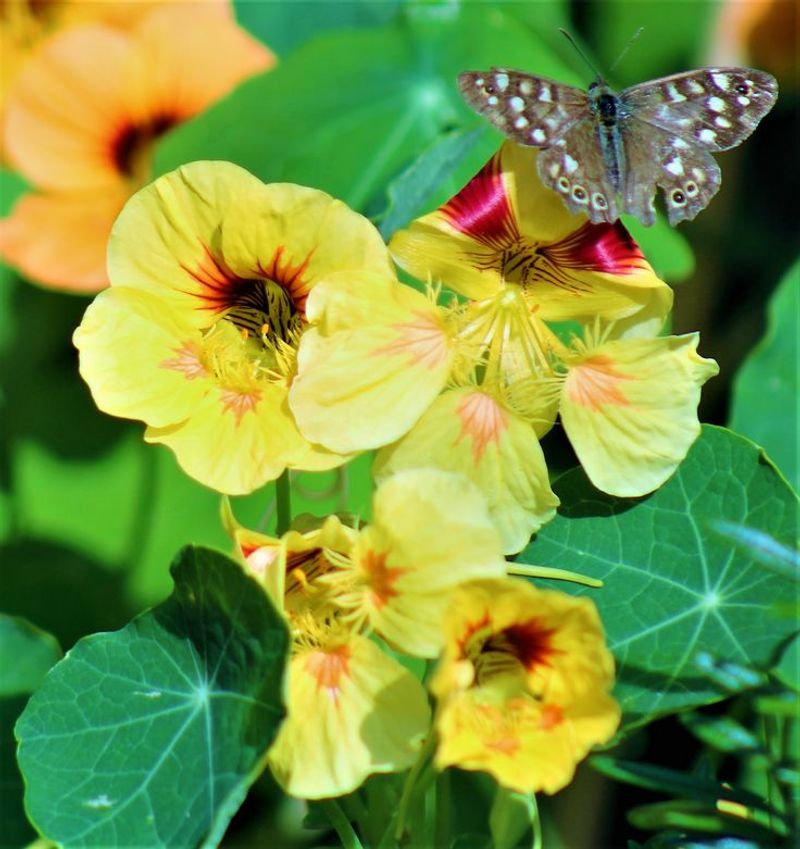
Pollinators are the unsung heroes of any productive garden. Without bees, butterflies, and other beneficial insects doing their work, fruits and vegetables would not develop properly.
Nasturtium is one of those plants that pollinators genuinely love, and adding it to your Pennsylvania garden can make a real difference in how well your whole yard performs.
The trumpet-shaped flowers are perfectly designed for pollinators. Bees can easily access the nectar inside, and the bright colors act like a neon sign that says “food here” to passing insects.
Butterflies are also drawn to nasturtium blooms, and in some parts of Pennsylvania, you might even spot a hummingbird hovering around a patch of red or orange nasturtiums. It is a lively, buzzing scene that makes any garden feel alive.
Penn State Extension has highlighted the importance of planting pollinator-friendly flowers to support local ecosystems.
Nasturtium fits that role perfectly because it blooms for a long stretch of the season, providing a consistent nectar source from late spring through early fall.
That extended bloom time is especially helpful because it bridges gaps when other flowers are not yet open or have already finished for the year.
Planting nasturtium near your vegetable garden is a smart strategy. When more pollinators visit your yard, your tomatoes, squash, cucumbers, and peppers all benefit from better pollination.
More flowers get fertilized, which means more fruits develop. It is a simple chain reaction that starts with one cheerful, easy-to-grow plant. The ripple effect through your whole Pennsylvania garden can be significant.
5. It Works As A Companion Plant
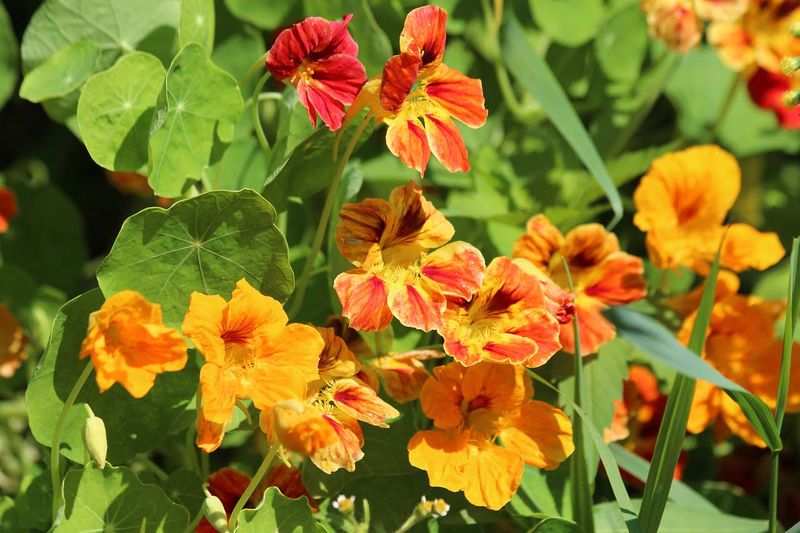
Companion planting is one of the smartest strategies a gardener can use, and nasturtium is one of the most useful companion plants out there. The idea is simple: certain plants grow better when placed near each other.
Nasturtium earns its spot in the companion planting hall of fame by acting as a trap crop, luring problem insects away from your more valuable vegetables.
Aphids, in particular, seem to find nasturtium irresistible. Instead of attacking your tomatoes, peppers, or kale, they flock to the nasturtium leaves instead.
This gives you an easy target to manage pest pressure without reaching for chemical sprays.
You can simply remove affected nasturtium leaves or use a strong spray of water to knock the aphids off. It is a surprisingly effective and chemical-free approach to pest management.
Nasturtium is also reported to repel squash bugs and whiteflies when planted nearby. Many Pennsylvania gardeners swear by planting nasturtium at the base of squash plants or along the edges of their vegetable beds.
Whether it repels or simply distracts pests, the result is a healthier vegetable garden overall. That kind of natural protection is worth a lot, especially for those trying to garden organically.
Beyond pest control, nasturtium’s sprawling habit also helps cover bare soil between vegetable plants. This living ground cover shades the soil, which helps retain moisture and keeps weeds from sprouting up.
In a busy Pennsylvania summer garden, having nasturtium doing double duty as both a pest manager and a weed suppressor is a real advantage that experienced gardeners appreciate.
6. It’s Edible And Versatile
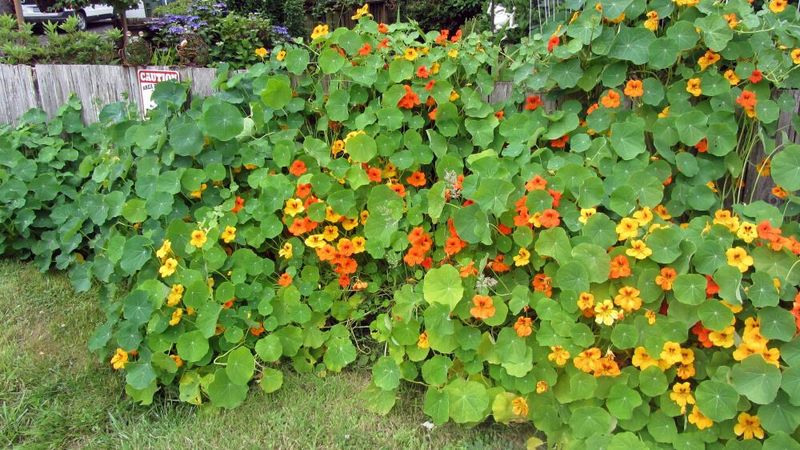
Not many flowers can go from the garden bed straight to the dinner table, but nasturtium does exactly that. Both the flowers and the leaves are completely edible, and they bring a bold, peppery flavor that is similar to watercress.
If you enjoy adding fresh, garden-grown ingredients to your cooking, nasturtium opens up a whole new world of possibilities.
Tossing a handful of nasturtium flowers into a summer salad is one of the easiest ways to use them. The bright orange, red, and yellow petals look stunning against green lettuce, and they add a spicy kick that makes simple salads feel a little more exciting.
The leaves can be used the same way, though they have a slightly stronger flavor. Younger leaves tend to be milder and work especially well in salads or wraps.
One of the more surprising uses for nasturtium is pickling the unripe seed pods. Often called poor man’s capers, these pickled pods have a tangy, briny flavor that works beautifully in sauces, pasta dishes, and on charcuterie boards.
It is a fun and thrifty way to use every part of the plant throughout the season. Nothing goes to waste when nasturtium is in your Pennsylvania garden.
Nasturtium is also rich in vitamin C and antioxidants, so eating it is actually good for you. Using it as a garnish on soups, grain bowls, or deviled eggs adds both color and nutrition.
For Pennsylvania gardeners who love the idea of growing food that is also beautiful, nasturtium is one of the most rewarding plants you can choose to grow.