8 Seedlings To Transplant In April In Arizona Without Risk
April is a gardener’s prime time in Arizona. With warming soil, longer days, and dry desert air, it’s the perfect window to get young seedlings into the ground.
Well-drained soils and low spring rainfall make it easier to manage moisture, giving plants a strong start.
Transplanting now allows roots to establish before the summer heat hits, helping vegetables and herbs grow vigorously, produce bigger harvests, and withstand the intense sun.
From Phoenix’s low deserts to Prescott’s cooler elevations, April planting sets the stage for a productive, resilient garden that thrives all season, turning your outdoor space into a vibrant, low-maintenance oasis.
1. Tomatoes Thrive In Full Sun And Warm Arizona Soil
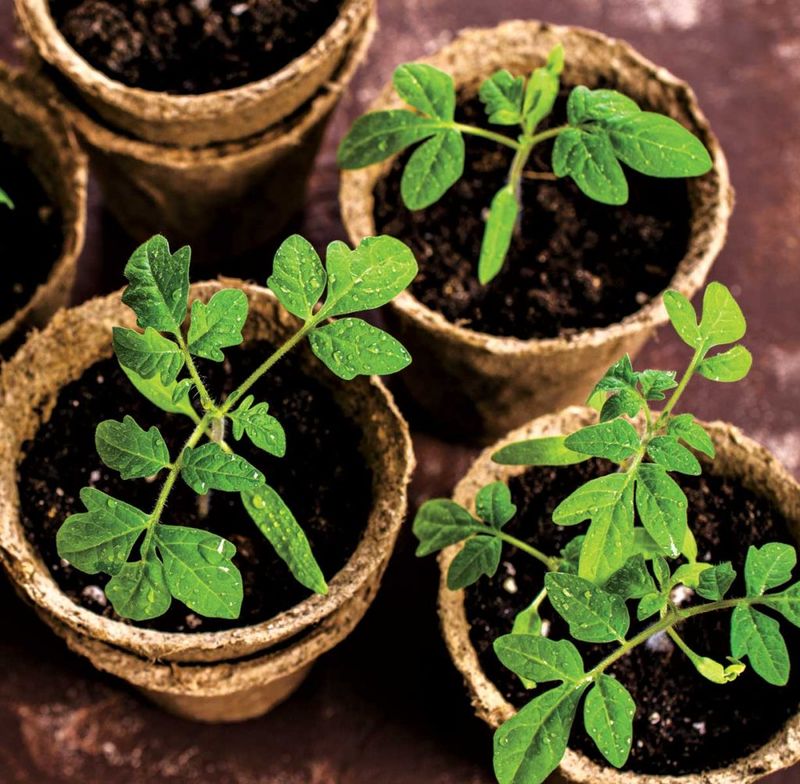
Walking out to a sun-drenched Arizona backyard in April, you can almost feel the soil humming with potential – and tomatoes are ready to take full advantage of it.
April in the low desert, including the Phoenix metro area, offers soil temperatures that hover between 65°F and 75°F, which is right in the sweet spot for tomato root development.
Varieties like Heatmaster, Solar Fire, and Celebrity are often recommended for their ability to set fruit even when temperatures climb.
Before moving seedlings outdoors, spend about seven to ten days hardening them off by placing them in a shaded spot for a few hours each day and gradually increasing sun exposure.
This step reduces transplant shock and helps young plants adjust to Arizona’s intense light.
Space transplants about 24 to 36 inches apart in well-amended, fast-draining soil, and water deeply but infrequently to encourage roots to reach downward.
Mulching around the base of each plant helps retain soil moisture and keeps roots cooler as temperatures rise through May.
Drip irrigation works especially well in Arizona gardens, delivering water directly to the root zone without wetting foliage, which can reduce the risk of fungal issues.
Expect blooms to appear within three to four weeks of transplanting, with harvests typically starting in late May or early June in the low desert.
2. Peppers Add Heat-Tolerant Flavor To Desert Gardens
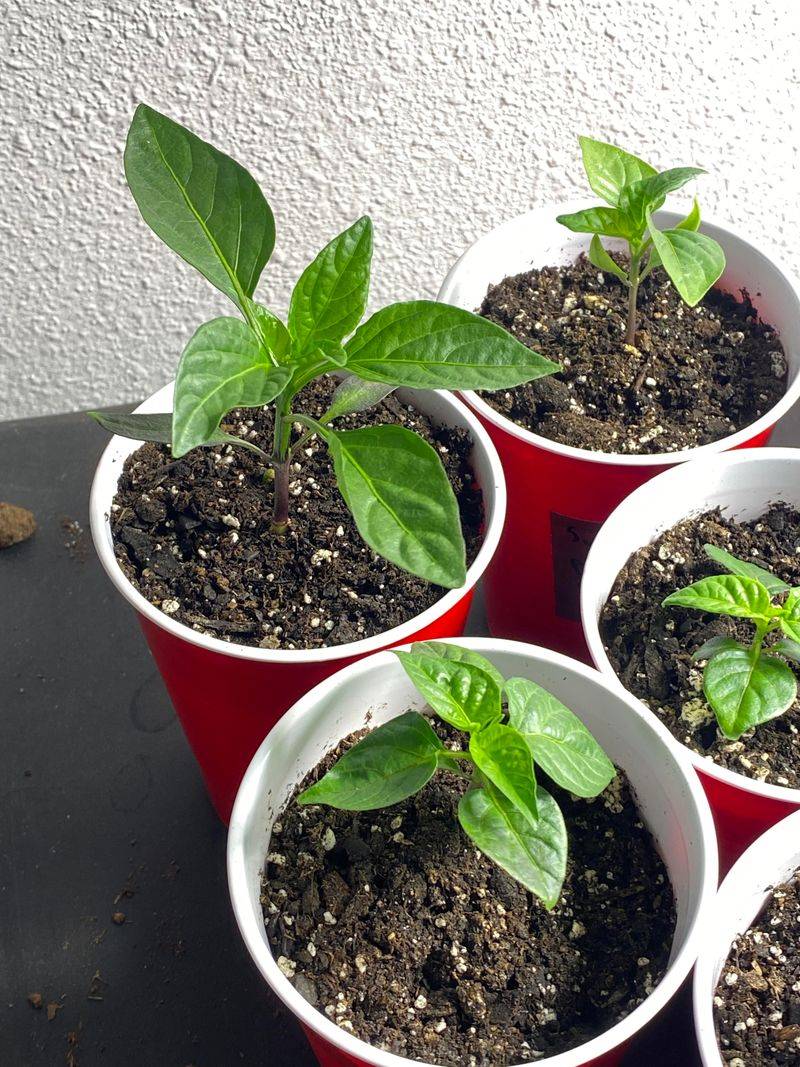
Few vegetables feel as at home in the Arizona heat as peppers do. Sweet varieties like California Wonder and Banana pepper, along with hot types like Jalapeño, Anaheim, and Serrano, are all solid choices for April transplanting in the low desert.
Pepper plants prefer soil temperatures of at least 60°F to 65°F before planting, and April typically provides those conditions across most of Arizona’s lower elevations.
When moving pepper seedlings from indoors to the garden, give them a proper hardening-off period of seven to ten days. Start by setting them in a sheltered, lightly shaded area and gradually introduce them to direct sun over the course of the week.
Peppers planted in full sun with well-draining soil tend to produce the most consistent yields in Arizona conditions.
Space plants about 18 to 24 inches apart and water them consistently during the first two weeks to help roots establish.
Once settled in, peppers are relatively drought-tolerant, though they still benefit from regular deep watering during Arizona’s dry spring months.
Your Arizona Garden Changes Every Week. Your Plan Should Too.
Gardening in Arizona changes quickly throughout the season. Every Friday you’ll receive a simple weekly plan showing exactly what to plant, prune, fertilize, harvest, and protect so you never miss the right timing.
Adding a two-inch layer of mulch around each plant slows moisture evaporation noticeably.
Gardeners in higher-elevation areas like Prescott may want to wait until late April or early May to transplant, since nighttime temperatures can still dip low enough to stress young pepper plants.
3. Eggplants Grow Strong When Planted In April Warmth
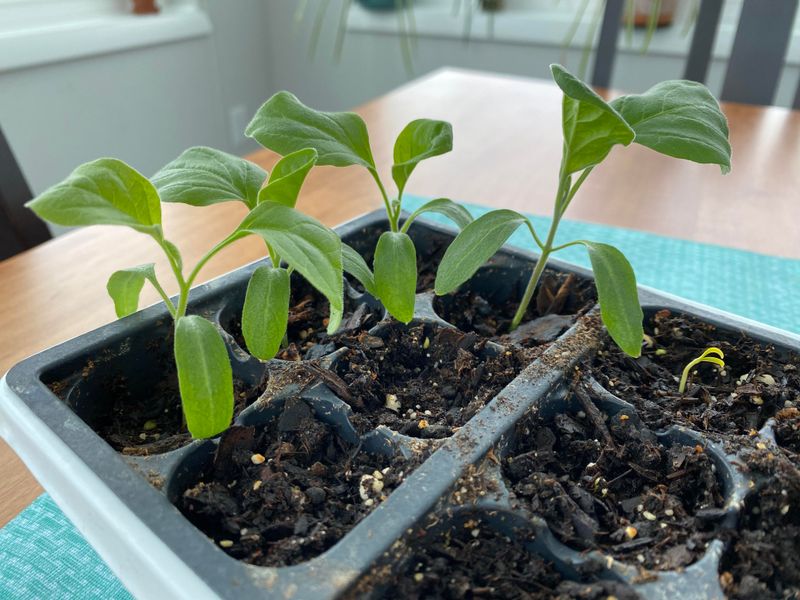
April’s warming soil is exactly what eggplants have been waiting for. These Mediterranean-origin vegetables genuinely love heat, and Arizona’s low desert spring provides the kind of warm, sunny days that push eggplant seedlings into rapid, healthy growth.
Soil temperatures of at least 65°F to 70°F support strong root development, and by mid-April across the Phoenix area and similar low-desert zones, those conditions are well within reach.
Varieties like Black Beauty, Ichiban, and Nadia tend to perform reliably in Arizona gardens. Ichiban, a long and slender Japanese-style eggplant, is especially popular among Arizona gardeners because of its fast maturity and adaptability to heat.
When transplanting, space plants about 24 inches apart in rich, well-draining soil. Incorporating compost into sandy desert soil before planting can make a real difference in how quickly plants establish themselves.
Eggplants are heavy feeders, so applying a balanced fertilizer at transplant time and again once flowering begins helps support consistent fruit production.
Water deeply about two to three times per week in the weeks following transplanting, then adjust based on how quickly the soil dries out in your specific location.
Bees and other pollinators are drawn to eggplant flowers, which is a welcome bonus in any desert garden.
Fruits are typically ready for harvest around 70 to 80 days after transplanting, meaning late June or early July harvests are realistic in Arizona’s low desert zones.
4. Cucumbers Climb Or Spread Quickly In Sunny Beds
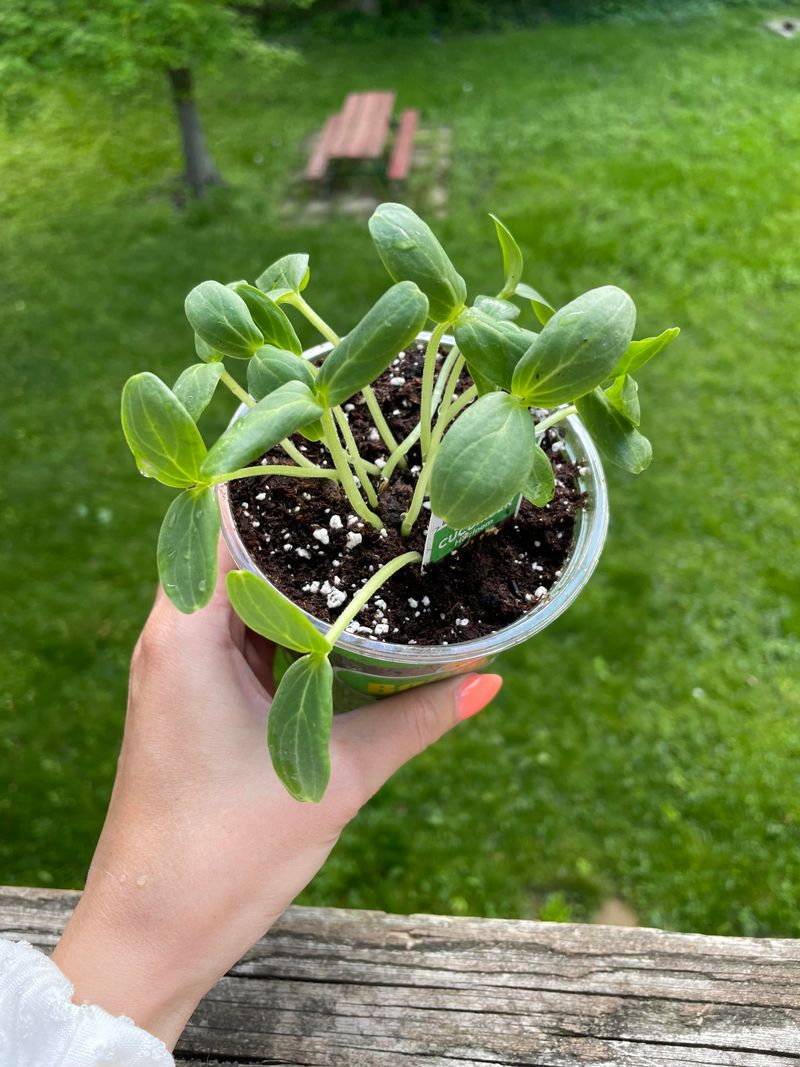
There is something almost energetic about cucumber seedlings – once they hit warm soil and full sun, they take off fast.
In Arizona’s low desert, April provides the warm soil temperatures above 60°F that cucumbers need to establish quickly and begin vining.
Varieties like Straight Eight, Marketmore, and Spacemaster are well-suited for Arizona gardens and can be found at many local nurseries during spring planting season.
Cucumbers can be grown as sprawling ground plants, but training them up a trellis saves significant garden space and improves air circulation, which helps reduce the risk of powdery mildew – a common issue in Arizona’s spring humidity fluctuations.
Set transplants about 12 inches apart for trellised plants or 18 to 24 inches apart if allowing them to spread.
Water consistently and deeply, as cucumbers have high moisture needs during fruit development.
One practical tip for Arizona gardeners is to provide afternoon shade cloth during the hottest part of the day once May temperatures begin climbing into the triple digits.
This small step can extend the productive life of your cucumber plants by several weeks.
Cucumbers typically start flowering within three to four weeks of transplanting, and bees are essential for good fruit set, so avoid using broad-spectrum pesticides during bloom time.
Expect your first harvest roughly 50 to 65 days after transplanting, depending on the variety you choose and your specific location in Arizona.
5. Squash Produces Abundant Fruit With Minimal Stress
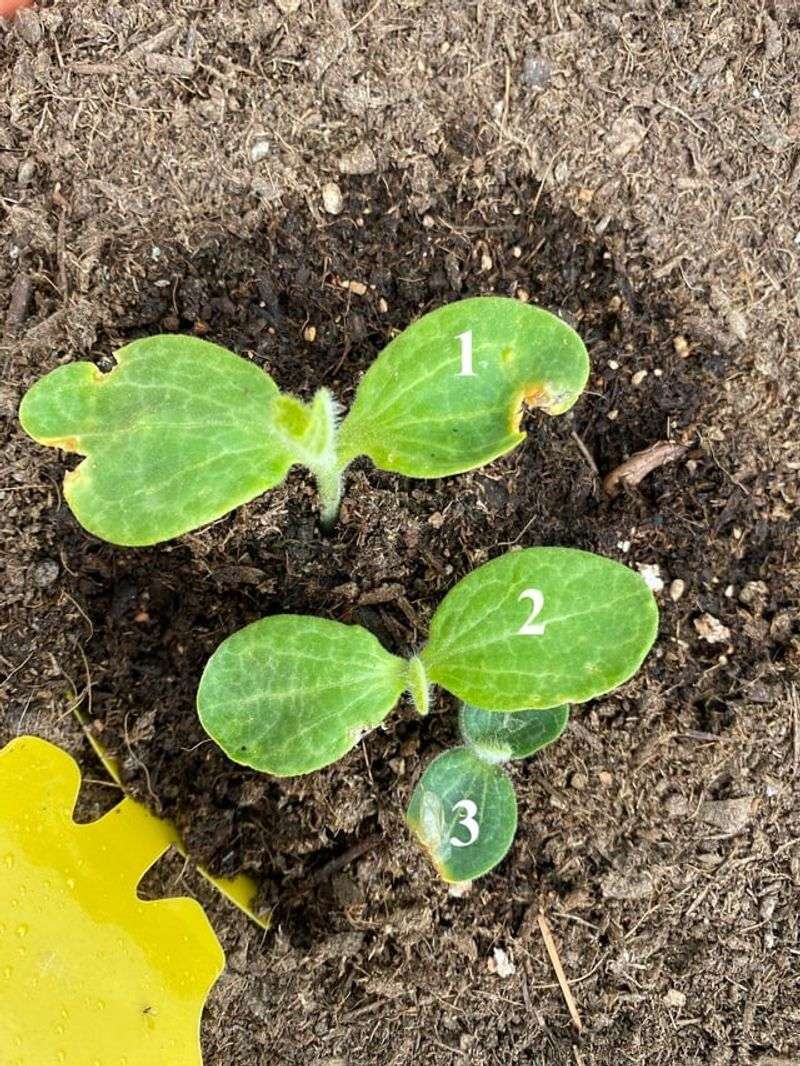
Gardeners who want fast results with relatively little fuss tend to fall in love with squash. Both summer types like zucchini and yellow crookneck, and winter types like butternut and acorn, can be successfully transplanted in April across Arizona’s low desert regions.
Squash seedlings prefer soil temperatures of at least 60°F and grow rapidly once established in warm, nutrient-rich soil.
When preparing your garden bed, work in a generous amount of compost to improve water retention in sandy desert soils. Space squash plants generously – about 24 to 36 inches apart for bush types and up to 48 inches for vining varieties.
Crowding squash plants reduces airflow and can lead to powdery mildew, which is worth avoiding in Arizona’s warm spring conditions.
Water deeply but allow the top inch of soil to dry slightly between waterings to prevent root stress.
Squash plants are pollinator magnets, and their bright yellow flowers attract bees from early morning.
For best fruit set, avoid watering foliage in the evening, and try to do any necessary pest management in the late afternoon after bees have returned to their hives.
In the Phoenix area, summer squash is often ready to harvest in as few as 50 to 55 days after transplanting. Harvesting fruits while they are still young and tender encourages the plant to continue producing throughout the late spring season.
6. Melons Sweeten Gardens With Early-Season Transplants
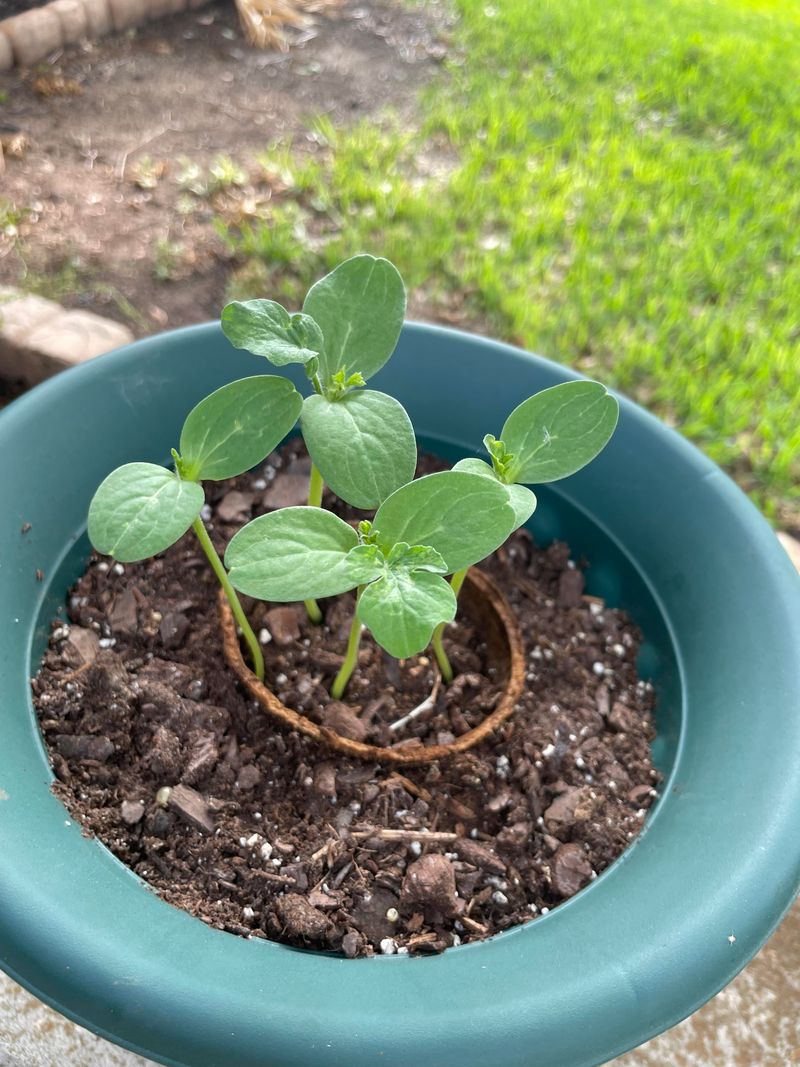
Ask any experienced Arizona gardener what they look forward to most in summer, and melons are likely to come up quickly. Transplanting melon seedlings in April gives them the long, warm growing season they need to develop their signature sweetness.
Cantaloupe varieties like Ambrosia and Hale’s Best, as well as watermelon types like Sugar Baby and Crimson Sweet, are among the top performers in Arizona’s low desert conditions.
Melons need room to spread, so plan on spacing hills at least four to six feet apart. They perform best in full sun with well-draining soil, which Arizona’s sandy and loamy desert soils naturally provide.
Adding compost at planting time improves nutrient availability and moisture retention without creating the waterlogged conditions that melon roots strongly dislike.
Water deeply and consistently during the establishment period, then reduce frequency slightly once vines are actively growing.
One thing to keep in mind is that melons require pollination to set fruit, and Arizona’s spring bee activity is generally quite good in April. Planting near flowering herbs or native desert plants can help attract more pollinators to your garden.
Melons typically need 70 to 90 days from transplanting to full maturity, which means late June or July harvests are realistic for low-desert gardeners.
In higher-elevation locations like Prescott, waiting until late April or even early May to transplant is a more cautious and sensible approach.
7. Leaf Lettuce Handles Arizona Heat When Varieties Are Right
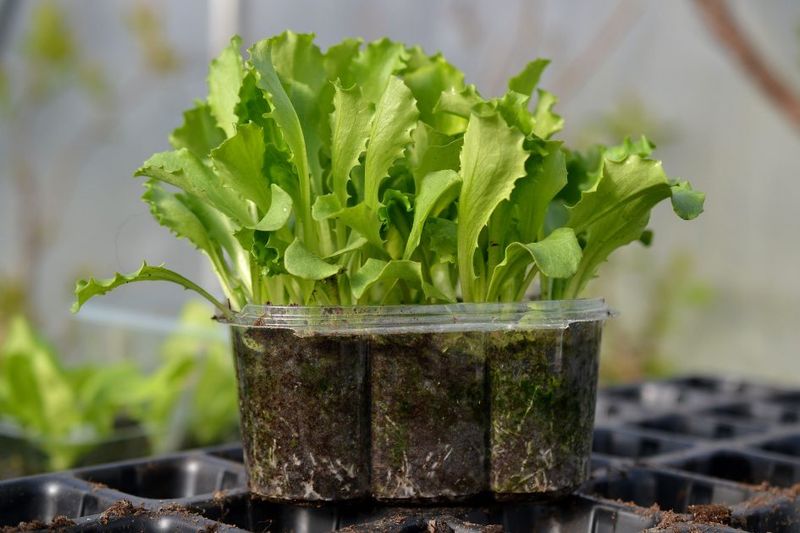
Lettuce in Arizona might seem like a stretch given the state’s reputation for scorching summers, but April actually offers a surprisingly workable window for heat-tolerant leaf lettuce varieties. The key is choosing the right types.
Varieties like Black-Seeded Simpson, Oak Leaf, and Jericho are known for their above-average tolerance of warm conditions compared to standard heading lettuce types.
In the low desert, April temperatures can already push into the 90s by midday, so providing afternoon shade is a practical strategy that extends your harvest window significantly.
A shade cloth rated at 30 to 40 percent works well for lettuce beds in Phoenix and surrounding areas.
Space transplants about 8 to 10 inches apart and water consistently to keep the root zone moist, since lettuce has shallow roots that dry out quickly in Arizona’s fast-draining soils.
Leaf lettuce grows quickly and can be harvested using a cut-and-come-again method, where outer leaves are removed while the plant continues producing new growth from the center. This approach allows multiple harvests from a single planting.
Fertilizing lightly with a nitrogen-rich amendment at transplanting time encourages lush, tender leaf growth.
Gardeners in higher-elevation Arizona communities like Flagstaff or Prescott have a broader window for lettuce success in April, since cooler temperatures there align more naturally with lettuce’s preferences for mild growing conditions.
8. Basil Brings Fragrant Leaves And Thrives In Sun
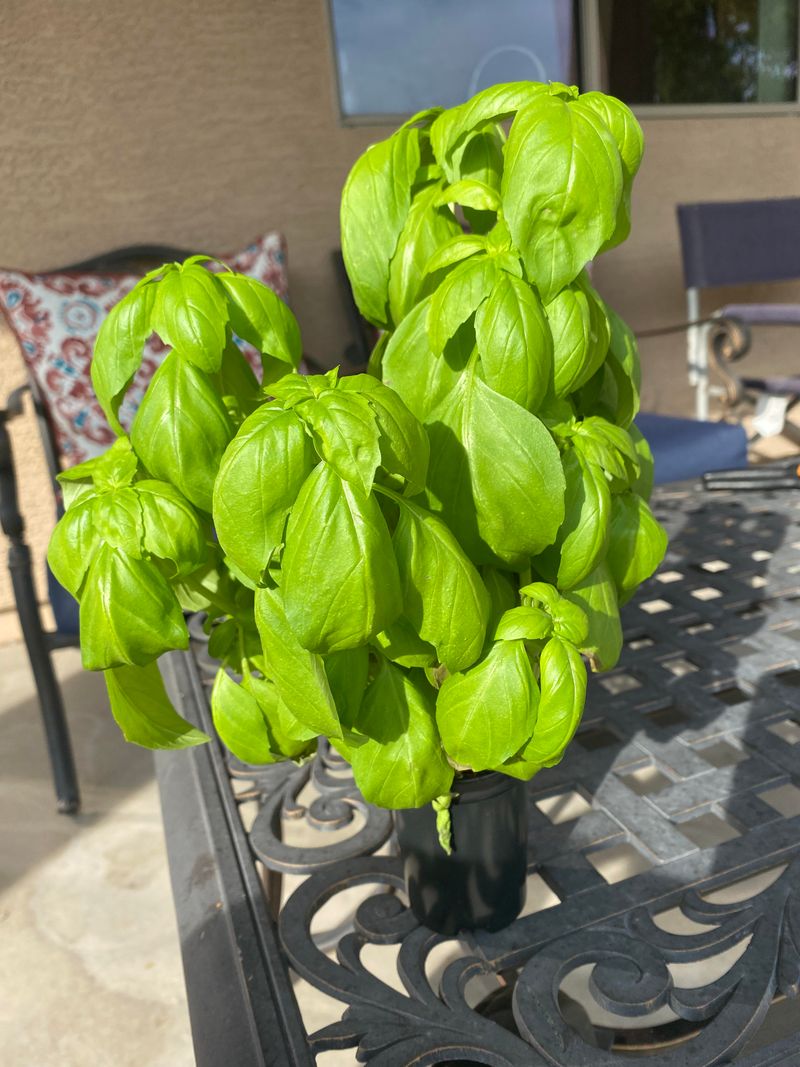
Few herbs bring as much life to a garden as basil does – and in Arizona’s warm April sunshine, it practically thrives from the moment it goes into the ground.
Basil is a heat-loving herb that genuinely struggles in cool or damp conditions, making Arizona’s dry spring climate an ideal match.
Genovese, Sweet Italian, and Thai basil are all well-suited for Arizona gardens, with Genovese being the most widely grown for culinary use.
Basil seedlings should be transplanted only after nighttime temperatures have reliably settled above 50°F, which is generally the case across most of Arizona’s low desert by early April. Space plants about 12 to 18 inches apart in full sun with well-draining soil.
Basil pairs nicely with tomatoes in the garden, and some gardeners report that interplanting the two may help deter certain aphids and whiteflies from settling in.
Pinching off flower buds as soon as they appear keeps basil plants producing flavorful, aromatic leaves much longer into the season. Once basil bolts and goes to seed, leaf production slows noticeably and the flavor becomes more bitter.
Water basil at the base rather than overhead to keep foliage dry, which reduces the chance of fungal spotting in humid microclimates.
In the Phoenix area, basil can produce abundantly from April through October with proper care, making it one of the most rewarding herbs to grow in an Arizona garden.