The Spring Fertilizing Mistake Hurting Palms Across Pennsylvania
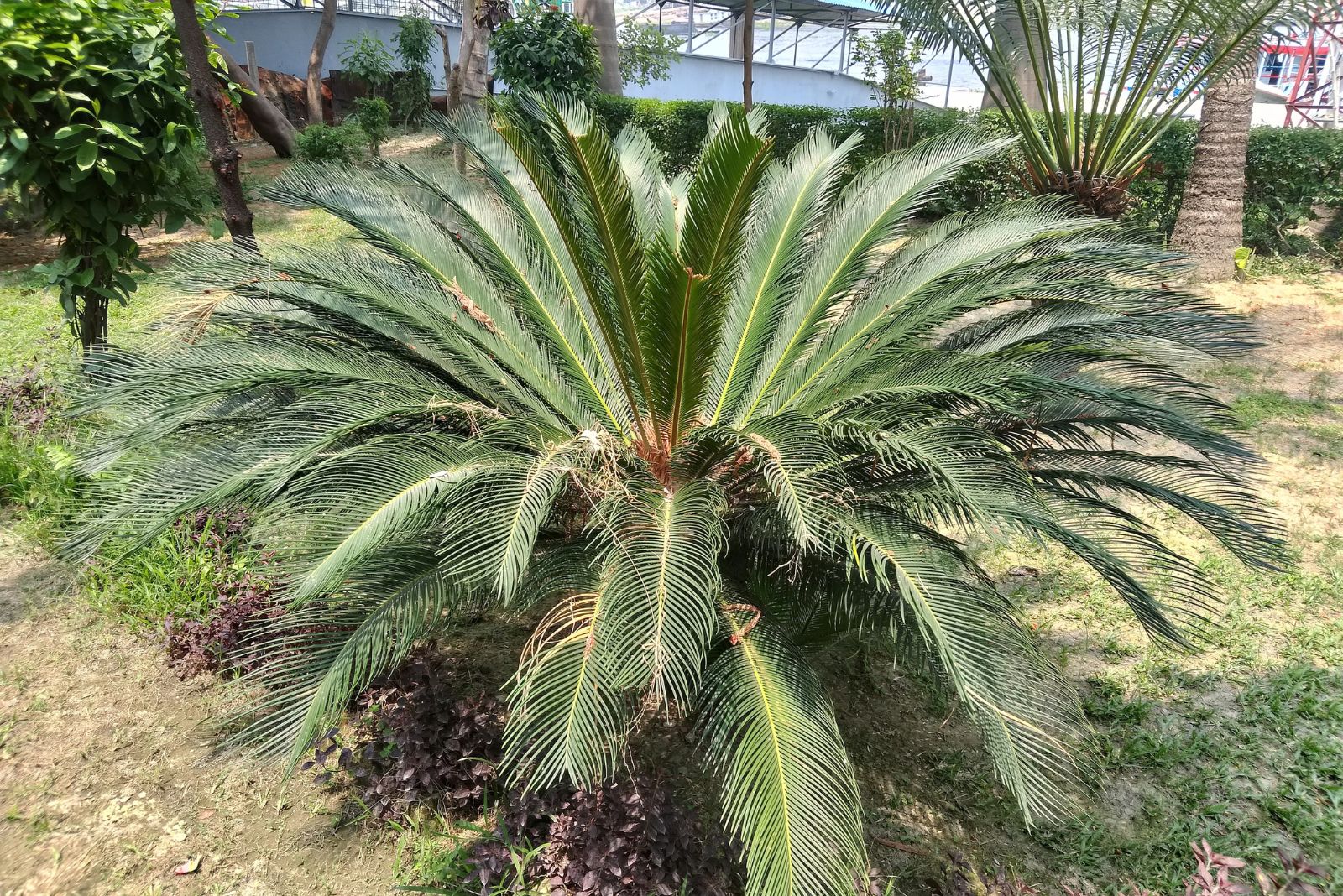
Palms can add a bold, tropical feel to a Pennsylvania home or garden, which is exactly why people are so eager to help them bounce back when spring arrives.
After a long stretch of cooler weather, it is tempting to jump in with extra care right away and assume a stronger push will lead to faster, healthier growth.
That instinct makes sense, but it can also create one of the most common problems palm owners run into at the start of the season.
A lot of damage happens when fertilizer is applied too heavily or too soon in spring, before the plant is fully active and ready to use it well.
Instead of giving the palm a boost, that early feeding can stress the roots, throw off healthy growth, and leave the plant looking weak rather than refreshed.
In Pennsylvania, where palms are often already recovering from less-than-ideal winter conditions, timing matters even more. A slow start does not always mean a plant is hungry. Sometimes the smartest move is waiting a little longer and feeding with a lighter hand.
Overfertilizing Too Early In Spring Is The Mistake Hurting Palms
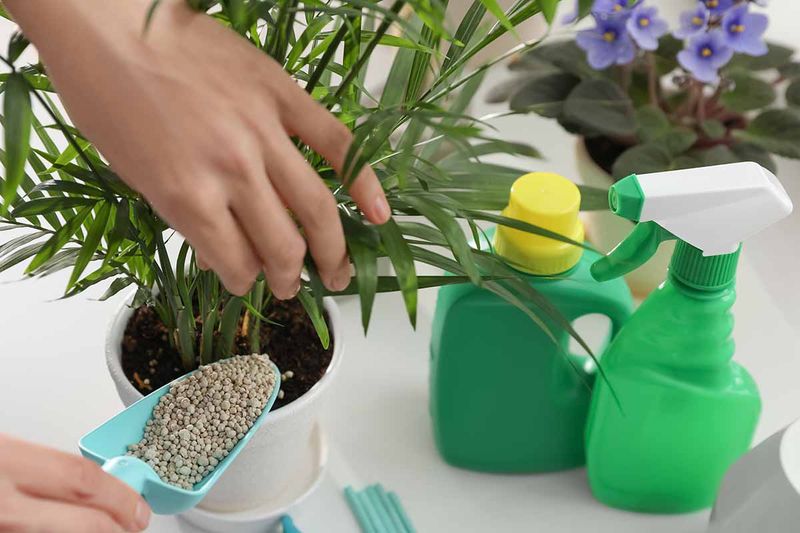
Every spring, well-meaning gardeners across Pennsylvania reach for their fertilizer bags the moment temperatures start climbing. It feels like the right thing to do.
You want your palms to get a strong start, so you feed them early and often. But that eagerness can actually set your palms back in a big way.
Fertilizing too early in spring is one of the most common and damaging mistakes palm owners make in Pennsylvania. The problem is simple.
When you apply fertilizer before a palm is actively growing, the nutrients have nowhere useful to go. The roots are not ready to absorb them efficiently, and the excess can build up in the soil and cause real problems.
Too much fertilizer sitting in the soil can burn roots, cause nutrient imbalances, and even lead to leaf scorch. You might notice the tips of the fronds turning brown or yellow. That is not a sign the palm needs more food. It is often a sign it got too much, too soon.
Pennsylvania gardeners face an extra challenge because the state does not have the warm, stable climate that palms naturally prefer.
Feeding a palm that is still resting from winter can stress the plant instead of supporting it. The nutrients push the palm to try growing when conditions are not ideal.
Patience is actually one of the best tools a Pennsylvania gardener can have. Waiting just a few more weeks before reaching for that fertilizer bag can make a noticeable difference. Your palms will thank you with stronger, healthier growth when the timing is right.
Why Spring Can Be Tricky For Palms In Pennsylvania
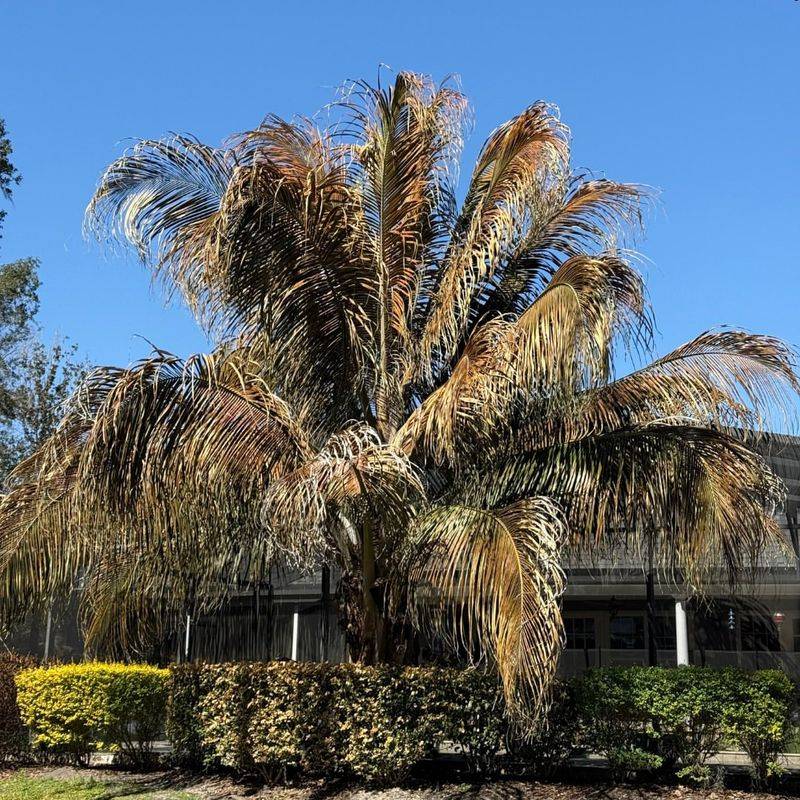
Spring in Pennsylvania has a reputation for being sneaky. One week you get warm sunshine and temperatures in the 60s, and the next week a cold snap rolls in and drops temps back into the 30s.
Your Pennsylvania Garden Changes Every Week. Your Plan Should Too.
Gardening in Pennsylvania changes quickly throughout the season. Every Friday you’ll receive a simple weekly plan showing exactly what to plant, prune, fertilize, harvest, and protect so you never miss the right timing.
For most plants, that is just a minor inconvenience. For palms, that kind of weather swing can be a real problem, especially if they have already been fertilized. Palms are tropical and subtropical plants. They thrive in warm, steady conditions.
Pennsylvania is not exactly their natural home, which means they require extra attention and careful timing from gardeners who want to grow them successfully here. The unpredictable nature of spring weather in the state makes early fertilizing much riskier than it would be in warmer regions.
When a warm spell hits in March or early April, it can feel like winter is finally over. Gardeners get excited and start their spring routines.
But experienced palm growers in Pennsylvania know better than to trust a single warm week. A late frost or a stretch of cold, rainy days can follow quickly, and that is exactly when a recently fertilized palm is most vulnerable.
Fertilizer encourages growth. But new growth that appears during a warm spell and then gets hit by cold weather is fragile and easily damaged.
The tender shoots and fronds that emerge can suffer from the temperature drop, leaving your palm looking ragged and stressed.
Watching the full weather forecast, not just a single warm day, is one of the smartest habits a Pennsylvania palm grower can build. Giving spring a little time to settle before fertilizing is always the safer choice.
How Fertilizer Can Backfire When Palms Are Still Semi-Dormant
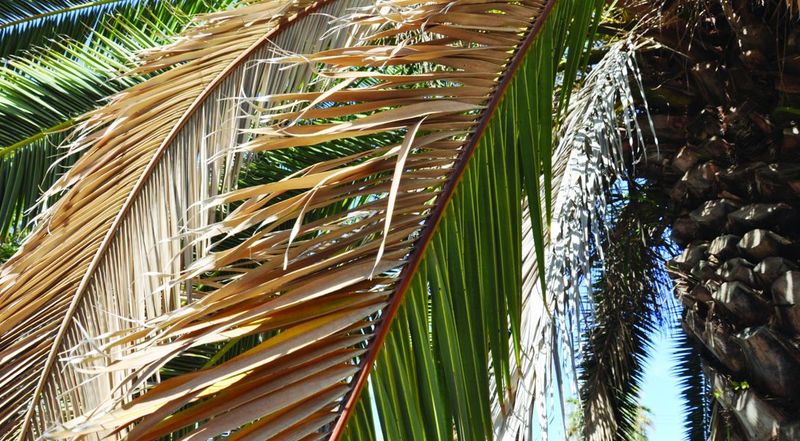
Not many people realize that palms can stay in a semi-dormant state well into spring, especially in cooler climates like Pennsylvania. Semi-dormant means the plant is alive and holding on, but it is not actively growing or using nutrients at full speed.
Think of it like a person just waking up from a deep sleep. They are not ready to run a marathon right away.
When you fertilize a semi-dormant palm, the roots are simply not equipped to take in all those nutrients efficiently. Instead of fueling healthy growth, the fertilizer can accumulate in the soil.
That buildup creates a chemical imbalance that puts stress on the root system. Over time, this can weaken the palm from the ground up.
Roots that are damaged or stressed by excess fertilizer have a harder time absorbing water and the nutrients the palm actually needs later in the season.
So ironically, fertilizing too early can leave your palm less nourished, not more. That is the opposite of what any Pennsylvania gardener is trying to achieve.
There is also the issue of weak, spindly growth. When a semi-dormant palm gets a push of nitrogen before it is truly ready, it may produce growth that looks fast but is actually fragile.
That kind of growth is more susceptible to pests, disease, and weather stress throughout the rest of the year.
The safest approach is to let the palm wake up naturally. Watch for signs that it is actively pushing out new fronds before you even think about reaching for the fertilizer. Patience here is not just a virtue. It is a practical strategy for keeping your palm strong.
What Early Feeding Can Do To New Growth
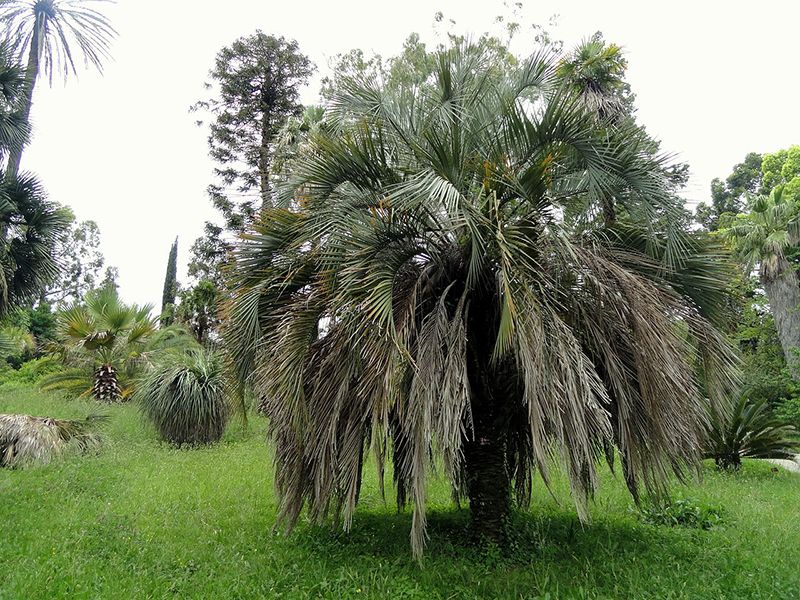
Fresh new growth on a palm tree is one of the most exciting things to see after a long Pennsylvania winter. Those bright green fronds unfurling in the spring sunshine are a sign your palm survived and is ready to thrive.
But if that new growth was pushed out too early because of premature fertilizing, it may not be as tough as it looks.
Fertilizer, especially products high in nitrogen, encourages rapid cell growth. When applied too early in the season, it can force new shoots and fronds to emerge before the weather is truly stable.
In Pennsylvania, that is a gamble. A late-season frost or even a string of cold, wet nights can damage that tender new growth quickly.
Young palm fronds that get hit by cold after being pushed out by early fertilizing are especially fragile. Their cells have not had time to harden off properly.
The damage can range from brown and wilted tips to entirely collapsed fronds that never recover. And because palms grow from a single central point called the crown, damage to new growth there can affect the entire plant for months.
Some Pennsylvania gardeners notice their palms looking worse in late spring than they did in early spring, and they cannot figure out why. Often, early fertilizing is the culprit. The fertilizer triggered growth that the weather then punished.
Letting new growth emerge naturally, without the push of fertilizer, means it develops at the palm’s own pace.
That kind of growth tends to be sturdier, better adapted to current conditions, and far more likely to stay healthy through whatever spring weather Pennsylvania throws at it next.
When Pennsylvania Gardeners Should Fertilize Palms Instead

So when is the right time to fertilize palms in Pennsylvania? The short answer is: wait longer than you think you need to.
Most palm experts and horticulturists recommend holding off until the weather has been consistently warm for a couple of weeks and you can see clear signs that your palm is actively growing.
A good rule of thumb for Pennsylvania gardeners is to wait until nighttime temperatures are staying reliably above 55 degrees Fahrenheit.
That usually happens sometime in late May or early June in most parts of the state, though it can vary depending on your specific location and elevation. Southern Pennsylvania tends to warm up a bit earlier than the northern counties.
Another helpful signal to watch for is new frond growth. When your palm starts pushing out fresh fronds on its own, that is a strong sign it has fully woken up and is ready to use nutrients.
At that point, a careful application of palm-specific fertilizer can genuinely support its growth rather than overwhelm it.
You can also do a quick soil temperature check. Palm roots become more active when soil temperatures reach at least 65 degrees Fahrenheit.
A simple soil thermometer, available at most garden centers, takes the guesswork out of timing.
Waiting for the right moment does not mean neglecting your palm. You can still water it regularly and keep the area around the base free of weeds and debris during the early spring weeks.
That kind of low-key care keeps your palm comfortable while it wakes up at its own pace, setting the stage for a successful fertilizing session when conditions are truly right.
How To Feed Palms The Safer Way For Better Long-Term Health
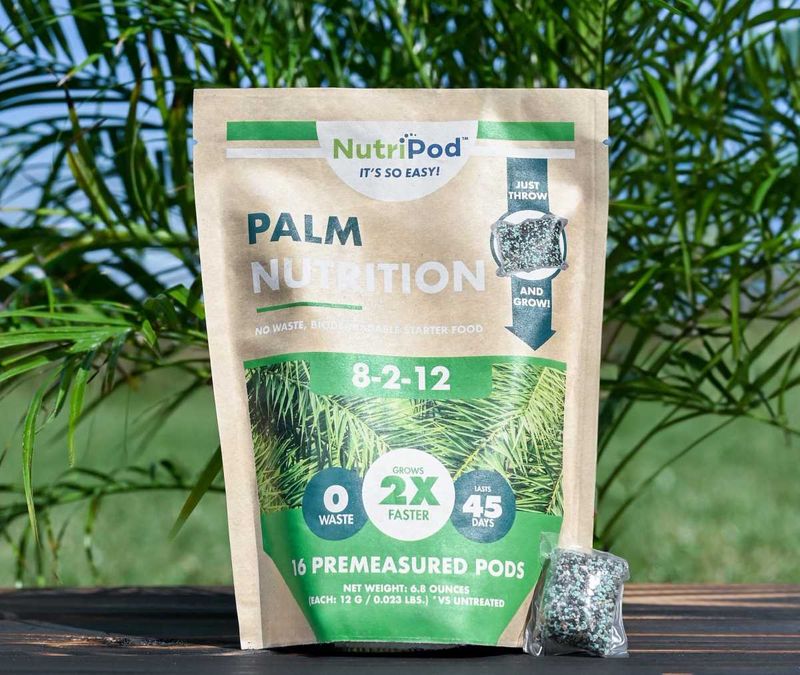
Once the timing is right and your palm is clearly growing, fertilizing can be a genuinely helpful part of your care routine. But the way you apply fertilizer matters just as much as when you do it.
A few smart habits can make a big difference for palms growing in Pennsylvania. Start by choosing the right product. Not all fertilizers are created equal for palms.
Look for a fertilizer specifically labeled for palms, which will typically have a balanced ratio of nutrients and include magnesium and manganese.
These micronutrients are especially important for palms and are often missing from general-purpose lawn fertilizers. Using the wrong product is almost as problematic as using the right one at the wrong time.
Slow-release fertilizers are a particularly smart choice for Pennsylvania gardeners. They feed the palm gradually over several weeks rather than dumping a large dose of nutrients all at once.
That steady supply is much easier for the palm to absorb and use without stress on the root system.
When applying fertilizer, spread it evenly around the base of the palm, but keep it away from direct contact with the trunk. Fertilizer sitting against the trunk can cause burning and create entry points for disease.
After applying, water the area thoroughly. This helps the nutrients move down into the soil where the roots can actually reach them.
Avoid the urge to fertilize again too quickly. For most palms in Pennsylvania, one or two applications during the active growing season is plenty.
More is not better. Consistent, moderate feeding through the warmer months gives your palm the steady support it needs to stay strong and healthy all the way through fall.