These Are The Best Native Ohio Plants For Supporting Fireflies
On a warm Ohio evening, the first flicker of a firefly can turn an ordinary yard into something unforgettable. Yet many gardeners notice fewer of those glowing lights than they remember.
The change often comes down to habitat. Fireflies spend much of their life close to the ground, relying on moist soil, leaf litter, and undisturbed spaces to develop.
Common yard habits like frequent mowing, clearing leaves, and keeping beds too tidy can quietly reduce those conditions.
The encouraging part is that planting the right native species can help rebuild that environment and make your Ohio yard feel alive with summer light again.
1. Switchgrass Creates Shelter At Ground Level
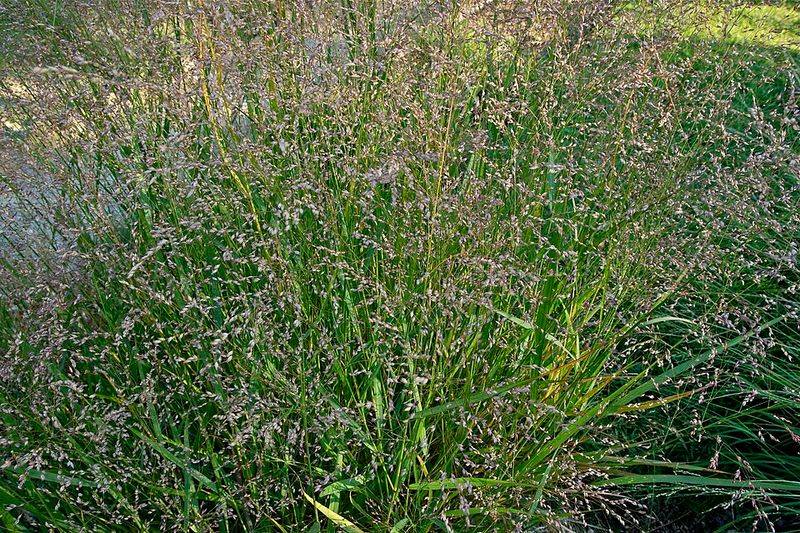
On a quiet Ohio summer evening, the base of a switchgrass clump is doing more work than most gardeners realize. This tall native grass, known scientifically as Panicum virgatum, creates a layered environment that benefits fireflies from the ground up.
Its upright blades provide vertical cover for adult fireflies resting during the day, while the dense base shields larvae hunting for food in the soil below.
Firefly larvae are predators that feed on soft-bodied creatures like slugs and earthworms, and they need undisturbed, moist soil to do so successfully. Switchgrass helps maintain that environment by shading the ground and slowing moisture evaporation.
In Ohio’s warm summers, that shade can make a real difference in keeping soil conditions stable.
Switchgrass is also incredibly low-maintenance once established. It tolerates Ohio’s clay-heavy soils well and handles both wet and dry conditions with ease.
Planting it along fence lines, rain garden edges, or in naturalized areas of the yard gives fireflies a reliable refuge.
Avoiding heavy trimming until late winter helps preserve the sheltered base through the full season, giving larvae the undisturbed ground they need to develop through fall and into spring.
2. Little Bluestem Forms Safe Clumps For Cover
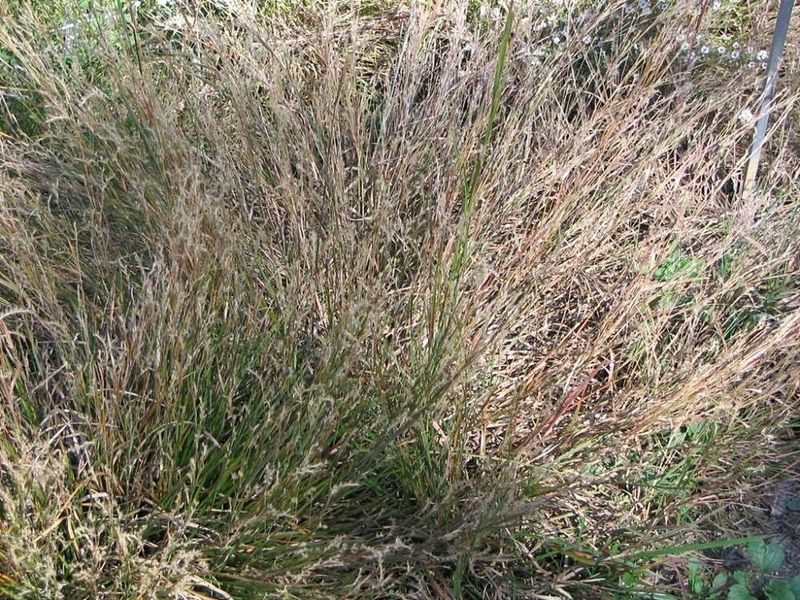
Walk past a stand of little bluestem on a late Ohio summer morning and you might notice small insects resting quietly between the clumps.
This native bunchgrass, Schizachyrium scoparium, grows in tight rounded tufts that naturally create gaps and sheltered pockets at ground level.
Those spaces are exactly what firefly larvae need during their long development period, which can stretch across one to two full years underground.
The clumping growth habit of little bluestem is one of its most useful features for firefly habitat. Each clump acts almost like a tiny protected zone, trapping leaf litter, holding moisture, and discouraging foot traffic or soil disturbance.
In Ohio gardens, where summer heat can dry out open soil quickly, those moisture-retaining pockets can be especially valuable for supporting larval development.
Little bluestem also adds seasonal beauty to Ohio yards, turning shades of copper, orange, and deep red in the fall. It thrives in well-drained to average soils and handles full sun beautifully.
Planting it in groups rather than single specimens creates larger zones of connected habitat.
Your Ohio Garden Changes Every Week. Your Plan Should Too.
Gardening in Ohio changes quickly throughout the season. Every Friday you’ll receive a simple weekly plan showing exactly what to plant, prune, fertilize, harvest, and protect so you never miss the right timing.
Leaving the clumps standing through winter helps protect the soil beneath and gives overwintering insects a safe place to wait out Ohio’s colder months.
3. Wild Bergamot Supports A Lively Insect Environment
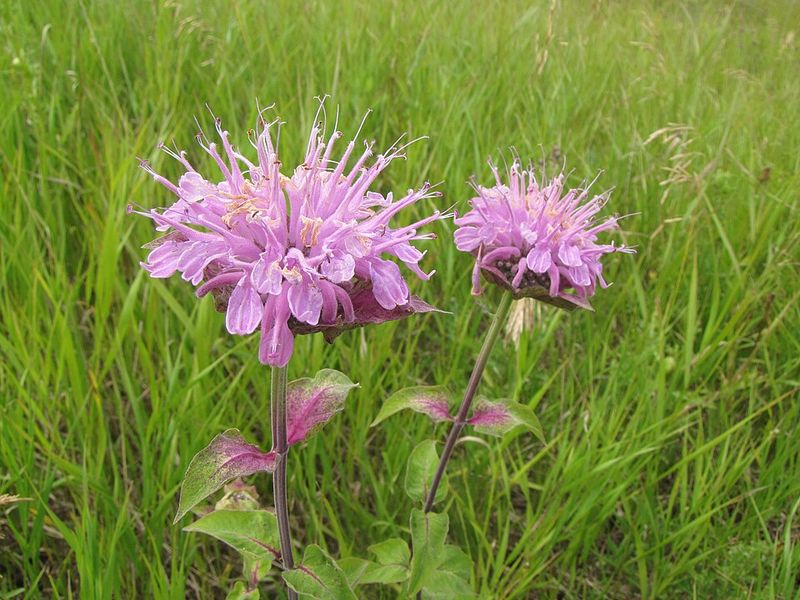
Few native plants in Ohio attract as much insect activity as wild bergamot, and that bustling energy is part of what makes it so useful for firefly habitat.
Monarda fistulosa blooms in mid to late summer with clusters of lavender flowers that draw in bees, butterflies, and a wide range of beneficial insects.
A yard full of insect life is also a yard that tends to support the soft-bodied prey that firefly larvae depend on for food.
Wild bergamot grows in medium to dry soils and tolerates Ohio’s variable summer rainfall reasonably well. Its upright stems and leafy base create low cover that helps reduce soil temperature and slow moisture loss in the areas surrounding it.
When planted in combination with grasses or other natives, it contributes to a layered habitat that benefits insects at multiple stages of their life cycles.
Beyond its ecological role, wild bergamot is a genuinely beautiful plant that feels at home in Ohio meadow gardens, pollinator beds, and naturalized borders.
Allowing plants to set seed and leaving stems standing through winter gives the garden structure while supporting overwintering insects nearby.
Reducing or eliminating pesticide use in areas where bergamot grows helps ensure the insect community around it stays healthy and diverse throughout the season.
4. Goldenrod Adds Structure And Seasonal Habitat
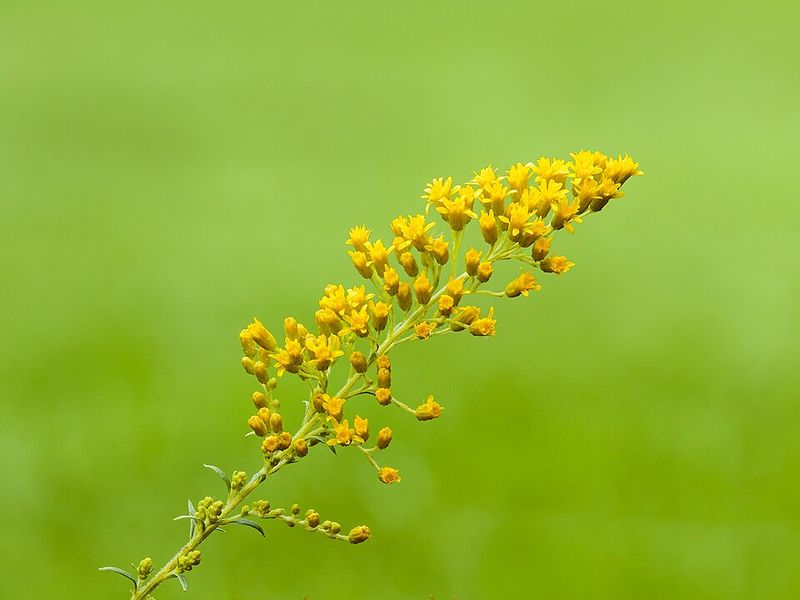
Goldenrod has a bit of an unfair reputation in Ohio gardens, often blamed for hay fever when it is actually wind-pollinated ragweed causing the trouble.
Once that misconception is cleared up, goldenrod earns its place as one of the most ecologically valuable native plants a homeowner can grow.
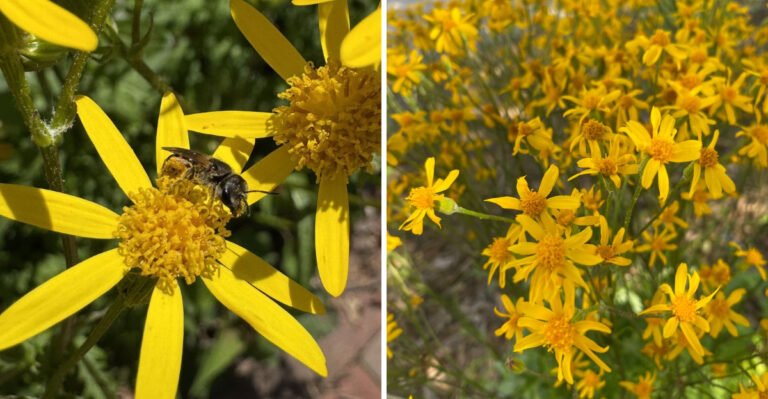
Its tall, arching stems covered in golden yellow blooms support an enormous number of insects from late summer through early fall, creating a lively food web at exactly the right time of year.
For fireflies, goldenrod contributes habitat in a few important ways. Its dense growth shades the soil beneath, helping maintain the cool, moist conditions that larval fireflies need to survive and hunt effectively.
The plant also supports robust populations of soft-bodied insects and invertebrates near the soil surface, which firefly larvae actively pursue as prey.
Goldenrod spreads readily through rhizomes, so it works especially well in naturalized areas, rain garden edges, or open borders where it can fill in without crowding out smaller plants.
Ohio gardeners who allow goldenrod to grow in low-mow zones often report noticing more firefly activity in those same areas by midsummer.
Leaving the dried stems and seed heads standing through winter provides additional structure and shelter for insects waiting out the colder months.
5. Blue Vervain Thrives In Moist, Low Areas
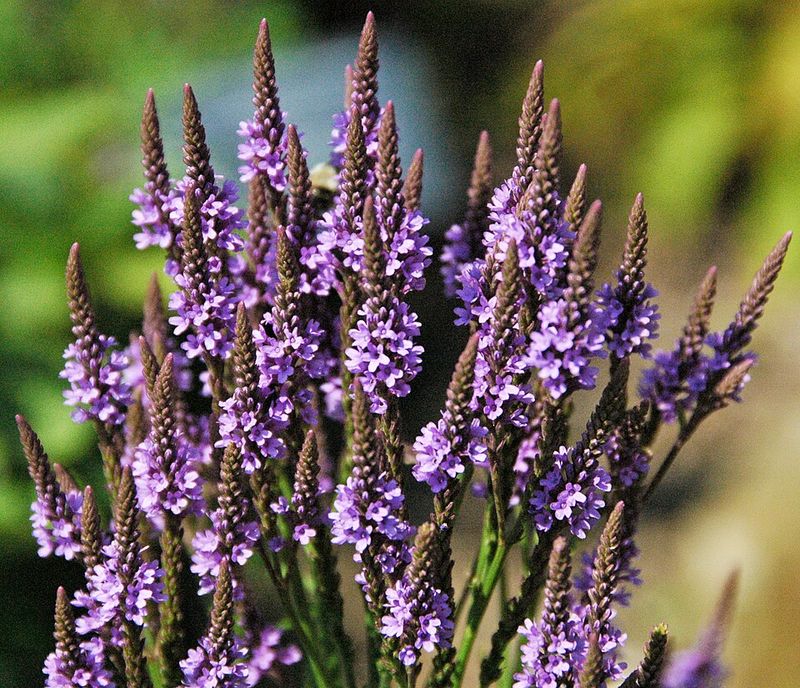
The edges of Ohio ponds, rain gardens, and low-lying backyard areas often stay soggy long after the rest of the yard has dried out, and blue vervain is built for exactly those conditions.
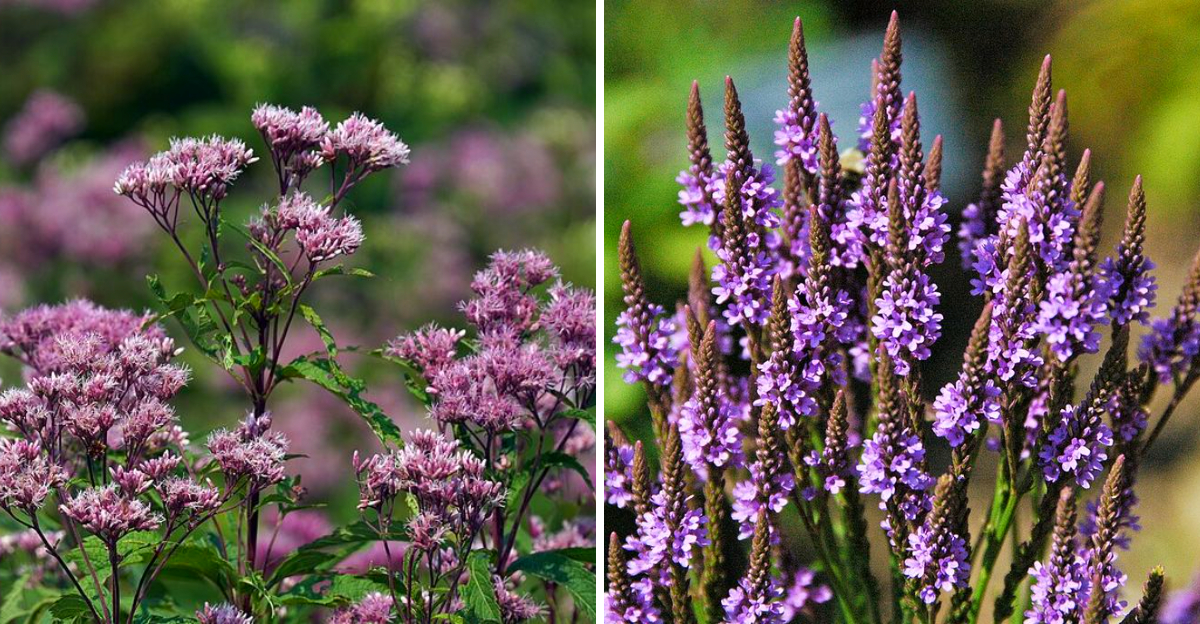
Verbena hastata is a striking native wildflower that sends up tall, branching spikes of small purple-blue flowers from midsummer into early fall.
It thrives in moist to wet soils and naturally colonizes the low, damp zones that also happen to be prime firefly habitat.
Firefly larvae need consistent soil moisture to move through the ground and find prey. Areas that stay naturally damp, like the edges of drainage swales, retention areas, or low corners of Ohio yards, tend to support higher firefly populations.
Planting blue vervain in those spots reinforces the habitat value those areas already provide while adding vertical structure and floral interest above ground.
Blue vervain can grow four to five feet tall in ideal conditions, creating a dense, upright presence that adult fireflies use for daytime resting cover.
It self-seeds freely in moist conditions, so a small planting can gradually expand into a more substantial habitat patch over several seasons.
Avoiding soil disturbance and heavy mulching around established plants helps preserve the natural ground layer that makes these low wet areas so appealing to fireflies in the first place.
6. Joe Pye Weed Helps Keep Soil Cool And Damp
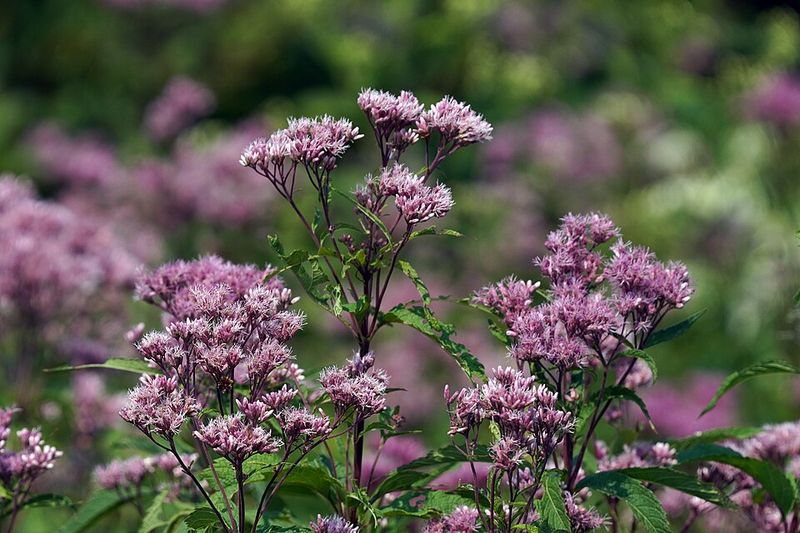
Standing six to eight feet tall in a moist Ohio garden, Joe Pye weed is hard to miss, and fireflies seem to appreciate it just as much as passing gardeners do.
Eutrochium purpureum is a native perennial that thrives in the rich, consistently moist soils found along Ohio stream edges, woodland borders, and low-lying garden beds.
Its massive flower clusters attract pollinators in late summer, but its real value for fireflies comes from what it does at ground level.
The tall, leafy stems of Joe Pye weed create significant shade over the surrounding soil, slowing evaporation and keeping the ground cooler and more consistently moist through Ohio’s warmest months.
That shaded, damp soil layer is where firefly larvae spend most of their lives, hunting earthworms and other soft-bodied prey.
Plants that help maintain those conditions from above are genuinely useful allies in building a firefly-friendly yard.
Joe Pye weed pairs well with other moisture-loving natives like blue vervain and switchgrass, and together they can create a layered, habitat-rich planting that serves fireflies at multiple life stages.
Allowing leaf litter to accumulate naturally around the base of established plants adds another layer of protection for larvae and helps the soil retain moisture even during dry stretches in the Ohio summer.
7. Virginia Creeper Builds Natural Ground Cover
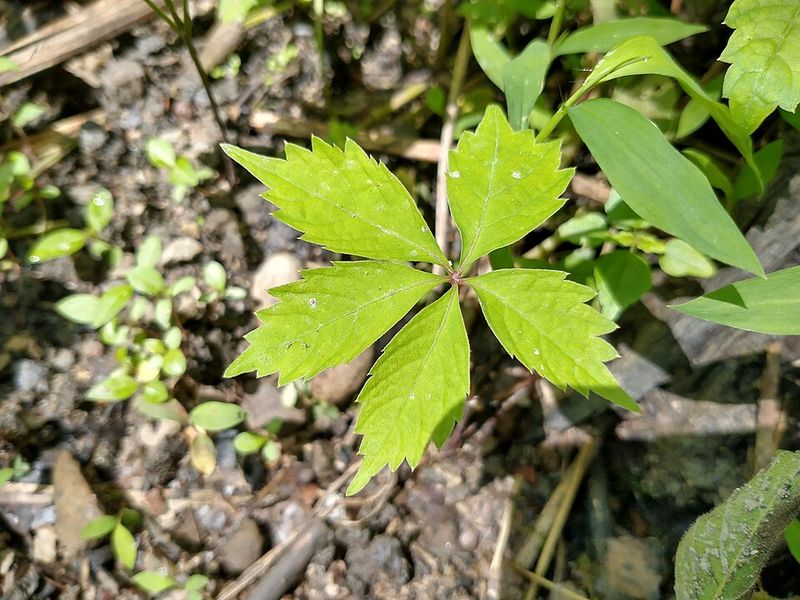
Most Ohio homeowners know Virginia creeper as a vigorous climber that scales fences and tree trunks with impressive speed, but its value as a ground cover often goes overlooked.
When allowed to spread horizontally across shaded or semi-shaded areas, Parthenocissus quinquefolia forms a dense mat of five-leaflet foliage that shades the soil beneath, traps leaf litter, and creates the kind of layered ground environment that firefly larvae find genuinely hospitable.
The leaf litter that accumulates under Virginia creeper is particularly important. Firefly larvae spend much of their development in the transition zone between leaf litter and soil, where moisture is consistent and prey is accessible.
A creeper-covered patch of ground in an Ohio backyard can quietly become one of the most productive firefly nurseries in the neighborhood, especially if it is left undisturbed through the full growing season.
Virginia creeper is also quite adaptable, tolerating shade, part sun, and a range of Ohio soil types.
It spreads on its own once established and requires very little maintenance beyond occasional boundary management to keep it from taking over unwanted areas.
Resisting the urge to rake or blow leaves out from under established patches is one of the simplest things Ohio homeowners can do to make their yards more welcoming to fireflies year after year.
8. Foamflower Keeps Woodland Soil Moist And Shaded
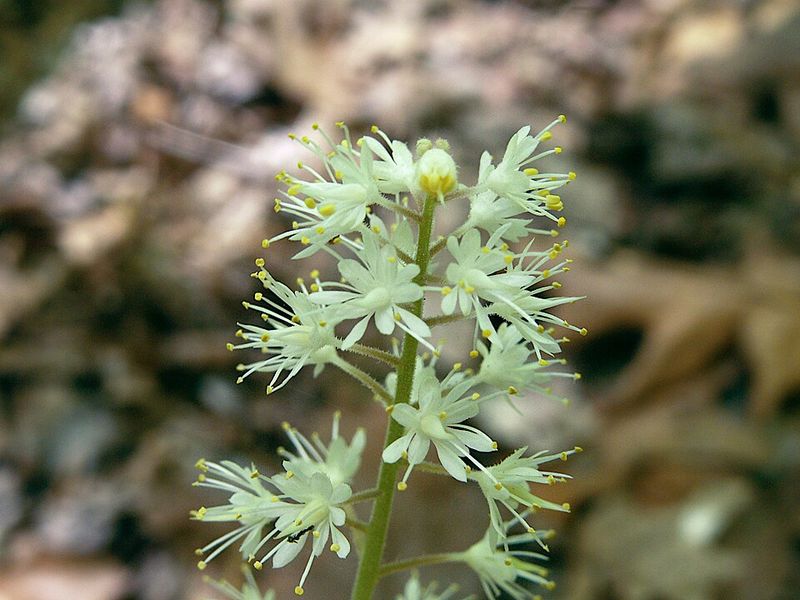
Tucked into a shaded Ohio garden corner, foamflower does something quietly remarkable: it keeps the soil beneath it in nearly ideal condition for firefly larvae all season long.
Tiarella cordifolia is a low-growing native woodland perennial that spreads through runners to form a soft, dense mat of lobed leaves.
That mat shades the ground effectively, reduces moisture loss, and creates a consistently cool microclimate at soil level even during Ohio’s hottest summer weeks.
Firefly larvae are particularly active in shaded woodland edges and areas where leaf litter stays moist throughout the summer. Foamflower naturally colonizes those same spaces, making it a highly compatible plant for firefly habitat gardens.
Its spreading habit also means it gradually covers more ground over several seasons, expanding the shaded, moist zone available to larvae without requiring much intervention from the gardener.
Foamflower blooms in spring with delicate white to pale pink flower spikes that add a soft, airy beauty to shaded beds before summer fully arrives.
It pairs well with other woodland natives like wild ginger and ferns, creating a layered understory planting that benefits multiple ground-dwelling insects.
Leaving the natural leaf fall from nearby trees to accumulate around foamflower patches rather than raking it away is one of the most supportive things Ohio gardeners can do for their local firefly population.
9. Wild Ginger Supports Leaf Litter And Ground Habitat
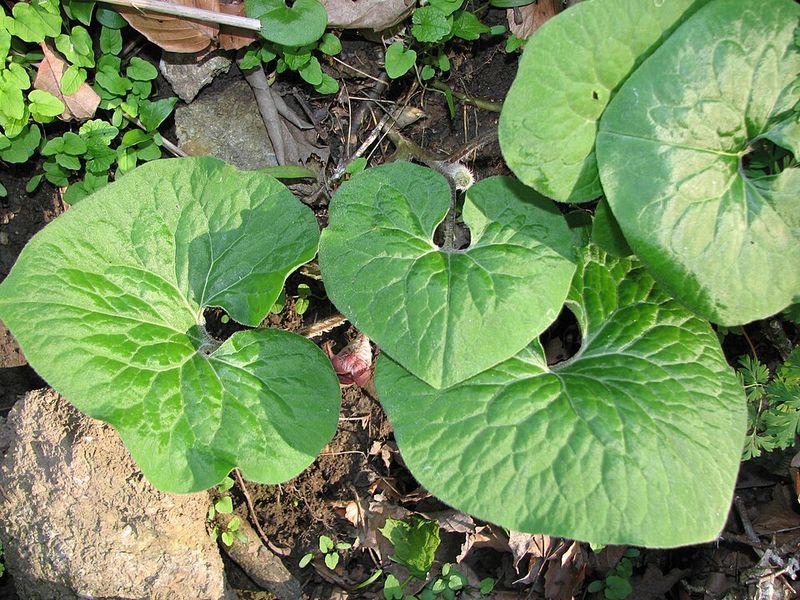
There is something almost secretive about wild ginger, and that quiet, low-profile nature is exactly what makes it so valuable for firefly habitat.
Asarum canadense grows close to the ground in dense, broad-leafed patches that hold leaf litter in place, shade the soil surface, and create a humid microenvironment that persists even when surrounding areas dry out.
In shaded Ohio yards and woodland garden edges, that kind of stable ground layer is rare and genuinely worth protecting.
Firefly larvae spend months, sometimes years, moving through moist soil and leaf litter in search of prey.
Wild ginger essentially acts as a living mulch, locking in moisture and organic matter while providing a physical barrier that discourages soil disturbance.
The leaf litter trapped beneath its broad leaves breaks down gradually, enriching the soil and supporting the earthworm populations that larval fireflies actively hunt.
Wild ginger spreads slowly through rhizomes and works best in consistently moist, shaded spots where other plants struggle to establish. It pairs naturally with foamflower, ferns, and native sedges in Ohio woodland garden designs.
Because it stays low and spreads without becoming aggressive, it is a practical choice for homeowners who want to build genuine firefly habitat without taking on a high-maintenance planting.
Avoiding soil disturbance around established patches is the single most important step to keeping this habitat intact.