9 Perennial Flowers That Thrive In Western Oregon Shade
If your western Oregon yard feels like it never quite gets enough sun, you are not alone. Under tall Douglas firs and big-leaf maples, many gardens end up with cool, shaded corners that can seem tricky to fill.
Add in steady rainfall and naturally moist soil, and plenty of sun-loving plants struggle to settle in.
But those same conditions create the perfect setting for a wide range of woodland perennials.
Once you start working with the shade instead of against it, those quieter spots can turn into some of the most colorful and inviting areas in your garden.
1. Western Bleeding Heart Adds Soft Spring Color
Few plants capture the quiet magic of a western Oregon woodland garden quite like Western Bleeding Heart.
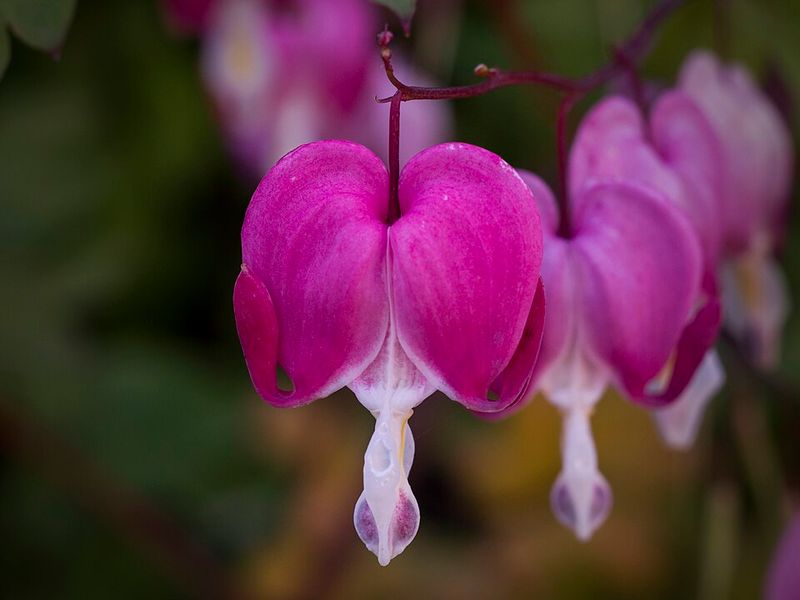
Known botanically as Dicentra formosa, this native perennial produces strings of rosy-pink, heart-shaped flowers that dangle from arching stems like tiny pendants.
Blooming from mid-spring well into early summer, it brings soft color to spots that most flowering plants would ignore entirely.
Western Bleeding Heart grows naturally along stream banks and forest floors throughout the Pacific Northwest, so it is genuinely at home in the shaded conditions that western Oregon yards often provide.
It prefers partial to full shade and does best in moist, well-drained soil rich in organic matter.
Adding compost to your planting area before getting started can make a real difference in how well it establishes.
Plants typically reach 12 to 18 inches tall and spread steadily over time, forming soft mounds of lacy, blue-green foliage. Even after the flowers fade, the ferny leaves remain attractive through much of the season.
In spots with consistent moisture, some plants may even rebloom lightly in fall. Space plants about 18 inches apart to give them room to fill in naturally without crowding neighboring perennials.
2. Red Columbine Brings Bright Blooms To Shade
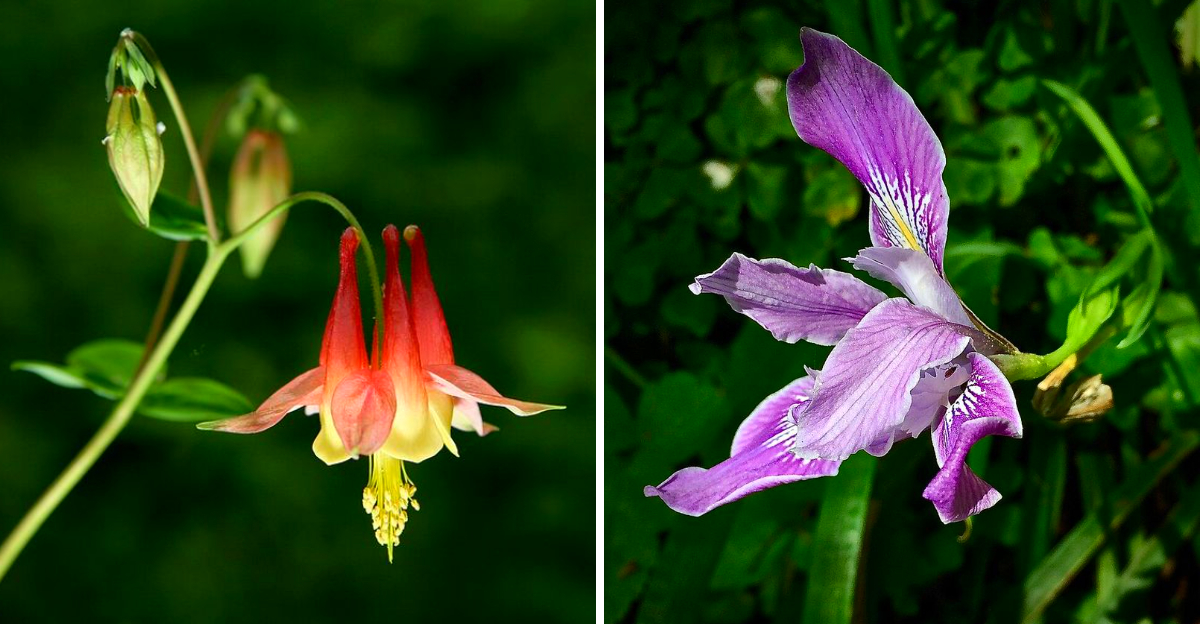
Under the filtered light of a Douglas fir canopy, Red Columbine has a way of stopping you in your tracks.
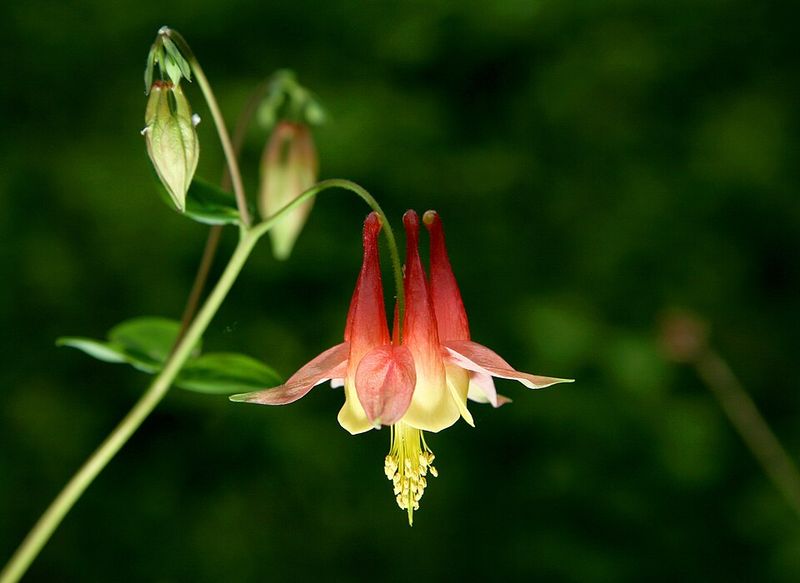
Aquilegia formosa is a native wildflower found across much of the Pacific Northwest, and its bold red and yellow nodding blooms are genuinely hard to miss, even in low-light conditions.
Hummingbirds are drawn to those tubular flowers, making this plant a lively addition to any shaded western Oregon garden.
Red Columbine blooms from late spring through early summer and typically reaches 18 to 36 inches in height depending on soil conditions and available light.
It handles partial shade well and actually benefits from protection against the hottest afternoon sun, which can be less of an issue in western Oregon but still worth keeping in mind during warm summers.
Well-drained soil with moderate moisture suits it best.
One of the more appealing qualities of Red Columbine is that it self-seeds readily, meaning a single plant can gradually spread across a shaded bed over several seasons.
Thinning seedlings occasionally helps maintain good air circulation and prevents overcrowding.
The delicate, lobed foliage also adds textural interest long after the blooms have finished for the season.
Your Oregon Garden Changes Every Week. Your Plan Should Too.
Gardening in Oregon changes quickly throughout the season. Every Friday you’ll receive a simple weekly plan showing exactly what to plant, prune, fertilize, harvest, and protect so you never miss the right timing.
3. Foamflower Spreads Easily In Woodland Soil
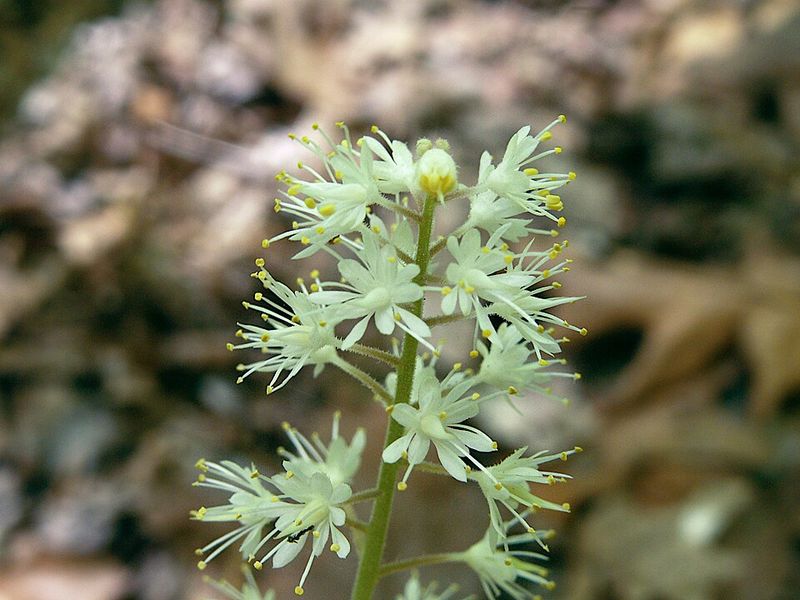
Walk through almost any shaded native plant garden in western Oregon and you are likely to spot Foamflower working quietly as a groundcover beneath taller plants.
Tiarella cordifolia earns its common name from the frothy, foam-like appearance of its small white flower spikes, which rise just above the foliage in spring and create a soft, airy effect across the ground.
Foamflower thrives in partial to full shade and genuinely loves the moist, humus-rich soils that are so common in western Oregon landscapes.
It spreads through runners, gradually filling in bare areas under trees and along shaded borders where other plants struggle to get established.
Once it takes hold, it requires very little maintenance beyond occasional watering during unusually dry stretches in summer.
The lobed, maple-like leaves often develop attractive reddish markings along their veins, adding visual interest even when the plant is not in bloom.
Plants stay relatively low, usually reaching just 6 to 12 inches in height, which makes Foamflower a reliable choice for layering beneath taller shade perennials.
Planting in clusters of three or more speeds up coverage and creates a fuller, more natural-looking woodland groundcover effect in your garden beds.
4. Inside-Out Flower Grows Well In Cool Shade
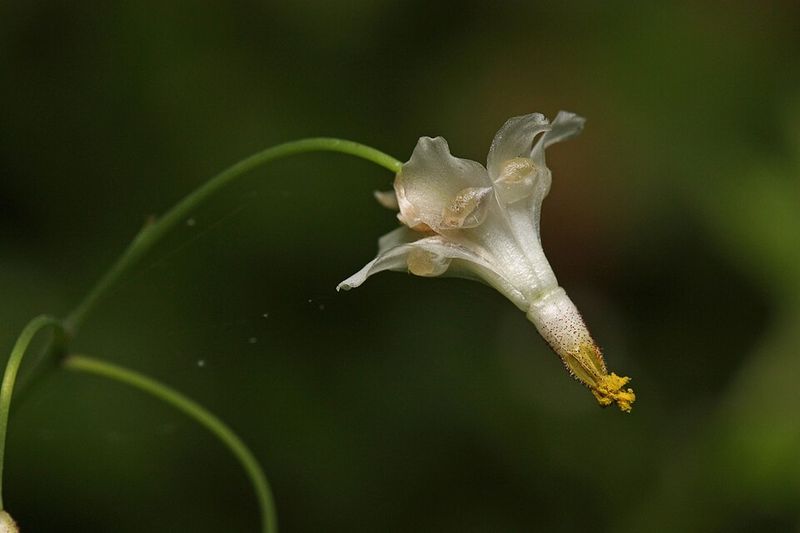
Not many plants carry a name as curious as Inside-Out Flower, and once you see the blooms up close, the name makes complete sense.
Vancouveria hexandra produces tiny white flowers whose petals sweep sharply backward, giving them an inside-out appearance that is genuinely unlike anything else in a shade garden.
It is a native perennial found along the coast ranges and foothills of western Oregon, thriving in the cool, moist conditions the region is known for.
Inside-Out Flower grows best in partial to full shade with consistently moist, well-drained soil.
It reaches about 12 to 18 inches in height and spreads slowly through underground rhizomes, eventually forming loose colonies beneath trees and along shaded borders.
The delicate, compound leaves give the plant an airy, fern-like quality that pairs well with bolder-textured shade plants like Bleeding Heart or Sword Fern.
Because it is native to western Oregon’s woodland floors, this perennial is well adapted to the region’s rainfall patterns and mild winters. It typically goes dormant in late summer during dry spells but re-emerges reliably in spring.
Supplemental watering during dry periods in summer helps keep foliage looking fresh longer, especially in gardens with sandy or fast-draining soil.
5. Fringecup Adds Height To Shady Beds
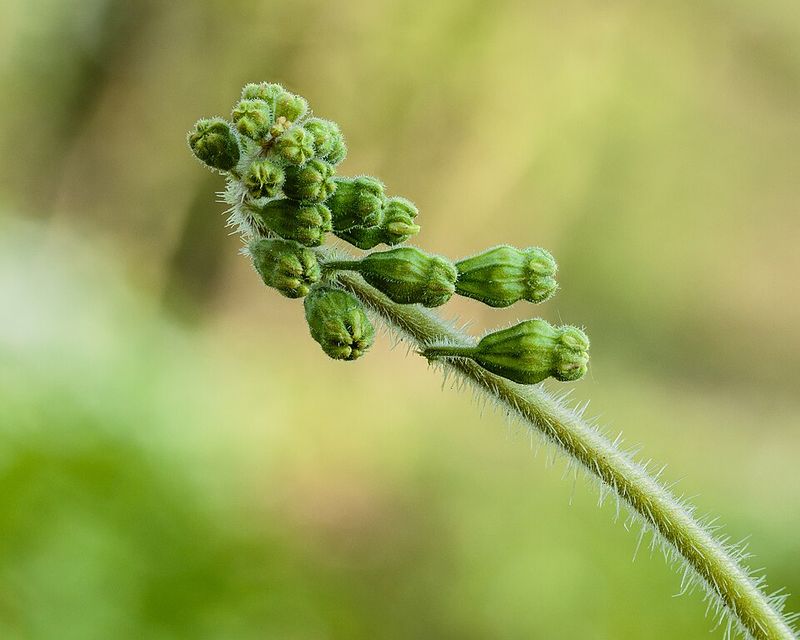
In shaded garden beds where most flowering perennials stay low to the ground, Fringecup stands out simply by growing tall.
Tellima grandiflora is a native western Oregon perennial that sends up slender, upright flower stalks reaching 18 to 36 inches, bearing rows of small, fringed, bell-shaped flowers in shades of greenish-white to soft pink.
It provides vertical structure in spots where that quality is often hard to find.
Fringecup grows naturally along stream banks, forest edges, and moist slopes throughout western Oregon, so it handles the region’s wet winters and moderate summers with ease. It prefers partial to full shade and does well in moist, organically rich soil.
The large, rounded basal leaves are semi-evergreen, meaning they often persist through mild western Oregon winters and provide ground-level interest even when the rest of the garden is dormant.
One of Fringecup’s underrated strengths is its tolerance for deeper shade. While many perennials prefer dappled light, this plant can manage in spots that receive very little direct sun, making it useful beneath dense tree canopies.
It also self-seeds gently, gradually increasing in number without becoming aggressive. Removing spent flower stalks after blooming can help manage self-seeding if you prefer a tidier garden bed.
6. Pacific Trillium Blooms Early In Woodland Gardens
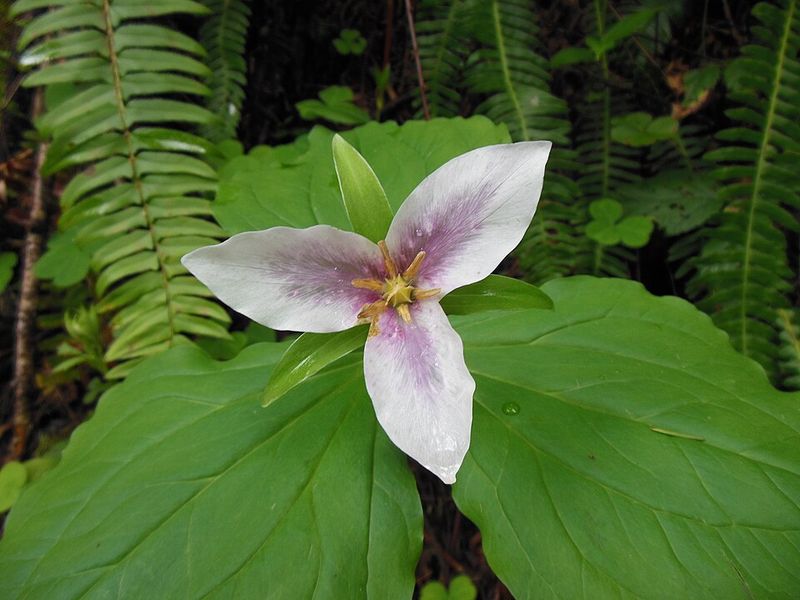
Early spring in western Oregon can still feel raw and grey, but Pacific Trillium manages to bloom right through those uncertain weeks with remarkable elegance.
Trillium ovatum is one of the most recognizable native wildflowers in the Pacific Northwest, producing large, three-petaled white flowers that slowly age to pink or deep rose as the weeks progress.
Seeing it emerge in a shaded garden bed is a reliable sign that the season is genuinely turning.
Pacific Trillium grows best in partial to full shade with rich, consistently moist, and well-drained soil.
It is a slow-growing plant that takes several years to reach blooming size from seed, so purchasing established plants from a reputable native plant nursery is generally the more practical approach.
Once settled in, though, it is long-lived and requires very little care beyond keeping the soil from drying out completely during summer.
The plant reaches about 12 to 18 inches in height and goes dormant by midsummer, so pairing it with later-emerging perennials that can fill the gap is a smart planting strategy.
Because Pacific Trillium is a protected native plant in parts of Oregon, sourcing nursery-propagated plants rather than wild-collected ones is both the responsible and legally sound choice.
7. False Lily Of The Valley Thrives In Moist Shade
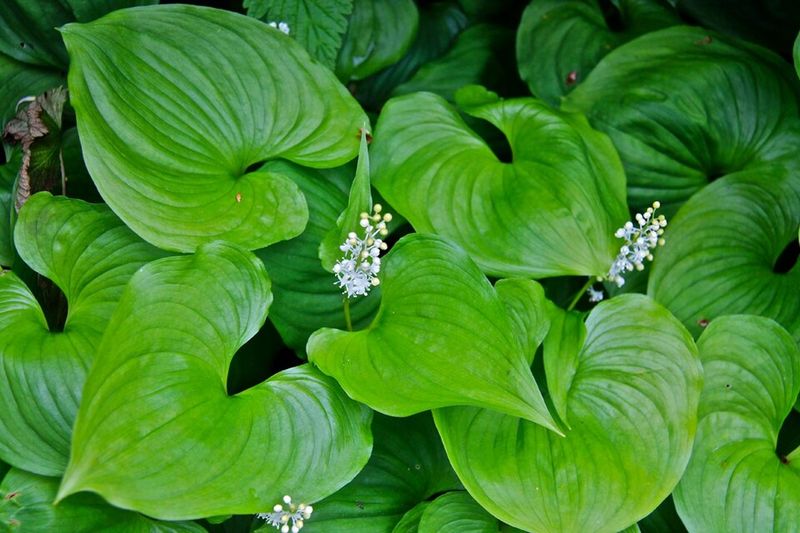
Tucked beneath the broad canopy of red alders and big-leaf maples along western Oregon’s creek corridors, False Lily of the Valley forms dense, lush carpets of greenery that few other plants can match in moist shade.
Maianthemum dilatatum is a low-growing native perennial that spreads steadily through underground rhizomes, covering ground with broad, heart-shaped leaves that stay glossy and green through most of the growing season.
In late spring, small clusters of tiny white flowers appear above the foliage, followed by speckled red berries in late summer that attract birds and other wildlife.
The plant grows well in partial to full shade and genuinely thrives in the consistently moist conditions that western Oregon’s climate reliably provides, especially in yards near streams, ponds, or areas with slow soil drainage.
False Lily of the Valley reaches just 6 to 12 inches in height, making it one of the lower groundcover options for shaded beds.
Its spreading habit means it can fill in surprisingly large areas over a few seasons, which is useful under trees where establishing any plant cover can be challenging.
Adding a layer of leaf mulch around new plantings helps retain moisture and encourages faster establishment in drier shaded spots.
8. Oxalis Covers The Ground In Deep Shade
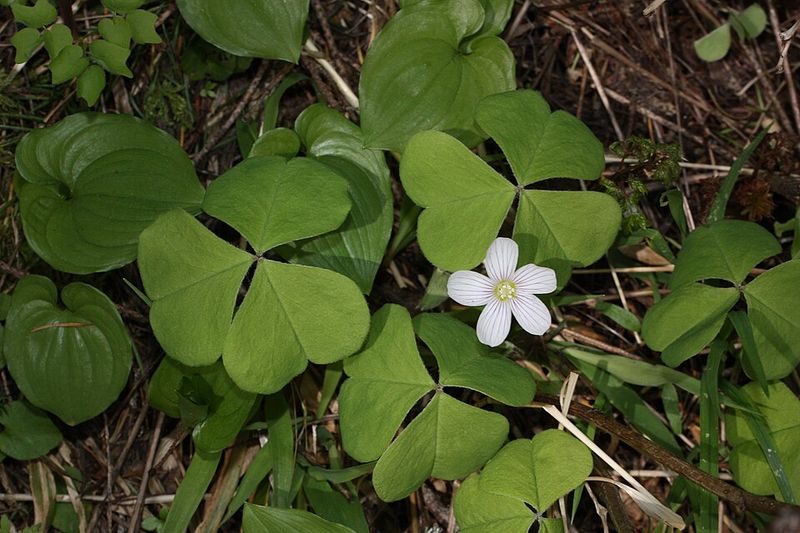
Some of the shadiest spots in western Oregon gardens sit so far from the sun that most plants simply give up. Oregon Oxalis,
Oxalis oregana, does not give up.This native groundcover thrives in conditions that feel more like a forest floor than a garden bed, spreading cheerfully beneath dense conifers and in the deep shade of north-facing slopes where almost nothing else wants to grow.
The clover-like leaves are bright green and form a soft, layered carpet that stays attractive through much of the year.
In spring and sometimes again in fall, small pink or white flowers appear just above the foliage, adding a subtle but genuinely charming seasonal touch.
The plant spreads through rhizomes and can cover significant ground over several growing seasons, making it a practical low-maintenance solution for difficult shaded areas.
Oregon Oxalis prefers consistently moist soil and handles western Oregon’s wet winters without any trouble.
During unusually dry summers, the leaves may curl slightly during the hottest part of the day, but the plant typically recovers quickly once temperatures drop or moisture returns.
It grows 4 to 6 inches tall and works well as a living mulch beneath taller shade perennials, helping suppress weeds and retain soil moisture naturally.
9. Douglas Iris Adds Color In Light Shade
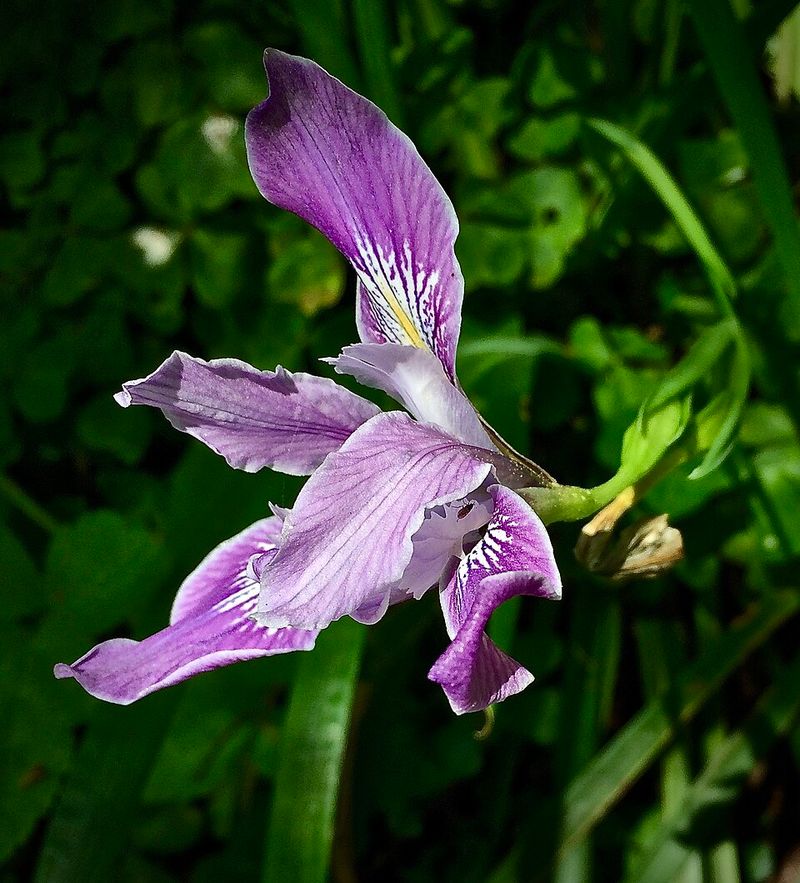
Along the edges of shaded beds where the tree canopy opens up just enough to let in filtered light, Douglas Iris delivers a burst of color that feels genuinely dramatic for a native perennial.
Iris douglasiana produces striking flowers in shades ranging from deep purple and lavender to creamy white, often with intricate veining on the petals.
It blooms in mid-spring and is one of the more visually bold options available for light shade conditions in western Oregon.
Douglas Iris is native to coastal and near-coastal areas of the Pacific Northwest, where it grows naturally on grassy bluffs, open woodlands, and forest margins.
It handles the mild, wet winters of western Oregon with ease and is moderately drought-tolerant once established, which is a useful quality during the region’s drier summer months.
It does best in partial shade rather than deep shade, so positioning it along the outer edges of tree canopies tends to produce the best flowering results.
Plants form tidy clumps of narrow, dark green, grass-like foliage that remains attractive year-round. Dividing clumps every three to four years helps maintain vigor and encourages more consistent blooming.
Douglas Iris also works well planted in groups along pathways or borders where its spring color can be appreciated up close during the blooming season.