These California Native Plants Thrive Without Any Fertilizer
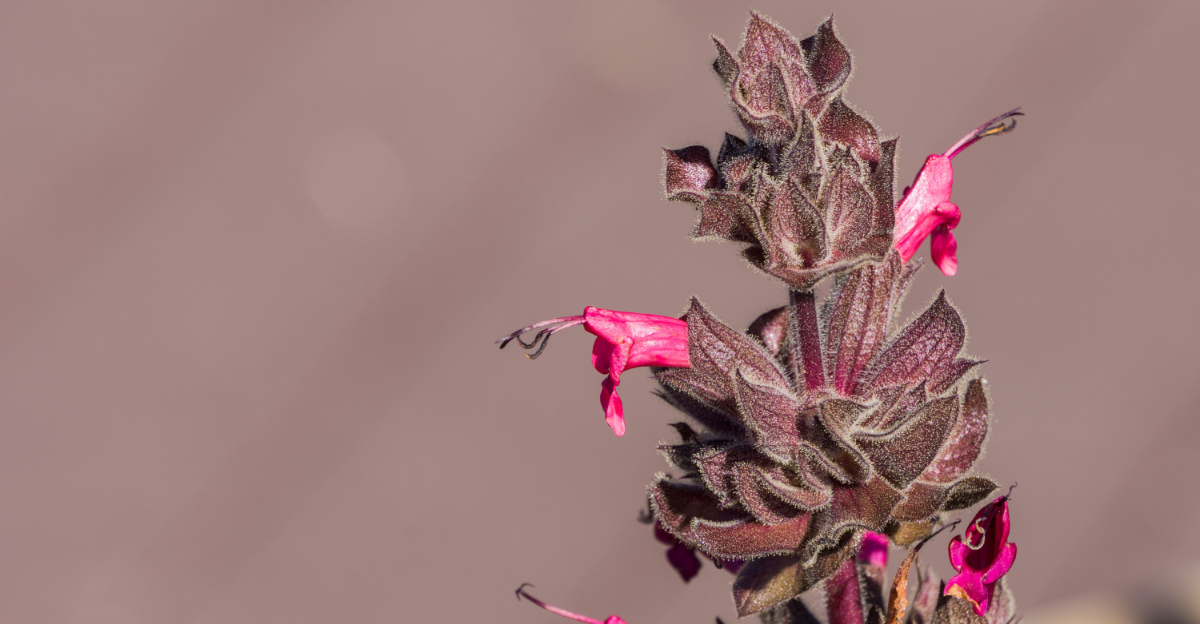
There is something satisfying about a garden that does not need constant feeding to look good.
In California, where soil conditions can vary and water is often limited, more gardeners are paying attention to plants that handle things on their own.
Native plants have adapted to local soils over time, which means they often grow well without extra fertilizer. They are used to what is already in the ground, and that natural balance helps them stay steady through changing conditions.
That does not mean they lack color or interest. Many of these plants bring flowers, texture, and structure without needing much input.
It is a different way of thinking about gardening, one that leans more on matching plants to place rather than trying to boost them along.
1. Ceanothus Fixing Nitrogen And Powering Growth Naturally
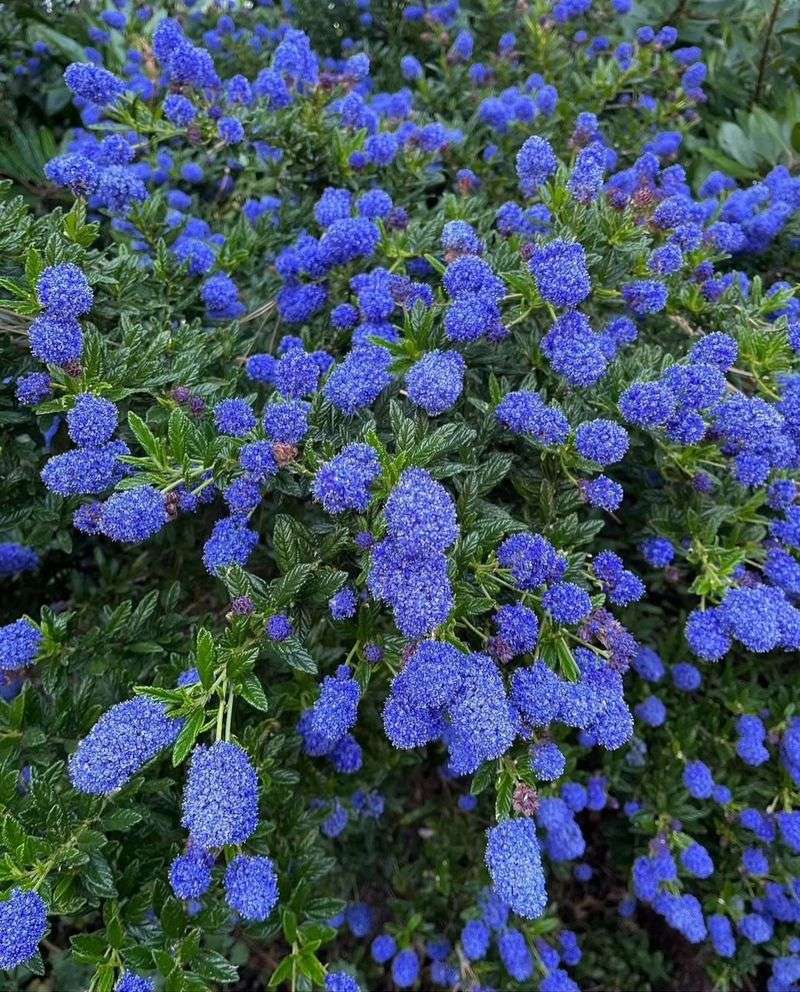
Few plants put on a show quite like Ceanothus, also known as California lilac. When spring arrives across California, this shrub erupts in stunning clusters of blue, violet, or white flowers that stop neighbors in their tracks.
The blooms are so eye-catching that many people assume the plant must need a lot of pampering, but the opposite is actually true.
Ceanothus has spent thousands of years adapting to California’s poor, rocky soils and long dry seasons. Adding fertilizer to this plant can actually cause more harm than good, leading to weak, floppy growth that makes the plant less stable.
It genuinely prefers to be left alone once it settles into the ground.
Beyond its beauty, Ceanothus is an ecological powerhouse. Bees go absolutely wild for its flowers, and the dense branching provides shelter for small birds.
It grows well in full sun and needs very little water after its first year. If you want a low-effort, high-reward shrub that feels perfectly at home in California’s natural landscape, Ceanothus belongs at the top of your planting list.
2. Manzanita Thriving In Lean, Unamended Soil
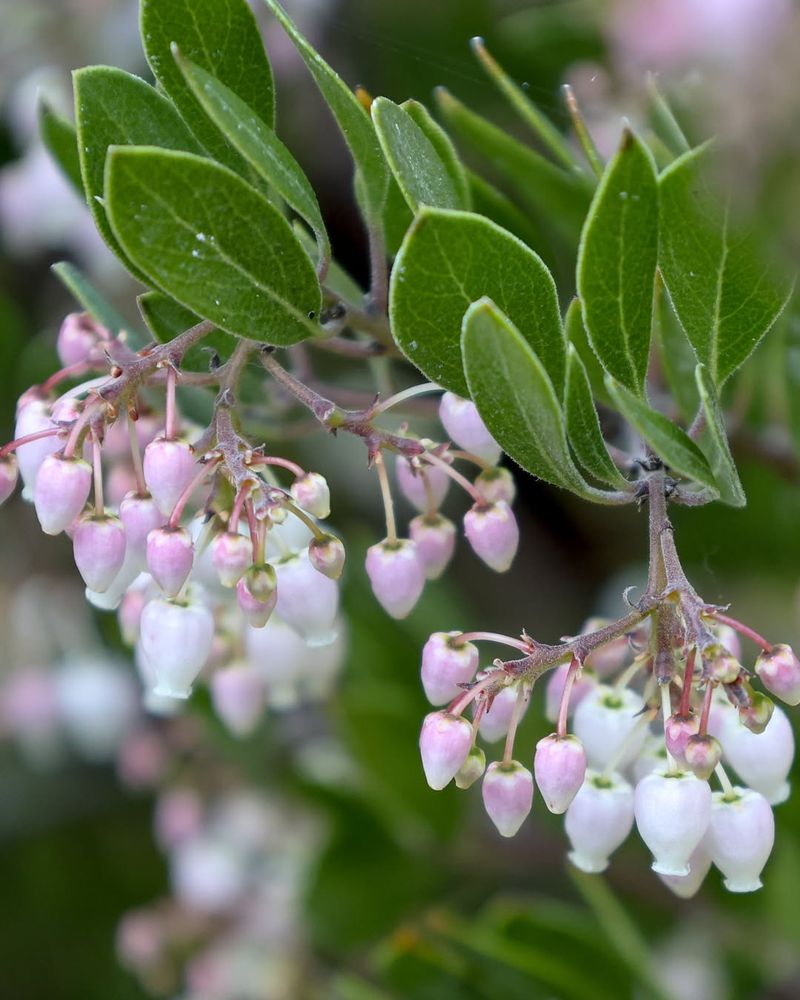
There is something almost magical about Manzanita’s smooth, deep red bark glowing in the California afternoon sun. This native shrub is one of the most recognizable plants in the state, found across hillsides, chaparral zones, and coastal scrublands from Northern to Southern California.
Its twisting branches and glossy leaves give it a sculptural quality that landscape designers love.
Manzanita thrives in poor, well-draining soils where other plants would struggle. Fertilizer is not just unnecessary here, it can actually cause root problems and reduce the plant’s natural resilience.
Once established, Manzanita handles California’s dry summers with ease, requiring only occasional deep watering during the hottest months.
In late winter and early spring, small clusters of white or pink bell-shaped flowers appear, attracting hummingbirds and native bees before most other plants have even woken up for the season. The berries that follow are an important food source for wildlife.
With over 100 species and varieties native to California, there is a Manzanita to fit nearly any garden size or style. It is a plant that rewards patience and minimal interference with years of stunning, low-maintenance beauty.
Your California Garden Changes Every Week. Your Plan Should Too.
Gardening in California changes quickly throughout the season. Every Friday you’ll receive a simple weekly plan showing exactly what to plant, prune, fertilize, harvest, and protect so you never miss the right timing.
3. Toyon Holding Strong With Minimal Inputs
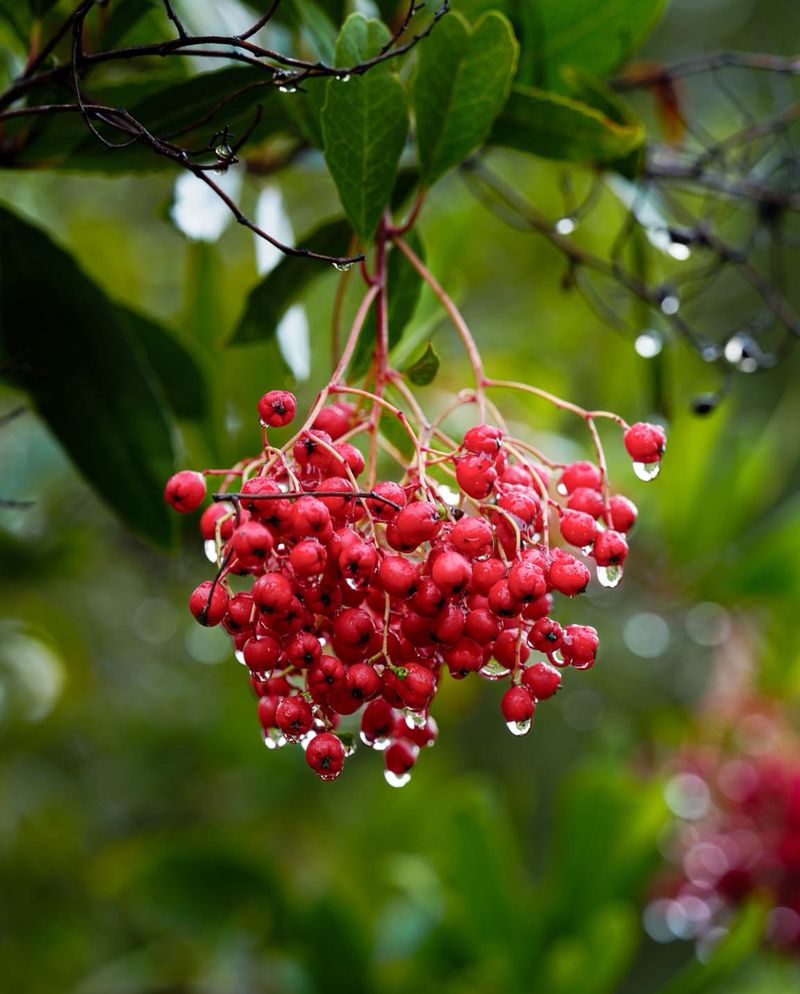
Walk through the hills of Los Angeles or the coastal ranges of Central California in December, and you are likely to spot Toyon’s brilliant red berries lighting up the landscape. Sometimes called California holly or Christmas berry, Toyon is a large native shrub or small tree that has been part of California’s natural scenery for centuries.
It is even believed to have inspired the name “Hollywood.”
Growing Toyon is refreshingly simple. It prefers full sun to partial shade and adapts well to a wide range of California soils, from sandy coastal ground to heavy clay inland.
Fertilizer is completely unnecessary and can actually push the plant into producing too much leafy growth at the expense of berries and flowers.
From late spring through summer, Toyon produces clusters of small white flowers that attract native bees and butterflies. By winter, those flowers transform into the showy red berries that birds like robins and cedar waxwings absolutely love.
Toyon is also drought-tolerant once established, making it an ideal choice for water-wise California gardens. It provides year-round interest, wildlife habitat, and effortless beauty with almost no maintenance required from the gardener.
4. California Coffeeberry Growing Steady Without Extra Feeding
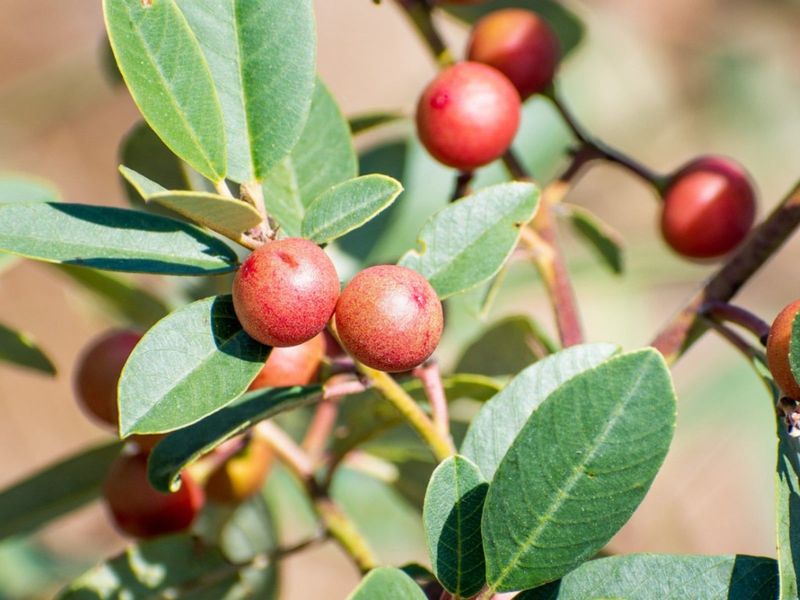
California Coffeeberry might not have the flashiest flowers, but it earns its place in the garden through sheer reliability and ecological value. Native to a wide range of habitats across California, from coastal scrub to dry inland slopes, this shrub adapts remarkably well to different soil types and light conditions.
It can handle full sun, partial shade, and even fairly deep shade, which makes it one of the most versatile native plants you can grow.
The berries are genuinely fascinating to watch throughout the seasons. They start green, shift to red, and eventually ripen to a deep purple-black that resembles coffee beans, which is exactly how the plant got its common name.
Birds flock to the ripe berries, making this shrub a natural wildlife magnet in any California yard.
No fertilizer is needed for California Coffeeberry to perform beautifully. Its roots are naturally efficient at pulling nutrients from even poor, dry soils.
Once established, it requires very little supplemental water and almost no pruning. For gardeners who want a plant that quietly does its job while supporting local wildlife, California Coffeeberry is an underrated gem that deserves far more attention in home landscapes across the state.
5. Coyote Brush Flourishing In Poor, Dry Soil
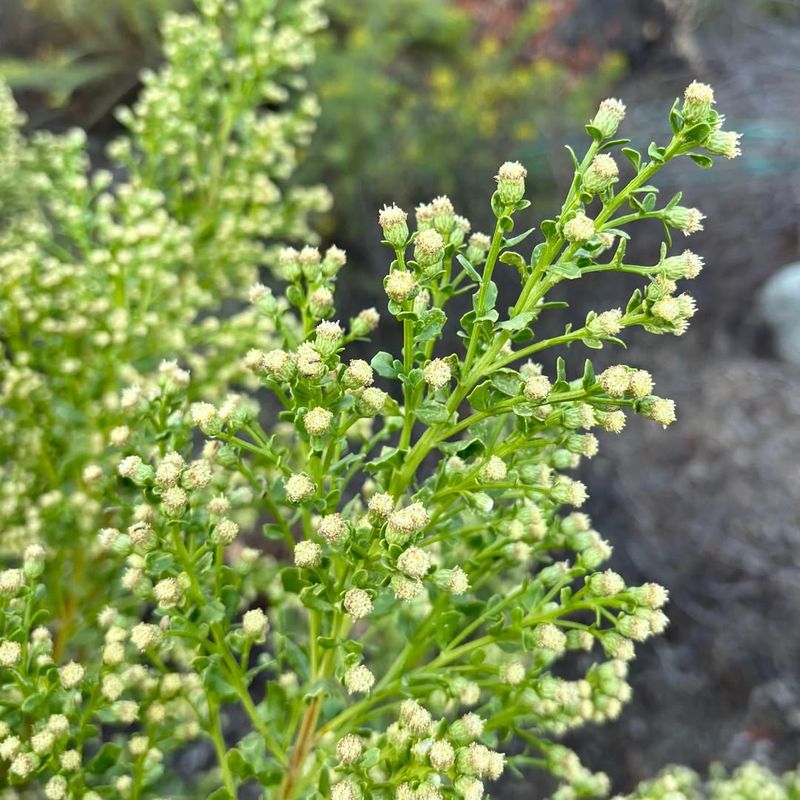
Tough, fast-growing, and fiercely independent, Coyote Brush is the workhorse of California’s native plant world. Found naturally along coastlines, grasslands, and disturbed slopes throughout the state, this shrub has a reputation for being nearly indestructible.
It is often one of the first plants to colonize bare or damaged ground, making it an excellent choice for erosion control and habitat restoration projects.
Coyote Brush thrives without any fertilizer whatsoever. Its root system is highly efficient at extracting nutrients from lean California soils, and adding fertilizer can push it into producing excessive, unruly growth.
It grows best when simply planted and left to do its own thing, which is a refreshing change from many garden plants that demand constant attention.
One of Coyote Brush’s most valuable qualities is its role in the local food web. The small white flowers that appear in fall and winter are a critical nectar source for native bees at a time when most other plants have finished blooming.
Hundreds of insect species have been recorded visiting Coyote Brush, which in turn supports birds and other wildlife. For a California garden that hums with life throughout the year, this rugged native shrub is an absolute must-have.
6. California Fuchsia Blooming Better Without Fertilizer
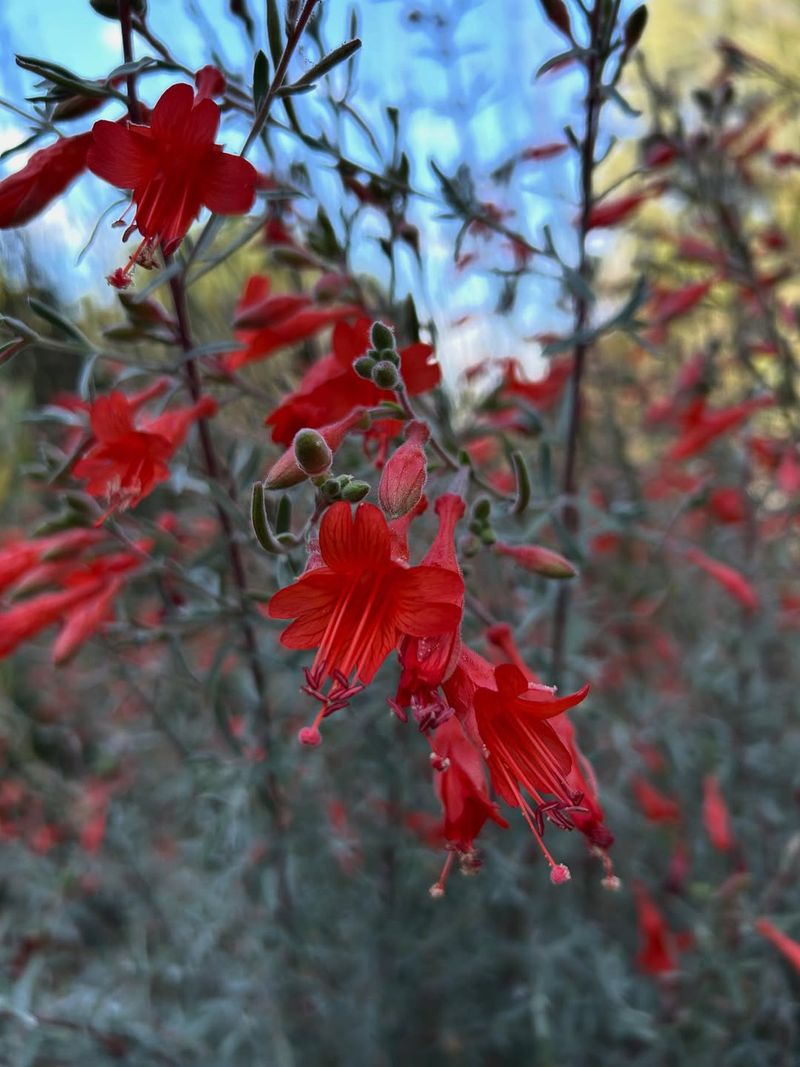
Just when the California summer garden starts looking tired and sun-scorched, California Fuchsia bursts into action. From late summer through fall, this low-growing native perennial covers itself in brilliant scarlet-red tubular flowers that practically glow against its silvery-green foliage.
It is one of the most striking sights in any California native garden, and hummingbirds treat it like an all-you-can-eat buffet.
Scientifically known as Epilobium canum, California Fuchsia is native to dry slopes and rocky areas throughout the state. It has evolved to handle poor, well-draining soils and long dry spells without skipping a beat.
Fertilizer is not just unnecessary, it can make the plant grow too aggressively and flop over under its own weight, which reduces its overall appeal.
Gardeners across California love this plant because it fills a gap that few other natives can cover, providing brilliant late-season color when pollinators need it most before cooler weather arrives. It spreads gently by underground runners, forming attractive low mats that suppress weeds naturally.
A light trim after flowering keeps it tidy and encourages fresh growth the following season. For a low-water, no-fertilizer perennial that delivers maximum visual impact, California Fuchsia is genuinely hard to beat.
7. Common Yarrow Spreading Easily On Its Own
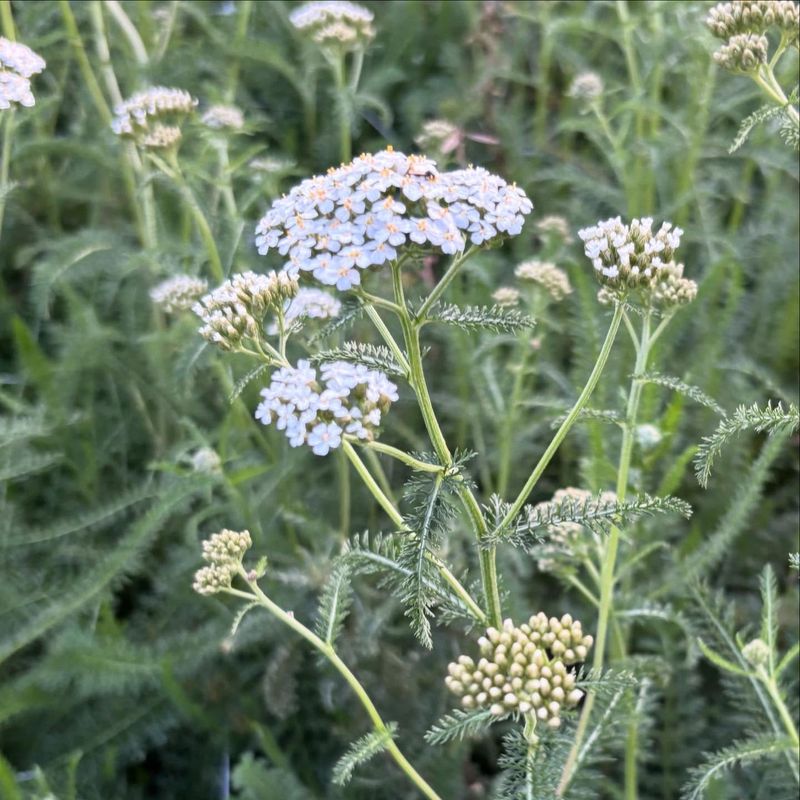
Ask any experienced California native gardener about a plant that practically takes care of itself, and Common Yarrow will almost certainly come up in the conversation. This cheerful perennial has been growing wild across California’s meadows, grasslands, and hillsides for thousands of years, thriving in everything from sandy coastal soils to heavy clay in inland valleys.
Its adaptability is genuinely impressive.
Yarrow produces flat-topped clusters of tiny flowers in white, yellow, or pink from late spring all the way through fall, giving pollinators a reliable food source for months on end. Native bees, butterflies, and beneficial insects are especially drawn to its blooms.
Fertilizer is something Yarrow simply does not need. In fact, growing it in overly rich soil tends to make the stems flop and the plant lose its naturally upright form.
Beyond its garden value, Yarrow has a fascinating history as a medicinal plant used by many Native California communities for centuries. It is drought-tolerant once established and can handle occasional foot traffic, making it a smart choice for planting along pathways or in lawn replacement areas.
Cutting spent flower heads back encourages a second flush of blooms and keeps the plant looking fresh and tidy throughout the growing season in California.
8. Hummingbird Sage Preferring Natural Soil Conditions
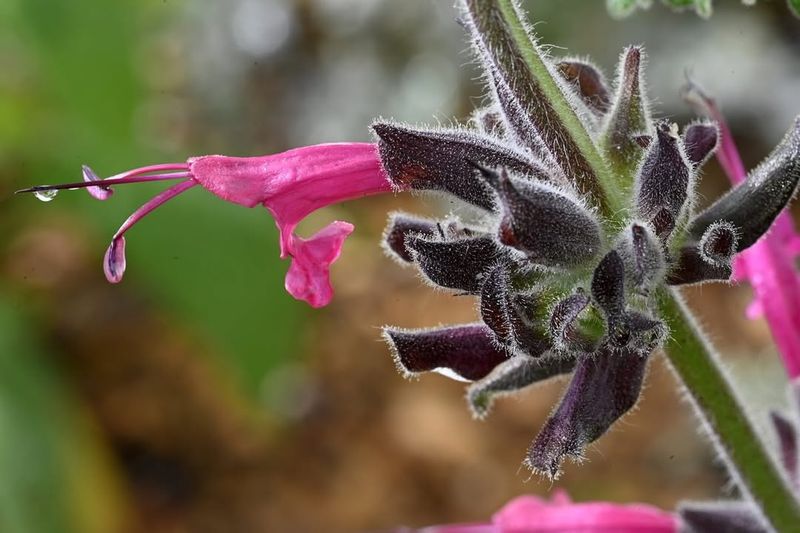
If you have a shady spot in your California garden that feels impossible to fill, Hummingbird Sage might be exactly the answer you have been looking for. This native perennial, known scientifically as Salvia spathacea, grows naturally in the shaded understory of oak woodlands and coastal scrub across California.
It handles low light conditions that would leave most flowering plants struggling to survive.
The flowers are spectacular. Tall spikes of deep magenta-pink blooms shoot up from the ground in spring, and the fragrance from the large, wrinkled leaves is warm and fruity, almost like fresh raspberries.
Hummingbirds are instantly attracted to the blooms, and you will often see them hovering around the plant from the moment the first flowers open.
Hummingbird Sage spreads slowly by underground rhizomes, gradually filling shaded areas with a lush, weed-suppressing groundcover that requires almost no maintenance. Fertilizer is completely unnecessary and can actually disrupt the plant’s natural spreading habit.
It thrives in dry shade, which is one of the trickiest conditions in any California garden. Water it occasionally during its first summer, and after that it largely takes care of itself.
Few native plants offer this combination of beauty, fragrance, and ease in challenging garden conditions.
9. California Buckwheat Thriving In Low-Nutrient Ground
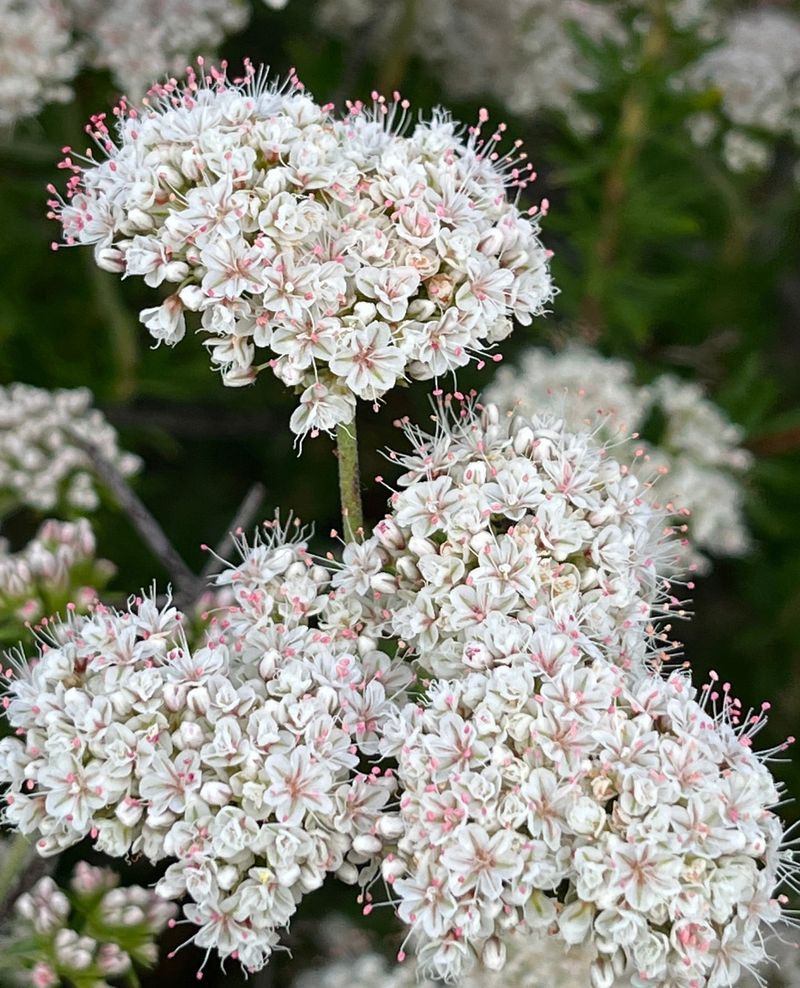
One of those native plants that looks different and equally beautiful in every season is California buckwheat. In spring and early summer, clusters of white and soft pink flowers cover the plant in a cloud of color.
As the season progresses, those flowers gradually shift to a warm, coppery-brown that glows in the afternoon light, giving the plant an entirely different kind of appeal through fall and winter.
Found naturally across California’s coastal sage scrub, chaparral, and desert foothills, Eriogonum fasciculatum is superbly adapted to the state’s dry, nutrient-poor soils. Fertilizer is generally not needed and may lead to weak growth that can reduce the plant’s longevity.
It prefers to be planted, watered through its first dry season, and then largely left alone.
From an ecological standpoint, California Buckwheat is a superstar. It supports an extraordinary number of native bee species and serves as a host plant for several species of native butterflies, including the beautiful Acmon blue.
Birds rely on the seed heads for food during the leaner months of winter. For gardeners across California who want a plant that gives back to the local environment in meaningful ways while asking for almost nothing in return, California Buckwheat is an outstanding choice.
10. Silver Lupine Enriching Soil While It Grows
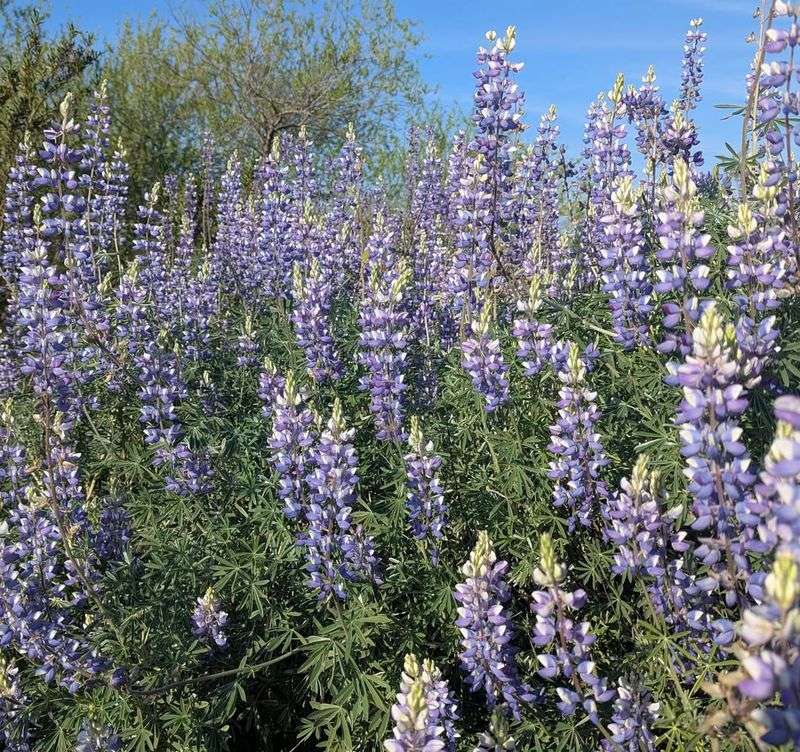
There is a certain wildness to Silver Lupine that makes it feel like a little piece of California’s untamed landscape brought right into your backyard. With its silvery, palm-shaped leaves that shimmer in the breeze and tall spikes of blue-purple flowers reaching toward the sky, Lupinus albifrons is one of the most visually striking native plants you can grow in California.
It has a bold, almost theatrical presence in the garden.
Silver Lupine belongs to the legume family, which means it has a built-in superpower. Like other legumes, it works with soil bacteria to fix nitrogen from the air into the soil, which can help enrich the surrounding area.
Adding fertilizer to this plant is not just wasteful, it can actually throw off this natural nutrient-fixing process and harm the plant’s long-term health.
It grows best in full sun with excellent drainage and is extremely drought-tolerant once established, making it perfectly suited to California’s Mediterranean climate. Bumblebees are particularly fond of Silver Lupine flowers, and the seeds provide food for native birds and small mammals.
This plant tends to be relatively short-lived but self-seeds readily, so a healthy patch will keep renewing itself year after year with almost no effort from the gardener.