These Shallow-Rooted Plants Struggle Most In California Dry Spells
Dry spells in California have a way of sneaking up on gardens, even in areas that do not usually feel extreme.
One stretch of hot, dry weather can change how plants look almost overnight, especially those with shallow roots.
These plants rely on moisture closer to the surface, which means they dry out faster when conditions shift. You might notice leaves wilting sooner, growth slowing down, or soil drying out before you expect it to.
It can be confusing when some plants hold up just fine while others start to struggle right next to them.
Paying attention to which ones are more sensitive to dry periods can help explain those differences and guide how you care for them when the weather turns.
1. Azaleas Drying Out Quickly In Heat
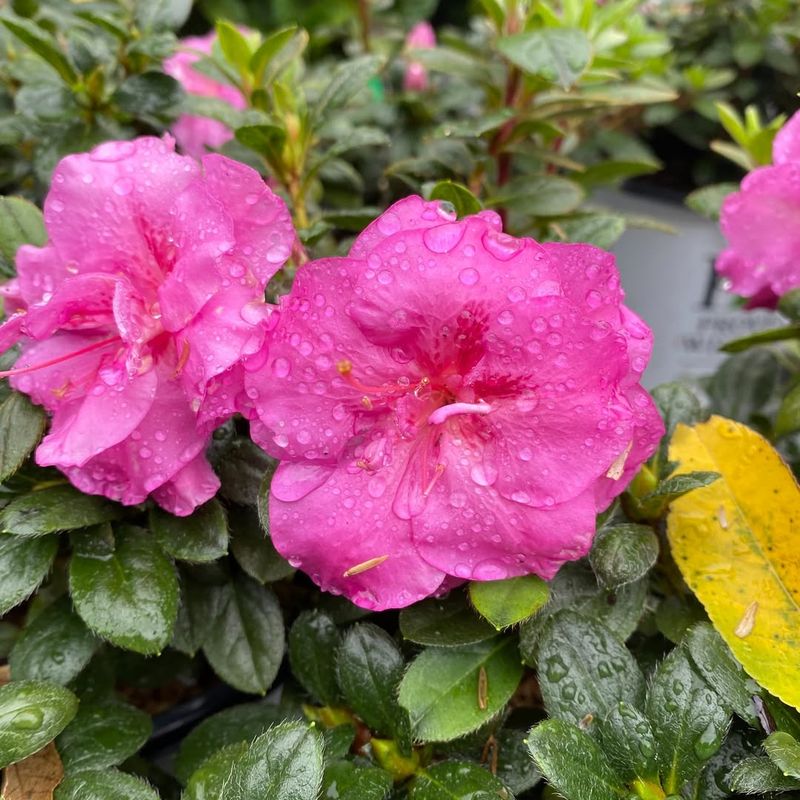
Loved for their vibrant spring display, azaleas have a shallow, delicate root system that is not well suited to California’s dry spells. These plants have fine, fibrous roots that stay close to the surface of the soil, usually within the top six to twelve inches.
When the ground dries out during a drought, those shallow roots have nowhere to go to find moisture.
In California, especially in regions like the Central Valley and Southern California, summers can stretch for months without meaningful rainfall. Azaleas planted in these areas quickly show signs of stress, including yellowing leaves, wilting, and leaf drop.
Even if you water them regularly, the heat can cause the topsoil to dry out faster than the roots can absorb the water.
Another challenge is that azaleas prefer acidic, well-draining soil that still retains some moisture. California’s native soils often lean alkaline and sandy, which drains quickly and leaves roots parched.
Mulching around the base of azaleas can help lock in moisture and keep the soil cooler during hot months. However, even with mulch and regular watering, azaleas in drought-prone parts of California require constant attention.
If you love azaleas and want to keep them healthy, consider planting them in containers where you can better control soil moisture, or place them in shaded spots that receive afternoon protection from intense California sun.
2. Rhododendrons Losing Strength Without Consistent Moisture
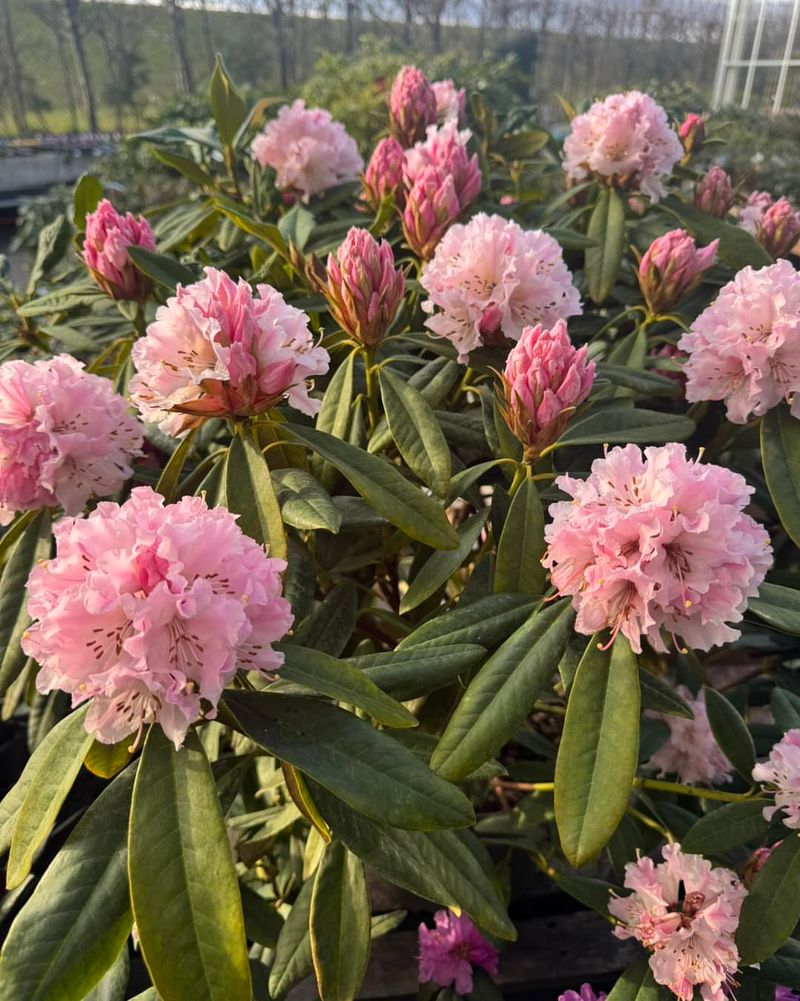
You might be surprised to learn that rhododendrons, those gorgeous flowering shrubs with big, waxy leaves, are actually quite fragile when it comes to dry conditions. Like their close cousins the azaleas, rhododendrons have shallow, spreading root systems that barely scratch below the surface of the soil.
When California enters a dry spell, those roots are left high and dry in the most literal sense.
Rhododendrons are naturally found in cool, moist mountain regions or forested areas with regular rainfall. Planting them in California’s warmer, drier zones is a bit like asking a fish to live on land.
They can survive for a while, but the stress builds up quickly. Signs of drought stress in rhododendrons include curling leaves, brown leaf edges, and a general droopy appearance that signals the plant is struggling to pull enough moisture from the ground.
Your California Garden Changes Every Week. Your Plan Should Too.
Gardening in California changes quickly throughout the season. Every Friday you’ll receive a simple weekly plan showing exactly what to plant, prune, fertilize, harvest, and protect so you never miss the right timing.
Northern California coastal areas offer slightly better conditions for rhododendrons because of the natural fog and cooler temperatures. But in places like Sacramento or the Inland Empire, these plants face a real uphill battle every summer.
Deep watering a few times per week during dry months can help push moisture further into the root zone. Adding a thick layer of organic mulch around the base is also a smart move.
If you are set on growing rhododendrons in drought-prone parts of California, choosing a spot with morning sun and afternoon shade makes a noticeable difference in how well they hold up.
3. Tulip Poplar Showing Stress In Dry Soil
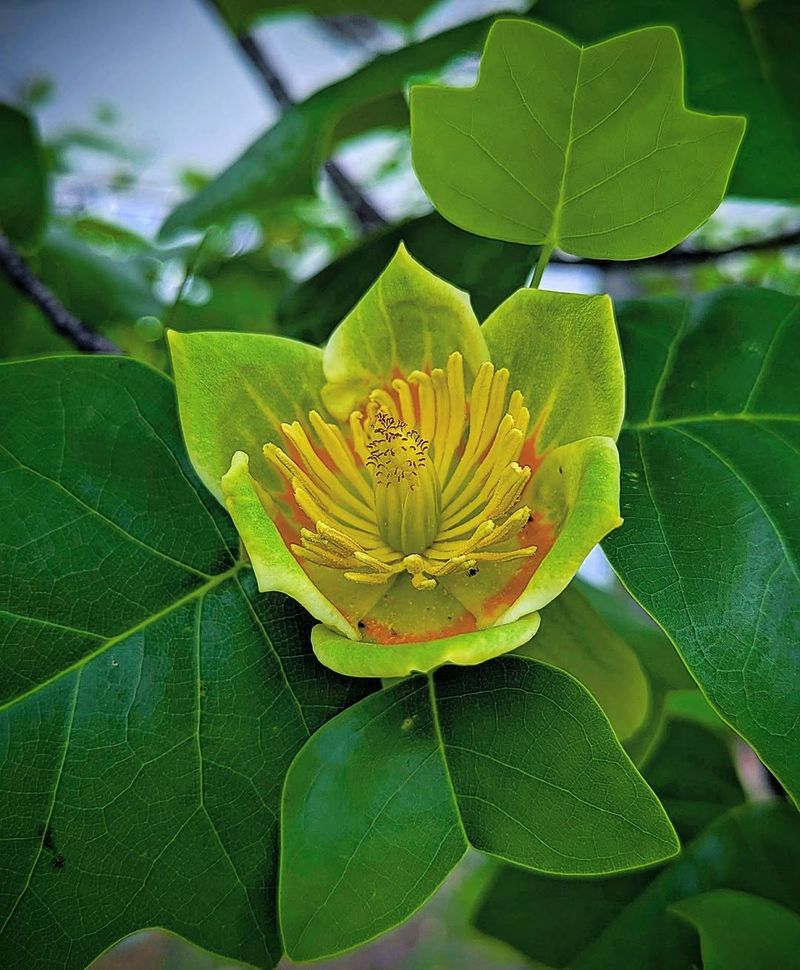
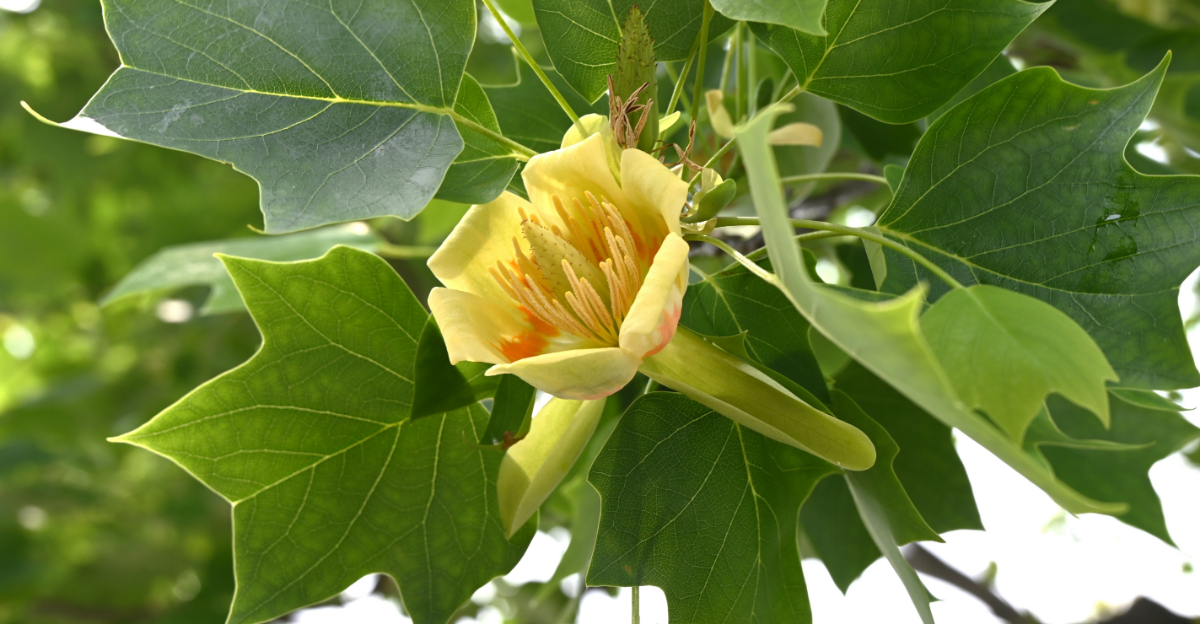
Few trees turn heads like the tulip poplar, with its tall, straight trunk and bright yellow-green flowers that look almost like tulips. But for all its visual appeal, this tree has a serious weakness when it comes to California’s dry spells.
Tulip poplars have a wide-spreading root system that can be relatively shallow in some soils, which can make them sensitive to dry surface conditions.
During a typical California dry season, which can last from late spring all the way through fall in many parts of the state, tulip poplars can show dramatic signs of stress. Leaves may start turning yellow and dropping well before autumn arrives, a condition sometimes called premature leaf drop.
Homeowners in the San Fernando Valley or Sacramento foothills often mistake this for a disease when it is actually just drought stress at work.
Tulip poplars are native to the eastern United States, where rainfall is more evenly distributed throughout the year. Bringing them to California’s Mediterranean climate is a stretch.
They need regular, deep watering to compensate for what nature is not providing. Drip irrigation systems placed around the drip line of the tree, not just at the base, can help deliver water directly to where the roots are spreading.
Without consistent irrigation, these trees can weaken over time and become more vulnerable to pests and disease. Think carefully before planting a tulip poplar in a water-restricted California neighborhood.
4. English Ivy Wilting Faster Than Expected
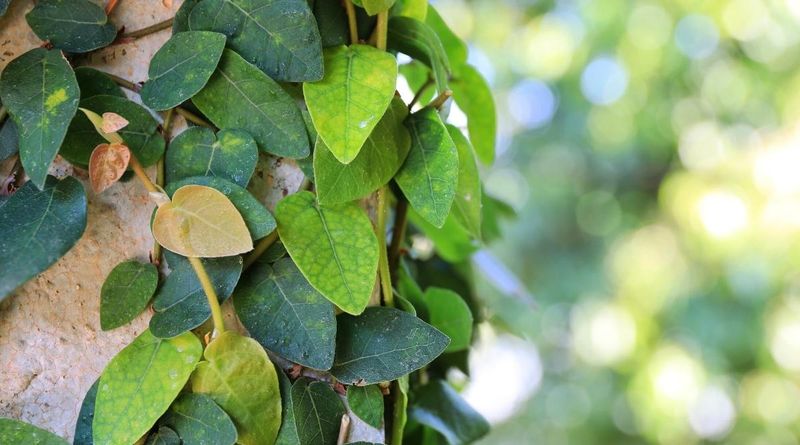
Often seen spreading quickly in mild climates, English ivy can come across as a tough, resilient plant. However, do not let that reputation fool you when a California dry spell rolls around.
Despite its vigorous growth habit, English ivy prefers consistent moisture and has many roots near the soil surface, which can make it sensitive to dry topsoil conditions.
In parts of California where ivy is commonly used as a ground cover, such as shaded hillsides in the Bay Area or garden borders in Los Angeles, drought conditions can cause the plant to brown out and thin rapidly. The leaves lose their glossy green color, turning dull and eventually crispy at the edges.
Once a large patch of ivy dries out, it can take a long time to recover, and bare patches may invite erosion or weed growth in the meantime.
Something worth knowing is that English ivy is actually considered an invasive species in California, so many experts recommend replacing it with native ground covers that are better suited to the climate. Plants like creeping sage or native strawberry handle dry conditions much more gracefully and support local wildlife at the same time.
If you already have ivy in your California garden, deep watering during dry months and adding mulch can help it hold on. But long-term, switching to drought-tolerant natives is a smarter and more sustainable choice for California landscapes.
5. Sweetgum Struggling When Surface Soil Dries
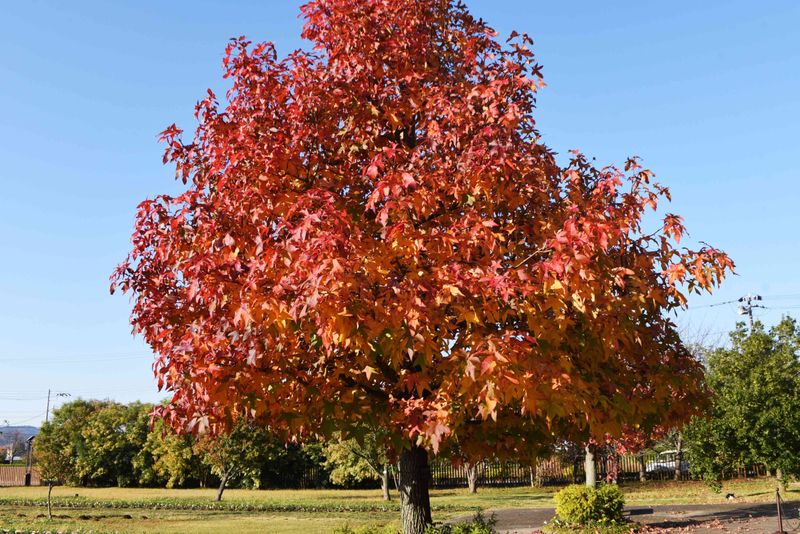
Known for their striking fall display, sweetgum trees light up the landscape with vivid autumn color. What they are less famous for is their ability to handle California’s long, dry summers.
Sweetgums have lateral roots that often spread near the surface and benefit from consistent moisture to support their canopy.
During California dry spells, sweetgum trees face real challenges. The tree’s wide canopy means there is a lot of leaf surface area losing water through a process called transpiration.
When the roots cannot pull up enough water from dry surface soil to keep up with what the leaves are releasing, the tree begins to show stress. Leaves may wilt, curl, or develop scorch marks along their edges, especially during heat waves that hit areas like the Central Valley hard.
Sweetgums are originally from the southeastern United States and parts of Central America, where summer rain is common. In California, gardeners who want to keep sweetgums healthy need to invest in a consistent irrigation schedule throughout the dry season.
Deep, slow watering is far more effective than frequent shallow watering because it encourages roots to reach a little deeper into the soil. Placing mulch around the base of the tree, extending out to the drip line, helps reduce soil temperature and slow down moisture loss.
Without these extra steps, sweetgums in California gardens often look stressed and unhappy well before the rainy season returns.
6. Ornamental Plums Dropping Leaves In Drought
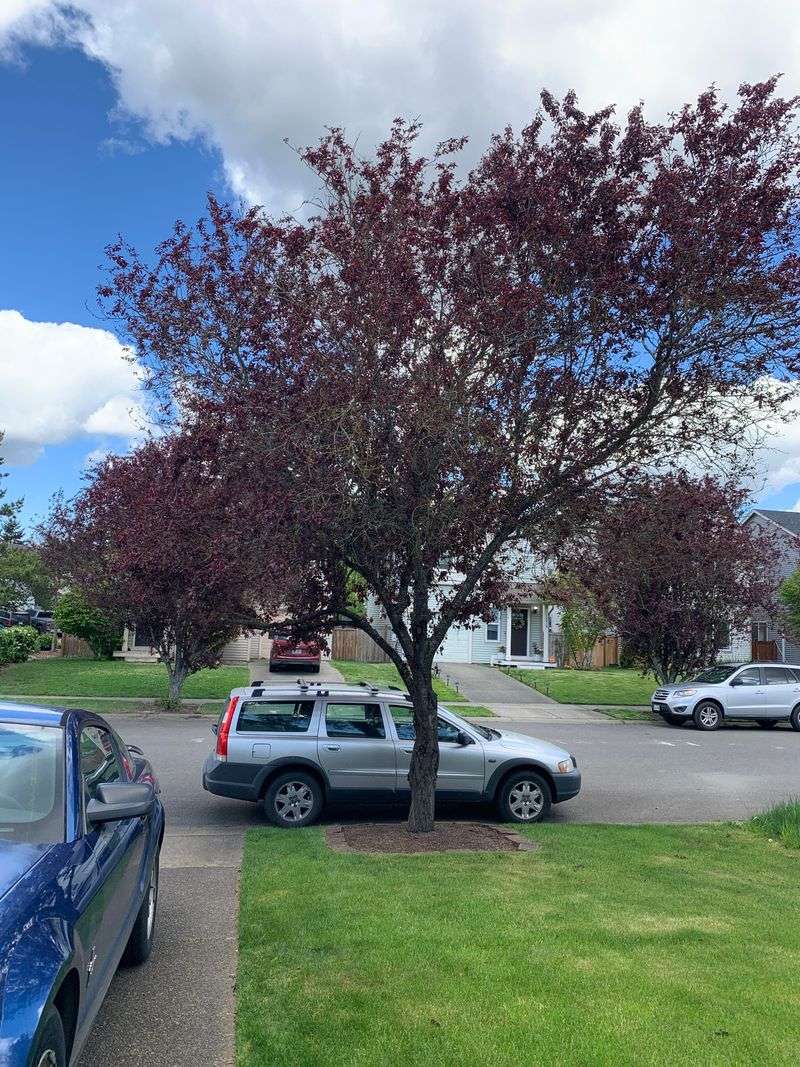
A popular choice in California neighborhoods, ornamental plums are valued for their striking foliage and early spring blossoms. You see them lining streets and filling front yards across the state.
But here is the thing most people do not realize at planting time: ornamental plums can have relatively shallow root systems, which may make them more sensitive to prolonged dry conditions.
When soil moisture drops during a dry spell, ornamental plums respond quickly and not in a good way. Leaves may start to look dull, curl inward, or develop brown edges.
In severe cases, the tree may drop its leaves earlier than expected as a way of conserving water. This can leave a tree looking bare and unhealthy by late summer, which is a disappointment for homeowners who planted them for year-round visual appeal.
The tricky part about ornamental plums in California is that overwatering can be just as harmful as underwatering. These trees prefer well-drained soil, so the goal is to water deeply but not too frequently.
Checking soil moisture a few inches below the surface before watering helps you avoid both extremes. Drip irrigation works well for ornamental plums because it delivers water slowly and directly to the root zone.
Adding a layer of wood chip mulch around the base helps moderate soil temperature and retain moisture between watering sessions. With the right care routine, ornamental plums can hold up reasonably well even during California’s challenging dry spells.
7. Magnolia Reacting Poorly To Dry Conditions
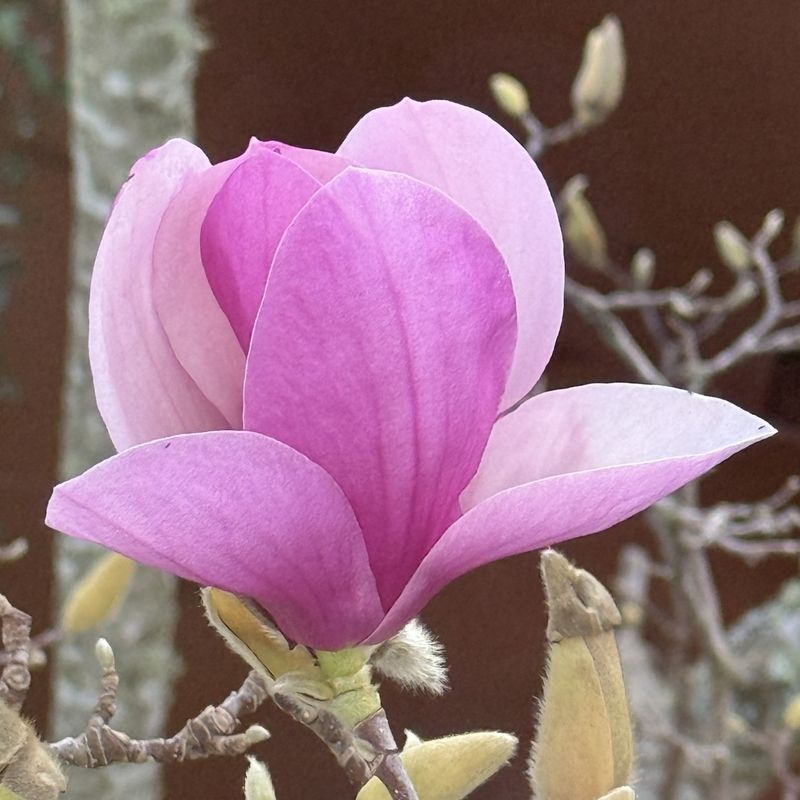
Many California homeowners fall in love with them at the nursery and bring them home without realizing how thirsty these trees can be. Magnolias have fleshy, rope-like roots that stay fairly shallow and are sensitive to both drought and soil disturbance, making California’s dry spells particularly tough on them.
During dry periods in California, magnolias often show their stress through leaf scorch, where the edges of the leaves turn brown and crispy. Younger magnolia trees are especially vulnerable because their root systems have not had time to establish and spread.
Even mature magnolias in places like the Sacramento region or the San Gabriel Valley can struggle when summer droughts stretch on for weeks without supplemental irrigation.
One thing that helps magnolias survive California dry spells is deep, infrequent watering. Watering slowly and deeply once or twice a week during hot months encourages the roots to stretch a little deeper in search of moisture.
Avoid frequent shallow watering because it trains the roots to stay near the surface, making the tree even more drought-sensitive over time. Keeping a wide circle of mulch around the base of the tree, at least three to four feet in diameter, helps hold moisture in and keeps soil temperatures down.
Magnolias planted in partial shade also tend to handle dry California summers better than those exposed to full afternoon sun all day.
8. Willow Declining Fast Without Steady Water
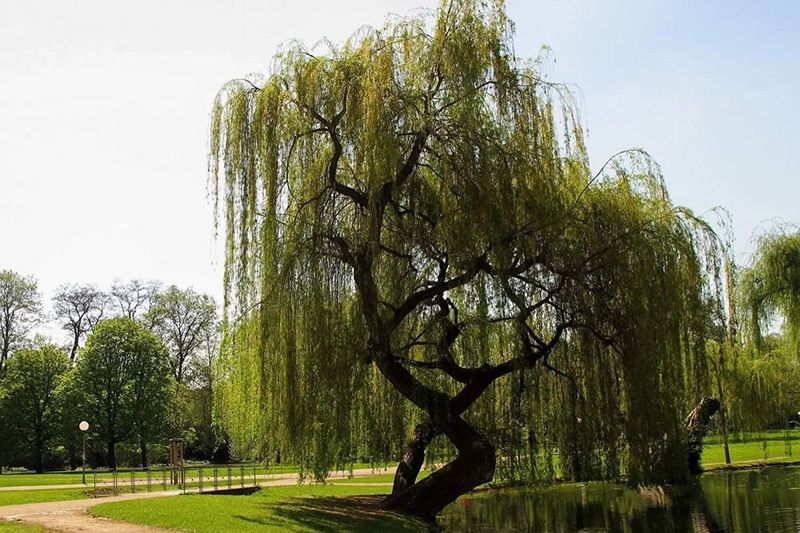
These graceful trees are almost synonymous with riverbanks, ponds, and wetlands, which tells you everything you need to know about how they handle dry conditions. Willows have an aggressive, wide-spreading root system that is shallow and constantly searching for water.
During a California dry spell, that search often comes up empty.
When soil moisture disappears, willow trees respond fast. Leaves turn yellow and begin to drop, branches may wilt dramatically, and the tree can look nearly lifeless within a relatively short time.
In areas of California where seasonal creeks and streams dry up in summer, willows that were planted near those water sources suddenly find themselves stranded without their lifeline. This is a common sight in foothill communities and valley neighborhoods throughout the state.
Interestingly, willows can actually bounce back well once water returns, which makes them somewhat resilient in the long run. But repeated drought stress weakens the tree over time and makes it more susceptible to pests and fungal issues.
If you have a willow in your California yard, setting up a deep drip irrigation system near the root zone during dry months can make a significant difference. Some gardeners also plant willows near gray water outlets or rain gardens to give them access to more consistent moisture.
Choosing a native willow species like the arroyo willow is a smarter move for California gardens because it is naturally adapted to the state’s boom-and-bust water cycles.