These Native Flowers Instantly Make Pennsylvania Homes Look Better
Some plants do more than fill a flower bed. They change the whole feel of a home. A few well-placed native flowers can make a Pennsylvania yard look brighter, more welcoming, and a lot more put together without feeling overly formal or forced.
That is part of their charm. They bring color and character in a way that feels natural, like the landscape is simply doing what it was meant to do.
That natural fit is a big reason native flowers can have such a strong visual impact. They already belong in Pennsylvania conditions, so they often look more comfortable, healthy, and at ease than plants that struggle to keep up.
Many also offer the kind of details that instantly improve curb appeal, whether that means bold blooms, soft texture, long flowering periods, or a looser garden style that still looks attractive and intentional.
When chosen well, they can frame a walkway, brighten the front of the house, and make the whole property feel more lively.
Sometimes the easiest way to make a home look better is to start with flowers that already know how to thrive there.
1. Purple Coneflower
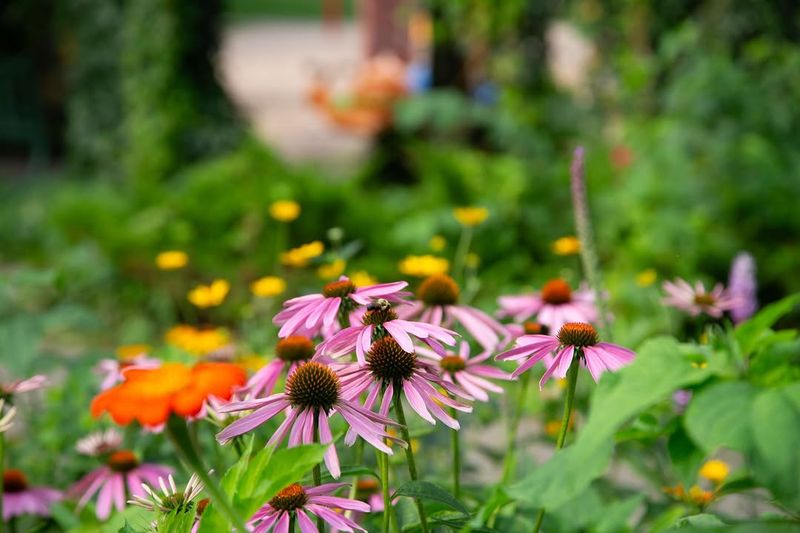
Few flowers in the native plant world make as bold a statement as the purple coneflower. With its rich pink-purple petals and raised, spiky center, it is the kind of plant that stops people in their tracks.
Gardeners across Pennsylvania have loved it for years, and it is easy to see why. Purple coneflower, known by its scientific name Echinacea purpurea, is a tough perennial that comes back every year without much fuss. Plant it once and enjoy it season after season.
It blooms from midsummer into early fall, giving your beds and borders a long window of color when many other plants start to fade.
One of the best things about this plant is how full and lush it makes a garden look. A small cluster of purple coneflowers instantly makes a bed feel more established and polished.
It has that easy, cottage-garden charm that homeowners love. You can mix it with other native plants or let it stand on its own as a bold focal point.
In Pennsylvania, it thrives in full sun and handles summer heat without complaint. It also tolerates dry spells once it is established, which makes it perfect for busy homeowners who do not have time to water constantly.
Bees and butterflies absolutely flock to it, which adds even more life and movement to your front yard. If you want one flower that does almost everything right, purple coneflower is the one to start with.
2. Bee Balm
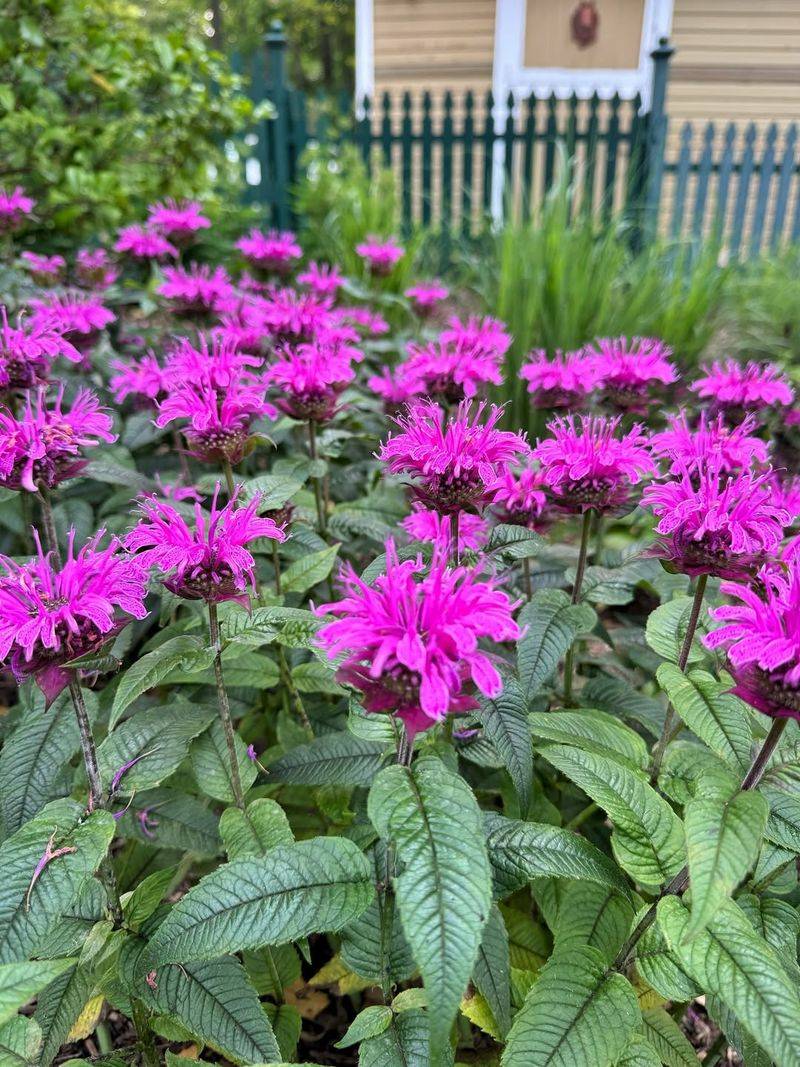
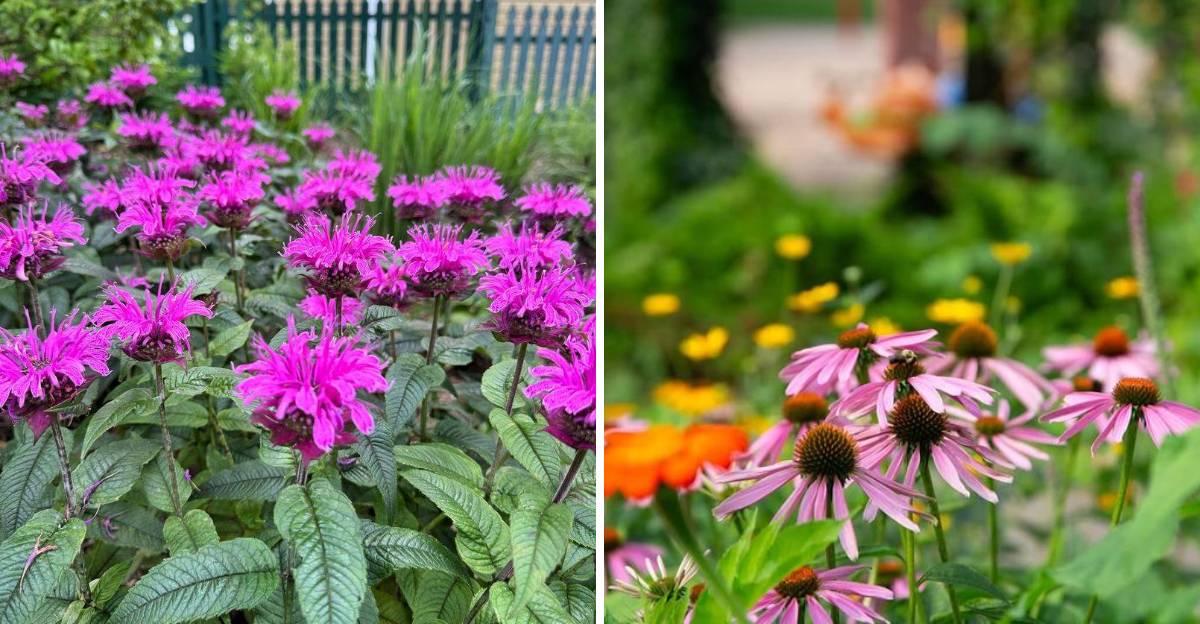
There is something almost wild and exciting about bee balm that sets it apart from every other flower in the garden. Its shaggy, layered blooms look like little fireworks frozen in place.
Neighbors will definitely notice when this one is in full bloom along your Pennsylvania front yard.
Bee balm, or Monarda didyma, is a native perennial that adds rich color and a slightly upscale, lush garden look at the same time. It comes in shades of red, pink, purple, and white, so you can pick the color that works best with your home’s exterior.
Your Pennsylvania Garden Changes Every Week. Your Plan Should Too.
Gardening in Pennsylvania changes quickly throughout the season. Every Friday you’ll receive a simple weekly plan showing exactly what to plant, prune, fertilize, harvest, and protect so you never miss the right timing.
It typically blooms in midsummer, right when you want your yard to look its most impressive.
One reason Pennsylvania gardeners keep coming back to bee balm is how layered and full it makes a planting look. When you group several plants together, the effect is stunning.
The blooms stack and overlap in a way that feels both wild and intentional, giving your landscape real personality.
Bee balm grows best in full sun to light shade and prefers moist, well-drained soil. It spreads over time, so you will eventually have more plants to fill in empty spots or share with neighbors.
Hummingbirds love it just as much as bees do. Planting bee balm near your front walkway or entry garden creates a lively, welcoming atmosphere that makes your home feel vibrant and cared for every single day it blooms.
3. Butterfly Weed
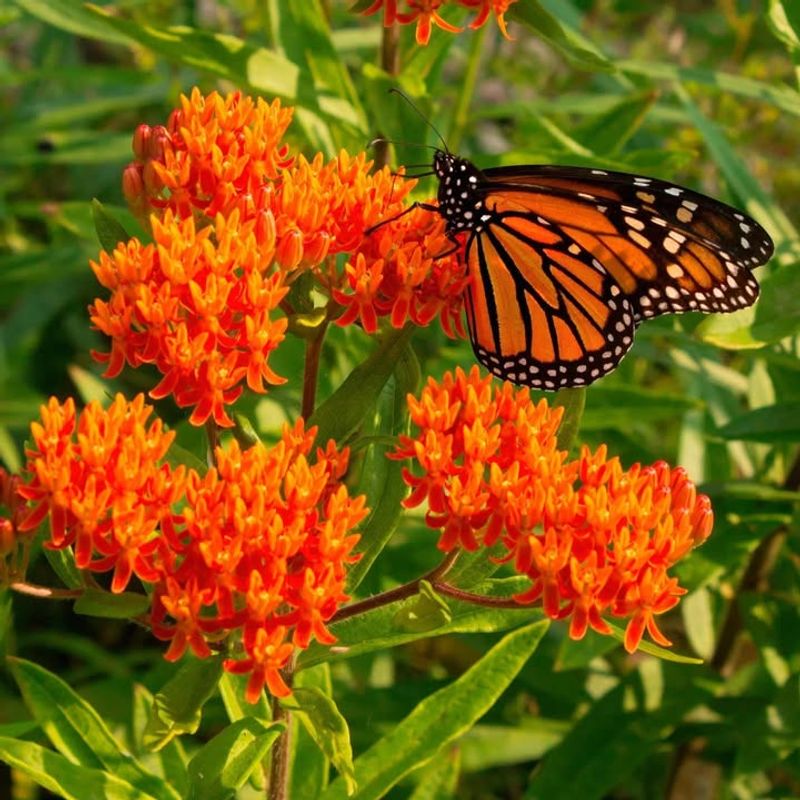
Vivid, bold, and impossible to overlook, butterfly weed is the native flower that brings a serious pop of color to any Pennsylvania yard.
Its clusters of intense orange blooms glow against green lawns and dark mulch like little flames. If your front yard feels flat or dull, this plant is a fast fix.
Butterfly weed, or Asclepias tuberosa, is a member of the milkweed family, which makes it a critical host plant for monarch butterflies. Planting it is not just a visual upgrade.
It is also a meaningful contribution to the local ecosystem right here in Pennsylvania. Watching monarchs flutter around your front yard is a bonus that never gets old.
This plant loves full sun and thrives in well-drained soil, including sandy or rocky spots where other plants struggle.
It is deeply drought-tolerant once established, which means less watering and less worry for you. It grows about two feet tall and forms a tidy mound that fits perfectly in a sunny front bed.
Butterfly weed blooms from late spring through midsummer, and the orange flowers are striking against virtually any home color. Pair it with purple coneflower or blue false indigo for a color combination that looks professionally designed.
Because it grows naturally throughout Pennsylvania, it is well-suited to the local climate and soil conditions. Low maintenance and high impact, butterfly weed is one of the smartest native plants you can add to your landscape this season.
4. Blue False Indigo
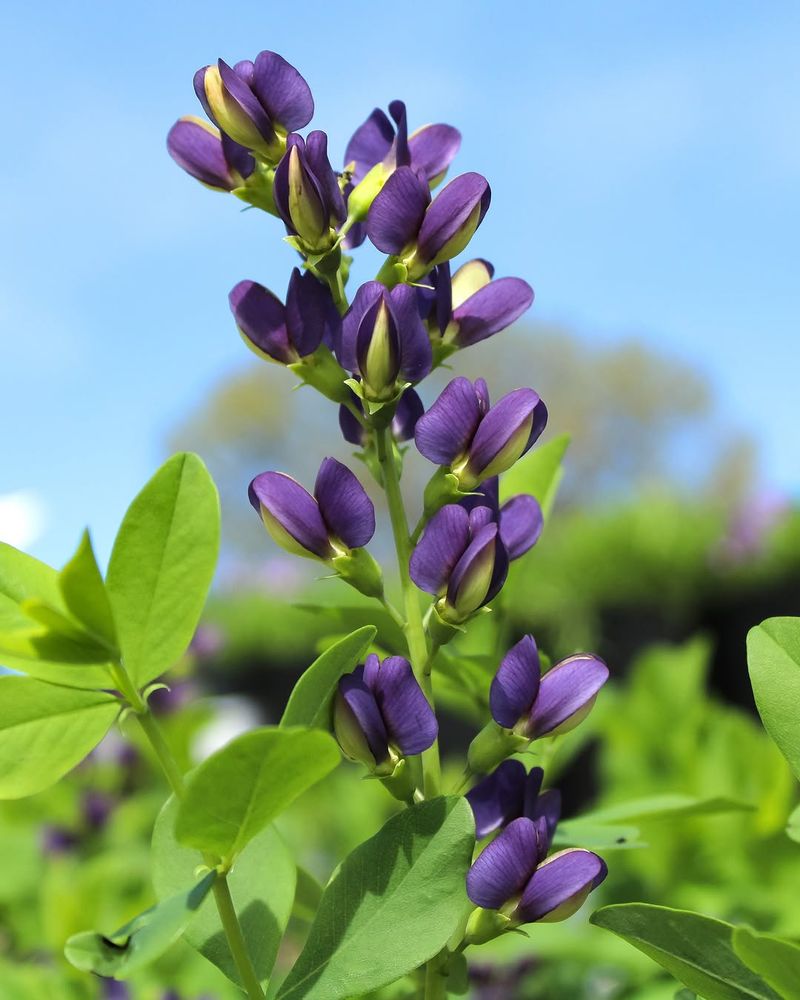
If your Pennsylvania yard needs a plant that looks refined and well-planned, blue false indigo is the answer.
It stands upright like a small shrub, with tall, elegant spikes of soft blue-purple flowers that bloom in mid to late spring. It brings a sense of structure and intention to any garden bed.
Blue false indigo, or Baptisia australis, is a native perennial that has been growing wild across Pennsylvania for centuries. It is incredibly long-lived.
Once established, a single plant can thrive in the same spot for decades without needing to be divided or replaced. That kind of reliability is rare and valuable in a garden plant.
What makes this plant especially useful for curb appeal is how it looks even after the flowers are gone.
The blue-green foliage stays attractive all summer, and the dark seed pods that form in late summer add another layer of visual interest. Your garden looks full and substantial from spring through fall, not just during bloom time.
Blue false indigo grows three to four feet tall and wide, making it a solid anchor plant for mixed borders or foundation plantings. It prefers full sun to light shade and is very tolerant of clay soil, which is common in many parts of Pennsylvania.
Once it settles in, it handles drought without any trouble. Pair it with yellow or orange native flowers to create a stunning contrast that makes your whole front yard look more intentional and polished.
5. Wild Columbine
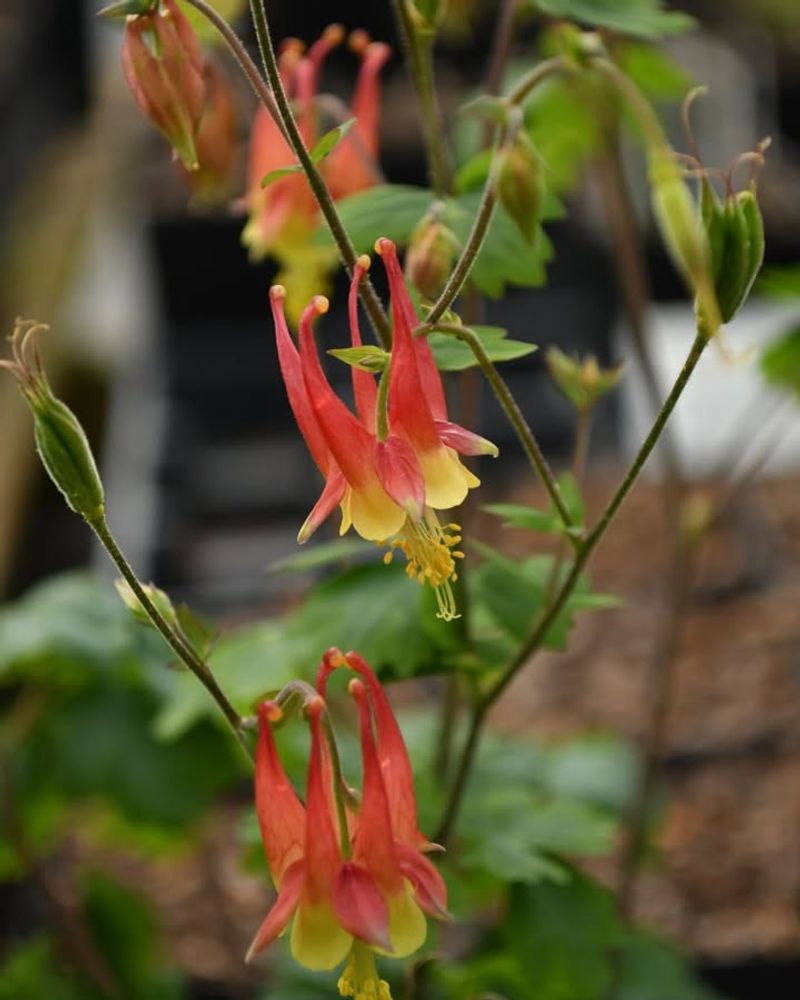
Spring in Pennsylvania feels incomplete without wild columbine. Its nodding red-and-yellow flowers have a delicate, almost magical quality that softens the edges of any garden. Hanging gracefully from slender stems, they look like little lanterns swaying in the breeze.
Wild columbine, or Aquilegia canadensis, is one of the earliest native perennials to bloom in Pennsylvania, often flowering in April and May. That early color is incredibly valuable.
Most yards look bare and dull in early spring, so having a plant that brings vibrant blooms right when the season starts gives your home an instant advantage in the neighborhood.
It grows naturally in woodland edges and rocky outcroppings across Pennsylvania, which means it is perfectly at home in part-shade spots where other flowering plants refuse to grow.
Plant it under trees, along shaded walkways, or in foundation beds that do not get much direct sun. It fills those tricky spots with charm and color that feels completely natural.
Wild columbine reaches about two feet tall and has attractive blue-green foliage that stays pretty even after the flowers fade. It self-seeds gently, so over time you will have a soft, drifting colony that looks like it has always been part of the landscape.
Hummingbirds are especially drawn to the tubular red flowers. For homeowners who want a lighter, more natural beauty in their front yard without a lot of effort, wild columbine is a perfect and rewarding choice every spring.
6. Garden Phlox
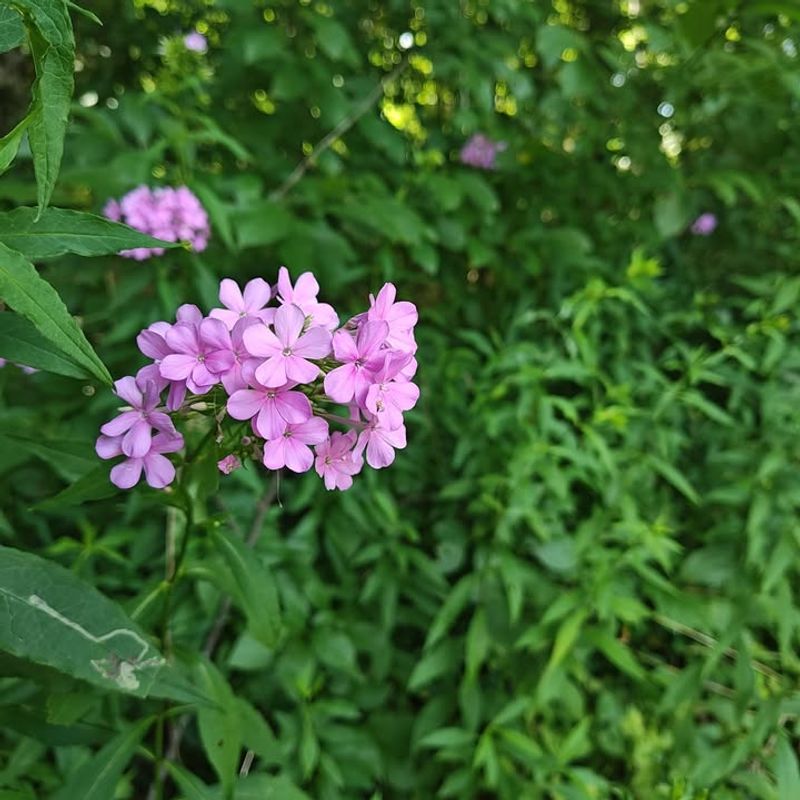
Walk past a yard full of garden phlox in bloom and you will understand immediately why Pennsylvania gardeners are so devoted to it.
The big, domed clusters of flowers in shades of pink, lavender, white, and red are breathtaking. It is the kind of plant that makes a landscape look instantly lush and established.
Garden phlox, or Phlox paniculata, is a tall native perennial that typically reaches three to four feet in height. That height matters for curb appeal.
It creates a sense of fullness and volume in a border that shorter plants simply cannot achieve. When planted in groups along a front walkway or near the porch, it frames the home beautifully.
It blooms in midsummer, which is prime time for anyone who wants their Pennsylvania home to look its best during the warm months. The blooms last for several weeks and attract butterflies and hummingbirds in impressive numbers.
The fragrance is also wonderful, especially in the evening when the scent drifts through open windows.
Garden phlox grows best in full sun with moist, well-drained soil. Good air circulation helps keep the foliage healthy, so space plants about eighteen inches apart.
Deadheading spent flowers encourages more blooms and keeps the plant looking tidy throughout the season.
For homeowners who want big, showy color that signals a well-loved and well-tended yard, garden phlox delivers that result every single summer without fail.
7. Lanceleaf Coreopsis
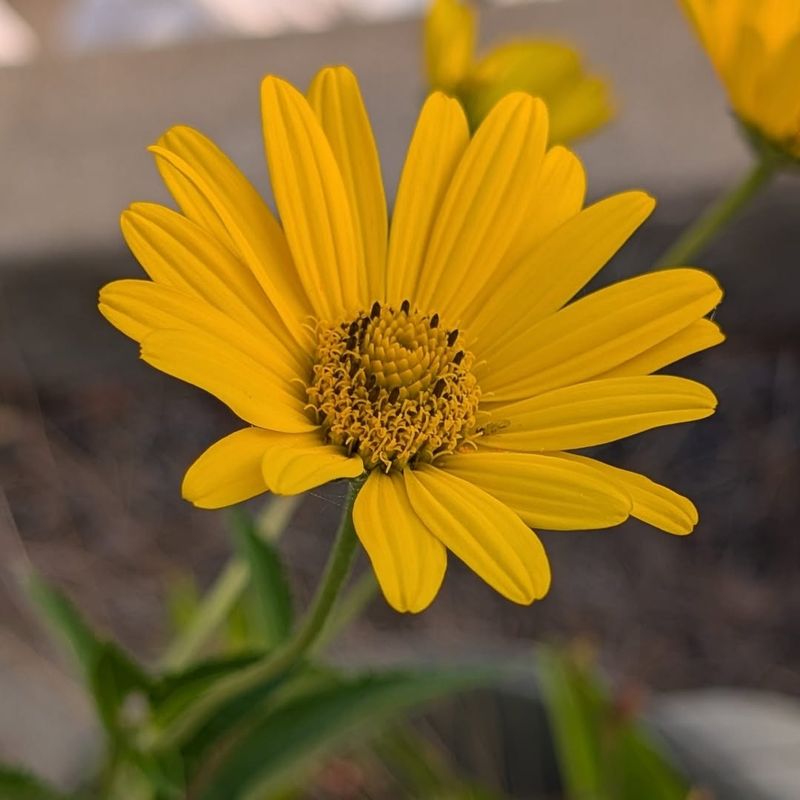
Sunny, cheerful, and endlessly generous with its blooms, lanceleaf coreopsis is one of those native plants that just makes people smile.
The bright yellow flowers look like tiny suns scattered across the garden, and they keep coming back week after week from late spring well into summer. Few plants give you more color for less effort.
Lanceleaf coreopsis, or Coreopsis lanceolata, is a true Pennsylvania native that thrives in full sun and tolerates poor, dry soil better than almost any other flowering perennial.
If you have a hot, dry front bed that bakes in the afternoon sun, this is your plant. It will not just survive there. It will genuinely thrive and look fantastic doing it.
The plant grows about one to two feet tall, which makes it ideal for the front edge of a border or along a sidewalk where you want low, colorful plants that do not block the view of your home.
The yellow blooms pair beautifully with blue, purple, or white flowers, creating a fresh, classic color palette that looks welcoming from the street.
Lanceleaf coreopsis also attracts bees and butterflies, adding lively movement to your front yard all season long. It is a short-lived perennial but self-seeds reliably, so the colony naturally replenishes itself year after year.
For Pennsylvania homeowners who want a low-fuss, high-reward native flower that keeps the front yard looking bright and inviting from spring through summer, lanceleaf coreopsis is an easy and excellent choice.