Native Shrubs That Make Better Landscape Choices Than Crape Myrtle In North Carolina
Drive through almost any North Carolina neighborhood, and you will spot crape myrtles putting on their summer show.
They are everywhere, but more homeowners are starting to wonder if there are better-fitting choices for their landscape.
Native shrubs bring color, structure, and a sense of place while also supporting birds and pollinators that rely on them.
Across North Carolina’s varied soils and climates, these plants tend to settle in with less effort once established.
For anyone looking to refresh their yard with something that feels more connected to the region, these native shrubs are well worth a closer look.
1. Oakleaf Hydrangea Brings Blooms And Fall Color
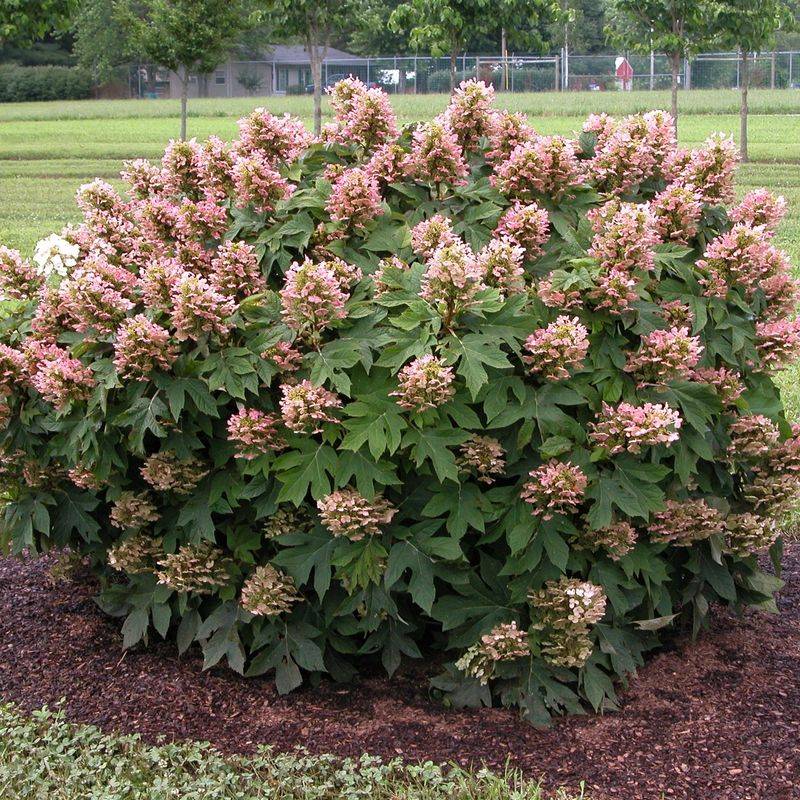
Few native shrubs in North Carolina can match the oakleaf hydrangea when it comes to sheer year-round visual impact.
From late spring through early summer, it produces large, cone-shaped white flower clusters that slowly age to a warm pinkish-tan, giving the shrub a soft, textured look that lasts for months.
The blooms alone make it a standout, but that’s just the beginning.
Come fall, the large, deeply lobed leaves shift to shades of burgundy, orange, and bronze – a display that rivals many dedicated ornamental trees.
Even in winter, the plant earns its space with attractive peeling bark that adds structure and texture to bare garden beds.
North Carolina homeowners in the Piedmont and Mountain regions especially appreciate how this shrub handles cold winters without complaint.
Oakleaf hydrangea grows best in partial shade with well-drained, slightly acidic soil – conditions that are easy to find across much of North Carolina. It typically reaches six to eight feet tall and wide, so give it room to spread naturally.
Pruning should be kept minimal and done right after flowering to avoid removing next season’s buds. Unlike crape myrtle, it doesn’t need heavy annual cutting to look its best.
Birds and pollinators also visit the flowers, adding ecological value that a non-native shrub simply cannot replicate in a North Carolina landscape.
2. Sweetspire Adds Fragrance And Easy Growth
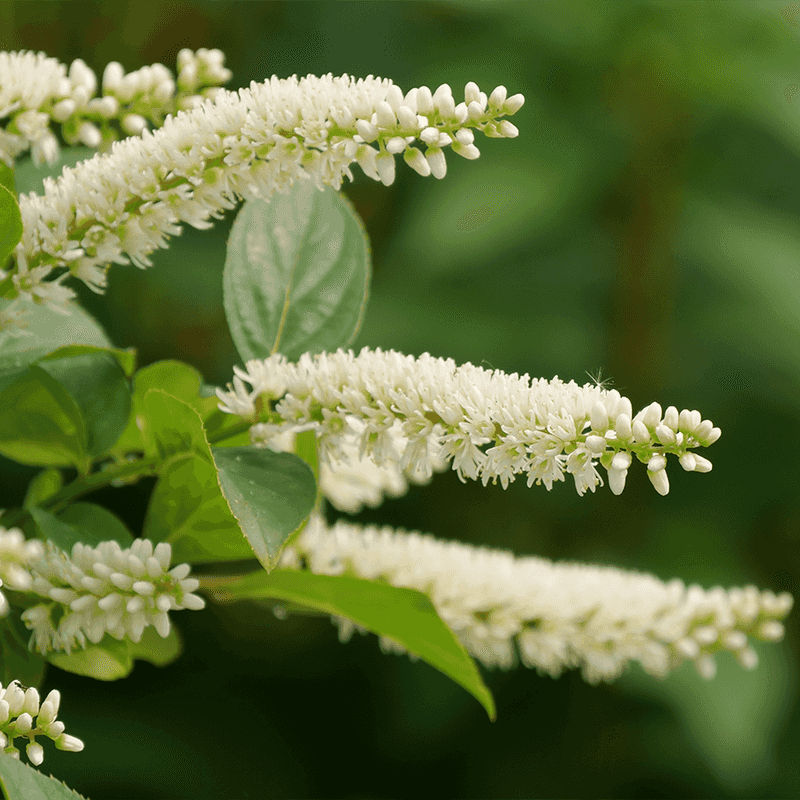
Walking past a sweetspire in bloom on a warm North Carolina morning is a sensory experience worth planning for.
The arching white flower spikes release a light, sweet fragrance that drifts across the garden, attracting bumblebees, honeybees, and small butterflies in impressive numbers.
Blooming in late spring to early summer, it fills a seasonal gap that many other shrubs leave wide open.
Beyond the blooms, sweetspire earns its keep through sheer adaptability. It handles wet soils, dry soils, full sun, and partial shade with minimal complaint – a flexibility that few shrubs can honestly claim.
Across North Carolina’s varied landscapes, from the soggy low spots of the Coastal Plain to the heavier clay soils of the Piedmont, sweetspire adjusts and performs reliably season after season.
The fall color on sweetspire is genuinely impressive, shifting through shades of red, orange, and purple before the leaves drop.
Plants typically grow four to six feet tall and spread gradually through root suckers, forming a natural, layered look over time.
Your North Carolina Garden Changes Every Week. Your Plan Should Too.
Gardening in North Carolina changes quickly throughout the season. Every Friday you’ll receive a simple weekly plan showing exactly what to plant, prune, fertilize, harvest, and protect so you never miss the right timing.
Spacing plants about four feet apart allows them to fill in without crowding. Maintenance is refreshingly low – occasional shaping keeps it tidy, but heavy pruning is not necessary.
For North Carolina homeowners who want fragrance, wildlife value, and seasonal color without the fuss of crape myrtle care, sweetspire checks every box.
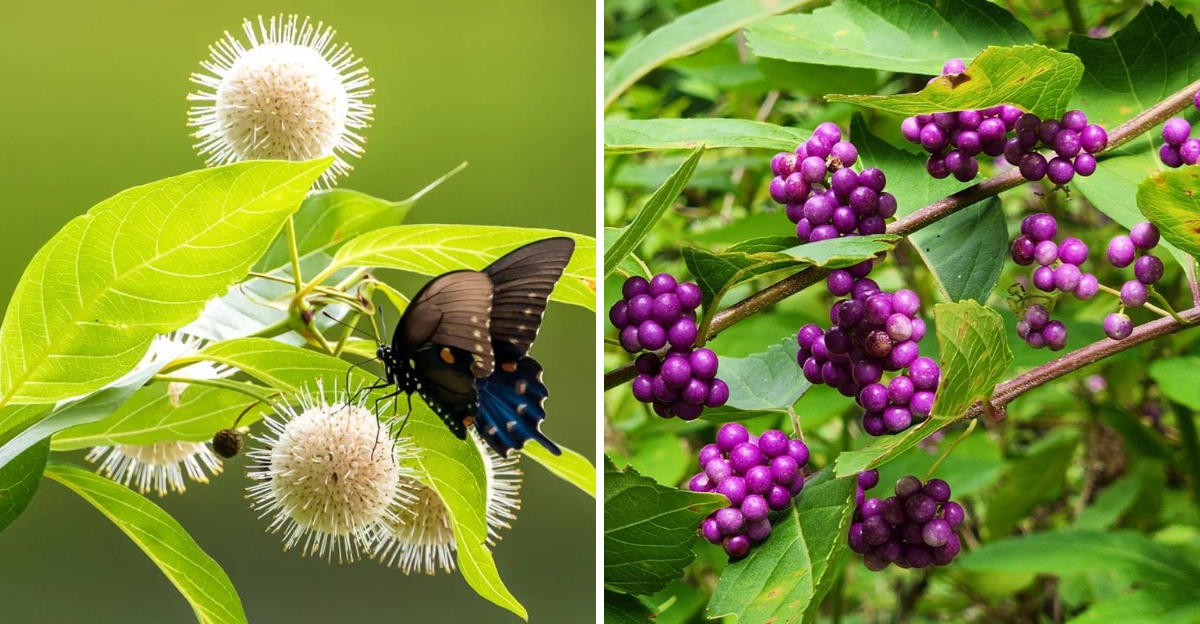
3. Buttonbush Attracts Pollinators With Summer Blooms
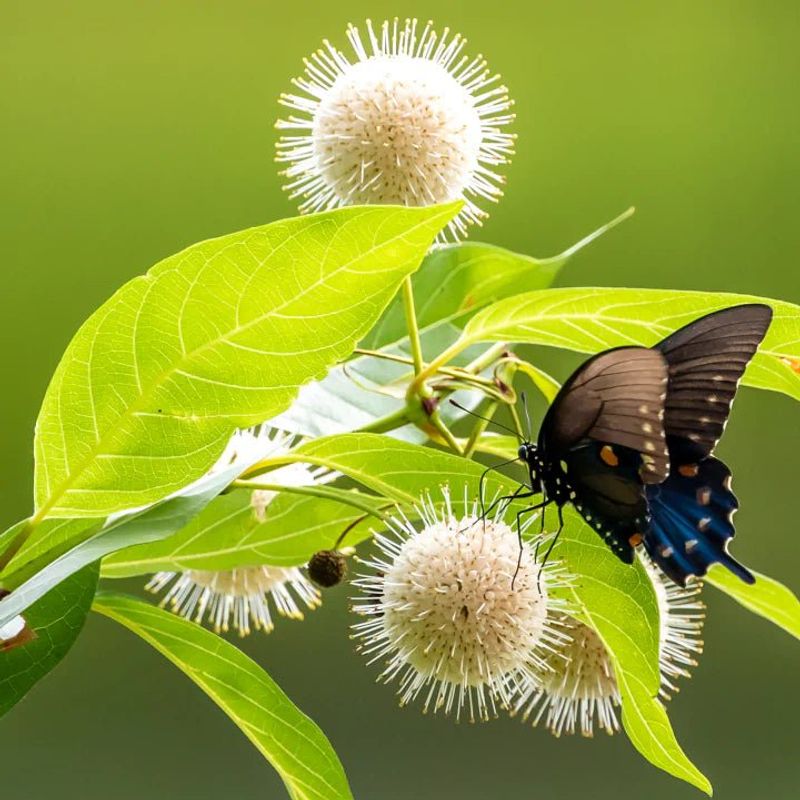
There is something almost whimsical about buttonbush in full bloom – the round, pincushion-like white flower heads look like something out of a botanical illustration, drawing curious glances from anyone who hasn’t seen them before.
Blooming in midsummer, buttonbush fills a flowering window that many other native shrubs have already closed, making it especially useful for keeping pollinator activity going through the hottest months.
Bees, butterflies, and hummingbirds are strongly attracted to buttonbush flowers, and the seeds that follow provide food for waterfowl and songbirds well into fall and winter.
For North Carolina homeowners with wet or low-lying areas that are difficult to plant, buttonbush is one of the best solutions available.
It thrives in consistently moist to wet soils and handles periodic flooding without missing a beat – a performance that very few ornamental shrubs can match.
In average garden soils with reasonable moisture, buttonbush also performs well, though it may need occasional watering during dry stretches in North Carolina summers.
It can grow six to twelve feet tall in ideal conditions, so placement near a pond edge, rain garden, or naturalized area gives it the space it needs to develop its natural form.
Full sun to partial shade suits it well. Compared to crape myrtle, buttonbush offers far greater ecological value for North Carolina’s native bees and butterflies, making it a meaningful upgrade for wildlife-conscious homeowners.
4. Fothergilla Adds Spring Flowers And Fall Color
Spring in North Carolina comes alive with flowering trees and bulbs, but fothergilla brings something a little different to the seasonal lineup.
Before the leaves even fully open, the shrub covers itself in small, fragrant white flower spikes that resemble bottlebrushes, creating a light and airy look that feels genuinely fresh after a long winter.
The honey-like scent is subtle but noticeable, especially on calm mornings.
Fothergilla belongs to the witch-hazel family and shares that group’s reputation for outstanding fall color.
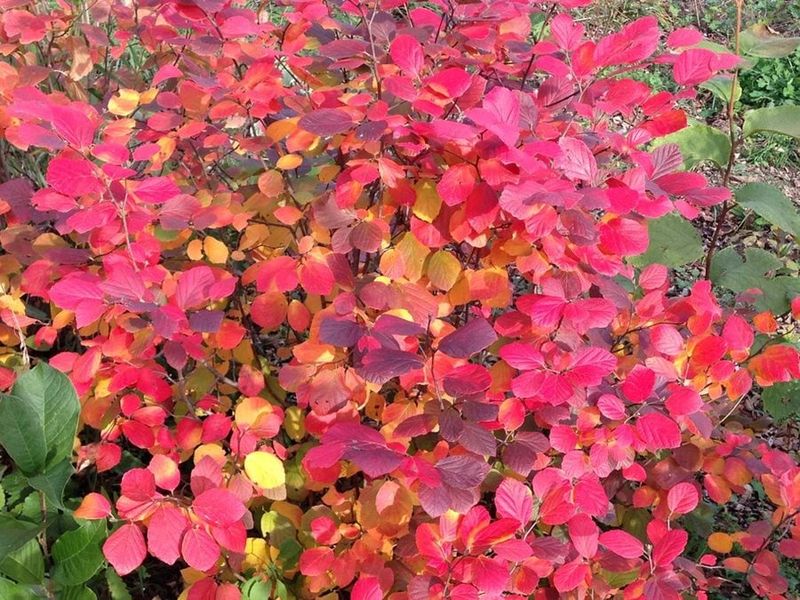
As temperatures cool across North Carolina, the leaves transform into a patchwork of yellow, orange, and deep scarlet – sometimes all three colors appearing on the same plant at once.
Few native shrubs can claim both reliable spring interest and fall color of this quality in such a compact package.
Dwarf fothergilla typically grows two to three feet tall, while the larger species reaches around six feet, giving homeowners options depending on their available space.
Both prefer well-drained, acidic soils with consistent moisture and do best in partial shade, though they can handle more sun in cooler mountain areas of North Carolina.
They are slow growers, so patience is rewarded with a long-lived, low-maintenance shrub. Pollinators visit the spring flowers enthusiastically, adding wildlife value from the first warm days of the season.
As a crape myrtle alternative, fothergilla offers four-season interest in a much more ecologically meaningful form.
5. American Beautyberry Stands Out With Purple Berries
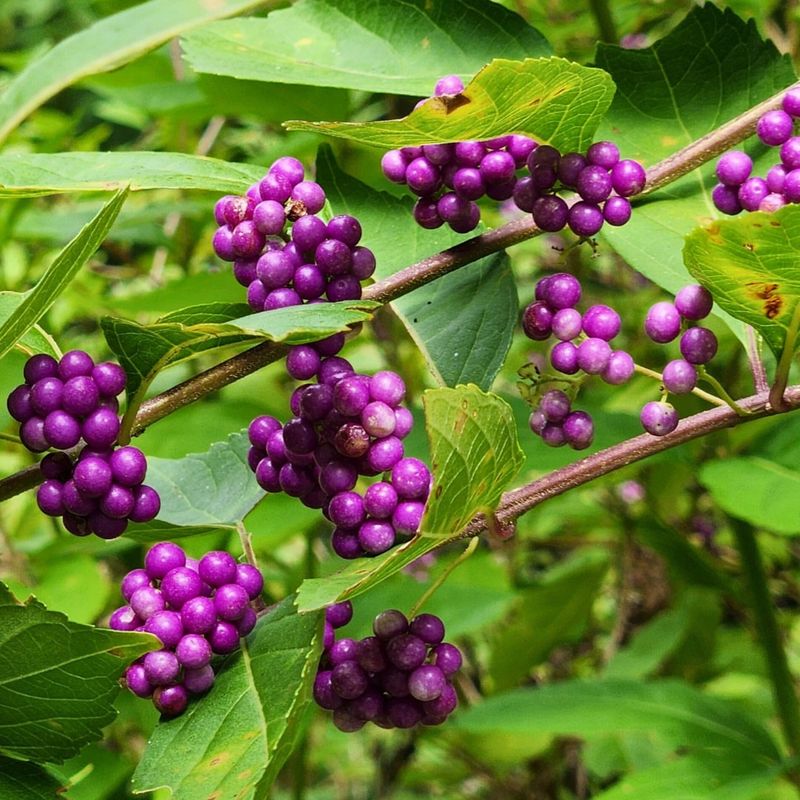
Bold, electric purple berry clusters wrapped tightly around arching branches – American beautyberry has a look that stops people mid-stride and prompts the inevitable question: what is that plant?
The berries appear in late summer and intensify through fall, creating one of the most eye-catching displays of any native shrub in North Carolina.
Even skeptics of native planting tend to become fans once they see beautyberry in fruit.
Beyond the visual drama, those berry clusters are a genuine wildlife resource. More than forty species of birds have been documented feeding on beautyberry fruit, including mockingbirds, robins, and brown thrashers – all common visitors to North Carolina yards.
Deer also browse the foliage, which is worth considering when choosing a planting location, though the shrub rebounds quickly from grazing pressure.
American beautyberry grows vigorously in partial shade to full sun and tolerates a wide range of soil types found across North Carolina, from the sandy soils of the Coastal Plain to the red clay of the Piedmont.
It typically reaches four to six feet tall and wide, though it can be cut back hard in late winter to keep a tidier shape and encourage vigorous new growth with abundant fruit.
Small, pale pink flowers appear in summer before the berries develop, attracting pollinators during a quieter period in the garden calendar.
As a crape myrtle swap, beautyberry delivers drama, wildlife value, and seasonal interest in equal measure.
6. Winterberry Holly Adds Color In Winter
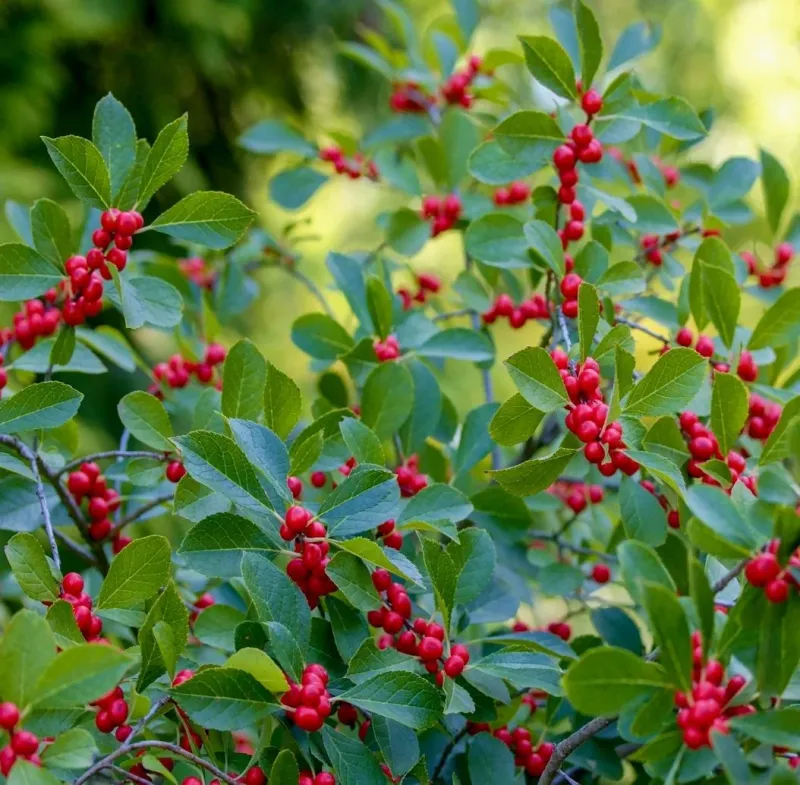
When most shrubs in North Carolina have dropped their leaves and the landscape settles into muted browns and grays, winterberry holly ignites the garden with dense clusters of brilliant red berries that cling to bare branches through the coldest months.
The contrast of bright red against a winter sky – or a fresh dusting of snow in the mountains – creates a visual impact that no amount of summer blooms can quite replicate.
Winterberry is a deciduous holly native to eastern North America and well-suited to North Carolina’s range of growing conditions.
It performs especially well in moist to wet soils, making it an excellent choice for low spots, rain gardens, and areas near ponds or streams where other shrubs struggle to establish.
In the Coastal Plain and Piedmont regions of North Carolina, where wet winter soils are common, winterberry is a practical as well as beautiful choice.
One planning detail worth noting: winterberry is dioecious, meaning you need at least one male plant near your female plants for berry production to occur. A single male can pollinate several females within about fifty feet.
Female plants typically grow six to ten feet tall and wide over time. Birds, including cedar waxwings and bluebirds, descend on the berries in late winter when other food sources are scarce.
For North Carolina homeowners wanting genuine four-season value, winterberry holly provides winter color that crape myrtle simply cannot offer.
7. Carolina Allspice Brings Fragrance And Native Appeal
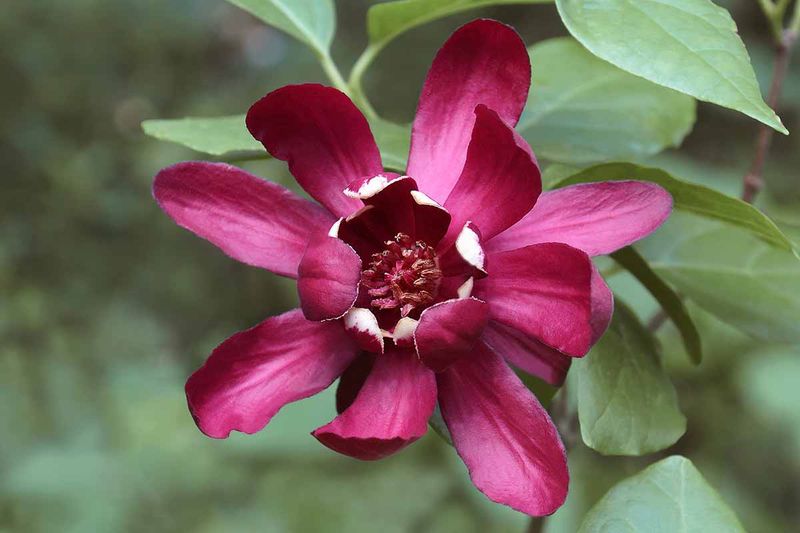
Some plants earn their place in a garden through showy flowers or dramatic fall color, but Carolina allspice earns its spot through something more subtle and memorable – fragrance.
The deep burgundy, strap-petaled flowers that appear in spring release a rich, spicy-sweet scent that many people compare to strawberries, banana, or clove, depending on the individual plant.
It’s an aroma that tends to linger in the memory long after the visit.
Native to the southeastern United States and found naturally in parts of North Carolina, Carolina allspice – also known as sweetshrub – has been valued in American gardens for centuries.
Early settlers used the aromatic bark and leaves, and the shrub has remained a quiet favorite among gardeners who appreciate plants with genuine regional character.
Glossy, dark green leaves provide a clean backdrop for the unusual flowers and give the shrub a polished look through the growing season.
Carolina allspice grows six to nine feet tall in average garden conditions and adapts well to partial shade, which makes it a natural fit beneath taller trees common in North Carolina landscapes.
It prefers moist, well-drained, slightly acidic soils and appreciates consistent moisture during its first year of establishment.
Once settled in, it requires very little attention. Light pruning after flowering helps maintain a tidy shape.
As a crape myrtle alternative that offers fragrance, native heritage, and quiet seasonal beauty, Carolina allspice brings something genuinely special to North Carolina gardens.