7 Pink Flowers That Thrive In Pennsylvania Heat All Summer
Some flowers start strong in spring, then seem to lose steam the second summer heat settles in. That is what makes reliable pink bloomers such a great find for a Pennsylvania garden.
They bring color, softness, and a cheerful feel to beds, borders, and containers, but the best ones also have the stamina to keep looking good when the weather turns hot. A flower that can stay pretty through the tougher part of the season earns its place fast.
Pink flowers have a special way of brightening a yard without feeling too loud. Some add a romantic touch, while others bring a fun burst of color that makes the whole space feel more lively.
In Pennsylvania, though, beauty alone is not enough. Summer can bring stretches of heat, humidity, and dry weather that leave weaker plants looking worn out long before the season ends.
That is why the smartest choices are the ones that can keep blooming, keep growing, and keep the garden looking fresh all summer. When you find pink flowers that can handle the heat and still put on a show, the whole yard benefits.
1. Garden Phlox
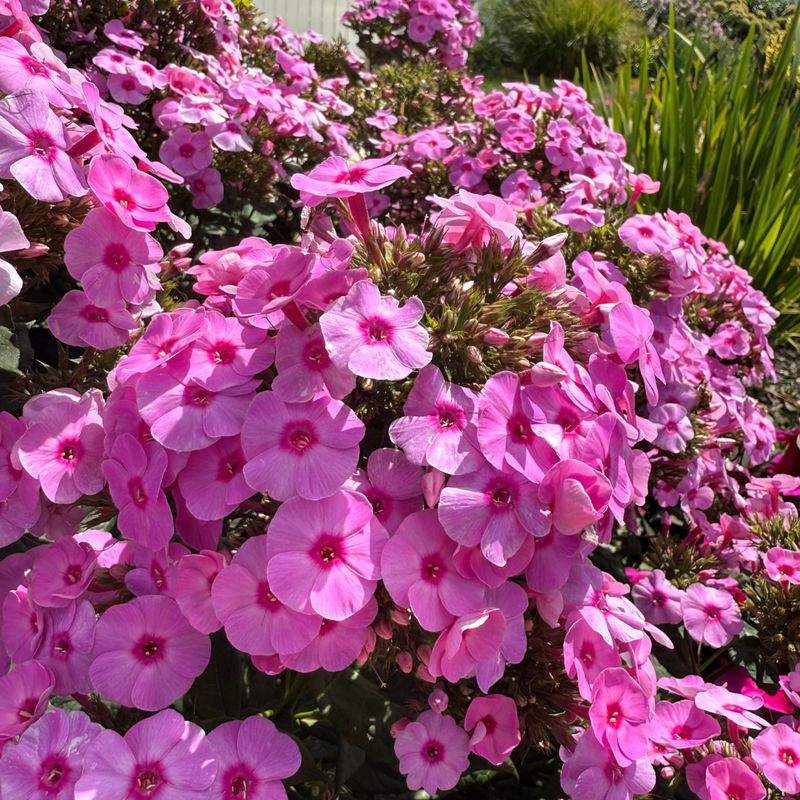
Few flowers say “summer” quite like Garden Phlox. Walk through almost any established Pennsylvania neighborhood in July, and you will likely spot its big, rounded clusters of pink blooms standing tall above the greenery.
This perennial is a classic for a reason, and once you plant it, it comes back year after year without much fuss.
Garden Phlox (Phlox paniculata) does best in full sun, meaning it needs at least six hours of direct sunlight each day. It prefers well-drained soil that is kept slightly moist.
In Pennsylvania, the summer heat can dry out garden beds quickly, so adding a layer of mulch around the base of the plant helps hold in moisture and keeps the roots cool.
One thing to watch with Garden Phlox is powdery mildew, a common fungal issue in humid climates like Pennsylvania’s.
To reduce the risk, plant it where air can circulate freely around the stems. Avoid overhead watering, and instead water at the base of the plant in the morning.
The blooms appear from mid-summer through early fall, giving you weeks of color right when many other plants start to fade. Deadheading, which means removing spent flower clusters, encourages the plant to produce new blooms.
Garden Phlox also attracts butterflies and hummingbirds, making your outdoor space feel alive and lively all season long. It looks stunning when planted in groups of three or more along the back of a flower border.
2. Purple Coneflower (Pink Varieties)
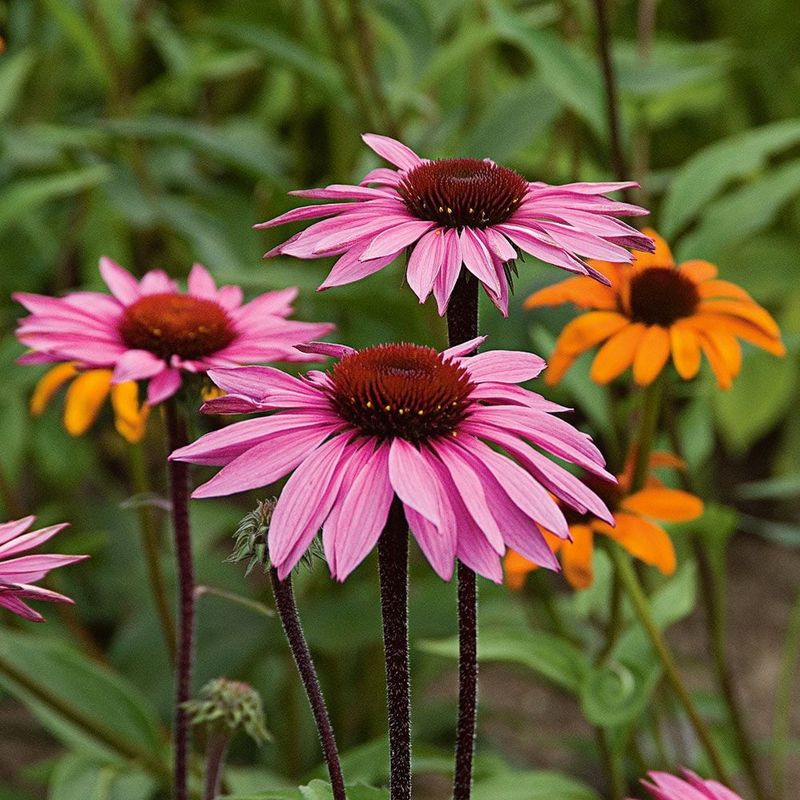
Tough, cheerful, and practically unstoppable, the Pink Coneflower is one of the best choices for Pennsylvania gardeners who want reliable summer color without constant babysitting.
Echinacea purpurea, commonly called Purple Coneflower, comes in several pink shades ranging from pale blush to deep rose. Once established, it handles heat, drought, and poor soil like a champion.
Coneflowers are native to North America, which means they are perfectly adapted to the kinds of weather swings Pennsylvania throws at a garden. They bloom from early summer all the way into fall, and each flower lasts for weeks before fading.
Your Pennsylvania Garden Changes Every Week. Your Plan Should Too.
Gardening in Pennsylvania changes quickly throughout the season. Every Friday you’ll receive a simple weekly plan showing exactly what to plant, prune, fertilize, harvest, and protect so you never miss the right timing.
The raised, spiky center cone is a magnet for bees, butterflies, and goldfinches, so planting coneflowers is also a great way to support local wildlife.
Plant coneflowers in full sun for the best results. They can tolerate partial shade, but flowering may be reduced.
Well-drained soil is important because coneflowers do not like sitting in wet conditions for long periods. During the first growing season, water regularly to help roots establish. After that, they are remarkably drought-tolerant.
One fun fact about coneflowers is that the dried seed heads left on the plant through winter provide food for birds during colder months. If you want more plants, you can divide established clumps every three to four years in spring.
Popular pink varieties to look for include Magnus, Kim’s Knee High, and PowWow Wild Berry. They work beautifully in both formal garden beds and casual cottage-style plantings across Pennsylvania.
3. Zinnias
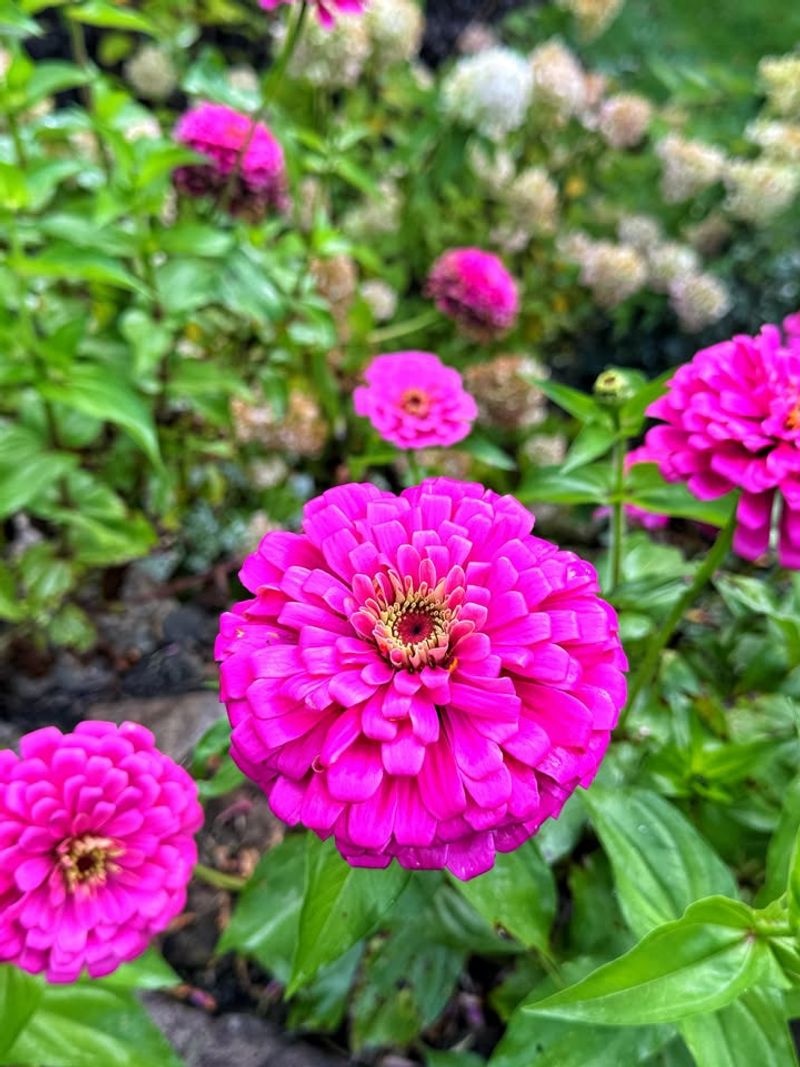
If there is one flower that flat-out loves summer heat, it is the zinnia. These fast-growing annuals are practically made for Pennsylvania summers.
The hotter and sunnier the spot, the better they perform. From mid-summer until the first frost, zinnias pump out bright pink blooms with almost no effort on your part.
Zinnias are incredibly easy to grow from seed. You can direct-sow them right into the garden after the last frost date, which in most parts of Pennsylvania falls between late April and mid-May.
They sprout quickly, sometimes within a week, and start blooming in about eight to ten weeks. No need for a greenhouse or fancy equipment. Just scatter seeds in a sunny spot, water them in, and step back.
One of the best things about zinnias is that the more you cut them, the more they bloom. Bringing fresh pink zinnia bouquets inside actually encourages the plant to produce even more flowers.
Regular deadheading also keeps the plant looking tidy and productive all season long. Make sure to water at the base of the plant rather than overhead to help prevent fungal leaf spots, which can be an issue in humid Pennsylvania summers.
Zinnia ‘Oklahoma Pink’ is a standout variety with sturdy stems and abundant blooms that hold up well in heat.
Plant zinnias in masses for a bold, colorful display that attracts butterflies and adds serious curb appeal to any Pennsylvania yard from June through October.
4. Petunias (Heat-Tolerant Varieties)
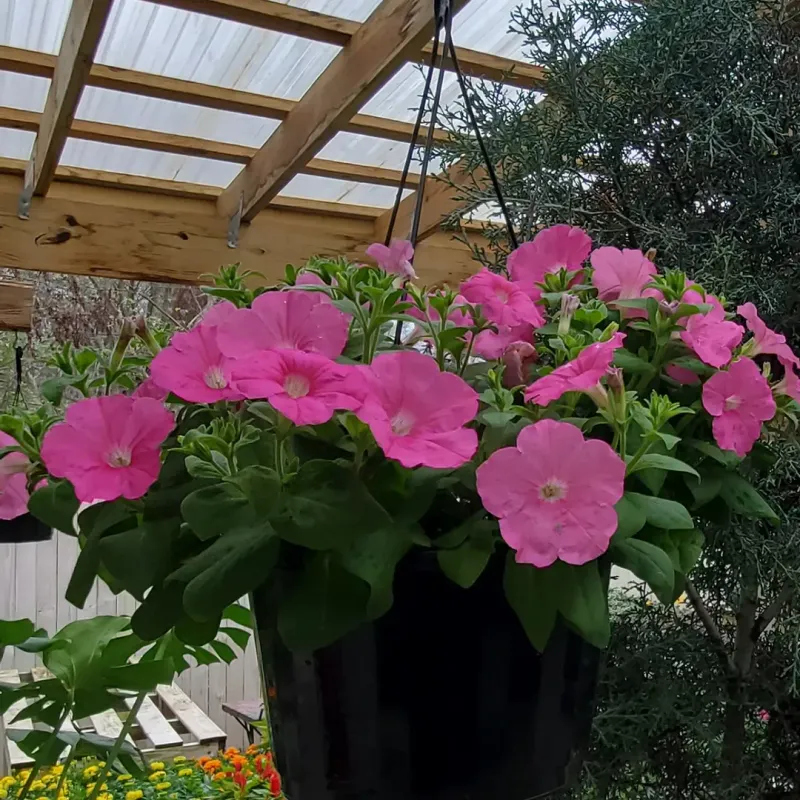
Petunias have been a garden favorite for generations, and modern heat-tolerant varieties have made them even better suited for Pennsylvania summers. Older petunia types used to struggle in intense heat, getting leggy and stopping their blooms.
But newer series like Supertunia, Wave, and Tidal Wave were specifically bred to keep going strong even when temperatures climb into the 90s.
Pink petunias look especially stunning when planted in hanging baskets, window boxes, or large containers on a porch or patio. They spill beautifully over the edges and create a waterfall of color that lasts all season.
In Pennsylvania, where summer can bring both scorching heat and heavy rain, choosing a well-draining container mix is key to keeping petunias healthy and blooming.
Petunias need full sun, at least six hours per day, to perform at their best. They are not shy about asking for food either.
Feed them with a balanced, water-soluble fertilizer every one to two weeks throughout the summer. This steady nutrition is what keeps the blooms coming nonstop rather than slowing down by August.
Deadheading spent blooms helps with some varieties, though many modern types are self-cleaning and drop their old flowers on their own. If your petunias start to look stretched out and bare in the middle of summer, give them a light trim to about half their length.
They will bounce back within a couple of weeks, fuller and blooming better than before. Pink petunias are an easy win for any Pennsylvania gardener.
5. Dianthus
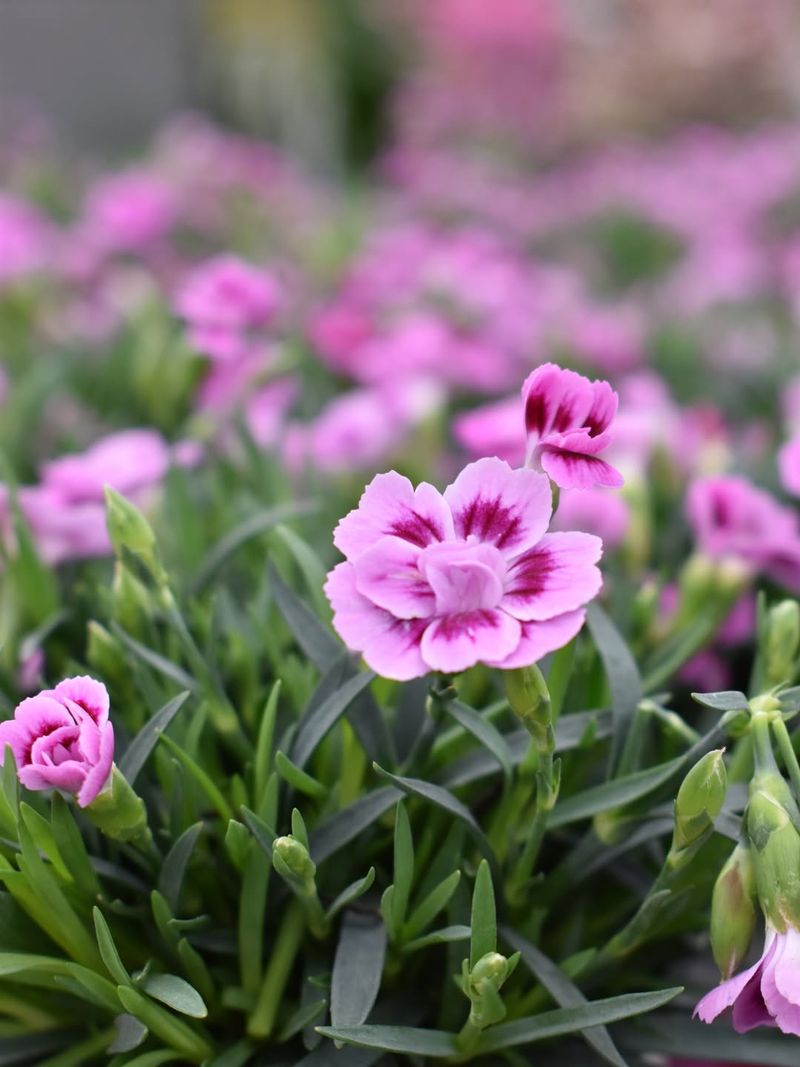
There is something wonderfully old-fashioned about Dianthus. Also called pinks or carnations depending on the variety, these compact little plants have been brightening up gardens for centuries.
Their fringed, ruffled petals and sweet clove-like fragrance make them stand out in any garden bed or border. And yes, they handle Pennsylvania summer heat surprisingly well.
Dianthus plants stay low and tidy, usually reaching six to twelve inches tall. That makes them perfect for the front of a flower border, along pathways, or tucked into rock gardens.
They love full sun and well-drained, slightly alkaline soil. If your Pennsylvania garden has heavy clay soil, mixing in some compost and coarse sand before planting will help Dianthus thrive.
Some Dianthus varieties are annuals, while others are short-lived perennials. Varieties like Firewitch (Dianthus gratianopolitanus) and Telstar are known for their ability to rebloom through the summer if deadheaded regularly.
Cutting back the spent flower stems after the first flush of bloom encourages a second and sometimes third round of flowering before fall arrives.
Dianthus does not like wet roots, so avoid overwatering. In fact, letting the soil dry out slightly between waterings is perfectly fine for most varieties.
One interesting detail is that Dianthus flowers are edible and have historically been used to decorate cakes and salads.
Beyond that fun bit of history, they are just genuinely beautiful plants that bring fragrance, color, and charm to Pennsylvania gardens without demanding a lot of extra care from you.
6. Cosmos
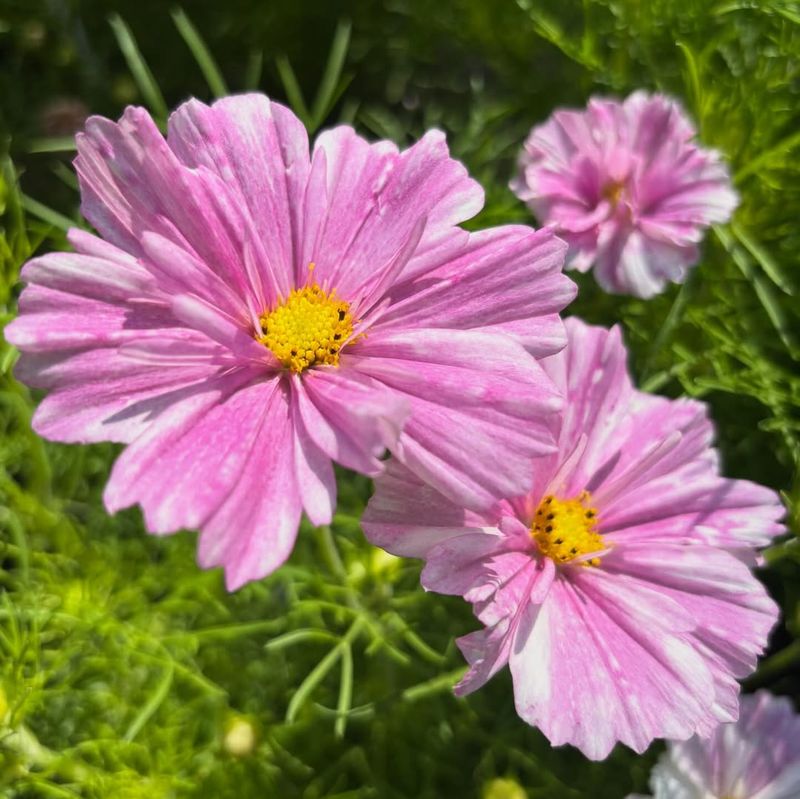
Cosmos are the free spirits of the summer garden. Their feathery, almost fern-like foliage and soft pink blooms give off a relaxed, wildflower vibe that feels completely at home in Pennsylvania gardens.
Unlike many flowers that demand rich, carefully prepared soil, cosmos actually prefer lean, well-drained conditions. Overly fertile soil can cause them to grow lots of leaves and fewer flowers.
These heat-loving annuals are incredibly easy to grow from seed. Sow them directly into the garden after frost danger has passed in Pennsylvania, and they will sprout within days.
They grow quickly, reaching two to four feet tall in just a few weeks. Once they start blooming in mid-summer, they rarely stop until frost arrives in fall. The more you cut them, the more flowers they produce.
Cosmos do best in full sun. They are surprisingly drought-tolerant once established, which is a real bonus during the dry stretches that Pennsylvania summers sometimes bring.
Too much water or fertilizer is actually more of a problem than too little. Just plant them, give them a good start, and let them go.
Pink varieties like Sonata Pink, Candy Stripe, and Sensation Pink are popular choices that bring a soft, romantic feel to any garden space. Cosmos also attract an impressive range of pollinators, including bees, butterflies, and hoverflies.
Their light, airy structure makes them wonderful for cutting and bringing indoors. Planted in drifts, they create a natural, meadow-like look that feels effortless and absolutely lovely in Pennsylvania summer gardens.
7. Geraniums (Pelargoniums)
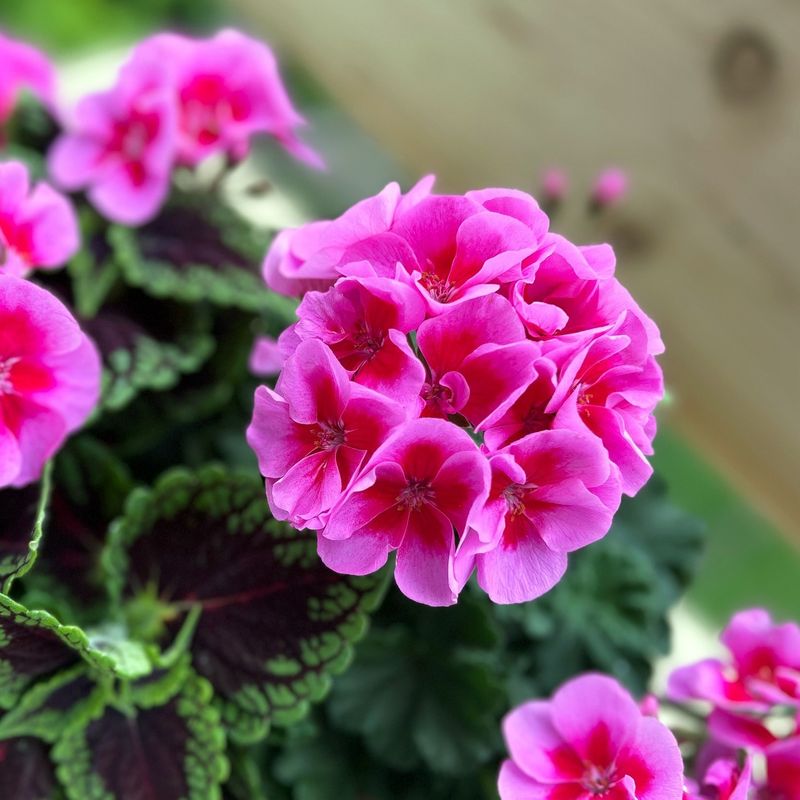
When most people in Pennsylvania think of classic porch flowers, geraniums are usually the first thing that comes to mind. These cheerful, reliable plants, technically called Pelargoniums, have been a staple of American front yards for well over a hundred years.
And with good reason. They bloom steadily through the entire summer, handle heat without complaint, and look absolutely stunning in containers, window boxes, and garden borders.
Pink geraniums are especially popular because their color works beautifully with almost any home exterior, whether you have a red brick colonial or a white farmhouse-style front porch.
They produce rounded clusters of blooms on upright stems above attractive, sometimes patterned leaves. In Pennsylvania, they perform best when placed in a spot that gets at least five to six hours of direct sun each day.
Geraniums are not heavy drinkers. They prefer to dry out slightly between waterings, and soggy soil is one of the fastest ways to run into root problems.
Use a well-draining potting mix if growing them in containers, and make sure the pots have drainage holes. Feed them with a balanced fertilizer every two to three weeks to keep the blooms coming all season.
Deadheading spent flower clusters is a simple but effective way to encourage continuous blooming. Just snap or snip off the old flower heads as they fade.
At the end of Pennsylvania’s summer, you can bring geraniums indoors and overwinter them as houseplants, then move them back outside the following spring. It is a great way to save money and keep a plant you love going for years.