These 8 Easy-Care Shrubs Keep Growing Through Arizona Heat
Arizona heat pushes many shrubs to their limit once summer settles in, and it shows fast in yards that rely on plants that cannot keep up. Growth slows, color fades, and what once looked full can start to feel thin and uneven.
Easy care shrubs change that experience in a noticeable way. Strong growth continues even under steady sun, and structure stays intact without constant attention or extra work.
Some varieties handle these conditions far better than others, which becomes clear as temperatures rise and pressure builds across the landscape. The right choices keep everything looking steady instead of worn down.
With the right shrubs in place, Arizona yards hold their shape and color much longer, even when the heat refuses to let up.
1. Texas Sage Keeps A Full Shape Even In Extreme Heat
Walk through almost any established Arizona neighborhood and you’ll spot Texas Sage growing along fences, driveways, and front yard borders — usually looking better than everything around it.
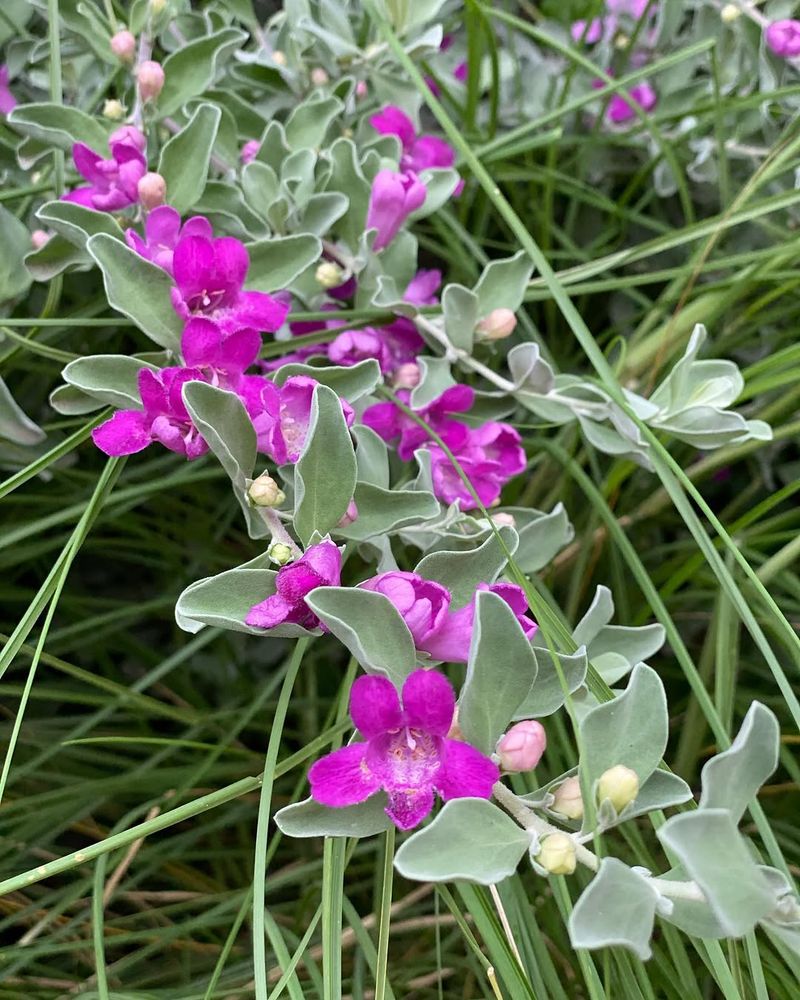
Known botanically as Leucophyllum frutescens, this shrub has silvery-gray leaves that reflect sunlight rather than absorbing it, which helps it handle reflected heat off concrete and block walls without much stress.
What really gets people’s attention is the blooming. After a monsoon rain or a stretch of high humidity, Texas Sage bursts into purple flowers almost overnight.
It doesn’t do this on a predictable schedule — it responds to moisture in the air, so bloom timing shifts from year to year depending on when the rains arrive. You can’t force it, but when it happens, the color payoff is significant.
Pruning is where a lot of people go wrong with this shrub. Cutting it into a tight ball shape actually reduces flowering and can stress the plant during summer.
A loose, natural form works much better. Water it deeply but infrequently — maybe once every two weeks during the hottest months — and let the soil dry out completely between sessions.
In sandy or gravelly Arizona soil, it tends to perform well without much amendment. Expect steady, reliable growth through summer without a lot of fuss.
2. Hop Bush Builds Dense Growth With Minimal Water Needs
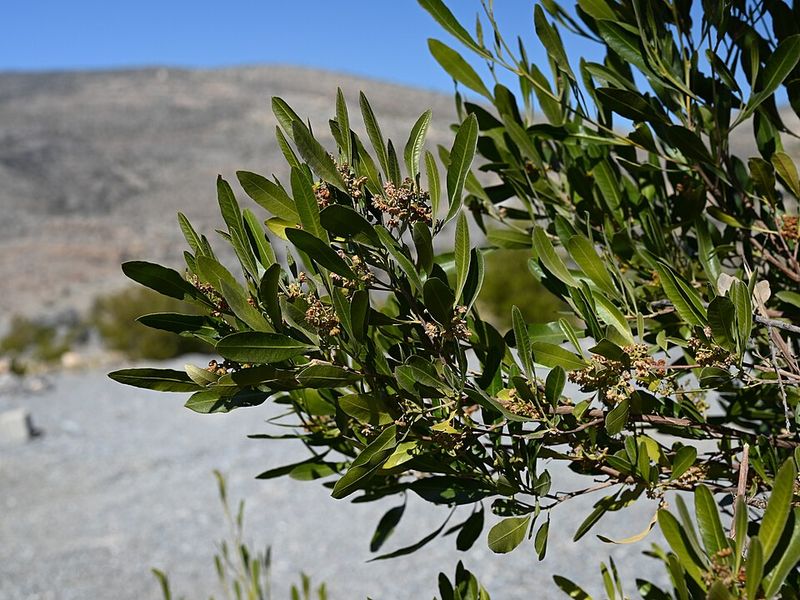
Hop Bush — Dodonaea viscosa — is one of those shrubs that quietly does its job without drawing much attention, and Arizona gardeners who’ve used it tend to swear by it. It grows upright and dense, making it a solid choice for privacy screens or windbreaks along property lines.
The foliage stays a rich green through summer, which stands out against the bleached tones of the surrounding landscape.
What separates Hop Bush from a lot of other options is how little water it actually needs once it’s gotten through its first season in the ground.
During peak summer heat in Arizona, established plants can often get by on one deep watering every couple of weeks, though younger plants need more attention until their root systems spread out.
The papery, reddish seed pods that appear in late spring add visual interest without needing any extra care to produce them.
Your Arizona Garden Changes Every Week. Your Plan Should Too.
Gardening in Arizona changes quickly throughout the season. Every Friday you’ll receive a simple weekly plan showing exactly what to plant, prune, fertilize, harvest, and protect so you never miss the right timing.
It handles reflected heat from walls and pavement reasonably well, which matters a lot in urban Arizona yards where temperatures near hardscape can run noticeably higher than the official air temperature. Growth rate is moderate — don’t expect it to fill a space in a single season.
Plan for two to three years to get a full, dense screen. Pruning once a year in late winter keeps the shape tidy without sacrificing the natural fullness that makes it useful.
3. Orange Bells Keep Producing New Growth Through Summer Heat
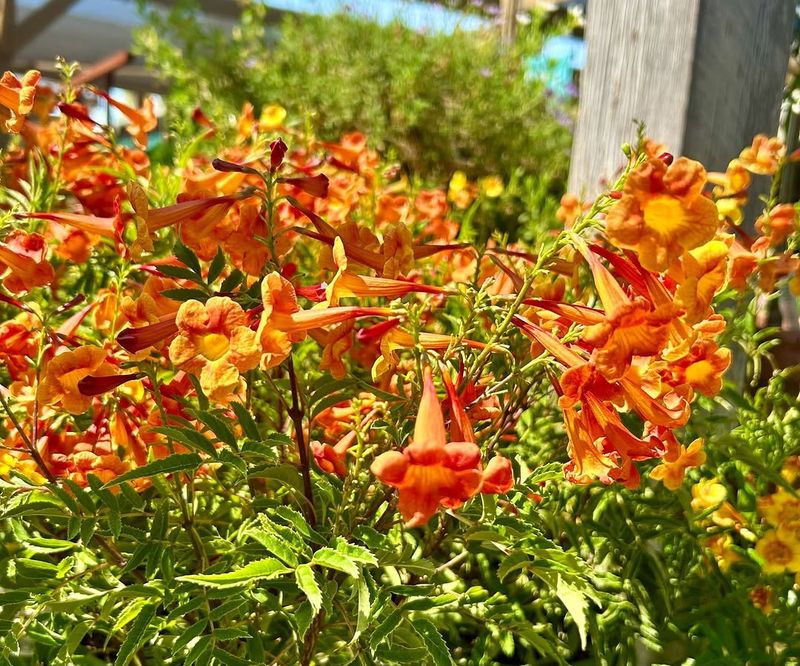
Orange Bells, or Tecoma x ‘Orange Jubilee,’ earns its place in Arizona gardens by doing something most shrubs avoid — actively pushing out new growth and fresh blooms during the hottest months of the year.
July and August, when most plants are just trying to hold on, this one keeps producing clusters of bright orange tubular flowers that hummingbirds visit consistently.
Size is something to plan for upfront. Orange Bells can reach eight to ten feet tall and spread nearly as wide under good conditions in Arizona.
If you’re planting near a wall or a pathway, give it room. Cutting it back hard in late winter helps control the size and encourages a flush of new growth heading into spring, which sets up the plant for a stronger summer performance.
Watering every seven to ten days during peak summer works reasonably well for most Arizona soil types, though sandy soils may need slightly more frequent sessions.
It handles full sun without much difficulty, and reflected heat from block walls doesn’t seem to set it back the way it does softer plants.
Leaf drop can happen during cold snaps in winter — temperatures below 28 degrees Fahrenheit will cause damage — but most of Arizona’s lower desert regions rarely see those temperatures for extended periods, so recovery is usually manageable by spring. It’s a reliable, high-energy shrub for desert gardens.
4. Red Bird Of Paradise Thrives And Keeps Growing In Peak Heat
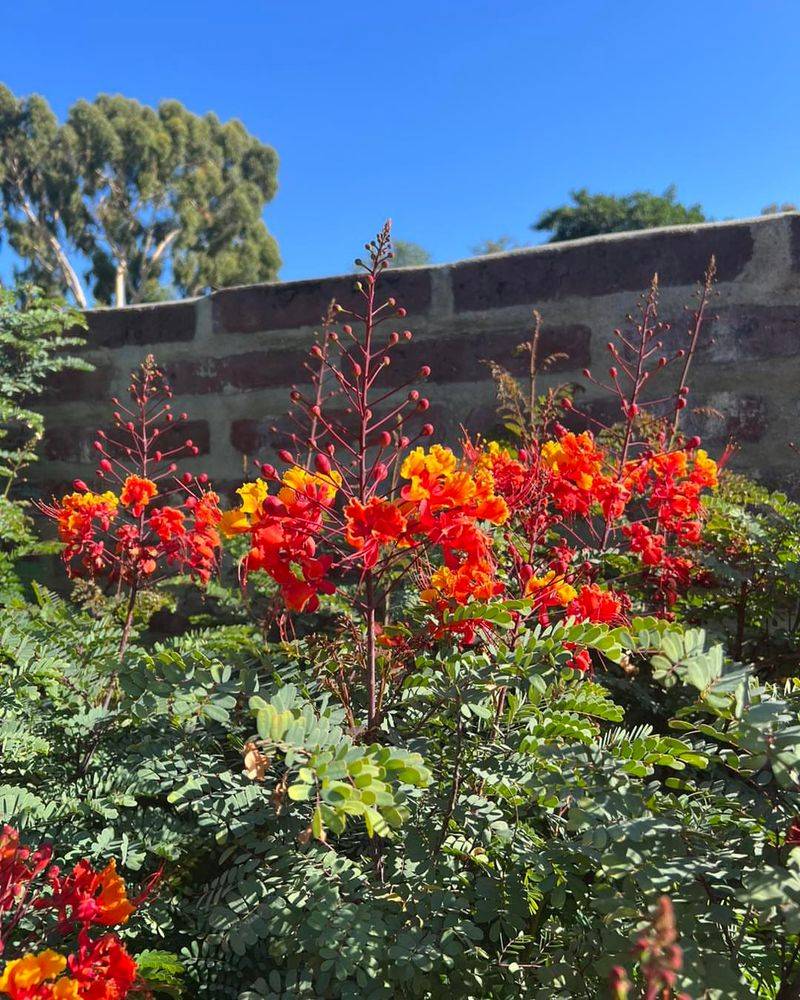
Red Bird of Paradise — Caesalpinia pulcherrima — is one of the most visually striking shrubs you can grow in Arizona, and it earns that attention honestly. The flowers are a bold mix of red, orange, and yellow with long, wispy stamens that catch the breeze.
It blooms reliably from late spring through fall, and the heat doesn’t seem to slow it down at all.
Growth can be surprisingly fast during the warm months. In a single summer season, a young plant can add several feet of height if it’s getting regular water and full sun.
That speed works in your favor when you’re trying to fill a bare spot or build up a border quickly. The ferny, delicate foliage creates a soft texture that contrasts nicely with coarser desert plants like agave or prickly pear.
Cold weather is the main limitation in Arizona. A hard freeze will cut Red Bird of Paradise to the ground — but the roots typically survive, and new growth emerges again in spring with good vigor.
In the Phoenix metro area, this cycle is common and most gardeners simply treat the winter slowdown as part of the plant’s natural seasonal pattern.
Water every seven to ten days in summer, less in cooler months. Full sun is non-negotiable — plants in partial shade tend to bloom poorly and stretch toward light.
Given the right spot, this shrub delivers consistent summer color year after year.
5. Feathery Senna Holds Its Form And Handles Dry Conditions Easily
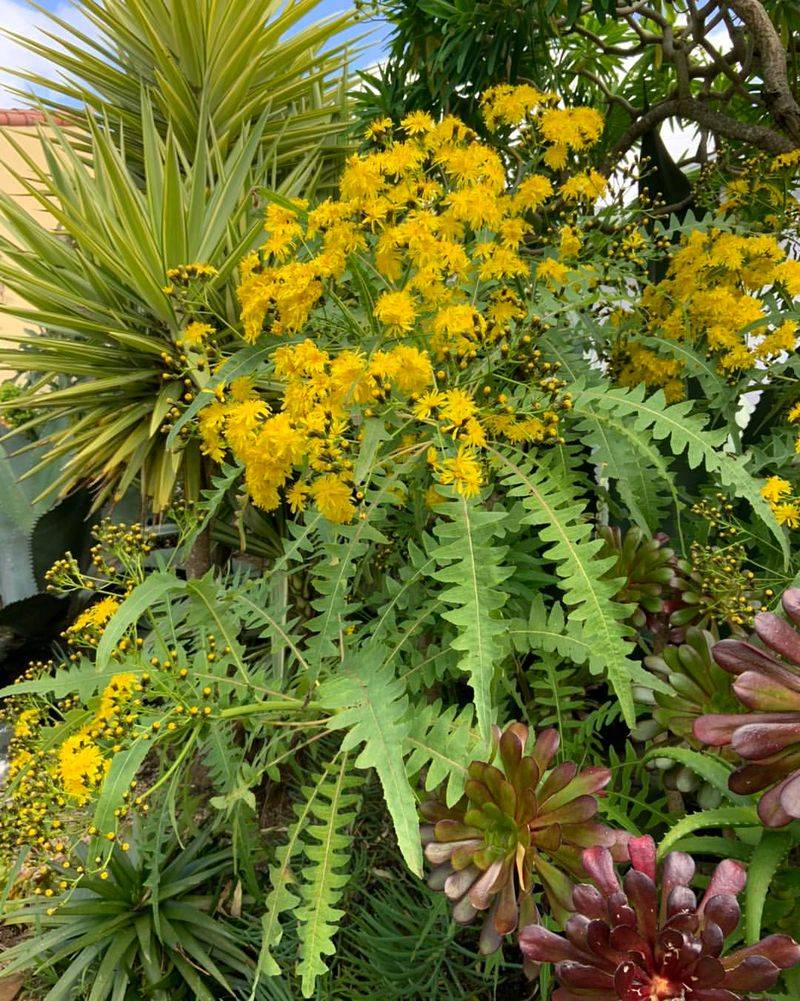
Feathery Senna, known scientifically as Senna artemisioides, has a texture that stands apart from most desert shrubs.
The fine, silvery-green foliage looks almost like soft needles, giving the plant a light, airy appearance that holds up well even through the driest stretches of an Arizona summer.
It doesn’t look stressed or beaten down the way some shrubs do when rainfall is scarce for weeks at a time.
Bright yellow flowers appear in late winter and early spring, sometimes pushing into summer depending on conditions.
The blooming period is one of the reasons this shrub gets planted in Arizona — that yellow color arriving in February and March, when most of the landscape is still dormant, is genuinely welcome.
After blooming, seed pods form and persist on the plant for several months, adding a bit of structural interest without being messy.
Water needs are low compared to many flowering shrubs. In established Arizona gardens, Feathery Senna often gets by on rainfall alone during the monsoon season, with supplemental irrigation only during extended dry periods in late spring and early fall.
Avoid overwatering — soggy soil is more likely to cause problems than drought. Pruning lightly after the bloom period helps keep the shape tidy without removing too much of the new growth.
Plant it in full sun, give it room to spread three to five feet wide, and it tends to take care of itself from there.
6. Arizona Yellow Bells Stays Vigorous As Temperatures Rise
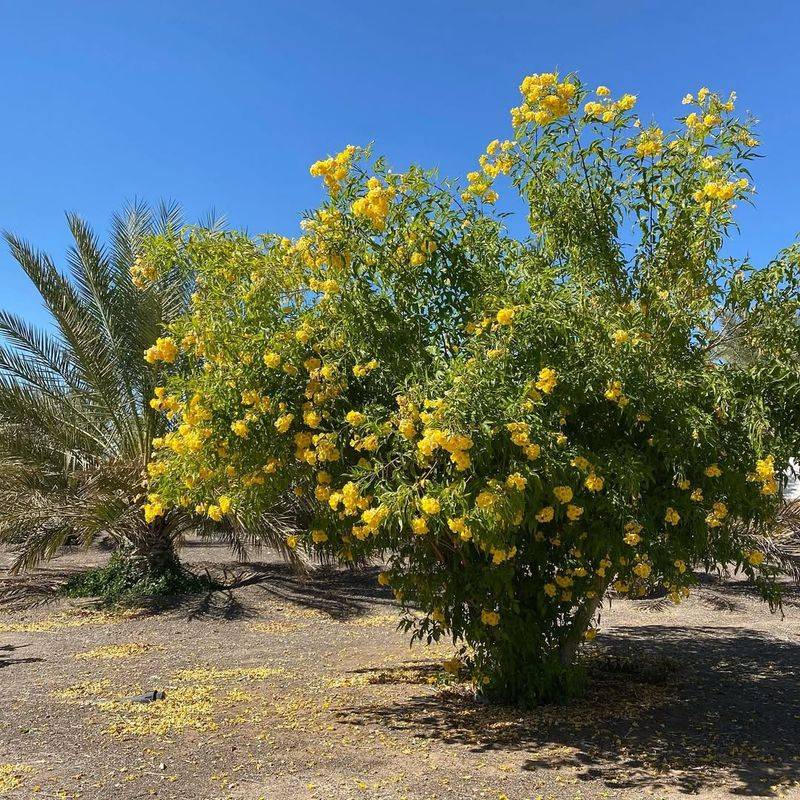
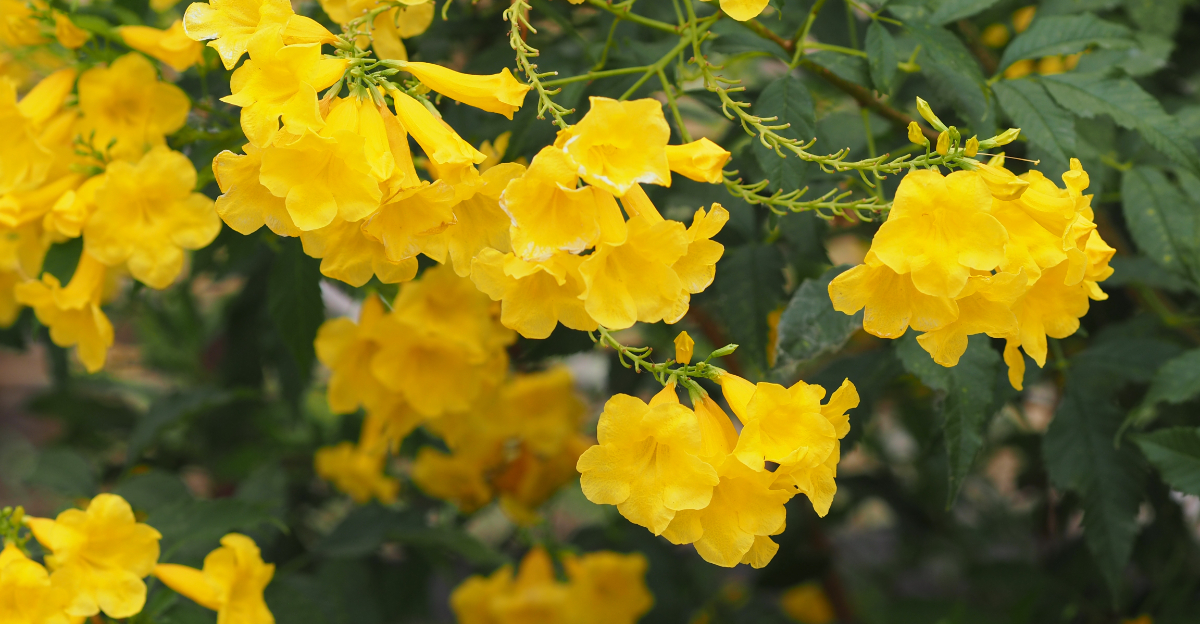
Yellow Bells — Tecoma stans — is practically synonymous with summer color in Arizona.
Drive through Tucson or Phoenix during July and you’ll see it blooming in medians, commercial landscapes, and residential yards, pumping out bright yellow trumpet-shaped flowers even when the thermometer is pushing 108 degrees.
It doesn’t slow down in the heat; if anything, it seems to respond positively to warm temperatures.
One thing worth knowing is that Yellow Bells can get leggy if left completely unpruned. Cutting it back by about a third in late February or early March encourages bushier growth and more compact flowering stems through the season.
Skip that step and you might end up with a tall, open plant that flops under its own weight. A little attention in late winter pays off significantly by midsummer.
Water needs are moderate for Arizona conditions — roughly once a week during the hottest stretch of summer, tapering off to every ten to fourteen days as temperatures cool in fall. It grows in most well-draining Arizona soils without needing a lot of amendment.
Butterflies and hummingbirds are regular visitors, which adds movement and life to the garden beyond just the visual color. Frost can cut it back in colder parts of Arizona, but the roots usually survive and send up new growth the following spring.
Overall, it’s a dependable, hard-working shrub for the Arizona climate.
7. Cape Honeysuckle Keeps Spreading And Filling Space In Warm Weather
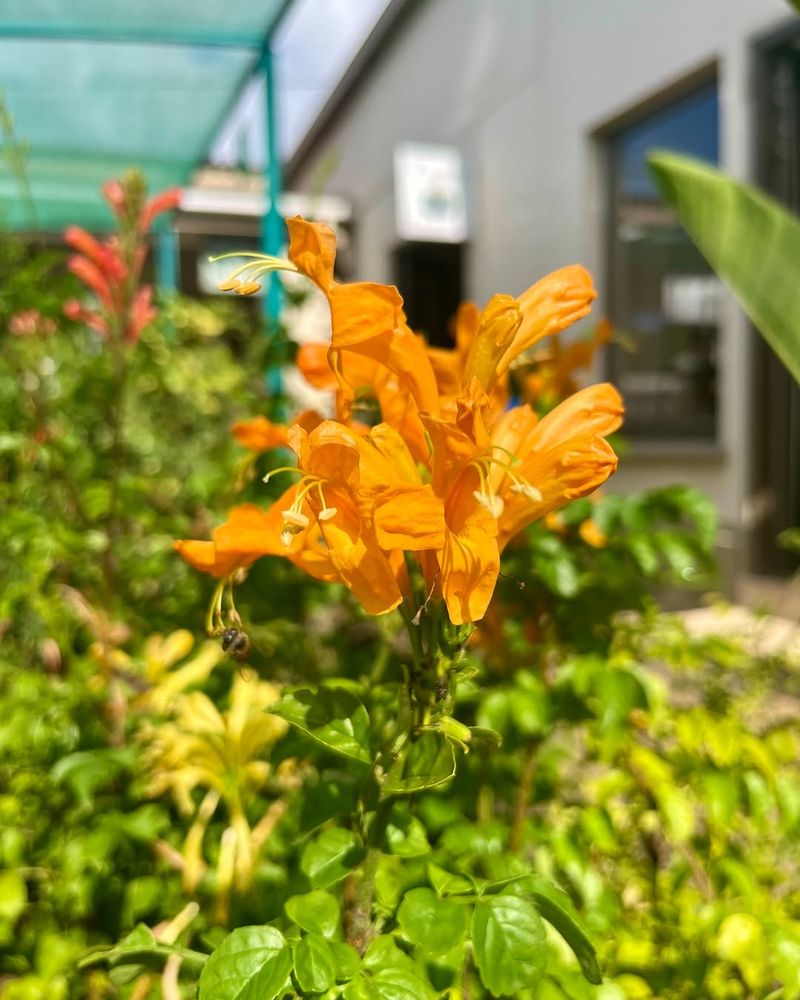
Cape Honeysuckle — Tecoma capensis — is a fast mover. In the warm months across Arizona, it pushes out new growth and spreads aggressively, which makes it either a great asset or a plant that needs watching, depending on how much space you’re working with.
Along a fence line or spilling over a retaining wall, it can look genuinely impressive by midsummer.
The flowers are tubular and bright orange-red, appearing in clusters at the tips of new growth.
Since it blooms on new wood, the more actively it grows, the more flowers you get — and in Arizona’s warm climate, it stays in active growth mode for a long stretch of the year.
Hummingbirds track it down reliably, which adds some real energy to the garden during the long summer months.
Pruning is something you’ll need to stay on top of if space is limited. Cape Honeysuckle can climb and scramble if it finds a support, or spread outward as a sprawling shrub if left unsupported.
Either way, cutting it back in late winter helps reset the shape and encourages a stronger flush of new growth heading into spring. Watering once a week during peak Arizona summer heat keeps it growing well.
It handles reflected heat from walls better than a lot of plants, and the glossy foliage doesn’t scorch easily. Cold temperatures below 28 degrees can damage stems, but recovery is usually straightforward in lower desert areas.
8. Arizona Rosewood Maintains Steady Evergreen Growth Through Heat
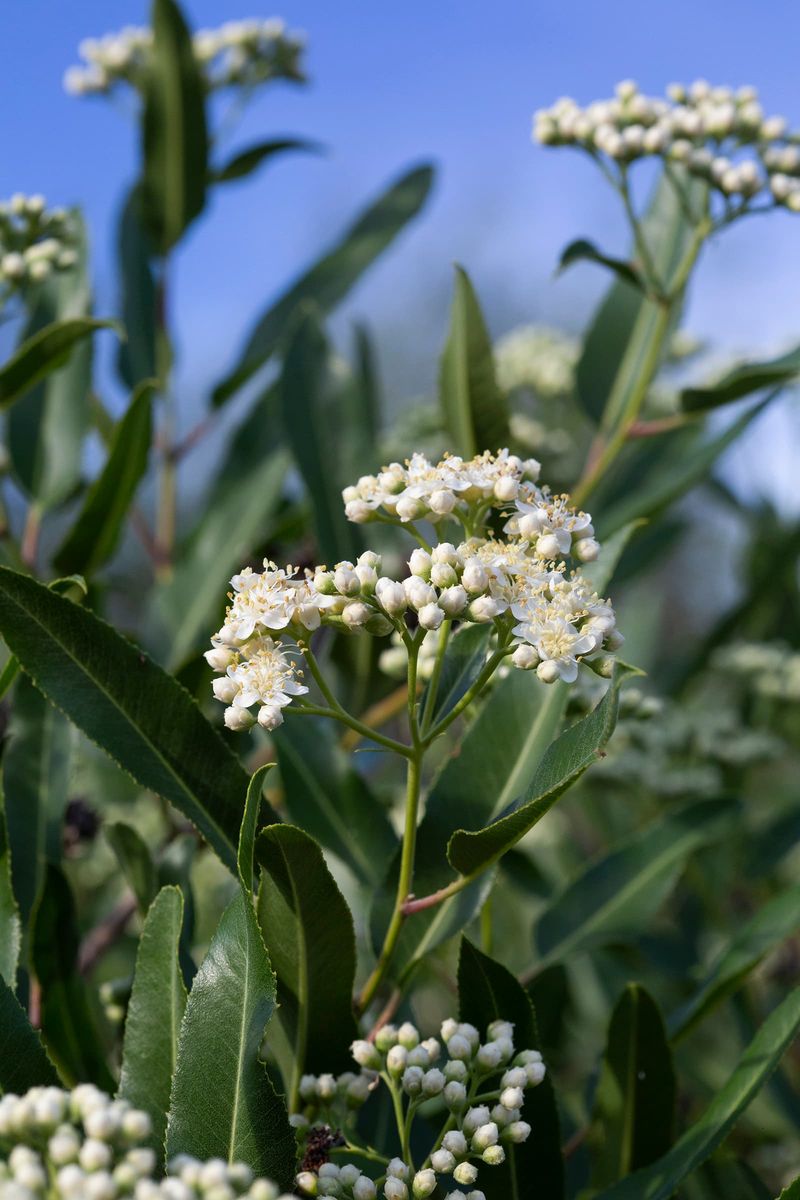
Arizona Rosewood — Vauquelinia californica — is not a flashy plant, and that’s exactly what makes it so useful. It grows steadily, keeps its dark green foliage year-round, and doesn’t demand much from the gardener.
In a state where summer heat causes most broadleaf evergreens to struggle or drop leaves, Arizona Rosewood just keeps growing at its own quiet pace.
Small white flowers appear in late spring, clustered at the branch tips. They’re not dramatic, but they attract pollinators and add some seasonal interest before the intense heat of June and July arrives.
After flowering, woody seed capsules form and hang on the plant through summer and fall, giving it a slightly textured look that works well in naturalistic desert gardens.
Growth rate is slow to moderate, so patience is part of the deal. Expect it to add roughly one to two feet of height per year under decent conditions in Arizona.
Over several years it builds into a dense, upright screen that works well along property lines or as a backdrop for smaller plants.
Water deeply every ten to fourteen days during summer — it doesn’t need frequent irrigation once the root system is established, but it appreciates consistent moisture during the hottest stretch.
Full sun to partial shade both work, though full sun tends to produce the densest growth. For gardeners who want a reliable, no-drama evergreen shrub in Arizona, this one consistently delivers over the long run.