8 Best Fruits For Pots In Georgia That Grow With Ease
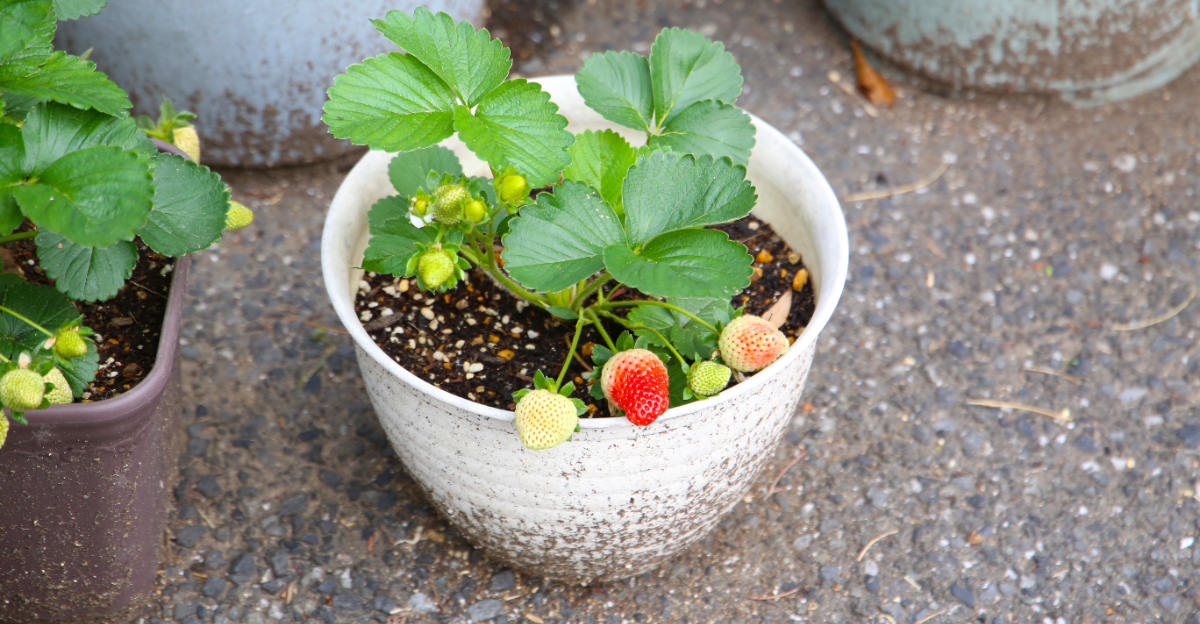
Patios and small garden corners in Georgia can turn into productive spots with the right fruit choices, yet not every plant adapts well to life in a container.
Some struggle to stay healthy, while others outgrow their space or stop producing after a short time.
Containers place limits on roots, moisture, and nutrients, which makes selection more important than many expect. The difference shows once the season moves forward and only certain plants continue to grow and produce without constant adjustment.
Well suited fruits keep their size manageable, respond better to regular care, and stay productive even when space stays tight. That balance makes them far easier to manage through changing weather and shifting conditions.
Choosing the right ones turns a simple pot into something that holds steady growth and reliable harvests across the season.
1. Strawberries Grow Easily In Containers With Regular Harvests
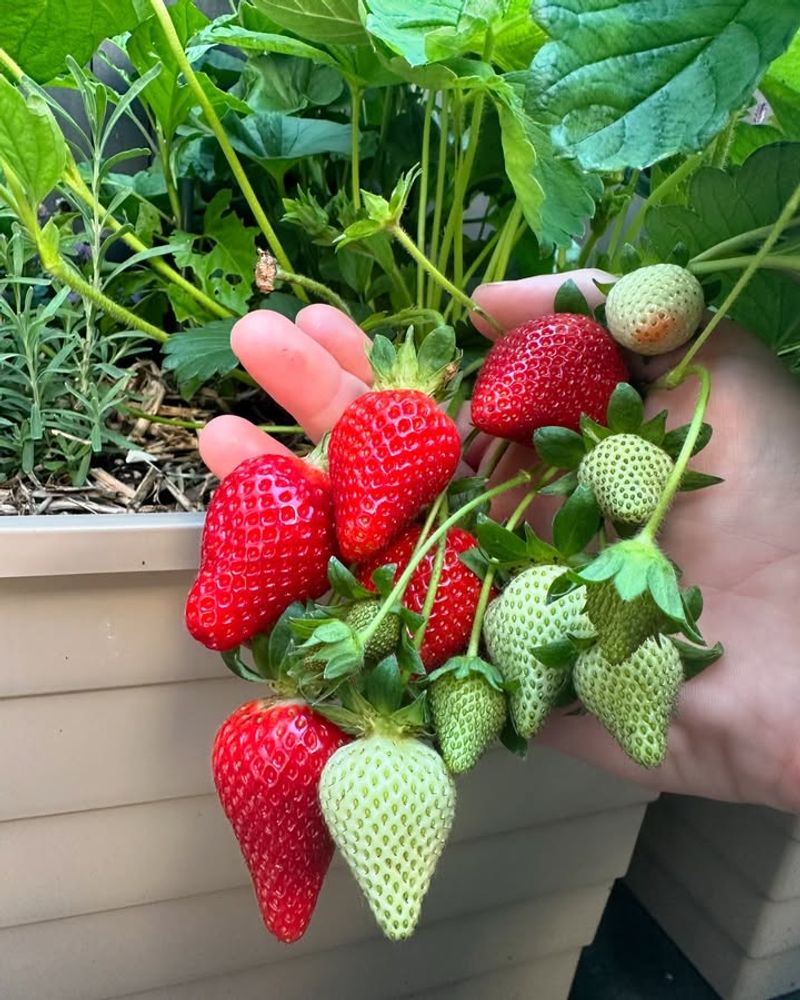
Few things beat reaching out your back door and picking a ripe strawberry straight from a pot. Strawberries are probably the easiest fruit to grow in containers anywhere in Georgia, and they reward even beginner gardeners pretty quickly.
A hanging basket, a window box, or a wide shallow pot all work well for them.
June-bearing varieties like ‘Chandler’ are popular across Georgia because they produce a solid flush of berries in late spring. Everbearing types like ‘Ozark Beauty’ keep producing smaller harvests from spring through fall, which is useful if you want fruit over a longer stretch of time.
Both types do well in pots as long as drainage is solid.
Strawberries need at least six hours of direct sun each day, and they appreciate a pot that is at least eight inches deep. Use a good quality potting mix rather than garden soil, which tends to compact and hold too much moisture.
Feed them with a balanced fertilizer every few weeks during the growing season.
Watering consistently matters more than almost anything else with strawberries. If the soil dries out too much between waterings, berry size suffers noticeably.
In Georgia’s hot summers, you may need to water every day or two during peak heat. Mulching the top of the pot helps hold moisture and keeps roots from overheating on a sunny patio.
2. Blueberries Thrive In Pots With Acidic Soil And Good Drainage
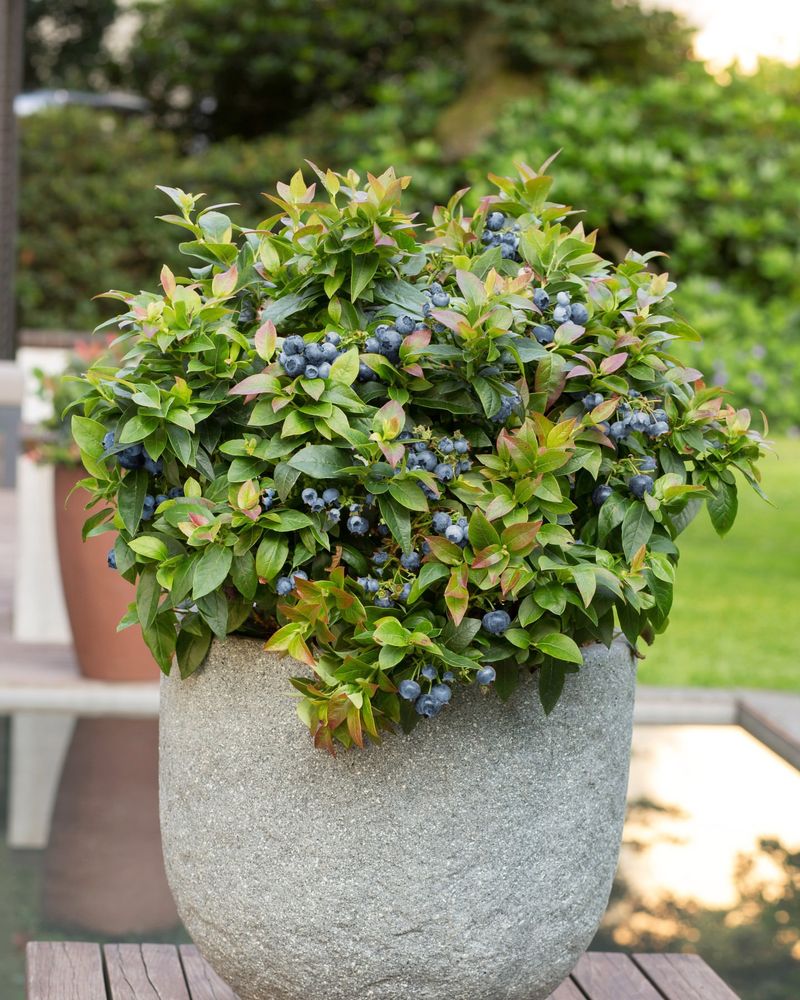
Blueberries are one of those fruits that genuinely do well in pots, sometimes even better than in the ground. The reason is simple: you have full control over the soil.
Blueberries need acidic conditions, roughly a pH between 4.5 and 5.5, and hitting that target is much easier in a container than trying to amend an entire garden bed.
Rabbiteye blueberries are the go-to choice for Georgia. Varieties like ‘Tifblue’ and ‘Climax’ handle the heat and humidity across the state better than northern highbush types.
Plant at least two different varieties near each other for better fruit set. Cross-pollination makes a real difference in how many berries you actually get.
Use a pot that holds at least fifteen gallons for a mature plant. A mix of peat moss, pine bark, and perlite creates the acidic, well-draining environment blueberries want.
Your Georgia Garden Changes Every Week. Your Plan Should Too.
Gardening in Georgia changes quickly throughout the season. Every Friday you’ll receive a simple weekly plan showing exactly what to plant, prune, fertilize, harvest, and protect so you never miss the right timing.
Avoid using regular potting mixes that are formulated with lime, since lime raises pH and works against you here.
Water consistently but never let the pot sit in standing water. Blueberries have shallow root systems that are sensitive to both drought and waterlogging.
In Georgia summers, morning watering works better than evening watering because it gives leaves time to dry before temperatures drop at night.
Feed with an acidic fertilizer formulated for blueberries or azaleas in early spring and again in early summer for steady growth and fruit production.
3. Figs Produce Well In Containers With Full Sun Exposure
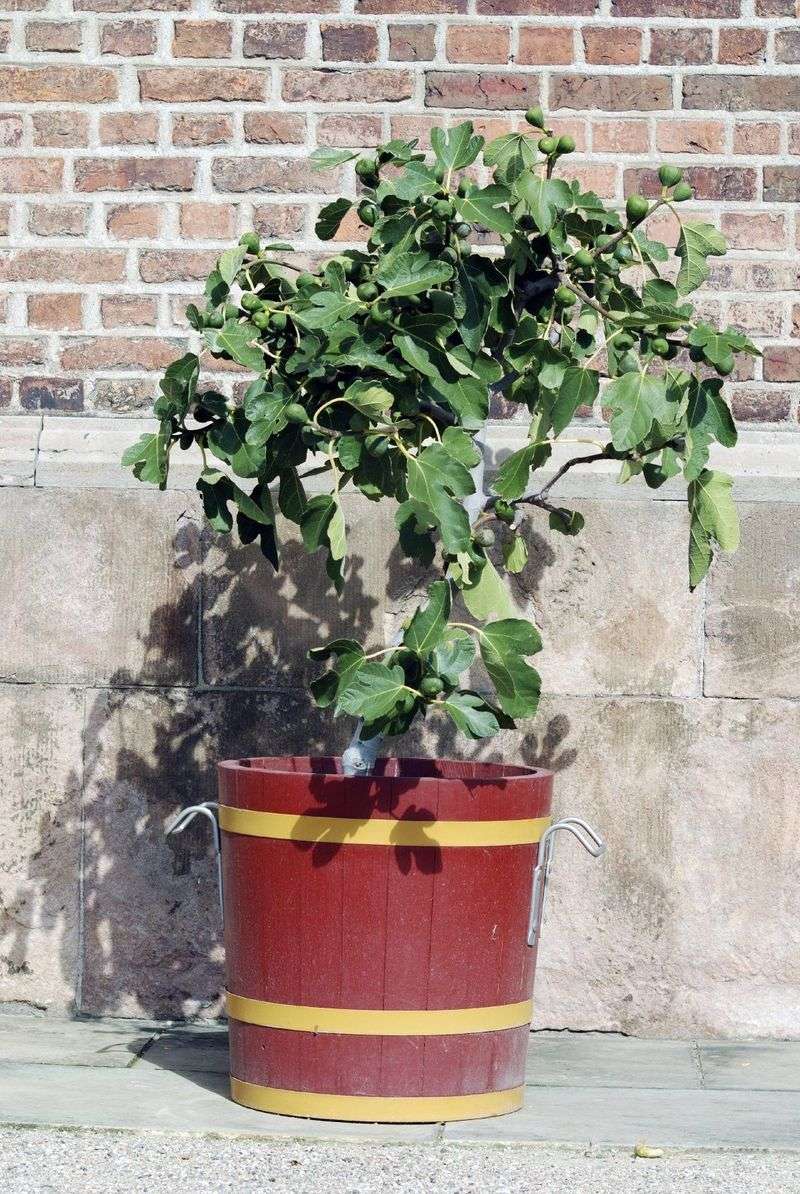
Figs in pots are almost surprisingly easy to manage, and Georgia’s climate suits them well. ‘Brown Turkey’ and ‘Celeste’ are the two varieties most commonly grown across the state, and both handle container life without a lot of complaints.
A large pot, full sun, and reasonably consistent watering are the main things they ask for.
Start with a container that holds at least twenty gallons. Figs develop a fairly extensive root system, and a cramped pot leads to less fruit and slower growth overall.
A mix of good quality potting soil and some coarse perlite for drainage works well. Figs do not like sitting in soggy soil, so make sure the pot has several drainage holes at the bottom.
In most parts of Georgia, figs grown in containers will need some protection during the coldest weeks of winter. Moving the pot into an unheated garage or shed when temperatures drop below about fifteen degrees Fahrenheit is usually enough.
The plant will drop its leaves and rest, then push out new growth again in spring without much prompting.
Figs are naturally vigorous, so you may need to prune back some of the longer branches in late winter to keep the plant a manageable size. Removing crowded or crossing branches also helps air move through the canopy, which reduces humidity-related problems.
Fertilize lightly in spring and again in midsummer, but avoid heavy nitrogen doses, which push leafy growth at the expense of fruit.
4. Dwarf Citrus Trees Grow Successfully In Pots With Winter Protection
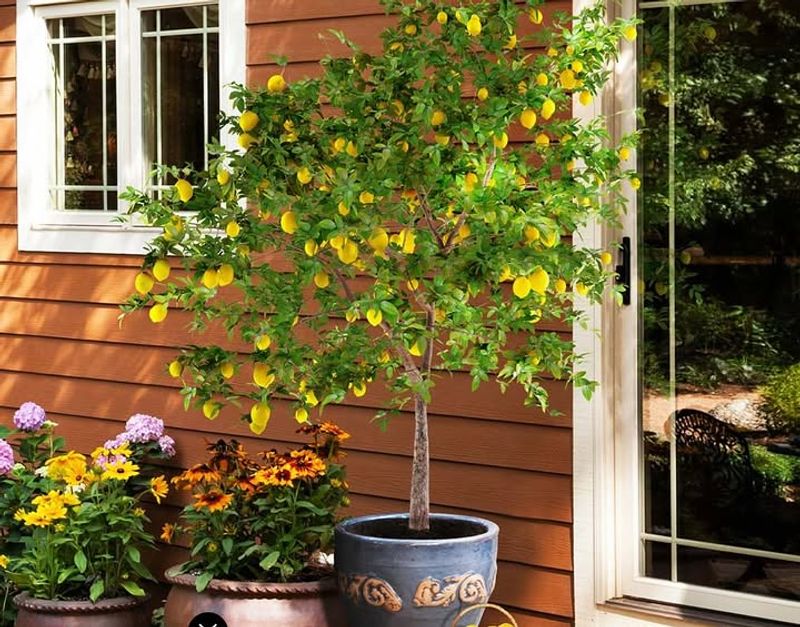
Meyer lemons are probably the most popular citrus choice for Georgia container gardeners, and it is easy to see why.
The fruit is sweeter than a standard lemon, the tree stays compact enough to manage in a large pot, and it can spend most of the year outdoors before coming inside for winter.
A fifteen to twenty-five gallon container gives a dwarf citrus enough room to establish a healthy root system. Use a fast-draining citrus or cactus potting mix, or blend standard potting soil with extra perlite.
Citrus roots do not like sitting in wet conditions for extended periods, so drainage matters a lot here.
In Georgia, citrus grown in pots can stay outside comfortably from late spring through early fall. Once nighttime temperatures start dropping consistently below forty degrees Fahrenheit, it is time to bring the tree indoors.
A sunny south-facing window or a spot under grow lights works well through the winter months. The transition from outdoor to indoor light can cause some leaf drop, but the tree usually stabilizes within a few weeks.
Feed container citrus with a fertilizer formulated for citrus trees every six to eight weeks during the active growing season. Watch for spider mites and scale insects when the tree is indoors, since dry indoor air creates favorable conditions for both.
A light spray of neem oil handles most minor pest issues without much fuss. With reasonable care, a potted Meyer lemon can produce fruit for many years in Georgia.
5. Peaches Grow Well In Containers When Using Dwarf Varieties
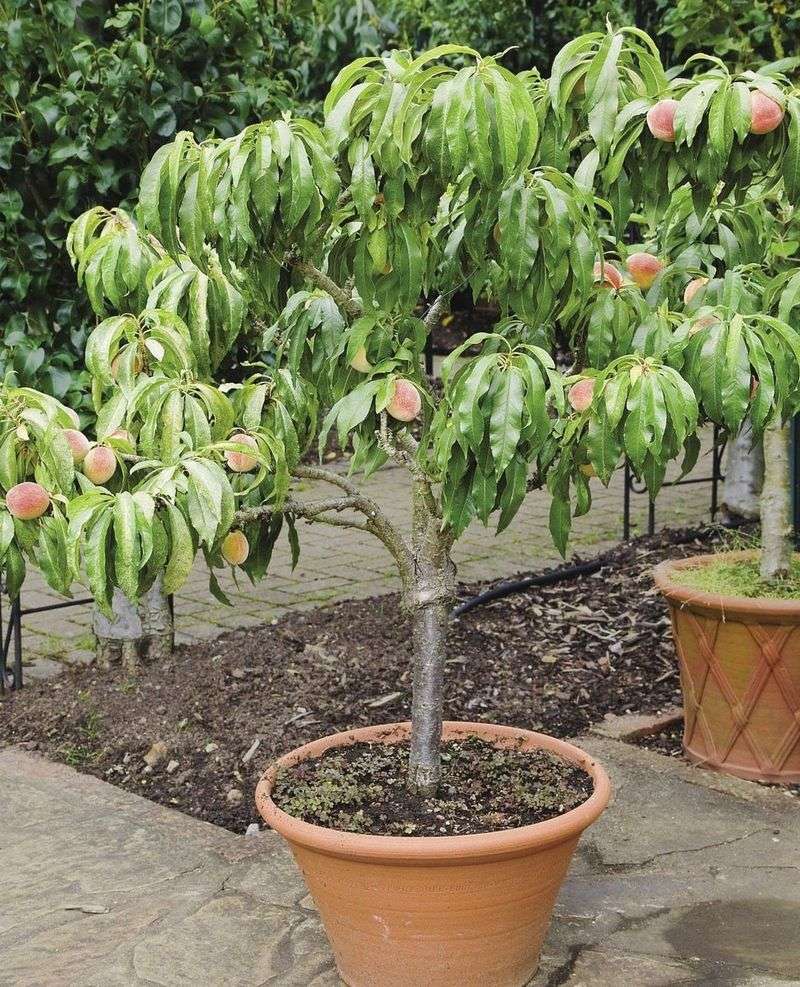
Georgia and peaches have a long history together, so it makes sense that dwarf peach trees do reasonably well in containers across the state.
Varieties like ‘Bonanza’ and ‘El Dorado’ stay in the four to six foot range, which makes them manageable in a large pot on a patio or deck.
Full-sized peach trees are not realistic in containers, but the dwarf types can produce a worthwhile harvest.
Use a container that holds at least twenty gallons, and choose a high-quality potting mix with good drainage. Peaches are sensitive to waterlogged roots, so a pot with multiple drainage holes is not optional.
Place the container where the tree will receive a full day of direct sun, which is necessary for the fruit to develop properly and reach good sweetness.
One thing to be aware of in Georgia is late spring frost events. A potted peach that has already started to bloom can lose its entire crop if temperatures drop hard in late March or early April.
The advantage of a container is that you can move the tree to a sheltered spot or cover it on nights when frost is forecast.
Pruning in late winter keeps the tree compact and encourages fruit-bearing wood. Remove any damaged or crossing branches, and thin out the center of the canopy to allow light in.
Fertilize in early spring when new growth starts, and again after harvest. Container peaches may not produce as heavily as orchard trees, but the fruit quality can still be excellent with consistent attention.
6. Apples Produce Reliably In Pots With Proper Pruning And Care
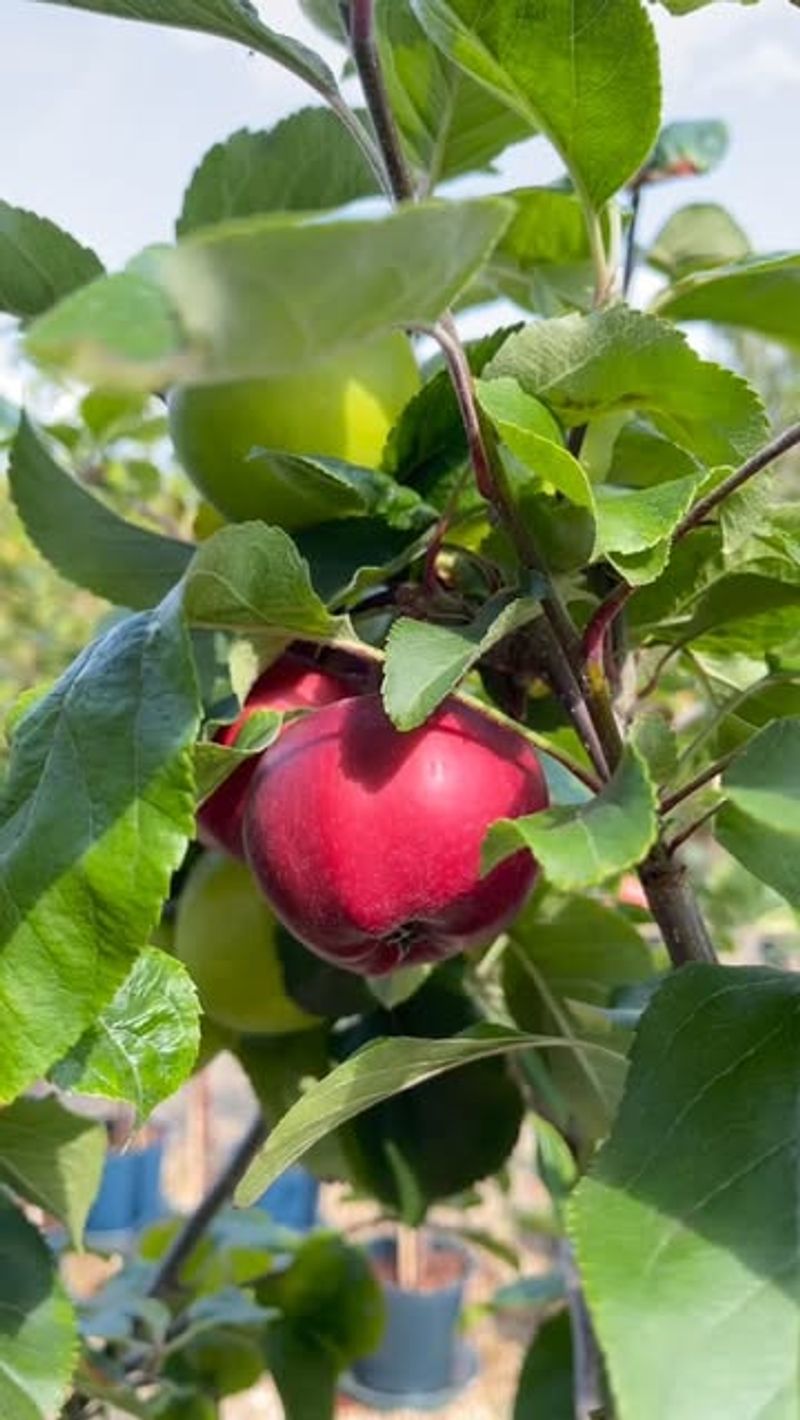
Growing apples in pots in Georgia requires a bit more planning than some other fruits, but it is genuinely doable with the right variety.
Standard apple trees are too large for containers, but genetic dwarf varieties like ‘Garden Delicious’ or columnar types like ‘Scarlet Sentinel’ can work in large pots without taking over your patio.
One critical factor in Georgia is chill hours. Apples need a certain number of hours below 45 degrees Fahrenheit during winter to break dormancy and bloom properly.
In the northern parts of Georgia, most years provide enough chill hours for standard apple varieties. In the warmer coastal and southern areas of the state, you will need to look for low-chill varieties specifically, otherwise fruiting will be inconsistent.
Plant in a container that holds at least twenty gallons. Use a well-draining potting mix and make sure the pot has good drainage at the bottom.
Apples do best with a full day of sun, and they benefit from being placed where air circulation is decent, since poor airflow can contribute to fungal issues in Georgia’s humid summers.
Most apple varieties need a second tree nearby for cross-pollination to get fruit. If space is tight, look for self-fertile varieties or plant two compact trees in separate pots close together.
Prune in late winter to maintain shape and remove any crowded growth. Feed in early spring with a balanced fertilizer, and water consistently through the growing season.
Container apples will not produce bushels, but a decent personal harvest is realistic with steady care.
7. Blackberries Grow Strongly In Containers With Support
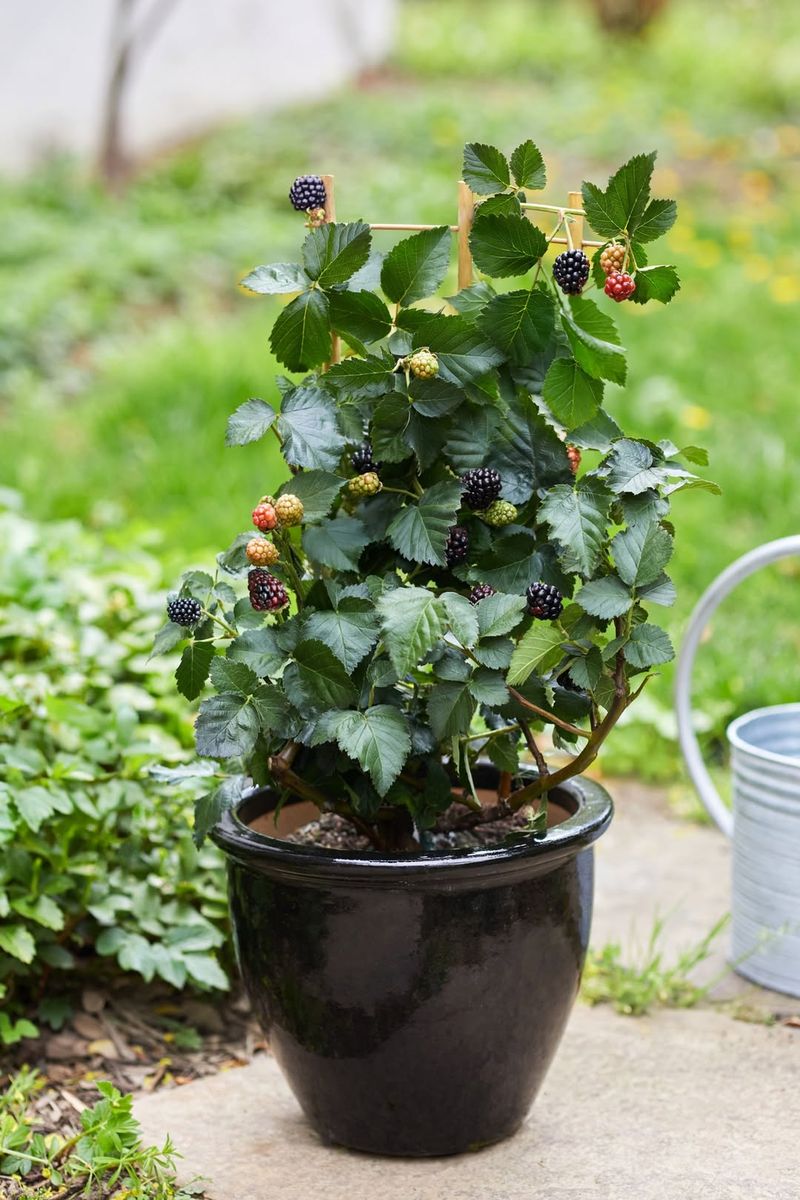
Blackberries have a reputation for taking over a garden when planted in the ground, which is exactly why growing them in a container is such a practical idea.
A large pot keeps them contained, and Georgia’s warm growing season gives them plenty of time to produce a solid crop of berries without much coaxing.
Thornless varieties like ‘Triple Crown’ or ‘Arapaho’ are much more manageable in a container setting than thorned types. They still produce well, and working around the canes during harvest does not require thick gloves.
Look for semi-erect or erect varieties rather than trailing types, since trailing blackberries need a lot more horizontal space to spread.
A container holding at least fifteen gallons works for a single blackberry plant. The canes grow tall, often reaching five to seven feet, so some kind of support structure is helpful.
A simple trellis, a few bamboo stakes, or even a tomato cage pushed into the pot keeps the canes upright and makes harvesting easier. Without support, the canes flop over and become harder to manage.
Blackberries fruit on second-year canes, which means canes that grew last season will produce berries this year. After those canes fruit, cut them back to the base and let the new canes from this season take over next year.
Water regularly during Georgia’s dry summer stretches, and feed with a balanced fertilizer in spring. Consistent moisture during berry development helps prevent fruit from drying out before it fully ripens.
8. Raspberries Perform Well In Pots With Consistent Watering
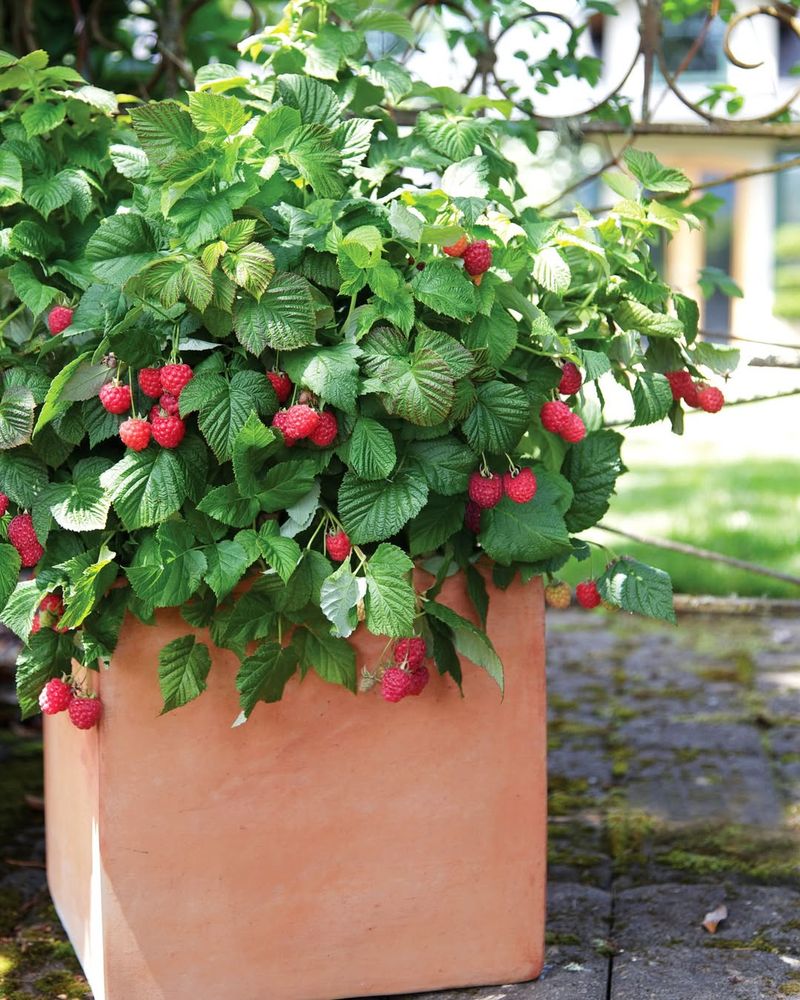
Raspberries can be tricky in Georgia’s summer heat, but the right variety in the right setup can produce a real harvest.
Heritage and fall-bearing types tend to perform better in Georgia than summer-bearing varieties, partly because fall-bearers produce on first-year canes, which simplifies the management significantly.
Choose a pot that holds at least fifteen gallons and has strong drainage. Raspberries do not tolerate wet roots, and in Georgia’s summer rain patterns, good drainage is not a minor detail.
A mix of quality potting soil with added perlite or coarse bark helps water move through without pooling around the roots.
Place the container in a spot that gets morning sun and some afternoon shade, which helps buffer the plants from the most intense heat of a Georgia summer.
Watering is where raspberries in pots can go sideways quickly. Containers dry out faster than garden beds, and raspberries are sensitive to moisture swings.
Checking the soil daily during hot weather and watering before it dries out completely keeps the plants producing steadily. A layer of mulch over the top of the pot helps slow evaporation between waterings.
Feed with a balanced fertilizer in early spring and again about six weeks later. Avoid heavy fertilizing late in the season, which can push soft new growth that does not handle fall temperature swings well.
In Georgia, raspberries in pots will not produce the same volume as plants grown in a properly prepared raised bed, but a regular small harvest of fresh berries from your own patio is a reasonable and satisfying outcome.