These Are The Heat-Tolerant Plants That Create A Private Outdoor Space In Pennsylvania
A backyard feels different when it gives you a little breathing room. Maybe it is the view from the patio, the close distance to the neighbors, or that one open stretch that always makes the space feel more exposed than relaxing.
In Pennsylvania, creating privacy outdoors is not always as simple as putting up a fence and calling it done. Many homeowners want something greener, softer, and better looking, especially when the summer sun starts beating down and certain plants begin to struggle.
That is where heat-tolerant plants can do a lot of heavy lifting. The right ones can help block unwanted views, add texture and color, and make an outdoor area feel more comfortable without turning the yard into a constant project.
A good privacy planting can make a deck feel cozier, a garden feel more secluded, and a simple sitting area feel like a real retreat.
When you choose plants that can handle warmer conditions and still look full and healthy, your outdoor space starts working in your favor in more ways than one.
1. Eastern Redcedar
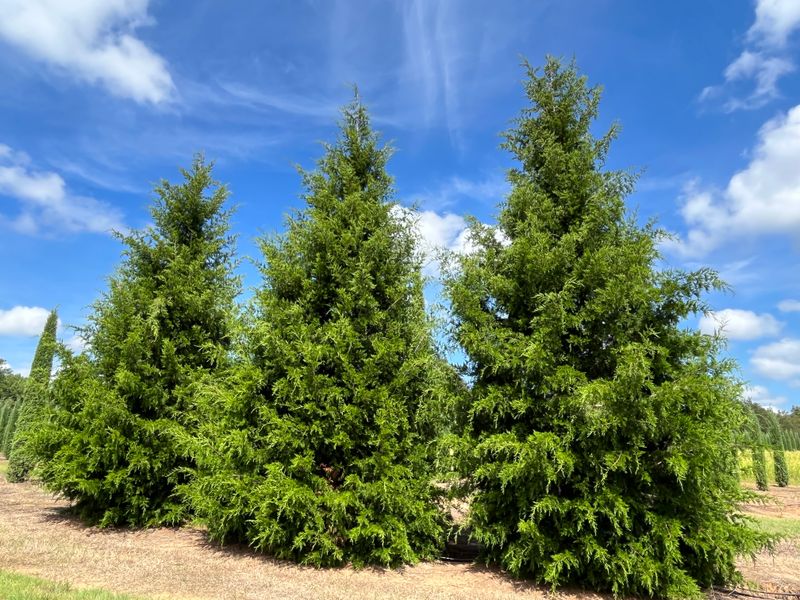
Few trees do as much heavy lifting in a Pennsylvania yard as the Eastern Redcedar. This evergreen is a true workhorse.
It stays thick and green through every season, which means your privacy does not disappear when fall arrives and leaves drop from other plants.
Eastern Redcedar handles summer heat extremely well once it gets established in the ground. During the first year or two, give it regular watering to help its roots settle in.
After that, it becomes surprisingly tough and low-maintenance, even during dry Pennsylvania summers.
One of the best things about this tree is how dense it grows. The branches fill in tightly from top to bottom, creating a solid green wall that blocks sightlines from neighbors, streets, and nearby properties.
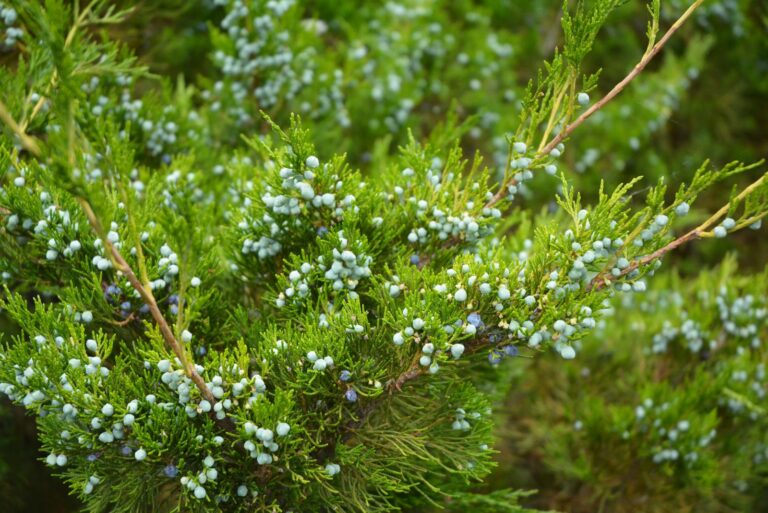
Plant several in a row about six to eight feet apart for the best screening effect. Eastern Redcedar also attracts birds, especially cedar waxwings, which love its small blue berries. So while it is doing its privacy job, it also adds a little wildlife magic to your backyard.
It grows well in a wide range of soils and does not need much fertilizer to stay healthy. If you are looking for a plant that asks very little but delivers a lot, Eastern Redcedar is a fantastic starting point for any Pennsylvania privacy project.
2. American Holly
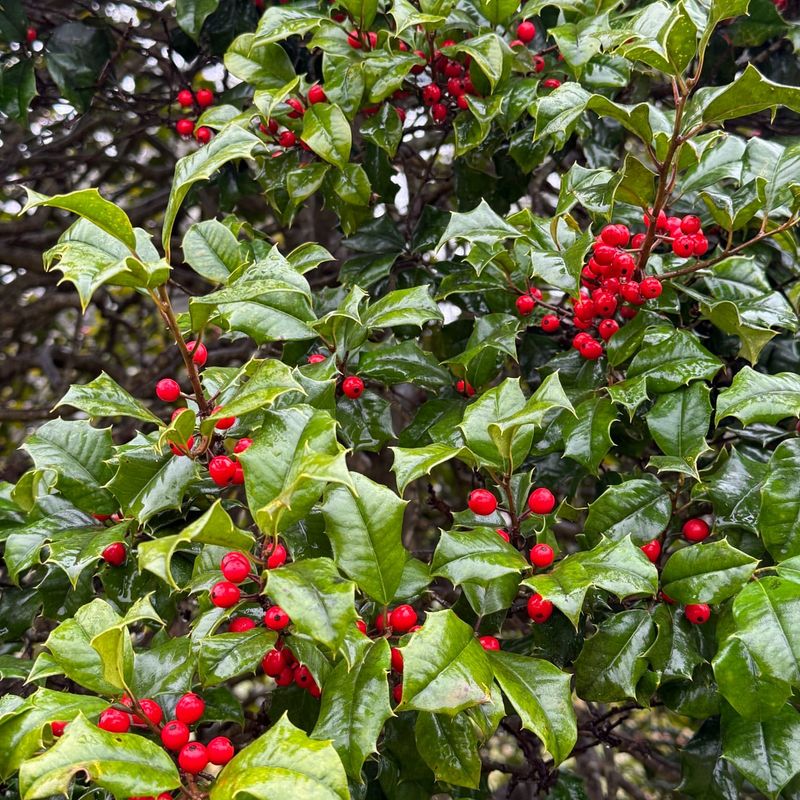
There is something timeless about American Holly. Most people think of it as a holiday decoration, but this plant earns its place in the yard all year long.
Its glossy, dark green leaves and bold red berries make it one of the most attractive privacy screens you can grow in Pennsylvania.
American Holly handles summer heat better than many homeowners expect. It prefers full sun to partial shade and grows well in a variety of soil types common across Pennsylvania.
Once established, it holds up through both hot summers and cold winters without losing its good looks or its coverage.
Your Pennsylvania Garden Changes Every Week. Your Plan Should Too.
Gardening in Pennsylvania changes quickly throughout the season. Every Friday you’ll receive a simple weekly plan showing exactly what to plant, prune, fertilize, harvest, and protect so you never miss the right timing.
The dense branching habit of American Holly is what makes it such a reliable privacy plant. Leaves stay on the branches year-round, so there are no bare gaps during winter when you might still want coverage. Plant them in a staggered row for a fuller, more natural-looking hedge.
Keep in mind that American Holly is dioecious, meaning you need both a male and female plant for berry production. Most nurseries sell them in pairs or can point you to the right combination.
Even without berries, the foliage alone makes a strong visual statement. For Pennsylvania homeowners who want a classic, elegant privacy screen that stays attractive through every season, American Holly is a smart, long-term investment in your outdoor space.
3. Northern Bayberry
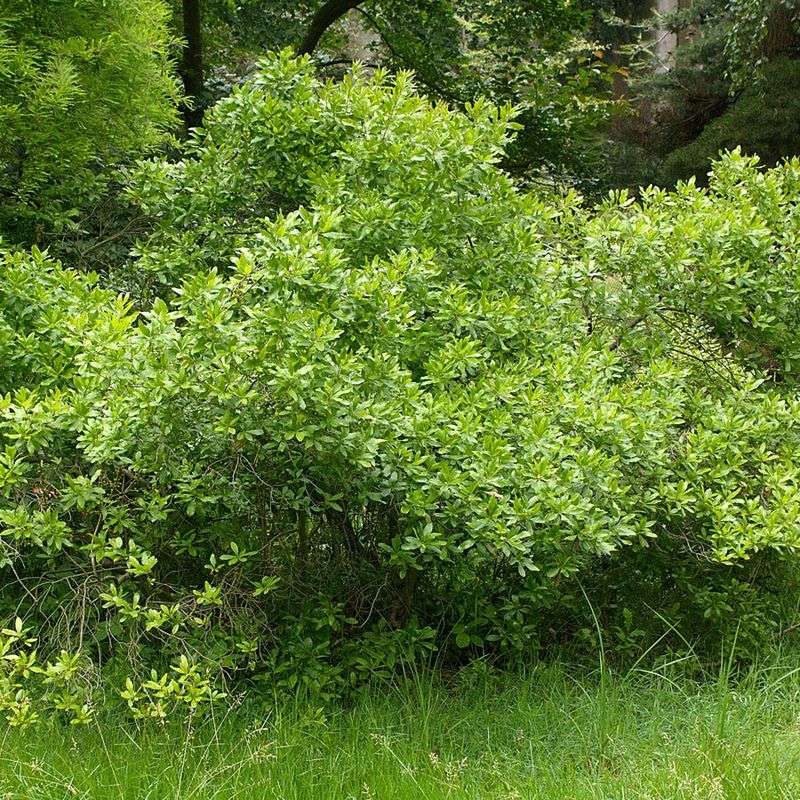
Walk past a Northern Bayberry on a warm afternoon and you might catch a faint, pleasant scent rising from the leaves. That aromatic quality is one of the small surprises this plant offers, along with its excellent performance as a natural privacy border in Pennsylvania yards.
Northern Bayberry is incredibly adaptable. It thrives in poor soils, sandy soils, and clay-heavy ground alike, which makes it a great option for homeowners across Pennsylvania who deal with less-than-perfect growing conditions.
It tolerates heat, handles occasional drought, and does not need much attention once it gets going.
The shrub fills out into a dense, rounded form that works beautifully along property lines, around patios, and along garden edges. It typically reaches six to ten feet tall, giving you solid screening without feeling overpowering.
Pair it with taller trees for a layered privacy border that looks natural and polished at the same time.
Northern Bayberry also produces small, waxy gray berries that attract birds through the fall and winter months. That means even after the growing season winds down, your yard stays lively and interesting.
It is a semi-evergreen plant, so it holds some leaves into winter depending on how cold the season gets. For anyone who wants a low-fuss, wildlife-friendly privacy shrub that fits naturally into a Pennsylvania landscape, Northern Bayberry checks every box without demanding much in return.
4. Ninebark
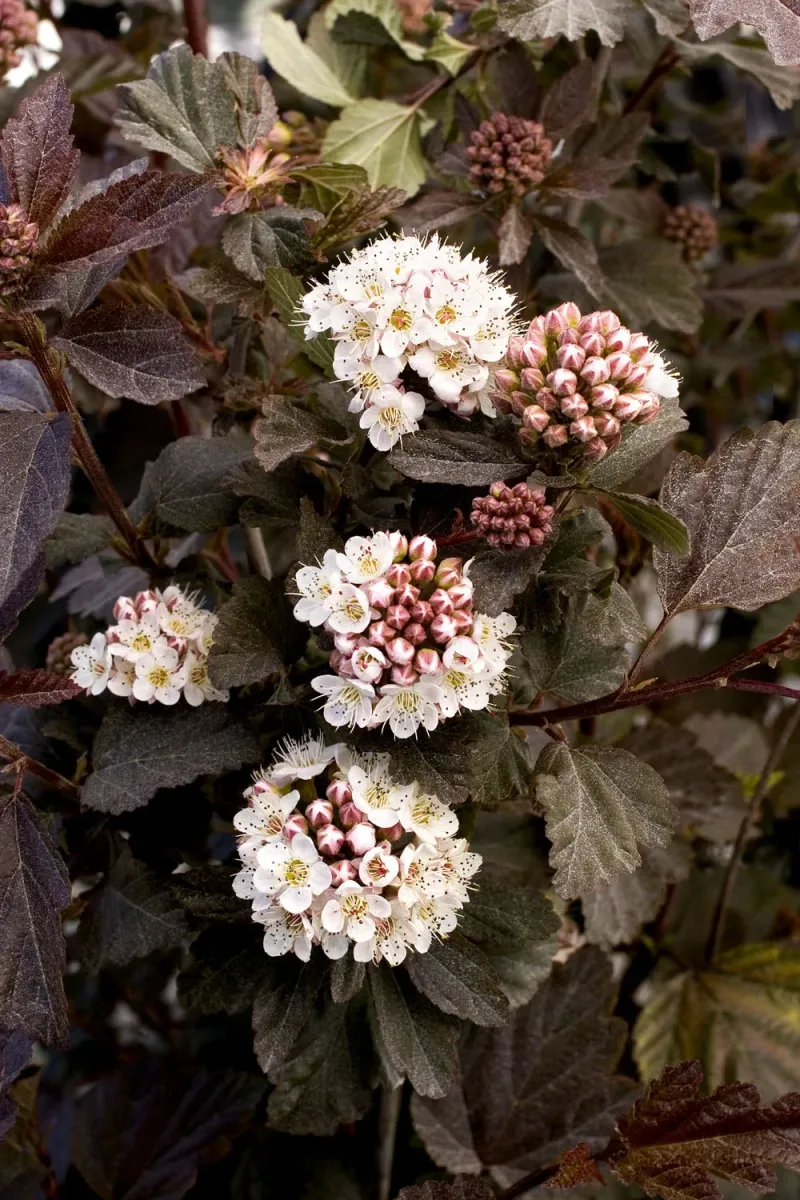
Ninebark is the kind of shrub that pulls double duty without breaking a sweat. It grows thick enough to give you real privacy during the warmer months, and its foliage is so striking that it doubles as a genuine ornamental feature in any Pennsylvania yard.
What makes Ninebark stand out is its peeling, layered bark and bold leaf colors. Depending on the variety you choose, foliage can range from deep burgundy to bright chartreuse.
Diablo and Summer Wine are popular picks in Pennsylvania gardens, both offering rich color that holds through the heat of summer.
Ninebark handles hot, humid Pennsylvania summers with ease. It grows in full sun to partial shade and is not picky about soil type.
Once established, it is quite drought-tolerant, which is helpful during dry spells that can hit Pennsylvania in July and August. Pruning it back after flowering keeps it full and bushy rather than leggy.
The shrub typically reaches six to ten feet tall and spreads just as wide, so give it room to grow. Plant a row of Ninebark along a fence line or property edge and within a couple of seasons you will have a dense, colorful screen that feels intentional and well-designed.
Small white or pink flower clusters appear in late spring, adding another layer of seasonal interest. Ninebark proves that a privacy plant does not have to be plain to be practical.
5. Arrowwood Viburnum
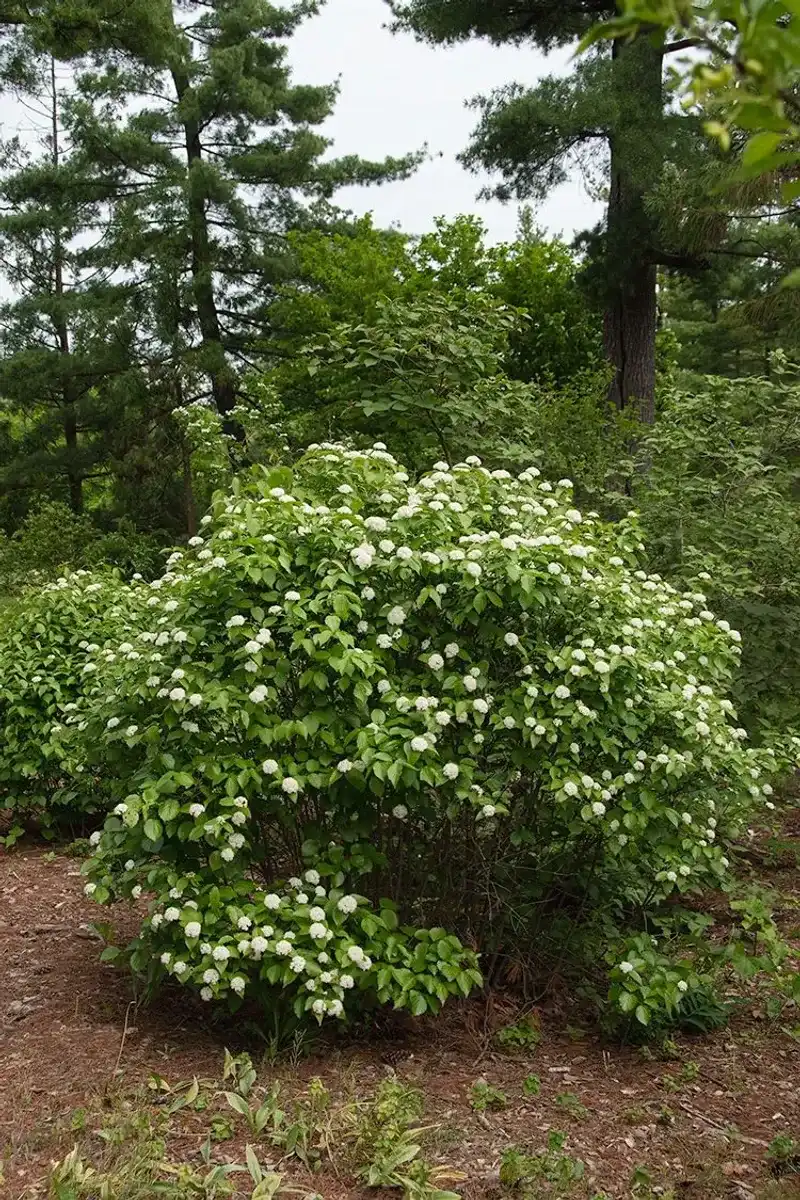
Arrowwood Viburnum is a plant with a lot of personality. It bursts into bloom in late spring with flat-topped clusters of creamy white flowers, then settles into its main job for the rest of the season, which is creating a full, dense privacy screen in Pennsylvania backyards.
The branching structure of Arrowwood Viburnum is what makes it especially useful for privacy. Stems grow upright and close together, forming a thick wall of foliage that blocks views without a lot of effort on your part.
It typically reaches eight to ten feet tall, which is plenty of height for screening a patio or garden sitting area.
Heat tolerance is one of Arrowwood Viburnum’s best qualities. It handles the warm, muggy summers that Pennsylvania is known for without wilting or losing its shape.
It also adapts well to a range of soil conditions, from moist lowland areas to drier upland spots. That flexibility makes it easy to use in many different yard situations.
After the flowers fade, dark blue-black berries appear in late summer and attract birds like robins and cedar waxwings. Fall color is another bonus, with leaves turning shades of red and purple before dropping.
While it is deciduous, the dense branching still provides some visual separation even in winter. For a hedge that delivers something interesting in every single season, Arrowwood Viburnum is a standout choice for Pennsylvania homeowners.
6. Switchgrass
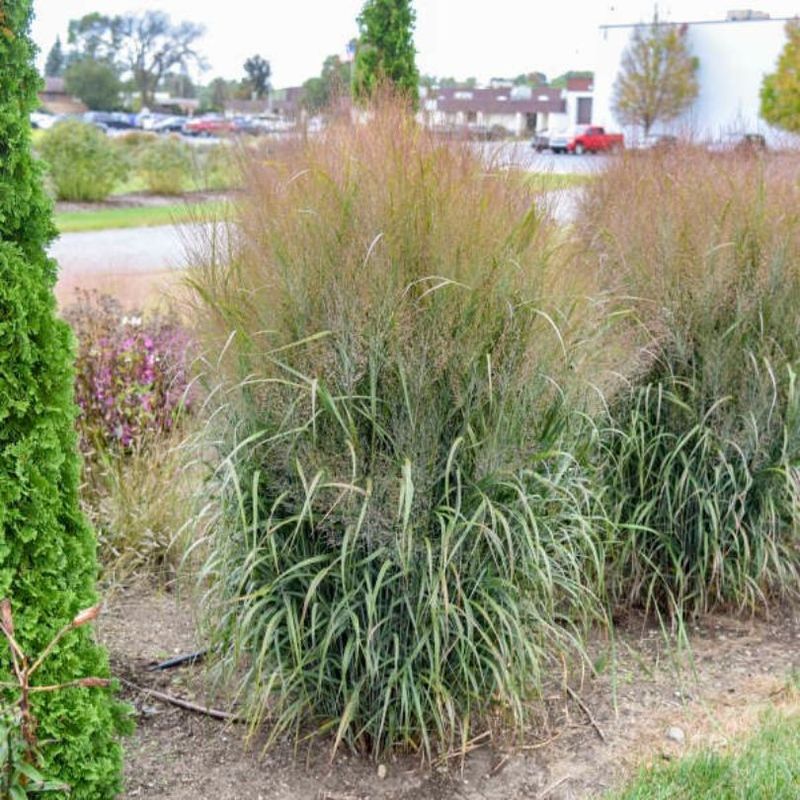
Not every privacy screen needs to feel like a wall. Switchgrass brings a softer, more relaxed approach to outdoor privacy, and it does it with a lot of natural beauty.
This native ornamental grass is one of the best choices for Pennsylvania gardeners who want screening that feels airy and organic rather than stiff and formal.
Switchgrass thrives in the heat. It is native to Pennsylvania and much of the eastern United States, which means it is perfectly suited to the local climate without needing extra coaxing.
It grows best in full sun and tolerates a wide range of soil types, including wet, dry, and everything in between.
By midsummer, Switchgrass reaches four to six feet tall depending on the variety. Shenandoah and Heavy Metal are two popular cultivars that perform especially well in Pennsylvania gardens.
The upright habit keeps the plants from flopping over, and the feathery seed heads add a gentle, wispy texture that moves beautifully in the breeze.
Plant Switchgrass in clusters or rows along a patio edge, garden border, or property line for a natural privacy effect that feels like part of the landscape. In fall, the foliage turns warm shades of red and gold, adding seasonal color before winter sets in.
Cut it back to a few inches in late winter and it will return strong the following spring. Switchgrass gives your Pennsylvania yard privacy with a relaxed, natural charm that is hard to match.
7. Big Bluestem
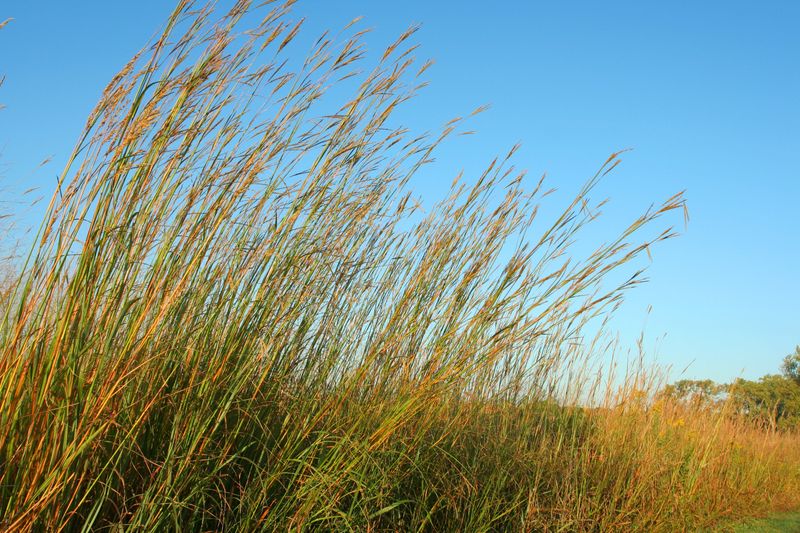
Big Bluestem has a great backstory. It was once one of the dominant grasses of the American tallgrass prairie, stretching across the Midwest in waves of blue-green.
Today it brings that same quiet power to Pennsylvania backyards, where it works beautifully as a tall, heat-tolerant living screen.
This native grass grows anywhere from four to eight feet tall, depending on growing conditions.
In full sun with decent soil, it reaches impressive heights that create real privacy, especially when planted in groups or drifts along a fence line or garden edge. The upright, clumping growth habit keeps things tidy without looking stiff.
Big Bluestem handles Pennsylvania summers with no complaints. It is deeply rooted, which helps it pull moisture from the soil during dry spells and stay upright even when the heat is intense.
Once established, it needs very little care, no fertilizer, minimal watering, and no fussing over pest problems. It simply grows and does its job.
The real showstopper comes in fall, when the foliage shifts from blue-green to rich shades of copper, bronze, and deep red. The seed heads, which look a bit like a turkey’s foot, add interesting texture that persists into winter and gives birds a food source during colder months.
For Pennsylvania homeowners who love a naturalistic garden style, Big Bluestem delivers privacy, seasonal beauty, and a connection to native landscapes all in one easy-growing plant.