Why Lawn Mushrooms In Ohio Are A Sign Of Healthy Soil
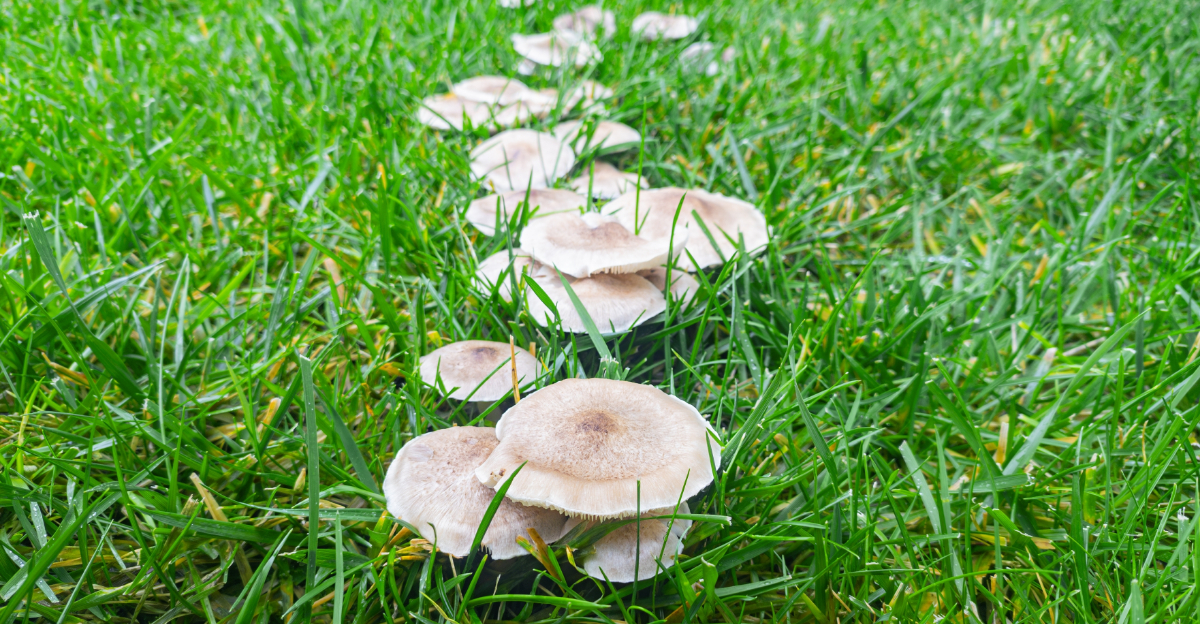
After a stretch of rain, it’s not unusual to walk outside and spot mushrooms popping up across the lawn overnight.
For many Ohio homeowners, that moment brings a mix of curiosity and concern, especially when they seem to appear out of nowhere.
The instinct is often to remove them right away, assuming something has gone wrong beneath the surface. In reality, those mushrooms are usually part of a much bigger story happening in the soil.
They tend to show up when conditions are just right, feeding on organic matter and breaking it down into nutrients that plants can actually use. That quiet process supports stronger grass and better soil structure over time.
Before reaching for a rake or treatment, it helps to understand what those sudden clusters are really telling you.
1. Most Lawn Mushrooms Feed On Buried Organic Matter
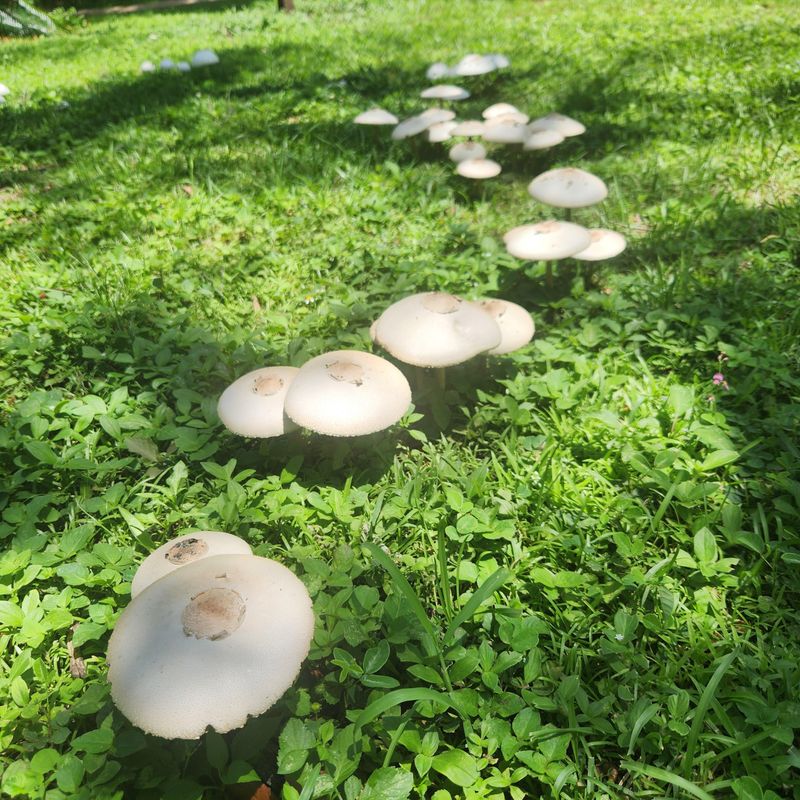
Picture this: somewhere beneath your Ohio lawn, there is an old tree root slowly breaking apart, or a layer of leaves that got buried years ago. Mushrooms love exactly that kind of situation.
The fungi responsible for those mushrooms you see above ground are actually feeding on buried organic matter like old roots, stumps, and decomposing wood that got left behind during landscaping or construction.
The mushroom itself is just the tip of the iceberg. Underground, a vast web of thread-like structures called mycelium is quietly doing the heavy lifting, breaking down tough materials that would otherwise just sit there and take up space.
This process is completely natural and incredibly beneficial for your lawn.
In Ohio, where older neighborhoods are filled with mature trees and established landscapes, buried organic material is extremely common. Every time a tree was removed or a garden bed was dug up, some organic matter likely stayed behind in the soil.
Rather than causing a problem, those buried leftovers become a food source for fungi, which then return nutrients to the soil. So those mushrooms are not a sign of trouble.
They are proof that a natural recycling system is doing its job right in your own backyard.
2. Fungal Growth Often Means Soil Biology Is Active
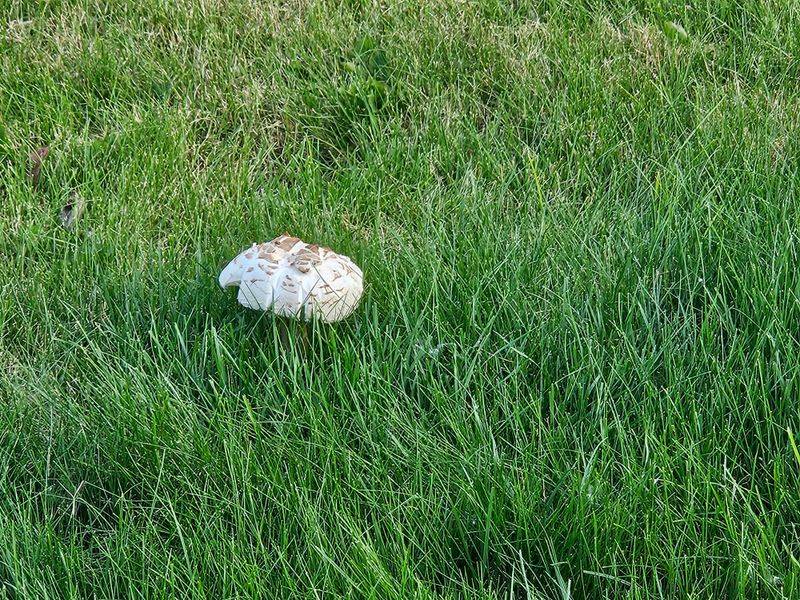
Healthy soil is not just dirt. It is a living, breathing community packed with bacteria, worms, insects, and fungi all working together.
When you spot mushrooms growing in your Ohio yard, one of the clearest things they signal is that the biology happening underground is thriving and active. Fungi are among the most important members of that underground community.
Soil biology activity is what separates productive, fertile ground from lifeless, compacted earth that struggles to support healthy grass. Fungi produce enzymes that break down complex organic compounds, releasing carbon, nitrogen, and other nutrients that plants need to grow strong.
Without this biological activity, nutrients would stay locked up in forms that grass roots simply cannot access.
Many Ohio lawns that look perfectly green on the surface are actually sitting on top of biologically poor soil. Mushrooms growing in your yard suggest yours is different.
Active fungal networks improve soil structure, create tiny air pockets that let roots breathe, and help water move through the ground more efficiently. Lawn care specialists often look for signs of biological activity as an indicator of overall soil health, and mushrooms are one of the most visible clues available.
Your Ohio Garden Changes Every Week. Your Plan Should Too.
Gardening in Ohio changes quickly throughout the season. Every Friday you’ll receive a simple weekly plan showing exactly what to plant, prune, fertilize, harvest, and protect so you never miss the right timing.
Seeing them pop up after a warm, rainy Ohio spring is genuinely something worth feeling good about.
3. Mushrooms Often Show Up In Undisturbed Soil
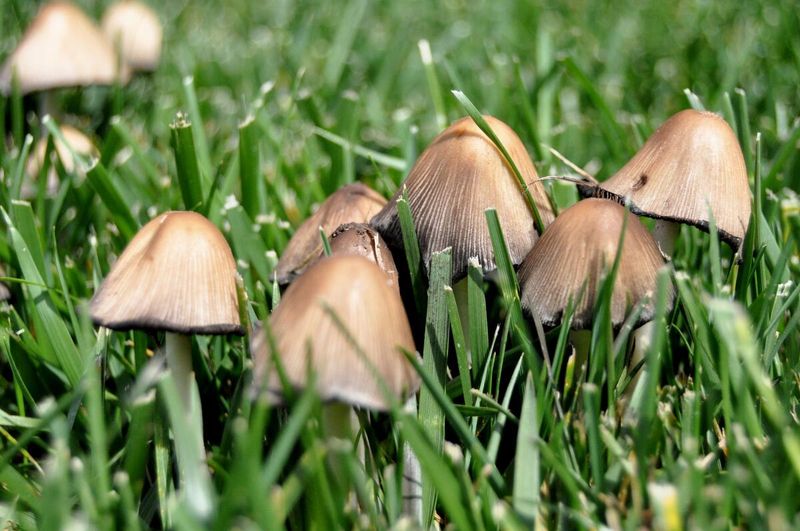
Fungal networks take time to establish. They grow slowly through soil, building connections and spreading outward over months and even years.
That is exactly why mushrooms tend to show up in spots that have not been heavily disturbed by digging, tilling, or heavy foot traffic. If you notice mushrooms clustering near a fence line, under a tree, or in a corner of your Ohio yard that rarely gets touched, that pattern makes perfect sense.
Frequent soil disturbance breaks apart mycelium, the underground fungal network, before it ever gets a chance to mature. Undisturbed soil gives fungi the stability they need to grow strong and eventually produce those visible mushrooms above ground.
Lawns and garden areas that have been left relatively alone for several seasons are the most likely spots to see this kind of fungal activity.
For Ohio homeowners, this is actually a good reason to think twice before constantly raking, tilling, or digging up every corner of the yard. Leaving certain areas undisturbed allows soil ecosystems to develop naturally.
Mature fungal networks do far more than produce mushrooms. They improve drainage, support plant root health, and help the soil resist erosion during heavy Ohio rainstorms.
Undisturbed soil is not neglected soil. It is soil that has been given the chance to build something remarkable on its own.
4. Many Soil Fungi Help Break Down Tough Plant Residues
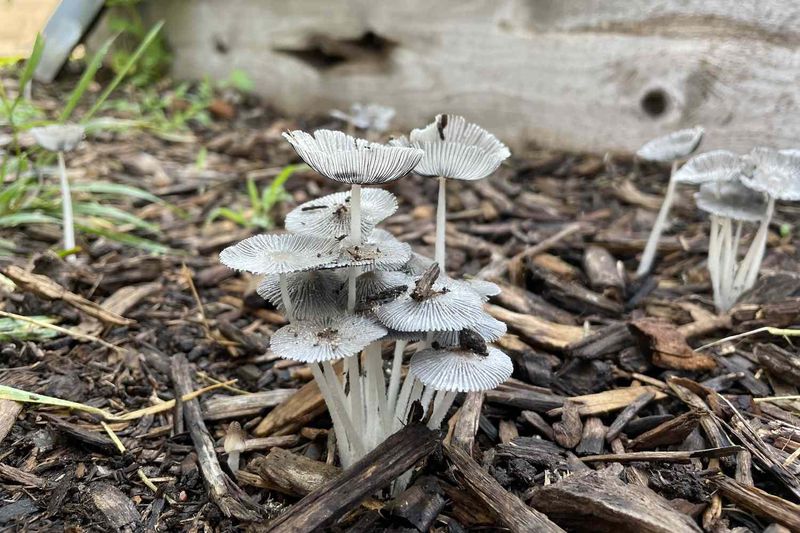
Not everything in your yard breaks down easily. Grass clippings, fallen leaves, thick woody stems, and old plant material can take a very long time to decompose on their own.
Certain soil fungi, however, are built specifically to tackle these tough jobs. They produce powerful enzymes that can break apart lignin and cellulose, the materials that make plant cell walls so sturdy and resistant to ordinary weathering.
When fungi break down these tough residues, they release nutrients that were locked inside back into the soil where grass roots can actually use them. This natural process reduces the need for added fertilizers and helps maintain a steady supply of organic matter in the ground.
Ohio lawns with active fungal communities tend to have richer, darker topsoil over time because this decomposition keeps feeding the ground from below.
Gardeners and lawn care enthusiasts across Ohio sometimes struggle with thatch, which is a layer of partially decomposed plant material that builds up between the grass and the soil surface. Healthy fungal activity helps manage thatch naturally by breaking it down before it gets too thick.
Rather than spending money on dethatching equipment or chemical treatments, having an active fungal community in your soil does that work for free. Mushrooms appearing in your lawn are often a sign that this process is already happening right beneath your feet.
5. Mycorrhizal Fungi Help Plants Access Water And Nutrients
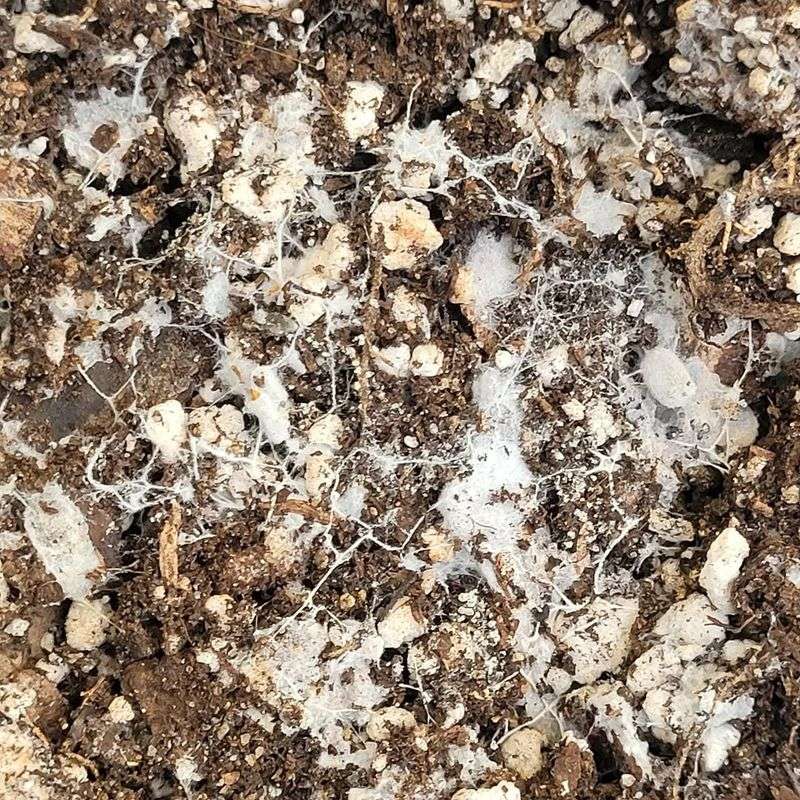
One of the most fascinating relationships in nature happens completely out of sight, right below your Ohio lawn. Mycorrhizal fungi form partnerships with plant roots, wrapping around them or even growing inside them to create a connected network that dramatically expands how far a plant can reach for water and nutrients.
In exchange, the plant feeds the fungi with sugars it produces through photosynthesis. Both sides benefit from the deal.
Grass roots on their own can only absorb water and nutrients from the soil immediately surrounding them. Mycorrhizal fungi extend that reach by many times, pulling in phosphorus, nitrogen, and moisture from areas the roots could never access alone.
During Ohio summers when dry spells hit and the ground gets hard, lawns with strong mycorrhizal networks tend to stay greener and recover faster than lawns without that underground support system.
Seeing mushrooms in your yard can indicate that fungi are active in the area, though most lawn mushrooms are not mycorrhizal. While not all lawn mushrooms are mycorrhizal, their presence signals a soil environment that is hospitable to all kinds of beneficial fungi.
Building and protecting that environment means avoiding harsh chemical fungicides and being mindful about soil disturbance. Ohio homeowners who work with their soil’s natural biology rather than against it tend to see healthier, more resilient lawns year after year without as much effort or expense.
6. Mushrooms Can Point To Strong Organic Matter Cycling
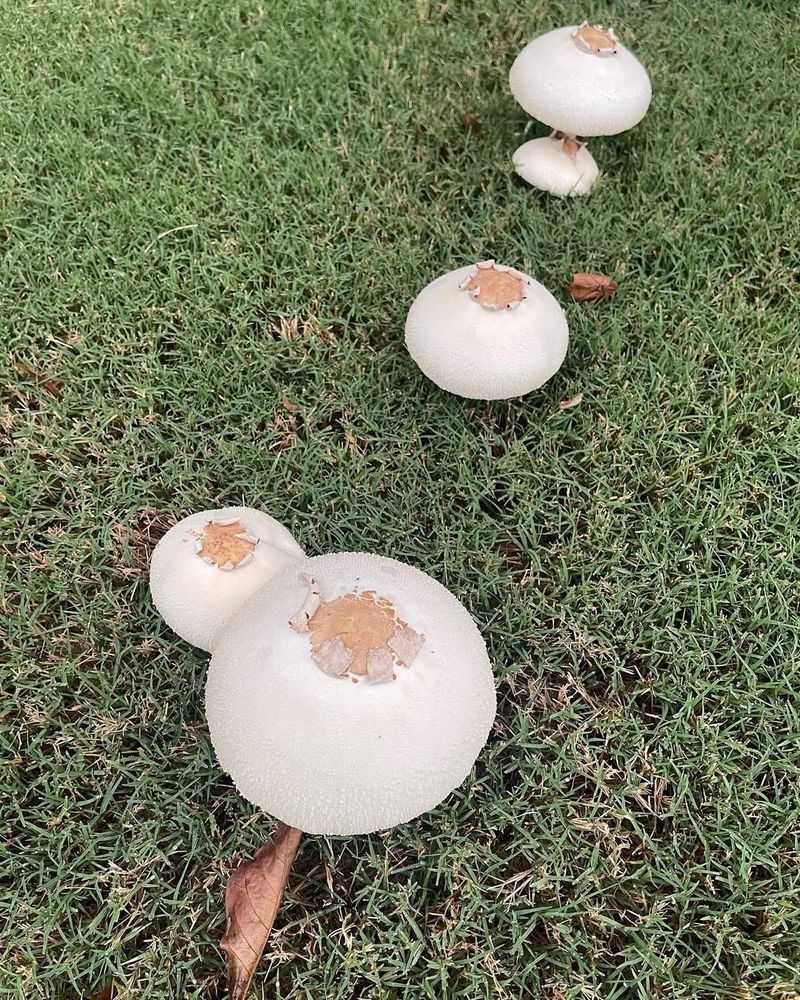
Organic matter cycling is basically nature’s way of reusing everything. When leaves fall, grass clippings drop, and old plant material breaks apart, the nutrients inside those materials get released back into the soil and taken up again by living plants.
Fungi are one of the key players that keep this cycle spinning. Without them, organic matter would pile up and nutrients would stay trapped in forms plants cannot use.
A lawn that supports mushroom growth in Ohio is often one where organic matter cycling is happening efficiently. The soil has enough biological diversity to process organic material quickly, release nutrients steadily, and maintain a structure that supports healthy grass growth.
This kind of cycling reduces the need for synthetic fertilizers because the soil is already doing a great job of feeding itself.
Homeowners across Ohio who compost, use organic mulch, or leave grass clippings on the lawn are actively supporting organic matter cycling whether they realize it or not. Those practices feed the fungi and bacteria that do the recycling work underground.
When mushrooms appear in these well-managed yards, it is a satisfying sign that the effort is paying off. The soil is not just holding grass roots in place.
It is actively processing, recycling, and rebuilding itself season after season, creating a foundation for a lawn that gets better with time rather than worse.
7. Rain Often Triggers Mushrooms From Established Fungal Networks
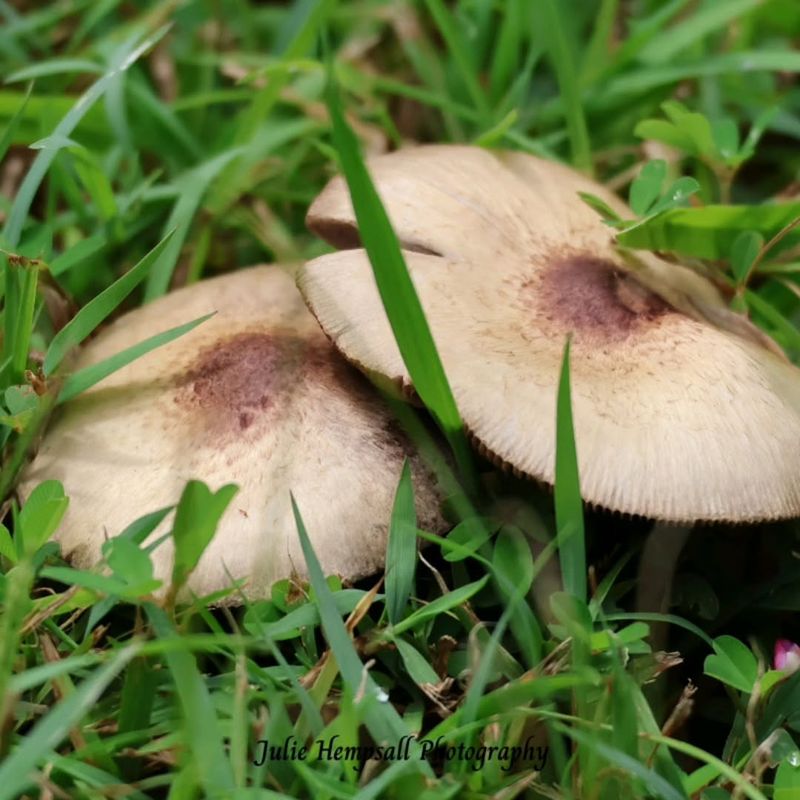
Ever notice how mushrooms seem to appear almost overnight after a good Ohio rainstorm? That is not a coincidence at all.
Established fungal networks underground can sit quietly for months, waiting for the right conditions to send up their fruiting bodies. Moisture is the main trigger.
When rain soaks into the soil, it signals the fungal network that conditions are right to reproduce, and mushrooms push up through the ground in a matter of hours.
The fact that mushrooms appear so quickly after rain tells you something important. The fungal network was already there, already mature, already established deep in the soil.
Mushrooms are not built from scratch after every rainstorm. They are produced by a living underground system that has been quietly growing for a long time.
That kind of established network is a strong indicator of stable, healthy soil biology.
Ohio weather is known for its unpredictable swings, with stretches of dry heat followed by heavy rain. Lawns with strong fungal networks handle these moisture swings better because the mycelium helps regulate how water moves through the soil.
After heavy spring or fall rains across Ohio, it is completely normal to wake up and find a fresh batch of mushrooms in the yard. Rather than being alarmed, consider it a sign that your lawn’s underground support system is alive, responsive, and ready to keep your grass thriving through whatever weather comes next.
8. Fairy Rings Often Form As Fungi Spread Through The Soil
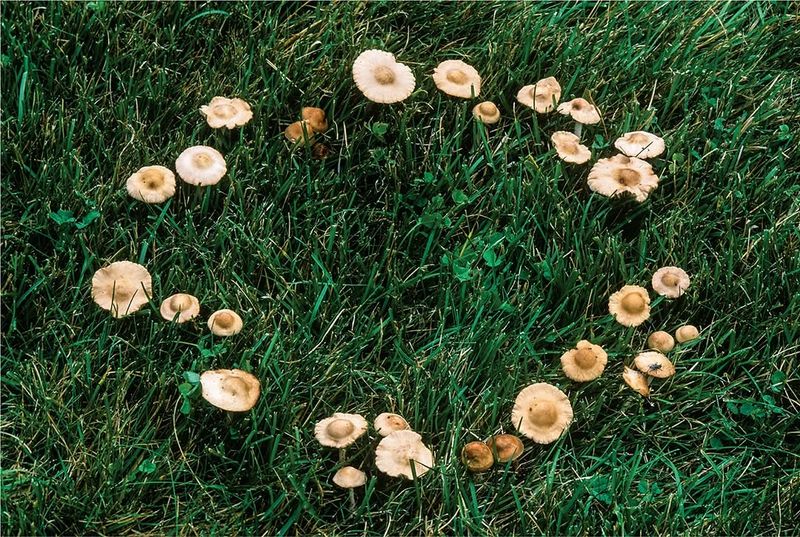
Walking out to your Ohio yard and finding a perfect circle of mushrooms can feel like something out of a storybook. These circular formations, known as fairy rings, have been puzzling and delighting people for centuries.
The science behind them is actually straightforward. A fungal network starts from a single point and spreads outward in all directions at a roughly equal rate, creating a circular shape as it expands year after year.
Fairy rings form because the fungi at the outer edge of the expanding circle are the most active. They are moving into fresh soil with more food available, so that is where the mushrooms pop up.
The area inside the ring has often already been processed, with nutrients released into the soil. This can sometimes cause the grass inside or along the ring to look slightly darker green because of the extra nitrogen that gets released during decomposition.
Across Ohio, fairy rings are a fairly common sight, especially in older lawns with mature trees and established landscaping. Most of the time they are completely harmless and even beneficial, indicating a long-established fungal presence in the soil.
If a fairy ring concerns you cosmetically, gentle aeration and consistent watering can help minimize its appearance over time. But from a soil health perspective, a fairy ring in your Ohio yard is really just a beautiful, natural map of an underground world that has been quietly thriving for years.