5 Shrubs To Prune In April In Arizona For More Blooms
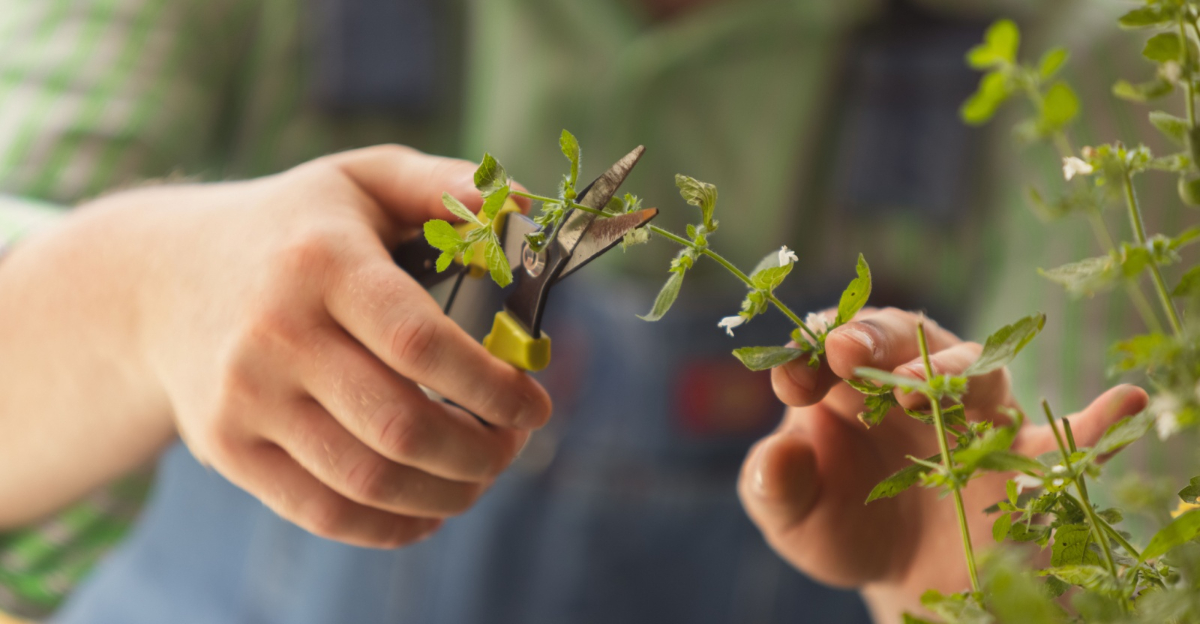
April is the perfect month for Arizona gardeners to pick up their pruning shears and give shrubs a fresh start.
With soils warming, daylight hours stretching longer, and the dry spring air making pruning easier, this is the ideal window to shape plants before the intense summer heat arrives.
Light pruning now encourages stronger stems, more abundant blooms, and healthier growth throughout the season, helping your garden look its best while conserving water in the desert climate.
From the low desert valleys around Phoenix and Tucson to the cooler mid-elevation landscapes near Prescott and Flagstaff, knowing which shrubs to prune in April can make a big difference in yard aesthetics and plant vitality.
Pruning at the right time supports flowering cycles, improves airflow to prevent disease, and sets your shrubs up to thrive during Arizona’s hot, sunny months. A little spring attention now pays off all season.
1. Bougainvillea Shapes Vivid Blooms And Encourages New Growth
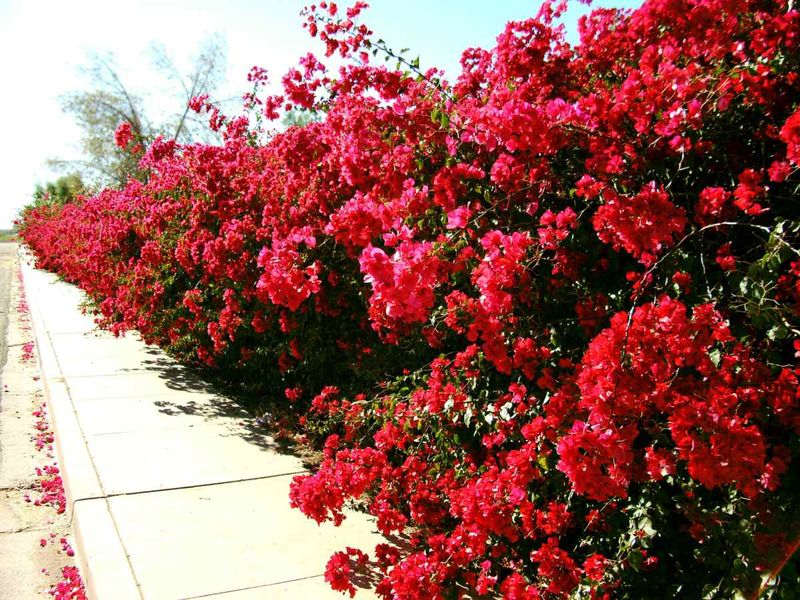
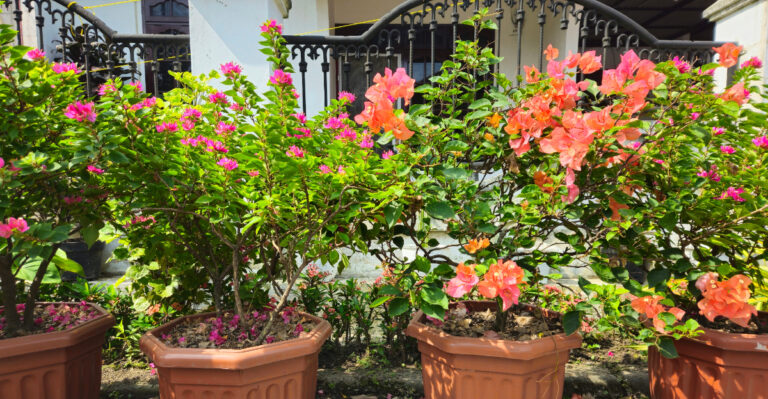
Few plants put on a show quite like bougainvillea in an Arizona landscape. Known for its electric bursts of color in shades of magenta, orange, red, and purple, bougainvillea thrives in the intense Arizona sun and well-draining desert soils.
April is a solid time to prune it because new growth is just beginning to push out after winter, and the plant has enough energy to bounce back quickly.
Pruning at the right time also helps control the plant’s size and keeps it looking tidy against fences, walls, or trellises.
Regular pruning encourages airflow through dense foliage, reducing the risk of fungal diseases during Arizona’s warm months.
When pruning bougainvillea, focus on cutting back long, leggy stems that have stretched out over winter. Trim these shoots by about one-third to encourage the plant to branch out and produce more flowering wood.
Avoid cutting into thick, woody canes unless they are clearly damaged, since those older branches provide structural support for the plant.
One helpful tip for Arizona gardeners is to wear thick gloves during this task. Bougainvillea has sharp thorns hidden beneath its colorful bracts, and even a quick snip can lead to a scratch.
In the Phoenix metro area, bougainvillea may already be pushing strong new growth by early April, while gardeners in higher-elevation areas like Prescott might want to wait until mid-April when frost risk drops.
After pruning, water the plant deeply once to help it settle, then ease back on irrigation since bougainvillea actually blooms more when it experiences mild water stress.
A light application of bloom-boosting fertilizer in late April can also encourage a more vibrant flower display through spring and into early summer.
2. Hibiscus Grows Fuller Stems And More Summer Flowers
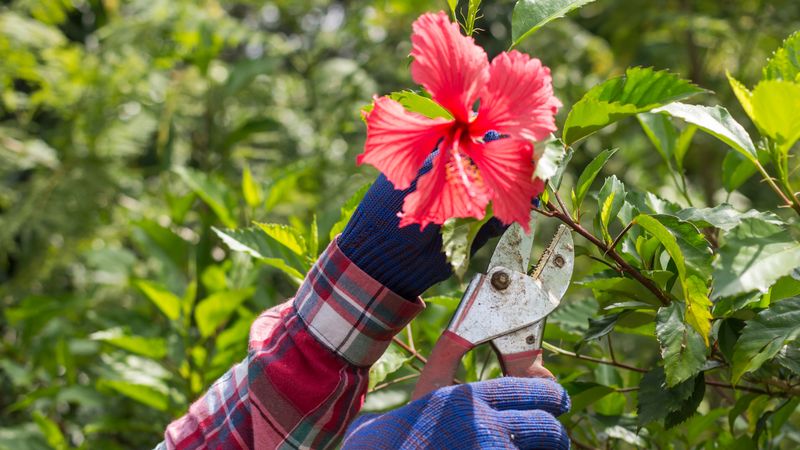
Watching a hibiscus push out wide, colorful blooms in an Arizona summer is genuinely rewarding, and a good April pruning is one of the best ways to set that show in motion.
Tropical hibiscus varieties, which are popular in Arizona’s low desert gardens, respond well to pruning in early spring when temperatures start climbing into the 80s and the plant’s growth cycle kicks back into gear.
Your Arizona Garden Changes Every Week. Your Plan Should Too.
Gardening in Arizona changes quickly throughout the season. Every Friday you’ll receive a simple weekly plan showing exactly what to plant, prune, fertilize, harvest, and protect so you never miss the right timing.
Pruning also helps control the overall size of the plant, keeping it from becoming too leggy or crowded in garden beds or containers.
Additionally, timely pruning encourages the plant to produce more lateral branches, which can lead to a fuller, bushier appearance and more flowers.
To encourage fuller stems and a more generous flower display, cut back any thin or weak branches by about one-half to two-thirds their length. This redirects the plant’s energy toward strong, new growth rather than maintaining spindly old wood.
Look for branches that crossed over each other or grew inward, and remove those first to open up the plant’s center to better airflow and light penetration.
In Arizona’s low desert, tropical hibiscus can suffer some frost damage during winter months, so April pruning is also a good chance to clean up any brown or soft tips that did not survive cooler temperatures.
Snip just above a leaf node or outward-facing bud to guide new stems in a direction that opens up the canopy.
After pruning, hibiscus benefits from a balanced fertilizer since it is a relatively heavy feeder compared to many desert-adapted plants. Keep soil consistently moist but not waterlogged, especially as temperatures rise through late spring.
With the right pruning and care in April, hibiscus plants in Arizona can produce blooms reliably from late spring through early fall.
3. Lantana Stays Compact While Producing Vibrant Blooms
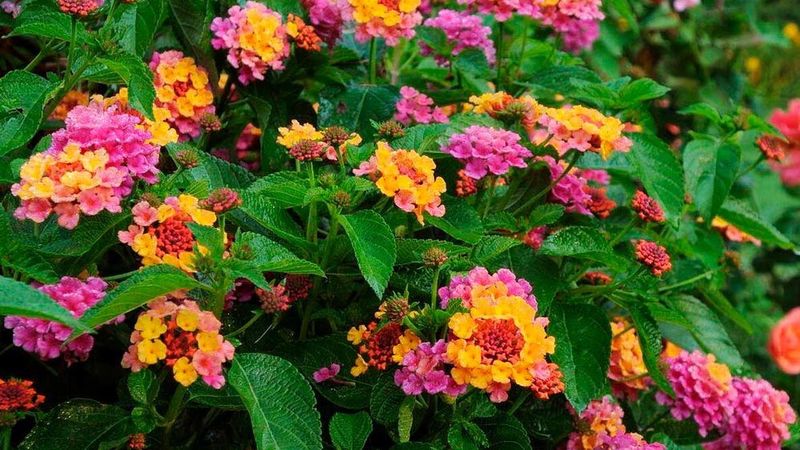
Lantana has earned a devoted following among Arizona gardeners, and it is easy to understand why.
This tough, sun-loving shrub tolerates intense heat, poor soils, and dry spells with impressive resilience, and it rewards minimal care with nonstop bursts of color in shades of orange, yellow, pink, and red.
By April, lantana that was cut back or left to go dormant over winter is ready to push out a fresh flush of growth.
Pruning now also helps maintain the plant’s shape and encourages stronger stems that can better withstand Arizona’s summer sun and occasional monsoon winds.
Regular pruning promotes airflow through the dense foliage, which reduces the risk of fungal diseases during the warmer months.
Pruning lantana in April helps keep the plant from becoming too woody and sprawling, which can reduce flower production over time. Cut back stems by about one-third to one-half, focusing on removing old, thick woody growth at the base of the plant.
This encourages tender new stems to emerge, and those new stems are exactly where the most blooms will develop throughout the season.
Removing spent flower clusters as they fade, a practice called deadheading, also helps lantana produce more blooms continuously rather than putting energy into seed production.
In the Phoenix area, lantana may already have noticeable new growth by early April, making it a great time to shape the plant before it gets too far along.
Gardeners in Tucson or higher-elevation areas may see slightly slower regrowth, so mid-April pruning could work better there. Lantana does not need much fertilizer since too much nitrogen can actually reduce blooming.
Light, consistent pruning through spring and summer keeps the plant compact, tidy, and flowering at its best all season long.
4. Texas Sage Benefits From Light Cuts To Boost Flowering
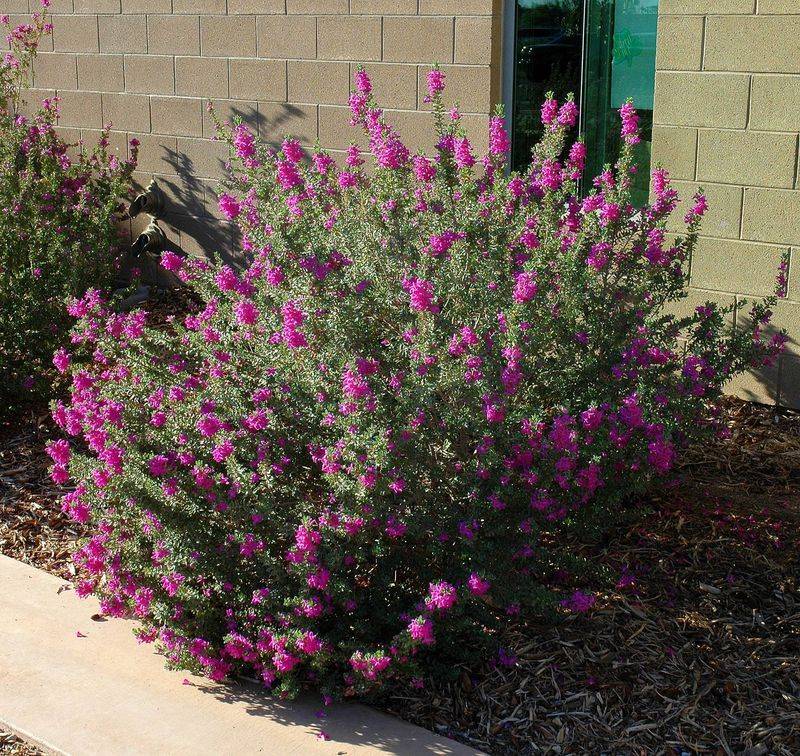
After a rainstorm rolls through the Sonoran Desert, the sweet, earthy scent of Texas sage fills the air as it bursts into purple bloom.
This native-adapted shrub, also called cenizo or purple sage, is a staple in Arizona landscapes because it handles drought, poor soils, and blazing summer heat without much fuss.
Pruning in April gives it a chance to shape up before its main bloom cycles arrive later in the season. Regular pruning also encourages airflow through the dense foliage, which can help reduce the risk of fungal issues during warmer, humid periods.
Keeping the plant well-shaped makes it easier to manage in landscape beds or along walkways while still showing off its vibrant blooms.
Texas sage blooms in response to humidity and rainfall rather than on a fixed calendar schedule, so pruning in April helps the plant maintain a clean structure so it looks its best when those blooms do appear. Light cuts are the way to go with Texas sage.
Removing about one-quarter to one-third of the plant’s overall size is enough to encourage fresh growth without stressing the shrub. Focus on trimming back any frost-damaged tips and branches that have grown unevenly over winter.
Heavy pruning of Texas sage can reduce its natural, rounded form and may take a season or two to recover, so it is worth being conservative with your cuts. Use clean, sharp shears and make cuts just above a leaf node to promote tidy branching.
In Phoenix and other low desert areas, Texas sage may already be leafing out well by early April. In higher-elevation Arizona communities, waiting until mid-to-late April is often a safer approach.
Minimal supplemental water after pruning is fine since Texas sage is well adapted to dry Arizona conditions and does not need much extra encouragement to rebound.
5. Oleander Removes Crowded Stems And Promotes Healthy Blooms
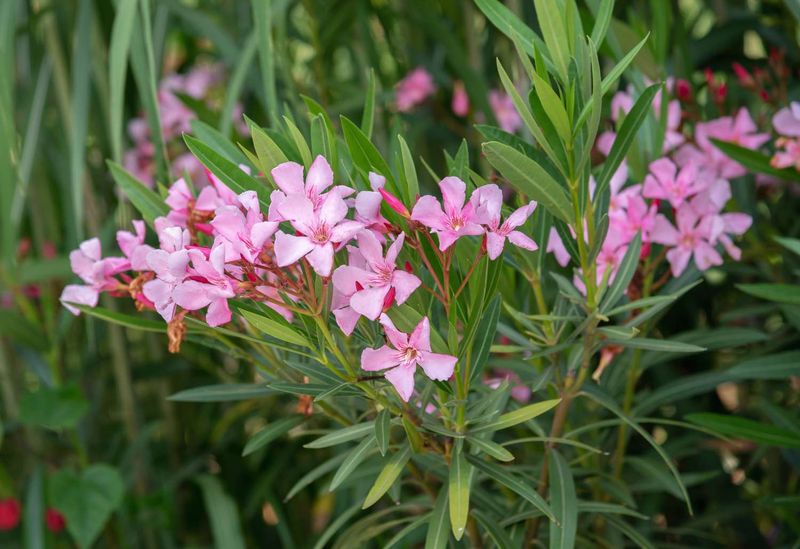
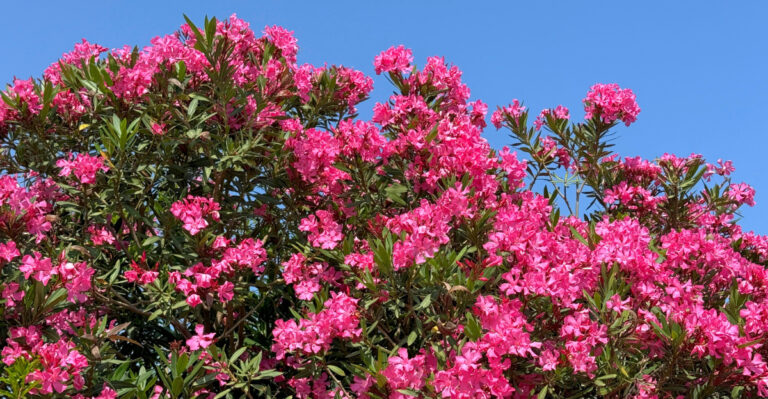
Oleander is one of the most recognizable shrubs in Arizona landscapes, lining highways, parking lots, and backyard fences with thick foliage and cheerful clusters of pink, white, or red flowers.
It is tough, heat-tolerant, and well-suited to the low desert environment, but without occasional pruning, oleander can become dense and overcrowded, which limits airflow and reduces bloom production over time.
Pruning in April also helps maintain the shrub’s overall shape and encourages new growth in desirable directions, keeping it manageable in smaller yards or along walls.
Regular maintenance at this time ensures the plant looks its best while minimizing the risk of pest infestations and fungal issues that can arise from overly dense foliage.
April is a good month to tackle oleander pruning in Arizona because the plant is actively growing and will recover from cuts relatively quickly before the summer heat intensifies.
The main goal is to remove crowded inner stems that cross over each other or grow toward the center of the plant.
Thinning out these stems improves light penetration and air circulation, which helps reduce the likelihood of fungal issues and encourages stronger outer growth where most of the blooms appear.
When removing stems, cut them back to a main branch or as close to the base as possible rather than leaving stubs, which can create entry points for pests and disease.
Oleander can be pruned more aggressively if needed, but moderate thinning in April usually produces the best results for bloom production.
One important reminder for Arizona gardeners is to wear gloves and long sleeves during this task since all parts of the oleander plant contain compounds that can irritate skin and eyes.
After pruning, oleander generally does not need extra fertilizer or water beyond its normal schedule.
With thinning cuts made in April, oleander can reward you with a generous flush of blooms from late spring through summer.