Top 8 Pennsylvania Plants That Support Fireflies From Spring To Summer
Have you noticed how magical a yard feels when fireflies start flickering through it on a warm evening? It is one of those small summer moments that never really gets old.
In Pennsylvania, though, that kind of backyard glow does not just happen by chance. The plants growing around your home can make a big difference in whether fireflies stick around or seem to disappear before the season really gets going.
That is why choosing the right plants matters more than many people realize. Some varieties do a better job of creating the kind of shelter, moisture, and natural comfort these glowing visitors need from spring into summer.
They also happen to make a yard feel fuller, softer, and more alive in the process. For gardeners who want something beautiful and beneficial, this is a pretty satisfying combination.
A thoughtful mix of plants can support pollinators, add texture and color, and turn an ordinary outdoor space into the kind of place that feels more active after sunset. When fireflies show up, the whole yard seems to come to life in a different way.
1. Eastern Red Columbine
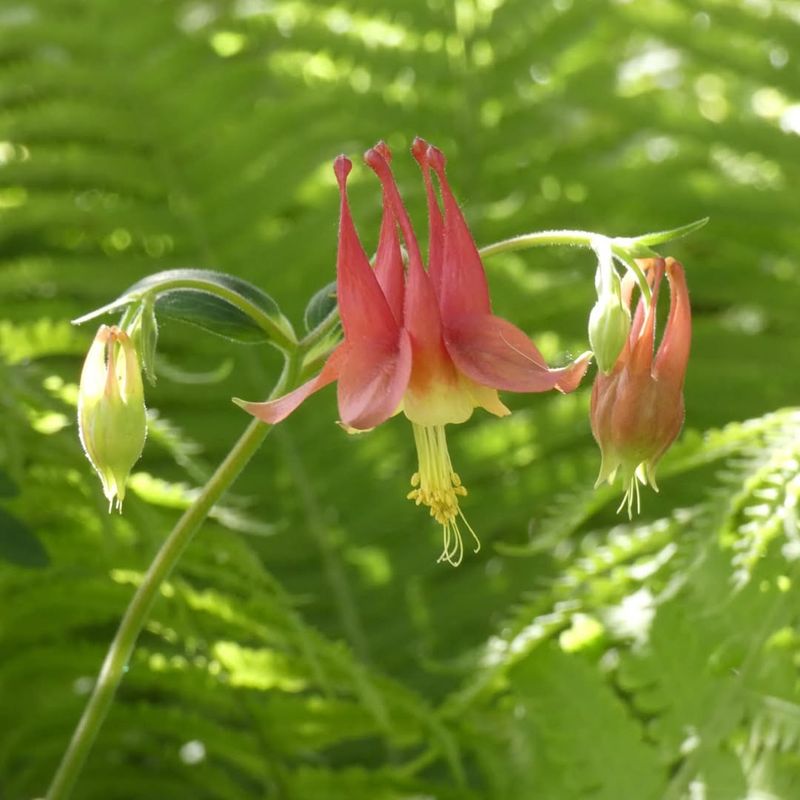
Few spring flowers grab attention quite like Eastern Red Columbine. Its bright red and yellow drooping blooms appear early in the season, often while other plants are still waking up.
That early timing makes it one of the most valuable plants you can add to a Pennsylvania yard.
Firefly larvae live in the soil and leaf litter, feeding on soft creatures like snails and worms. Eastern Red Columbine naturally thrives in shaded, moist spots where leaf litter builds up over time.
Planting it along woodland edges or under trees helps keep the ground damp and rich with the organic material firefly larvae need to grow.
This plant is also a native species, which means it fits right into Pennsylvania ecosystems without extra fuss. It spreads slowly on its own and comes back every year.
You do not need to replant it each season, which makes it low-maintenance and beginner-friendly.
Beyond fireflies, Eastern Red Columbine attracts hummingbirds and native bees that visit its tubular flowers. More insects means a richer food web, and a richer food web means more resources for fireflies at every stage of their life.
Adding this plant to a shaded corner of your yard is one of the simplest steps you can take toward supporting Pennsylvania firefly populations.
2. Wild Bergamot
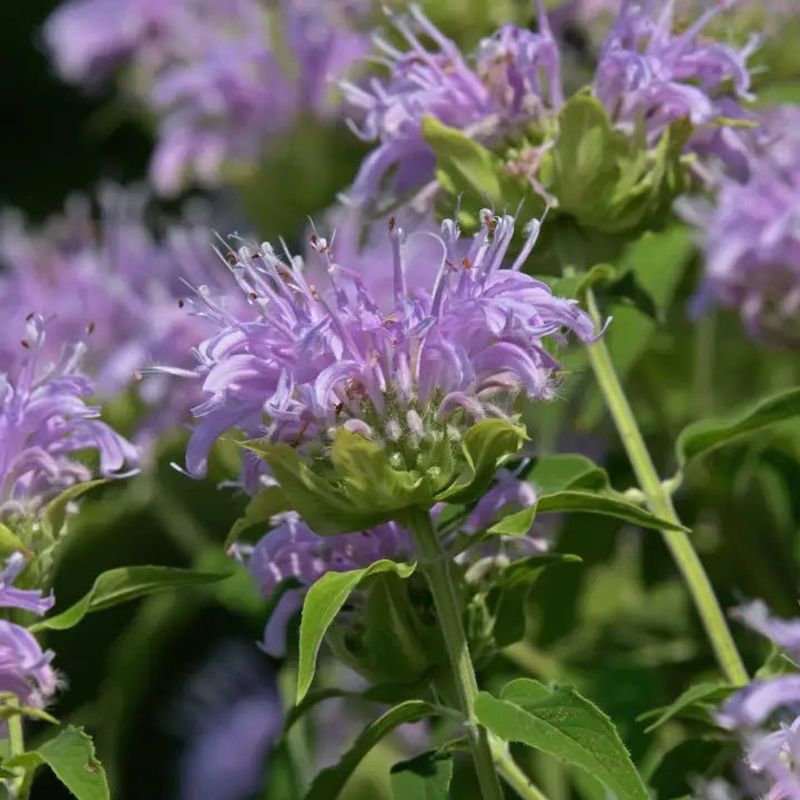
Walk past a patch of Wild Bergamot on a warm Pennsylvania afternoon, and you will likely hear it before you see it. The buzzing of bees, butterflies, and other pollinators fills the air around its lavender-pink blooms all summer long.
That constant insect activity is exactly what makes this plant so valuable for fireflies. Fireflies depend on a healthy food chain. As larvae, they feed on smaller soft-bodied creatures.
When a plant like Wild Bergamot draws in dozens of different insect species, it helps build the kind of active, layered ecosystem where fireflies can find plenty to eat. More insects at ground level means better conditions for larvae developing in the soil beneath.
Your Pennsylvania Garden Changes Every Week. Your Plan Should Too.
Gardening in Pennsylvania changes quickly throughout the season. Every Friday you’ll receive a simple weekly plan showing exactly what to plant, prune, fertilize, harvest, and protect so you never miss the right timing.
Wild Bergamot blooms from midsummer into late summer, filling a window when many other native plants have already finished flowering. That extended bloom time keeps insect traffic high throughout the season.
In Pennsylvania landscapes, it works especially well in sunny borders or along meadow edges where it can spread naturally.
It is also drought-tolerant once established, making it a reliable choice even during dry Pennsylvania summers. Plant it in full sun and give it well-drained soil, and it will reward you with years of blooms.
The combination of beauty, resilience, and ecological value makes Wild Bergamot a standout addition to any firefly-friendly garden.
3. Black-Eyed Susan
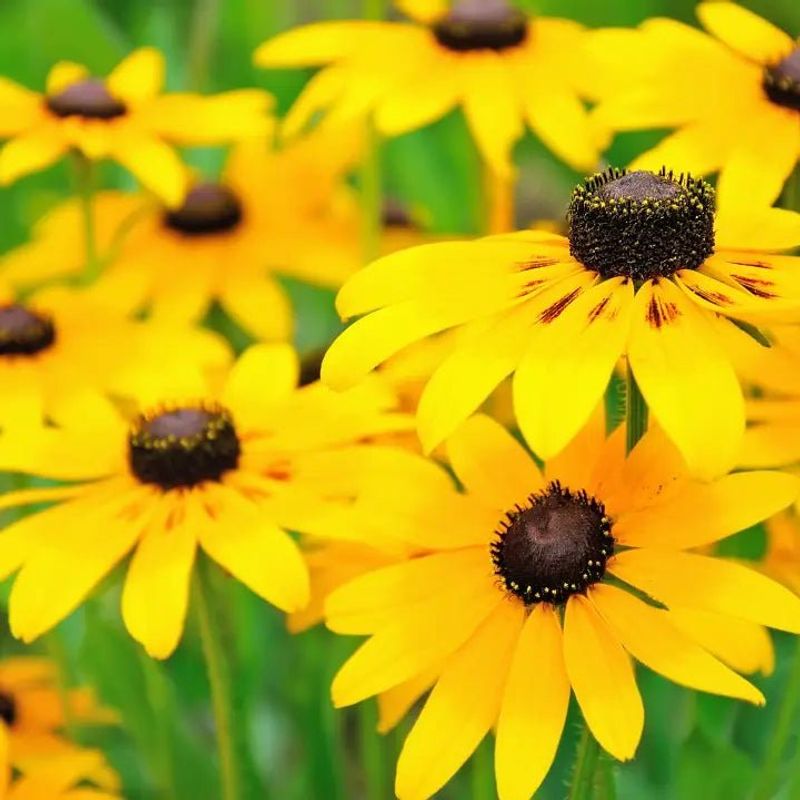
Cheerful, tough, and practically impossible to overlook, Black-Eyed Susan is a Pennsylvania classic.
Its golden-yellow petals surrounding a dark brown center show up in meadows, roadsides, and backyard gardens across the state every summer. Beyond its good looks, this plant is a powerhouse for supporting local wildlife.
Black-Eyed Susan tolerates heat and drought better than many native plants, which makes it dependable even during the hottest Pennsylvania summers. It blooms from early summer into fall, providing a long stretch of resources for insects.
Those insects, in turn, help sustain the broader food web that fireflies depend on throughout their life cycle.
The plant grows well in full sun and adapts to many soil types, making it easy to fit into almost any yard. It self-seeds readily, so once you plant it, you will often find it returning and spreading on its own.
That natural spreading creates larger patches of habitat over time, which benefits not just fireflies but also native bees, beetles, and butterflies.
One of the best things about Black-Eyed Susan is how versatile it is. It looks great in formal garden beds, naturalized meadow areas, or even containers on a porch.
For Pennsylvania gardeners who want to support fireflies without a lot of extra work, this plant is one of the easiest and most rewarding choices available.
4. Joe-Pye Weed
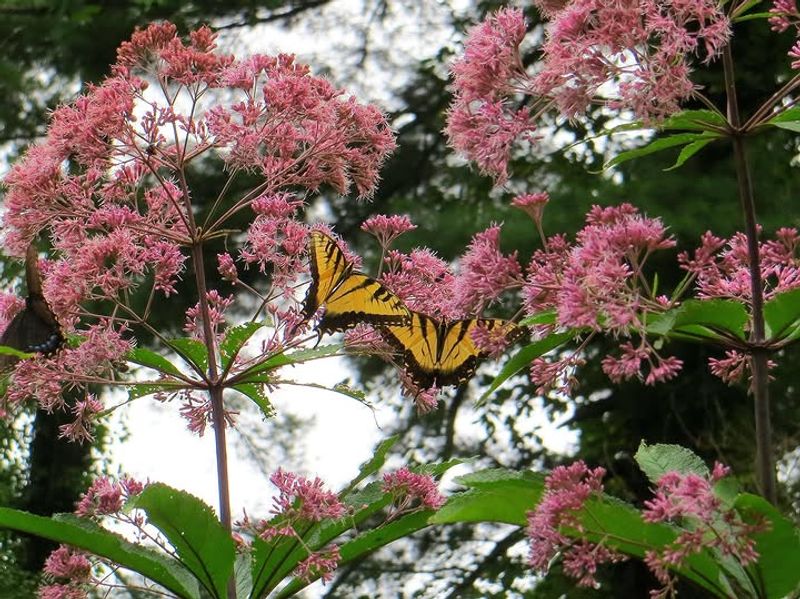
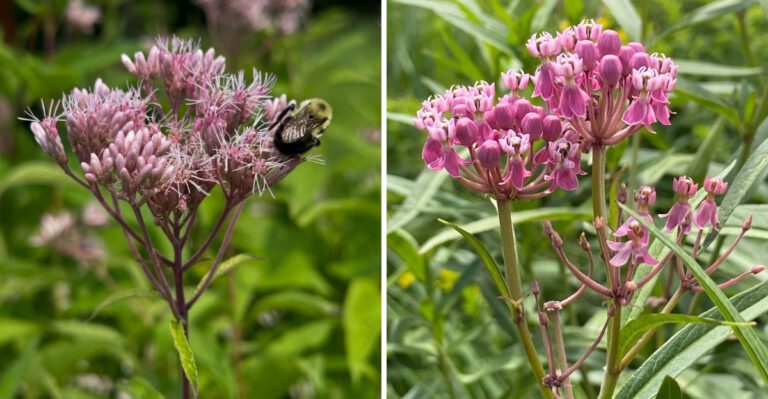
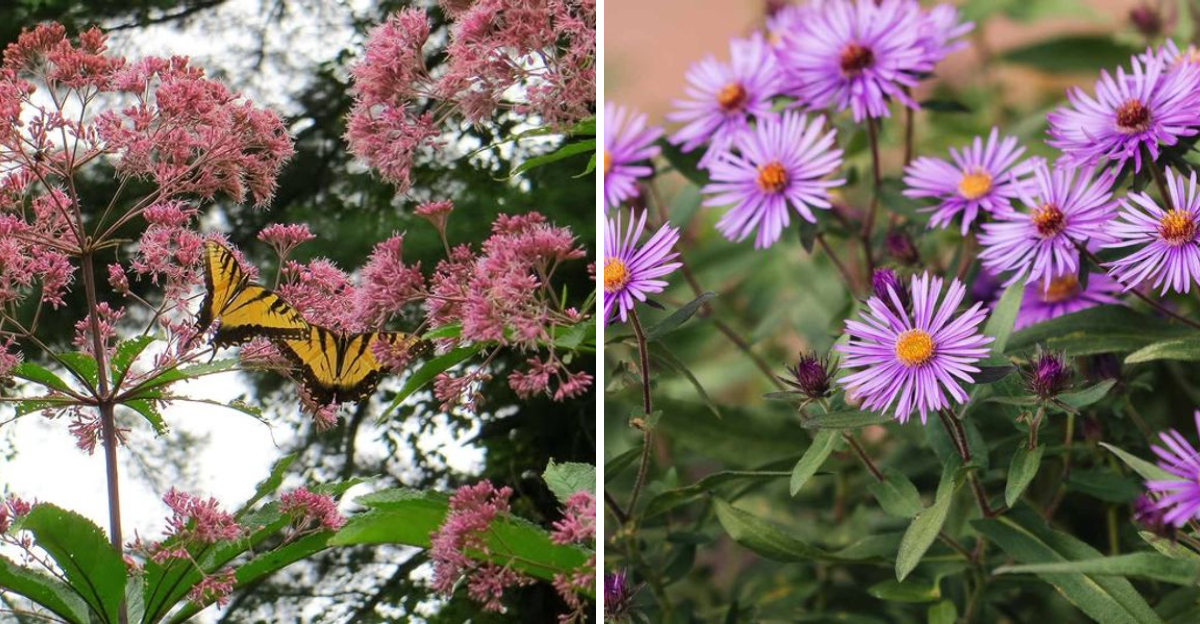
Towering over most garden plants with its large clusters of dusty-pink blooms, Joe-Pye Weed brings a bold, dramatic presence to any Pennsylvania landscape.
It can reach six to eight feet tall, creating a canopy effect that shades the ground and traps moisture below. That combination of height and shade is exactly what firefly larvae need in the soil beneath.
Fireflies are especially drawn to humid, sheltered environments where the ground stays consistently moist. Joe-Pye Weed thrives near stream banks, pond edges, and low-lying areas where moisture collects naturally.
Planting it in these spots across Pennsylvania yards helps recreate the kind of habitat fireflies would naturally seek out in the wild.
The dense foliage also provides cover for adult fireflies during the day, when they rest on stems and leaves before their nighttime displays begin. More resting spots mean more fireflies staying close to your yard rather than drifting elsewhere.
The pink flower clusters attract butterflies and native bees, which keeps the surrounding ecosystem buzzing with life.
Joe-Pye Weed is a native perennial, so it comes back reliably each year without much intervention. It pairs beautifully with other moisture-loving natives like Wild Bergamot and New England Aster.
If you have a wet or low area in your Pennsylvania yard that you are not sure what to do with, Joe-Pye Weed is an outstanding solution that works for both you and the fireflies.
5. Switchgrass
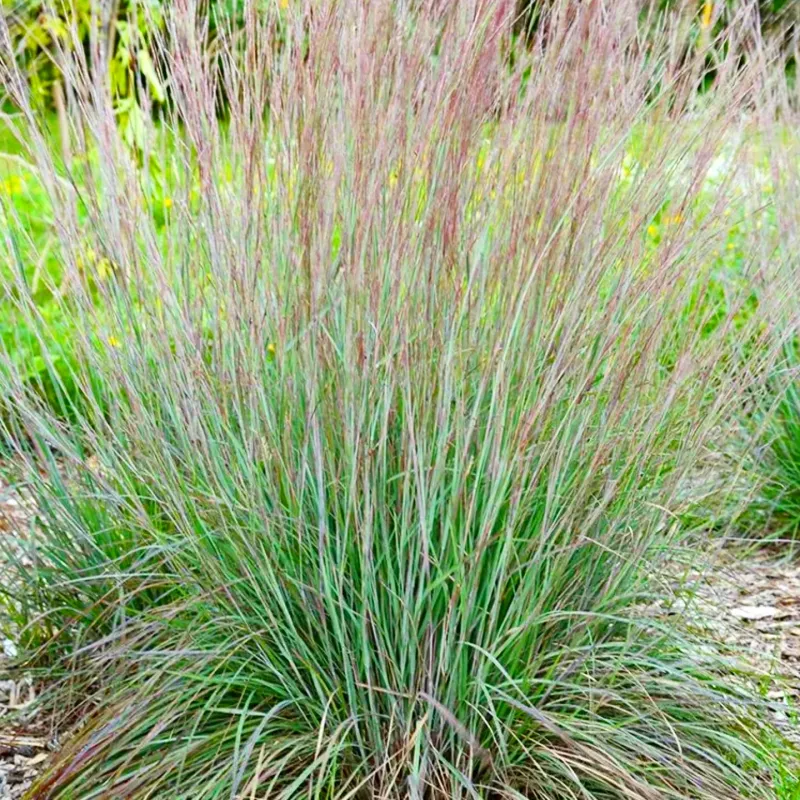
Not every firefly-friendly plant needs to produce flowers. Switchgrass proves that point beautifully.
This tall, upright native grass grows across Pennsylvania in meadows, prairies, and along stream banks, and it provides something flowering plants often cannot: dense, undisturbed ground cover where firefly larvae can develop safely.
Firefly larvae spend months in the soil, quietly growing through the fall and winter before emerging as adults. Areas with thick grass cover stay protected from foot traffic, harsh weather, and soil disturbance.
Switchgrass creates exactly those conditions, making it one of the most practical habitat plants you can add to a Pennsylvania yard.
Beyond larvae, adult fireflies use tall grass stems as perching and signaling spots during their nighttime light shows. Having vertical structure in your yard gives them more places to flash and find mates, which supports the overall population over time.
Switchgrass grows quickly and forms impressive clumps that look attractive through every season.
It handles a wide range of soil types and tolerates both wet and dry conditions, which makes it incredibly adaptable across different Pennsylvania landscapes. In fall, the seed heads turn a warm golden color and catch the light beautifully.
Birds also feed on the seeds, adding another layer of wildlife value. If you want to create a low-maintenance, high-impact habitat corner in your yard, Switchgrass is one of the smartest plants you can choose.
6. Little Bluestem
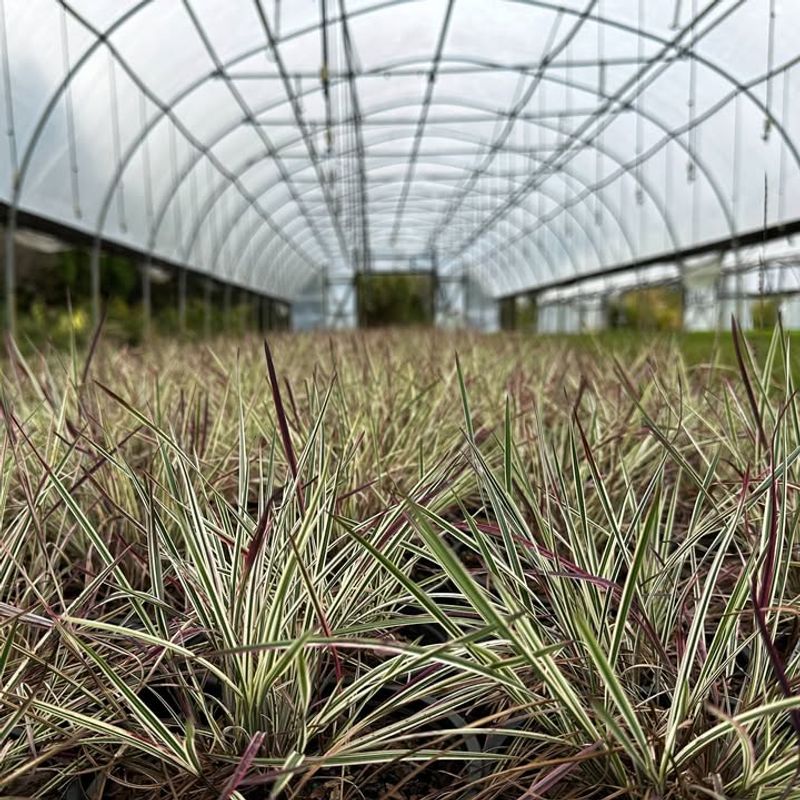
There is something almost poetic about Little Bluestem. In summer, its blue-green stems stand upright and elegant in the sun.
By fall, it transforms into a stunning display of reddish-bronze, holding its structure long after other plants have faded. But beyond its good looks, Little Bluestem quietly does important work for Pennsylvania fireflies.
Like Switchgrass, Little Bluestem provides ground-level cover that protects the soil environment where firefly larvae develop. It forms tight, bunching clumps that create undisturbed patches of habitat across a yard or meadow.
Those sheltered zones are especially important in suburban Pennsylvania gardens where bare soil and heavy foot traffic can disrupt larval development underground.
Little Bluestem thrives in dry to medium soils and full sun, making it a great match for sunny spots that might be too dry for other native plants.
It is extremely drought-tolerant once established, which means it keeps providing habitat even during dry Pennsylvania summers when other plants struggle. That reliability makes it a strong anchor plant for naturalized garden areas.
Pairing Little Bluestem with flowering natives like Black-Eyed Susan or Goldenrod creates a layered habitat that supports fireflies at multiple life stages. The grasses provide larval shelter while the flowers support the insect populations that feed the broader ecosystem.
Together, they create a yard that feels both beautiful and genuinely alive throughout the spring and summer seasons.
7. Goldenrod
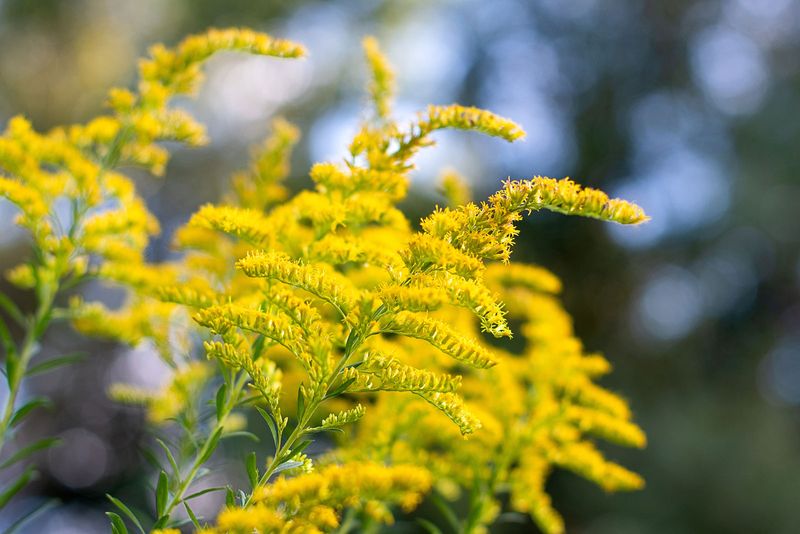
Goldenrod has a bit of an unfair reputation. Many people blame it for fall allergies, but the real culprit is ragweed, which blooms at the same time.
Goldenrod is actually one of the most ecologically valuable native plants in Pennsylvania, and fireflies benefit from it in ways that might surprise you.
Blooming from late summer into fall, Goldenrod extends the season of insect activity well beyond what most flowering plants provide. Over 100 species of insects visit Goldenrod for nectar and pollen.
That constant stream of insect life helps maintain a rich food chain that supports firefly larvae living in the soil below. More prey at ground level means better survival rates for developing larvae.
Adult fireflies also use Goldenrod stems as perching spots during their evening light displays. The tall, sturdy stems offer perfect vantage points for signaling potential mates.
Having Goldenrod scattered across your Pennsylvania yard essentially gives fireflies more stage space for their nightly performances.
Goldenrod is incredibly easy to grow. It tolerates poor soils, full sun, and dry conditions with little complaint.
It spreads readily, so you may want to give it a defined area where it can naturalize freely without crowding out other plants.
Pairing it with New England Aster creates a late-season combination that keeps insect activity going strong and gives your Pennsylvania garden a spectacular seasonal finale full of color and life.
8. New England Aster
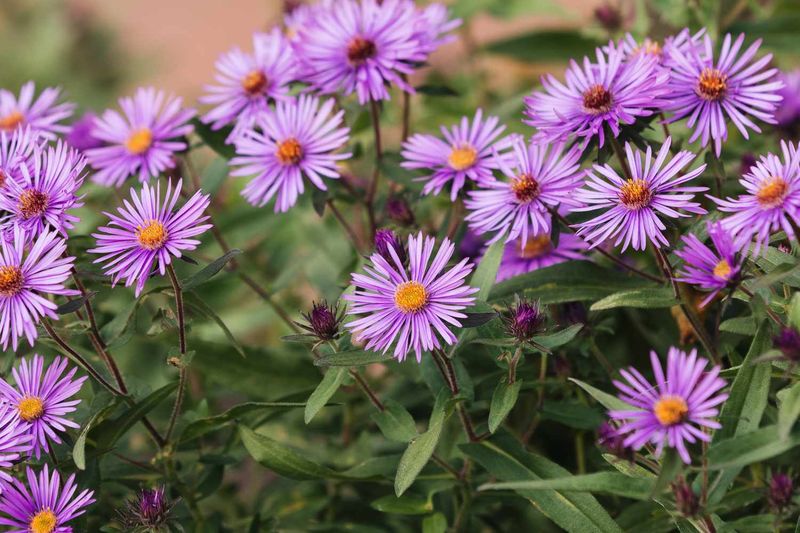
Purple, bold, and absolutely buzzing with life, New England Aster is the plant that keeps a Pennsylvania garden going strong when summer starts to wind down.
Its vivid purple blooms with bright yellow centers appear in late summer and carry on into fall, providing one of the last major surges of insect activity before cooler temperatures arrive.
That late-season insect surge matters more than most people realize. Firefly larvae that hatched earlier in the season are still developing underground during this period.
Keeping insect populations high through fall helps ensure there is enough food in the soil ecosystem to support those growing larvae. New England Aster plays a direct role in maintaining that underground food supply.
The tall stems of New England Aster also serve as resting and signaling sites for adult fireflies. Dense plantings create sheltered microclimates at ground level, trapping a bit of extra warmth and moisture that benefits soil-dwelling creatures.
In Pennsylvania, where evening temperatures can drop quickly in late summer, that extra shelter makes a real difference.
New England Aster pairs naturally with Goldenrod, and the two plants together create a stunning late-season display that attracts migrating monarchs, native bees, and countless other insects.
Planting both in your Pennsylvania yard creates an extended season of ecological activity that benefits fireflies while giving you a garden that looks spectacular right up until the first frost arrives.