Rare Native Pennsylvania Trees You Won’t Find At Most Garden Centers
Most garden centers tend to offer the same familiar trees, which makes sense if you are looking for something easy to recognize and quick to buy.
But if you have ever wanted your yard to feel a little more distinctive, Pennsylvania has some native trees that deserve far more attention than they get.
These are not the ones you see lined up in every nursery row or planted in every new subdivision. They are the kinds of trees that make people stop, look twice, and ask what they are.
That is part of what makes them so appealing. Rare native trees can bring character, local beauty, and a stronger connection to the landscape around you, all while offering the natural benefits that come with planting something suited to the region.
For gardeners, homeowners, and anyone who likes the idea of growing something less expected, these trees open up a more interesting side of Pennsylvania planting.
Some have unusual leaves, some put on a show with flowers or fall color, and some simply have a presence that feels special the moment you see them.
1. Eastern Hophornbeam
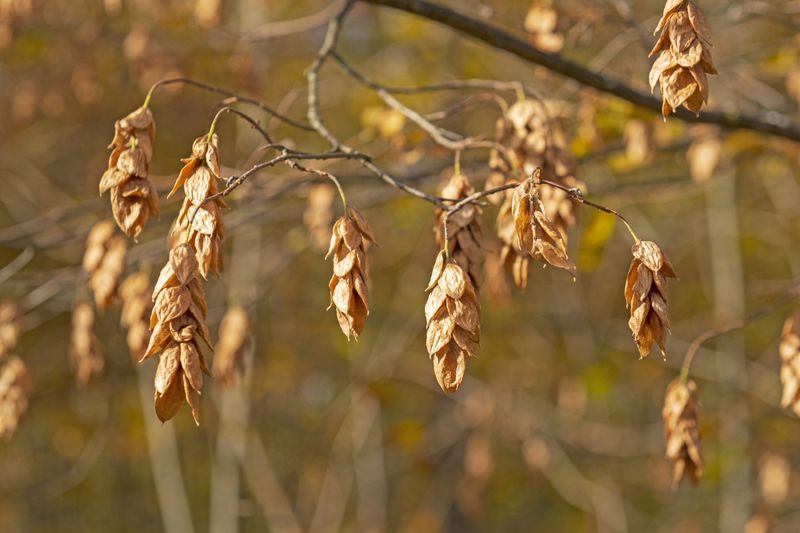
Not every great tree gets the spotlight it deserves, and the Eastern Hophornbeam is proof of that. Walk through almost any Pennsylvania forest and you might spot one quietly growing in the understory, doing its thing without any fuss.
Most people walk right past it without realizing what they are looking at. What makes this tree so interesting is its seed clusters. They look almost exactly like hops, the kind used to brew beer, hanging in papery little bunches that rattle gently in the breeze.
The bark is also something special, shredding into narrow strips that give the trunk a shaggy, textured look unlike most other trees in Pennsylvania.
Eastern Hophornbeam is incredibly tough. It handles drought, poor soil, and deep shade better than most native trees.
That adaptability makes it a smart choice for tricky spots in your yard where other trees struggle. It grows slowly, reaching about 25 to 40 feet at maturity, so it fits nicely into smaller landscapes without overwhelming the space.
Despite all these great qualities, you almost never see it at garden centers in Pennsylvania or anywhere else. Nurseries tend to skip slow-growing trees because they take longer to reach a sellable size, which cuts into profit.
That is a shame, because homeowners are missing out on a genuinely low-maintenance, wildlife-friendly native tree.
Birds love the seeds, and the dense wood has historically been used for tool handles and fence posts because it is so hard. If you can track one down at a specialty native plant nursery in Pennsylvania, it is absolutely worth adding to your landscape.
2. Cucumbertree
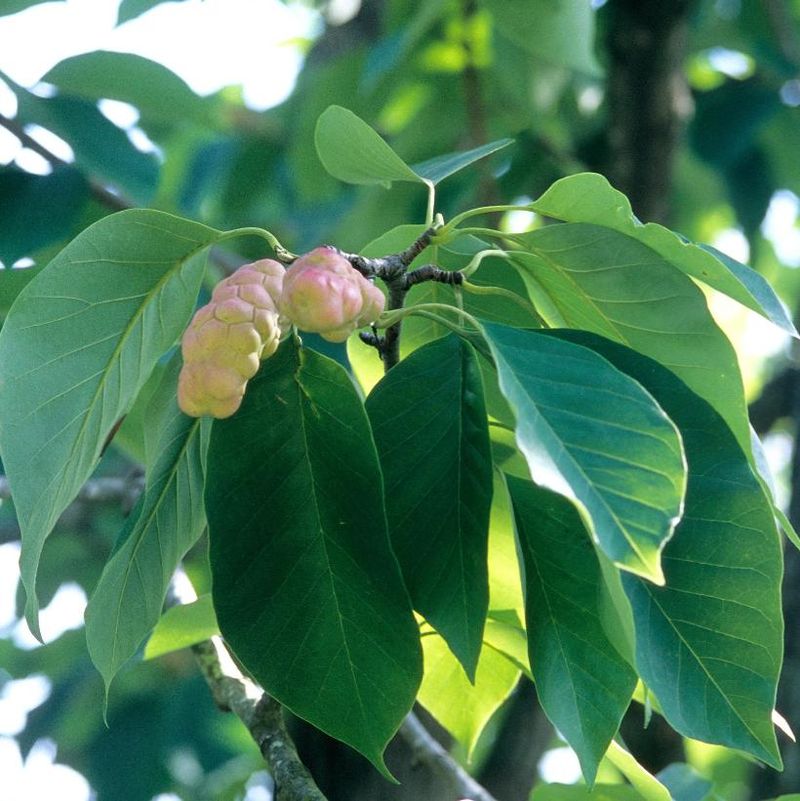
Most people hear the word magnolia and picture those big, showy pink or white blooms you see in front yards every spring. The Cucumbertree throws that expectation right out the window.
It is Pennsylvania’s only native magnolia, and it is nothing like the ornamental varieties crowding garden center lots.
Your Pennsylvania Garden Changes Every Week. Your Plan Should Too.
Gardening in Pennsylvania changes quickly throughout the season. Every Friday you’ll receive a simple weekly plan showing exactly what to plant, prune, fertilize, harvest, and protect so you never miss the right timing.
The flowers on a Cucumbertree are actually small and greenish-yellow, easy to miss unless you are really looking. They bloom in late spring, tucked among the large, dark green leaves that can grow up to ten inches long.
What really grabs attention comes later in the season, when the tree produces bumpy, cucumber-shaped fruit clusters that turn bright red as they ripen and split open to reveal orange-red seeds.
Cucumbertrees can grow quite large, sometimes reaching 60 to 80 feet tall in good conditions across Pennsylvania’s mountain regions. They prefer moist, well-drained soil and do well in full sun to partial shade.
The wood is fine-grained and was historically valued by craftspeople and furniture makers throughout the region.
Finding one at a standard Pennsylvania garden center is nearly impossible. Most nurseries focus on the flashier hybrid magnolias that sell quickly in spring.
The Cucumbertree just does not have that same instant curb appeal, even though it offers far more ecological value as a true native species.
Native insects, birds, and small mammals all benefit from this tree. If you want a large, majestic shade tree with genuine Pennsylvania roots and a quirky personality, the Cucumbertree is a hidden gem worth hunting down at specialty native plant sales or conservation nurseries in the state.
3. Umbrella-Tree
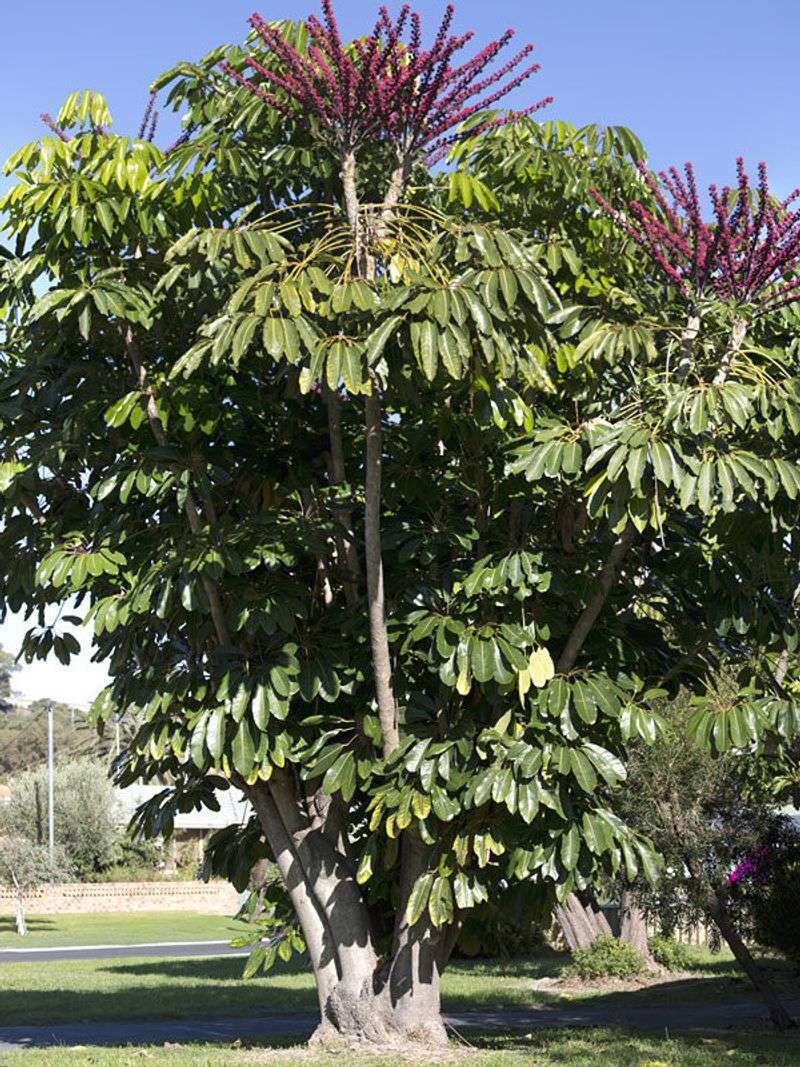
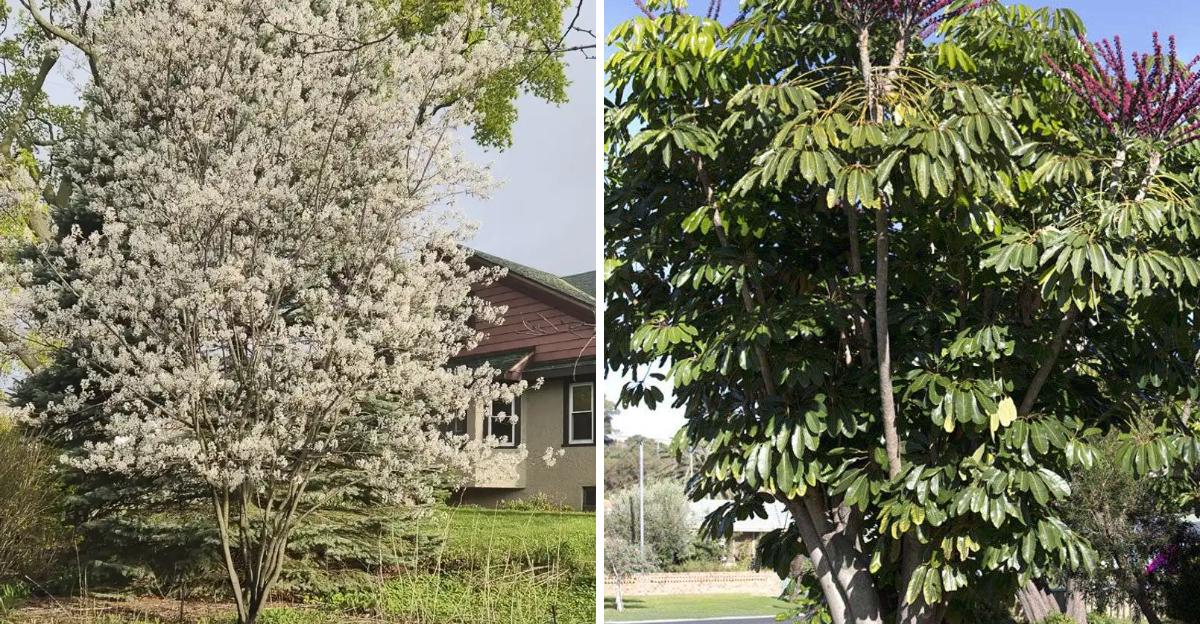
Imagine a tree that looks like it belongs in a tropical rainforest but actually grows wild right here in Pennsylvania. That is exactly the vibe the Umbrella-Tree gives off, and it is one of the most jaw-dropping native trees you can grow in the state.
The leaves are enormous, sometimes reaching two feet long, and they fan out from the branch tips in a pattern that genuinely resembles an open umbrella.
In late spring, large creamy-white flowers appear, each one up to ten inches across. They have a strong, slightly musky scent that some people love and others find a bit overpowering.
Either way, the blooms are hard to ignore. After the flowers fade, cone-shaped rose-pink fruit clusters develop and attract birds throughout the late summer and fall months in Pennsylvania.
Umbrella-Trees tend to grow as multi-stemmed large shrubs or small trees, usually topping out around 15 to 30 feet. They thrive in moist, rich, well-drained soils and prefer some shade, making them a natural fit for woodland garden edges across Pennsylvania’s many forested landscapes.
You will not find this tree at most garden centers, plain and simple. It is too unusual looking, too slow to move off the lot, and not well-known enough among casual shoppers.
That is a real loss for Pennsylvania gardeners who want something bold and different without going with non-native exotic plants.
Specialty native plant nurseries and conservation plant sales hosted by Pennsylvania native plant societies are your best bet for finding one. Once established, it is a conversation-starting focal point that reminds every visitor just how wild and wonderful Pennsylvania’s native flora can be.
4. Allegheny Serviceberry
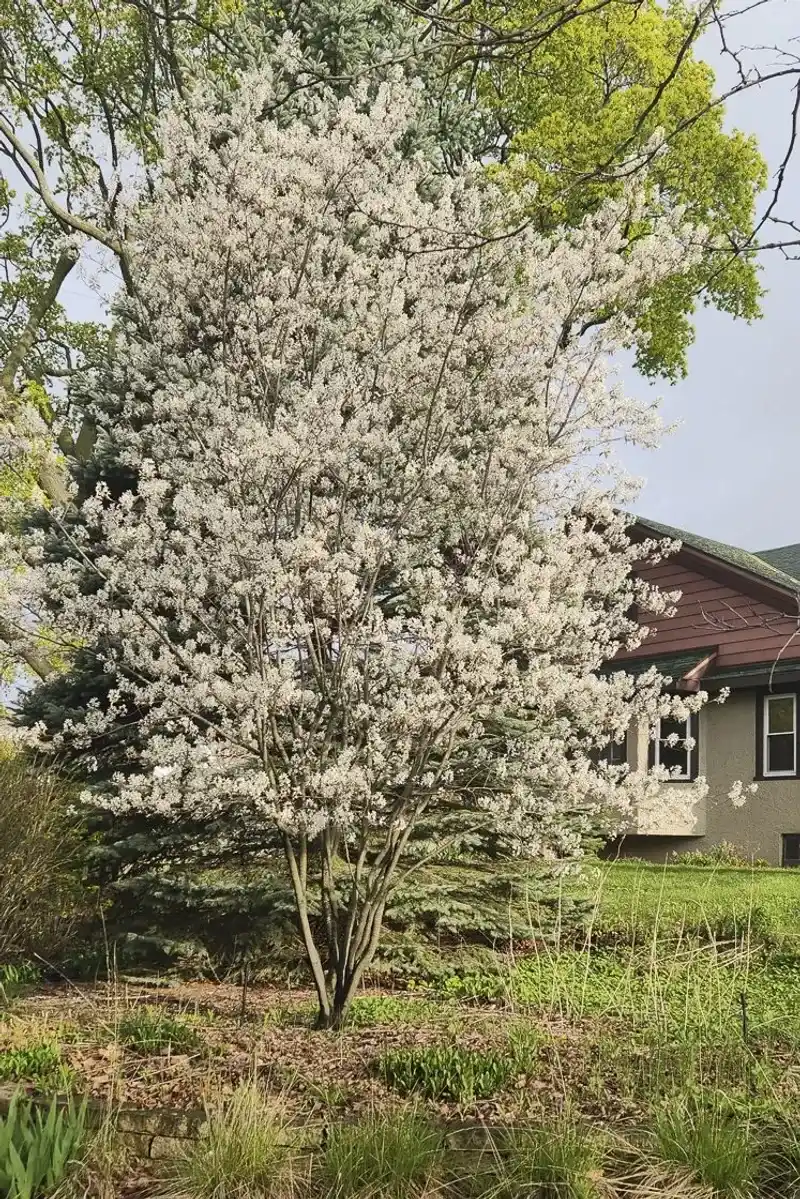
Every spring in Pennsylvania, before most trees have even thought about leafing out, the Allegheny Serviceberry bursts into bloom with clusters of delicate white flowers.
It is one of the earliest native trees to flower in the state, and for pollinators waking up from a long winter, it is like a welcome feast. Early bees and butterflies flock to it at a time when almost nothing else is blooming.
The name serviceberry has a charming old-fashioned origin. According to some accounts, the trees bloomed just as the ground thawed enough for traveling preachers to hold burial services in remote Appalachian communities, Pennsylvania included.
Whether that story is entirely accurate or not, it gives the tree a certain soulful history that makes it even more interesting to grow.
After the spring flowers come small, sweet, blueberry-like fruits in early summer. They are edible and actually quite tasty, used in pies, jams, and other recipes by people who know what to look for.
Birds go absolutely wild for them too, so you may have to be quick if you want to harvest any for yourself from a Pennsylvania yard planting.
Fall color on the Allegheny Serviceberry is genuinely impressive, shifting through orange, red, and deep burgundy before the leaves drop. It grows 15 to 25 feet tall, making it a perfect small ornamental tree for residential landscapes throughout Pennsylvania.
While some serviceberry varieties do show up at garden centers occasionally, the Allegheny species specifically is still a rare find. Specialty native plant nurseries in Pennsylvania are the most reliable places to track one down.
5. American Hornbeam
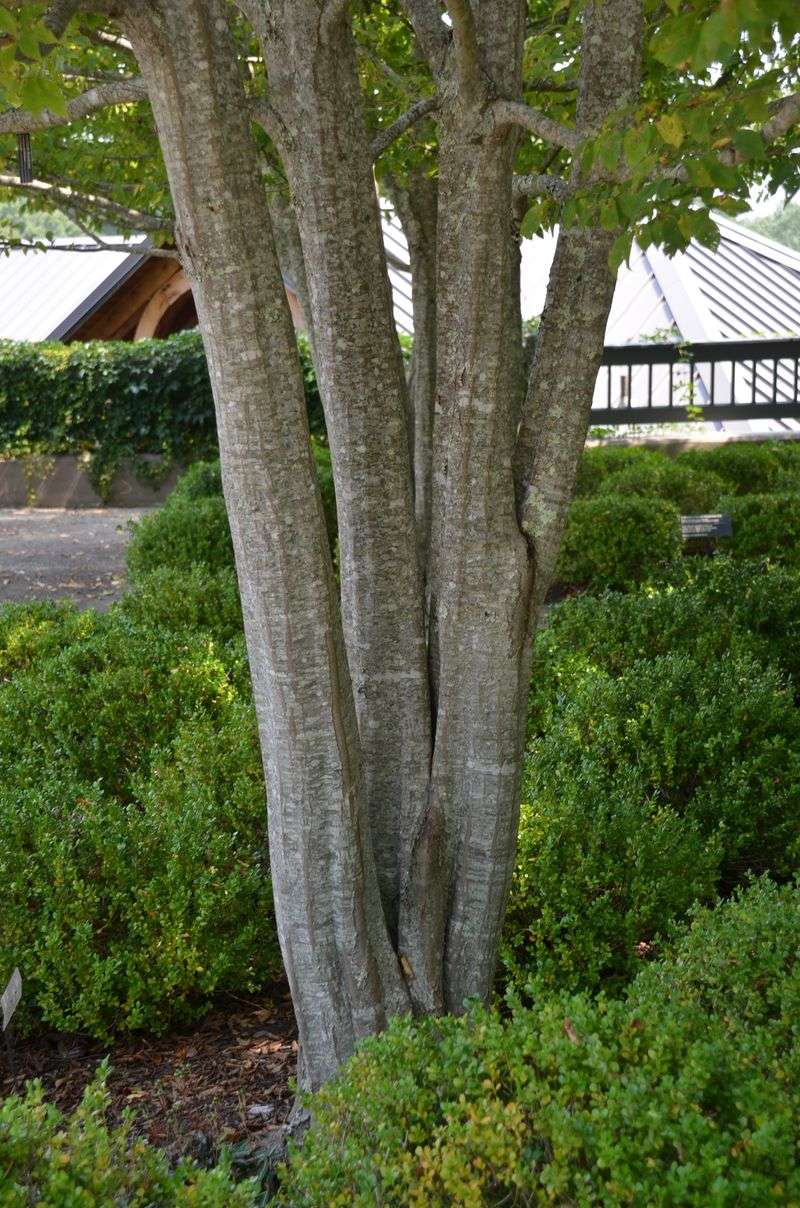
Run your hand along the trunk of an American Hornbeam and you will instantly understand why people call it musclewood. The smooth gray bark ripples and bulges in a way that looks exactly like flexed muscle beneath skin.
It is one of the most visually distinctive native trees in Pennsylvania, and once you know what to look for, you will start spotting it everywhere in the state’s shaded stream valleys and forest understories.
American Hornbeam is a slow-growing small tree, usually reaching 20 to 30 feet at maturity. It is incredibly shade tolerant, which makes it one of the few native Pennsylvania trees that actually thrives beneath a dense canopy of taller trees.
Most ornamental trees need full sun to perform well, so the Hornbeam fills a real niche in shady yards and woodland garden settings.
The foliage turns lovely shades of orange, red, and yellow in fall, adding seasonal interest to landscapes across Pennsylvania. Small nutlets attached to leafy bracts hang from the branches in summer and fall, providing food for birds, squirrels, and other wildlife that call Pennsylvania home.
Despite all this, American Hornbeam remains a plant-lover’s discovery rather than a mainstream garden center find. Its slow growth rate makes it less commercially attractive to large nurseries that need fast turnover.
You are far more likely to find it through a native plant society, a conservation nursery, or a specialty grower in Pennsylvania than at a big-box garden center.
For patient gardeners who appreciate long-term beauty and ecological value, musclewood is a deeply rewarding choice that connects your landscape to Pennsylvania’s native woodland heritage.
6. Downy Serviceberry
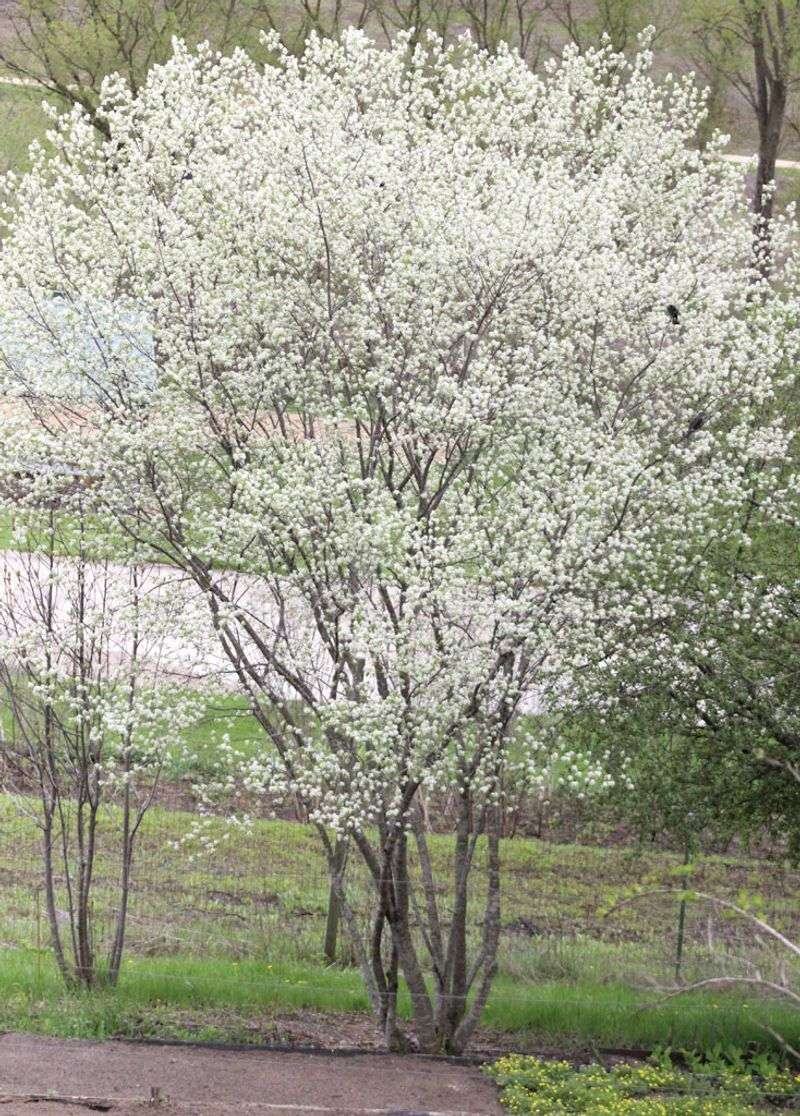
Before the rest of the Pennsylvania landscape shakes off winter, the Downy Serviceberry is already stealing the show. Its white flower clusters open in early spring while the emerging leaves are still covered in soft, silvery fuzz, which is exactly where the name downy comes from.
Standing at the edge of a Pennsylvania woodland in March or early April and watching one bloom is a genuinely uplifting experience after a long cold season.
Compared to the Allegheny Serviceberry, the Downy Serviceberry tends to have a slightly more rugged, naturalistic look.
It often grows with multiple stems and a somewhat irregular canopy, giving it that wild-woodland character that formal ornamental trees simply cannot replicate.
It fits beautifully into naturalized areas, rain gardens, and woodland edges throughout Pennsylvania’s varied landscapes.
The small purplish-red fruits that follow the flowers are sweet and nutritious, and wildlife across Pennsylvania cannot get enough of them. Cedar waxwings, robins, and other songbirds treat the berries like an early summer buffet.
Humans can enjoy them too, raw or cooked into jams and baked goods, though you might find yourself competing with the local bird population.
Fall color adds yet another season of interest, with leaves turning rich shades of red and orange before dropping. The tree typically grows 15 to 25 feet tall and adapts to a wide range of soil conditions, which makes it surprisingly versatile for Pennsylvania gardeners.
Tracking one down takes some effort since most standard garden centers in Pennsylvania do not carry it. Native plant nurseries, conservation district sales, and Pennsylvania native plant society events are the best places to find this underappreciated gem and bring it home.