11 Fast-Growing Vegetables Georgia Gardeners Can Grow In Pots
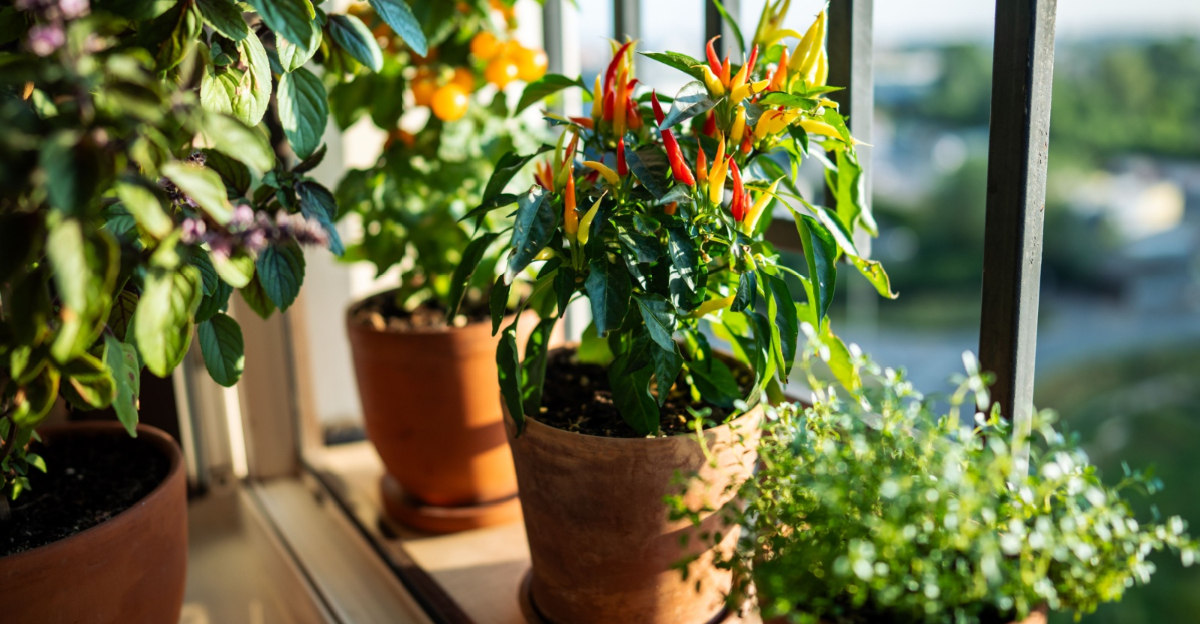
It is surprising how much food you can grow in just a few pots once Georgia spring gets going. As temperatures warm and days stretch longer, vegetables in containers often take off faster than expected.
Across Georgia, even a small patio or balcony can turn into a productive growing space with the right setup.
Container gardening makes it easier to manage soil, sunlight, and watering, which helps many crops establish quickly.
With a good mix of fast-growing vegetables, it does not take long to start seeing fresh harvests, even in limited space.
1. Radishes Grow Fast And Are Ready In Weeks
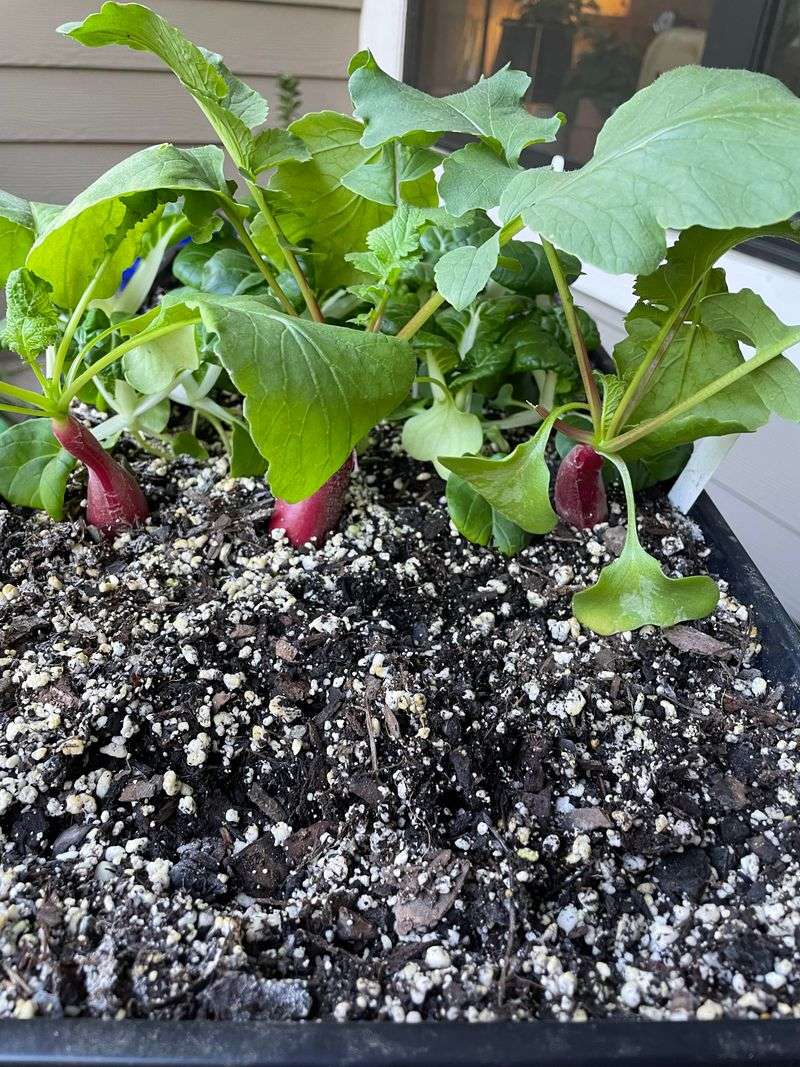
Few vegetables match the speed of a radish going from seed to table. In Georgia, where spring soil warms up quickly, radishes can be ready to harvest in as little as 22 to 30 days after planting.
That kind of turnaround makes them one of the most satisfying crops for container gardeners who want quick results.
Varieties like Cherry Belle and French Breakfast are popular choices for pots because they stay compact and produce reliably. A container that is at least 6 inches deep works well, and a wider pot lets you sow more seeds in a single space.
Sow seeds about half an inch deep and roughly 2 inches apart to give each radish room to develop properly.
Consistent moisture is key since dry spells can make radishes turn woody or overly spicy. In Georgia, spring planting usually runs from late February through early April before summer heat sets in.
A light potting mix with good drainage helps roots form evenly. Succession planting every two weeks stretches your harvest window considerably, giving you a steady supply of crisp, fresh radishes over several weeks rather than one large crop all at once.
2. Leaf Lettuce Fills Pots Quickly With Fresh Greens
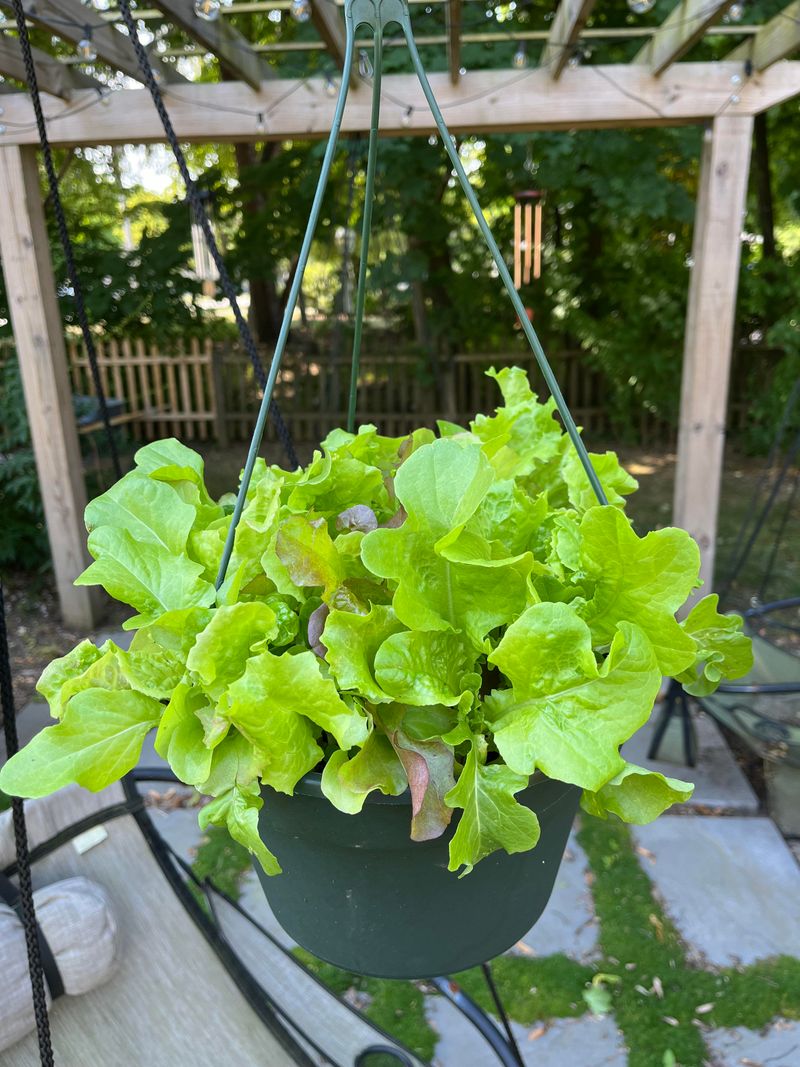
Walking out to your patio and snipping a handful of fresh lettuce leaves for a salad is one of the small joys of container gardening.
Leaf lettuce varieties are especially well-suited for pots because they grow quickly, take up little space, and can be harvested multiple times using a cut-and-come-again method.
Most leaf lettuce varieties reach harvest size in about 45 to 50 days from planting.
In Georgia, early spring is the sweet spot for lettuce in containers. Gardeners can typically start planting outdoors from late February onward, taking advantage of mild temperatures before summer heat arrives.
Choose a wide, shallow pot at least 6 to 8 inches deep, and fill it with a quality potting mix that holds moisture without becoming waterlogged.
Looseleaf types like Black Seeded Simpson or Red Sails tend to perform well in Georgia containers. Sow seeds lightly on the surface and cover with a thin layer of soil.
Water consistently and place the pot where it receives morning sun with some afternoon shade as temperatures climb.
Keeping the soil evenly moist encourages tender, mild-flavored leaves rather than bitter, tough ones.
3. Spinach Grows Best In Georgia’s Cooler Spring Weeks
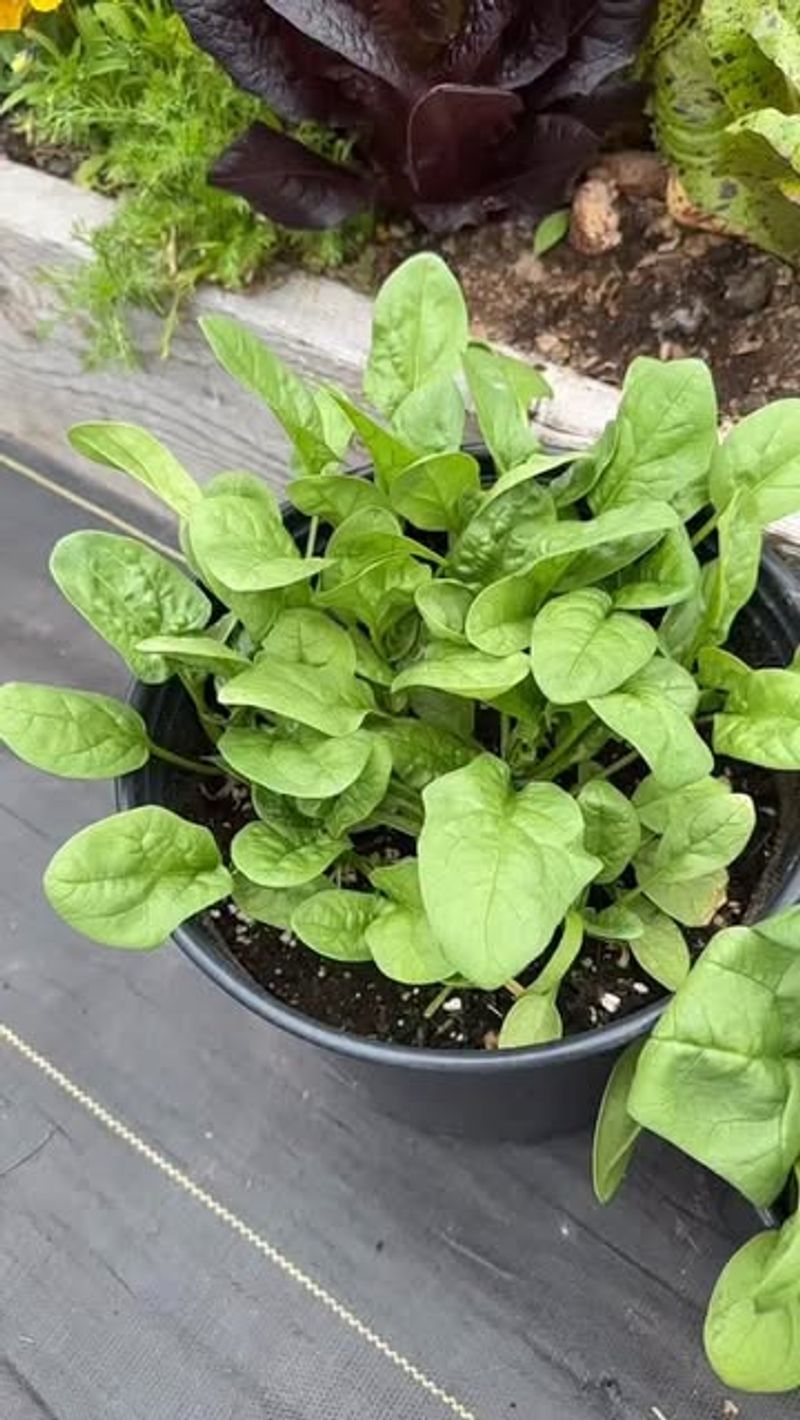
Cool mornings and mild afternoons create the kind of growing conditions that spinach genuinely appreciates.
Your Georgia Garden Changes Every Week. Your Plan Should Too.
Gardening in Georgia changes quickly throughout the season. Every Friday you’ll receive a simple weekly plan showing exactly what to plant, prune, fertilize, harvest, and protect so you never miss the right timing.
In Georgia, that window falls during late winter and early spring, typically from late January through March, before temperatures climb into the range that causes spinach to bolt and turn bitter.
Getting seeds in the ground early is the real trick to a productive spinach container.
Spinach matures in roughly 30 to 45 days, which makes it one of the faster leafy greens available to container gardeners.
A pot that is at least 6 to 8 inches deep works well, and spinach does not need a huge amount of horizontal space either.
Sow seeds about half an inch deep and thin seedlings to around 3 inches apart once they sprout.
Good drainage is essential because spinach roots do not tolerate sitting in soggy soil for long. A high-quality potting mix enriched with compost gives the plants a nutritional boost without the need for heavy fertilizing.
Place the container where it gets at least 4 to 6 hours of sunlight daily. Harvest outer leaves regularly to encourage continued growth and extend your productive window before Georgia’s summer heat takes over.
4. Bush Beans Produce Fast In Warm Container Soil
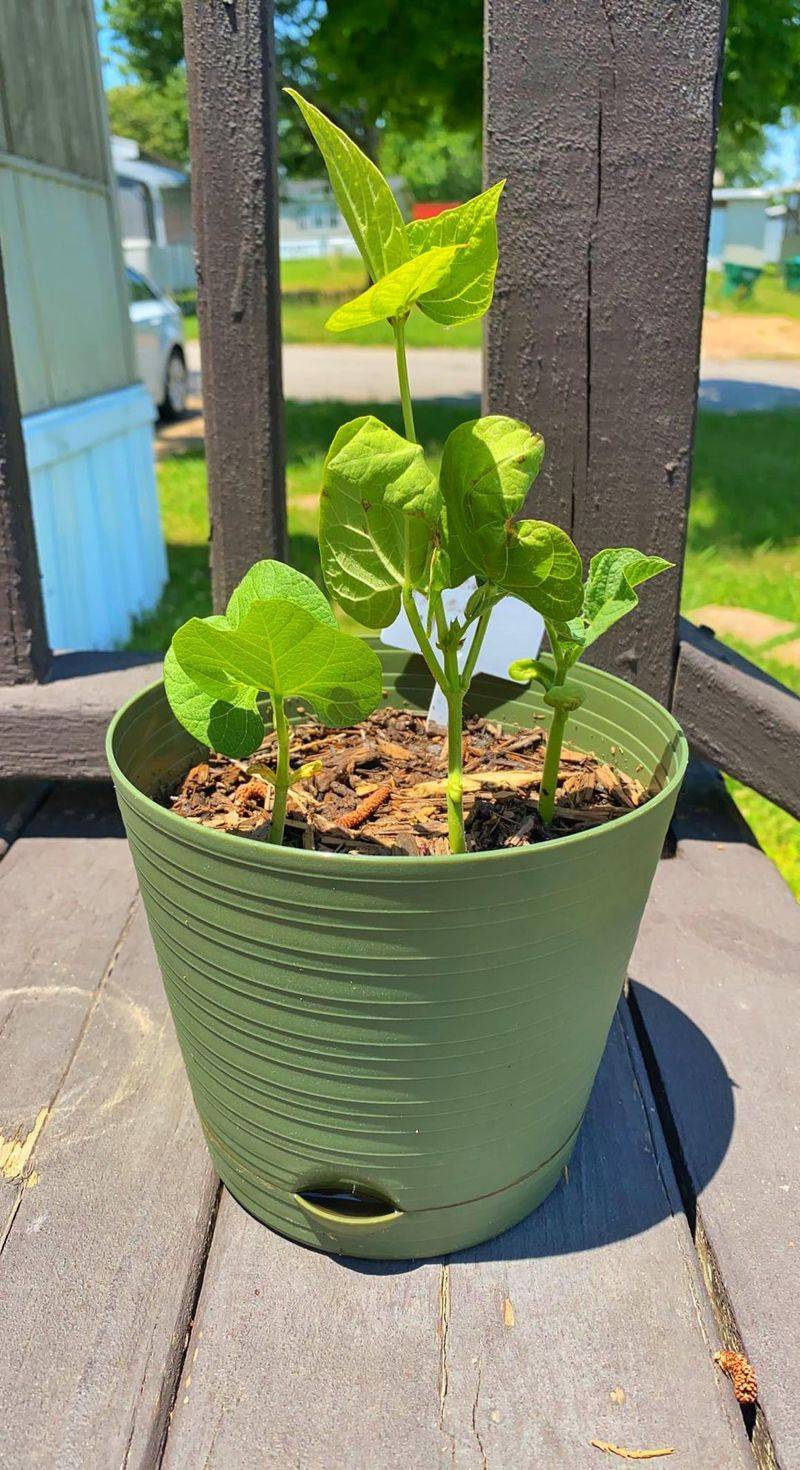
Once Georgia soil temperatures climb above 60 degrees Fahrenheit, bush beans take off with impressive speed.
Unlike pole beans, bush varieties stay compact and upright without needing a trellis or support structure, which makes them a practical and space-efficient choice for container gardeners working with limited room on a patio or deck.
Bush beans typically mature in 50 to 60 days, producing a flush of pods that can be harvested over several weeks. Choose a pot that is at least 12 inches deep and wide enough to accommodate multiple plants.
Sow seeds directly about 1 inch deep and 3 to 4 inches apart, and avoid transplanting since beans generally prefer to be sown where they will grow.
In Georgia, planting usually begins around mid-April after the last frost date has passed for most regions.
Containers heat up faster than garden beds, which actually benefits bush beans by warming the root zone quickly.
Water regularly but allow the top inch of soil to dry slightly between waterings to prevent root issues. Harvest pods when they are firm and snap cleanly, and pick frequently to encourage the plant to keep producing throughout the season.
5. Green Onions Regrow Easily And Harvest Quickly
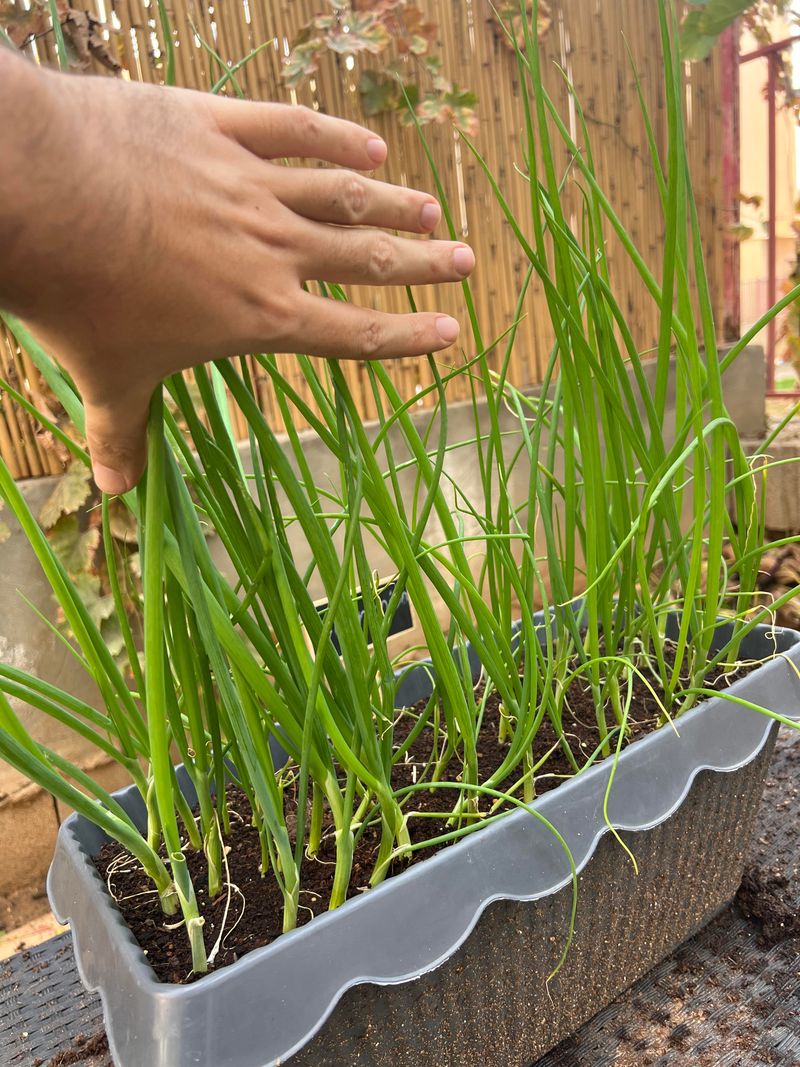
Green onions might be the most forgiving vegetable a container gardener can grow, and they prove it by regrowing from scraps, sprouting quickly from seed, and tolerating a wide range of conditions.
For Georgia gardeners who want something low-effort and consistently useful in the kitchen, green onions are hard to overlook.
They can be ready to harvest in as few as 20 to 30 days when started from transplants or sets.
A pot that is 6 to 8 inches deep is sufficient for green onions since their root systems stay relatively shallow. Plant sets or transplants about 1 inch deep and 2 inches apart, and they will fill in the container with upright green stalks fairly quickly.
Seeds take a bit longer but still mature within 60 to 80 days.
Georgia gardeners can plant green onions in early spring and again in fall for two productive seasons.
They handle light frost reasonably well, which extends the planting window on both ends of the season.
Water consistently and feed occasionally with a balanced liquid fertilizer to keep growth steady.
Snip stalks from the outside in, leaving the center to continue producing, and the plant will reward you with multiple harvests from a single planting.
6. Cucumbers Climb And Produce Well In Containers
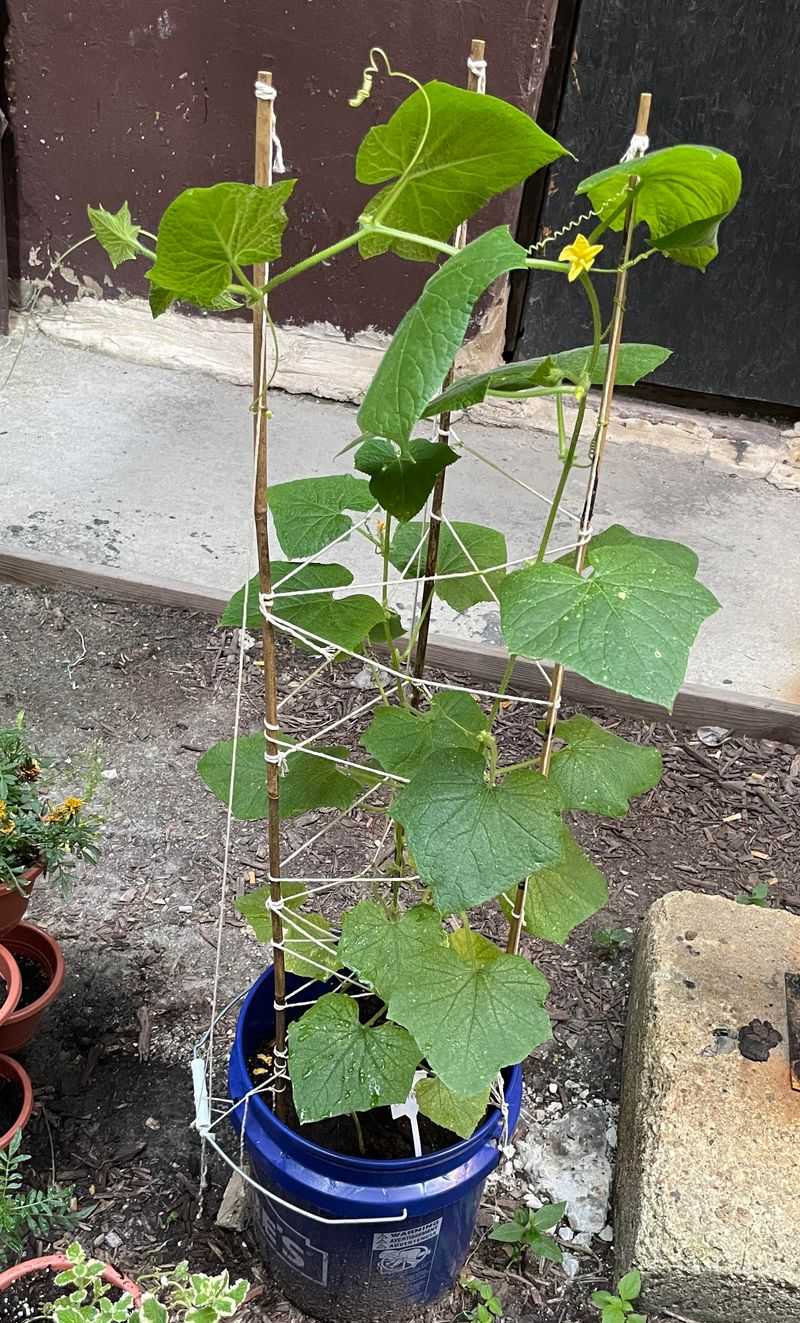
Warm weather and plenty of sunlight are two things Georgia summers deliver reliably, and cucumbers respond to both with fast, vigorous growth.
Container-friendly varieties like Spacemaster or Bush Pickle are specifically bred to stay compact while still producing a solid crop of full-sized cucumbers.
Most varieties mature in 50 to 70 days from transplanting, making them a rewarding mid-season container crop.
A large pot is essential for cucumbers since their root systems spread out considerably. Choose a container that holds at least 5 gallons of potting mix, and consider adding a small trellis or stake to support the vines as they grow upward.
Vertical growth also helps improve airflow around the plant, which can reduce the likelihood of fungal issues in Georgia’s humid summer conditions.
Plant cucumbers outdoors after the last frost, typically in mid-April for most of Georgia. Place the pot in a spot that receives at least 6 to 8 hours of direct sunlight each day.
Cucumbers are heavy drinkers, so check soil moisture daily during hot stretches and water thoroughly when the top inch feels dry.
Harvest cucumbers while they are still firm and dark green for the best flavor and texture.
7. Summer Squash Grows Fast And Produces Early
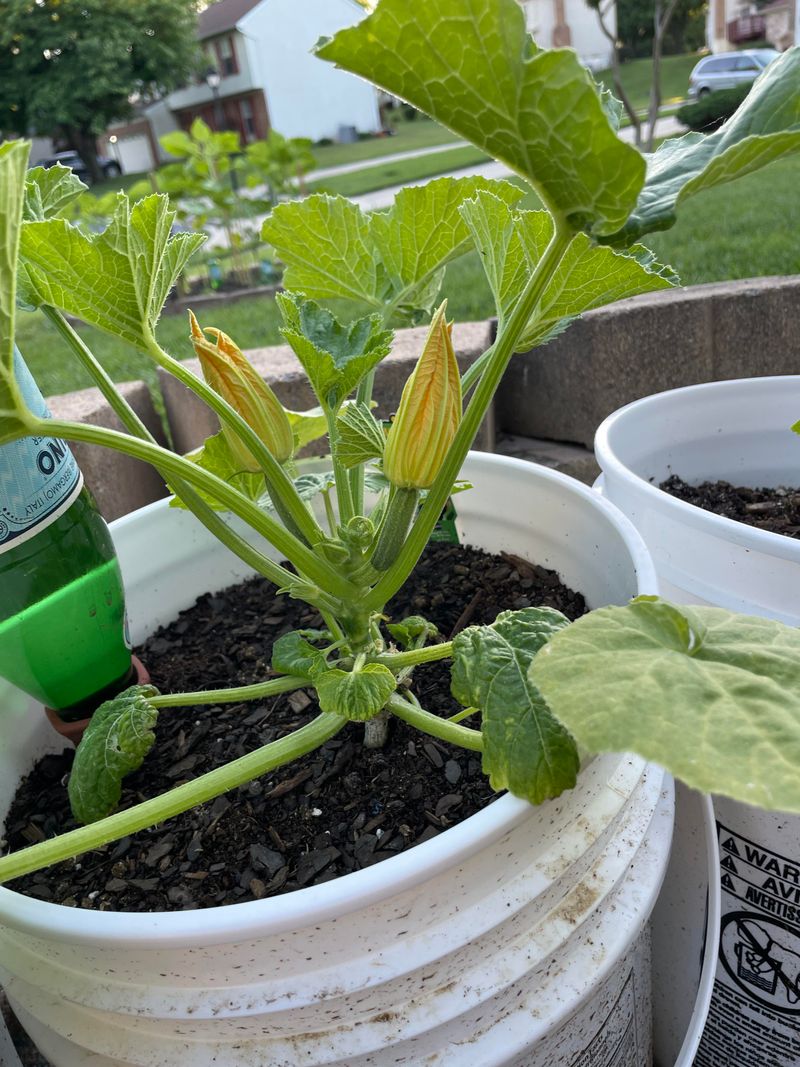
Gardeners who have grown summer squash in the ground know how quickly the plants take over a bed. In containers, that same vigorous energy gets channeled into producing fruit at a pace that can genuinely surprise first-time growers.
Summer squash varieties like Patio Star or Bush Baby are bred for compact spaces and can begin producing in as few as 45 to 55 days after transplanting.
Choose a container that holds at least 5 to 7 gallons of potting mix to give the root system adequate room.
Squash plants need consistent moisture and benefit from a slow-release fertilizer mixed into the potting medium at planting time.
Set the container in a sunny spot where it will receive at least 6 hours of direct sunlight daily.
In Georgia, summer squash transplants can go outdoors around mid-April once frost risk has passed. The warm spring soil in containers encourages fast establishment and early flowering.
Harvest squash when fruits are small to medium in size, around 6 to 8 inches long, for the most tender texture.
Picking frequently signals the plant to keep producing rather than putting energy into maturing a single large fruit that has passed its prime eating stage.
8. Zucchini Keeps Up With Georgia’s Warm Spring Pace
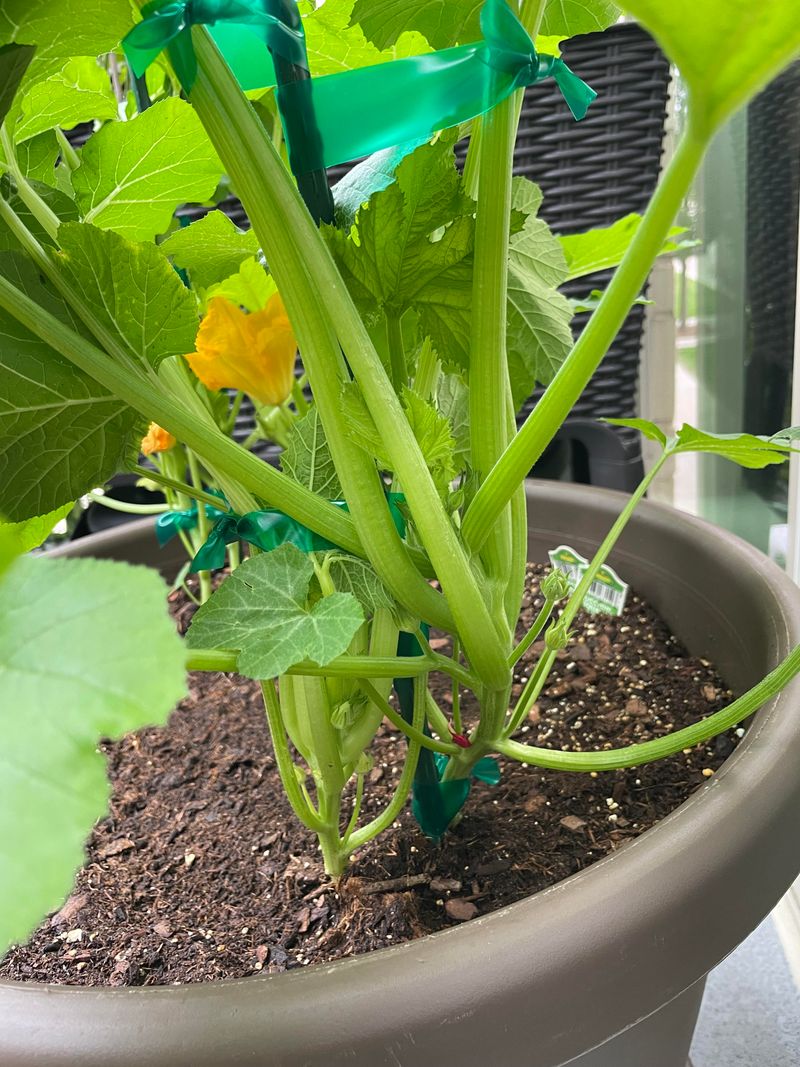
There is a reason experienced gardeners joke about leaving zucchini on neighbors’ doorsteps – the plant produces abundantly and quickly.
In Georgia, warm spring temperatures fuel zucchini growth from the moment transplants are set in containers, and the first harvest can arrive in as few as 50 days.
Compact bush varieties like Patio Green Bush or Bush Baby work best for pot growing since they stay manageable without sacrificing output.
Zucchini needs a roomy container to perform well. A pot with at least a 5-gallon capacity and good drainage holes gives roots the space they need.
Fill with a rich, well-draining potting mix and consider top-dressing with compost after a few weeks to replenish nutrients as the plant grows and produces steadily.
Georgia gardeners can transplant zucchini outdoors from mid-April onward, once nighttime temperatures stay reliably above 50 degrees Fahrenheit.
Place the pot in full sun for best results, and water deeply every day or two during warm stretches.
Because zucchini flowers need pollination to set fruit, placing containers where pollinators can easily access the blooms gives you a better harvest. Hand pollinating with a small brush is also an option if bee activity seems low in your area.
9. Peppers Grow Steady And Love Warm Conditions
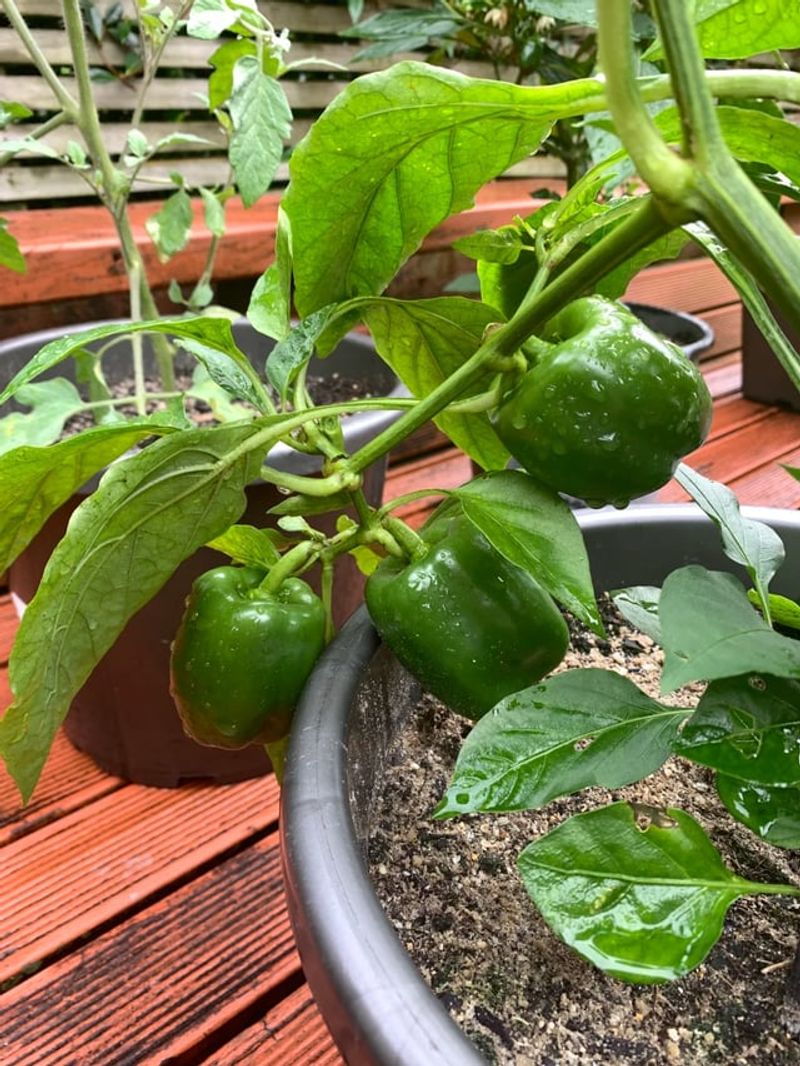
Hot summers and long growing seasons make Georgia an excellent state for growing peppers in containers.
Both sweet bell peppers and hot varieties like jalapeño or cayenne thrive in pots, producing steadily throughout the warm months when given enough sunlight and consistent water.
Depending on the variety, peppers typically mature in 60 to 90 days from transplanting.
A container that is at least 12 inches deep and wide gives pepper plants adequate root space. Use a well-draining potting mix and place the pot where it receives a minimum of 6 to 8 hours of direct sunlight daily.
Peppers appreciate warmth, and the extra heat that builds up in dark-colored containers can actually support faster growth during Georgia’s spring planting window.
Transplant peppers outdoors in Georgia around late April or early May once nighttime temperatures are consistently above 55 degrees Fahrenheit.
Feed plants every two to three weeks with a balanced fertilizer, transitioning to a lower-nitrogen option once flowers begin to appear.
Water regularly but avoid overwatering, as soggy roots can slow growth and affect fruit quality. Harvest sweet peppers at the green stage or wait for them to ripen fully to red, yellow, or orange for a sweeter, more complex flavor.
10. Eggplant Thrives In Heat And Container Spaces
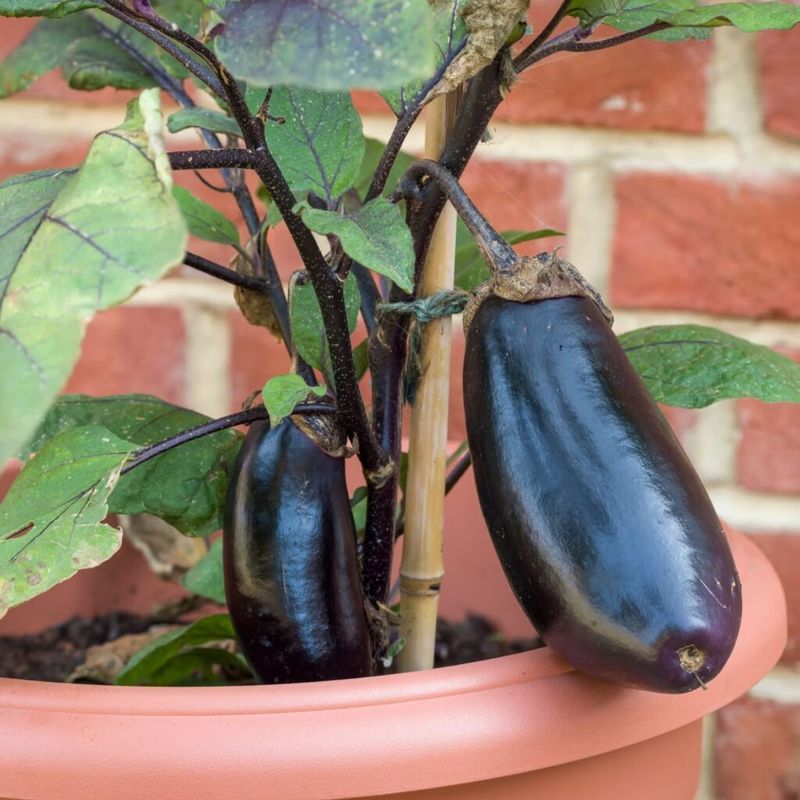
Eggplant is one of those vegetables that genuinely seems to enjoy Georgia summers rather than just tolerate them. High temperatures, long days, and intense sunlight are exactly what eggplant needs to develop full, glossy fruit.
Container growing suits eggplant well, and compact varieties like Patio Baby or Ichiban are particularly productive in pots while staying at a manageable size.
Choose a container that holds at least 5 gallons of potting mix, and make sure it has drainage holes at the bottom.
Eggplant roots benefit from warmth, so placing a dark-colored container in a sunny spot on a Georgia patio can actually improve fruit development during the growing season.
Transplant outdoors in late April to early May after frost risk has passed.
Eggplant typically reaches harvest size in 65 to 80 days from transplanting. Fruits are best harvested when the skin is still firm and shiny rather than dull, which signals that the flesh has passed peak quality.
Feed container eggplants with a balanced fertilizer every two to three weeks to support consistent fruiting. Water regularly, aiming for even soil moisture, since drought stress can cause fruit to become bitter and tough before it reaches full size.
11. Swiss Chard Produces Leaves Over A Long Season
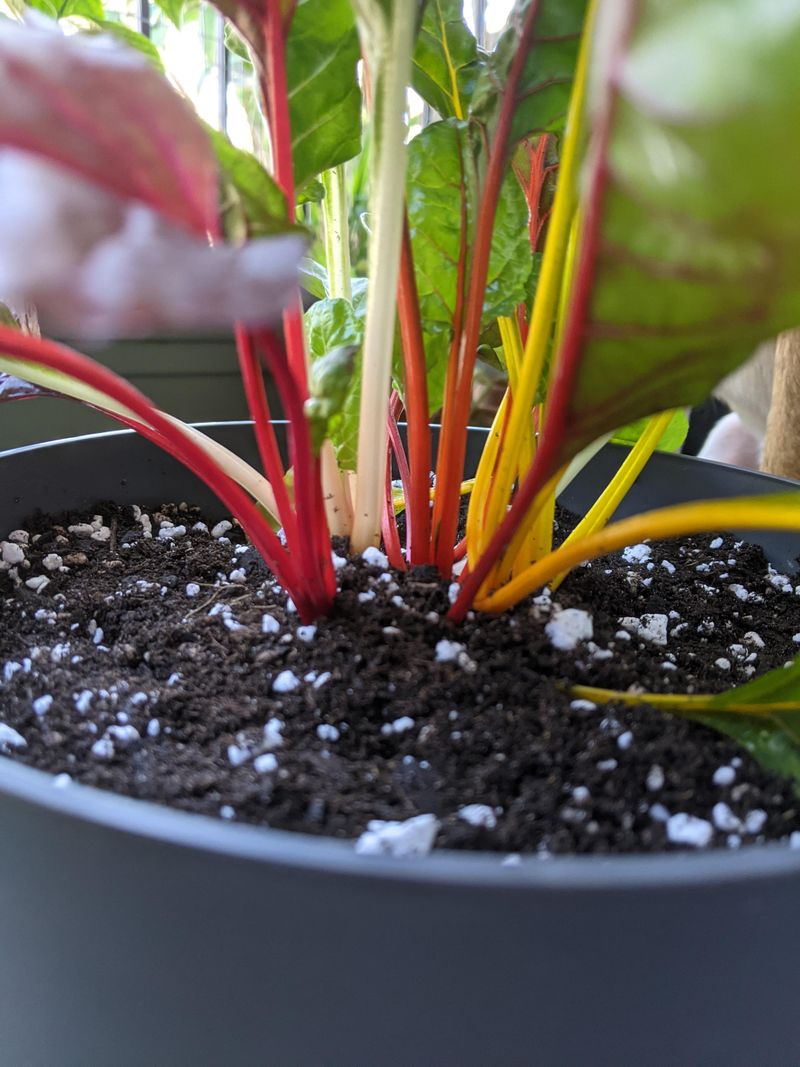
Colorful stems in red, yellow, orange, and white make Swiss chard one of the most visually striking vegetables you can grow in a container.
Beyond its good looks, Swiss chard is a reliable producer that tolerates both the cooler temperatures of Georgia’s early spring and the warmth of late spring without bolting as quickly as spinach or lettuce.
That extended productive window makes it especially valuable for container gardeners.
Swiss chard typically matures in about 50 to 60 days from seeding, but the real advantage is that you can begin harvesting outer leaves well before the plant reaches full maturity.
A container that is at least 8 to 10 inches deep works well, and multiple plants can be spaced about 6 inches apart in a wider pot for a fuller display and a more generous harvest.
In Georgia, Swiss chard can be planted in early spring starting around late February or March, and again in early fall for a second productive season.
Water consistently and apply a balanced liquid fertilizer every few weeks to support ongoing leaf production.
Harvest outer leaves regularly by cutting them near the base of the stem, leaving the inner leaves to continue developing. This approach keeps the plant productive for many weeks.