8 Garden Bees Oregon Yards Benefit From
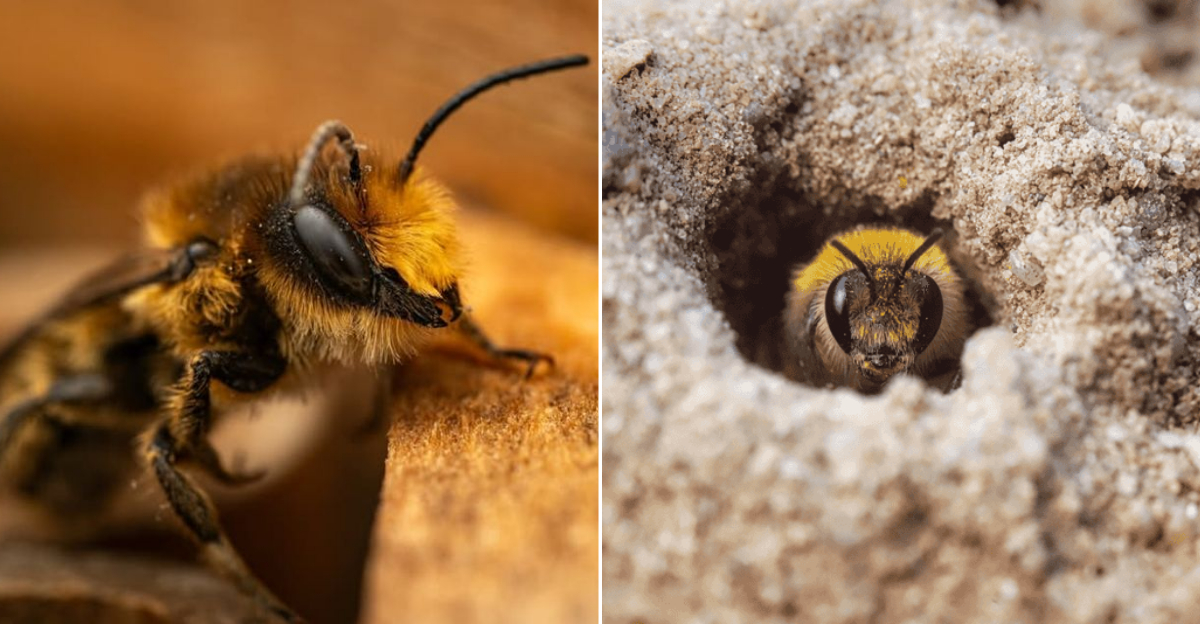
Step outside on a calm spring afternoon in Oregon and you might hear it before you really notice it. A soft, steady buzz moving through the garden as bees work their way across blooms.
It’s easy to overlook at first, especially during busy days.
Most people picture honeybees, but Oregon gardens support a wide mix of native bees that are just as important. Many are small, fast, and easy to miss unless you slow down and watch closely.
Some are active earlier in the season, while others show up later when different plants begin to flower. They move pollen between vegetables, berries, and ornamental plants, quietly helping everything produce better.
Paying attention to these visitors adds a whole new layer to how your garden feels and functions.
1. Bumble Bees Powering Pollination With Big, Fuzzy Bodies
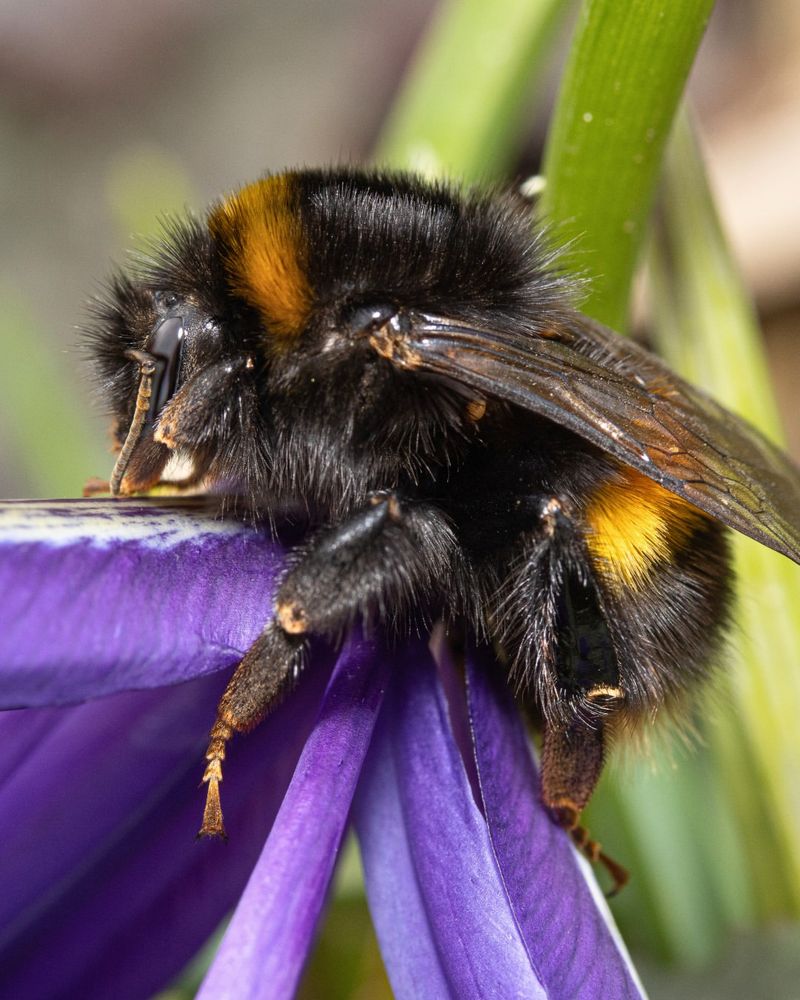
Few sights in an Oregon garden are as cheerful as a round, fuzzy bumble bee tumbling from flower to flower on a warm afternoon. Bumble bees are some of the most recognizable and hardworking pollinators in the Pacific Northwest, and your yard likely hosts several species without you even realizing it.
They are big, bold, and absolutely essential to the health of your garden.
What makes bumble bees truly remarkable is their ability to perform a technique called buzz pollination, or sonication. They grab onto a flower and vibrate their flight muscles rapidly, shaking loose pollen that other bees simply cannot access.
This makes them especially valuable for tomatoes, blueberries, and peppers, which are popular crops in Oregon home gardens.
Bumble bees nest in the ground or in old rodent burrows, so leaving a small patch of undisturbed soil in your yard can give them a safe place to set up a colony. They are social bees, meaning one queen starts a new nest each spring and raises workers to help gather food.
Oregon native plants like red-flowering currant, Oregon grape, and salmonberry are some of their favorite early-season food sources.
Bumble bee populations have faced challenges in recent years due to habitat loss and pesticide use. Planting a diverse, pesticide-free garden in your Oregon yard is one of the most practical and rewarding ways to support these incredible insects throughout the entire growing season.
2. Mason Bees Working Early And Pollinating Like Pros
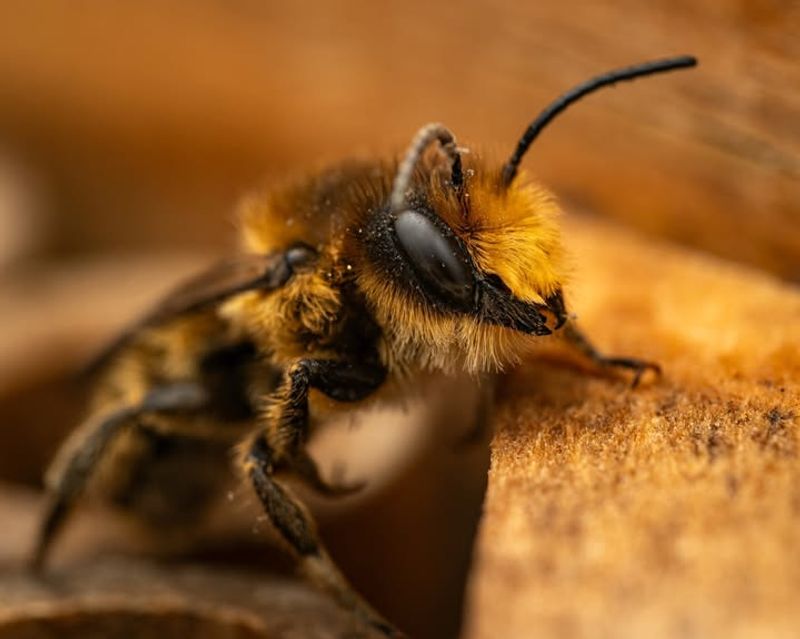
If there is one bee that Oregon gardeners absolutely love, it is the mason bee. These small, solitary pollinators are native to the Pacific Northwest and are incredibly efficient workers.
A single mason bee can pollinate as many flowers as dozens of honey bees, making them a powerhouse addition to any yard or orchard.
Mason bees get their name from their habit of using mud to seal off the nest chambers they build inside hollow stems or small holes in wood. They do not live in large colonies like honey bees.
Instead, each female finds her own nesting spot, lays her eggs, and provisions each cell with a ball of pollen and nectar for her young to eat when they hatch. It is a tidy, self-sufficient lifestyle that works beautifully in Oregon gardens.
Your Oregon Garden Changes Every Week. Your Plan Should Too.
Gardening in Oregon changes quickly throughout the season. Every Friday you’ll receive a simple weekly plan showing exactly what to plant, prune, fertilize, harvest, and protect so you never miss the right timing.
One of the easiest ways to attract mason bees to your Oregon yard is by putting up a simple bee house, which you can buy at most garden centers or even make yourself. Place it in a sunny, east-facing spot where it will catch the morning light.
Nearby plantings of Oregon grape, red-flowering currant, and fruit trees like apple and cherry will give them plenty of food.
Mason bees are active in early spring, which is exactly when your fruit trees and early vegetables need pollination the most. They are calm, rarely sting, and are a joy to watch as they busily tend to their nesting tubes throughout the season.
3. Metallic Sweat Bees Shimmering In Bright Greens And Blues
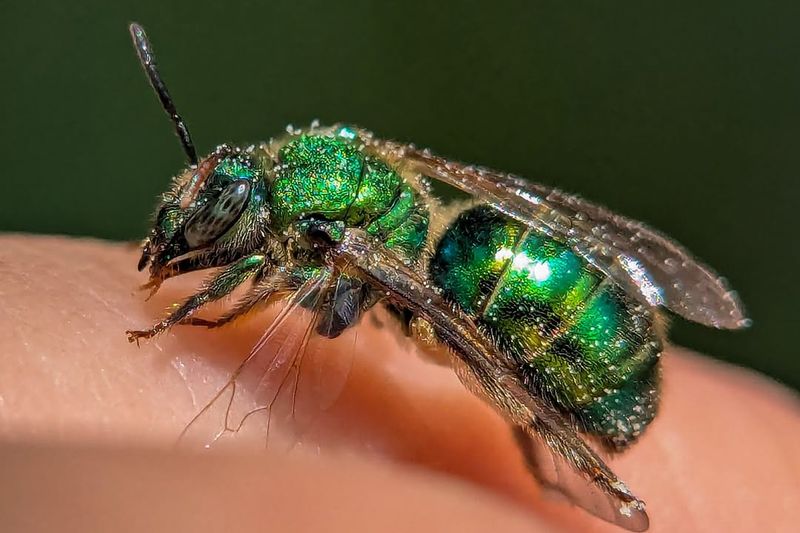
Spot a tiny jewel-like bee glinting green or gold in your Oregon garden and you have likely just met a metallic sweat bee. These little bees are easy to overlook because of their small size, but once you notice them, you will be amazed at how often they show up.
Their shimmering, iridescent bodies look almost too beautiful to be real, like something out of a fantasy story.
Metallic sweat bees belong to the family Halictidae and are some of the most common native bees in Oregon. They are generalist foragers, meaning they are not picky about which flowers they visit.
You will find them on everything from wildflowers and garden herbs to vegetable blossoms and fruit trees. Their willingness to visit a wide range of plants makes them quietly important pollinators across many different Oregon landscapes.
Most metallic sweat bees nest in the ground, preferring bare or sparsely vegetated soil. Leaving a small area of your garden unpaved and free of mulch can give them a perfect nesting spot.
They are mostly solitary, though some species show semi-social behavior where a few females share a nest entrance.
Because they are so small, metallic sweat bees are especially vulnerable to pesticide exposure. Avoiding chemical sprays in your Oregon yard and choosing native plants like Douglas aster and kinnickinnick will help support healthy populations.
Once you start watching for these tiny sparklers, you will never look at your garden the same way again.
4. Sweat Bees Small, Fast, And Constantly On The Move
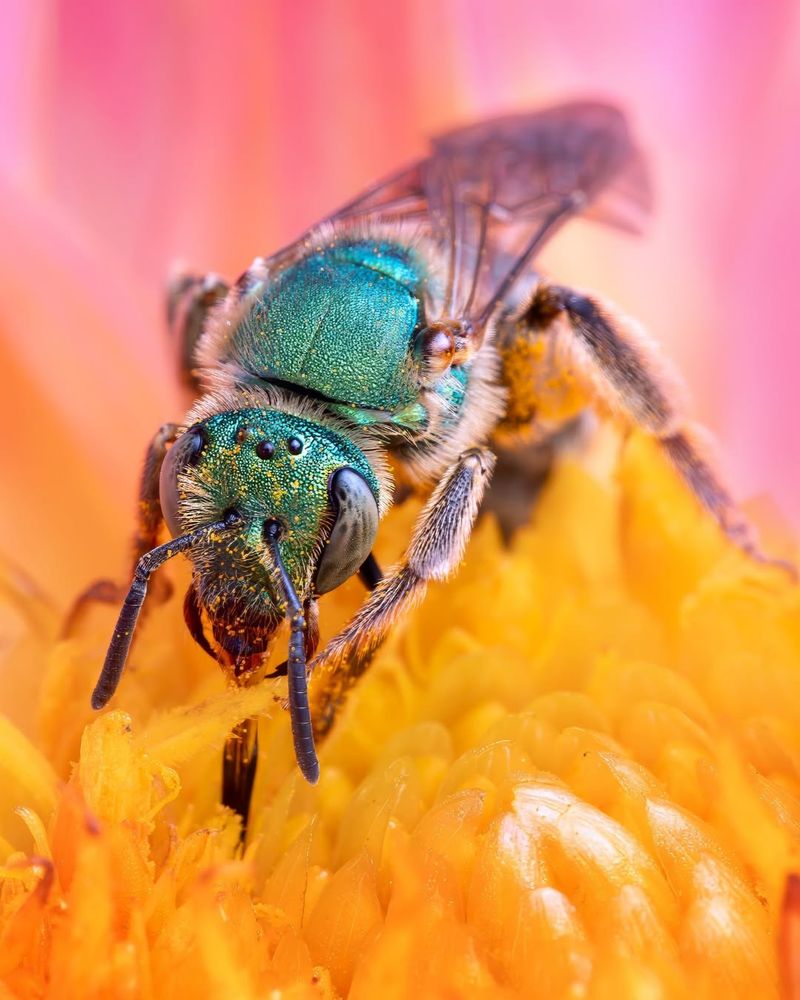
Sweat bees might have an unusual name, but these small, striped pollinators are anything but ordinary. Named for their occasional habit of landing on sweaty human skin to collect salt, sweat bees are actually some of the most abundant and ecologically important native bees across Oregon.
They show up in gardens, meadows, roadsides, and parks, quietly doing the work that keeps plants blooming and ecosystems running.
These bees are typically small, with banded black and pale yellow or white stripes on their abdomen. Unlike the metallic sweat bees mentioned earlier, these species have a more muted coloring that helps them blend into the flowers they visit.
They are generalist foragers and will happily visit a huge range of native and garden plants throughout the Oregon growing season.
Sweat bees show a fascinating range of social behaviors. Some species are completely solitary, while others are semi-social, with a few females sharing a nest and dividing up duties.
Most nest in the ground, preferring well-drained soil in sunny spots. A garden with a mix of open soil, native plantings, and no pesticides is a perfect home for them.
Oregon native plants like kinnickinnick, Pacific rhododendron, and western serviceberry are excellent food sources for sweat bees. Because they are so small, even tiny flowers that larger bees overlook provide them with a meal.
Making room for these humble, hardworking bees in your Oregon yard means supporting a broader web of pollination that benefits every plant in your garden.
5. Small Carpenter Bees Nesting In Stems And Quietly Pollinating
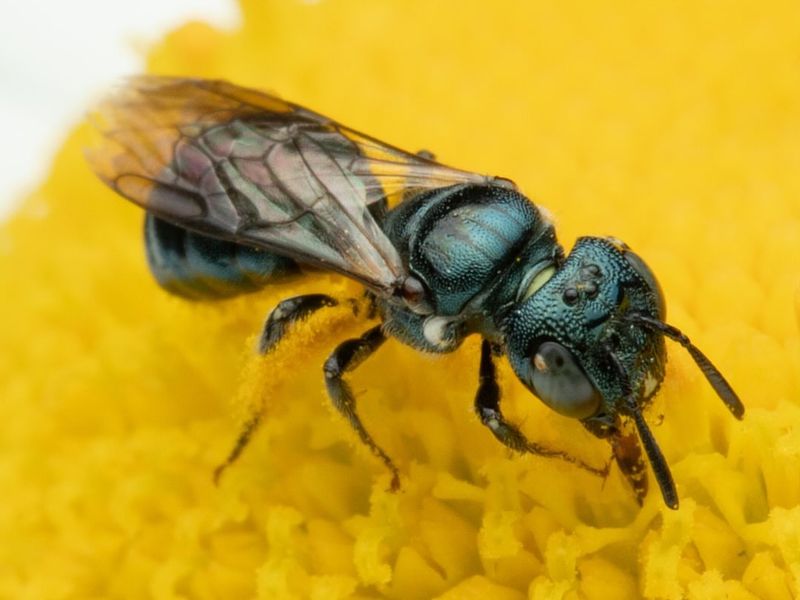
Not all carpenter bees are the large, intimidating ones you might have seen hovering around wooden decks. Small carpenter bees are a much more modest crowd, and they are among the most interesting native bees you can find in an Oregon garden.
They are compact, mostly dark or metallic in color, and have a fascinating nesting habit that sets them apart from most other bees.
Small carpenter bees nest inside the dry, pithy stems of plants like elderberry, blackberry canes, and sunflower stalks. Rather than drilling into solid wood, they prefer soft stems that are easy to hollow out.
This means that leaving some dried plant stems standing in your Oregon garden over winter is one of the best things you can do to support them. It is a simple step that costs nothing and pays off big for local bee populations.
As pollinators, small carpenter bees visit a wide variety of flowering plants. They are especially drawn to tubular flowers and are frequent visitors to native Oregon plants like salal and Pacific rhododendron.
They tend to work quickly and efficiently, moving from bloom to bloom with purpose.
One fun fact about small carpenter bees is that the males sometimes guard the nest entrance, hovering and darting at anything that comes too close. They cannot sting, so this display is all bluff.
Females are docile and focused entirely on gathering food and tending their nests. Welcoming them into your Oregon yard is both easy and rewarding.
6. Mining Bees Emerging Early And Nesting In Bare Soil
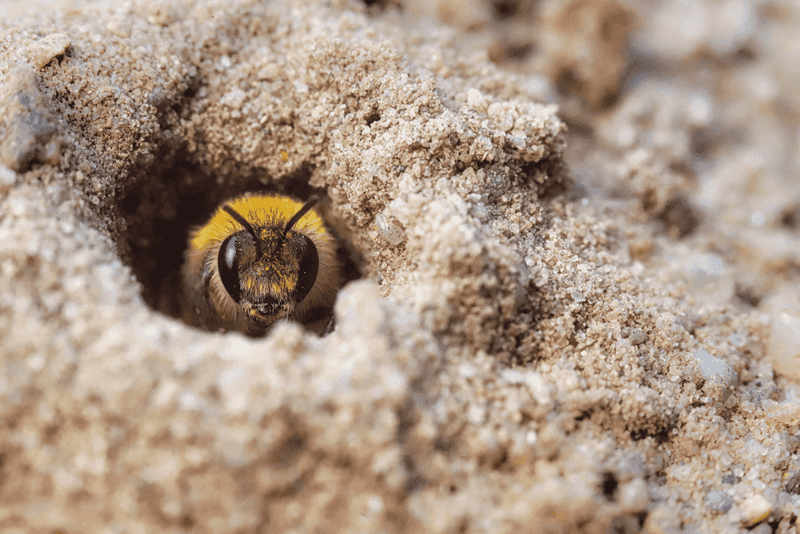
Every spring in Oregon, tiny mounds of loose soil start appearing in garden beds, lawns, and along pathways. These little piles are the calling cards of mining bees, a diverse group of solitary bees that nest underground.
Far from being a nuisance, these small excavators are some of the most valuable early-season pollinators your Oregon yard can host.
Mining bees belong to the genus Andrena and are often one of the first bees to appear after winter. They are typically small to medium-sized, fuzzy, and brown or black in color, sometimes with bands of pale hair across their abdomen.
Females dig individual burrows in the soil, creating a small chamber at the bottom where they lay their eggs and store a supply of pollen and nectar for their young.
What makes mining bees so helpful is their early emergence. They are active when many other pollinators are still dormant, making them crucial partners for early-blooming plants like western serviceberry, salmonberry, and red-flowering currant in Oregon gardens.
Fruit tree growers especially appreciate them because they show up right when apple and cherry blossoms are opening.
To support mining bees in your Oregon yard, try to maintain some areas of bare or lightly vegetated soil where they can nest undisturbed. Avoid heavy mulching in those spots and skip the pesticides entirely.
Watching a mining bee disappear into her tiny burrow with a full load of bright pollen is one of the most satisfying small moments a gardener can experience.
7. Leafcutter Bees Cutting Perfect Circles For Their Nests
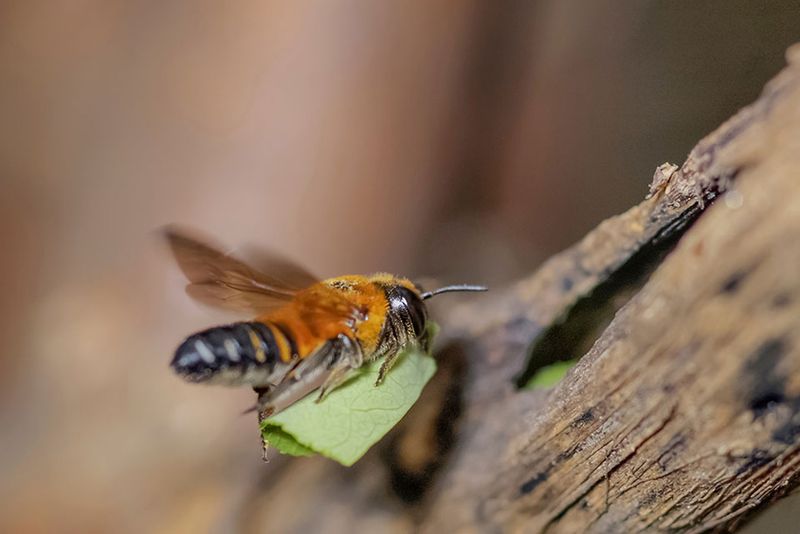
If you have ever walked into your Oregon garden and found perfectly semicircular notches cut out of your rose or lilac leaves, do not panic. A leafcutter bee has been at work, and that is actually great news for your garden.
These clever, industrious bees use leaf pieces to line and seal the individual cells inside their nests, creating snug little packages for each of their eggs.
Leafcutter bees are medium-sized, stout bees that look somewhat similar to honey bees but carry pollen on their fuzzy abdomens rather than in leg baskets. They are solitary nesters that use hollow stems, pre-drilled holes in wood, or bee houses to raise their young.
The leaf-cutting behavior is unique and fascinating to observe, and the small holes they leave in leaves cause no real harm to healthy plants.
As pollinators, leafcutter bees are highly efficient. They are active throughout the summer months in Oregon, which makes them valuable pollinators for warm-season crops and flowers that bloom after the early spring rush.
They visit a wide range of plants, including native Oregon species like Douglas aster and salal, as well as garden vegetables like squash and beans.
Setting up a bee house in your Oregon yard is one of the easiest ways to attract leafcutter bees. Pair it with a variety of blooming plants that span the summer season, and you will likely see these tidy little leaf-rollers moving in before long.
Their presence is a sign of a healthy, thriving garden ecosystem.
8. Long-Horned Bees Known For Their Extra-Long Antennae
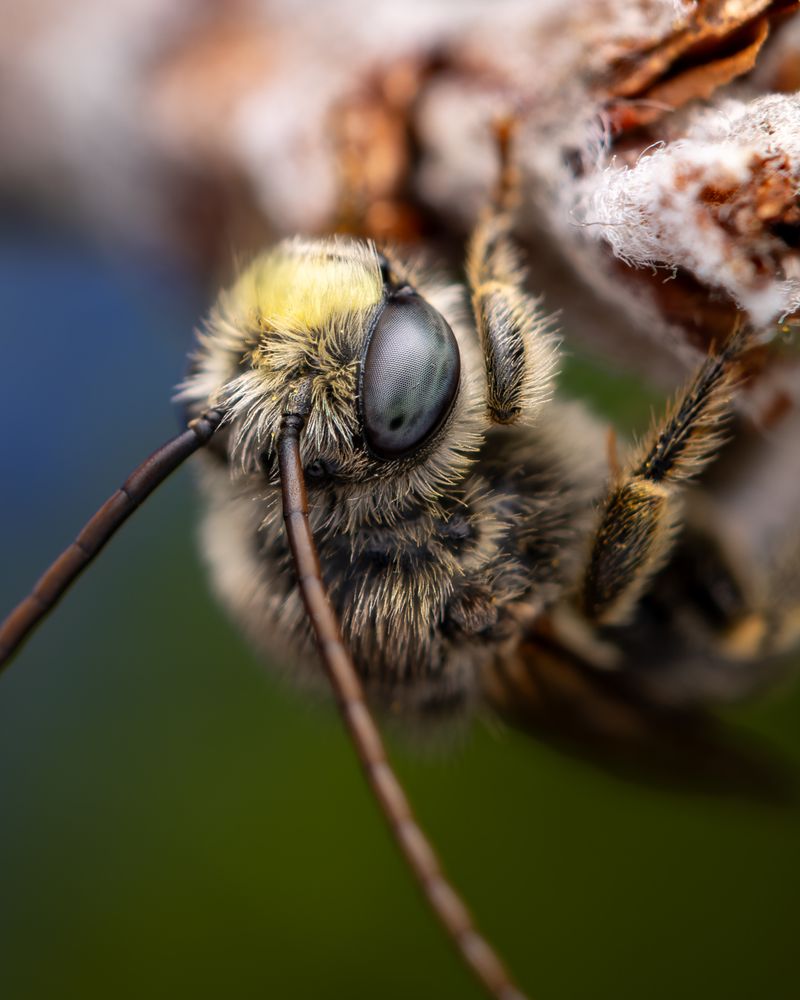
Long-horned bees have one of the most distinctive looks in the bee world, and once you know what to look for, you will start spotting them all over your Oregon garden. The males of this group are named for their unusually long antennae, which stretch out well beyond what you would expect on a bee their size.
It gives them a quirky, almost comical appearance that makes them instantly memorable.
These bees belong to the tribe Eucerini and are medium to large in size, often quite hairy and robust. They are strong fliers and tend to favor sunny, open areas where wildflowers and native plants grow in abundance.
In Oregon, they are most active during the summer months, buzzing around blooms at a leisurely but purposeful pace.
Long-horned bees are specialists in some cases, meaning certain species prefer to collect pollen from a specific plant family. Many Oregon species are particularly fond of plants in the sunflower family, including native asters like Douglas aster.
Planting a generous patch of late-season bloomers in your Oregon yard can attract them reliably year after year.
Like most native bees, long-horned bees nest in the ground. Males often sleep overnight on flower stems, clinging with their mandibles in a way that looks almost comical.
Females are focused and efficient, packing their underground nest cells with generous amounts of pollen. Giving them a pesticide-free yard with plenty of sun-loving native Oregon plants is the best invitation you can offer these wonderfully odd and wildly useful bees.