The Best Native California Plants For Small Front Yards
Front yards in California don’t have to be large to make an impression. In fact, smaller spaces often feel more inviting when every plant has a clear purpose and fits the space well.
A thoughtful layout can make even a narrow strip feel full and welcoming.
It’s easy to overcrowd a compact yard with plants that grow too big or need more care than expected. That’s where native plants can really shine, offering a better match for the climate while staying manageable over time.
They tend to settle in more naturally, using less water and holding up through seasonal changes without constant attention.
With the right choices, even a small front yard can feel balanced, welcoming, and full of life in a way that feels effortless.
1. Toyon With Bright Berries And Structure
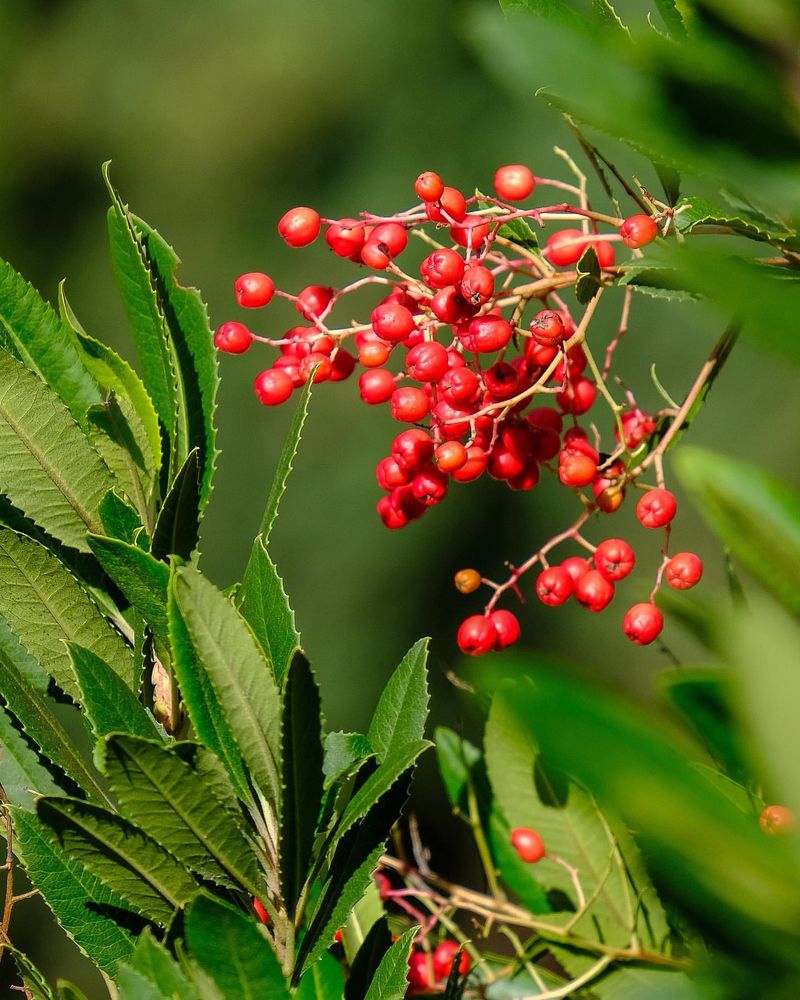
Walk past almost any California hillside in winter and you might spot a flash of bright red tucked among the green. That eye-catching plant is Toyon, sometimes called California Holly, and it is one of the most rewarding native shrubs you can grow in a small front yard.
Legend has it that the city of Hollywood actually got its name from the abundance of Toyon growing across the local hillsides.
Toyon is an evergreen shrub, meaning it keeps its glossy dark green leaves year-round. In summer, clusters of tiny white flowers attract bees and butterflies.
By winter, those flowers transform into bunches of brilliant red berries that birds absolutely love, turning your front yard into a lively wildlife feeding station.
Even in a compact space, Toyon can be pruned into a manageable size without losing its charm. It handles drought well once established, making it a smart pick for water-conscious California homeowners.
Plant it in full sun to partial shade and watch it reward you with color and wildlife activity across every season. Few native plants offer this much year-round beauty with so little effort required.
2. Coffeeberry Forming A Dense Evergreen Screen
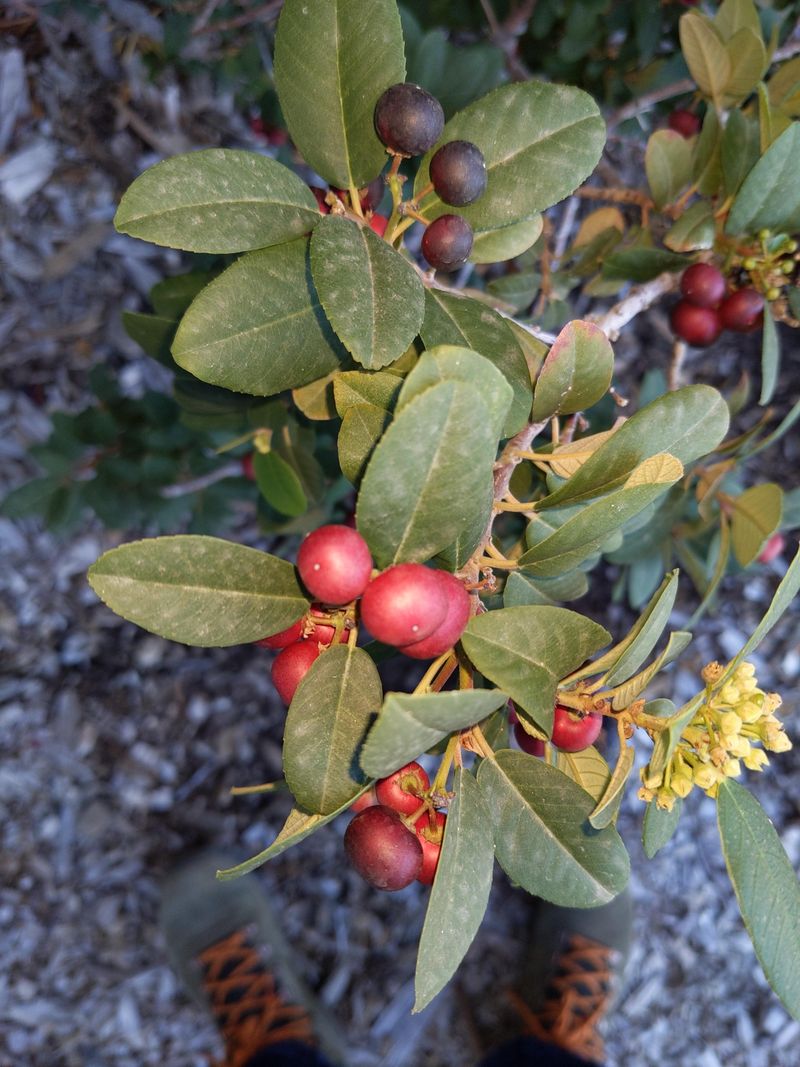
One of those underrated native California plants that quietly does everything right, coffeeberry is easy to overlook but hard to beat. Its berries shift through shades of green, red, and eventually deep purplish-black as the season progresses, giving your small front yard a subtle but striking color show that changes week by week.
Birds like robins and thrushes eagerly snack on the ripe berries, so expect some feathered visitors if you plant one.
Known scientifically as Frangula californica, Coffeeberry is a tough and adaptable shrub that grows well across a wide range of California conditions. It tolerates both full sun and partial shade, handles clay or sandy soils, and becomes impressively drought-tolerant once its roots are well established.
That kind of flexibility makes it a reliable choice for front yards where conditions might not be perfectly ideal.
Coffeeberry stays relatively compact, typically reaching four to eight feet tall depending on the variety, and several dwarf cultivars are available that work especially well in tight spaces. The glossy green leaves look tidy and attractive throughout the year, giving your yard a polished look without demanding constant attention.
Your California Garden Changes Every Week. Your Plan Should Too.
Gardening in California changes quickly throughout the season. Every Friday you’ll receive a simple weekly plan showing exactly what to plant, prune, fertilize, harvest, and protect so you never miss the right timing.
For California homeowners who want low-maintenance beauty, Coffeeberry is a genuinely smart investment.
3. California Lilac Bursting With Spring Color
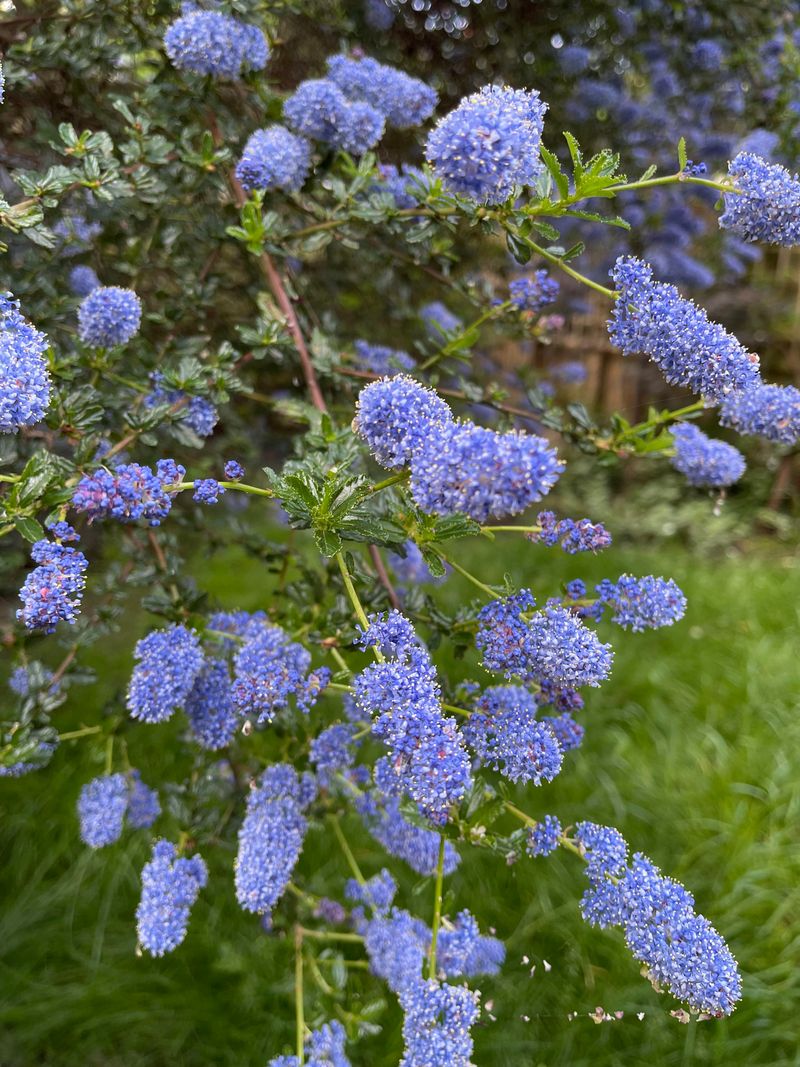
Few sights in a California front yard are more jaw-dropping than a California Lilac in full bloom. Ceanothus, as it is scientifically known, bursts into clouds of deep blue, lavender, or white flowers in late winter and spring, covering the entire shrub in color so intense it practically glows.
Bees go absolutely wild for the blossoms, making your yard a buzzing hub of pollinator activity during bloom season.
California Lilac comes in a wide range of sizes, from low-growing ground covers to large upright shrubs, so finding one that fits your compact front yard is genuinely easy. Varieties like Ceanothus griseus horizontalis stay low and spreading, making them excellent for edging along walkways or filling in sloped areas.
Taller varieties can serve as a colorful focal point or a natural privacy screen.
Once established, California Lilac is remarkably tough. It thrives in full sun, tolerates poor soil, and needs very little supplemental water during California dry seasons.
Avoid overwatering, as too much moisture can actually harm the roots over time. With the right spot and a little patience during its first year, California Lilac will reward you with one of the most spectacular floral displays any native plant can offer.
4. Dwarf Coyote Bush Creating A Tough Groundcover
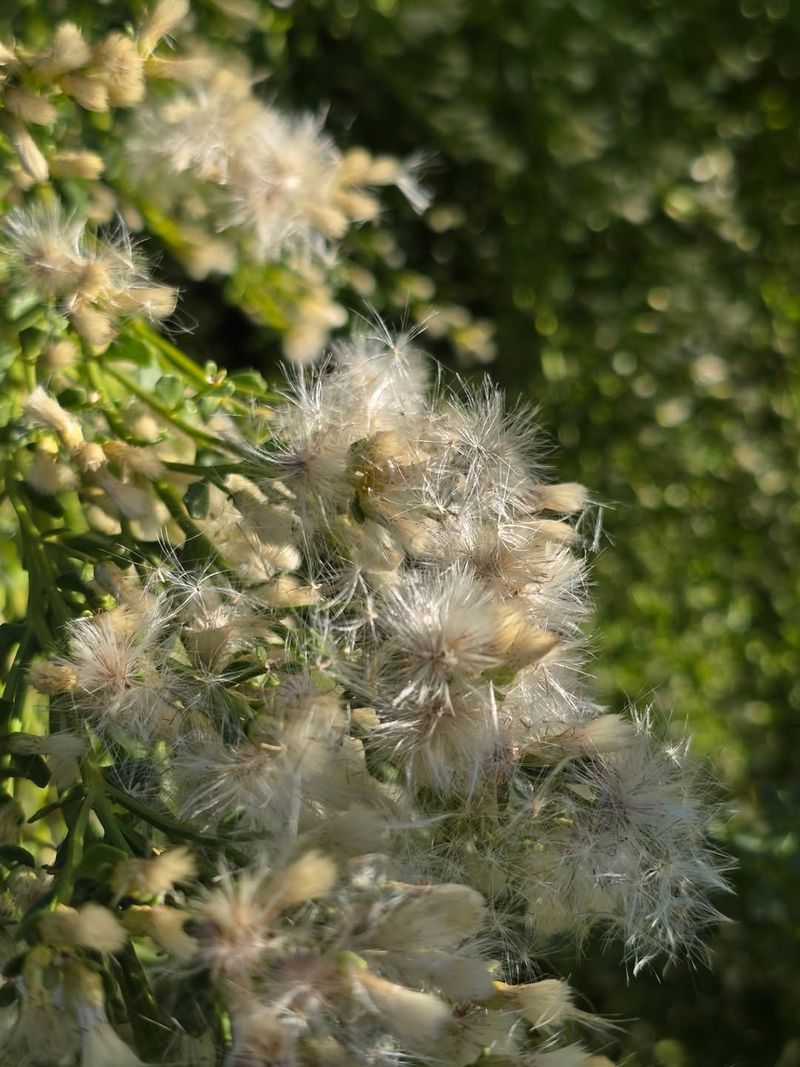
Ground cover plants are the unsung heroes of small front yard landscaping, and Dwarf Coyote Bush might just be the hardest-working one in the California native plant world. A compact form of the native Baccharis pilularis, this low-growing evergreen spreads outward rather than upward, forming a dense, weed-suppressing mat that stays green even during hot, dry California summers.
It is tough enough to handle foot traffic and compacted soil, which not every plant can say.
Planting Dwarf Coyote Bush along slopes, borders, or the front edges of your yard creates a clean, natural look that requires almost no maintenance once established. It roots deeply and holds soil in place, which is especially valuable on sloped front yards where erosion can be a problem.
The small, glossy leaves stay fresh-looking year-round without any irrigation once the plant is settled in.
In fall, female plants produce fluffy white seed clusters that add a soft, airy texture to your yard. Dwarf Coyote Bush grows well in full sun and tolerates coastal winds, making it a fantastic option for California homes near the coast or in open, exposed neighborhoods.
If low-maintenance beauty is your goal, this tough little plant absolutely delivers on every front.
5. Oregon Grape With Bold Leaves And Texture
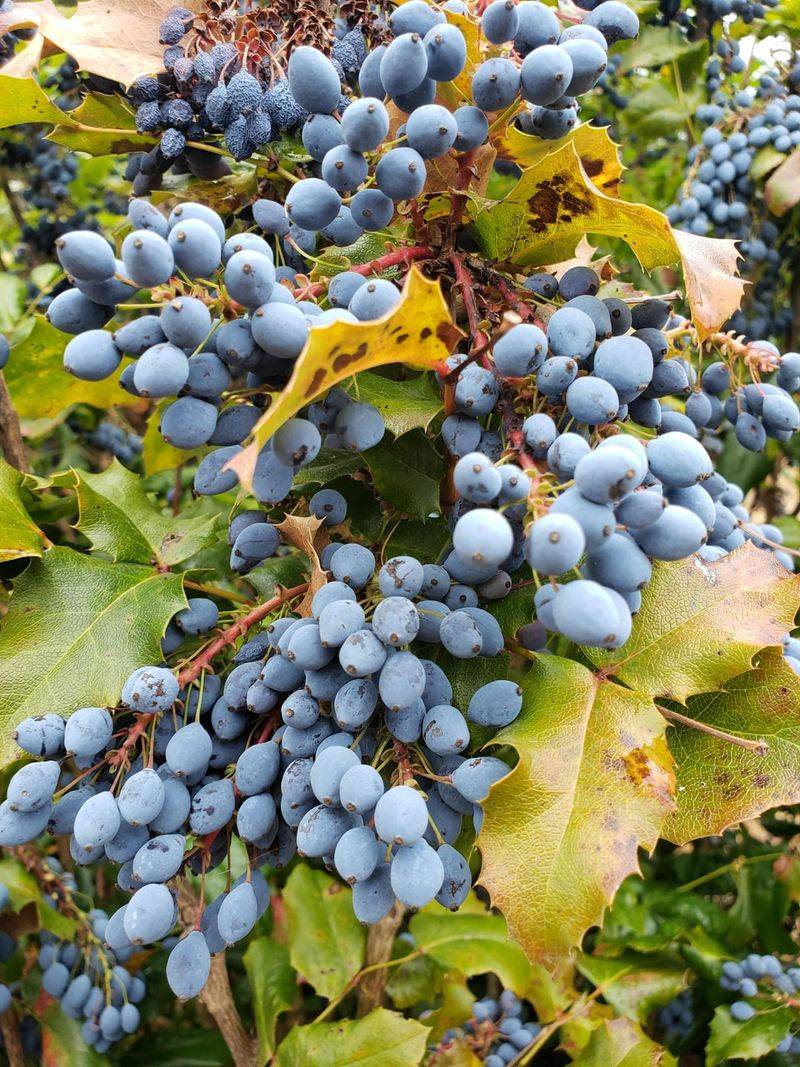
With leaves that look like miniature holly, bright yellow flower clusters in early spring, and dusty blue-purple berries in summer, this native plant offers three completely different visual moments across a single growing season. It is a plant that rewards patient observers who take time to notice how it changes throughout the year.
Mahonia aquifolium, as it is formally known, is native to the Pacific Northwest and grows well in parts of California, especially in shaded front yards. If your yard sits under a large tree or gets limited direct sunlight, Oregon Grape can fill those tricky spots beautifully.
It prefers well-drained soil and handles moderate drought once established, though it appreciates occasional deep watering during prolonged dry spells in California.
The berries that appear in late summer attract birds and can even be used to make jelly, though they are quite tart on their own. Oregon Grape typically grows two to six feet tall depending on the variety, and compact cultivars are available for especially small spaces.
The spiny leaves naturally deter animals from trampling through garden beds, adding a practical bonus alongside the plant’s considerable visual appeal throughout the year.
6. Cleveland Sage With Fragrance And Pollinators
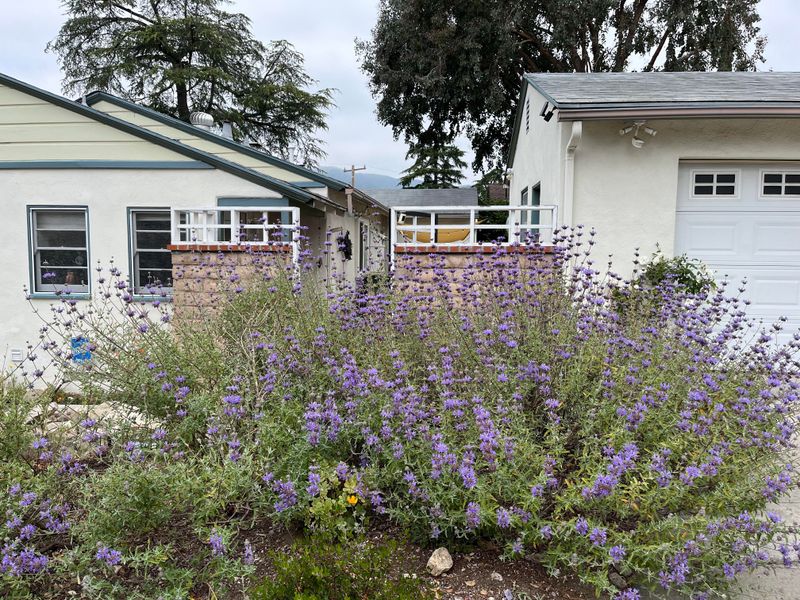
Step near a Cleveland Sage on a warm California afternoon and you will immediately understand why so many gardeners love it. The fragrance is bold, clean, and unmistakably herby, filling the air around your front yard with a scent that feels like the wild California hills brought right to your doorstep.
Salvia clevelandii is native to Southern California and Baja, and it has been a favorite of native plant gardeners for decades for very good reason.
Tall spikes of purple-blue flowers rise above the silvery-gray foliage from late spring into summer, attracting hummingbirds, bees, and butterflies in impressive numbers. The blooms are showy enough to serve as a real focal point in a small front yard without overwhelming the space.
Cleveland Sage typically grows three to five feet tall and wide, making it a nicely proportioned shrub for compact landscapes.
Full sun and excellent drainage are the two things Cleveland Sage asks for most. It is highly drought-tolerant and actually prefers to stay on the dry side once established, so resist the urge to overwater.
In California gardens, it pairs beautifully with other drought-tolerant natives like California Fuchsia and Buckwheat, creating a layered, wildlife-friendly planting that looks intentional and polished throughout the warm months.
7. Vine Hill Manzanita With Smooth Bark And Form
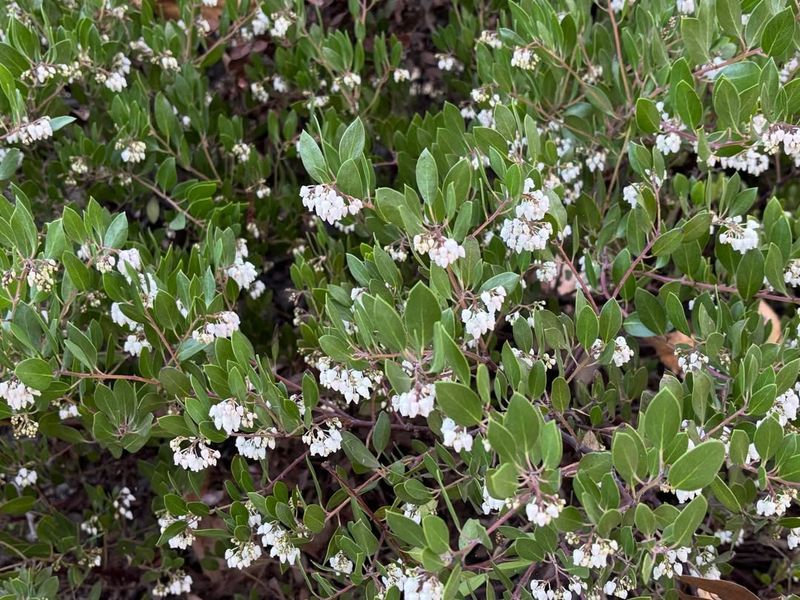
Among the most visually striking native plants in California, manzanitas stand out, and Vine Hill manzanita is one of the most garden-friendly in the group. What sets it apart immediately is its gorgeous smooth bark, which peels away to reveal rich reddish-brown wood underneath.
Even in winter when little else is happening in the garden, those sculptural branches make Vine Hill Manzanita look like living artwork standing in your front yard.
Arctostaphylos densiflora blooms in late winter to early spring, producing small clusters of pink or white urn-shaped flowers that hummingbirds find irresistible. The berries that follow provide food for birds and small wildlife through the warmer months.
This particular manzanita variety stays relatively compact compared to its wild cousins, typically reaching three to five feet tall, which makes it practical for smaller California front yards without major pruning.
Plant Vine Hill Manzanita in full sun with fast-draining soil and give it minimal water once established. Like most manzanitas, it does not appreciate summer irrigation once its roots are settled in.
This is a plant that genuinely thrives on neglect, rewarding hands-off California gardeners with year-round beauty, wildlife activity, and that unforgettable sculptural branch structure that makes every visitor stop and look twice.
8. Red-Flowered Buckwheat With Long-Lasting Color
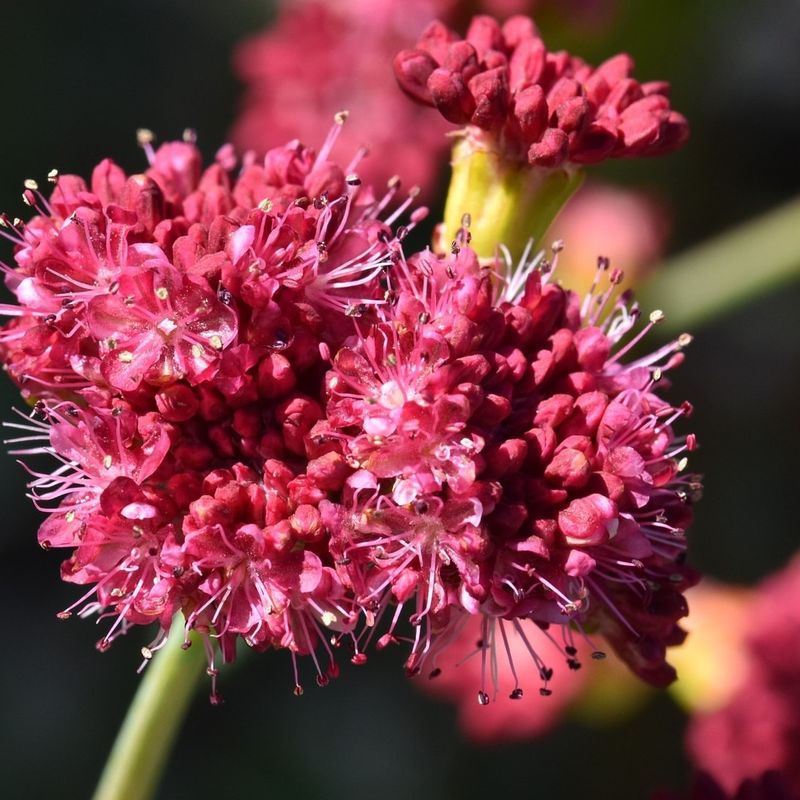
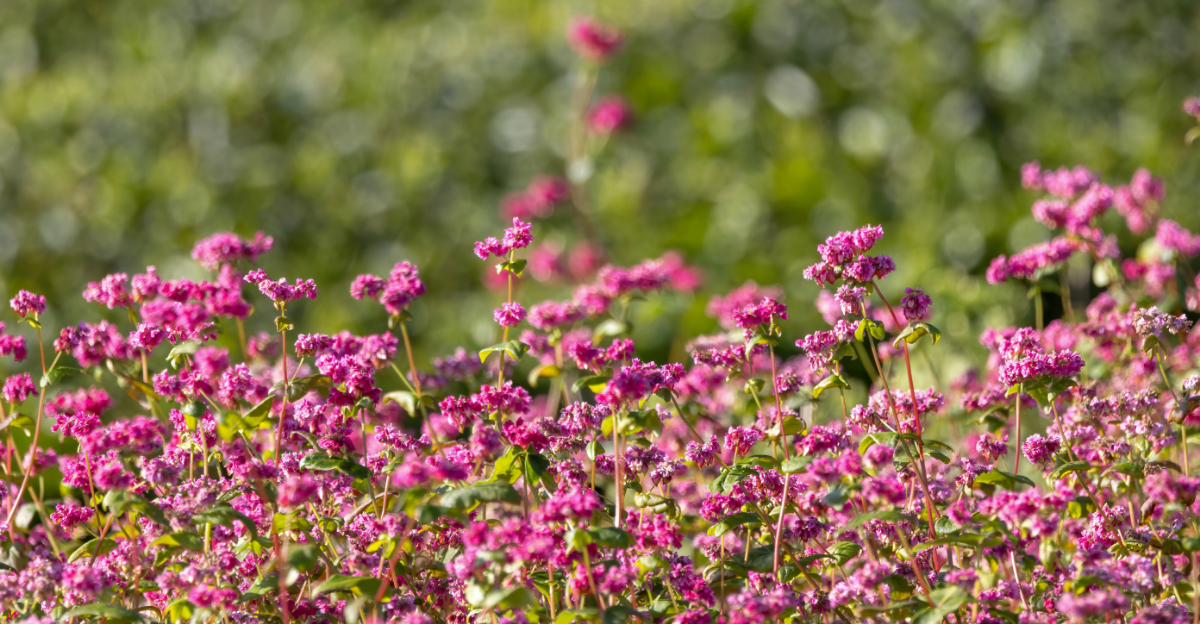
If you want to turn your small California front yard into a butterfly magnet, Red-Flowered Buckwheat is one of the best plants you can possibly choose. Eriogonum grande var. rubescens produces clusters of deep rose-red to coral flowers on tall, airy stems that rise above a low mat of silvery-green leaves.
The flowers last from late spring well into fall, giving pollinators a reliable food source across a long stretch of the California growing season.
Native to the Channel Islands off the California coast, this buckwheat has adapted beautifully to coastal and inland garden conditions alike. It handles full sun, poor rocky soil, and serious drought with ease, asking very little in return for months of colorful blooms.
The flowers age to a warm rusty-red as they dry, which means the plant continues to look interesting even after peak bloom has passed.
Red-Flowered Buckwheat stays low and spreading, usually reaching about one to two feet tall and two to three feet wide, making it a perfect fit for small front yard borders, rock gardens, or sunny slopes. Butterflies like painted ladies and hairstreaks are especially attracted to the blossoms.
Pair it with Cleveland Sage or California Fuchsia for a layered, wildlife-friendly planting that looks gorgeous throughout the year.
9. California Fuchsia With Bright Late Blooms
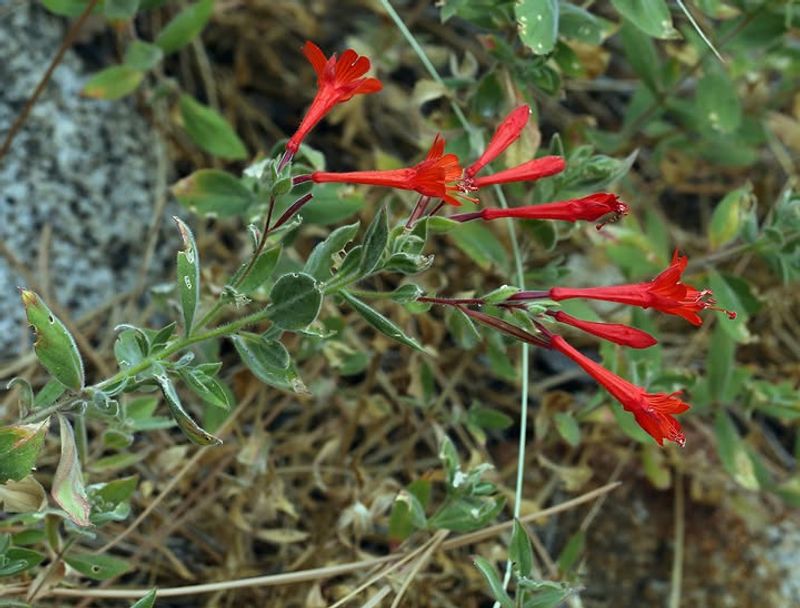
Just when most summer flowers are fading and California gardens start looking tired, California Fuchsia bursts into action. Epilobium canum lights up late summer and fall with an explosion of tubular scarlet flowers that hummingbirds simply cannot resist.
Watching a hummingbird hover and feed from the bright red blossoms right outside your front door is one of the genuine joys of growing this native plant.
California Fuchsia spreads by underground runners, forming a low, spreading mat that works beautifully as a border plant or ground cover along sunny walkways and driveways. It typically reaches one to two feet tall and can spread three feet or more across, filling in empty spaces quickly and efficiently.
The silvery-green foliage looks attractive even when the plant is not in bloom, adding soft texture to the front yard throughout the growing season.
Full sun and well-drained soil are the main requirements for a happy California Fuchsia. It is extremely drought-tolerant once established, which makes it a natural fit for water-conscious California landscapes.
Cut it back hard in late winter to encourage fresh, vigorous growth and the most abundant bloom display come fall. For late-season color and hummingbird activity, very few native plants come close to matching what California Fuchsia brings to a small front yard.
10. Bush Monkeyflower With Color In Tough Spots
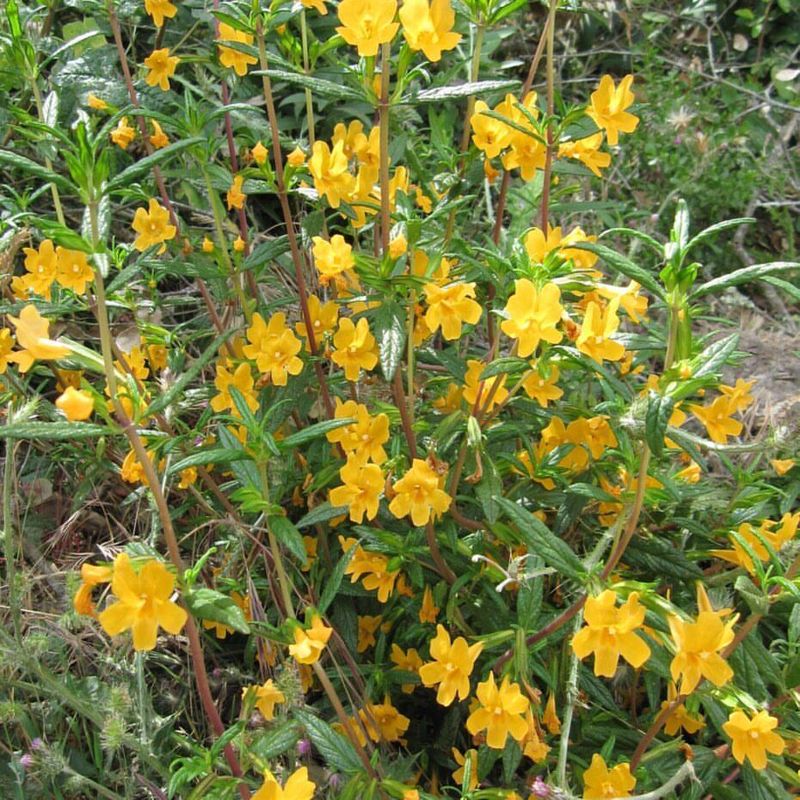
There is something wonderfully cheerful about a Bush Monkeyflower in full bloom. Diplacus aurantiacus, formerly known as Mimulus aurantiacus, covers itself in bright orange, yellow, or salmon-colored tubular flowers from spring through early summer, creating a warm, welcoming burst of color right at the entrance to your California home.
Hummingbirds and native bees are regular visitors, making your front yard feel alive and buzzing with activity.
Bush Monkeyflower is a native California shrub that grows naturally along dry slopes, chaparral edges, and coastal bluffs from Northern to Southern California. That wide natural range means it adapts easily to many different garden conditions.
It handles full sun to partial shade, tolerates poor soil, and becomes quite drought-tolerant once its root system is established, fitting naturally into a low-water California front yard landscape.
The sticky, dark green leaves give the plant a slightly textured look that contrasts nicely with silvery-leaved plants like Cleveland Sage or California Fuchsia. Bush Monkeyflower typically grows two to four feet tall and wide, fitting comfortably into small front yard spaces without crowding neighboring plants.
Cut it back by about half after blooming to keep it compact and encourage a fresh flush of growth before the next flowering season arrives.