Why Tulips Bloom Beautifully One Year In Ohio Then Disappear The Next

Few things feel as rewarding as seeing tulips burst into color across an Ohio garden after a long winter. One spring they put on a stunning show, and the next, the same spot can look surprisingly quiet.
It is a common experience that leaves many gardeners wondering what changed.
Ohio’s mix of cold winters, warming springs, and humid summers creates conditions that can be tough on tulip bulbs over time. That first display often uses up much of their stored energy.
Once you understand what affects their return, it becomes much easier to plan for more consistent blooms in the seasons ahead.
1. Many Tulip Varieties Are Treated As Annuals In Ohio
Walk through any Ohio garden center in fall and you will notice that most of the tulip bulbs for sale are large hybrid varieties, bred specifically to put on a breathtaking show their first spring.
These hybrids are engineered for visual impact, not long-term survival, and many of them simply do not have the genetic makeup to rebloom reliably in Ohio’s climate year after year.
Hybrid tulips, such as Darwin hybrids and Triumph types, often produce one spectacular season and then gradually fade.
Ohio’s warm, humid summers are particularly tough on these bulbs, which prefer the dry, hot summers found in their native Central Asian habitats.
When conditions do not match what they evolved for, the bulbs struggle to rebuild enough energy to flower again.
Treating certain tulip varieties as annuals is not a failure on the gardener’s part. It is simply a realistic response to how these plants behave in Ohio conditions.
Many experienced Ohio gardeners intentionally replant fresh bulbs every fall, treating tulips the same way they would seasonal flowers like pansies or snapdragons.
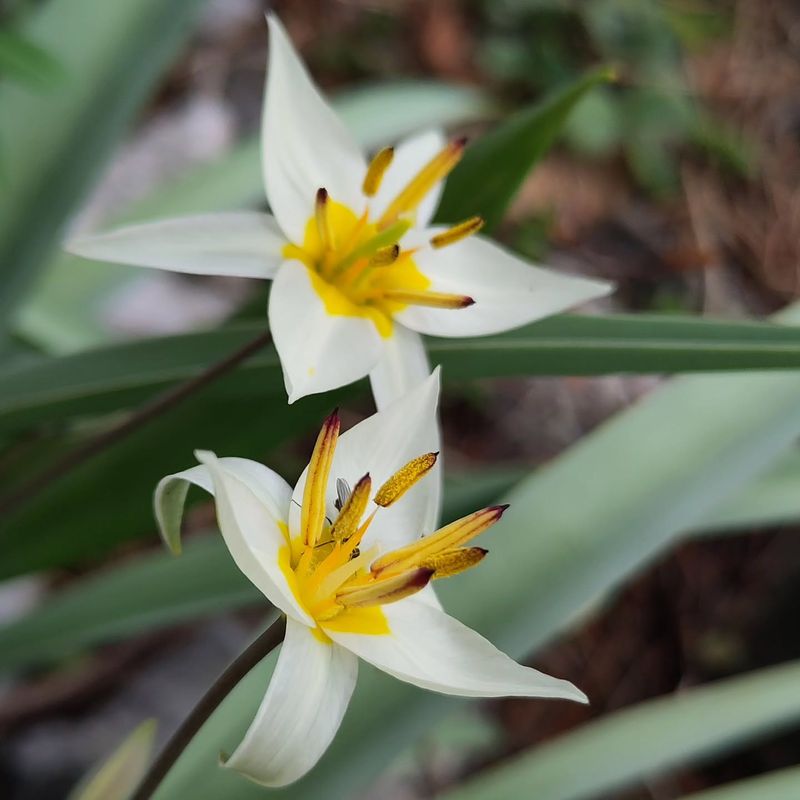
If you want better long-term results without replanting every year, look for species tulips like Tulipa tarda or Tulipa turkestanica, which tend to naturalize far more reliably in Midwest gardens and return with blooms season after season.
2. Warm Summers Can Weaken Bulbs After Bloom
Once the last tulip petals fall in an Ohio spring, many gardeners assume the hard work is done for the season. What happens underground during summer, though, has everything to do with whether those bulbs come back the following year.
Ohio summers can be warm and sticky, and that combination of heat and humidity is genuinely challenging for tulip bulbs trying to rest and recharge.
Tulips are native to regions where summers are dry and hot but not humid. In Ohio, summer moisture levels stay relatively high, which can soften bulb tissue and encourage fungal issues that slowly weaken the bulb from the inside.
Even without visible rot, a bulb that has been stressed by excessive warmth and moisture may not store enough carbohydrates to support flowering the following spring.
One practical way to help Ohio tulip bulbs survive summer is to plant them in raised beds or well-drained spots where excess moisture drains away quickly.
Some gardeners in Ohio choose to dig up their bulbs after the foliage fades, allow them to dry out in a cool, airy space, and then replant them in fall.
Your Ohio Garden Changes Every Week. Your Plan Should Too.
Gardening in Ohio changes quickly throughout the season. Every Friday you’ll receive a simple weekly plan showing exactly what to plant, prune, fertilize, harvest, and protect so you never miss the right timing.
This extra step mimics the dry summer dormancy tulips naturally experience in their native climate and can meaningfully improve the chances of getting a second or third season of blooms from quality bulbs.
3. Foliage Removal Too Early Reduces Next Year’s Blooms
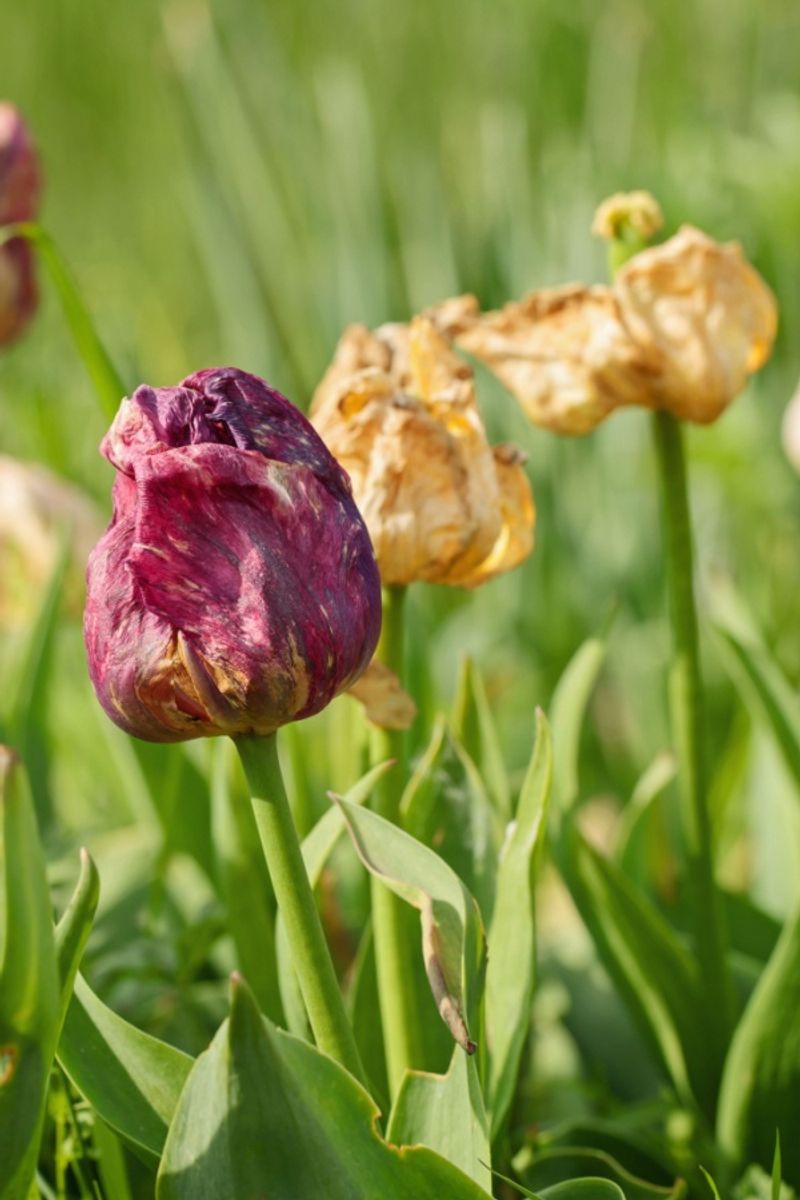
Few things test a gardener’s patience quite like staring at a patch of floppy, yellowing tulip leaves long after the flowers have gone. It feels natural to grab the shears and tidy things up, especially when the rest of the garden is coming to life around them.
But cutting those leaves too early is one of the most common reasons Ohio tulips fail to return the following spring.
After the flowers fade, the green foliage keeps working hard. Through photosynthesis, the leaves convert sunlight into sugars and send that energy back down into the bulb, where it gets stored as fuel for next year’s bloom.
In Ohio, where spring sunshine can be inconsistent and the growing window is relatively short, every extra day of foliage matters. Removing leaves before they yellow naturally can leave bulbs significantly underpowered heading into summer dormancy.
A good rule of thumb is to wait until at least six weeks after blooming before removing foliage, or until the leaves have turned mostly yellow or brown on their own.
To manage the visual untidiness during that waiting period, many Ohio gardeners plant fast-growing annuals or perennials nearby to help disguise the fading tulip leaves.
Hostas, daylilies, and ornamental grasses work especially well for this purpose and help the garden look full and intentional while the bulbs quietly do their important post-bloom work underground.
4. Poor Drainage Leads To Bulb Decline In Heavy Soil
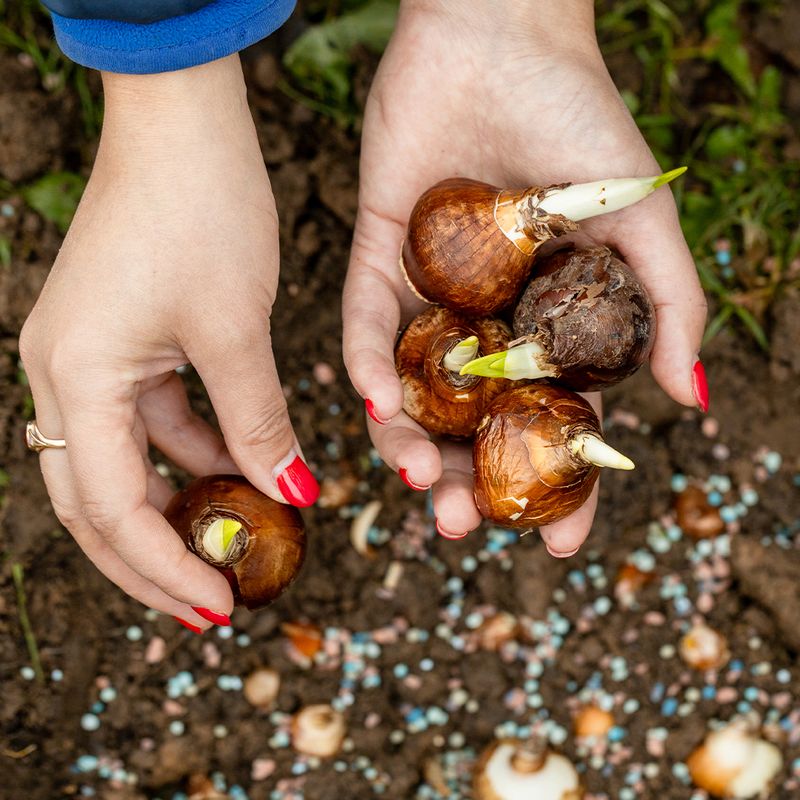
Ohio soil has a reputation for being heavy. Across much of the state, gardeners work with clay-based soils that hold water long after a rainstorm, and while that quality can benefit some plants, it creates real problems for tulip bulbs.
Tulips are highly sensitive to standing water, and bulbs sitting in soggy soil for extended periods are much more likely to soften, rot, and fail to reappear the following spring.
The problem often shows up gradually. A gardener plants bulbs in fall, gets a beautiful bloom in spring, and then notices the following year that only a few scraggly stems emerge, or none at all.
What happened underground was a slow process of moisture damage during Ohio’s wet winters and rainy springs.
Clay soil that stays saturated can cut off oxygen to the bulb and encourage the growth of mold and fungal pathogens that break down bulb tissue over time.
Improving drainage before planting is the most effective solution. Working generous amounts of coarse sand, perlite, or aged compost into the planting area can loosen clay soil and help water move through more freely.
Raised beds are another excellent option for Ohio gardeners dealing with heavy soil, since they naturally elevate the bulbs above the saturated ground level.
Even a modest raised bed of six to eight inches can make a meaningful difference in how long tulip bulbs stay healthy and productive in Ohio gardens.
5. Lack Of Sunlight Limits Energy Storage In Bulbs
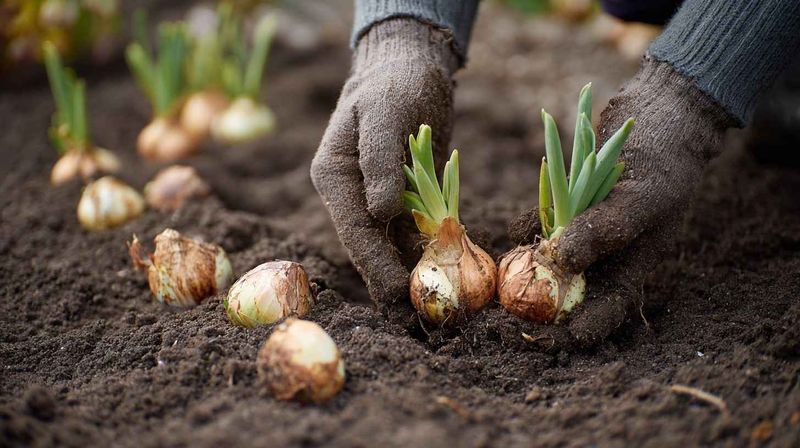
Sunlight is the fuel that powers everything a tulip bulb does between bloom time and dormancy.
In Ohio, spring days can be beautiful but also interrupted by long stretches of cloudy, overcast weather, and gardens that are partially shaded by trees or structures may not give tulip foliage the light it needs to fully recharge the bulbs for the following year.
When tulips do not receive enough direct sunlight after blooming, photosynthesis slows down and the bulb ends up with a smaller energy reserve heading into summer.
A bulb with limited stored energy may still send up a stem the next spring, but the flower may be noticeably smaller, paler, or may not open fully.
After several seasons of insufficient light, the bulb may stop producing flowers altogether and eventually stop emerging.
Choosing the right planting location matters more than many Ohio gardeners initially realize.
Tulips generally need at least six hours of direct sunlight per day, and that requirement applies not just during bloom but also during the several weeks after flowering when the foliage is still active.
Spring in Ohio brings budding trees that can cast increasing shade as the season progresses, so a spot that looks sunny in early April may become significantly shadier by May.
Selecting open, south-facing planting areas or spots away from large deciduous trees can help ensure bulbs receive enough light to store the energy they need for a strong return season.
6. Bulbs Divide Over Time And Produce Smaller Blooms
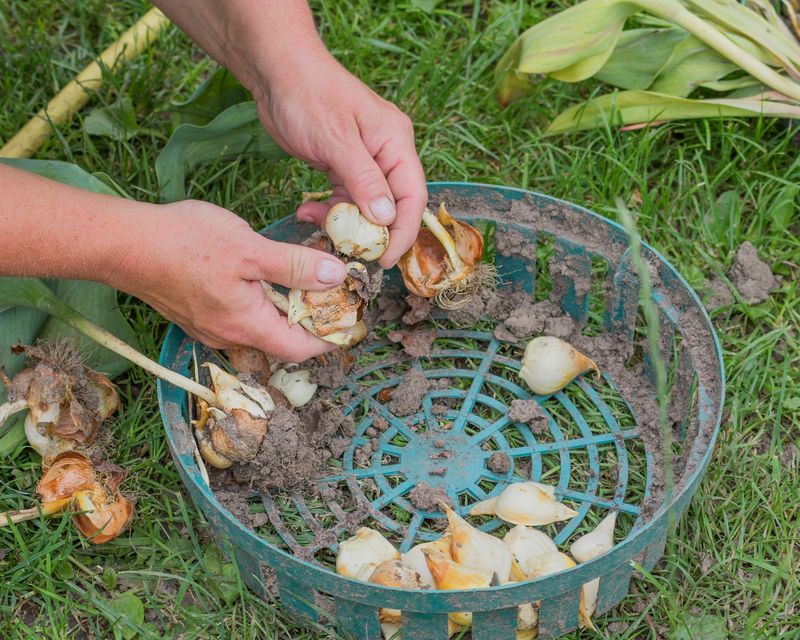
Something interesting happens beneath the surface of a tulip bed over several years. A single bulb that bloomed beautifully in its first season will often produce small offset bulbs, sometimes called daughter bulbs, that form around the original.
This natural process of division sounds promising, but in practice it often leads to a gradual decline in bloom quality that puzzles many Ohio gardeners.
Each offset that forms takes energy away from the main bulb. Over time, instead of one large, energy-rich bulb capable of producing a full-sized flower, you end up with a cluster of smaller bulbs competing for the same nutrients and space.
The result is often a patch of tulip leaves with no flowers, or stems that barely push up a small, underwhelming bloom compared to what the garden produced a few years earlier.
Digging up tulip bulbs every few years and separating the offsets from the main bulbs can help restore blooming performance.
In Ohio, late summer or early fall is a practical time to do this work, just before the next planting season begins.
Replant only the largest, firmest bulbs and compost or share the smaller offsets. Giving each bulb adequate spacing, roughly six inches apart, also helps reduce competition for soil nutrients and moisture.
With a little periodic maintenance, even a mature tulip planting can be refreshed and returned to producing the full, vibrant blooms Ohio gardeners love each spring.
7. Improper Planting Depth Affects Long Term Performance
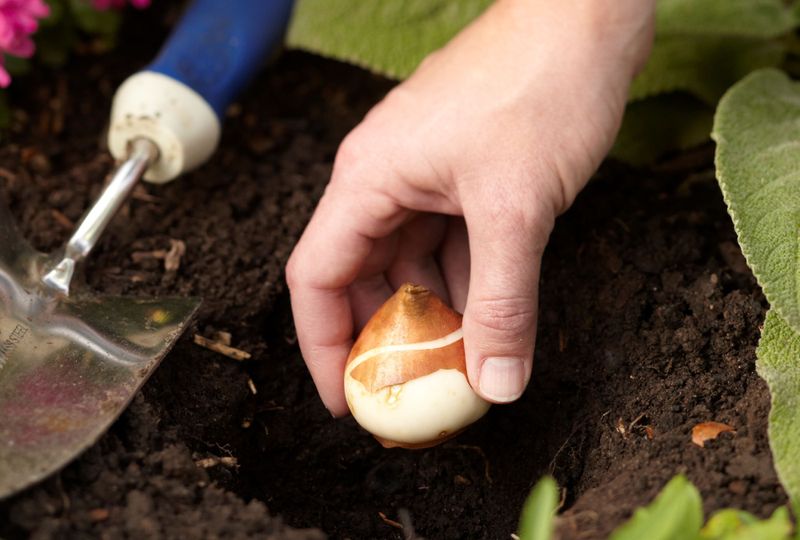
Planting depth is one of those details that seems minor but turns out to have a big influence on how well tulips perform over multiple seasons in Ohio.
Bulbs planted too shallowly are exposed to dramatic temperature swings, excess moisture near the surface, and the physical disturbance of garden maintenance.
All of these stressors can gradually reduce a bulb’s ability to rebloom reliably.
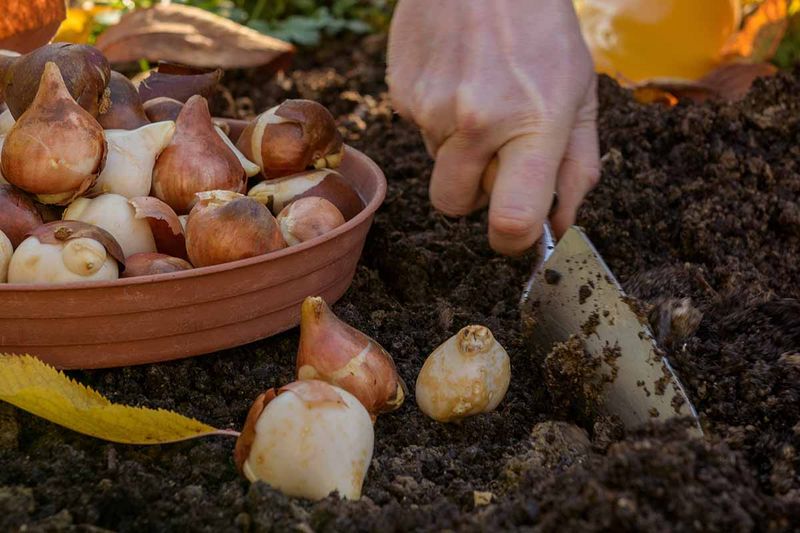
The general recommendation for tulip planting depth is about six to eight inches from the base of the bulb to the soil surface.
In Ohio, where winters can bring hard freezes followed by unexpected warm spells, that depth provides insulation against the freeze-thaw cycles that can heave shallowly planted bulbs right out of the ground.
Bulbs that get pushed to the surface by frost heaving are especially vulnerable to moisture damage and cold injury that shortens their productive life significantly.
Planting depth also affects how well bulbs stay cool during spring warm-ups.
Deeper bulbs experience more stable soil temperatures, which helps regulate their growth timing and reduces the risk of premature sprouting during an early Ohio warm spell in February or March.
When planting in fall, use a bulb planter or a dedicated garden trowel to measure depth consistently across the bed.
Taking a few extra minutes to plant at the right depth can make a noticeable difference in how many tulips return for a second and third season of blooming in Ohio gardens.
8. Nutrient Depletion Can Reduce Flowering In Following Years
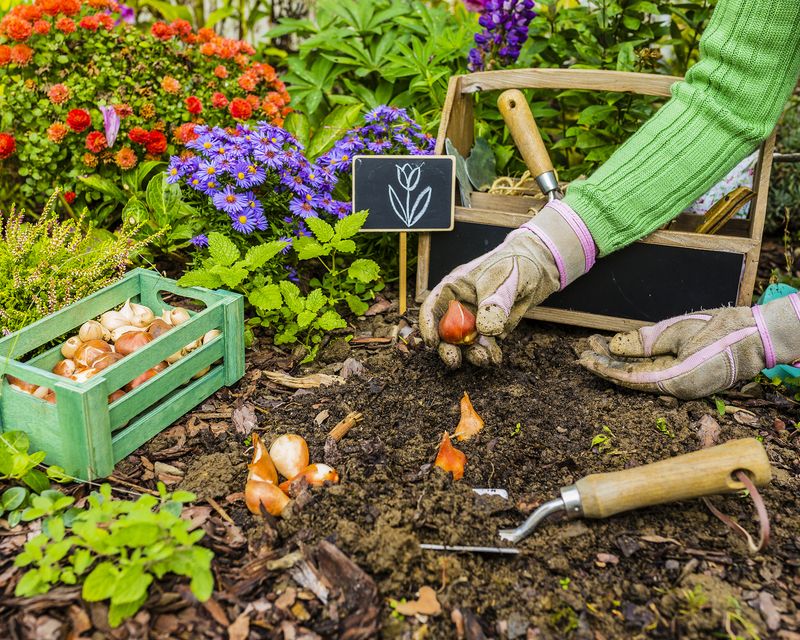
Soil nutrients play a quieter role in tulip performance than most gardeners expect, but their influence builds up over time.
A bed that supported vigorous tulip blooms for one or two seasons may gradually become less fertile, especially if nothing has been added back to replace what the plants used.
In Ohio, where heavy clay soils can lock up nutrients or where sandy soils may lose them quickly through drainage, this depletion can happen faster than gardeners realize.
Tulips rely heavily on phosphorus to support root development and bulb energy storage, and potassium to help with overall plant health and disease resistance. Nitrogen matters too, but in smaller amounts.
A soil that is low in these key nutrients may still produce green foliage but struggle to produce the strong, well-formed flowers that made the first season so impressive.
Over time, nutrient-stressed bulbs tend to produce increasingly faint blooms before stopping altogether.
Testing your Ohio garden soil every few years is a practical habit that takes the guesswork out of fertilizing. Based on test results, you can apply a balanced bulb fertilizer in fall when planting or as a top dressing in early spring when foliage first emerges.
Bone meal and low-nitrogen bulb fertilizers are commonly recommended for tulips. Avoid high-nitrogen fertilizers, which can push leafy growth at the expense of flower production.
A simple, consistent feeding routine can meaningfully extend the productive life of tulip bulbs in Ohio gardens.