Spring Garden Tasks Western North Carolina Homeowners Should Finish In April
April in western North Carolina feels like the garden is waking up fast, and there is a lot to do before the season really takes off. Warmer days, cool nights, and steady rain create ideal conditions for growth, but they also mean timing matters.
What you take care of now can shape how your garden looks and performs for months ahead. From preparing soil to checking early plant growth, these tasks help build a strong foundation before summer heat and humidity settle in.
It is also a great time to spot problems early, adjust your plans, and get plants off to a healthy start.
Whether you are tending flowers, shrubs, or a vegetable garden, staying on track in April can make everything easier later. A little effort now can lead to a garden that feels full, balanced, and thriving all season long.
1. Test Soil Before Planting Season Begins
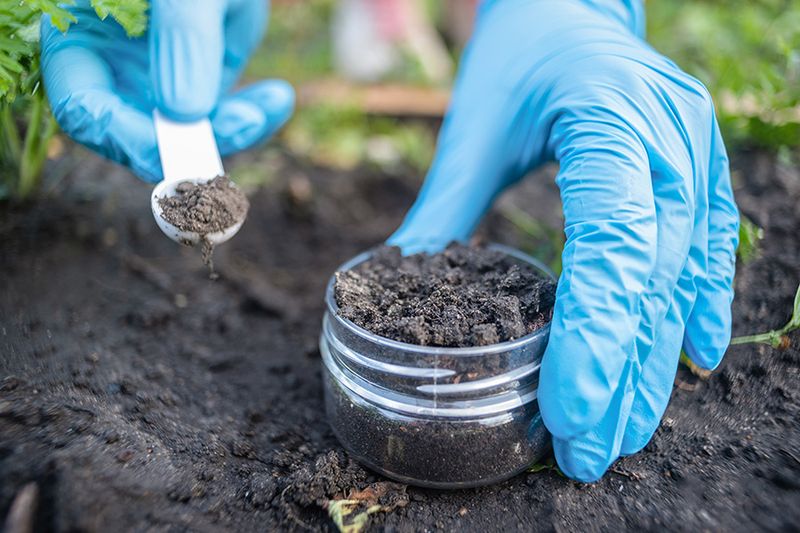
Skipping a soil test is one of the most common mistakes gardeners make every spring. Before you add fertilizer, compost, or anything else to your beds, you need to know what your soil actually needs.
The NC Cooperative Extension offers soil testing services across Western North Carolina, and the results can completely change how you approach your garden this season.
Mountain soils in this region tend to be naturally acidic, and nutrient levels can vary a lot from one yard to the next. A test will tell you the exact pH level and which nutrients are missing, so you stop guessing and start making smart choices.
Without this information, you might add lime when your soil does not need it, or skip fertilizer when your plants are actually starving.
Spring is the perfect time to run this test because you still have time to make corrections before your plants start actively growing. Results usually come back within a week or two, giving you a clear action plan.
Many gardeners in Asheville and surrounding mountain communities have been surprised by what their soil tests revealed. Take twenty minutes, collect a few samples, and send them in.
That small step saves you money, improves your harvest, and keeps your garden thriving all season long.
2. Improve Soil Structure With Organic Matter
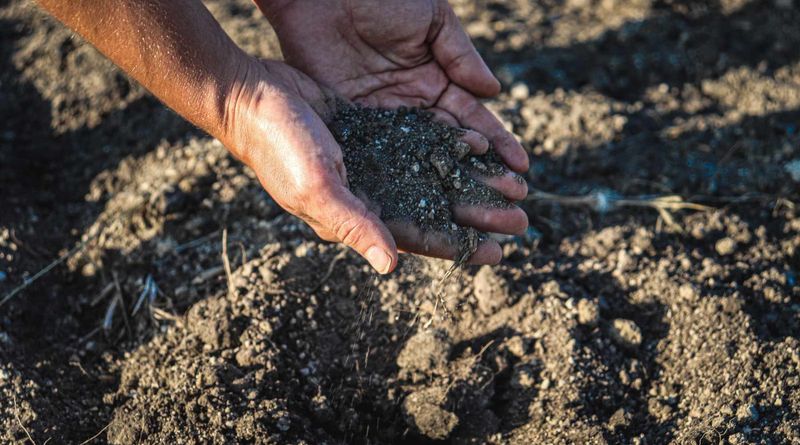
Mountain soil has a personality of its own, and in Western North Carolina, that personality can be stubborn. Many homeowners here deal with shallow, rocky, or clay-heavy ground that drains poorly and makes root growth tough.
Adding organic matter is the single best thing you can do to fix those problems before planting season kicks into full gear.
Compost is the gold standard, but aged pine bark also works beautifully in this region and is widely available. Work your amendments into the top six to eight inches of soil, but only when the ground is not overly wet or muddy.
Digging into soggy soil damages its structure and can actually make drainage worse over time.
April gives you a sweet spot where conditions are usually just right. The soil is thawed, temperatures are mild, and you have enough time for everything to settle before summer planting begins.
Your North Carolina Garden Changes Every Week. Your Plan Should Too.
Gardening in North Carolina changes quickly throughout the season. Every Friday you’ll receive a simple weekly plan showing exactly what to plant, prune, fertilize, harvest, and protect so you never miss the right timing.
Organic matter improves moisture retention, feeds beneficial soil microbes, and makes it easier for plant roots to spread. Gardeners across the Asheville area who make this a yearly habit notice a dramatic improvement in how their plants perform.
Even a one-inch layer of compost worked into your beds can make a noticeable difference. Think of it as feeding your garden from the ground up, because that is exactly what you are doing.
3. Plant Cool-Season Crops Early In The Month
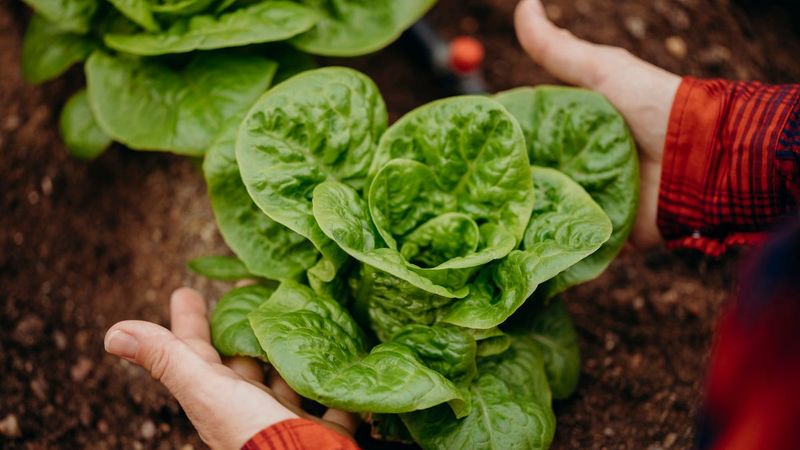
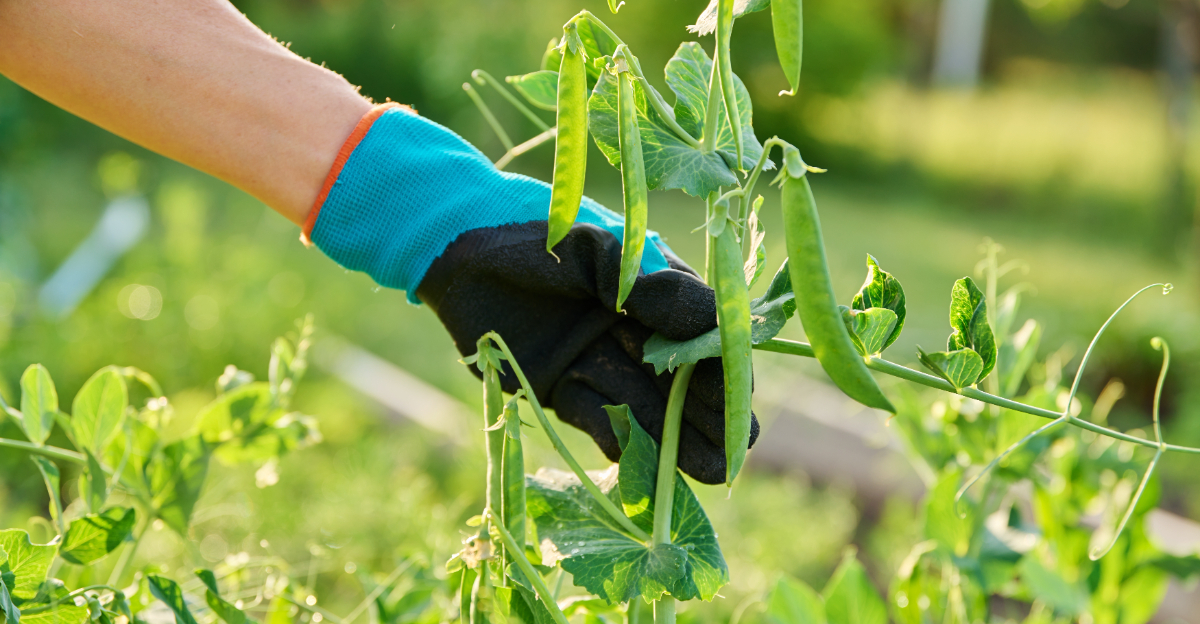
April mornings in the mountains still carry a chill, and your cool-season crops absolutely love that. Spinach, peas, and lettuce are built for these conditions, and getting them in the ground early gives you the longest possible harvest window before summer heat arrives.
Many gardeners in Western North Carolina wait too long and miss out on weeks of great growing weather.
Spinacia oleracea, Pisum sativum, and Lactuca sativa are not just fancy names on seed packets. They are some of the most rewarding vegetables you can grow in this region during spring.
These plants thrive when daytime temperatures stay between 45 and 65 degrees Fahrenheit, which is exactly what the mountains deliver in early April. Plant them in a sunny spot with well-amended soil and watch them take off.
One thing worth knowing is that the growing season in Western North Carolina starts later than in the Piedmont or Coastal Plain. That actually works in your favor here, because you get more weeks of cool weather to enjoy these crops.
Direct sow your seeds about half an inch deep, water them in well, and thin seedlings once they reach a few inches tall. Kale and Swiss chard are also excellent choices for this time of year.
A little effort now means fresh salads and stir-fry ingredients straight from your own backyard in just a few weeks.
4. Mulch Your Beds Before Warm Weather Arrives
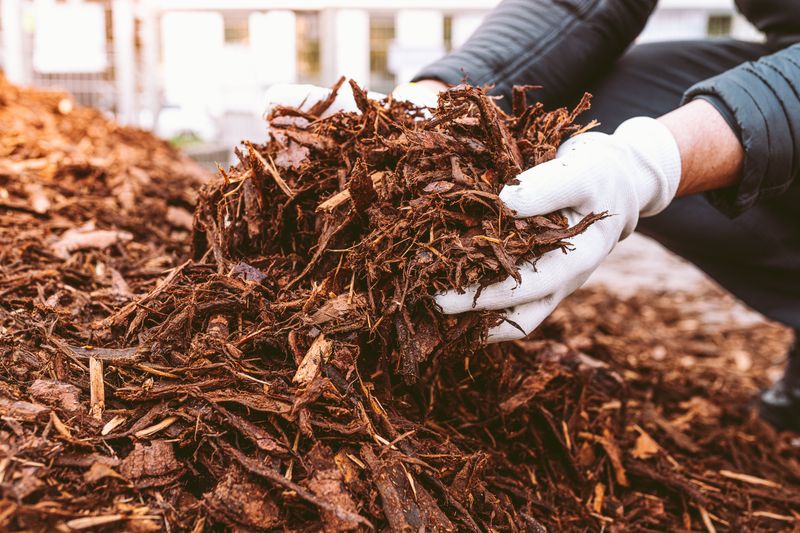
There is something deeply satisfying about a freshly mulched garden bed. Beyond the clean look, mulch does serious work underneath the surface, and April is exactly the right time to get it down before temperatures start climbing.
In Western North Carolina, spring can shift from cool and rainy to warm and dry faster than you might expect.
Pine straw is a popular and practical choice for this region because it is locally abundant, breaks down slowly, and works well with the naturally acidic soils found across the mountains.
Shredded bark is another solid option that stays in place well on slopes, which many Western North Carolina yards have plenty of.
Aim for a two-to-three-inch layer, keeping mulch pulled back slightly from the base of plant stems to prevent moisture buildup and rot.
Mulch does three important jobs at once. It holds moisture in the soil so plants need less frequent watering during dry spells.
It regulates soil temperature, keeping roots cooler as summer approaches. And it suppresses weeds, which means less time pulling and more time enjoying your garden.
Gardeners around Brevard and Hendersonville who mulch in April consistently report healthier plants and fewer weed problems throughout the season.
Put in the work now, and your garden will reward you with less maintenance and stronger growth from spring all the way through fall.
5. Prune Spring-Flowering Shrubs After They Bloom
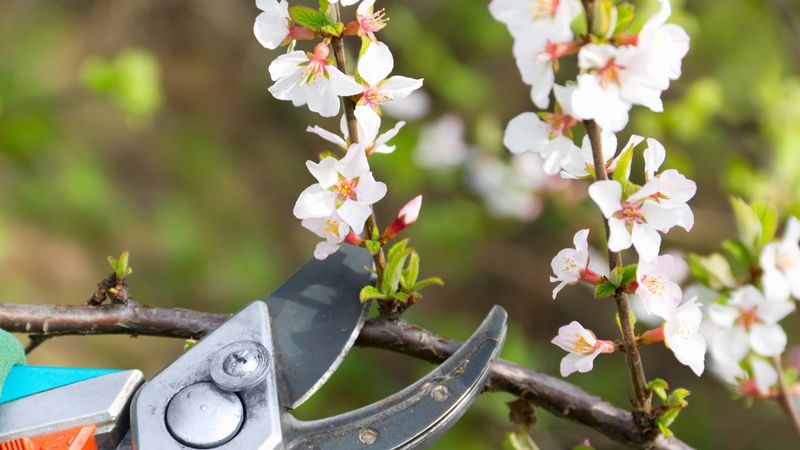
Timing is everything when it comes to pruning spring-flowering shrubs, and getting it wrong can cost you an entire season of blooms. Azaleas and flowering dogwoods are beloved staples in Western North Carolina gardens, and both of them bloom on old wood.
That means the flower buds you will enjoy next spring are already forming on the branches you see right now.
Wait until your azaleas, Rhododendron spp., and Cornus florida have finished blooming completely before you reach for the pruning shears. Cutting too early removes the buds and leaves you with a bare, bloomless shrub next year.
Once the flowers fade, you have a window of a few weeks to shape and thin your shrubs before they start setting next season’s buds.
Western North Carolina gardeners have a slight advantage here because bloom timing in the mountains runs a bit later than in lower elevations across the state. That gives you a little more flexibility in scheduling your pruning.
Focus on removing crossed branches, weak stems, and any growth that is spoiling the natural shape of the shrub. Never remove more than one-third of the plant at once.
Clean, sharp pruning tools make a cleaner cut and reduce the chance of spreading disease between plants. A well-timed trim keeps your shrubs healthy, full, and ready to put on a spectacular show again next spring.
6. Watch For Late Frost And Protect Vulnerable Plants
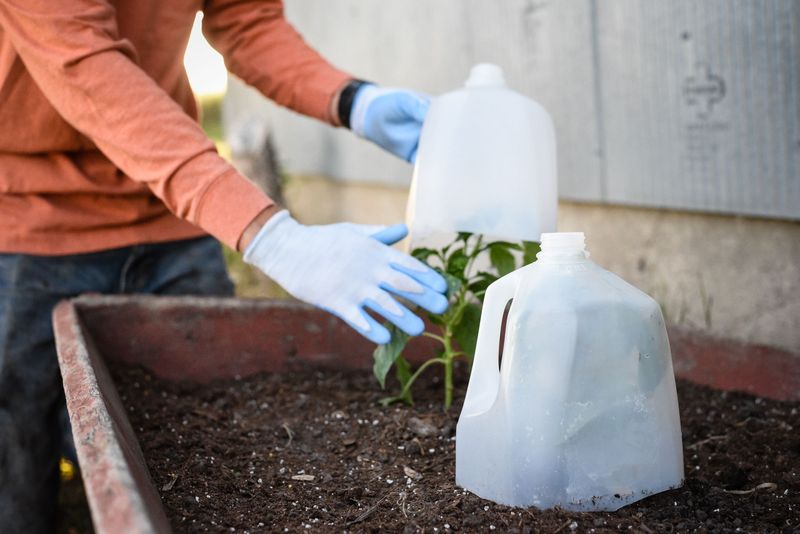
Just when you think winter is fully behind you, the mountains have a way of reminding you who is in charge. Late frosts in Western North Carolina are not unusual in April, and some years they stretch into early May at higher elevations.
If you have already transplanted seedlings or started warm-season crops outdoors, a surprise cold night can set your garden back significantly.
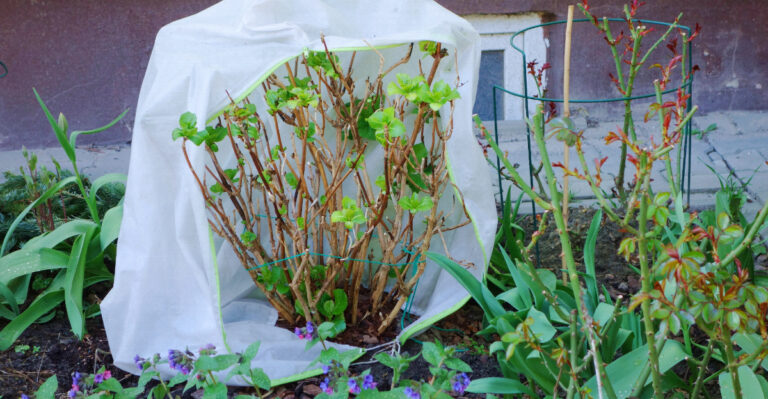
Keep a close eye on the forecast throughout the month, especially if you live above 2,500 feet in elevation. When overnight temperatures are expected to drop near or below 32 degrees Fahrenheit, cover your sensitive plants before the sun goes down.
Frost cloth is the best option because it traps heat without suffocating your plants the way plastic sheeting can. Garden centers across the Asheville area carry it in various sizes, and it is worth keeping a few feet on hand.
Tender transplants, newly emerging perennials, and any early vegetable starts are the most vulnerable. Row covers, old bedsheets, or even plastic nursery pots turned upside down can work in a pinch for individual plants.
Remove coverings in the morning once temperatures rise above freezing so your plants get adequate sunlight and airflow.
Mountain elevations genuinely increase frost risk, which is one reason experienced Western North Carolina gardeners always wait a little longer before committing their warm-season plants to outdoor life.
7. Divide And Transplant Perennials While Conditions Are Cool
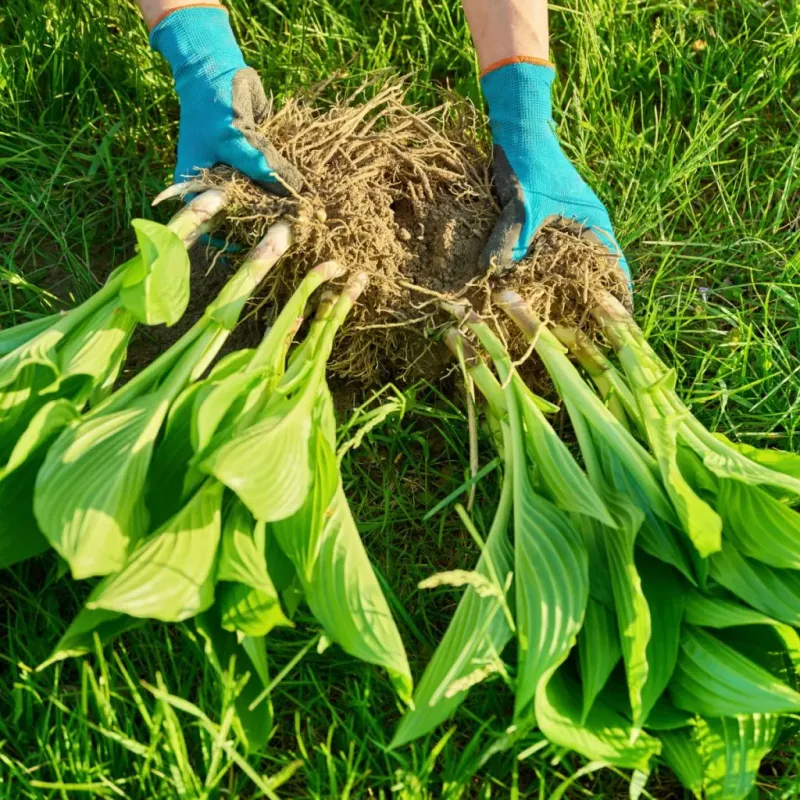
Perennials are some of the most rewarding plants in any garden, and April is prime time to give them a fresh start.
Dividing overgrown clumps of daylilies, Hemerocallis spp., and hostas, Hosta spp., not only creates new plants for free but also revives the original plant and encourages stronger blooms.
Many gardeners in Western North Carolina overlook this task and end up with crowded, underperforming plants that struggle through summer.
The key to successful division is doing it while temperatures are still cool. Early April gives you that window because the soil is workable, plants are just waking up, and the cooler air reduces stress on freshly divided roots.
Use a sharp garden fork or spade to lift the entire clump, then pull or cut it apart into sections, each with healthy roots and several shoots attached. Replant divisions immediately at the same depth they were growing before.
Western North Carolina’s mild spring conditions are genuinely ideal for this task. Roots establish quickly in cool, moist soil, and plants have weeks to settle in before summer heat arrives.
Water new divisions well for the first few weeks, and add a light layer of compost around each one to support early root growth. You can share extras with neighbors or fill in bare spots around your yard.
Either way, you end up with a fuller, healthier garden without spending a single dollar on new plants.
8. Check Drainage And Fix Low Spots In Your Yard
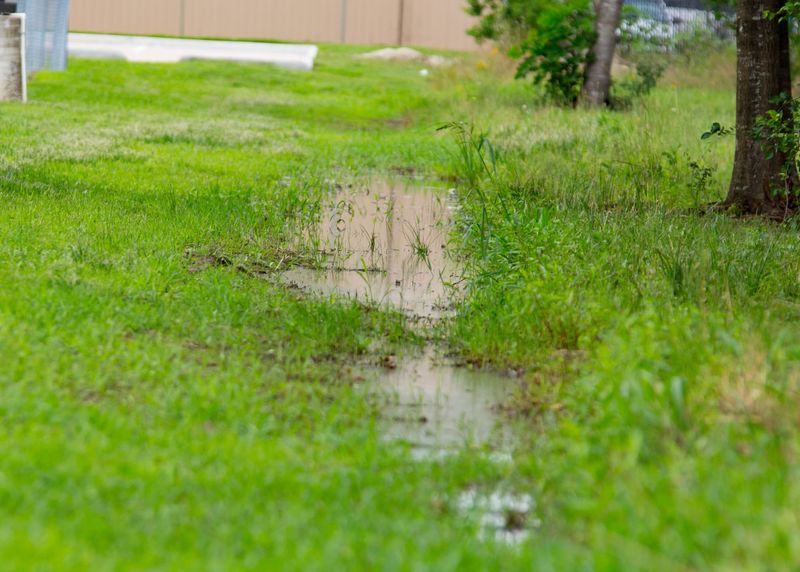
Western North Carolina gets serious rainfall in spring, and if your yard has low spots or problem areas, April is the perfect time to deal with them.
Water that pools and sits around plant roots causes all kinds of trouble, from root rot to nutrient washout to compacted, oxygen-starved soil.
Slopes are common in mountain properties, and they can create uneven drainage patterns that sneak up on you during heavy rain events.
Walk your yard after a good rainfall and look for areas where water collects and stays for more than a few hours. Those spots need attention before you plant anything nearby.
Simple fixes include adding organic matter to improve soil structure, creating a gentle swale to redirect water flow, or raising bed areas slightly above grade.
For more serious drainage problems, a French drain or perforated pipe system installed along the low edge of a problem area can move water away efficiently.
Fixing drainage issues in spring gives newly installed plants the best possible start. Roots need both water and oxygen to thrive, and soil that stays waterlogged for too long provides neither.
Gardeners across the Waynesville and Sylva areas know firsthand how quickly mountain rainfall can saturate sloped yards.
A little investigation and a few targeted improvements now will protect your plants, preserve your soil structure, and keep your garden looking its best throughout the growing season ahead.