Why More North Carolina Gardeners Are Growing Nasturtiums This Spring
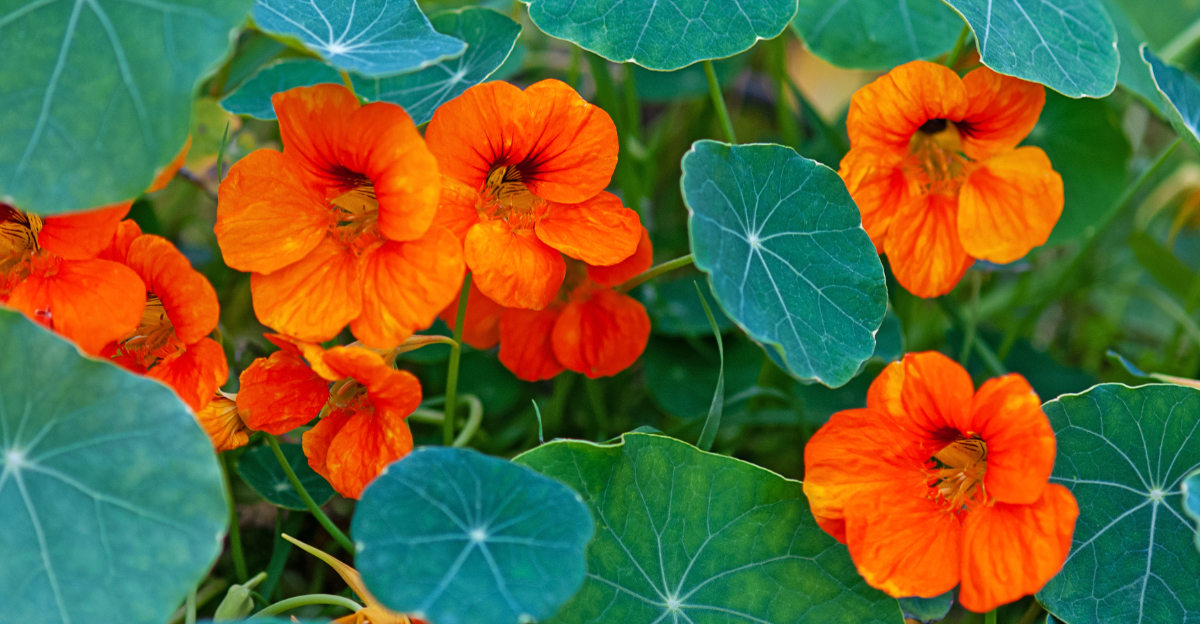
Nasturtiums are having a real moment in North Carolina gardens this spring, and it is easy to see why. These cheerful plants bring bright color, fast growth, and a relaxed cottage garden feel that fits right into the season.
Gardeners also love that nasturtiums do more than just look pretty. They can attract pollinators, fill empty spaces quickly, and even help make vegetable beds feel more lively and productive.
Their leaves and blooms add extra interest, giving gardens a fresh look without a lot of fuss. In a time when many people want plants that are simple, useful, and full of charm, nasturtiums check every box.
They grow well in many garden spaces and offer something exciting from the moment they start spreading. For North Carolina gardeners looking for beauty with a purpose, nasturtiums are becoming one of spring’s most talked about favorites.
1. Natural Pest Control Without Chemicals
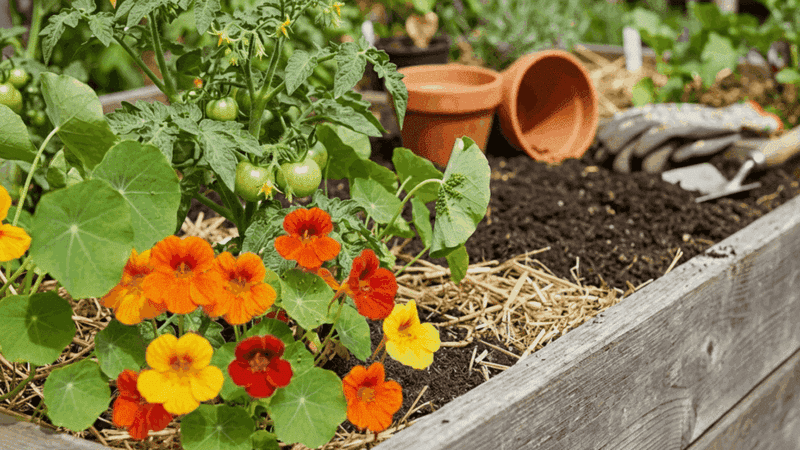
Aphids do not stand a chance when nasturtiums are nearby. These cheerful flowers act as a trap crop, pulling pest insects like aphids and whiteflies toward them and away from your prized tomatoes, squash, and peppers.
Gardeners across North Carolina have been using this trick for years, and it genuinely works.
The idea is simple: plant nasturtiums near your vegetables, and the bugs go for the nasturtiums first. You protect your food crops without reaching for a single spray bottle.
That kind of natural balance is something every home gardener can appreciate and actually use.
North Carolina springs bring warm temperatures early, which also means pest pressure builds fast. Aphid populations can explode before you even notice them on your vegetable plants.
Having nasturtiums in place early in the season gives your garden a head start against that pressure.
Nasturtiums (Tropaeolum majus) are proven, reliable trap crops backed by organic gardening research. They are not just pretty faces in the garden bed.
Planting them along the edges of raised beds or tucked between rows of vegetables creates a natural buffer that keeps your growing space cleaner all season long without any chemical cost or effort.
2. They Attract Beneficial Insects That Keep Gardens Balanced
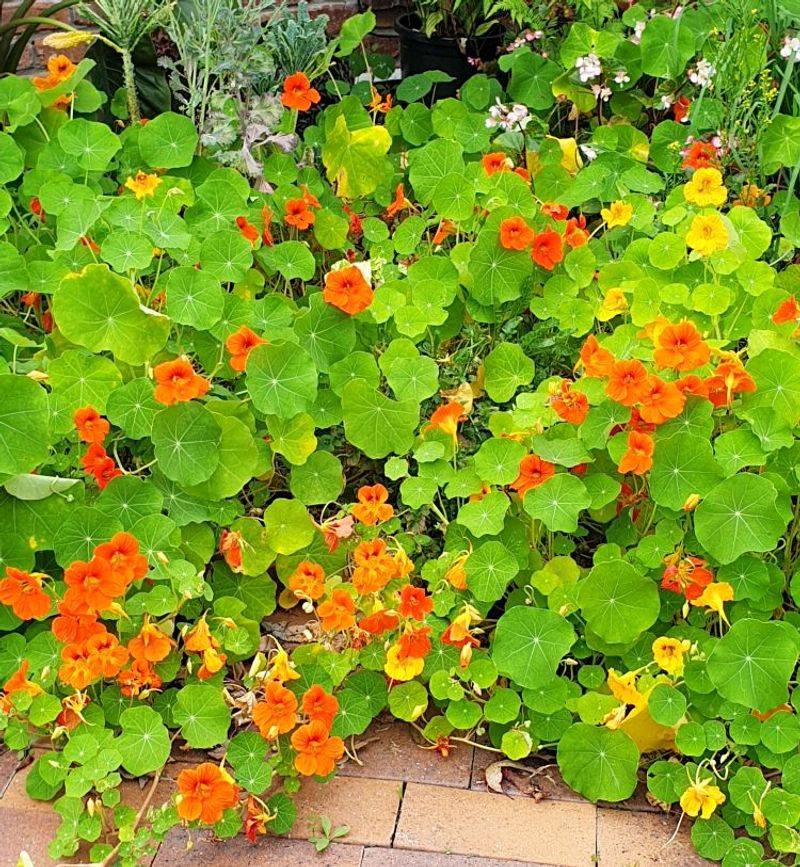
Picture a garden that practically takes care of itself. That is what happens when beneficial insects move in, and nasturtiums are one of the best plants for bringing them in.
Hoverflies, ladybugs, and parasitic wasps are all drawn to nasturtium blooms, and once they arrive, they start working for you right away.
These helpful insects feed on aphids, mites, and other soft-bodied pests that can damage your plants. By hosting them in your garden, you create a living pest management system that runs on its own.
North Carolina gardeners who understand this connection tend to have healthier, more productive gardens season after season.
Spring and summer in North Carolina bring a surge of insect activity. Beneficial insects ramp up quickly when temperatures warm, so having nasturtiums blooming early gives them a food source and a landing spot right when you need them most.
Your North Carolina Garden Changes Every Week. Your Plan Should Too.
Gardening in North Carolina changes quickly throughout the season. Every Friday you’ll receive a simple weekly plan showing exactly what to plant, prune, fertilize, harvest, and protect so you never miss the right timing.
Timing really does matter here. You do not need expensive equipment or complicated techniques to make this work. Just plant nasturtiums in sunny spots near your vegetable beds and let nature do the rest.
The flowers bloom for a long stretch of the season, giving beneficial insects a consistent reason to stick around your garden all spring and into early summer.
3. They Thrive In Poor Soil Where Other Plants Struggle
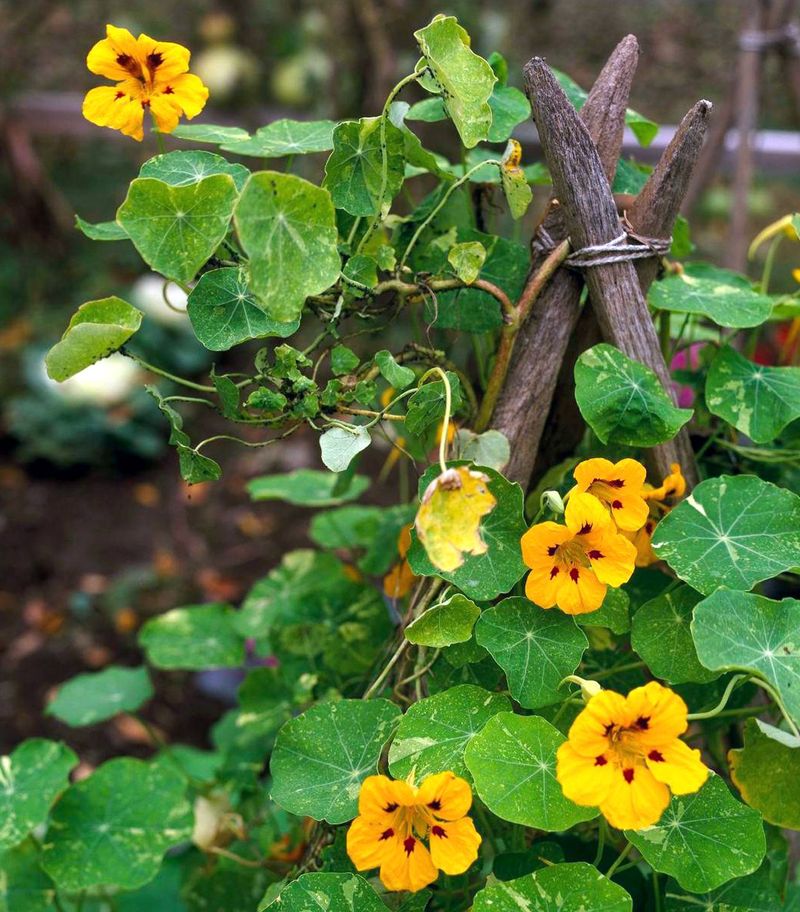
Most gardeners assume that better soil always means better plants. With nasturtiums, that rule gets flipped completely upside down.
These tough little flowers actually bloom more when the soil is lean and low in nutrients, which makes them a fantastic match for North Carolina’s tricky soil types.
Sandy Coastal Plain soil and the compacted clay often found across the Piedmont are notorious for giving gardeners headaches. Many annual flowers simply refuse to perform well in those conditions.
Nasturtiums, on the other hand, seem to thrive on the challenge and reward you with more blooms when the soil is not overly rich.
Here is the key thing to remember: if you add too much compost or fertilizer, nasturtiums respond by pushing out lots of leafy growth instead of flowers. You end up with a green plant and very few blooms.
Skip the fertilizer, plant them in average or slightly poor soil, and watch them shine.
Well-drained soil is still important, as nasturtiums do not like sitting in water. But beyond that basic requirement, they are remarkably forgiving and low-demand.
For North Carolina gardeners who have struggled to find plants that work with their native soil rather than against it, nasturtiums offer a genuinely refreshing and rewarding solution this spring.
4. They Handle North Carolina’s Warming Spring Temperatures Well
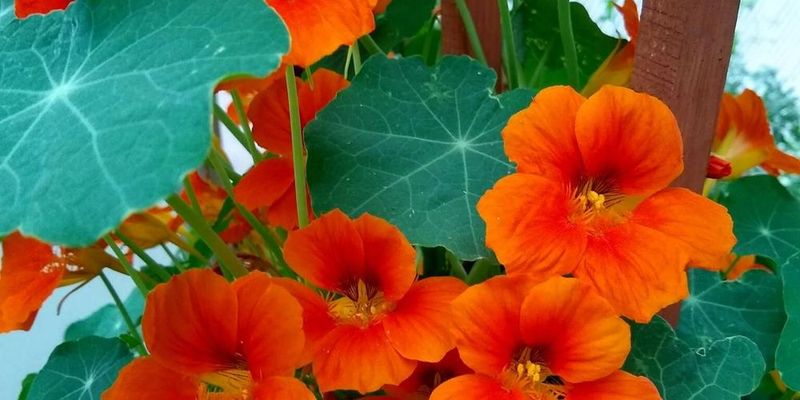
Spring in North Carolina can feel like it skips straight from cool mornings to summer-level heat in just a few weeks. Many popular cool-season flowers simply cannot keep up with that fast shift.
Pansies fade, snapdragons sulk, and gardeners are left scrambling to replant. Nasturtiums handle the transition with surprising ease.
Once nasturtiums get established, they tolerate moderate heat better than most spring annuals. They keep blooming through warm spells that would send other flowers into a decline.
Planting them in full sun works great, though a bit of afternoon shade during the hottest weeks can help them stay productive longer into the season.
Soil drainage plays a big role in their heat tolerance. When roots sit in soggy ground, heat stress becomes much worse.
Nasturtiums in well-drained beds or raised planters handle warm weather far more comfortably than those planted in poorly draining spots. A little attention to where you place them makes a big difference.
North Carolina gardeners in zones 7 and 8 have a real advantage here because the spring window is long enough for nasturtiums to establish before serious summer heat kicks in.
Plant seeds in April, give them consistent moisture while they get started, and you will have a colorful, heat-tolerant display that keeps going strong well into June and beyond.
5. They Spread As Living Ground Cover And Reduce Weeds
Bare soil in a spring garden is basically an open invitation for weeds. They move in fast, compete with your plants for water and nutrients, and can take over a bed before you know it.
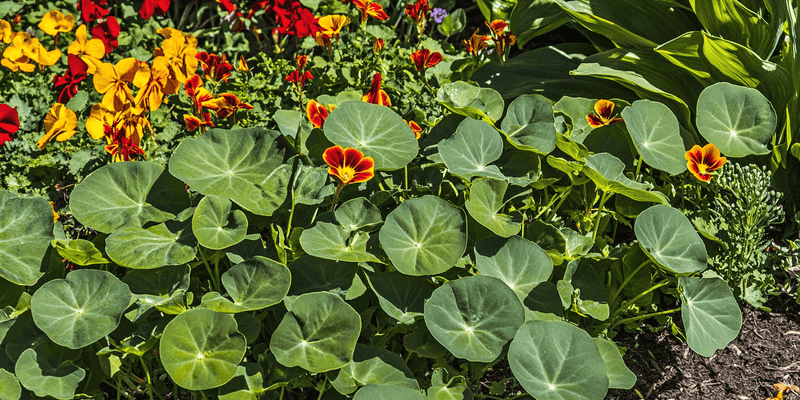
Trailing nasturtium varieties offer a beautiful, practical solution by spreading low across the ground and blocking weed growth naturally.
As nasturtiums spread, their large, round leaves form a dense canopy that shades the soil underneath. That shade slows weed seed germination and also helps the ground hold moisture between rain events.
In a state like North Carolina, where spring rainfall can swing between too much and not enough, that moisture retention really adds up.
Varieties like ‘Jewel Mix’ or ‘Whirlybird’ are particularly good at trailing and covering ground quickly. You can direct them along garden borders, let them spill over raised bed edges, or use them to fill in gaps between taller plants.
They are flexible growers that adapt well to whatever space you give them.
The ground cover benefit is completely free once the seeds are planted. No mulch bags to haul, no fabric to cut and install, just a cheerful carpet of green leaves and bright flowers doing the work for you.
For busy North Carolina gardeners looking for a lower-effort way to manage their garden beds this spring, nasturtiums are a genuinely smart pick.
6. They Are Incredibly Easy To Grow Directly From Seed
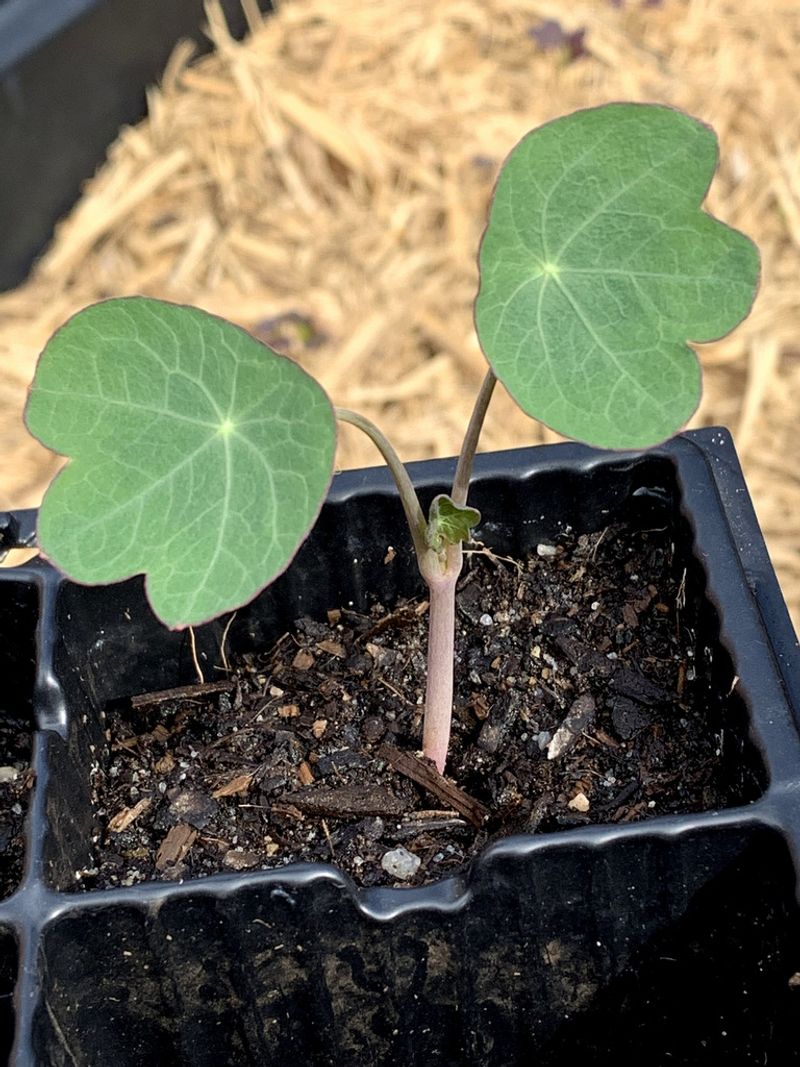
Some flowers demand a lot before they even get started: indoor seed trays, grow lights, careful transplanting, and weeks of prep work before a single bloom appears. Nasturtiums skip all of that completely.
You press the large seeds directly into garden soil, water them in, and within a week or so, little seedlings start poking up through the ground.
April is the sweet spot for direct sowing in most parts of North Carolina. By that point, soil temperatures have warmed enough to trigger fast, reliable germination.
You do not need a thermometer to figure this out either. If your last frost has passed and the ground feels warm to the touch, nasturtiums are ready to go.
The seeds themselves are large and easy to handle, which makes planting straightforward for gardeners of all ages and experience levels. Kids especially love planting nasturtiums because the results come so quickly.
There is something genuinely satisfying about watching those big seeds turn into blooming plants in just a few weeks.
No transplant shock, no hardening-off period, no fragile seedlings to worry about. Nasturtiums prefer to grow right where they are planted and tend to perform better when direct-sown rather than started indoors.
For North Carolina gardeners who want quick, reliable results without a lot of fuss, these seeds are about as good as it gets this spring season.
7. The Flowers And Leaves Are Delicious And Totally Edible
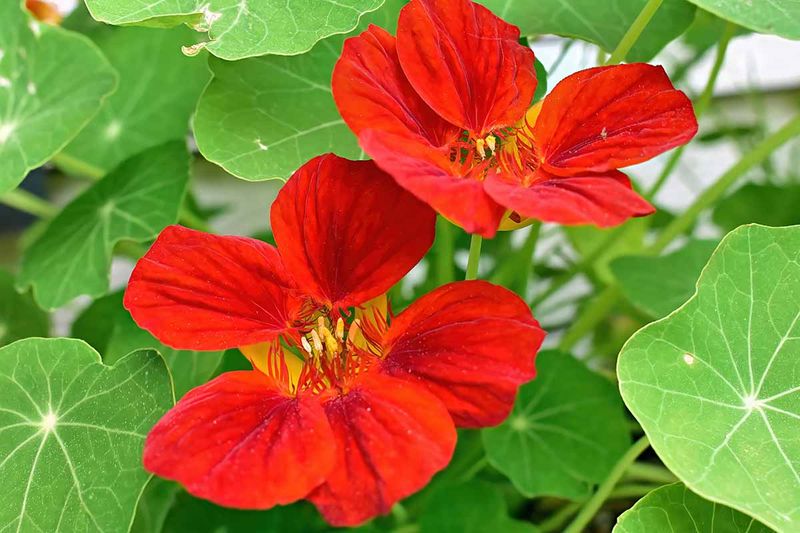
Not many garden flowers pull double duty as both a decoration and a dinner ingredient, but nasturtiums do exactly that. The blooms come in fiery shades of red, orange, and yellow, and they taste just as bold as they look.
A peppery, slightly spicy flavor makes them a standout addition to fresh salads, sandwiches, and spring appetizer plates.
The leaves are edible too, carrying that same watercress-like bite that pairs really well with milder greens. Young leaves are the most tender and flavorful, so harvest them early and often to keep the plant producing.
In North Carolina, the spring growing season gives you plenty of time to enjoy a steady harvest before summer heat slows things down.
Using edible flowers in cooking has become a real trend among home chefs, and nasturtiums are one of the easiest ways to get started. You do not need any special preparation.
Just rinse the flowers and leaves, toss them into whatever you are making, and enjoy the flavor and color they bring to the dish.
Beyond salads, nasturtium flowers can be used as garnishes for desserts, floated in drinks, or stuffed with soft cheese for a fun appetizer. Growing your own means you always have fresh, chemical-free blooms on hand.
For North Carolina gardeners who love connecting their garden to their kitchen, nasturtiums make that connection deliciously easy and completely rewarding all spring long.