What To Grow In Raised Beds In Western North Carolina This Spring
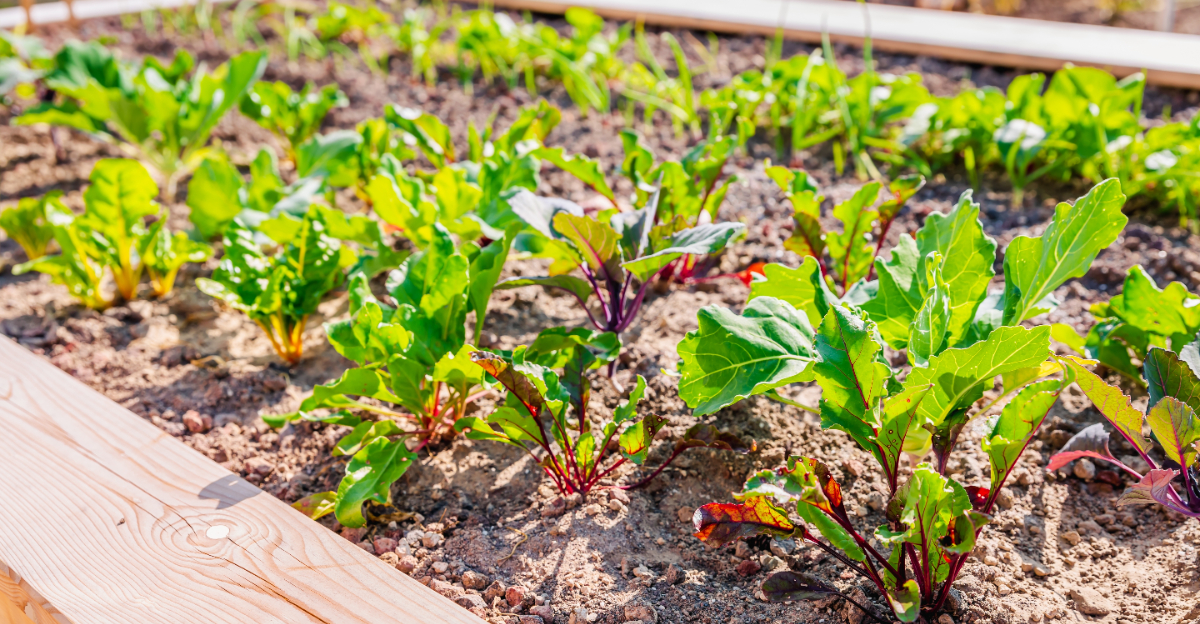
Spring in western North Carolina is the perfect time to make the most of raised beds, especially as the soil warms up faster than in-ground gardens. This early advantage gives gardeners a chance to plant sooner and enjoy a longer growing season.
With cool mornings, mild afternoons, and occasional rain, conditions are ideal for a wide mix of crops. Raised beds also offer better drainage and soil control, which helps plants get off to a strong start.
Choosing the right mix of vegetables, herbs, and flowers can turn even a small space into a productive and colorful garden. Some plants thrive in cooler spring weather, while others can be added as temperatures rise.
With a little planning, your raised beds can stay full and active from early spring into summer. It all starts with picking the right plants for this key time of year.
1. Spinach (Spinacia Oleracea)
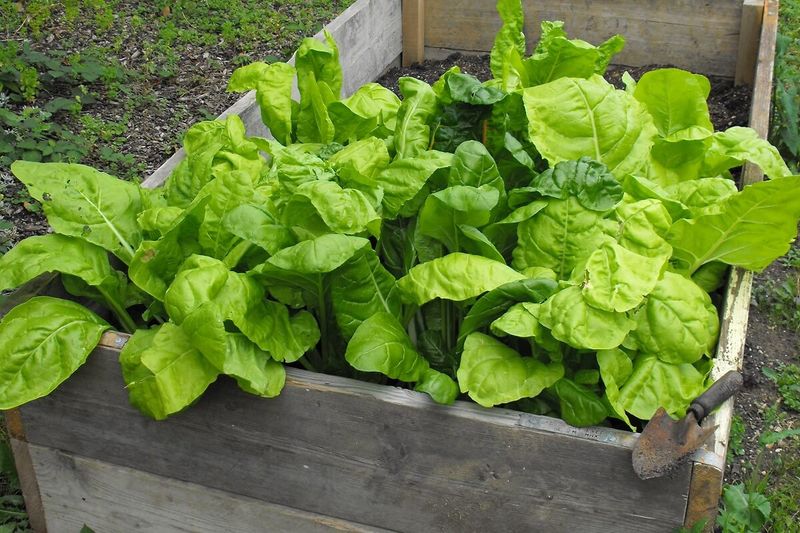
Few vegetables match the reliability of spinach when the mountain air is still cool and crisp. Spinach germinates in soil temperatures as low as 40 degrees Fahrenheit, which makes it a natural fit for April planting in Western North Carolina.
It does not need warm weather to get started, and that is a real advantage in the mountains.
Raised beds are ideal for spinach because they drain well and warm up faster than ground-level garden plots. Sow seeds directly about half an inch deep and keep the soil evenly moist.
Thin seedlings to about three inches apart so each plant has room to spread its leaves wide and grow strong.
Western North Carolina sits in USDA zones 6 and 7, meaning cool-season crops like spinach have a nice long window in spring before summer heat arrives. Spinach does best in full sun but tolerates partial shade, which is helpful in areas with tree cover.
Harvest outer leaves regularly to encourage continued growth throughout the season.
One fun fact about spinach is that it is loaded with iron, vitamin C, and folate, making it one of the most nutritious crops you can grow. Planting spinach in a raised bed near Asheville or Black Mountain this April could reward you with fresh, tender greens for weeks on end.
2. Peas (Pisum Sativum)
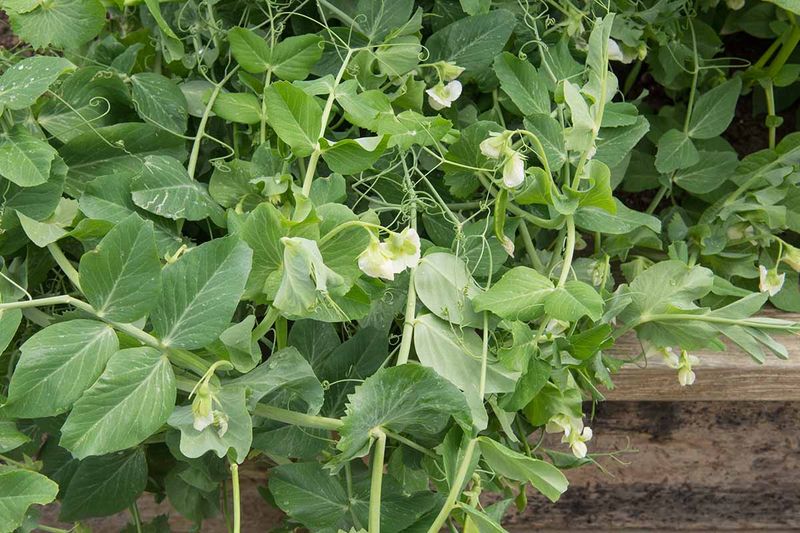
Peas are one of those crops that practically beg to be planted as early as possible, and Western North Carolina gives you a great reason to do exactly that.
The last frost around Asheville typically falls around mid-April, so getting peas into the ground in late March or early April puts you right on track. They love cool weather and slow down once heat sets in.
Plant pea seeds directly into your raised bed about one inch deep and two inches apart. Because peas are natural climbers, set up a trellis or simple wire support before the plants get too tall.
Raised beds make this easy since you can anchor supports right into the frame without disturbing nearby plantings.
One of the most rewarding things about growing peas in WNC is watching them climb steadily up their trellis as spring temperatures rise. They produce quickly once established, and regular harvesting actually encourages more pods to form.
Your North Carolina Garden Changes Every Week. Your Plan Should Too.
Gardening in North Carolina changes quickly throughout the season. Every Friday you’ll receive a simple weekly plan showing exactly what to plant, prune, fertilize, harvest, and protect so you never miss the right timing.
Sugar snap peas are especially popular because you can eat the whole pod, which means less prep work in the kitchen.
Peas also add nitrogen back into the soil, which benefits whatever you plant after them in the same bed. That makes them a smart choice for any gardener thinking about long-term soil health in their raised beds.
Plant them early, support them well, and they will reward you generously all spring long.
3. Lettuce (Lactuca Sativa)
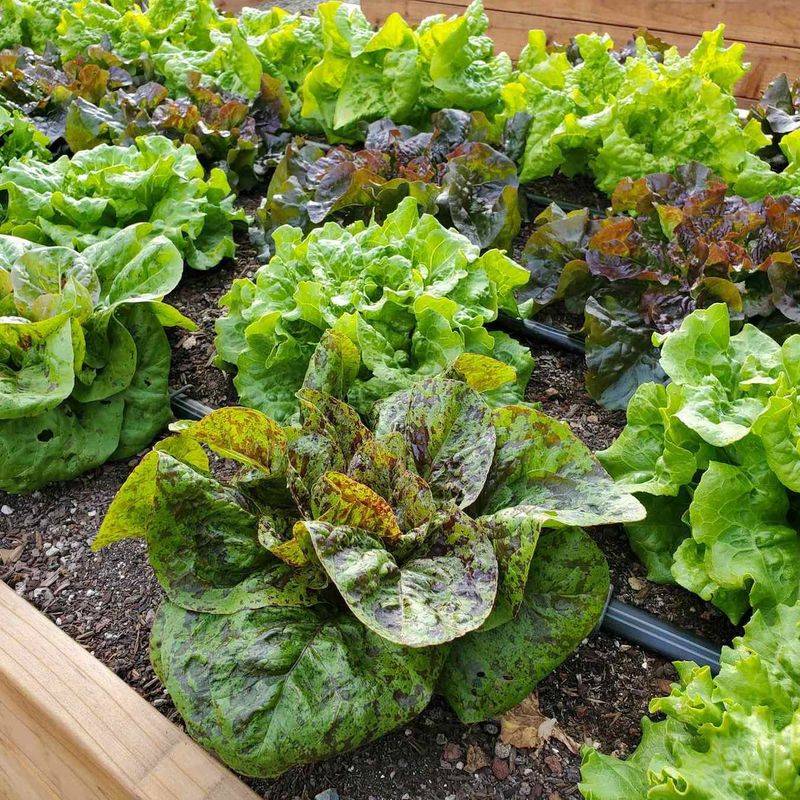
Crisp, colorful, and ready to harvest in as little as four weeks, lettuce might be the most satisfying spring crop you can grow in a raised bed. Western North Carolina’s cool April temperatures create exactly the right conditions for steady leaf production.
Raised beds warm up faster than in-ground plots, which means you can start even earlier in the season.
You can direct sow lettuce seeds or transplant seedlings started indoors a few weeks earlier. Either method works well in a raised bed.
Scatter seeds lightly across the surface, press them gently into the soil, and keep the bed consistently moist. Germination usually happens within a week when temperatures are between 60 and 70 degrees Fahrenheit.
One of the smartest moves in a WNC spring garden is planting a mix of lettuce varieties together. Butterhead, romaine, and loose-leaf types all grow at slightly different rates, giving you a longer harvest window.
Cutting outer leaves rather than pulling whole plants is called cut-and-come-again harvesting, and it keeps your bed productive for weeks.
Lettuce does best in partial to full sun and needs about one inch of water per week. Once temperatures consistently climb above 75 degrees, lettuce may start to bolt and turn bitter.
Plan your planting so you can enjoy the harvest before summer heat arrives in the mountain valleys of Western North Carolina.
4. Carrots (Daucus Carota Subsp. Sativus)
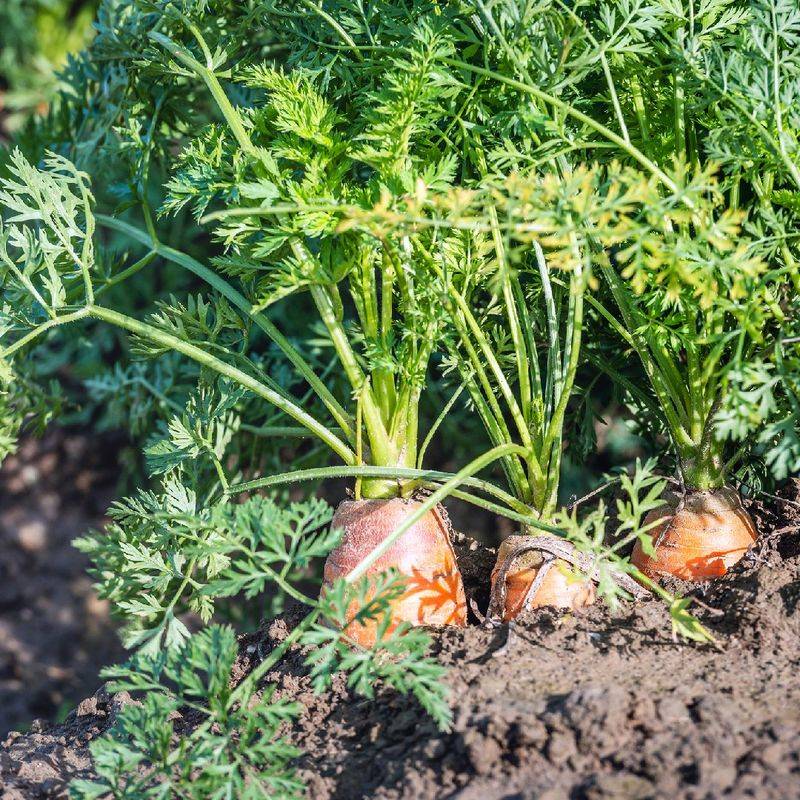
Growing carrots in the mountains of Western North Carolina can feel tricky if you try planting them directly in the ground. Rocky, compacted mountain soils often cause roots to fork, twist, or stay stubby.
A raised bed completely changes the game by providing the deep, loose, stone-free soil that carrots absolutely need to grow long and straight.
Sow carrot seeds directly into your raised bed about a quarter inch deep, spacing rows roughly six inches apart. Keep the soil consistently moist during germination, which can take up to two weeks.
Patience is key with carrots, but once those feathery green tops appear, you will know something special is developing underground.
April is a great time to plant carrots in WNC because they tolerate cool soil and light frost without a problem. In fact, a light frost can actually make carrots taste sweeter by causing the plant to convert starches into sugars.
That is one of those little gardening secrets that makes growing your own food so rewarding.
Thin your carrot seedlings to about two inches apart once they reach a few inches tall. Crowded carrots compete for space and produce smaller roots.
Fill your raised bed with a mix of compost and loose soil to give roots the best possible environment. With the right setup here in Western North Carolina, you can expect a beautiful harvest of full-sized, flavorful carrots by early summer.
5. Radishes (Raphanus Sativus)
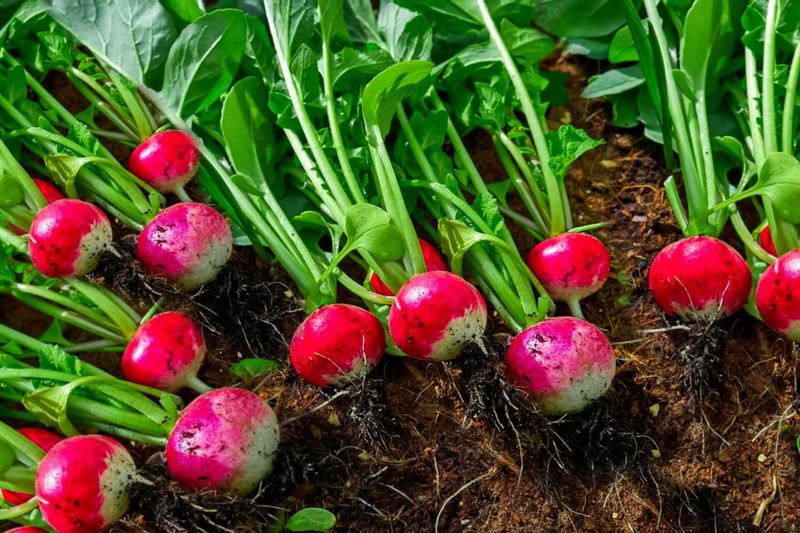
If you want fast results in your spring raised bed, radishes are your best friend. These zippy little root vegetables can go from seed to harvest in as few as 21 to 30 days, making them one of the quickest crops you can grow anywhere in Western North Carolina.
That kind of speed is deeply satisfying, especially for newer gardeners eager to see results.
Sow radish seeds directly into your raised bed about half an inch deep and one inch apart. They germinate quickly, often within three to five days in cool spring soil.
Thin the seedlings to about two inches apart once they sprout so each root has enough room to develop properly without crowding its neighbors.
Cool spring temperatures in WNC produce radishes with a crisp texture and a clean, peppery flavor. When temperatures get too warm, radishes tend to turn woody and overly sharp in taste.
Planting in early April takes full advantage of the mountain climate before summer heat creeps in through the lower valleys.
Radishes also work beautifully as a companion crop. Tuck them between slower-growing plants like carrots or beets, and they will be ready to pull long before the other crops need that space.
Beyond eating them raw in salads, radishes can be roasted, pickled, or sliced into tacos for a satisfying crunch. Growing them in a raised bed here in WNC makes the whole process even easier.
6. Kale (Brassica Oleracea Var. Acephala)
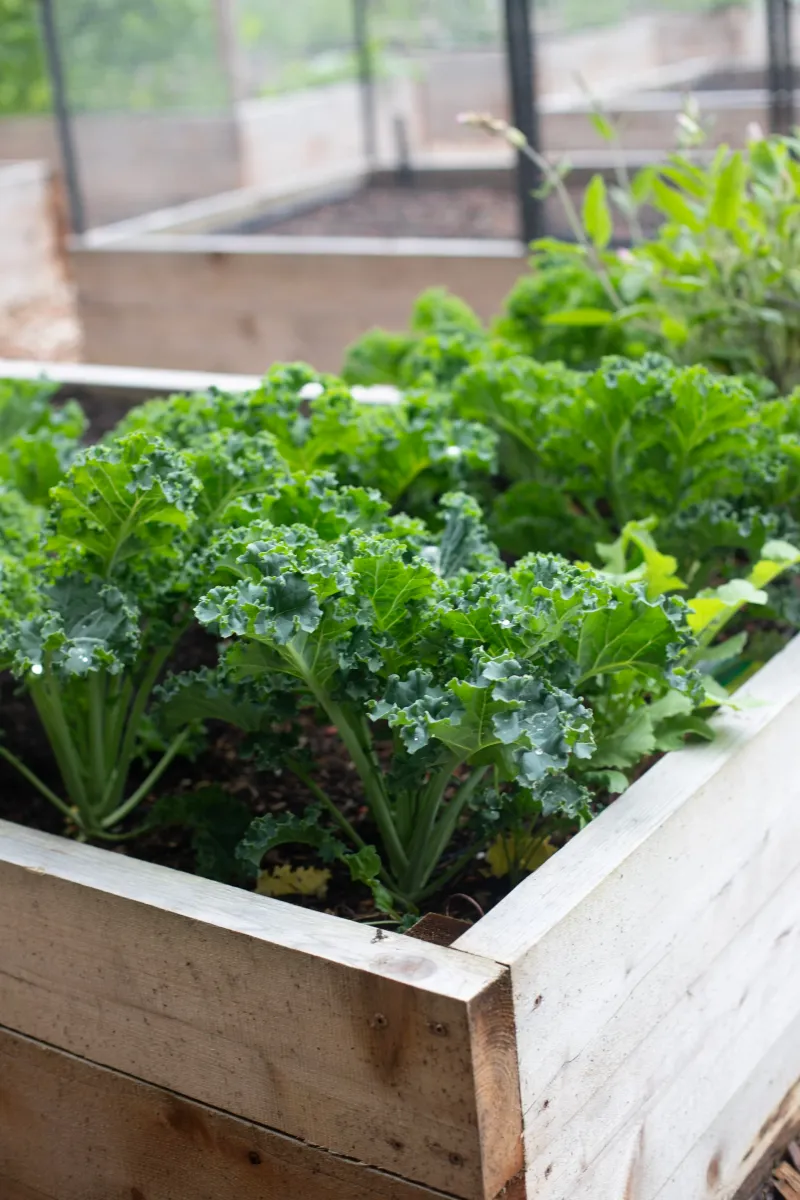
Kale has earned a well-deserved reputation as one of the toughest leafy greens you can grow, and Western North Carolina’s mountain climate suits it perfectly.
It handles frost without flinching, keeps producing through cool spring weather, and actually tastes better after a light chill.
That cold-sweetening effect makes freshly harvested WNC kale something worth looking forward to all season long.
You can transplant kale seedlings started indoors or direct sow seeds into your raised bed in early April. Plant seeds about half an inch deep and thin to 12 to 18 inches apart once established.
Kale grows into a fairly large plant, so giving it enough space in the raised bed is important for strong leaf development.
Full sun is ideal, but kale tolerates partial shade better than most brassicas. Keep the soil consistently moist and add a layer of compost around the base of each plant to help retain moisture and feed the roots slowly over time.
Raised beds in WNC warm up nicely in spring, which gives kale a strong start even when nights are still cool.
Harvest the outer leaves first and work your way inward as the plant grows. This approach keeps the plant producing for months rather than weeks.
Lacinato kale, also called dinosaur kale, and curly kale are both excellent choices for spring raised beds here in Western North Carolina. Both are packed with vitamins and hold up well in everything from smoothies to stir-fries.
7. Beets (Beta Vulgaris)
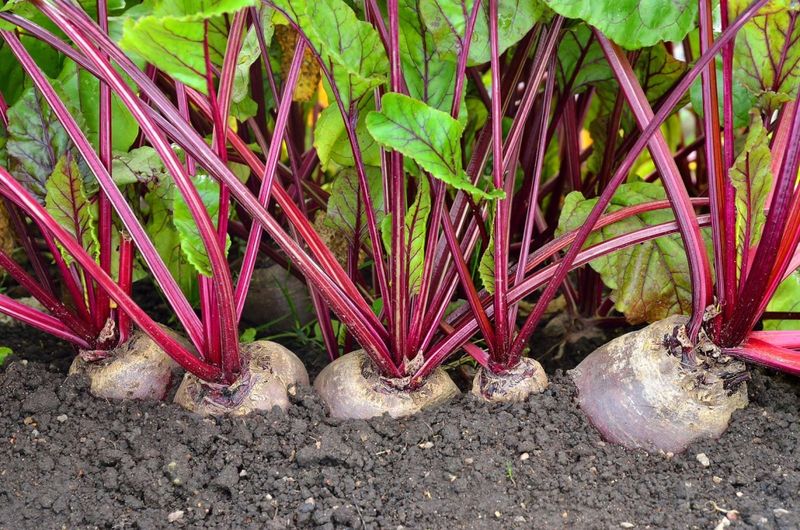
Beets are one of those underrated raised-bed crops that offer you two harvests in one. The roots are sweet and earthy when roasted or pickled, and the leafy greens are tender enough to use just like spinach in salads and sautees.
Getting both from a single planting in your Western North Carolina raised bed is a genuinely great deal.
Sow beet seeds directly into the raised bed about half an inch deep and two inches apart. Beet seeds are actually clusters of multiple seeds, so expect several seedlings to emerge from each spot.
Thin them to about four inches apart once they reach a few inches tall so the roots have room to swell properly underground.
April is an ideal planting window in WNC because beets tolerate cool soil and light frost without any trouble. They prefer well-drained, loose soil with a slightly acidic pH between 6.0 and 7.0.
Raised beds naturally provide better drainage than most mountain garden plots, which helps prevent the waterlogging that can cause roots to rot.
Water consistently and avoid letting the soil dry out completely, as uneven moisture can cause beets to crack. A side dressing of compost halfway through the growing season gives them a gentle nutrient boost.
Popular varieties like Detroit Dark Red and Golden Beet both perform beautifully in spring raised beds across Western North Carolina, offering a colorful and flavorful addition to your garden.
8. Swiss Chard (Beta Vulgaris Subsp. Vulgaris)
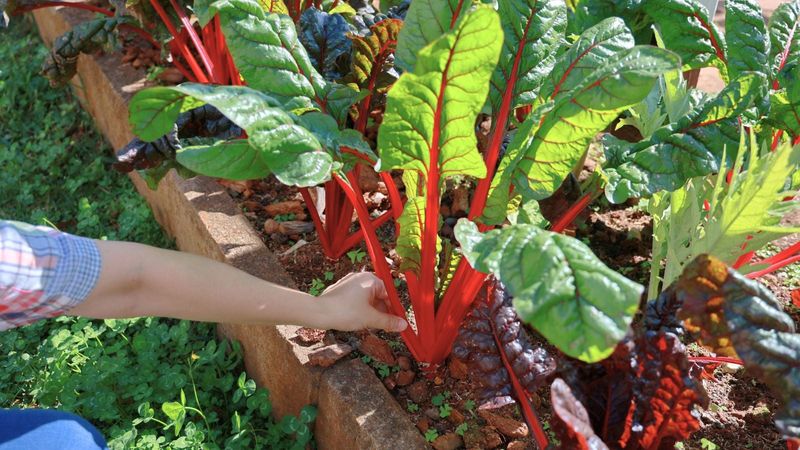
Swiss chard is the bridge crop that every Western North Carolina gardener needs in their spring raised bed. It tolerates light frost in early spring and keeps producing even as summer temperatures begin to climb.
That kind of flexibility is rare, and it makes Swiss chard one of the most dependable greens you can grow in this region.
Direct sow seeds about half an inch deep or transplant seedlings started indoors about four weeks before your last expected frost. Space plants about six inches apart in the raised bed to give each one room to develop its broad, glossy leaves.
Full sun produces the best growth, though Swiss chard handles partial shade better than many other vegetables.
Rainbow chard varieties are especially fun to grow because the stems come in vivid shades of red, yellow, orange, and white.
Beyond looking beautiful in the garden, these colorful stems hold up well in the kitchen whether you saute them, add them to pasta, or chop them raw into grain bowls.
Growing something this pretty and this tasty in your WNC raised bed feels like a bonus every single time.
Water regularly and harvest outer leaves as needed to keep the plant producing. Swiss chard rarely needs heavy fertilizing if your raised bed is already enriched with compost.
Here in Western North Carolina, planting Swiss chard in April means you could be harvesting fresh greens well into June and possibly beyond, making it one of the smartest choices of the entire spring season.