7 Raised Flower Bed Ideas For A Colorful Garden In Georgia
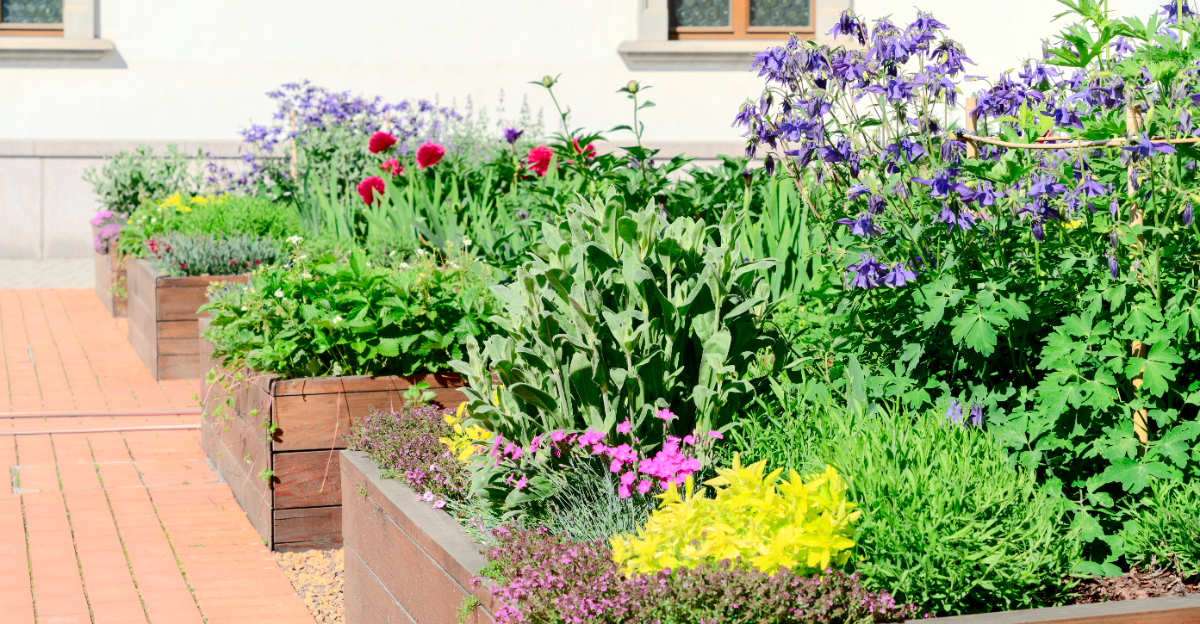
Raised beds can change the look of a Georgia garden faster than most expect, especially when color feels uneven or hard to maintain in traditional planting areas.
Defined edges, improved soil control, and better drainage all come into play, which makes it easier to shape how plants grow and how the space comes together.
Flat beds often struggle with consistency, while raised ones create a more controlled setup that supports stronger, more reliable results. The layout itself becomes part of the design, not just the plants inside it.
Color holds better, spacing feels more intentional, and the entire garden starts to look more put together without constant adjustments.
With the right ideas in place, raised beds can turn an average setup into something far more vibrant and visually balanced through the season.
1. Layer Perennials And Annuals For Season-Long Color
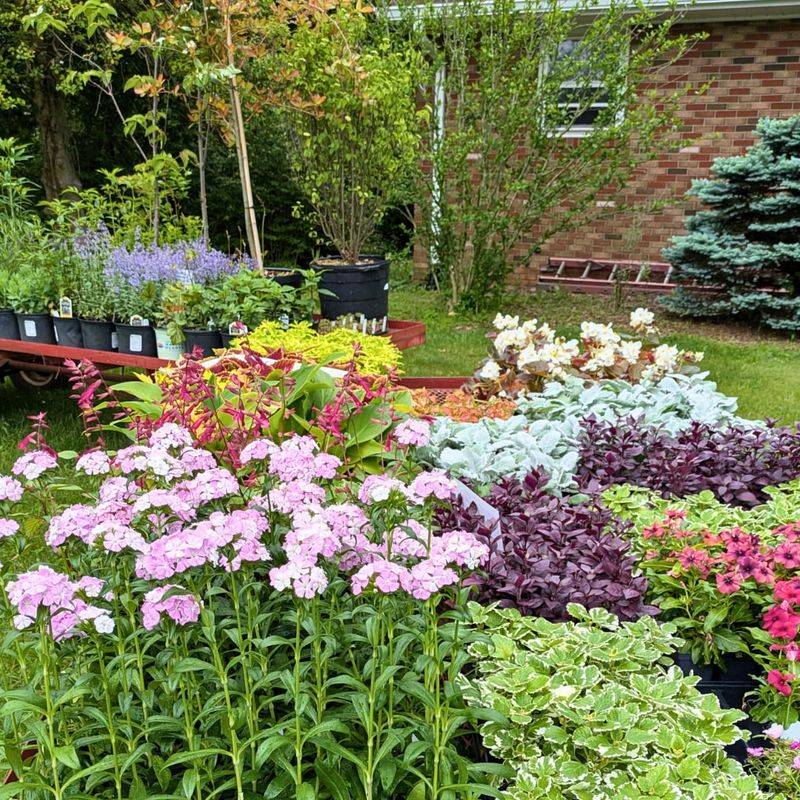
Mixing perennials and annuals in the same raised bed is one of the smartest moves a Georgia gardener can make. Perennials like coneflowers and black-eyed Susans come back every year, filling in the bones of your bed without you having to replant.
Annuals like zinnias and marigolds fill in the gaps with bold color while the perennials are still waking up or winding down.
Plant your perennials first, then tuck annuals around them in the spaces that would otherwise look bare. In Georgia, this layered approach keeps your raised bed looking full from late spring all the way into October.
Zinnias especially love the heat here and will keep blooming right through August without much fuss.
One thing worth knowing: annuals give you flexibility. If a color combination does not work, you swap it out next season.
Perennials give you roots, literally, and return bigger each year with minimal effort on your part.
A raised bed makes this layering strategy even more effective because you control the soil quality from the start. Good drainage means your perennials do not sit in wet roots during Georgia’s heavy summer rain events.
Add a few inches of compost each spring and your layered bed will reward you with consistent color across multiple seasons without needing a complete overhaul every year.
2. Use Native Plants For Reliable Growth And Easy Care
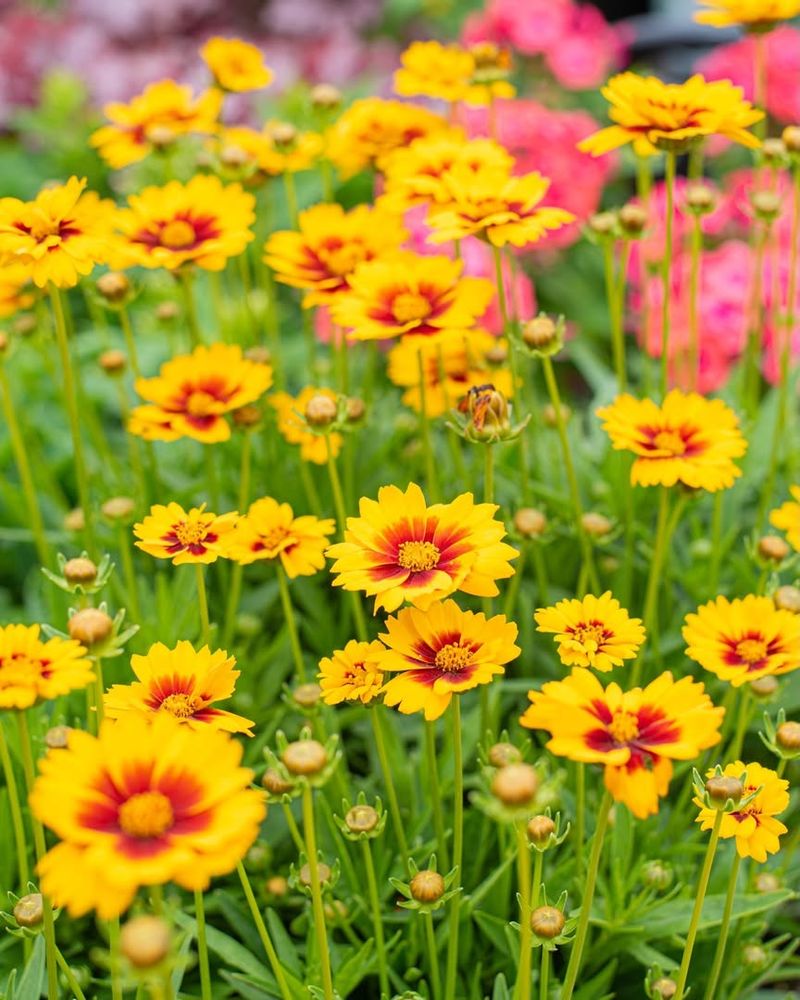
Native plants do not need you to baby them. Plants like Georgia aster, coreopsis, and wild blue indigo have spent centuries adapting to this state’s red clay soil, humid summers, and occasional drought stretches.
Put them in a raised bed with decent soil and good sun, and they tend to handle themselves reasonably well through most of the season.
Beyond convenience, native plants support local pollinators in a meaningful way. Bees, butterflies, and hummingbirds depend on these plants, and a raised bed full of natives can become a genuinely active spot in your yard by midsummer.
Coreopsis alone will draw goldfinches when the seeds set in late summer, which is a bonus most gardeners do not expect.
Raised beds work especially well for natives in Georgia because you can skip the clay entirely. Fill your bed with a mix of quality loam and compost, and natives that might struggle in heavy native soil will actually thrive.
Your Georgia Garden Changes Every Week. Your Plan Should Too.
Gardening in Georgia changes quickly throughout the season. Every Friday you’ll receive a simple weekly plan showing exactly what to plant, prune, fertilize, harvest, and protect so you never miss the right timing.
That said, do not overwater. Most Georgia natives prefer to dry out a bit between rain events.
Sourcing matters here. Buy from local native plant nurseries or Georgia-based growers when you can.
Plants grown locally are already conditioned to the specific temperature swings and humidity levels in your region.
Plug plants or small starts work fine in raised beds and usually establish at a reasonable pace when planted in spring after the last frost date, which in most of Georgia falls in mid-March.
3. Mix Heights To Create Depth And Visual Interest
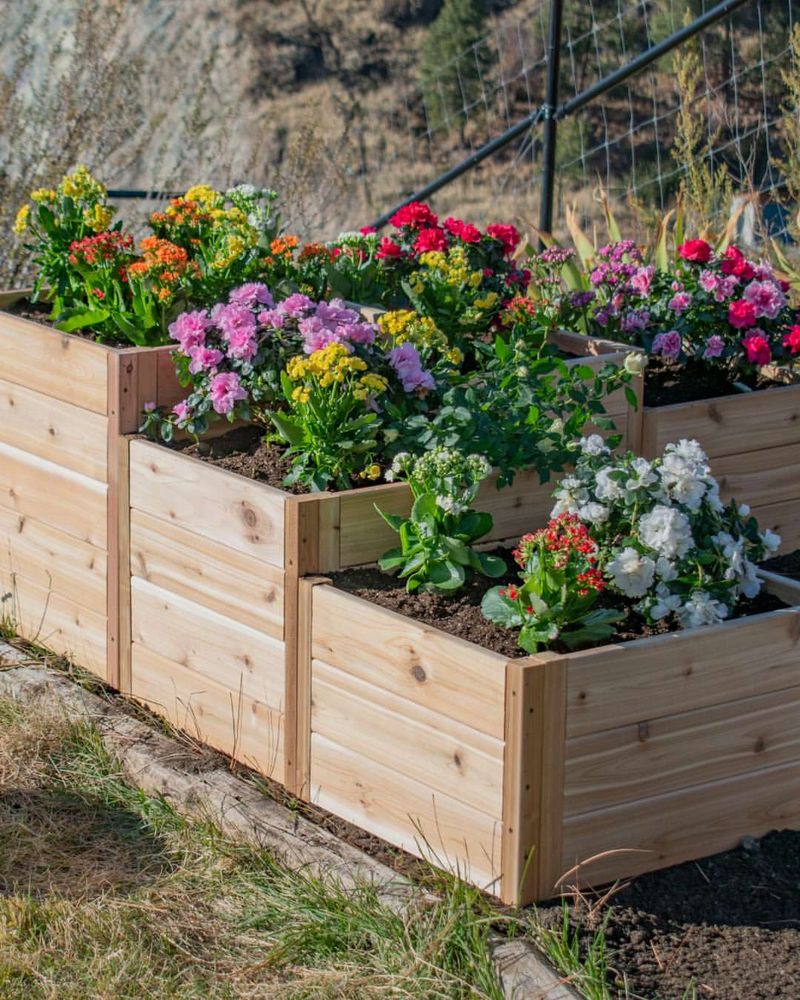
Flat beds get boring fast. When every plant sits at the same height, the whole thing reads as a green blob from a distance, and you lose the visual drama that makes a flower bed worth stopping to look at.
Height variation fixes that immediately.
A simple rule that works well in Georgia gardens: tall plants in the back, medium in the middle, low growers along the front edge. Tall salvias or Mexican sage in the back give you vertical structure.
Coneflowers or daylilies hold the middle ground. Creeping phlox or lantana spills along the front edge and softens the hard line of the raised bed frame.
Raised beds actually make height planning easier because the bed itself adds elevation. A 12-inch raised bed puts even your shortest front-edge plants at eye level when you are seated on a nearby bench or patio.
That shift in perspective makes a real difference in how the garden feels when you are actually spending time near it.
Height mixing also helps with air circulation, which matters in Georgia’s humid summers. Taller plants at the back do not shade out shorter ones, and spacing plants at different heights reduces the tight, crowded conditions where fungal problems tend to start.
You get a better-looking bed and a healthier one at the same time. Rotate your annuals by height each season to keep the arrangement feeling fresh without rebuilding the whole bed from scratch.
4. Choose Heat-Tolerant Flowers That Last Through Summer
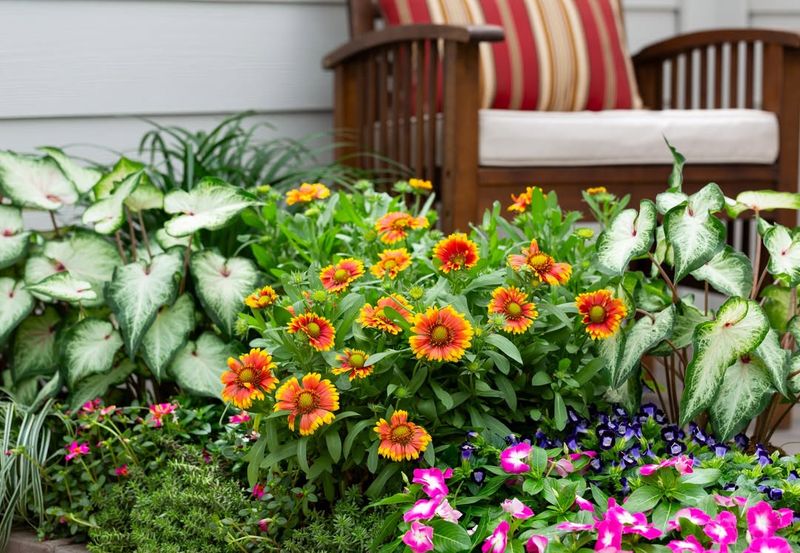
Georgia summers are not gentle. By July, temperatures regularly hit the low 90s, and some years push past that for weeks at a time.
Flowers that look great in a catalog photograph but cannot handle sustained heat will struggle here, so choosing the right plants upfront saves a lot of frustration later.
Zinnias are probably the most reliable heat-tolerant annual for Georgia raised beds. Plant them in late spring after the soil warms up, and they will bloom steadily through the hottest months with minimal watering once they are established in the bed.
Gaillardia, also called blanket flower, is another strong performer. Its red and yellow blooms hold up in full sun without wilting the way more delicate flowers do.
Portulaca is worth mentioning for raised beds that get intense afternoon sun with little shade relief. It thrives in hot, dry conditions and produces cheerful blooms in a wide range of colors.
Vinca, often sold as annual periwinkle, is another solid choice for Georgia’s summer heat and tends to stay compact in a raised bed setting.
Soil temperature matters here too. Raised beds warm up faster than in-ground soil, which benefits heat-loving plants but can stress roots if the bed dries out too quickly.
Mulching the surface of your raised bed with a couple of inches of pine straw or shredded leaves helps hold moisture and keeps roots cooler during the worst of Georgia’s summer heat. Water in the morning when possible to reduce evaporation loss.
5. Add Early Bloomers For A Strong Spring Start
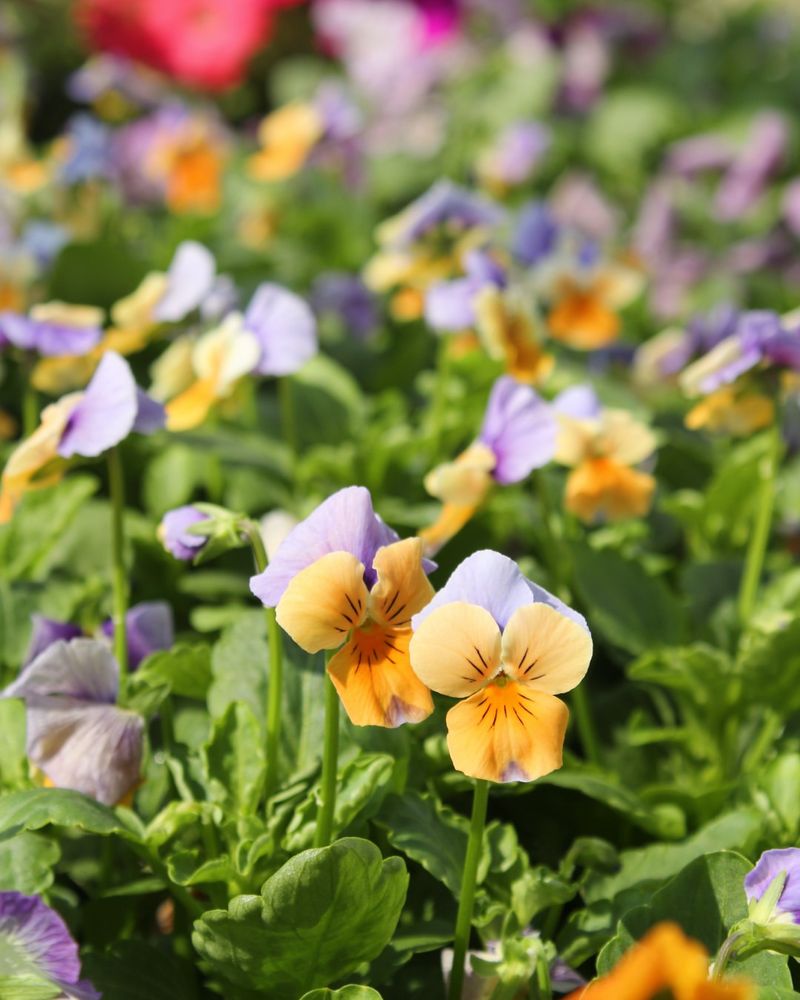
Spring in Georgia arrives earlier than most people expect. Depending on where you are in the state, the soil starts warming in late February, and by early March you can often get cool-season flowers going without much risk of a hard freeze.
That window is worth using.
Pansies are a go-to for early color in Georgia raised beds. They handle light frost without issue and come in a wide range of colors that look sharp against fresh mulch or bare soil.
Plant them in late winter and they will carry your bed all the way through April before the heat shuts them down. Snapdragons work similarly and add vertical interest that pansies alone do not provide.
Dianthus is another early bloomer worth planting in Georgia. It prefers cool temperatures and produces clusters of small, fragrant flowers in pink, red, and white.
In a raised bed, dianthus tends to drain well and avoids the root rot that can happen in heavy clay soil during wet Georgia springs.
Timing matters with early bloomers. Plant too late and you miss the cool window.
Plant too early and a late frost can set things back, though most cool-season flowers recover if the frost is brief. Check the last frost date for your specific part of Georgia before planting.
North Georgia near the mountains runs a bit later than middle or coastal Georgia, so adjust your planting schedule based on your actual location rather than a general statewide date.
6. Include Long-Blooming Varieties To Keep Color Going
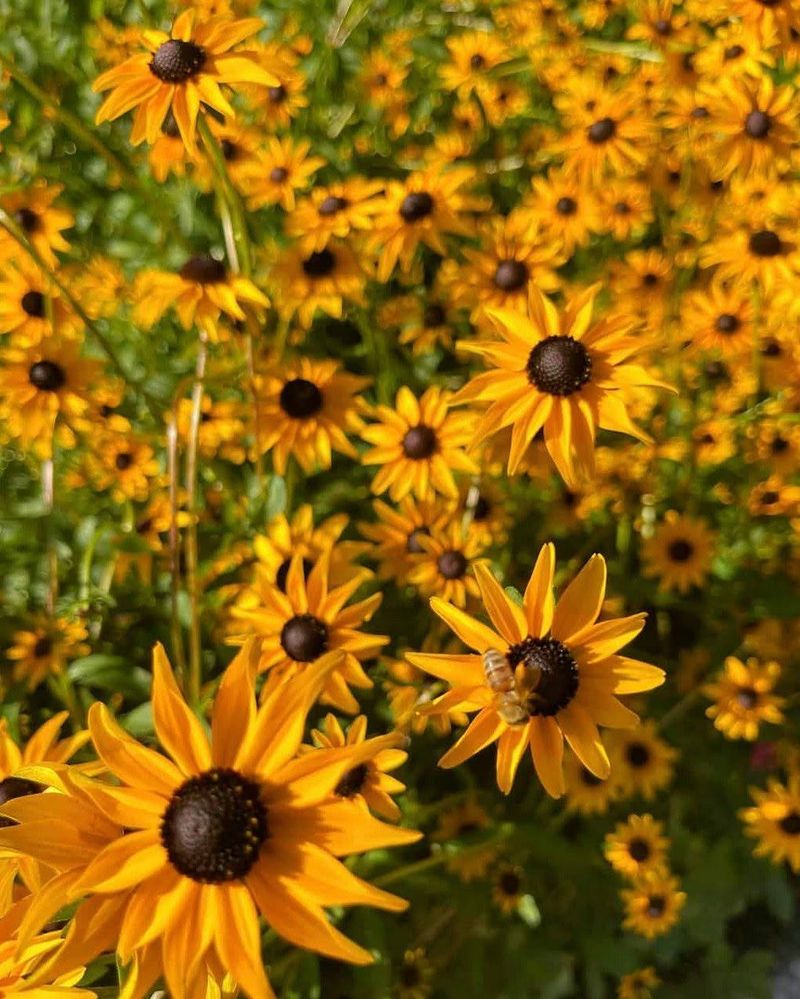
Short bloom windows are one of the most common complaints among Georgia gardeners. You plant something beautiful, it blooms for three weeks, and then you are left staring at greenery for the rest of the season.
Choosing varieties with long bloom periods solves that problem without requiring constant replanting.
Coreopsis is a standout here. In Georgia, it can bloom from late spring all the way through early fall with deadheading and occasional trimming.
Black-eyed Susans have a similar extended season and hold up well in raised beds where drainage is good. Both are tough enough to handle summer heat without losing their color or going dormant early.
Salvia is another long bloomer worth growing in Georgia raised beds. Blue and purple salvia varieties tend to bloom in waves through the season, especially if you cut them back after the first flush fades.
Removing spent flower stalks encourages new growth and keeps the bed looking active rather than tired.
Deadheading is the key habit that extends bloom time across almost every variety. Spent flowers signal to the plant that its job is done, so removing them regularly tells the plant to keep producing.
It takes maybe ten minutes a week in a standard raised bed, and the payoff in continued color is genuinely significant.
Pair long bloomers with a few shorter-season plants so there is always something transitioning in or out, and your Georgia raised bed will hold interest from spring through the first cool weeks of fall without major gaps.
7. Combine Foliage And Flowers For Consistent Contrast
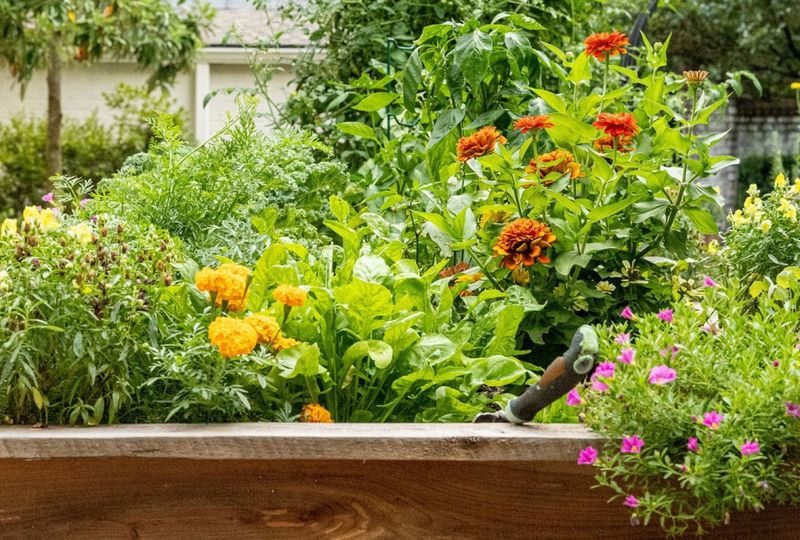
Flowers get all the attention, but foliage is what holds a raised bed together when blooms are between cycles. A bed with strong foliage plants alongside its flowers looks intentional and full even during the brief gaps when nothing is actively blooming.
In Georgia’s long growing season, that consistency really shows.
Purple sweet potato vine is one of the most useful foliage plants for Georgia raised beds. It grows fast, trails attractively over the edges of the bed frame, and provides deep color contrast against bright flowers like orange marigolds or yellow coreopsis.
Dusty miller adds a silver-gray tone that makes surrounding flower colors appear more vivid by comparison.
Coleus deserves a mention here, especially for raised beds that get partial shade. It comes in dozens of color combinations and holds its leaf color reliably through Georgia’s summer without needing much attention beyond regular watering.
Pair coleus with impatiens in a shaded raised bed and you get a combination that stays visually interesting from planting through fall.
Texture matters as much as color when combining foliage and flowers. Fine, feathery leaves next to broad, bold ones create visual movement even when there is no wind.
In a raised bed, where plants are close together, these textural contrasts are easy to see from a normal viewing distance.
Plan your foliage choices with the same care you give your flower selections, and the overall result will look more polished and hold up better across the full Georgia growing season.