What Pomegranate Trees In Arizona Need In April For Better Fruit
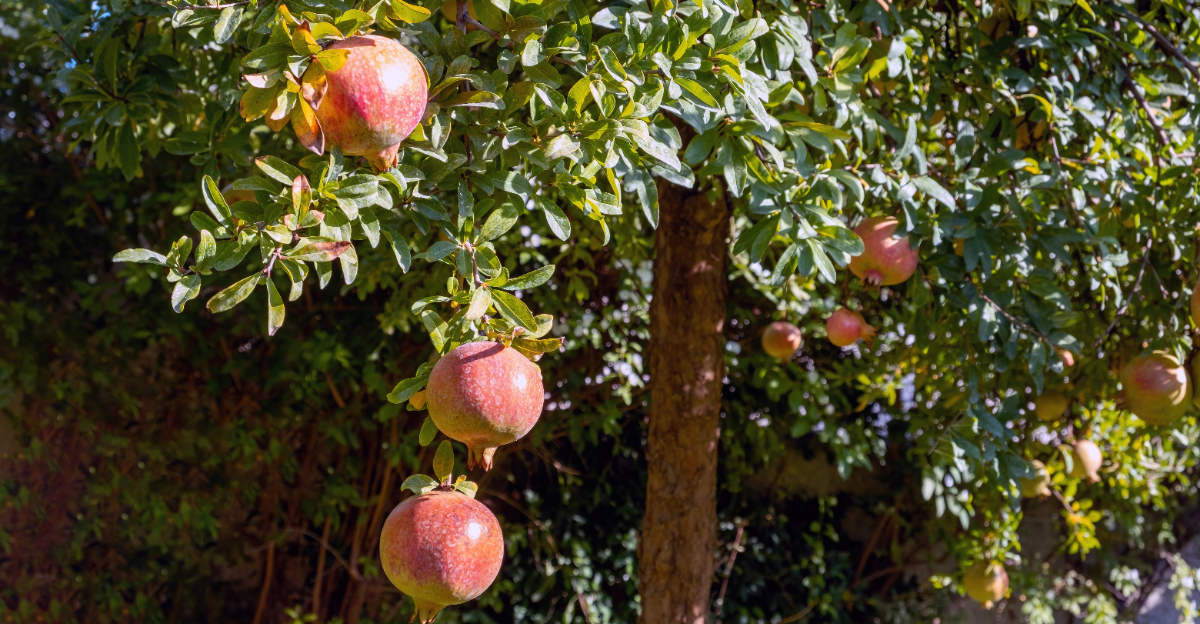
Pomegranate trees in Arizona begin to shift in April, and that stage often decides how well fruit develops later in the season. Growth starts to push out, and small changes in care can influence how evenly the tree sets and holds fruit.
At first glance, the tree may look stable, yet what happens now affects strength, flowering, and how well fruit carries through heat. Missed adjustments during this period can lead to uneven results that become more noticeable as temperatures rise.
The right approach at this stage supports stronger structure and better fruit development without turning care into a constant task.
April plays a quiet but important role here, and the difference shows later when the tree either holds steady production or struggles to keep fruit through the season.
1. Deep Watering Supports Strong Flower And Fruit Development
Shallow watering in April is one of the fastest ways to set your pomegranate up for a rough season. Arizona soil dries out quickly, and roots that stay near the surface struggle when the real heat arrives in May and June.
Watering deeply encourages roots to push down into cooler, more stable soil layers where moisture actually lasts.
A slow, deep soak once or twice a week works far better than light daily watering. You want the water to penetrate at least 18 to 24 inches into the ground.
A drip system or slow hose left running near the drip line for 30 to 45 minutes is a solid approach for most backyard trees in Arizona.
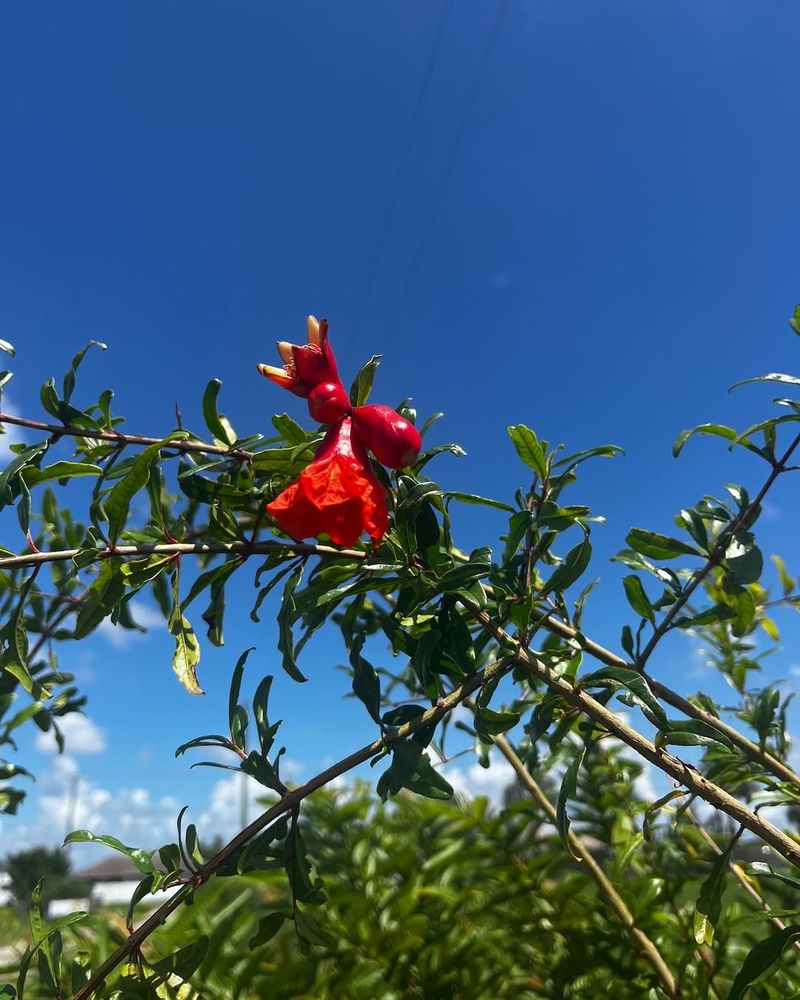
Pomegranates in April are actively pushing out new growth and starting to develop flower buds. That process takes real energy and real water.
If the tree runs short on moisture during this window, flower drop becomes more likely, and fewer flowers means fewer fruits. Watering consistently but not excessively is the balance to aim for.
Allow the top inch or two of soil to dry out between waterings. Overwatering in clay-heavy Arizona soils can cause root problems just as easily as underwatering.
Check the soil a few inches down before each watering session to get a feel for what the tree actually needs rather than following a rigid schedule.
2. Balanced Feeding Helps Trees Set Fruit More Successfully
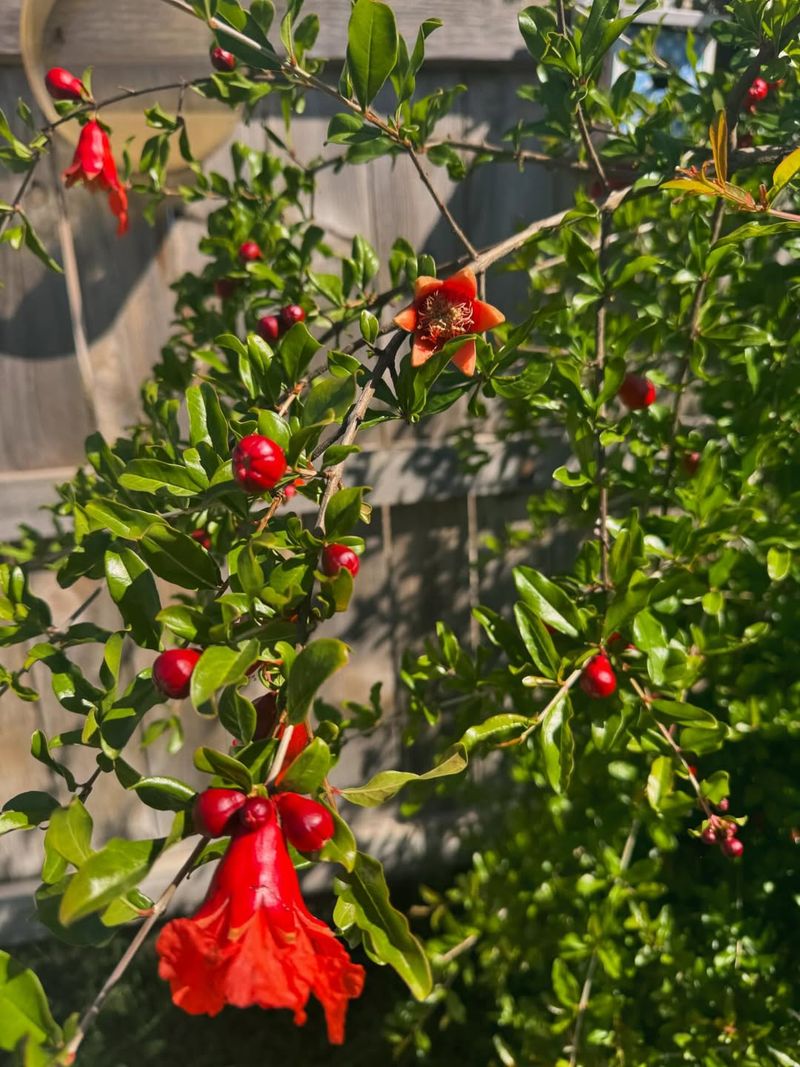
Pomegranate trees heading into flowering season in Arizona benefit from a light, balanced feeding in early April.
A fertilizer with equal parts nitrogen, phosphorus, and potassium, something like a 10-10-10 blend, gives the tree a broad nutritional foundation without pushing excessive leafy growth at the expense of flowers.
Spread the fertilizer evenly under the canopy, working your way out to the drip line where the feeder roots are most active. Avoid piling it near the trunk.
After spreading, water thoroughly so the nutrients begin moving down toward the root zone. Dry fertilizer sitting on dry soil does very little.
Nitrogen helps with leaf and stem development, but too much of it in spring can cause a tree to focus on foliage rather than flowers. Keeping the nitrogen level balanced with phosphorus and potassium helps shift the tree’s energy toward fruit production.
Your Arizona Garden Changes Every Week. Your Plan Should Too.
Gardening in Arizona changes quickly throughout the season. Every Friday you’ll receive a simple weekly plan showing exactly what to plant, prune, fertilize, harvest, and protect so you never miss the right timing.
Phosphorus in particular supports root strength and flower development, both of which matter a lot in April.
One application in early April is generally enough for most established trees in Arizona. Younger trees may benefit from a slightly lighter dose to avoid stressing developing root systems.
If your soil has been tested and shows specific deficiencies, adjust accordingly. Avoid fertilizing late in the month, since pushing new growth too close to the intense summer heat can leave tender shoots vulnerable to stress from the rising temperatures.
3. Full Sun Exposure Improves Flowering And Fruit Quality
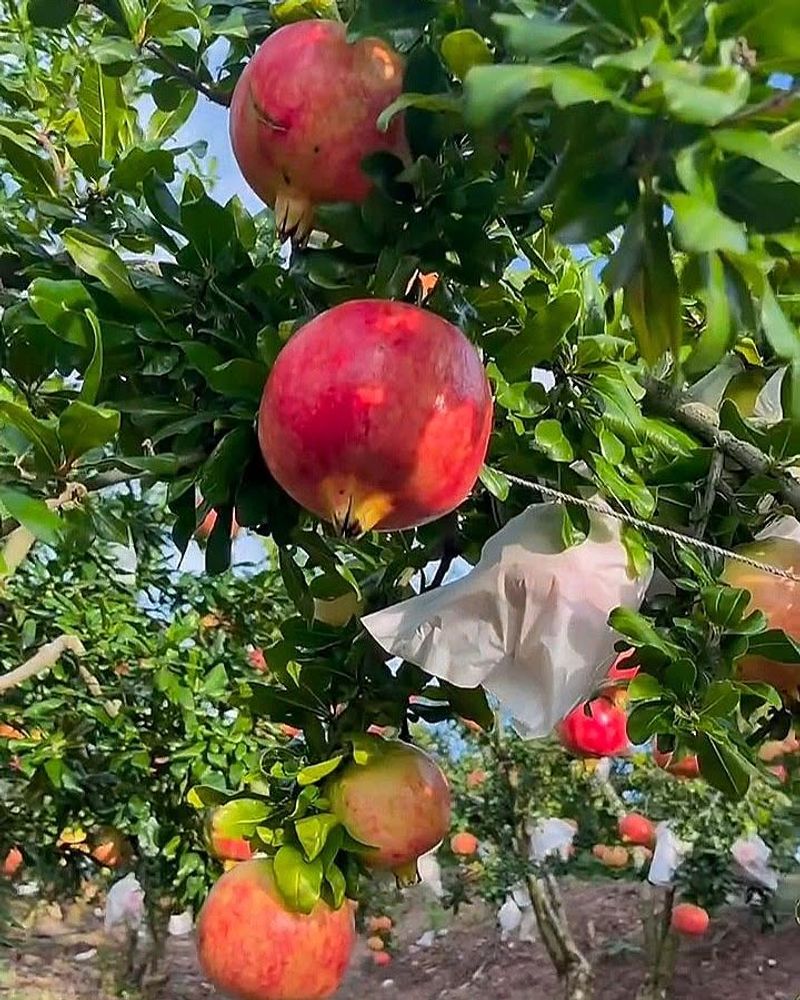
Pomegranates are built for sun, and Arizona delivers plenty of it. April is when flower buds are forming, and those buds need direct light to develop properly.
A tree that sits in partial shade, or one that has been crowded by nearby shrubs or structures, often produces fewer flowers and smaller fruit than a tree growing in an open, sunny spot.
Six to eight hours of direct sunlight daily is the general target, though Arizona trees often receive more than that without any issues. Full sun promotes better sugar development in the fruit, which translates to richer flavor at harvest time.
It also helps keep foliage dry, which reduces the chance of fungal problems showing up during the warmer months.
If nearby plants or trees have grown into the pomegranate’s space over the past year, April is a reasonable time to evaluate the situation. Trimming back competing vegetation can open up light exposure without needing to do anything drastic to the pomegranate itself.
Placement matters a lot for trees that haven’t been planted yet. South-facing spots with no shade obstructions work well in most parts of Arizona.
For trees already in the ground, maximizing available sun through smart pruning and keeping the surrounding area clear is the most practical approach.
Strong light during the flowering window in April can have a noticeable effect on how many fruits actually develop and mature by fall.
4. Light Pruning Removes Weak Growth Before Fruit Sets
Not every branch on a pomegranate tree deserves to stay. Heading into April in Arizona, a quick look at the canopy usually reveals some thin, crossing, or crowded branches that are taking up space without contributing much.
Removing them before the tree commits energy to flowering makes a real difference in how that energy gets distributed.
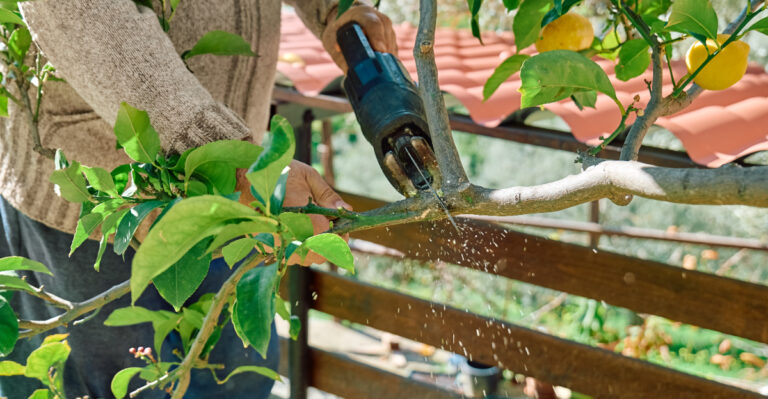
Keep the cuts light. Heavy pruning in spring can stress the tree and reduce the number of flowering stems available for the season.
The goal is to clean up obvious problems, not reshape the whole tree. Focus on branches that are rubbing against each other, stems growing inward toward the center, and any wood that looks weak or poorly positioned.
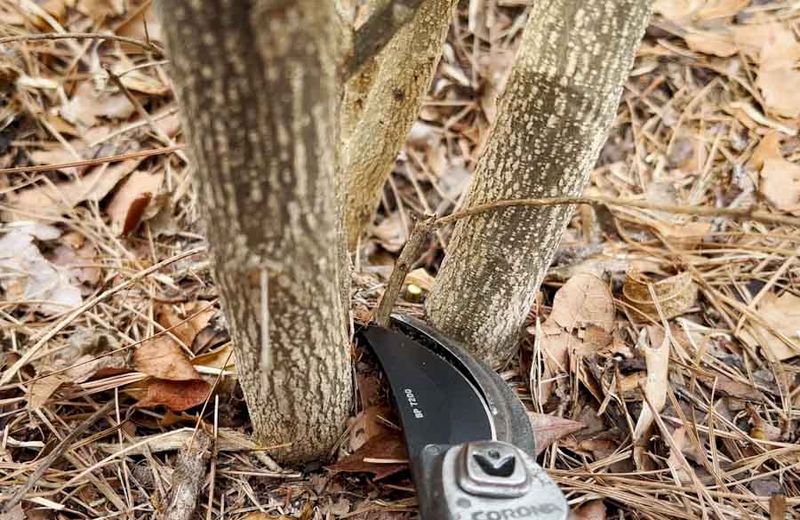
Suckers coming up from the base of the tree are also worth removing in April. They pull energy away from the main canopy and rarely produce fruit.
Cutting them close to the base, rather than just snapping them off, helps slow their return. Wear gloves because pomegranate branches often have small thorns tucked along the stems.
After pruning, clean your tools to avoid transferring any disease between plants. A quick wipe with rubbing alcohol works fine.
Arizona’s dry climate helps wounds callus over quickly, so recovery time is usually not a concern with minor cuts made in early spring.
Pruning at this point in the season, before flowers fully open, keeps the tree tidy and gives the remaining branches better access to light and airflow throughout the growing season.
5. Mulch Helps Retain Moisture As Temperatures Rise
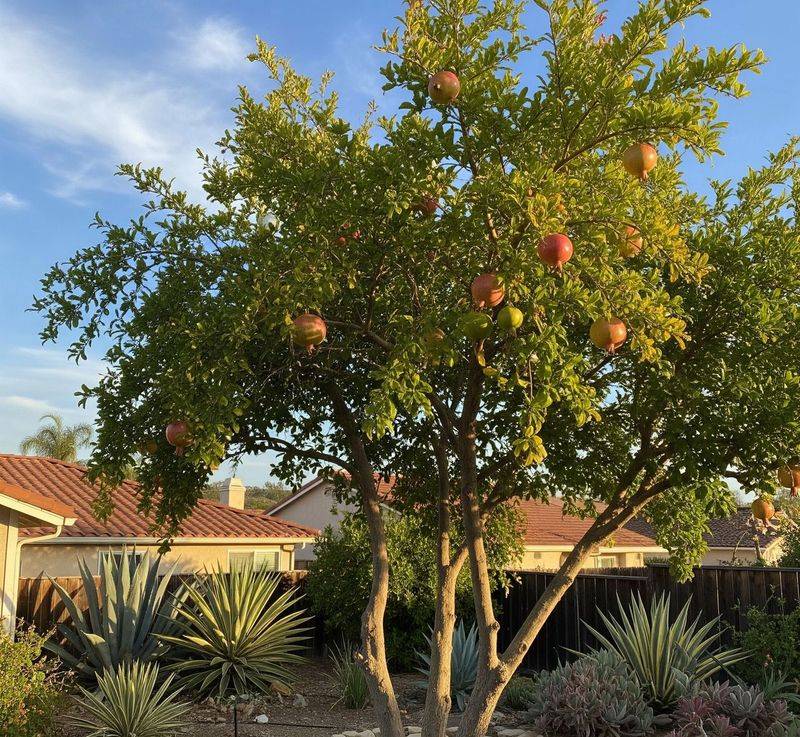
April in Arizona is a turning point. Temperatures that felt manageable in March can jump significantly by the end of the month, and soil moisture evaporates faster than most people expect.
Laying down a fresh layer of mulch around your pomegranate tree is one of the simplest steps you can take to slow that moisture loss before summer heat really settles in.
A two to three inch layer of organic mulch spread from a few inches away from the trunk out to the drip line works well for most Arizona trees. Wood chips, straw, or shredded bark are all reasonable options.
Keeping the mulch pulled back from the trunk prevents moisture from sitting against the bark, which can cause problems over time.
Beyond holding moisture, mulch also helps moderate soil temperature. Bare soil in direct Arizona sun can heat up significantly during the day, which stresses feeder roots near the surface.
A mulch layer acts as a buffer, keeping the soil underneath a bit cooler and more stable even as air temperatures climb through April and into May.
Mulch also slows weed growth around the base of the tree. Weeds compete with pomegranates for both water and nutrients, so reducing that competition during the growing season is genuinely helpful.
Refresh the mulch layer if it has broken down from the previous year. Organic mulch that has fully decomposed can actually be worked lightly into the soil around the drip line as a mild soil amendment before a new layer is added on top.
6. Consistent Soil Moisture Prevents Early Fruit Drop
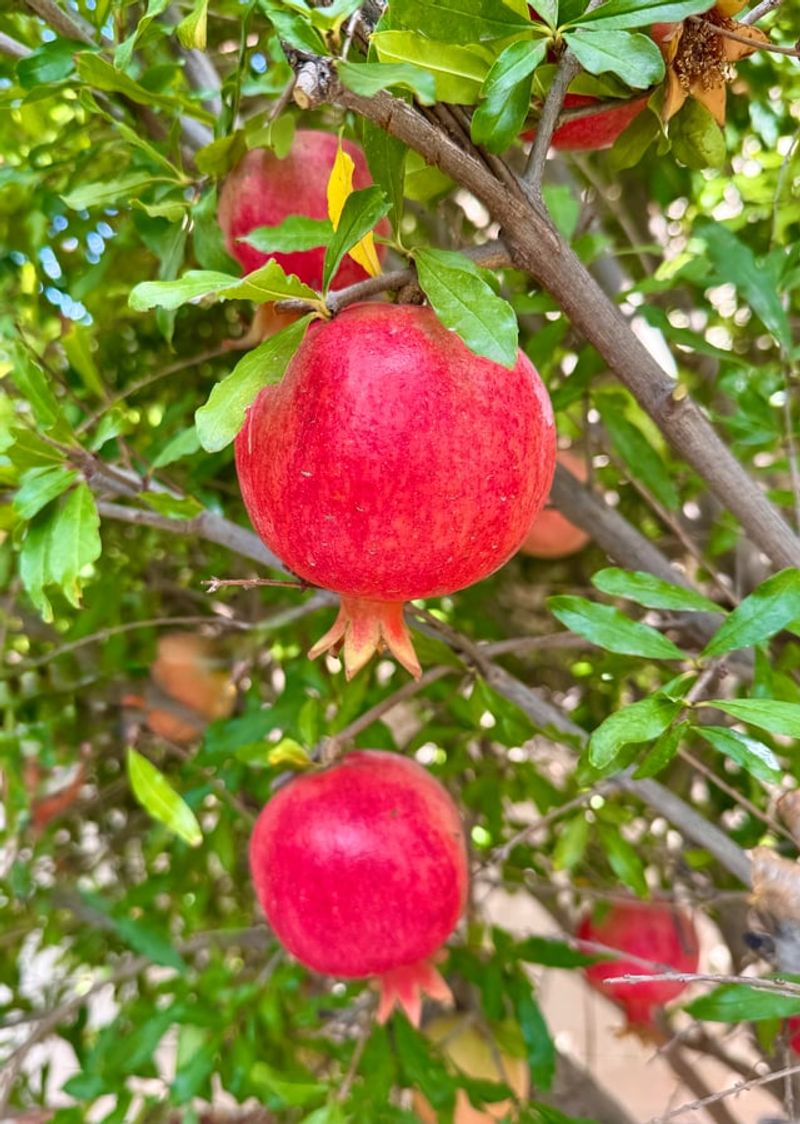
Early fruit drop in pomegranates is frustrating, and inconsistent watering is one of the more common causes. When the tree experiences cycles of very dry soil followed by sudden heavy watering, it reacts by shedding developing fruit.
April is exactly when small fruits begin forming after flowers open, making steady soil moisture especially important during this window.
Consistent does not mean constant. Pomegranates in Arizona do not want soggy soil.
What they need is a predictable rhythm where the soil gets a thorough soaking, has time to partially dry, and then gets watered again before it becomes completely dry. Sticking your finger a few inches into the soil is still one of the most reliable ways to gauge when it is time to water again.
Drip irrigation systems are popular in Arizona for good reason. They deliver water slowly and directly to the root zone, which reduces evaporation and keeps moisture levels more stable than overhead watering.
If you are using a drip system, check that emitters are working properly in April before the tree enters its most active fruiting phase.
Hot, dry winds can also pull moisture from the soil faster than expected in Arizona during late April. On particularly windy days, you may need to water a day earlier than usual.
Paying attention to actual conditions rather than following a rigid watering calendar helps the tree stay in a steady moisture range. That consistency during fruit set gives developing pomegranates the best chance of staying on the branch through the growing season.
7. Good Airflow Reduces Stress And Supports Healthy Growth
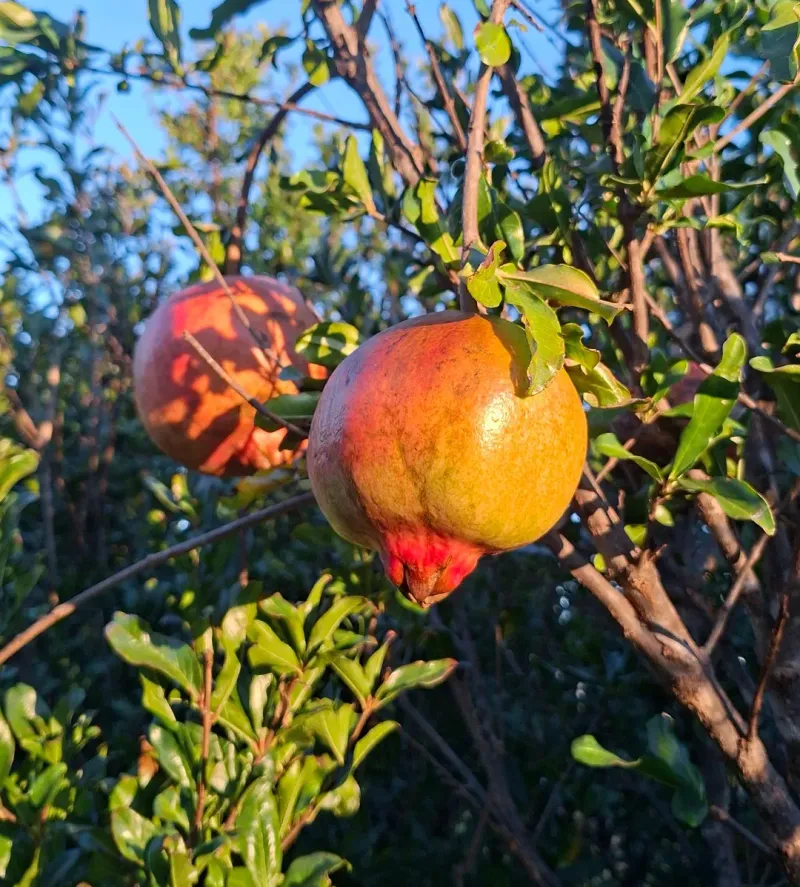
A crowded canopy traps heat and humidity, and while Arizona is not known for high humidity overall, stagnant air around dense foliage still creates conditions where fungal issues and pest pressure can build up.
Opening the canopy slightly in April improves airflow through the branches and helps the tree handle the warming temperatures more comfortably.
Good airflow also helps flowers pollinate more effectively. Pomegranate flowers are pollinated by insects and to some extent by wind movement.
Branches that are too tightly packed can limit both. Giving the tree a more open structure means pollinators can reach flowers more easily, and air movement can carry pollen between blooms without obstruction.
Spacing around the tree matters just as much as what is happening inside the canopy. Planting other shrubs or structures too close to a pomegranate can restrict air movement at the outer edges of the tree.
In Arizona, where spring winds can pick up significantly, some airflow is natural and even beneficial, but stagnant pockets around a dense planting are worth addressing.
Aphids and other small insects tend to cluster on new growth in spring. Good airflow does not eliminate pest pressure entirely, but it does make the environment slightly less hospitable for populations to build up quickly.
Checking new growth regularly in April and catching problems early keeps any infestations manageable.
Neem oil or insecticidal soap applied carefully to affected areas can address small outbreaks without disrupting beneficial insects visiting the flowers during this important pollination period in Arizona.