These Invasive Plants Are Illegal To Have In Michigan Gardens
Some plants can look beautiful in a yard and still cause big problems once they start to spread. In Michigan, a number of invasive plants are not just a bad choice for the garden.
They are actually illegal to have in many cases. That surprises a lot of homeowners, especially when these plants may still show up in old landscapes or get passed along by neighbors who do not know the rules.
The trouble is that invasive plants can spread quickly, crowd out native species, and create lasting damage in woodlands, wetlands, and backyard spaces. What starts as one attractive plant can become a much bigger issue than expected.
That is why it helps to know which plants are on Michigan’s illegal list and why they matter. A closer look at these problem plants can help you protect your garden and avoid costly mistakes.
1. Autumn Olive (Elaeagnus umbellata)
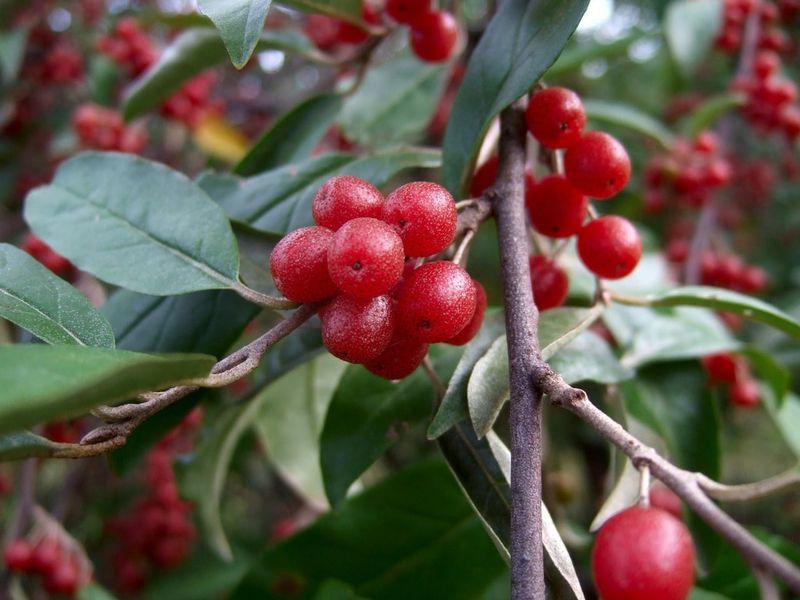
Autumn olive might look like an innocent shrub, but Michigan has placed it on the restricted invasive species list for good reason. Originally brought over from Asia as a wildlife-friendly planting, it quickly proved to be far more trouble than it was worth.
The plant spreads aggressively, pushing out native Michigan vegetation before anyone realizes what is happening.
Under Michigan law, you cannot intentionally keep, sell, plant, or move autumn olive as a live organism. The state takes its restricted species list seriously, and gardeners caught doing any of those things can face real legal consequences.
Even if the shrub showed up on your property on its own, deliberately tending to it or spreading it is a different story entirely.
Autumn olive produces thousands of berries each season, and birds love to carry those seeds far and wide across Michigan. That makes it one of the fastest-spreading plants on the restricted list.
If you spot it growing near your home, the smart move is to contact your local Michigan invasive species program for guidance on how to properly handle it.
Replacing it with a native Michigan shrub like serviceberry or elderberry is a great way to support local wildlife without breaking any laws.
2. Japanese Knotweed (Fallopia japonica)
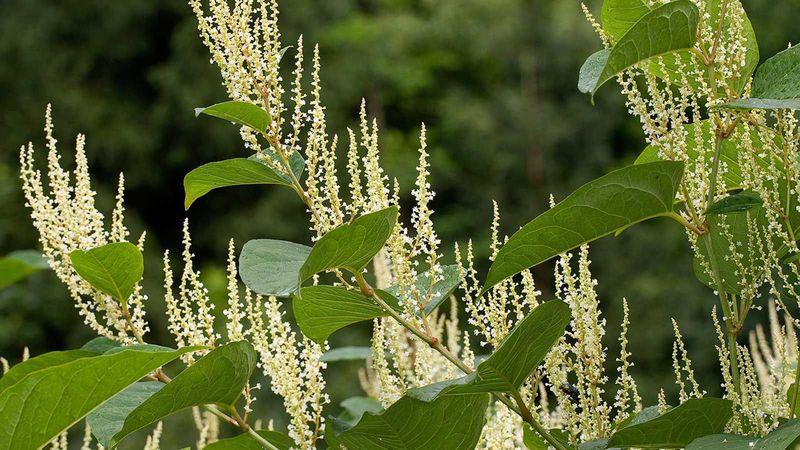
Few plants in Michigan cause as much frustration as Japanese knotweed. Gardeners sometimes mistake it for something exotic and interesting, but this plant is one of the most aggressive invaders on Michigan’s prohibited species list.
Once it takes hold, it spreads through underground stems called rhizomes, and those roots can push through concrete, fences, and even building foundations.
Michigan law prohibits intentionally possessing or moving Japanese knotweed as a live plant, full stop. This is not a plant you can keep in a contained pot and call it fine.
The risk of it escaping into the surrounding Michigan environment is simply too high, and state regulators treat it as one of the more serious invasive threats in the region.
The plant can grow up to ten feet tall in a single season, smothering everything around it and leaving behind bare, lifeless patches when it retreats in winter. Native Michigan plants, birds, and insects all suffer when Japanese knotweed moves in and takes over a space.
Your Michigan Garden Changes Every Week. Your Plan Should Too.
Gardening in Michigan changes quickly throughout the season. Every Friday you’ll receive a simple weekly plan showing exactly what to plant, prune, fertilize, harvest, and protect so you never miss the right timing.
If you already have it on your property, do not try to mow or chop it without a plan, since cutting it can actually spread the fragments and make the problem worse.
Reach out to Michigan’s invasive species hotline for the safest and most effective management approach.
3. Giant Hogweed (Heracleum mantegazzianum)
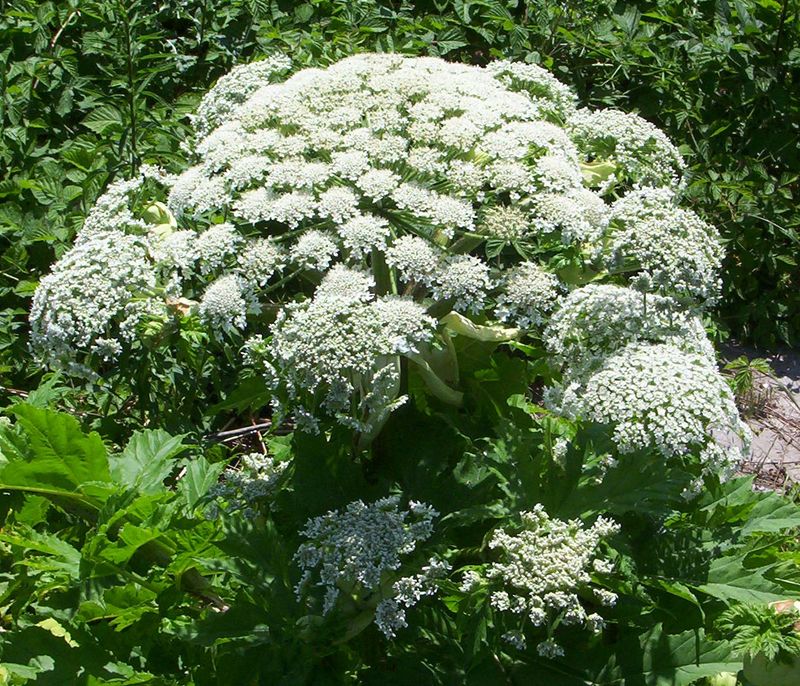
Giant hogweed is one of the few plants on Michigan’s prohibited list that poses a direct threat not just to the environment, but to people as well.
This towering plant, which can reach heights of fourteen feet, contains a toxic sap that causes severe skin burns when exposed to sunlight.
Michigan’s invasive species page specifically highlights its danger to humans, making it one of the most urgent plants to avoid.
Intentionally possessing or planting giant hogweed anywhere in Michigan is against the law. The plant originally came from the Caucasus region of Central Asia and made its way into North American gardens as a novelty ornamental.
That decision turned out to be a serious mistake, and Michigan regulators now treat it as one of the highest-priority prohibited species in the state.
If you ever think you see giant hogweed growing near your Michigan home or garden, do not touch it under any circumstances. Even brief skin contact followed by sun exposure can cause painful blisters and long-lasting skin sensitivity.
Report any suspected sightings immediately to the Michigan Department of Agriculture and Rural Development. Trained professionals can assess the situation and handle removal safely.
Keeping your family and your local ecosystem protected starts with knowing just how serious this particular plant really is.
4. Invasive Phragmites (Phragmites australis)
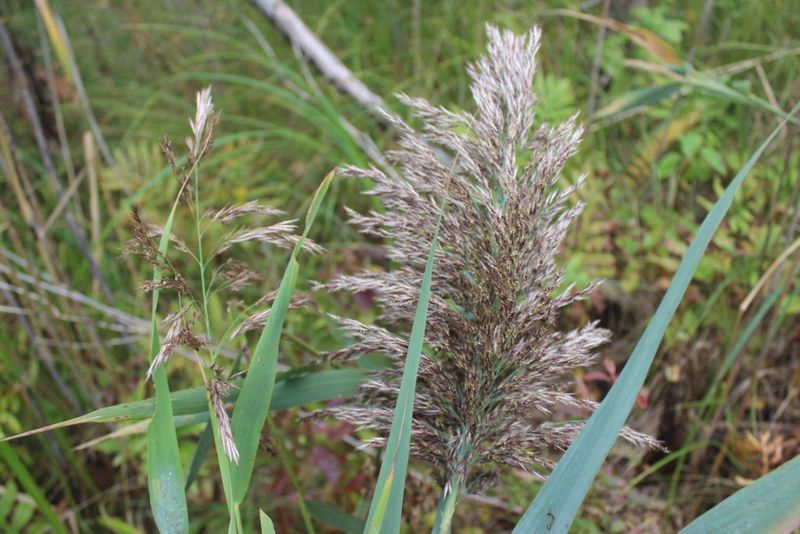
Walk along almost any Michigan wetland, roadside ditch, or pond edge, and you have probably already seen invasive phragmites without knowing it.
This tall, reed-like grass forms massive, impenetrable stands that crowd out native cattails, sedges, and wildflowers that Michigan wildlife depends on.
It is one of the most widespread invasive plants in the entire Great Lakes region. Michigan lists invasive phragmites as a restricted species, meaning you cannot intentionally keep, plant, or move it as a live organism.
The non-native variety, which is the invasive one, looks similar to the native phragmites that has always grown in Michigan, but it behaves very differently.
The invasive form spreads much faster and grows far more densely, leaving little room for anything else to survive alongside it.
Property owners with ponds, shorelines, or low-lying wet areas should keep a close eye out for this plant. Stands can double in size within just a few growing seasons, and by the time most people notice the problem, it has already spread well beyond easy management.
Michigan’s invasive species program offers resources to help landowners identify the invasive variety versus the native one, which is an important distinction before taking any action.
Choosing native shoreline plantings like blue flag iris or soft rush is a much better option for Michigan water gardens and pond edges.
5. Purple Loosestrife (Lythrum salicaria)
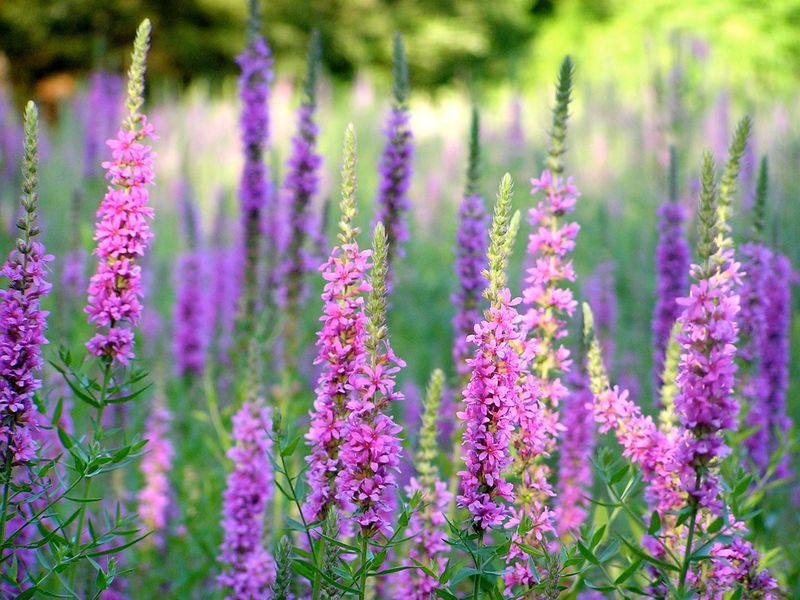
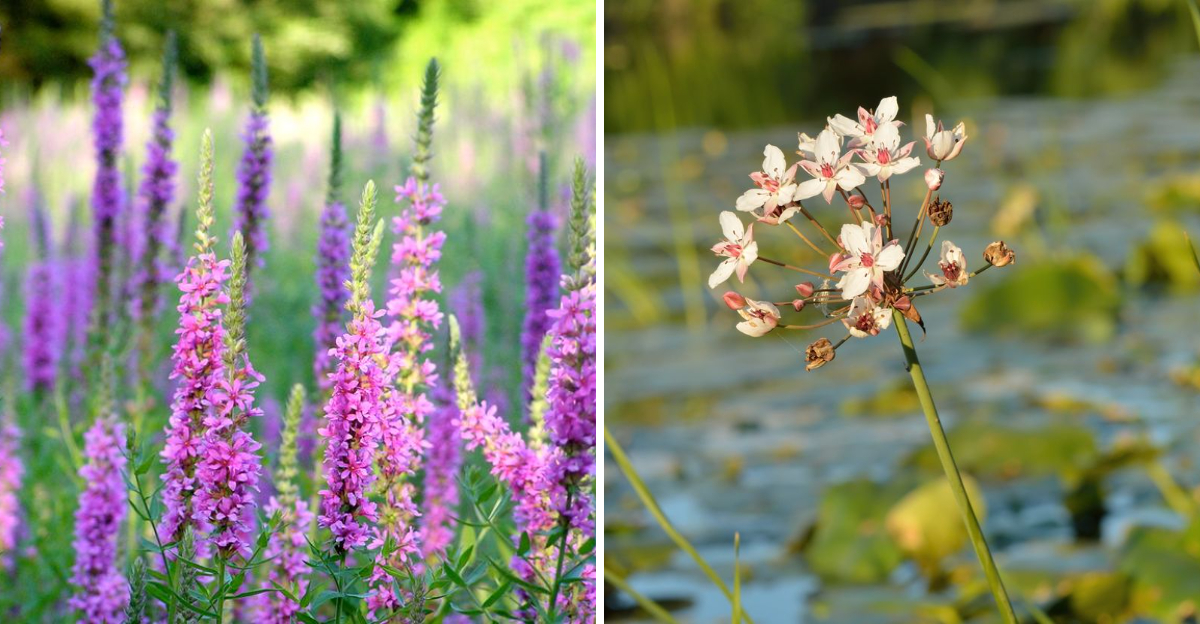
Purple loosestrife is one of those plants that tricks people with its looks. The tall spikes of bright magenta-pink flowers are genuinely beautiful, and for years it was sold in garden centers across the country as an ornamental plant.
Michigan has since placed it on the restricted invasive species list, and gardeners can no longer legally keep, sell, plant, or move it as a live organism. The problem with purple loosestrife is how efficiently it takes over wetland areas.
A single mature plant can produce more than two million seeds in one growing season, and those seeds spread easily through wind and water across Michigan’s many lakes, rivers, and marshes.
Once it establishes itself in a wetland, it forms such thick stands that native plants simply cannot compete for space, sunlight, or nutrients.
Michigan’s wetlands are home to dozens of species of birds, amphibians, and fish that rely on native plants for food and shelter. When purple loosestrife moves in, that entire food web gets disrupted.
Many Michigan gardeners are surprised to learn this plant is restricted, especially those who remember seeing it in old-fashioned perennial gardens.
Swapping it out for native Michigan alternatives like swamp milkweed or blue vervain gives you that same bold splash of summer color while actually supporting local pollinators and wildlife instead of harming them.
6. Flowering Rush (Butomus umbellatus)
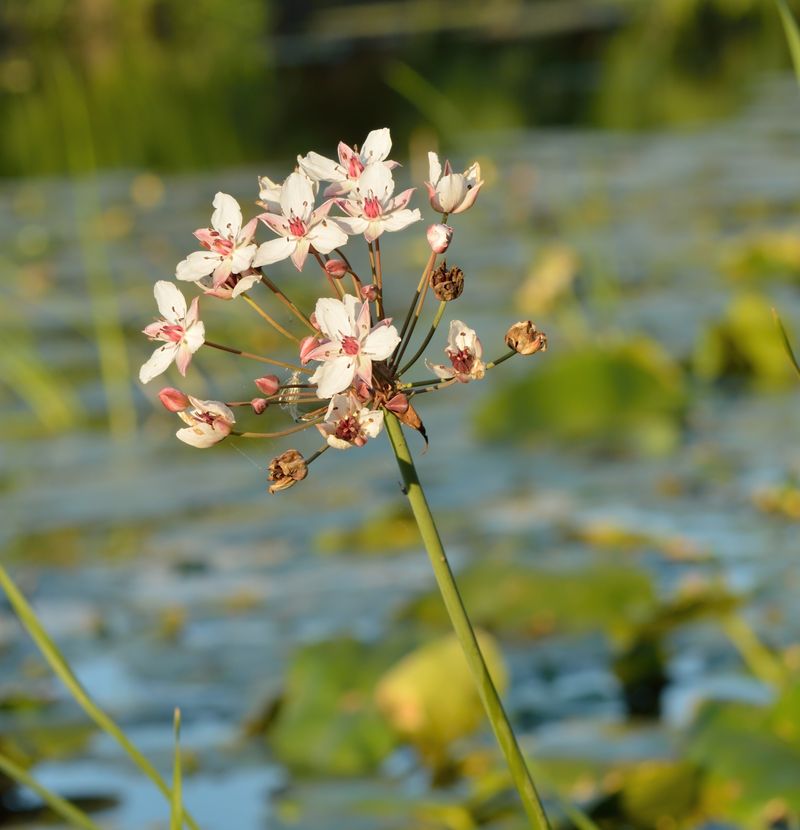
At first glance, flowering rush looks like something you would want in a water garden. The clusters of soft pink flowers rising above the water are genuinely eye-catching, and it is easy to understand why people were once drawn to planting it along Michigan pond edges.
The reality, though, is that Michigan lists flowering rush as a restricted invasive aquatic plant, making it illegal to intentionally keep or move as a live organism.
Flowering rush originally came from Europe and Asia, and it made its way into the Great Lakes region through the aquatic plant trade.
In Michigan, it has established itself in rivers, lakes, and slow-moving waterways, where it forms thick colonies that crowd out native aquatic vegetation.
Fish and waterfowl that depend on native plants for food and nesting habitat take a real hit when flowering rush moves in and takes over a shoreline.
For Michigan gardeners with backyard ponds or shoreline plantings, this is a plant worth knowing well enough to avoid. Even a small fragment of the plant can break off, float downstream, and start a new colony somewhere else entirely.
That is exactly why Michigan law focuses on preventing intentional possession and movement of live plants. Native Michigan aquatics like pickerelweed or blue flag iris offer beautiful alternatives that support the ecosystem rather than working against it.
7. Eurasian Watermilfoil (Myriophyllum spicatum)
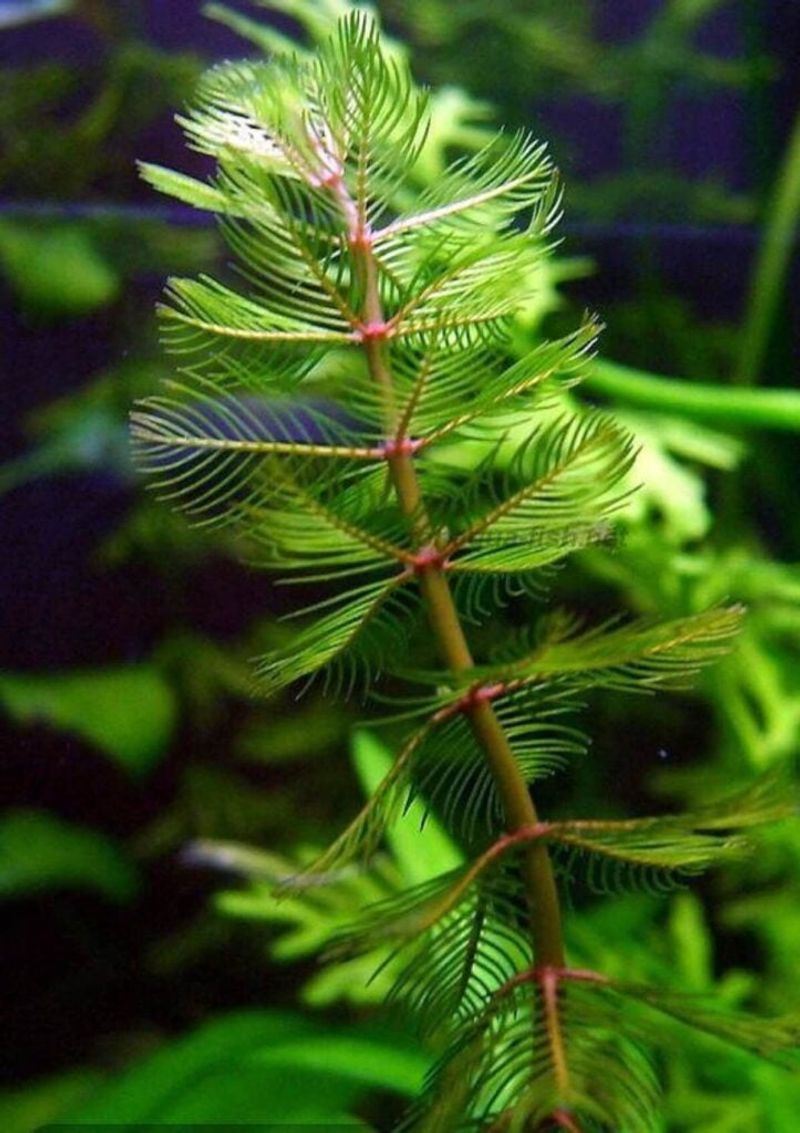
Beneath the surface of many Michigan lakes and ponds, a quiet invasion has been happening for decades.
Eurasian watermilfoil is a submerged aquatic plant that forms dense underwater mats, tangling around boat motors, blocking sunlight from reaching native aquatic plants, and throwing off the natural balance of Michigan’s freshwater ecosystems.
It is one of the most well-known problem plants in the Great Lakes region. Michigan restricts Eurasian watermilfoil, which means intentionally possessing or moving it as a live organism is against the law.
The plant spreads incredibly easily because even a tiny fragment attached to a boat, trailer, or fishing gear can start a brand-new colony in a completely different lake.
That is why Michigan consistently reminds boaters and anglers to clean, drain, and dry their equipment every single time they leave the water.
For anyone with a backyard pond in Michigan, this is a plant to watch for carefully. Eurasian watermilfoil can look similar to some native aquatic plants, so proper identification matters before making any decisions.
The Michigan Department of Natural Resources has identification guides available to help homeowners tell the difference.
Native Michigan aquatic plants like wild celery or native pondweed make excellent alternatives that provide habitat and oxygen for fish without threatening the broader health of Michigan’s beloved lakes and waterways.