Why Deer Keep Destroying Arborvitae In Michigan Yards
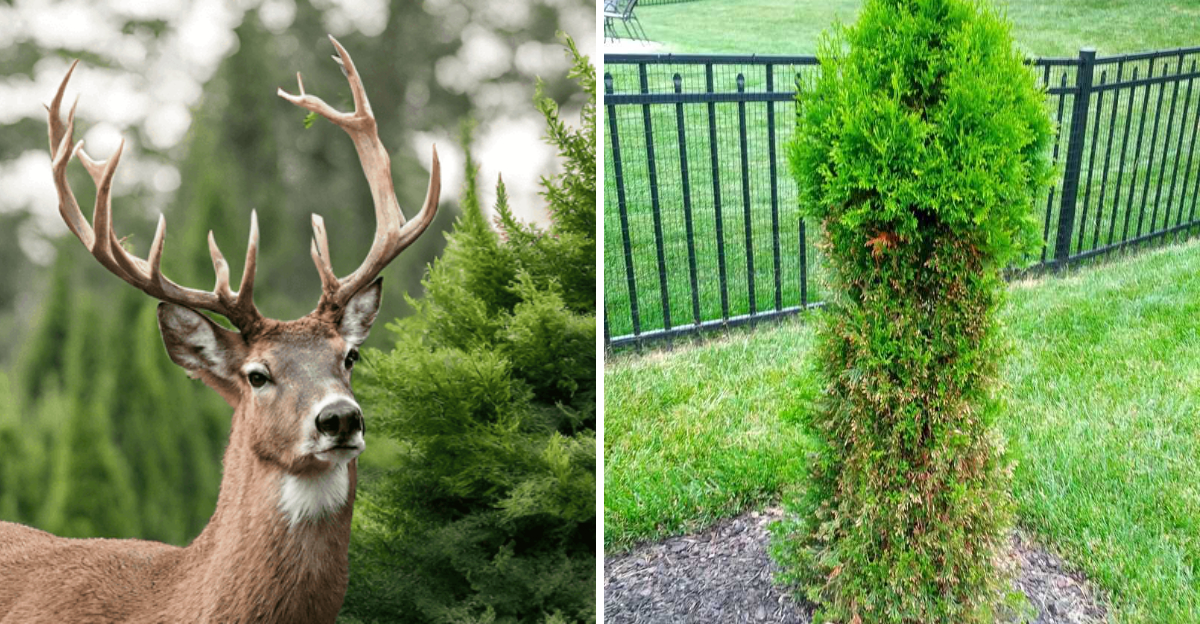
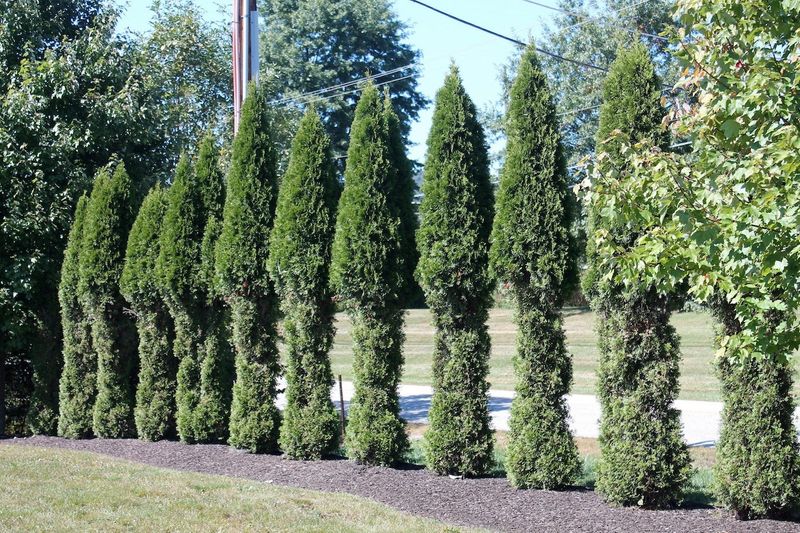
Arborvitae are a popular choice for privacy in Michigan yards, but they often become a favorite target for deer.
Many homeowners plant them expecting a thick, green screen, only to watch them get chewed down over time.
Deer are especially drawn to arborvitae during fall and winter when other food sources are limited. Their soft, evergreen foliage is easy to eat and stays available even in cold weather.
In areas with high deer populations, these shrubs can be hit again and again, leaving them thin, uneven, or struggling to recover.
Michigan’s long winters only add to the problem, making arborvitae one of the first plants deer return to each season.
Understanding why deer focus on these shrubs can help you figure out what is really happening in your yard and what steps can make a difference moving forward.
1. Arborvitae Is A Preferred Winter Food Source
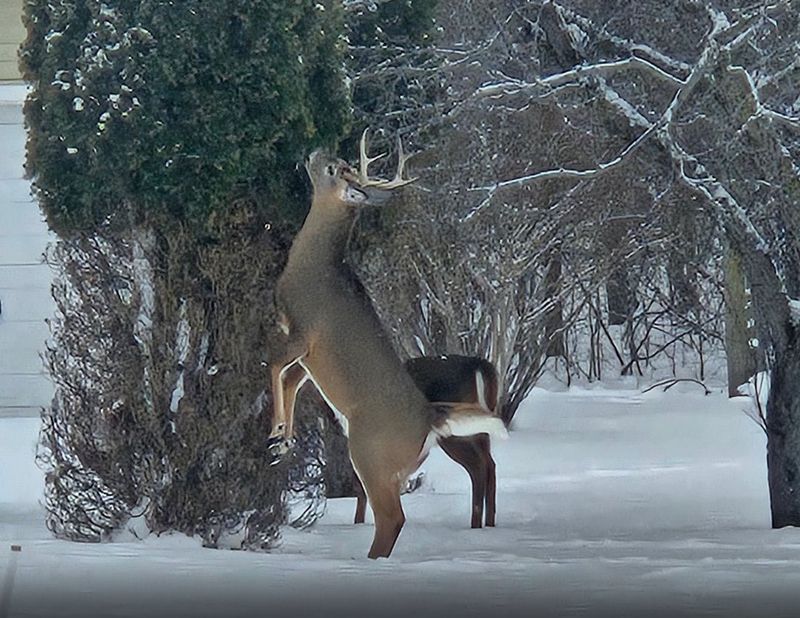
Not all plants are created equal in a deer’s eyes, and arborvitae sits right at the top of their favorites list.
These trees contain soft, scale-like foliage packed with moisture and nutrients that deer genuinely crave, especially when temperatures drop across Michigan.
Unlike many other landscape plants that become dry or tough in cold weather, arborvitae stays tender and easy to chew throughout the entire winter season.
Michigan deer have learned over generations that arborvitae offers reliable nutrition when their options shrink dramatically.
The foliage is rich enough to help them maintain body weight through brutal cold stretches, making it almost irresistible.
Homeowners who plant arborvitae along fences or driveways are essentially setting up a buffet that deer will actively seek out from long distances.
Protecting your trees starts with understanding just how attractive they truly are to local wildlife.
Wrapping young arborvitae in burlap or installing physical barriers before winter arrives can dramatically reduce browsing damage.
Many Michigan gardeners also apply deer repellent sprays directly to the foliage in early fall, creating a scent barrier that discourages feeding before habits even form.
Acting early makes a huge difference in keeping your arborvitae healthy and full through spring.
2. Arborvitae Stays Green Year-Round
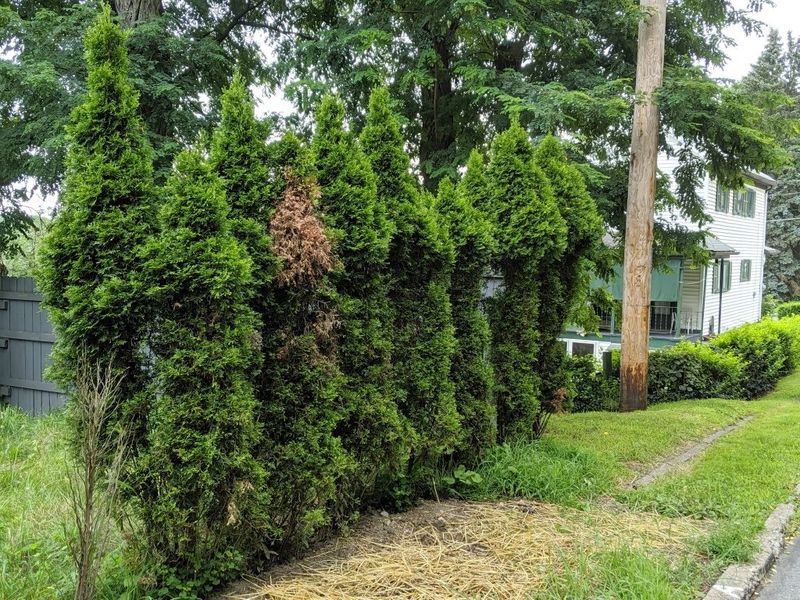
Picture a snowy Michigan yard in January where almost everything is brown, bare, or buried.
Right in the middle of all that gray and white, your arborvitae stands bright green and full, like a glowing sign pointing deer straight toward your property.
The evergreen nature of arborvitae makes it visually and physically stand out from every other plant in the winter landscape, drawing wildlife attention in a way that deciduous shrubs simply never could.
Deer rely heavily on their vision and sense of smell to locate food during winter months.
A vibrant green arborvitae hedge is easy to spot from a distance across an open yard or field, and the fresh plant scent it releases even in cold air gives deer an additional signal that food is available nearby.
Once a deer spots or smells your arborvitae, the journey toward your yard becomes almost automatic.
Your Michigan Garden Changes Every Week. Your Plan Should Too.
Gardening in Michigan changes quickly throughout the season. Every Friday you’ll receive a simple weekly plan showing exactly what to plant, prune, fertilize, harvest, and protect so you never miss the right timing.
One smart way Michigan homeowners can reduce this visual attraction is by surrounding arborvitae with other evergreen plants that deer find less tasty, like boxwood or juniper, to create a more confusing landscape.
Using deer-resistant companion plantings creates a natural buffer zone that can slow or redirect browsing deer before they reach your prized arborvitae.
Combining this planting strategy with repellent sprays applied every few weeks through winter gives your trees a solid, layered defense against persistent local deer.
3. Lack Of Natural Predators
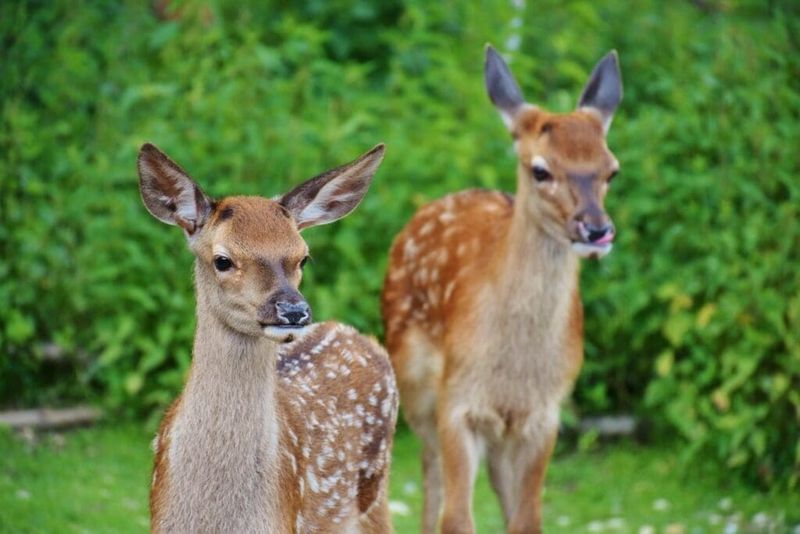
In the wild, deer stay alert because wolves, mountain lions, and coyotes keep them constantly on edge.
But in a quiet suburban Michigan neighborhood, those natural checks on deer behavior are almost entirely absent.
Without predators nearby to create fear and urgency, deer slow down, relax, and feed much more thoroughly, which means your arborvitae takes far more damage per visit than it would in a natural woodland setting.
A relaxed deer is a thorough deer. When no threat pushes them to move quickly, they will spend extended time at a single food source, working their way methodically through an entire arborvitae hedge from bottom to top.
This kind of unhurried browsing strips branches completely and can set back years of healthy growth in just one calm evening across a peaceful Michigan suburb.
Homeowners can partially recreate the feeling of threat by using motion-activated deterrents that startle deer unexpectedly.
Devices that emit sudden bursts of light, sound, or water movement can interrupt a deer’s sense of security and encourage it to move on before causing serious damage.
Rotating between different types of deterrents every few weeks prevents deer from getting used to any single method, keeping them guessing and uncomfortable enough to look elsewhere for an easier meal.
Consistency with these tools is the real key to long-term success in predator-free suburban Michigan yards.
4. Natural Food Is Scarce In Winter
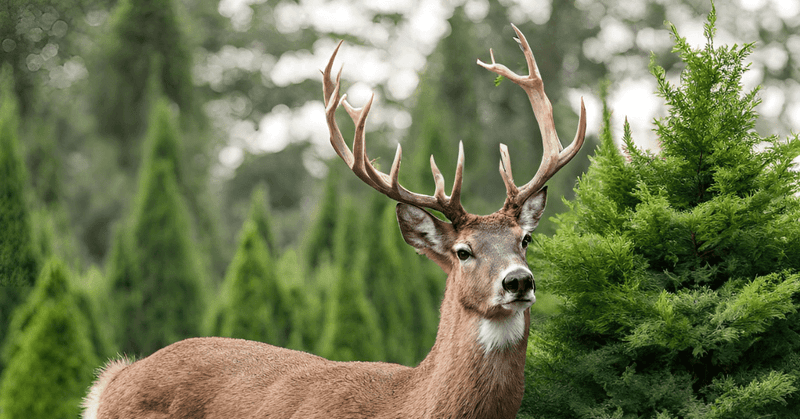
Winter in Michigan transforms the landscape into something almost unrecognizable for wildlife.
Fields that once offered grasses, berries, and wildflowers become buried under snow and ice, leaving deer with very few choices for finding enough calories each day.
When natural food sources disappear so suddenly, deer become highly motivated to explore residential yards in search of anything green and edible.
Arborvitae stands out as one of the only reliably accessible food sources during Michigan’s coldest months.
Because these trees hold their green color and soft texture even in freezing conditions, hungry deer zero in on them almost instinctively.
A single large arborvitae hedge can attract multiple deer in one night, especially after heavy snowfall covers ground-level vegetation completely.
Understanding this seasonal pressure helps homeowners plan smarter protection strategies before winter hits.
Installing tall wire fencing around individual trees or hedges before the first frost gives your arborvitae the best chance of surviving intact.
Some Michigan residents have found success pairing physical barriers with motion-activated sprinklers or lights that startle deer before they settle into a feeding routine.
Staying one step ahead of hungry deer during the scarce winter months is absolutely worth the extra effort when spring arrives and your trees are still thriving beautifully.
5. High Deer Population In Suburban Areas
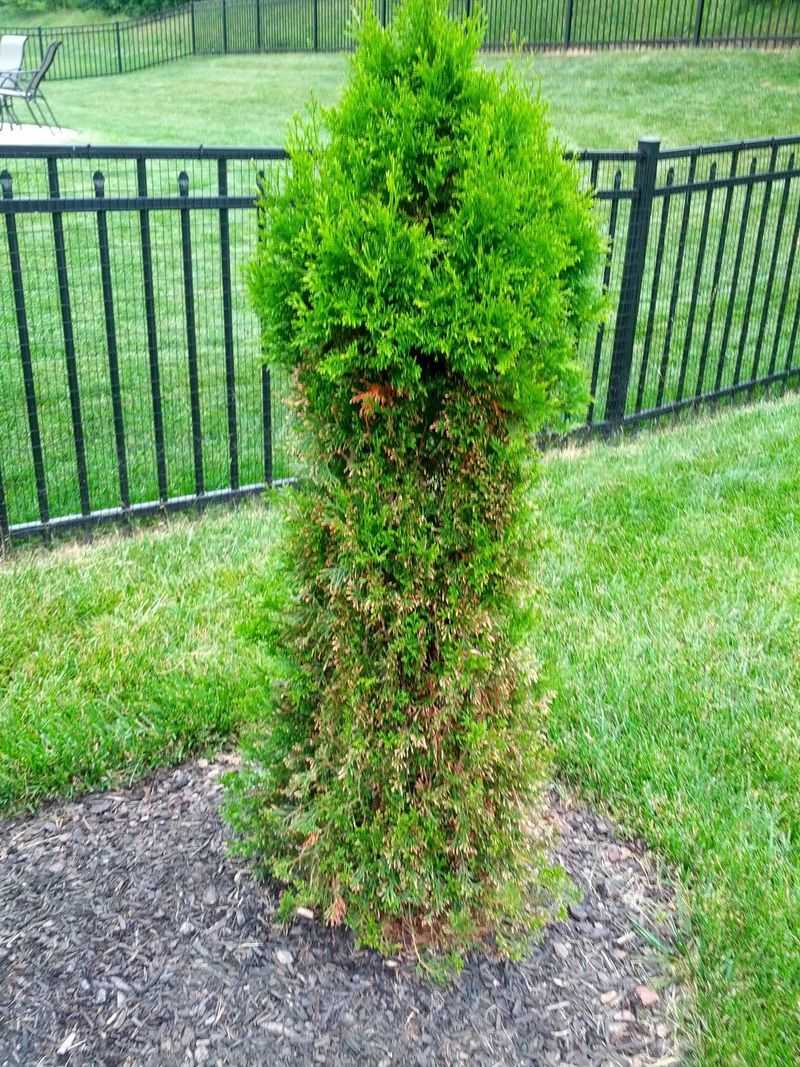
Michigan has one of the largest white-tailed deer populations in the entire United States, and suburban neighborhoods feel that pressure every single season.
As natural forests and open fields get replaced by housing developments, deer adapt surprisingly well to living alongside people.
They learn quickly that suburban yards offer easy food, low traffic at night, and very little threat, making neighborhoods across Michigan prime feeding territory year after year.
When deer populations grow dense in a suburban area, the competition for food increases significantly. More deer means more pressure on every available food source, including your arborvitae.
A neighborhood where deer have multiplied over several years can see entire hedges stripped bare in just one or two nights, which shocks homeowners who assumed their trees were safe simply because they had never been bothered before.
Connecting with your neighbors about deer activity is actually one of the most effective community-level strategies available.
When multiple households in a Michigan neighborhood coordinate their deterrent efforts, like using consistent repellent products or shared fencing along property lines, deer are far less likely to find a comfortable feeding zone anywhere nearby.
Local Michigan DNR resources also offer guidance on managing suburban deer pressure responsibly and effectively.
Working together as a neighborhood creates a much stronger defense than any single homeowner could build alone against a growing local herd.
6. Arborvitae Is Easy To Reach And Soft To Eat
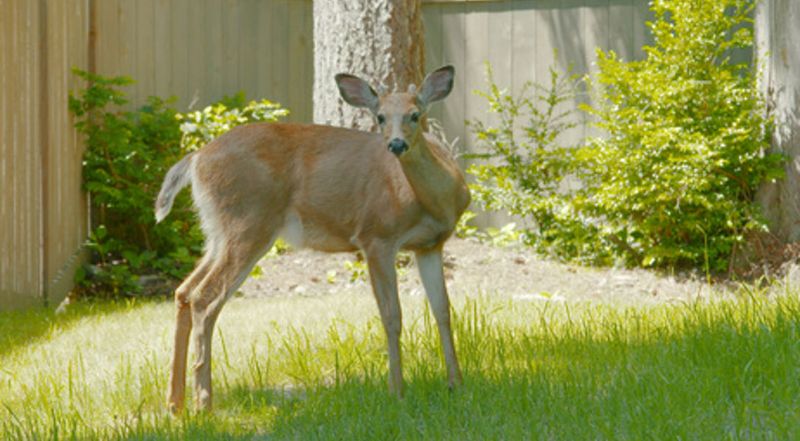
Convenience matters a lot to a foraging deer, and arborvitae checks every box on that list.
The foliage on most arborvitae varieties grows in dense, layered sprays that start very close to the ground, putting tender branches right at a deer’s mouth level without any effort at all.
Compare that to a tall oak tree where edible parts are completely out of reach, and it becomes obvious why arborvitae gets targeted so consistently across Michigan yards.
Beyond accessibility, the texture of arborvitae foliage makes feeding genuinely easy and comfortable.
The soft, flat sprays of scale-like leaves require almost no chewing effort, which is very different from the tough, fibrous bark or dried stems deer sometimes resort to in deep winter.
When food is both easy to reach and easy to eat, deer will return to that source again and again until it is gone or something stops them.
Raising the canopy of your arborvitae by removing lower branches up to about five feet can reduce easy access for deer significantly.
While this changes the traditional columnar shape slightly, it removes the most reachable feeding zone and forces deer to work harder than they prefer.
Pairing this approach with a deer-repellent spray applied to upper foliage that remains within reach gives Michigan homeowners a practical, two-layered approach that works well even during the hungriest months of the year.
7. Deer Develop Feeding Habits And Return Repeatedly
Once a deer finds a reliable food source, it does not forget. White-tailed deer have strong spatial memory and will travel the same routes through Michigan neighborhoods night after night, revisiting spots where they found food before.
If your arborvitae fed a deer even once last winter, there is a very high chance that same deer, and possibly others it traveled with, will show up again this season expecting the same meal.
This habitual behavior is one of the trickiest challenges Michigan homeowners face when trying to protect their landscape.
Breaking an established feeding routine takes more effort than preventing one from forming in the first place.
A deer that has visited your yard ten times already is much harder to discourage than one encountering your property for the very first time on a cold November night.
Starting protective measures in early fall, before deer have a chance to establish your yard as part of their regular route, gives you a major advantage.
Applying repellent sprays before deer season ramps up, installing fencing or netting while the weather is still manageable, and removing any other food attractants like fallen fruit or bird seed near arborvitae all send a clear message that your yard is not worth the visit.
Staying consistent with these efforts through the entire winter season is what ultimately breaks the cycle and protects your Michigan arborvitae for years to come.